Support

Newcastle

About

Nestled in the picturesque foothills of the Drakensberg mountains, Newcastle is a prominent city in the KwaZulu-Natal province of South Africa. Often recognized as an industrial powerhouse, this bustling urban center surprises visitors with its scenic beauty and vibrant local culture. With a population of over 360,000 residents, it serves as a significant economic hub and a popular stopover for travelers journeying between Johannesburg and the coast.

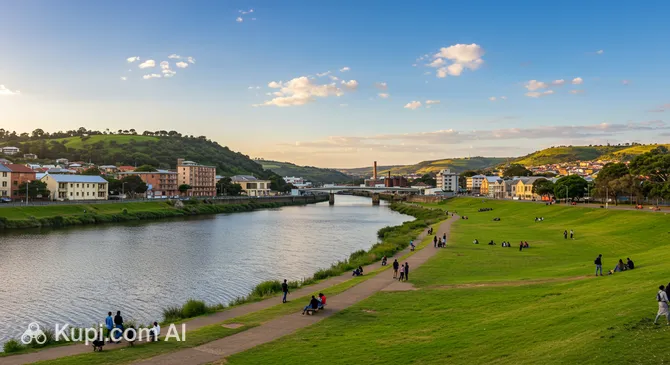
Newcastle. Source: Kupi.Binoculars

Beyond its modern development, the city is steeped in stories of the past. The history of Newcastle is deeply intertwined with the significant events that shaped the region, including the Anglo-Zulu and Anglo-Boer Wars. Visitors can step back in time at the Fort Amiel Museum, a hilltop heritage site that offers commanding views and fascinating exhibits regarding the area's military legacy.

For those seeking leisure and nature, the city does not disappoint. It acts as a gateway to outdoor adventures, with the nearby Chelmsford Nature Reserve offering excellent opportunities for fishing, game viewing, and water sports. Whether you are exploring the battlefields route, trying your luck at the Blackrock Casino, or simply enjoying the mountainous backdrop, Newcastle provides a diverse and engaging experience for every tourist.

Weather Overview

Newcastle experiences a climate marked by distinct seasonal changes, offering visitors warm summers and cool, dry winters. The weather in Newcastle is generally pleasant, though travelers should pack accordingly depending on the time of year. Summer months, particularly from November to February, are the warmest, with average daytime highs reaching around 25°C. However, this is also the rainy season, with December seeing frequent rainfall and up to 22 wet days.

In contrast, the winter season from June to August brings stable, sunny days but significantly colder temperatures. During this period, rainfall is scarce, often dropping to near zero, making it an excellent time for outdoor activities if you don't mind the chill. Expect average temperatures to dip, with nights falling as low as 3°C in June and July. Overall, visitors can anticipate warm, humid summers with frequent showers and crisp, clear winters.

Interesting Facts

Beyond its reputation as an industrial hub, Newcastle holds fascinating secrets deeply rooted in South Africa's history that often surprise visitors. Here are a few unique facts about this dynamic city:

  • Mahatma Gandhi's Legacy: The city played a pivotal role in the life of Mahatma Gandhi. In 1913, he organized and led the famous "Great March" from Newcastle to the Transvaal border to protest against the discriminatory poll tax, a significant event in the history of passive resistance.

  • A Treaty in a Cottage: Just outside the city stands O'Neil's Cottage, a humble structure with immense historical weight. It was here, at the foot of Majuba Hill, that the peace treaty ending the First Anglo-Boer War was signed in 1881.

  • Royal Architecture: The striking red-brick Town Hall is a declared National Monument. It was originally constructed in the late 19th century specifically to commemorate Queen Victoria's Diamond Jubilee, making it a piece of Victorian history in the heart of KwaZulu-Natal.

  • The Name's Origin: While it shares its name with famous cities in the UK and Australia, this Newcastle was specifically named after the British Colonial Secretary, the fifth Duke of Newcastle, in 1864.

How to Get There

Reaching this destination requires a bit of planning, as the city serves as a major stopover rather than a primary arrival hub. While there are no commercial flights directly into the town, it is well-connected by road to South Africa's major metropolises. For a detailed breakdown of routes and transport options, you can read more about how to get to Newcastle.

The city of Newcastle does not have its own airport for scheduled passenger services. Most international and domestic travelers fly into O.R. Tambo International Airport (JNB) in the city of Johannesburg, which is approximately 246 km away. As the busiest airport in Africa, it offers the widest range of flight connections. From there, the journey by taxi or rental car takes about 3 to 4 hours via the N3 and N11 highways. Alternatively, you can fly into King Shaka International Airport (DUR) in Durban, located about 238 km from Newcastle. This modern facility serves as the primary gateway to KwaZulu-Natal, and the transfer by road typically takes around 3.5 hours, offering a scenic drive inland from the coast.

For clarity, here is a summary of the main airports:

Airport Name City Passenger Traffic Km from City
O.R. Tambo International Airport Johannesburg Very Large 245.7
King Shaka International Airport Durban Large 237.8
Lanseria International Airport Johannesburg Medium 282.8
Pietermaritzburg Airport Pietermaritzburg Small 217.5
King Mswati III International Airport Manzini Small 231.3

Main Attractions

While often viewed as a stopover, the city offers a surprising array of historical and natural sites that make it a worthy destination in its own right. From hilltop forts to serene nature reserves, the local attractions provide a deep dive into the heritage and landscape of northern KwaZulu-Natal.

Fort Amiel Museum is arguably the most significant historical landmark in the area. Situated on a hilltop with panoramic views of the town and the surrounding mountains, this site was originally constructed in 1876 as a military stronghold. Today, it serves as a fascinating museum that chronicles the region's turbulent military history, including the Anglo-Zulu and Anglo-Boer Wars. Visitors can explore the restored buildings, such as the canteen and cookhouse, and view period artifacts that offer a glimpse into the life of soldiers in the late 19th century.

For art lovers and culture seekers, the Carnegie Art Gallery is a must-visit. Housed in a beautifully preserved historic building that dates back to 1915, the gallery was originally the town's library. It now showcases a diverse collection of South African art, with a special focus on works from KwaZulu-Natal. The exhibits often feature intricate Zulu beadwork, weaving, and wood carvings alongside contemporary paintings, celebrating the rich cultural tapestry of the district.

Nature enthusiasts will find a haven at the Chelmsford Nature Reserve, located just a short drive from the city center. Surrounding the Ntshingwayo Dam, this reserve is a playground for outdoor activities. It is particularly popular for water sports, including windsurfing, canoeing, and fishing. The reserve also features a game park where visitors can spot a variety of wildlife, such as white rhino, zebra, wildebeest, and springbok, making it an excellent spot for a relaxing day trip or a picnic by the water.

If you are looking for entertainment and leisure, Blackrock Casino offers a modern contrast to the historical sites. It is more than just a gaming venue; the complex serves as a premier entertainment hub for the region. It features a variety of restaurants, a wellness spa, and family-friendly facilities. Whether you are trying your luck at the tables or simply enjoying a meal, it provides a lively atmosphere for an evening out.

Another scenic gem is the Ncandu State Forest, which appeals to hikers and those seeking tranquility. This lush area is known for its grassy plains, yellowwood gorges, and beautiful waterfalls. Several trails wind through the forest, leading to picturesque spots where visitors can enjoy the fresh mountain air and the stunning natural beauty of the Drakensberg foothills.

Local Cuisine

The culinary scene in Newcastle is a vibrant reflection of its multicultural heritage, blending traditional South African flavors with strong Indian and Zulu influences. As a city located in the KwaZulu-Natal province, it is particularly famous for its spicy and aromatic dishes. Visitors will find that the local palate loves bold seasonings, making it an exciting destination for food enthusiasts looking to explore the diverse tastes of the "Rainbow Nation."

One dish that every tourist must try while in the region is the iconic Bunny Chow. Originating from the Indian community in KwaZulu-Natal, this meal consists of a hollowed-out quarter or half loaf of white bread filled with steaming hot curry. Whether you prefer mutton, chicken, or a vegetarian bean curry, the Bunny Chow is a staple comfort food available at many local takeaways and casual eateries. It is traditionally eaten with your hands, making for a messy but delicious experience.

For those who enjoy meat, the local braai (barbecue) culture is strong. You will find excellent steakhouses and family restaurants serving succulent cuts of beef, lamb chops, and the ubiquitous boerewors, a spiced sausage unique to the region. Biltong (dried cured meat) is also widely available at markets and butcheries, serving as the perfect salty snack for travelers on the go.

When it comes to drinks, locals enjoy a variety of regional beverages. Beer is a popular choice for social gatherings, with local lagers being a common sight at pubs and restaurants. For a non-alcoholic option, Rooibos tea is a beloved homegrown staple, enjoyed either hot or as an iced tea. The country's world-renowned wines are also readily available on most menus, offering the perfect accompaniment to a hearty dinner.

Dining in Newcastle ranges from relaxed street food vendors to more upscale options within entertainment complexes. The city's shopping malls and the Blackrock Casino complex are popular hubs for dining out, offering a mix of familiar franchise restaurants and unique local spots. Whether you are grabbing a quick curry on the go or sitting down for a three-course meal, the atmosphere is generally laid-back and welcoming.

Travel Tips

Visiting Newcastle offers a unique glimpse into the industrial and historical heart of KwaZulu-Natal, but like any South African destination, a little preparation goes a long way. To help you navigate the city with ease and confidence, here are some practical tips designed to make your stay safe, comfortable, and enjoyable.

  1. Clothing and Gear: The weather here dictates your wardrobe. If you visit during the hot, wet summer (November to February), pack lightweight, breathable fabrics and a reliable raincoat or umbrella for afternoon thunderstorms. For winter trips (June to August), evenings can get surprisingly cold, so bring warm layers and a jacket. Don't forget a Type M power adapter (the three-pronged round pin plug used in the region), as international plugs rarely fit local sockets.

  2. Transportation: Public transport in the city is primarily comprised of minibus taxis, which can be chaotic and confusing for first-time visitors. The most convenient and safe way to explore is by renting a car. This gives you the freedom to visit outlying attractions like Fort Amiel or the Chelmsford Nature Reserve at your own pace. While some ride-hailing services may operate, they are not as ubiquitous as in Durban or Johannesburg, so having your own vehicle is highly recommended.

  3. Finances: The local currency is the South African Rand (ZAR). Major credit and debit cards are widely accepted at hotels, malls, and restaurants. However, it is wise to carry some cash for small purchases, parking guards, or street vendors. ATMs are plentiful in shopping centers. Tipping is customary; leaving 10% to 15% of the bill for waitstaff is standard practice if a service charge isn't included.

  4. Health and Safety: Newcastle has good medical facilities, including private hospitals and pharmacies that operate during standard business hours, with some offering after-hours services. While the city is generally welcoming, exercise standard safety precautions: avoid walking alone at night, keep car doors locked while driving, and do not display expensive jewelry or cameras in public. Stick to well-lit, populated areas after dark.

  5. Communication: English is the primary language for business and tourism, so you will have no trouble communicating. However, this is the heart of Zulu country, and learning a few local phrases goes a long way. A friendly "Sawubona" (Hello) or "Ngiyabonga" (Thank you) is deeply appreciated by locals. SIM cards from national providers are cheap and easy to buy at any mall, provided you have your passport for registration.

  6. Local Etiquette: Locals are generally warm and polite. Greetings are important; it is considered rude to ask a question without first saying hello and asking how someone is. When interacting with people, a firm handshake and a smile are the norm. Respect for elders is a significant part of the culture here, so always be courteous and patient in your interactions.

  7. What to Avoid: Do not leave valuables visible in your car, even when parked in guarded areas. "Car jamming" (where thieves block your remote locking signal) can happen, so always physically check your door handle to ensure it is locked before walking away. Additionally, exercise caution when using ATMs and avoid isolated areas.

  8. Shopping Hours: Be aware that "mall culture" is strong, but smaller independent shops in the town center often close early on weekends. While the major malls (like Newcastle Mall) stay open later, many downtown businesses close by 1:00 PM on Saturdays and stay closed on Sundays. Plan your souvenir hunting or essential shopping accordingly.

By keeping these practicalities in mind, you can focus on soaking up the rich history and stunning landscapes that define this part of the country. Whether you are here for business or leisure, a bit of local know-how ensures your trip to Newcastle will be as smooth as it is memorable.

Entertainment & Nightlife

While Newcastle is not primarily known for a high-energy clubbing scene comparable to larger metropolises, it offers a warm and welcoming nightlife centered around socializing, good food, and relaxed entertainment. The evening atmosphere here is characteristically laid-back, with locals preferring to gather at lively pubs, grill houses, and the city's main entertainment complex rather than late-night dance clubs. The crowd is generally friendly and diverse, ranging from young professionals to families enjoying a night out.

The heartbeat of the local nightlife is undoubtedly the Blackrock Casino. Situated as the city's premier entertainment hub, it offers far more than just gaming. The complex provides a safe, contained environment where visitors can enjoy a complete evening of dining and entertainment under one roof. It houses the Mid City Grill, a popular venue for late dinners known for its inviting atmosphere and quality cuisine. Whether you are looking to try your luck at the tables or simply enjoy a sophisticated meal, this complex serves as the primary gathering spot for a secure night out.

For those seeking a more traditional pub experience in the heart of the city, Harding Street and the surrounding town center areas are the places to be. This district is known for its collection of local watering holes and eateries where residents congregate to unwind. Here, you can expect a distinct local flavor with venues offering hearty pub grub, draft beers, and an unpretentious vibe. It is a great area to mingle with locals and watch sports matches, offering a casual alternative to the casino environment.

Practicalities are important when planning your night in South Africa. Most venues operate with a "smart casual" dress code—jeans and a neat shirt are perfectly acceptable. Fridays and Saturdays are naturally the busiest nights. Prices in Newcastle are generally reasonable compared to larger cities, with food and drinks costing significantly less than in coastal tourist hubs. Most kitchens close around 22:00, though bars may stay open until midnight or 02:00 on weekends.

Safety should be a priority for any visitor. Public transport is limited at night, and walking between venues or back to your accommodation is strongly discouraged. The safest way to get around is by using a private vehicle or a reputable taxi service. If you are staying at a hotel, ask the reception to book a reliable taxi for you. Parking at major venues like Blackrock and the shopping centers is generally secure, with guards on duty.

Regarding daytime entertainment, the city offers a slower pace suited for relaxation. The Newcastle Mall is the primary destination for shopping and movies, housing a modern cinema complex that screens the latest international releases. For a touch of culture before the sun sets, you might revisit the historical sites or enjoy a sunset drive to the nearby nature reserves, but for the evening, sticking to the lively hubs of the casino complex and the town center is recommended.

Parks & Museums

Newcastle offers a refreshing blend of industrial energy and serene green spaces, complemented by a rich tapestry of cultural heritage. For tourists, the city serves not only as a convenient stopover but as a destination where history is preserved in red-brick monuments and nature is accessible right on the doorstep. Whether you are looking for a quiet spot for a picnic or a deep dive into the region's past, the local parks and historical sites in this part of South Africa provide a rewarding experience.

Amcor Dam is one of the city's most beloved recreational areas, offering a relaxed environment that feels worlds away from the busy town center. This expansive park features a large body of water that attracts a diverse array of birdlife, making it a prime location for birdwatchers and nature photographers. The grounds are meticulously maintained and well-equipped with braai (barbecue) facilities and shaded picnic spots, which are a staple of local weekend culture. Families often flock here to enjoy the playgrounds, while fitness enthusiasts appreciate the walking paths that meander along the water's edge, providing a tranquil setting for a morning run or a sunset stroll.

Another vital green lung within the urban area is Trim Park, situated along the scenic banks of the Ncandu River. This park is designed for both leisure and activity, featuring vast open grassy lawns that are perfect for jogging, dog walking, or impromptu outdoor games. The park is often the heartbeat of the community, frequently hosting vibrant craft markets, musical events, and social gatherings. Its proximity to the river adds a cooling, scenic element, with large trees offering generous shade, making it an ideal retreat during the warm summer months for those seeking a break from the city bustle.

Architecturally, the city boasts the magnificent Newcastle Town Hall, a grand National Monument that dominates the city center. Built between 1897 and 1899 to commemorate Queen Victoria's Diamond Jubilee, this imposing red-brick structure is a classic example of period architecture. Its distinguishing feature is the clock tower, which has stood as a local landmark for over a century. Visitors can admire the intricate detailing of the facade and the sense of Victorian grandeur it brings to the streetscape, serving as a proud reminder of the town's colonial origins.

Adding to the city's multicultural landscape is the Shri Shiva Subramaniar Alayam, a stunning Hindu temple that is visually distinct due to its unique curvilinear dome. This architectural gem serves as a spiritual anchor for the local Hindu community and is dedicated to the deity Lord Muruga. The temple complex is renowned for its vibrant colors and intricate sculptures, reflecting the rich Indian heritage that has been part of the region since the late 19th century. It stands as a testament to the religious diversity of the province and offers a peaceful atmosphere for contemplation.

For an authentic journey into the past, a short drive to the outskirts leads to O'Neil's Cottage. This humble stone farmhouse played a monumental role in international history as the site where the peace treaty ending the First Anglo-Boer War was negotiated in 1881. Situated at the foot of the majestic Majuba Hill, the cottage offers a contemplative atmosphere that contrasts with its significant historical weight. Visitors can explore the simple interior and the surrounding grounds, gaining insight into the intense diplomatic moments that shaped the nation's future, all while surrounded by the quiet beauty of the countryside.

Getting Around

Public transport in Newcastle differs significantly from the integrated systems found in major global metropolises. The city does not have a metro, tram, or light rail network. Instead, the local transit system is informal and road-based, primarily designed to serve the daily commuting needs of residents rather than tourists. For visitors, understanding this landscape is key to getting around efficiently, though most travelers find that private transport offers the most convenience and flexibility.

The most ubiquitous form of public transport is the minibus taxi. These are typically white 16-seater vans that operate on specific routes throughout the city and surrounding suburbs. They do not follow a strict timetable; instead, they depart from designated ranks when full or can be flagged down along the roadside. While they are an authentic part of the local experience and very affordable, they can be confusing for first-time visitors due to the lack of route maps and the speed at which they operate.

Regarding payment, the minibus taxi industry operates exclusively on a cash basis. There are no electronic travel cards, mobile apps, or day passes available for these services. Passengers pay the driver or a conductor directly upon boarding or during the journey. Prices are fixed for specific trips but are not always displayed, so it is advisable to ask the fare before you get in. It is essential to carry small denominations of cash (coins and small notes), as drivers often have limited change for large bills.

For a more comfortable and direct alternative, metered taxis are available, though they do not typically cruise the streets looking for passengers. You will need to find a designated taxi rank, usually located near major shopping centers or the bus station, or book one by phone. Ride-hailing apps are becoming more common in the region, but availability can be sporadic compared to larger cities. It is always a good idea to have the number of a reputable local taxi company saved on your phone as a backup.

Given the layout of the city and the limitations of public transit, renting a car is widely considered the best option for tourists. This allows you to explore attractions on the outskirts, such as nature reserves and historical sites, at your own pace without relying on the unpredictable schedules of shared transport. Most major car rental agencies have offices in the city center or nearby, offering a range of vehicles to suit different needs.

If you do choose to use public transport, keep in mind that services slow down significantly after sunset. Minibus taxis are most frequent during the morning and afternoon rush hours. For your safety and convenience, it is recommended to travel during daylight hours and to use private transfers or your own vehicle for any evening outings. Walking is feasible within the compact central business district during the day, but distances between residential areas and attractions generally require some form of motorized transport.

Accommodation

Finding the perfect place to stay in Newcastle is relatively straightforward, as the city offers a welcoming mix of accommodation options suited to both business travelers and holidaymakers. The range typically spans from affordable bed-and-breakfasts and cozy guesthouses to mid-range commercial hotels and more luxurious country resorts. Because the city is a popular stopover between Johannesburg and Durban, the hospitality sector is well-developed, ensuring comfort and convenience for short-term visitors.

When choosing an area to base yourself in, the decision largely depends on the purpose of your visit. Travelers looking for convenience and proximity to amenities often prefer the suburbs of Aviary Hill and Signal Hill. These leafy, residential neighborhoods are known for their tranquility and safety while remaining just a short drive from the city center and major shopping hubs like the Newcastle Mall. For those seeking a more scenic escape, the outskirts of the town towards the Drakensberg foothills offer stunning mountain views and a closer connection to nature.

For visitors seeking full-service amenities, the city features several well-regarded establishments. The hotel located within the Blackrock Casino complex is a popular choice, particularly for those who want entertainment, dining, and accommodation all in one secure location. Another standout option for a more retreat-like experience is the Vulintaba Country Hotel. Situated in a picturesque amphitheater of mountains, it is ideal for golfers and travelers looking to unwind in a resort-style setting away from the urban bustle.

Generally, accommodation prices in Newcastle are reasonable compared to South Africa's major coastal tourist hubs. Most options fall into the budget to mid-range category, offering excellent value for money. While major hotels can be booked via standard online travel platforms, many of the smaller, family-run guesthouses appreciate direct contact or booking through their specific websites.

A useful tip for planning your stay is to consider the local event calendar. While the city usually has ample availability, it can fill up quickly during major sporting events, business conferences, or school holidays. To secure your preferred choice, especially if you are eyeing one of the popular guest lodges or resort hotels, it is advisable to book at least a few weeks in advance.

Nearby Cities

For those looking to explore the surroundings, Newcastle serves as an excellent base for day trips to several interesting nearby locations:

City Population Distance (km)
Vryheid 150,012 83
Bethal 101,919 149
Standerton 74,021 113
Ladysmith 64,855 94
Volksrust 43,378 41

Located less than an hour's drive to the north, Volksrust is a small, historic town sitting on the border between KwaZulu-Natal and Mpumalanga. It is best known for its proximity to Majuba Hill, the site of a significant battle during the First Anglo-Boer War. The town offers a quiet, small-town atmosphere and serves as a convenient gateway for those interested in exploring the northern reaches of the Battlefields Route.

Heading south, Ladysmith is a major destination for history enthusiasts. Famous globally for the 118-day Siege of Ladysmith during the South African War, the town is home to the excellent Siege Museum, which details the trials and tribulations of that period. Beyond its historical sites, the area is close to the Spioenkop Nature Reserve, allowing visitors to combine heritage tours with game viewing in a single trip.

To the east lies Vryheid, a town with a unique past as the former capital of the short-lived Nieuwe Republiek. Visitors can explore architectural landmarks such as the Old Raadsaal (Council Chamber) and the Lucas Meijer House museum. The town is also an agricultural hub and serves as a jumping-off point for the Ithala Game Reserve, known for its rugged terrain and diverse wildlife.

These nearby destinations offer a glimpse into the diverse culture and landscapes of the region.

Shopping & Souvenirs

General Overview: As the economic hub of northern KwaZulu-Natal, Newcastle offers a surprisingly robust shopping experience that serves both the local community and visitors from surrounding towns. The retail landscape is a mix of modern convenience and traditional bustling trade. While it may not have the high-end luxury boutiques of Johannesburg, tourists can find everything from major international brands to unique local crafts. The city is particularly well-stocked with outdoor gear and camping equipment, catering to the many travelers heading to the nearby Drakensberg mountains or game reserves.

Main Shopping Areas/Streets: For a taste of the local commercial pulse, the Central Business District (CBD) is the place to go. Streets such as Scott Street and Murchison Street are lined with a variety of independent shops, banks, and bargain stores. This area is lively and energetic, often crowded with pedestrians. It is an excellent spot to find affordable clothing, textiles, and hardware, offering a stark contrast to the sanitized environment of the suburban malls. Walking here provides a genuine glimpse into the daily life of the city's residents.

Shopping Malls: The premier retail destination in the city is the Newcastle Mall. Located adjacent to the Blackrock Casino, this large regional center houses over 90 stores, including major South African department stores, fashion chains, and supermarkets. It offers a safe, climate-controlled environment with ample parking, making it a convenient stop for travelers. Another notable center is the Amajuba Mall, which provides a more compact shopping experience with a selection of essential services, grocery stores, and fast-food outlets.

Markets: While the city is modernizing, the tradition of market trading persists. The Newcastle Farmers Market, typically held on the first Saturday of the month, is a favorite among locals. It is a great place to find fresh farm produce, homemade jams, baked goods, and handcrafted items in a relaxed, open-air setting. Additionally, informal street vendors can often be found on the outskirts of the CBD selling seasonal fruit, vegetables, and traditional snacks, offering a colorful and authentic shopping experience.

Souvenirs: Visitors looking to take a piece of the region home should look for traditional Zulu crafts. Intricate beadwork, hand-woven grass baskets, and colorful wire art are widely available and make for beautiful, lightweight gifts. The region is also famous for its shweshwe fabric—a printed cotton textile with distinct geometric patterns that is unique to South Africa. For a culinary souvenir, high-quality biltong (cured dried meat) from a local butchery is a must-buy for any meat lover.

Opening Hours and Payment: Shopping hours vary depending on the location. The major malls, such as Newcastle Mall, generally operate from 9:00 AM to 6:00 PM on weekdays and Saturdays, with slightly shorter hours on Sundays and public holidays. In contrast, shops in the CBD typically close by 5:00 PM on weekdays and often shut their doors by 1:00 PM on Saturdays, remaining closed on Sundays. Major credit and debit cards are widely accepted in malls and established stores. However, if you are buying from street vendors or at markets, carrying cash in small denominations is essential.

Tax-Free: International tourists visiting South Africa can claim a refund on the Value Added Tax (VAT) paid for goods purchased and taken out of the country. The current VAT rate is 15%. To qualify, ensure you request a "Tax Invoice" for purchases over R250. You can present your goods and receipts at the VAT Refund Administrator kiosks at major departure points, such as O.R. Tambo International Airport or King Shaka International Airport, before you fly home.
Reached the end of the page?

That means the route is fully explored