Support

Maseru

About

Welcome to Maseru, the vibrant capital and largest city of the "Kingdom in the Sky." As the primary gateway for international travelers, this bustling urban center offers a unique blend of traditional Basotho culture and modern development. Located on the banks of the Caledon River, right on the border with South Africa, the city serves as the administrative and commercial heartbeat of the nation.

With a population of approximately 519,000 residents, Maseru is a lively hub where city life meets the tranquility of the surrounding hills. The city enjoys a temperate climate, making it a pleasant destination year-round, although winters can be crisp due to the altitude. It is the perfect starting point for any adventure into the majestic mountains of Lesotho, offering essential amenities and a warm, welcoming atmosphere.
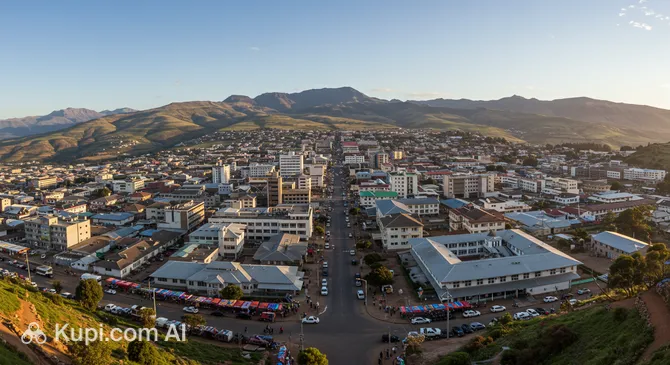
Maseru. Source: Kupi.Binoculars

The city has grown significantly since its humble beginnings. Visitors curious about its transformation from a small police camp to a thriving metropolis can explore the history of Maseru, which reveals much about the resilience and heritage of the local people. Today, the streets are lined with a mix of colonial-era buildings and contemporary architecture, reflecting the city's dynamic evolution.

Among the must-see attractions is the iconic Mokorotlo, a building shaped like the traditional Basotho straw hat, which houses a museum and craft shop. Travelers can also visit the bustling local markets to find exquisite mohair tapestries and the famous Basotho blankets. Just a short drive from the city center lies the legendary Thaba-Bosiu plateau, a national monument and the spiritual heart of the nation.

Whether you are passing through on your way to the ski slopes or staying to explore the local culture, Maseru offers a hospitable and intriguing introduction to the country. We invite you to walk its streets, taste the local cuisine, and experience the genuine friendliness of its people.
Weather Overview

Maseru experiences a temperate climate with distinct seasonal variations that influence the best time to visit. The summer months, spanning from December to February, are generally warm and coincide with the region's rainy season. During this period, average temperatures hover around 20°C, with daily highs reaching up to 26.5°C in January. Rainfall is most frequent at this time of year, with December often recording up to 17 wet days, bringing refreshing showers to the city.

In contrast, the winter season from June to August offers clear, sunny skies but significantly colder temperatures. Travelers should come prepared for crisp weather, as average temperatures drop to approximately 7°C, and nighttime lows can dip slightly below freezing, particularly in July. This season is remarkably dry, with months like June and July typically seeing little to no precipitation.

For those planning their itinerary, checking the detailed forecast for the weather in Maseru is recommended to pack appropriately. Overall, you can expect warm summers with occasional rain and cold, dry winters, offering different but equally appealing atmospheres for exploration.

Interesting Facts

Beyond the main attractions, Maseru holds many fascinating secrets and historical quirks that often escape the casual observer. Here are some intriguing facts that make this capital city truly unique.
  • The name "Maseru" translates to "Place of the Red Sandstone." This descriptive title refers to the distinctive red-hued rock formations that are characteristic of the landscape surrounding the city.

  • For many years, the city's main artery, Kingsway, was the only paved road in the entire country. It was originally surfaced in 1947 specifically to welcome the British Royal Family during their visit to the territory.

  • Maseru shares a surprising connection with the United States as a sister city to Austin, Texas. Despite the vast distance, both cities share a spirit of vibrant culture and serve as important administrative capitals in their respective regions.

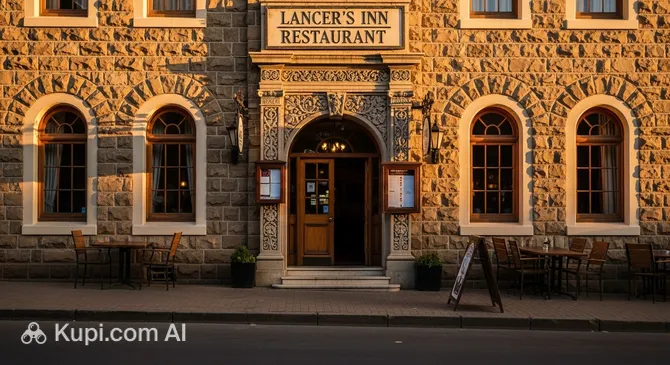
  • The city hosts historic establishments like Lancer's Inn Restaurant, which has long served as a central social hub for locals and travelers alike. Landmarks like this have witnessed the city's transition from a colonial outpost to a modern metropolis.

Lancer's Inn Restaurant. Source: Kupi.Binoculars

How to Get There

Reaching the capital of Lesotho is an adventure in itself, often involving a scenic journey through the "Kingdom in the Sky." For a comprehensive overview of your travel options, you can read more about how to get to Maseru in our detailed guide. Most international visitors arrive via air, connecting through major hubs in South Africa.

The most convenient entry point is Moshoeshoe International Airport (MSU), located approximately 18 km from the city center. This airport primarily serves regional flights, particularly from Johannesburg. Upon arrival, a taxi or shuttle transfer to downtown Maseru typically takes about 45 minutes, offering your first glimpse of the country's rolling landscapes.

Alternatively, travelers often fly into Bram Fischer International Airport (BFN) in the neighboring South African city of Bloemfontein. Situated about 118 km away, this airport handles a larger volume of traffic and may offer more flexible flight schedules. The transfer from Bloemfontein involves a cross-border drive, which generally takes around 3 hours depending on border formalities.

For clarity, here is a summary of the main airports:

Airport Name City Passenger Traffic Km from City
Bram Fischer International Airport Bloemfontein Medium 117.8
Kimberley Airport Kimberley Medium 271.1
Pietermaritzburg Airport Pietermaritzburg Medium 284.8
Moshoeshoe International Airport Maseru Small 17.5
Umtata Airport Mthatha Small 272.5

Main Attractions

Maseru offers a compelling mix of historical landmarks, cultural centers, and architectural highlights that reflect the spirit of Lesotho. While the city is compact, its attractions provide visitors with a deep understanding of the Basotho nation's heritage and contemporary life. Here are the top places to explore during your stay.

Thaba-Bosiu Cultural Village
Located a short drive from the city center, Thaba-Bosiu is arguably the most important historical site in the country. This flat-topped sandstone mountain served as the fortress of King Moshoeshoe I, who founded the Basotho nation in the 19th century. Visitors can hike to the summit to see the remains of the royal village and the graves of past monarchs. At the base, a modern cultural village offers interactive exhibits and replicas of traditional homesteads, making it an essential stop for history enthusiasts.

Mokorotlo (The Basotho Hat)
Standing as a proud symbol of the nation, the Mokorotlo is a distinctive building designed to resemble the traditional Basotho straw hat. Situated on the main Kingsway road, it is instantly recognizable and serves as the city's premier craft center. Inside, tourists can browse a wide selection of locally made handicrafts, including woven mohair tapestries, pottery, and jewelry. It is the perfect place to appreciate local artistry and pick up authentic souvenirs.

Our Lady of Victories Cathedral
For those interested in architecture and religious history, the Cathedral of Our Lady of Victories is a significant landmark. This imposing Roman Catholic structure dominates the skyline with its colonial-era design and sturdy construction. The cathedral offers a peaceful retreat from the bustling city streets and serves as a testament to the long-standing influence of the church in the region's development.

Lancer's Inn Restaurant
More than just a place to eat, this establishment is a piece of living history in Maseru. As one of the oldest social hubs in the capital, it has served as a meeting point for diplomats, locals, and travelers for decades. The venue retains a charm that harkens back to the city's earlier days, offering a relaxed atmosphere where visitors can enjoy a meal while soaking in the local social scene. It is renowned for its hospitality and remains a central fixture of Maseru's nightlife and dining culture.

Local Cuisine

The culinary landscape of Maseru reflects the hearty and humble nature of the Basotho people, offering meals designed to sustain locals through the cool mountain weather. Traditional cuisine here is simple, relying heavily on locally grown crops and livestock, but it is packed with flavor and warmth. Visitors will find that food is an integral part of the hospitality in the capital, with portions that are typically generous and filling.

The foundation of almost every meal is Papa, a stiff maize porridge that serves as the daily staple. It is traditionally eaten with the hands and is the perfect accompaniment to the savory stews and relishes common in the region. Often served alongside Papa is Morhoho, a dish of leafy greens—usually spinach or wild vegetables—that are finely chopped and sautéed with onions and spices. This combination forms the backbone of the local diet and is a must-try for an authentic experience.

Meat lovers will feel right at home in Maseru, where high-quality beef and mutton are widely enjoyed. Grilled meat, prepared in a style similar to the South African braai, is very popular, as are slow-cooked stews like oxtail, which are rich and tender. For a quick snack, look out for Magwinya (fat cakes), delicious deep-fried dough balls often sold by street vendors, which are perfect for breakfast or a midday treat.

To wash down a meal, nothing beats a cold Maluti Premium Lager, the national beer of Lesotho. Brewed locally using water from the Maluti Mountains, it is a source of national pride and a favorite among locals and tourists alike. Non-alcoholic ginger beer is another traditional favorite, known for its refreshing and sharp taste.

As the capital city, Maseru offers the most diverse dining scene in the country, ranging from street food stalls to upscale establishments. For a taste of history along with your meal, Lancer's Inn Restaurant provides a classic dining experience in the heart of the city. Whether you are sampling traditional Basotho dishes or enjoying international cuisine, the city’s restaurants offer a welcoming atmosphere to relax after a day of exploration.

Travel Tips

Visiting Maseru is a rewarding experience that offers a glimpse into the heart of Basotho culture, but a little preparation goes a long way in ensuring a smooth trip. To help you navigate the capital with confidence and ease, we have compiled a list of practical advice covering everything from local customs to logistics.

  1. Clothing and Gear
    The weather in Maseru can be quite changeable, so the best strategy is to dress in layers. Even in summer, evenings can get cool, while winters (June to August) are often freezing, requiring a heavy jacket, scarf, and beanie. Comfortable walking shoes are essential as the city is hilly and pavements can be uneven. While casual wear is generally acceptable, it is respectful to dress modestly—covering shoulders and knees—when visiting religious sites or traditional villages on the outskirts.
  2. Transportation
    Public transport in Maseru consists mainly of minibus taxis (locally known as "taxis") and shared sedan cabs called "4+1s." These are affordable and run on set routes, but they can be chaotic for first-time visitors. There is no metro or tram system. For comfort and safety, especially at night, it is better to hire a private taxi or arrange transfers through your hotel. If you plan to explore beyond the city limits, renting a car (preferably a 4x4) is highly recommended.
  3. Finances
    The local currency is the Lesotho Loti (LSL), which is pegged 1:1 to the South African Rand (ZAR). The Rand is accepted everywhere in Maseru, so there is no urgent need to exchange it for Maloti. Credit cards are widely accepted at hotels, larger restaurants, and shopping malls like Pioneer Mall, but cash is king for street vendors and local transport. ATMs are readily available throughout the city center. Tipping around 10% at restaurants is customary if the service is good.
  4. Health and Safety
    Maseru is generally safe during the day, but tourists should avoid walking alone after dark, even in the city center. Petty theft can occur, so keep valuables concealed. Pharmacies are available in the main shopping centers and along Kingsway, but few are open 24 hours, so bring essential prescription medications with you. The private hospitals in the city offer decent care for minor issues, but serious emergencies may require transfer to South Africa.
  5. Communication
    English is one of the official languages and is widely spoken in Maseru, making communication very easy for travelers. The other official language is Sesotho. Learning a few basic phrases like "Dumela" (Hello) and "Kea leboha" (Thank you) will earn you warm smiles from locals. Wi-Fi is standard in hotels and cafes. For mobile data, you can easily buy a local SIM card from Vodacom or Econet stores with your passport.
  6. Local Etiquette
    Basotho people are polite and value greetings highly. It is considered rude to ask a question or start a transaction without first greeting the person. When giving or receiving an item, use both hands (or place your left hand under your right elbow) as a sign of respect. This gesture is common in shops, when exchanging money, or receiving food.
  7. What to Avoid
    Be very careful about photography. Do not take photos of the Royal Palace, government buildings, the Prime Minister's residence, police stations, or military personnel. This is strictly prohibited and can lead to the confiscation of your camera or legal trouble. Always ask for permission before taking photos of local people.
  8. Sunday Closures
    Life in Maseru slows down significantly on Sundays. Many shops, services, and restaurants in the city center may be closed or have reduced operating hours. It is a good day to plan outdoor activities, such as hiking up Thaba-Bosiu, rather than expecting a full day of shopping or city errands.

By keeping these tips in mind, you will be well-equipped to enjoy the unique rhythm of Maseru. The city's charm lies in its people and its peaceful atmosphere, so take your time, engage with the locals, and embrace the laid-back pace of the "Kingdom in the Sky."

Entertainment & Nightlife

While Maseru is not known as a sleepless party metropolis, the city offers a welcoming and lively nightlife scene that reflects the warm hospitality of its people. The entertainment atmosphere here is relaxed and intimate, centered mainly around hotel bars, restaurants that transition into evening lounges, and a few energetic nightclubs. The main action is concentrated along Kingsway Road and near the modern shopping centers, particularly around the Pioneer Mall area, where locals and expatriates gather to unwind.

For a quintessential Maseru evening, many start at Lancer's Inn Restaurant. By day, it is a respectable dining spot, but as the sun sets, its bar area becomes a bustling social hub. It is the perfect place to enjoy a local Maluti beer, catch up on local news, and mingle with a diverse crowd in a safe, historic setting. For those looking to dance the night away, 4Fordy is a popular nightclub destination, known for playing a mix of house, hip-hop, and local beats until the early hours, attracting a younger, energetic crowd.

Another vibrant spot is Cappello, often located within the major shopping precincts like Pioneer Mall. It offers a stylish setting for cocktails and food, frequently hosting DJs on weekends to create a sophisticated yet upbeat vibe. The dress code in most places is smart-casual; while formal wear is rarely required, looking neat is appreciated. The nightlife peaks on Friday and Saturday nights, with most venues winding down by midnight on weekdays.

Safety is a priority when enjoying a night out in Maseru. It is strongly advised not to walk between venues at night, even over short distances. Instead, arrange a reliable taxi through your hotel reception or use a trusted driver for the entire evening. Most venues have security, making the immediate premises safe, but the streets can be poorly lit. Prices for drinks and entry fees are generally affordable, offering great value for a fun night out.

During the day, entertainment options are more low-key but equally enjoyable. The city features modern cinemas at the shopping malls for the latest international movie releases. For those feeling lucky, the Avani Lesotho Hotel & Casino offers gaming tables and slot machines, providing a touch of glamour and excitement with panoramic views of the city.

Parks & Museums

While Maseru is primarily known as a commercial and administrative hub, the city and its immediate surroundings offer several pockets of greenery and cultural institutions that provide insight into the soul of Lesotho. Visitors willing to explore beyond the main streets will find tranquil natural areas and venues dedicated to preserving the rich heritage of the Basotho nation.

Maqalika Dam
For those seeking fresh air and relaxation within the city limits, Maqalika Dam is the premier destination. Located on the northeastern outskirts of Maseru, this artificial lake serves as a popular recreational spot for both locals and tourists. It is an excellent location for picnics, birdwatching, and gentle walks along the water's edge. In recent years, it has also become a hub for water sports, with rowing and canoeing being favorite activities. The peaceful atmosphere here offers a welcome contrast to the bustling city center.

Lesotho National Museum
Situated in the heart of the city, the Lesotho National Museum is the primary custodian of the country's history and culture. Although the facility has faced periods of renovation, it houses an invaluable collection of artifacts, including traditional Basotho clothing, musical instruments, and archaeological finds from the region. It serves as an educational center where visitors can learn about the geological formation of the "Kingdom in the Sky" and the political history of its people.

Royal Palace and Parliament
While not a museum in the traditional sense, the area surrounding the Royal Palace is of immense historical significance. As the official residence of King Letsie III, the palace is a symbol of the nation's monarchy. Although the interior is not open to the public, the architecture—a blend of modern design and traditional motifs—can be admired from the outside. Nearby, the impressive Parliament building stands as a testament to the country's democratic governance, featuring unique architectural elements that pay homage to the iconic Basotho hat.

Morija Museum & Archives
Although technically located about 40 kilometers south of Maseru, the Morija Museum is often considered an essential cultural extension of the capital. It is widely regarded as the best museum in the country, holding extensive archives and exhibits that document the history of Lesotho from pre-colonial times to the present. For culture lovers staying in Maseru, this short day trip is highly recommended to gain a deeper appreciation of the region's heritage.

Authentic Experiences and Tips
For a panoramic view of the city and its natural setting, a drive up to Lancer's Gap is a must. This mountain pass offers breathtaking vistas of Maseru and the Caledon River valley below, perfect for sunset photography. After a day of exploring these cultural and natural sites, you can unwind at the historic Lancer's Inn Restaurant, a venue that has been part of the city's social fabric for generations and offers a relaxing garden atmosphere right in the center of town.

Getting Around

Navigating Maseru requires a shift in perspective for travelers accustomed to scheduled subways or municipal bus networks. The city does not operate a formal metro, tram, or large-scale public bus system. Instead, public mobility relies on a privately run, informal network of road-based vehicles that are efficient, affordable, and ubiquitous. The two main modes of transport are the omnipresent minibus taxis and the smaller shared sedans known locally as "4+1s."

Minibus taxis serve as the backbone of the city's transit, typically operating along main arterial roads and connecting the city center to outlying districts. These are usually white 15-seater vans that can be identified by their constant movement along busy corridors. They generally originate from designated "taxi ranks"—bustling hubs where vehicles queue to load passengers—but can also be flagged down along the roadside using specific hand signals. They are the most economical way to travel, though visitors should note that they only depart once every seat is occupied.

For a slightly more flexible option, the "4+1" taxis are a characteristic feature of the local transport landscape. These are standard sedan cars licensed to carry four passengers plus the driver, often distinguished by a yellow band along the side or specific license plate markings. They operate on set routes similar to minibuses but fill up significantly faster and can navigate smaller neighborhood streets with greater ease. They offer a middle ground between the crowded minibuses and private cabs, providing a quicker journey for a slightly higher fare.

The payment system across all public transport in the city is strictly cash-based. There are no travel cards, mobile apps, or electronic ticket machines available. Passengers pay the driver or a conductor directly, usually shortly after boarding or passing the fare forward from the back seats. Fares are fixed for specific zones and are generally very low. It is highly advisable to carry small denominations of cash, as drivers often struggle to make change for large notes. No ticket validation is required; the cash payment itself secures your seat.

Tourists should be aware that this transport system operates primarily during daylight hours. Vehicles start running at dawn to accommodate the morning commute but become scarce after sunset. By early evening, finding a minibus or 4+1 can be difficult. For travel at night, it is essential to arrange a private taxi. Unlike the shared options, private cabs are not usually metered; they must be called or found at specific stands, and the price should be negotiated and agreed upon before the journey begins.

For those who prefer more independence, renting a car is a viable alternative, though driving styles in the city can be assertive and traffic congestion is common during peak hours. While walking is feasible in the compact city center during the day, the lack of sidewalks in some peripheral areas makes vehicular transport a safer choice for longer distances. If you choose to use the public system, do not hesitate to ask locals for assistance; they are generally very helpful in directing visitors to the correct taxi rank or explaining the hand signals for different destinations.

Accommodation

Where to Stay:

Accommodation in Maseru caters primarily to business travelers, diplomats, and NGO workers, but the city is well-equipped to welcome tourists with a variety of comfortable options. The range of lodging spans from upscale international hotels and casino resorts to charming, family-run guesthouses and bed-and-breakfasts. While the dedicated backpacker hostel culture is not as prominent here as in some other Southern African cities, budget travelers can find affordable and clean rooms in smaller lodges and motels.

For visitors prioritizing convenience, the city center is the most strategic place to stay. Hotels located along or near the main artery, Kingsway Road, offer easy access to shopping malls, government offices, and transport hubs for exploring the rest of the country. For those seeking a quieter atmosphere, the leafy suburbs such as Hillsview or the areas along the banks of the Caledon River provide a tranquil retreat from the urban bustle while remaining just a short drive from downtown amenities.

The city boasts a few large, full-service hotels that meet international standards, often featuring swimming pools, fitness centers, and on-site dining. These establishments are ideal for travelers looking for reliability and luxury. In contrast, the numerous guesthouses scattered across the residential areas offer a more intimate experience, often including home-cooked breakfasts and the chance to interact with local hosts.

Booking and Prices
The cost of accommodation in Maseru is generally moderate. Mid-range options are abundant and offer excellent value for money, while luxury stays are competitively priced compared to major global cities. It is highly recommended to book your accommodation in advance, particularly if you are visiting during major events like the Roof of Africa motorcycle rally or the festive season in December, when rooms fill up quickly. While major hotels are listed on standard online booking platforms, many smaller guesthouses still rely on direct bookings via phone or email.

Nearby Cities

For those looking to explore the surroundings, Maseru serves as an excellent base for day trips to several interesting nearby locations. The region offers a mix of cultural hubs, historical towns, and scenic drives that provide a deeper understanding of life in the Mountain Kingdom beyond the capital.

One of the most popular destinations for a day trip is Teyateyaneng, often affectionately referred to as "TY." Located just north of Maseru, it is widely celebrated as the arts and crafts capital of Lesotho. Visitors can tour local workshops to watch skilled artisans weaving intricate mohair tapestries, creating pottery, and crafting traditional wares. It is the perfect place to find high-quality, authentic souvenirs while supporting local craftsmanship.

Further to the north lies Leribe (also known as Hlotse), a town rich in history. It served as a colonial administrative center and retains several buildings from that era, including an old military tower. The town has a bustling market atmosphere and serves as a gateway for travelers heading deeper into the highlands, making it an interesting stop for those curious about the country's colonial past and current commercial life.

For a quick excursion close to the city, Mazenod offers a peaceful retreat. It is best known for the Mazenod Institute, a historic printing press and missionary center that has played a significant role in the country's educational and religious history. Its proximity makes it an easy option for those with limited travel time.

City Population Distance (km)
Teyateyaneng 75,115 31
Mafeteng 57,059 61
Leribe 47,675 73
Maputsoe 32,117 62
Mazenod 27,553 16

These nearby destinations offer a glimpse into the diverse culture and landscapes of the region, allowing travelers to experience the warmth of Basotho hospitality in smaller, community-focused settings.

Shopping & Souvenirs

Shopping in Maseru offers a pleasant mix of modern convenience and traditional charm. While the city may not be a sprawling retail metropolis, it serves as the commercial heart of the country, providing everything from daily necessities to unique cultural artifacts. Visitors can expect a relaxed experience where they can browse through contemporary malls or explore local stalls that showcase the artistic heritage of the Basotho people.

The city's commercial life revolves largely around Kingsway Road, the main artery that runs through the center of town. This bustling street is lined with a variety of shops, banks, and service centers. Walking along Kingsway, travelers will encounter a vibrant atmosphere where street vendors selling fruit and small goods operate alongside established retail stores. It is the perfect place to absorb the local energy while hunting for bargains.

For a more conventional shopping experience, Maseru boasts a couple of modern shopping centers. Pioneer Mall is the most prominent and centrally located complex, offering a wide range of international clothing brands, supermarkets, restaurants, and a cinema. It is a popular meeting spot for locals and provides a comfortable, climate-controlled environment. Another key location is Maseru Mall, situated slightly further from the center, which features a similar array of stores and ample parking.

The highlight for most tourists, however, is the opportunity to purchase authentic local crafts. The most famous stop is the Basotho Hat (Mokorotlo), a building shaped like the national symbol, which functions as a government-run craft cooperative. Here, visitors can find high-quality, handmade items directly from local artisans. Smaller markets and roadside stalls also offer interesting finds, particularly near the border post and major transport hubs.

When it comes to souvenirs, Maseru is a treasure trove of cultural items. The most iconic purchase is the Basotho blanket, a colorful and patterned wool blanket worn traditionally by the locals; it makes for a warm and meaningful gift. Other must-buy items include the conical straw hat known as the mokorotlo, intricate mohair tapestries, clay pottery, and beadwork. These items are not just souvenirs but symbols of the nation's identity.

Store hours in Maseru typically run from 08:00 or 09:00 to 17:00 on weekdays, with shops often closing around 13:00 on Saturdays. Most smaller businesses are closed on Sundays, although the major malls usually remain open with reduced hours. regarding payment, the local currency (LSL) and the South African Rand (ZAR) are used interchangeably. Credit cards are widely accepted in malls and larger stores, but carrying cash is essential for street markets and smaller craft shops.

Tourists should also be aware of the Value Added Tax (VAT) regulations. The standard VAT rate is 15%, which is included in the marked price of goods. Visitors exporting goods from Lesotho may be eligible for a tax refund at the border, provided they have valid tax invoices and the total value exceeds a certain threshold. It is memorable to keep all receipts if you plan to claim this upon departure.

Reached the end of the page?

That means the route is fully explored