Support

Ngala

About

Nestled in the picturesque landscapes of the Eastern Cape, Ngala offers travelers a serene escape into the heart of rural South Africa. Far from the bustling crowds of major metropolises, this destination is defined by its peaceful atmosphere and the authentic rhythm of daily life. It serves as a quiet retreat where visitors can immerse themselves in the unspoiled beauty of the province, characterized by rolling hills and vast, open skies.

Geographically, Ngala is situated in a region known for its rugged terrain and verdant valleys, typical of the Eastern Cape's hinterland. The climate here is generally temperate, offering warm summers and cool, crisp winters that transform the scenery into a dramatic backdrop for exploration. While the population density is lower compared to urban centers, the local community is known for its warmth and resilience, maintaining traditions that have been passed down through generations. Those interested in the past can delve deeper into the history of Ngala to understand the cultural tapestry that shapes this unique settlement.
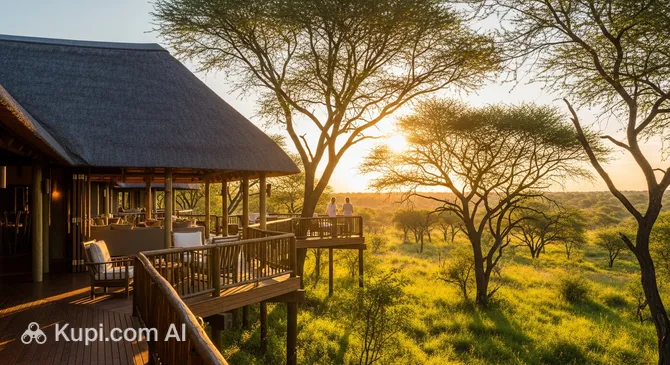
Ngala. Source: Kupi.Binoculars

For tourists, the appeal of Ngala lies in its simplicity and connection to nature. One of the key attractions is the opportunity for scenic nature walks, where the undulating landscape provides panoramic views perfect for photography enthusiasts. The area is also a gateway to experiencing traditional Xhosa culture, offering a chance to engage with locals and learn about their heritage and customs firsthand. Additionally, the surrounding region offers scenic drives that reveal the raw, natural splendor of the Eastern Cape, making it a rewarding stop for those on a road trip through the province.

If you are looking for a destination that offers tranquility and a genuine connection to the land, Ngala is worth a visit. It invites travelers to slow down, breathe in the fresh country air, and appreciate the quiet majesty of South Africa's rural heartland.

Weather Overview

Ngala experiences a generally temperate climate with distinct seasonal variations, offering travelers a mix of warm summers and cool, dry winters. Visitors can enjoy comfortable conditions for most of the year, though it is helpful to be prepared for the specific weather patterns of each season. For a comprehensive forecast and detailed charts to help plan your trip, you can consult the weather in Ngala.

The summer months, running from December through February, are typically the warmest and wettest time of the year. During January, average daytime temperatures often reach highs of 27.4°C, while nights remain pleasant with lows around 15.8°C. This period also sees the highest frequency of rainfall, with January and December experiencing approximately 16 wet days each, so carrying waterproof gear is recommended for summer visits.

In contrast, the winter season from June to August brings cooler air and significantly drier conditions. July is usually the coldest month, where temperatures can drop to an average minimum of 4.6°C, although daytime highs often climb to a mild 19.3°C. Precipitation is minimal during this time, with months like June and July frequently recording 0mm of rainfall, making winter an excellent choice for outdoor activities that benefit from clear, dry skies.

The shoulder seasons of spring and autumn offer a pleasant transition with moderate temperatures. April, for instance, sees average highs of 23.0°C, while September warms up to similar levels after the winter chill. Whether you prefer the lush, green landscapes of the rainy summer or the crisp, sunny days of winter, Ngala provides a welcoming atmosphere year-round.

Interesting Facts

Beyond its serene landscapes and rural charm, Ngala is situated in a region deeply woven into the historical and cultural tapestry of the Eastern Cape. This quiet settlement sits within a district renowned as the "Home of Legends," holding stories and traditions that few outsiders get to experience firsthand.

  • A Cradle of Leadership: Ngala is located within the Chris Hani District, a region famous for being the birthplace of some of South Africa’s most iconic historical figures. The area surrounding the village has played a pivotal role in the country's narrative, with nearby historic mission stations, such as St. Mark's, having served as early centers of education that shaped generations of leaders.

  • River Folklore: The waterways in this part of the province, feeding into the Great Kei system, are steeped in Xhosa mythology. Local oral tradition often speaks of the Abantu bomlambo (River People) and the legendary Inkanyamba (a giant serpent-like spirit), making the rivers not just water sources but sacred spaces demanding respect and caution.

  • The Healing Landscape: The hills around Ngala are dotted with Aloe ferox, a plant iconic to the Eastern Cape. Known locally as ikhala, it has been used for centuries by traditional healers in the community for its potent medicinal properties, representing a botanical heritage that is still actively practiced today.

  • Living Tradition: Unlike many modernized towns, this area operates on a unique dual system where modern municipal governance coexists with traditional chieftaincy. This structure helps preserve ancient customs, meaning that social gatherings and dispute resolutions in the village often still follow the age-old protocols of the Xhosa culture.

How to Get There

Reaching this rural destination typically involves a combination of air travel and road transport, as the village itself is tucked away in the Eastern Cape countryside. While there are no direct flights to the settlement, visitors can fly into regional hubs and complete the journey by car or shuttle. You can find more about how to get to Ngala and the various transport options available on our detailed page.

The most convenient gateway for many travelers is East London Airport (IATA: ELS), located in the city of East London. This regional hub is approximately 124.5 km from Ngala. From East London Airport, the drive takes roughly 3.5 hours by taxi or rental car, offering a scenic route through the province's rolling hills. Another viable option is Umtata Airport (IATA: UTT), situated in Mthatha about 125.6 km away. Although smaller, Umtata Airport is well-positioned for accessing the interior of the Eastern Cape, with a similar travel time of around 3.5 hours by road.

For clarity, here is a summary of the main airports:

Airport Name City Passenger Traffic Km from City
East London Airport East London Medium 124.5
Umtata Airport Mthatha Small 125.6
Moshoeshoe International Airport Maseru Small 277.3
Port Elizabeth International Airport Gqeberha Large 281.7

Currently, there is no direct railway service to Ngala. The region is primarily served by road networks, and visitors arriving by train would typically need to disembark at a major station in a larger city like East London or Gqeberha and continue their journey via bus, minibus taxi, or private hire. It is advisable to arrange ground transport in advance, especially when traveling to more remote areas of the Eastern Cape.

Main Attractions

While Ngala itself is a quiet rural settlement, its location in the heart of the Eastern Cape’s Chris Hani District places it within reach of several culturally significant and scenic attractions. Visitors to this region are typically drawn by the authentic rural atmosphere, where the landscape and local history offer a distinct departure from the commercialized tourist routes. The area is best explored by car, allowing travelers to uncover the hidden gems scattered across the Intsika Yethu municipality.

One of the most prominent natural landmarks in the vicinity is the Ncora Dam. Situated on the Tsomo River, this vast body of water is a focal point for outdoor enthusiasts in the region. It is particularly popular among anglers and those looking for a peaceful spot to enjoy a picnic against the backdrop of the rugged Eastern Cape hills. The dam's surroundings offer excellent opportunities for birdwatching, as the water attracts various local species, making it a serene escape for nature lovers.

For those interested in the rich heritage of the province, St. Mark's Mission is a site of considerable historical importance located a short distance away. Founded in the mid-19th century, this Anglican mission station played a pivotal role in the educational and religious history of the area. The old stone buildings and the church provide a glimpse into the colonial past and the complex history of interaction between missionaries and the local Xhosa people. It remains a place of quiet reflection and architectural interest.

The Tsomo River Valley itself serves as a continuous natural attraction running through the landscape. The river is the lifeblood of the local communities and offers picturesque scenes of traditional village life along its banks. Visitors can take scenic drives or walks along the valley, where the rolling green hills and meandering water create a landscape that is iconic to the Transkei region. It is an ideal setting for photographers seeking to capture the raw, unfiltered beauty of rural South Africa.

A short drive from Ngala leads to Sabalele, the birthplace of the renowned liberation hero Chris Hani. This area is part of the "Liberation Heritage Route" and offers deep insight into the country's struggle for democracy. Paying a visit to this village allows tourists to pay respects and learn more about the figures who shaped modern South Africa, adding a profound cultural and educational dimension to a trip to this humble part of the province.

Local Cuisine

The culinary landscape of Ngala is deeply rooted in the traditions of the Eastern Cape, offering visitors an authentic taste of Xhosa heritage. In this rural setting, food is more than just sustenance; it is a communal experience centered around locally grown ingredients and hearty, home-cooked meals. You will not find high-end fusion restaurants here, but rather honest, flavorful dishes prepared with time-honored methods passed down through generations.

Maize (corn) is the undisputed staple of the local diet and forms the base of the region's most famous dish, Umngqusho. This comforting meal consists of samp (dried corn kernels) and sugar beans, slow-cooked until soft and often flavored with animal fat or bones for richness. It is a savory classic that sustains the community and is famously known as a favorite of Nelson Mandela. Another maize-based delicacy to try, especially on warmer days, is Umphokoqo. This crumbly maize meal porridge is traditionally served with amasi (sour milk), creating a refreshing, tart contrast that is beloved across the province.

Meat plays a significant role in the diet, usually reserved for special occasions, weekends, or community gatherings. Stewing is a popular cooking method, where beef, mutton, or chicken is slow-cooked with vegetables like pumpkin (ithanga) and spinach (imifino) in three-legged iron pots over an open fire. This method imparts a distinct smoky flavor to the meat that is hard to replicate in a modern kitchen. For a more casual treat, visitors might encounter the local version of a braai (barbecue), where meat is grilled over wood coals and shared among friends.

When it comes to beverages, the traditional home-brewed beer known as Umqombothi is a cultural icon. Made from maize, maize malt, sorghum malt, yeast, and water, this opaque, sour beer is low in alcohol but high in cultural significance, often used in ceremonies to facilitate contact with ancestors. For a non-alcoholic option, Mageu is a popular fermented mealie meal drink that is smooth, slightly sour, and very filling. Homemade ginger beer is also a common refreshment, prized for its spicy kick.

Dining in Ngala is an informal affair characterized by the spirit of Ubuntu (hospitality). There are few formal eateries; instead, the best food is often found at community gatherings, local "spaza" shops selling quick bites, or inside family homes where guests are welcomed warmly. Exploring the food culture here means slowing down and appreciating the simplicity of fresh, farm-to-table ingredients that define the rural Eastern Cape.

Travel Tips

Planning a trip to Ngala offers a unique opportunity to experience the authentic pace of life in South Africa's rural Eastern Cape, but it requires a bit more preparation than visiting a major city. To ensure your journey into this serene heartland is as smooth and enjoyable as possible, we have compiled a list of essential practical tips.

  1. Clothing and Gear: Since the weather can be quite variable, packing layers is the best strategy. In summer, bring lightweight, breathable fabrics and a good raincoat, as afternoon thunderstorms are common. For winter visits, you will definitely need a warm jacket and beanie, as mornings can be frosty. Regardless of the season, sturdy walking shoes are essential for navigating the unpaved paths and uneven terrain typical of the village and surrounding hills.
  2. Transportation: Public transport options like buses or trains do not service this remote area directly. The most reliable way to get around is by renting a car, preferably a vehicle with higher clearance (like an SUV or crossover) to handle gravel roads and potholes comfortably. While local minibus taxis exist, they can be complex for visitors to navigate and often operate on flexible schedules, so self-driving offers the most freedom.
  3. Finances: Cash is king in rural settlements like Ngala. While you might find card facilities in larger nearby towns like Cofimvaba, local "spaza" shops and informal vendors in the village will almost exclusively accept South African Rand (ZAR) in cash. Be sure to withdraw sufficient money at an ATM in a major city or the airport before heading into the deep rural areas.
  4. Health and Safety: Medical facilities are not immediately available within the village itself; the nearest pharmacies and hospitals are located in neighboring towns. It is highly advisable to travel with a comprehensive personal first-aid kit containing basics like painkillers, plasters, and stomach medication. In terms of safety, the area is generally peaceful, but always keep your vehicle locked and valuables out of sight, just as a general precaution.
  5. Communication: The primary language spoken in Ngala is Xhosa. While younger residents and officials may speak English, many elders may not, so learning a few basic phrases like "Molo" (Hello) and "Enkosi" (Thank you) will go a long way in building rapport. Wi-Fi is rare outside of private accommodations, so purchasing a local SIM card (Vodacom or MTN usually have the best rural coverage) with a data bundle is recommended for staying connected.
  6. Local Etiquette: Respect for elders and community harmony is central to life here. When approaching locals, it is polite to greet them first before asking questions. Handshakes are a common and warm form of greeting. If you wish to take photographs of people or their homesteads, always ask for permission first; this simple act of respect is highly valued and often leads to friendlier interactions.
  7. What to Avoid: Avoid driving at night whenever possible. Rural roads in the Eastern Cape are often unlit, and stray livestock—such as cattle, goats, and sheep—frequently sleep on the warm tarmac after dark, posing a significant hazard to motorists.
  8. Power Supply: Like the rest of South Africa, the area is subject to "load shedding" (scheduled power outages). It is a smart idea to bring a high-capacity power bank to keep your phone charged and perhaps a solar-powered light or headlamp, as street lighting is minimal to non-existent during power cuts.

By keeping these practical tips in mind, you will be well-equipped to embrace the tranquility and cultural richness of Ngala without unnecessary stress. A little preparation allows you to focus on what truly matters: connecting with the landscape and the warm-hearted people who call it home.

Entertainment & Nightlife

Travelers visiting Ngala should adjust their expectations regarding nightlife, as this rural settlement offers a stark contrast to the bustling entertainment hubs of South Africa's major cities. There are no neon-lit nightclub districts, cocktail bars, or concert halls here. Instead, the evening entertainment is defined by the tranquility of the countryside, where the rhythm of the night is dictated by nature and community connection rather than commercial venues.

The closest equivalent to a nightlife scene can be found in the local taverns or shebeens scattered throughout the village and surrounding settlements. These informal establishments serve as the social heart of the community, where locals gather to unwind, watch soccer matches, and share stories over a beer. The atmosphere is loud, lively, and unpretentious, offering a raw and authentic glimpse into local social culture. There is no dress code; the vibe is entirely casual. However, these are not tourist-oriented bars, so visitors should approach them with respect and ideally accompanied by a local guide to navigate the cultural nuances and language barriers.

For many visitors, the true allure of the night in Ngala lies in stargazing. Far from the light pollution of urban centers, the skies here are remarkably clear, often displaying the Milky Way in high definition. The entertainment is peaceful and introspective—sitting around a fire, listening to the sounds of the veld, and enjoying the absolute silence that descends after sunset. It is a rare opportunity to disconnect completely and enjoy a digital detox.

Practicality is key when planning an evening here. Public transport and taxi services like Uber do not exist in Ngala. If you venture out, you will rely entirely on your own vehicle. However, driving at night is strongly discouraged due to the lack of street lighting and the high probability of encountering livestock (cattle, goats, and horses) sleeping on the warm tarmac. It is safest to reach your destination before dark. Cash is the only form of payment accepted at local spots, so ensure you have small denominations of South African Rand.

During the daylight hours, entertainment is centered on the outdoors and cultural immersion. Visitors can spend their time exploring the rolling hills on scenic hikes or engaging with the community to learn about Xhosa traditions. The area functions more as a retreat for relaxation and cultural learning than a center for amusement parks or theaters. For those craving a movie or a shopping mall experience, a significant drive to a larger town like Queenstown (Komani) or East London would be necessary.

Parks & Museums

As a rural settlement in the Eastern Cape, Ngala does not possess the manicured botanical gardens or large national museum complexes found in South Africa's major cities. Instead, its "parks" are the vast, rolling hills and river valleys that surround the village, while its "museums" are living heritage sites and historical landmarks scattered across the Chris Hani District. For visitors, exploring the culture and nature here means stepping directly into the landscape and history of the region.

The most significant natural recreational area nearby is the Ncora Dam. Located a short drive from the village, this expansive body of water serves as the region's primary spot for outdoor leisure. It is not a formal park with gates, but rather a communal space where locals and visitors go to fish, picnic, or simply enjoy the breeze off the water. The dam is set against a backdrop of dramatic cliffs and hills, making it a ruggedly beautiful location for nature photography and birdwatching, offering a peaceful retreat from the heat of summer.

The banks of the Tsomo River also function as a natural green belt for the community. Without designated pathways or fences, the river valley offers an authentic hiking experience. Walking along the river reveals the daily rhythm of rural life, from livestock grazing on the lush verges to locals collecting water. It is an "open-air park" in the truest sense, providing unhindered access to the flora of the Eastern Cape, including wild succulents and indigenous aloes that bloom in vibrant oranges and reds during winter.

In terms of cultural history, the Chris Hani Birthplace in the nearby village of Sabalele is the most poignant heritage site in the vicinity. While not a traditional museum with glass cases, this site has been developed into a memorial that honors the life of one of South Africa's most prominent liberation figures. It serves as an educational center where visitors can learn about the local history and the struggle for democracy through the lens of a son of the soil. The site transforms the landscape itself into a monument, offering a deeply moving experience for those interested in the country's past.

Another key historical site is St. Mark's Mission. Established in the mid-1800s, this mission station operates as a living testament to the colonial and religious history of the area. The architecture of the old stone church and the surrounding buildings provides a tangible link to the 19th century. Visitors can explore the grounds to understand the complex role of mission education in shaping the leadership of the Eastern Cape. It is a quiet, contemplative place that holds centuries of stories within its walls.

For a more traditional museum experience, travelers often make a day trip to the Queenstown Frontier Museum in Komani (roughly an hour and a half away). This facility houses a comprehensive collection of artifacts related to the Eastern Cape's frontier wars, local Xhosa beadwork, and colonial history. It provides the academic and curatorial context that complements the raw, on-the-ground history experienced in villages like Ngala.

For a truly authentic experience, ask a local guide to show you the rock art sites that are occasionally found in the sandstone overhangs of the surrounding mountains. These ancient San paintings are not signposted or protected in formal galleries, but they remain some of the oldest artistic expressions in the region, offering a rare and private glimpse into the pre-history of the land.

Getting Around

Public transport in Ngala differs significantly from the organized systems found in major cities. As a rural settlement in the Eastern Cape, there are no metros, trams, trains, or formal municipal bus networks. The transport system here is informal, organic, and reliant almost entirely on the road network, serving the specific needs of the local community rather than tourists.

The primary mode of public transportation is the minibus taxi. These are typically white 16-seater vans (often Toyota Quantums) that connect the village with larger neighboring towns like Cofimvaba, Komani (Queenstown), and East London. They do not have fixed timetables; instead, they operate on a "fill-up-and-go" basis. You will find them at a designated "taxi rank" (a central gathering spot) or by flagging them down along the main road. While they are an authentic way to travel, they can be crowded and may drive at high speeds.

In deep rural areas where roads are unpaved and difficult to navigate, you may also encounter "bakkie" taxis. These are pickup trucks converted to carry passengers in the open load bed, often with a canopy for shelter. They are the workhorses of the region, capable of traversing rugged terrain that standard vehicles cannot handle. While locals rely on them, they offer a very rough ride and are generally not recommended for tourists accustomed to conventional comfort.

Payment for both minibus taxis and bakkies is strictly cash only. There are no travel cards, apps, or ticket machines. You pay the driver or a conductor directly during the journey. Prices are fixed for specific routes but are rarely displayed, so it is best to ask a fellow passenger or the driver for the fare before boarding. It is crucial to carry small denominations of South African Rand (coins and R10 or R20 notes), as drivers often have limited change for large bills.

For tourists, navigating this system requires patience and local knowledge. Taxis generally operate from sunrise (around 05:00 or 06:00) until sunset. Finding transport after dark is nearly impossible, as the services stop when the demand drops and visibility decreases. If you choose to use a minibus taxi, confirm the destination with the driver before getting in, as route markers can be confusing or non-existent.

Given the limitations of public transport, renting a car remains the most practical alternative for visitors. Having your own vehicle provides the freedom to explore the area at your own pace and ensures you are not stranded after sunset. Note that modern ride-hailing apps like Uber or Bolt do not operate in Ngala. If you do not drive, your accommodation host may be able to arrange a private transfer with a local driver, which is often a safer and more reliable option than relying on the public taxi system.

Accommodation

Finding accommodation in Ngala requires a shift in expectations from the standard tourist experience. As a small rural settlement in the Eastern Cape, the village does not feature commercial hotel chains, luxury resorts, or backpacker hostels. Instead, the accommodation landscape is defined by modest, locally owned establishments such as guesthouses, bed and breakfasts, and homestays. These options offer a warm, intimate atmosphere where hospitality is personal, often provided by families who live on the property.

For those seeking to stay directly within the community, options are typically located near the main road or close to local landmarks like schools and trading stores. Staying here provides an immersive experience, allowing visitors to wake up to the sounds of the village and interact daily with residents. However, travelers looking for more conventional amenities—such as en-suite bathrooms, Wi-Fi, or air conditioning—may find the local offerings quite basic. In such cases, it is often more convenient to base oneself in the larger nearby town of Cofimvaba, which offers a slightly wider range of guest lodges and is only a short drive away.

Booking Tip: Because accommodation options in Ngala are extremely limited and often not listed on major international booking platforms, it is crucial to plan ahead. Do not expect to arrive and find a room available on the spot. It is highly recommended to secure your lodging weeks in advance, especially if you are visiting during festive seasons or community events.

In terms of cost, staying in this region is generally very affordable, falling into the budget to lower mid-range categories. Prices are often fixed and reasonable, reflecting the rural economy. When it comes to securing a room, digital booking is rare. Most arrangements are made via direct telephone calls or WhatsApp messages to the owners. Furthermore, payment is almost exclusively expected in cash (ZAR) upon arrival, as card machines are scarce in these small establishments.

Nearby Cities

For those looking to explore the surroundings, Ngala serves as an excellent base for day trips to several interesting nearby locations. The closest major town is Queenstown (Komani), situated just an hour's drive away. It serves as the commercial heart of the district and is known for its historic architecture, the beautiful Walter Everitt Sunken Garden, and the Frontier Museum, which offers deep insights into the region's past.

For travelers seeking a coastal escape, East London is accessible for a longer day trip. This vibrant city features warm Indian Ocean beaches, a popular aquarium, and a variety of dining options. Additionally, those interested in South Africa's democratic history can visit Mthatha, home to the Nelson Mandela Museum, which provides a profound look into the life of the global icon.

City Population Distance (km)
East London 338,627 125
Gqeberha 312,392 278
Bhisho 160,997 98
Mthatha 137,772 131
Queenstown 105,309 54

These nearby destinations offer a glimpse into the diverse culture and landscapes of the region.

Shopping & Souvenirs

Shopping in Ngala offers a modest and authentic experience that reflects the simple, rural lifestyle of the Eastern Cape. Visitors should not expect to find high-end boutiques, luxury brands, or sprawling retail complexes within the village. Instead, the commercial landscape is defined by small, community-focused establishments that cater primarily to the daily needs of the local residents, offering a glimpse into the practical side of village life.

The main commercial activity is typically concentrated along the primary road that runs through the settlement or near the central transport pick-up points. Here, travelers will find general dealers and "spaza" shops—informal convenience stores that serve as the retail heartbeat of the community. These shops stock essential items ranging from bread and airtime to basic household goods. Walking between these stores provides an opportunity to interact with shopkeepers and experience the friendly, unhurried pace of rural commerce.

There are no shopping malls in Ngala itself. For a comprehensive retail experience, including banking services, fashion chains, and large supermarkets, visitors must travel to the larger towns nearby. The closest major commercial hub is Queenstown (Komani), located about an hour's drive away, where centers like the Nonesi Mall offer a full range of modern stores and services. Closer to the village, the town of Cofimvaba provides more substantial grocery stores and hardware suppliers than what is available in the settlement.

While there are no formal flea markets designed for tourists, the spirit of trade is alive in the informal sector. It is common to see local vendors setting up temporary stalls along the roadside or near busy intersections to sell fresh, seasonal produce. You might find piles of freshly harvested maize, pumpkins, or spinach (imifino), grown in the surrounding fields. Supporting these small-scale vendors is a direct way to contribute to the local economy and taste fresh ingredients that are staples of the regional diet.

finding typical souvenirs can be a challenge within the village, as there are no dedicated gift shops. However, the Eastern Cape is renowned for its rich cultural heritage, and if you are lucky, you may encounter locals selling traditional Xhosa beadwork or handcrafted items during community events. The most iconic purchase to look out for in the broader region is Shweshwe fabric, a printed cotton textile widely used for traditional clothing, which makes for a beautiful and lightweight memento of your trip to South Africa.

Store hours in Ngala generally follow the movement of the sun. Most shops open early in the morning, around 07:00 or 08:00, to serve commuters and schoolchildren, and typically close by sunset. It is important to note that cash is king in this area. Very few, if any, of the small local shops accept credit or debit cards. Visitors should ensure they carry sufficient South African Rand (ZAR) in smaller denominations to pay for goods.

Tax-free shopping and VAT refunds are not applicable to purchases made in the small informal shops of Ngala, as they do not issue the tax invoices required for such claims. Tourists wishing to claim VAT refunds upon departure should save their shopping for major registered retailers in the larger cities and keep all formal receipts.

Reached the end of the page?

That means the route is fully explored