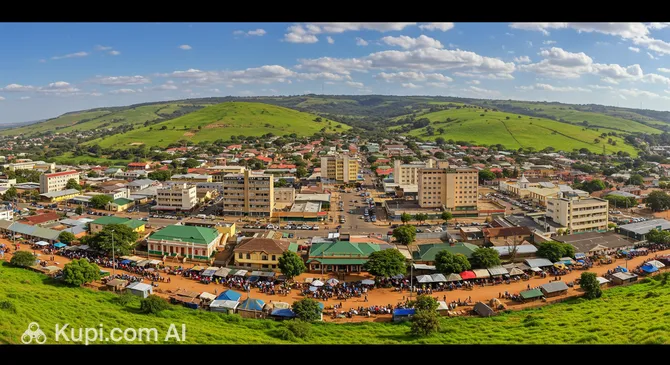
As the commercial heartbeat of the region, Mthatha offers a shopping experience that contrasts modern convenience with the vibrant, informal trade typical of the Eastern Cape. For tourists, the city provides an opportunity to purchase everything from daily necessities and international brands to unique cultural artifacts. The retail landscape is a mix of large, air-conditioned malls and bustling street-side vendors, reflecting the city's dual role as a developing urban center and a hub for the surrounding rural communities.
The most prominent destination for a comfortable and comprehensive shopping experience is BT Ngebs City. Located just off the N2 highway, this is the largest and most modern mall in the area. It houses a wide array of national chain stores, fashion boutiques, supermarkets, and banking facilities. It is the go-to spot for travelers needing to restock on supplies, buy electronics, or simply enjoy a window-shopping stroll in a secure environment. Another significant center is the Circus Triangle Shopping Centre, which offers a variety of retail outlets and is a popular stop for locals doing their weekly shopping.
For a more authentic and energetic atmosphere, the Central Business District (CBD) is the place to be. The areas around Sutherland Street and York Road are teeming with activity. Here, formal shops sit side-by-side with street vendors selling fruit, vegetables, and clothing. While the CBD can be crowded and noisy, it offers a genuine glimpse into the daily life of the city. Visitors should be prepared for a sensory overload of sights and sounds as they navigate these busy thoroughfares.
While Mthatha does not have a designated "tourist market" in the traditional sense, the informal sector is a treasure trove for those looking for local flavor. Street hawkers often sell fresh produce and affordable textiles. For visitors specifically interested in arts and crafts, it is worth looking for vendors near the Nelson Mandela Museum or exploring local craft centers in the broader region, where artisans sell handmade goods directly to the public.
When it comes to souvenirs, the best items to bring back are those that celebrate the rich Xhosa heritage of the region. Look for intricate beadwork, which is not only beautiful but carries deep cultural significance. Traditional clothing, such as garments made from Isishweshwe fabric or the distinctively styled Umbaco (traditional Xhosa outfits), makes for a unique and meaningful memento. Wooden carvings and woven grass baskets are also popular items that showcase local craftsmanship.
Most formal shops and malls in Mthatha operate from 09:00 to 17:00 or 18:00 on weekdays. On Saturdays, shops typically close earlier, around 13:00 or 14:00, although the major malls often stay open later and trade on Sundays as well. Payment methods vary by location; major retailers, hotels, and restaurants in malls readily accept credit and debit cards. However, if you are buying from street vendors or smaller local stalls, cash (South African Rand) is essential.
International visitors to South Africa are eligible for a VAT refund on goods purchased for export. The current Value Added Tax rate is 15%. To claim this, you must spend a minimum of R250 at a registered tax-free store and present your tax invoice to customs officials upon your final departure from the country at an international airport, such as O.R. Tambo in Johannesburg, as facilities for this are unlikely to be available at the smaller local airport.