Support

Durban

About

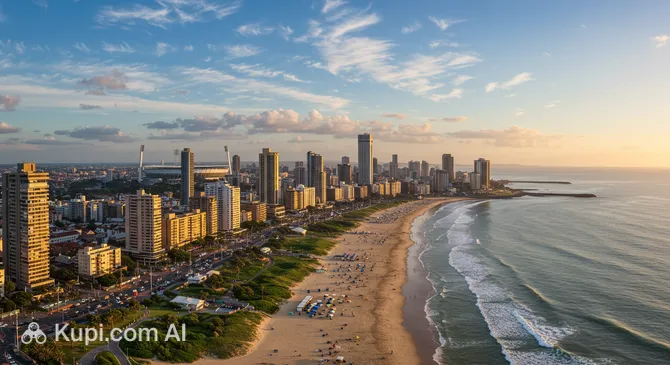
Welcome to Durban, a vibrant coastal gem that pulses with energy and warmth. Located in the KwaZulu-Natal province of South Africa, this city is celebrated for its laid-back atmosphere, golden beaches, and the inviting waters of the Indian Ocean. It serves as a major gateway to the country's eastern coast and offers a unique cultural blend that distinguishes it from other metropolitan hubs.
Durban. Source: Kupi.Binoculars

Geographically, the city is situated around a busy natural harbor, which is one of the most significant in the continent. With a population of approximately 600,000 in the city center, it feels bustling yet accessible. One of its most appealing features is its subtropical climate, often described as an "endless summer," which makes it a fantastic destination for outdoor activities all year round.

The city's character is deeply rooted in its diverse heritage. Exploring the history of Durban reveals a fascinating tapestry woven from Zulu, British, and Indian influences. This multicultural backdrop is evident everywhere, from the architecture of the colonial buildings to the aromas wafting from street food stalls, where you can try the iconic local dish known as "Bunny Chow."

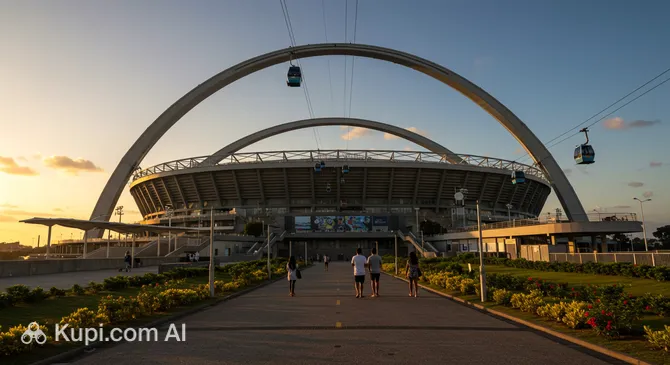
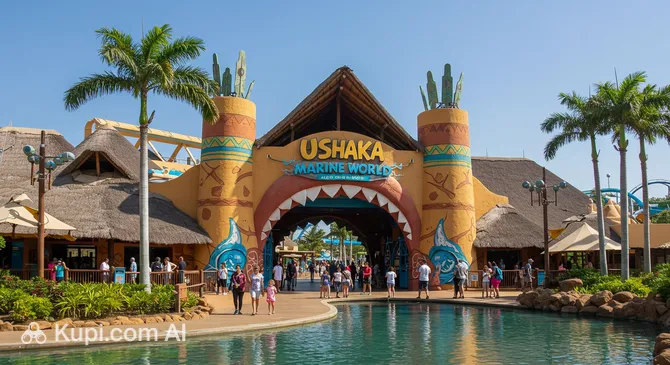
Tourists are drawn to several key attractions that define the cityscape. The Golden Mile is a popular beachfront promenade perfect for walking, cycling, or watching the surfers. For those seeking adventure, the Moses Mabhida Stadium offers spectacular views of the city and coastline, while uShaka Marine World provides world-class entertainment and marine encounters for families.

Whether you are looking to relax on sun-drenched sands or immerse yourself in a rich cultural experience, Durban is a destination that delivers. Its friendly locals and warm weather make it an ideal spot for your next holiday adventure.
Weather Overview

Durban is famous for its subtropical climate, which makes it a fantastic destination to visit at almost any time of the year. For a more detailed breakdown, you can check the weather in Durban, but generally, the city experiences warm, humid summers and mild, pleasant winters.

During the summer months from December to February, temperatures are at their highest, with February averaging around 24.0°C and daily highs reaching nearly 27°C. Travelers should be prepared for frequent showers during this season, as December can have up to 17 wet days. In contrast, the winter period from June to August is significantly drier and cooler. July is typically the coldest month, with average temperatures of 17.0°C and lows dipping to 12.0°C, yet it remains sunny with very few rainy days.

Interesting Facts

Beyond the main attractions, Durban holds many fascinating secrets that reveal the city's rich history and vibrant culture. From record-breaking landmarks to unique culinary inventions, there is much more to this coastal metropolis than meets the eye.
  • The city is home to the Durban Botanic Gardens, which holds the title of the oldest surviving botanic garden on the African continent. Established in 1849, it is famous for its collection of cycads, some of which are considered among the rarest plants in the world.

  • Durban is the birthplace of the iconic "Bunny Chow," a dish that has become synonymous with South African street food. This meal, consisting of a hollowed-out quarter loaf of bread filled with spicy curry, was invented by the local Indian community in the 1940s as a portable lunch for workers.

  • Adrenaline junkies might be surprised to learn that the Moses Mabhida Stadium features the "Big Rush Big Swing," recognized by Guinness World Records as the world's tallest swing. Brave visitors can leap from the stadium's arch, swinging 80 meters above the ground.

  • The city's association with the holiday season dates back to 1497, when Portuguese explorer Vasco da Gama sighted the coast on Christmas Day. He named the area "Rio de Natal" (River of Christmas), which is why the province is known today as KwaZulu-Natal.

  • Durban possesses the busiest port in South Africa and one of the largest in the Southern Hemisphere. It serves as a crucial trading gateway, handling millions of containers annually and connecting the region to global markets.

Moses Mabhida Stadium. Source: Kupi.Binoculars

How to Get There

Reaching this coastal city is quite convenient, as it is served by a major international aviation hub and several regional options. Whether you are arriving from within South Africa or from abroad, you can easily plan your journey. For a comprehensive overview of all transport methods, you can read more about how to get to Durban in our detailed guide.

The primary entry point for most travelers is King Shaka International Airport (DUR), located approximately 29 km north of the city center. As a major transport hub with significant passenger traffic, it offers a wide range of services and connections. The journey from the airport to downtown Durban typically takes between 30 and 40 minutes by taxi or shuttle bus, making it the most direct and efficient way to start your visit.

Alternatively, you can fly into Pietermaritzburg Airport (PZB). It is important to note that this airport is not located in Durban itself, but in the neighboring city of Pietermaritzburg, roughly 65 km away. While it is a smaller regional airport, it serves as a viable option for some itineraries. Travel time from here to Durban is generally around 45 to 60 minutes by road.

For clarity, here is a summary of the main airports in the vicinity:

Airport Name City Passenger Traffic Km from City
King Shaka International Airport Durban High 28.8
Pietermaritzburg Airport Pietermaritzburg Medium 64.6
Umtata Airport Mthatha Low 292.6

Main Attractions

Durban offers a diverse array of sights that cater to beach lovers, history buffs, and nature enthusiasts alike. The city's attractions reflect its multicultural heritage and coastal beauty, providing memorable experiences for every type of traveler. Here are some of the top places you should include in your itinerary.

One of the city's most famous destinations is uShaka Marine World, a massive theme park that spans over 16 hectares. Situated between the harbor and the beachfront, it features the largest aquarium in the Southern Hemisphere, built into a shipwreck design that fascinates visitors of all ages. Beyond marine life, the complex includes a wet-and-wild water park, a village walk for shopping, and numerous restaurants, making it a perfect spot for a full day of family entertainment.

uShaka Marine World. Source: Kupi.Binoculars

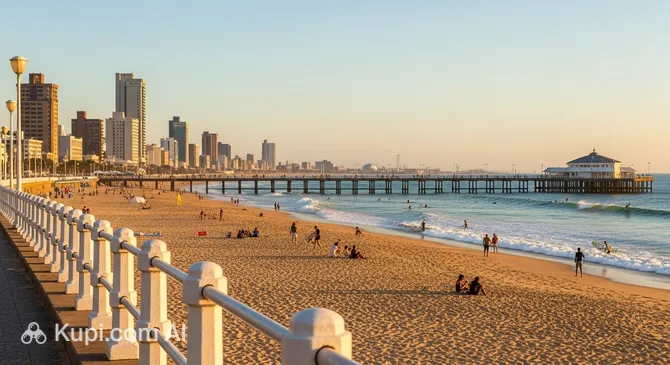
For those who want to experience the true pulse of the city, the Golden Mile is the place to be. This popular stretch of beachfront extends from South Beach to the Suncoast Casino, bordered by high-rise hotels and the warm Indian Ocean. It is an ideal location for an early morning jog, a leisurely bike ride, or simply watching the surfers tackle the waves. The promenade is also lined with markets where you can buy traditional Zulu crafts and souvenirs.

Golden Mile. Source: Kupi.Binoculars

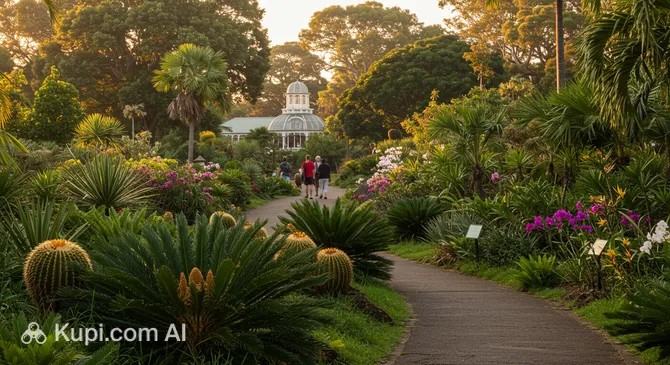
Nature lovers will find tranquility at the Durban Botanic Gardens. As Africa's oldest surviving botanic garden, it offers a lush escape from the urban bustle. Visitors can wander through the sunken gardens, admire the magnificent orchid collection, or relax by the lake which is home to various bird species. The gardens often host musical events and tea parties, providing a charming blend of nature and social culture.

Durban Botanic Gardens. Source: Kupi.Binoculars

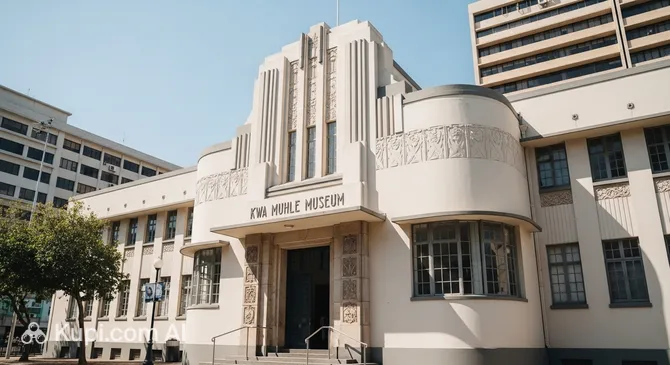
To gain a deeper understanding of the local history, a visit to the Kwa Muhle Museum is highly recommended. Housed in the former Native Administration Department building, the museum documents Durban's urban growth and the history of its residents, particularly during the apartheid era. The exhibits are poignant and educational, offering insight into the resilience and spirit of the people who helped shape the city into what it is today.

Kwa Muhle Museum. Source: Kupi.Binoculars

Another fantastic spot for wildlife enthusiasts is the Umgeni River Bird Park. Located on the banks of the Umgeni River, this park features walk-through aviaries and open landscapes that house hundreds of bird species from around the world. The highlight for many is the free-flight bird show, which showcases the natural behaviors of these beautiful creatures in an interactive and educational setting.

Local Cuisine

Durban is often hailed as the curry capital of South Africa, offering a culinary landscape that is as spicy and diverse as its history. The local food scene is a vibrant fusion of Zulu, Indian, and British influences, resulting in flavors that are unique to this coastal metropolis. Whether you are dining in an upscale restaurant or grabbing a takeaway from a street stall, the city’s gastronomy promises a memorable adventure for your taste buds.

The most iconic dish you simply must try is Bunny Chow. This humble yet delicious meal consists of a hollowed-out quarter or half loaf of white bread filled to the brim with spicy curry—usually mutton, chicken, or beans. It is a staple of Durban street food culture, best enjoyed with your hands. For those seeking authentic local flavors, the city is also famous for its distinctively red and fiery "Durban Curry," which relies heavily on dried spices and is often served with roti or rice.

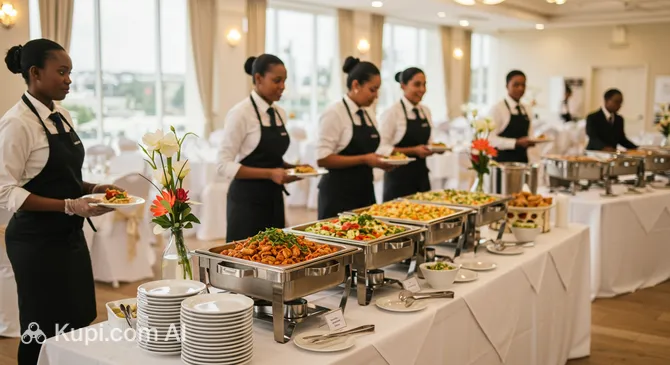
Solly Manjra's Caterers. Source: Kupi.Binoculars

Given its location on the Indian Ocean, the city is also a paradise for seafood lovers. Fresh prawns, calamari, and line fish are staples on many menus. You can enjoy these catches at casual spots along the beach or at dedicated eateries. For a taste of the legendary local biryani, many locals recommend visiting Solly Manjra's Caterers, a renowned establishment that has been serving aromatic and flavorful dishes for decades.

The dining atmosphere in Durban ranges from relaxed seaside cafes to vibrant steakhouses. Meat lovers will appreciate the "Shisa Nyama" culture, where meat is barbecued over an open fire, often accompanied by pap (maize porridge) and chakalaka (a spicy vegetable relish). If you are looking for a hearty steak in a cozy setting, Joop's Place is a well-regarded local favorite known for its quality cuts and welcoming vibe.

When it comes to drinks, the city has a burgeoning craft beer scene and a love for refreshing cocktails that suit the subtropical weather. Unity Bar & Brasserie is a popular spot to sample local brews and enjoy a laid-back meal. For a more sophisticated evening, The Chairman offers an eclectic mix of jazz, fine spirits, and unique decor, making it a perfect destination to experience the city's cooler nightlife side.

Travel Tips

To ensure your visit to this coastal metropolis is as relaxing and enjoyable as possible, a little preparation goes a long way. Durban is known for its friendly vibe and laid-back atmosphere, but like any major urban center, it has its own rhythm and rules. Here are some practical tips to help you navigate the city with confidence and ease.

  1. Clothing and Gear: Given the subtropical climate, lightweight and breathable fabrics like cotton or linen are essential, especially during the humid summer months. Always pack high-SPF sunscreen, a hat, and sunglasses, as the African sun can be intense. While beachwear is standard along the South Africa coast, remember to dress modestly when visiting cultural or religious sites, covering shoulders and knees. A light rain jacket is also advisable for sudden summer downpours.

  2. Transportation: Public transport options like the "People Mover" bus system are convenient for traveling along the beachfront and city center, but for broader exploration, they can be limited. The most reliable and safe way for tourists to get around is by using ride-hailing apps like Uber or Bolt. If you prefer to rent a car to explore KwaZulu-Natal, ensure you park in secure, designated areas and never leave valuables visible in the vehicle.

  3. Finances: The local currency is the South African Rand (ZAR). Credit and debit cards are widely accepted in hotels, restaurants, and malls, but it is wise to carry some cash for street markets and small vendors. ATMs are plentiful, but use those located in secure malls or banks. Tipping is customary; leaving 10-15% for waitstaff and a small amount for "car guards" (official parking attendants) is standard practice.

  4. Health and Safety: Durban has excellent private medical facilities, and major pharmacy chains like Clicks or Dis-Chem are easy to find in shopping centers. In terms of safety, avoid walking alone at night, particularly in the CBD or on deserted stretches of the beach. When swimming, always stay between the red and yellow flags, as these areas are protected by shark nets and monitored by lifeguards.

  5. Communication: English is the primary language for tourism and business, so you will have no trouble communicating. However, the region is the heartland of the Zulu people. Learning a simple greeting like "Sawubona" (Hello) will be warmly received by locals. To stay connected, you can buy a local SIM card at the airport or supermarkets, but remember you will need your passport for the mandatory RICA registration.

  6. Local Etiquette: South Africans are generally warm and polite. Greetings are taken seriously; a friendly "How are you?" is expected before asking a question or ordering food. Be aware of "South African time" phrases: "Just now" usually means in a little while, not immediately. Also, don't be confused if locals refer to traffic lights as "robots"—it is a classic local term.

  7. What to Avoid: Do not feed the vervet monkeys. These small primates are common in many suburbs and parks, but feeding them makes them aggressive and dependent on humans. Keep your windows closed when you are not in your room to prevent them from raiding your snacks.

  8. Shopping Tip: If you are buying spices or traditional crafts at the Victoria Street Market, bargaining is acceptable and often expected. It is a fun way to interact with traders, provided it is done with a smile and respect.

By keeping these simple guidelines in mind, you will be well-equipped to embrace everything Durban has to offer. From its golden sunrises to its spicy culinary delights, the city is ready to welcome you with open arms and an unforgettable experience.

Entertainment & Nightlife

Durban transforms as the sun sets, offering a nightlife scene that is as warm and inviting as its daytime weather. The city caters to a diverse crowd, ranging from those seeking laid-back jazz lounges to party-goers looking for high-energy dance floors. The most famous hub for evening entertainment is Florida Road in the Morningside district. This tree-lined street is buzzing with energy, featuring a continuous stretch of restored historic buildings that now house trendy bars, restaurants, and cocktail lounges. It is the perfect place to start the evening with dinner and drinks before exploring further.

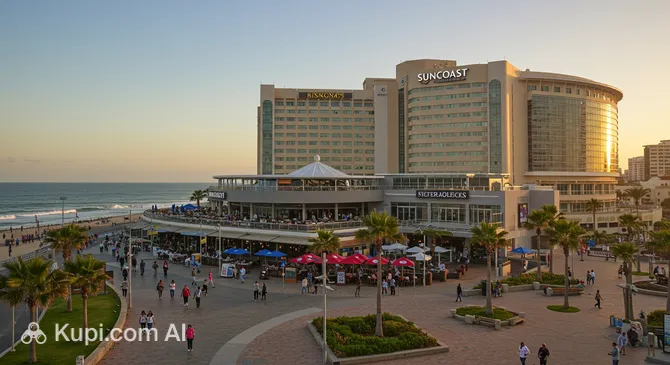
For a sophisticated night out, many visitors head to the upscale Umhlanga Rocks area, particularly around Chartwell Drive. Here, you will find chic rooftop bars and clubs that attract a stylish crowd. The dress code in these areas tends to be smart casual, so it is worth dressing up a bit. If you prefer a comprehensive entertainment destination, the Suncoast Casino and Entertainment Complex is a top choice located right on the beachfront. It offers a safe and lively environment with a casino, movie theaters, and a variety of dining options that stay open late.

Suncoast Casino and Entertainment Complex. Source: Kupi.Binoculars

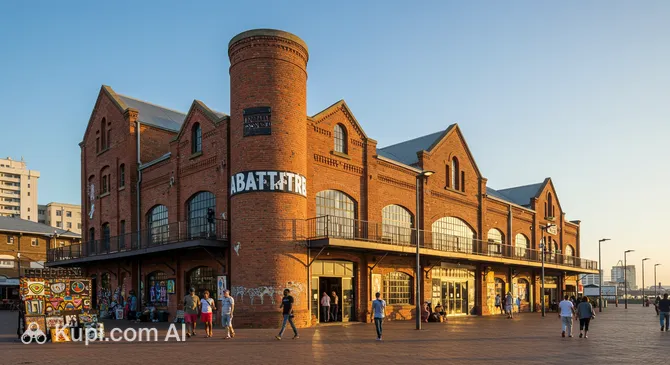
Music lovers will find plenty to enjoy in the city's vibrant live music scene. The BAT Centre, situated at the small craft harbor, is a renowned cultural hub that frequently hosts live jazz and Afro-fusion performances. It provides a relaxed atmosphere where you can enjoy local sounds while looking out over the water. For those who want to experience the local clubbing pulse, Egagasini Night Club offers a more energetic vibe with popular DJs spinning tracks until the early hours.

The BAT Centre. Source: Kupi.Binoculars

When enjoying the nightlife, safety is an important consideration. While areas like Florida Road and the Suncoast complex are generally well-patrolled, it is advisable to avoid walking between venues at night, even over short distances. The safest way to get around is by using reputable ride-hailing apps like Uber or calling a private taxi service. This ensures a door-to-door service and allows you to enjoy the evening without worry.

Beyond the nightlife, Durban offers excellent daytime entertainment options for families and groups. You can cool off and have fun at the Durban Ice Arena, which provides a unique skating experience in the heart of the subtropical city. Additionally, the city is dotted with theaters and galleries, ensuring that culture and amusement are available at any hour of the day.

Parks & Museums

Parks and Museums:

Beyond its famous coastline, Durban is a city of lush greenery and deep cultural roots, offering visitors a chance to explore diverse ecosystems and artistic heritage. Whether you are looking to wander through tranquil gardens or delve into the region's history and creativity, the city’s parks and museums provide a refreshing counterpoint to the beach scene.

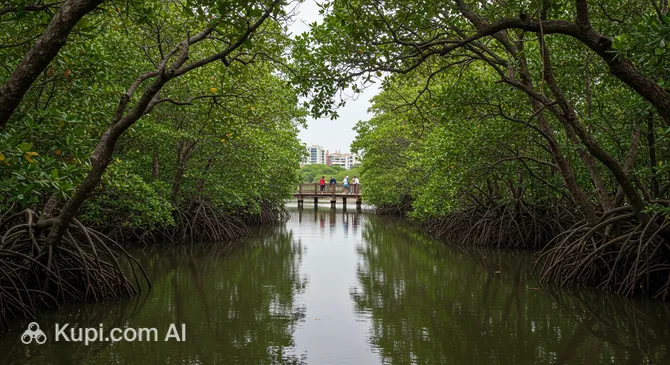
For a unique encounter with nature, the Beachwood Mangroves Nature Reserve is a hidden gem located near the mouth of the Umgeni River. This 76-hectare reserve preserves a rare mangrove swamp ecosystem that is vital to the local environment. Visitors can explore the area via a network of elevated boardwalks, which allow you to walk safely above the mudflats while observing thousands of fiddler crabs and climbing whelks. It is a birdwatcher's paradise and offers an educational glimpse into a sensitive coastal habitat.

Beachwood Mangroves Nature Reserve. Source: Kupi.Binoculars

Another peaceful retreat is the Japanese Gardens in Durban North. Designed with traditional oriental aesthetics, this park features water gardens, arched bridges, and bamboo structures that create a serene atmosphere. It is a favorite spot for picnics and quiet reflection away from the city buzz. The carefully manicured landscapes provide a beautiful backdrop for photography, particularly when the water lilies are in bloom.

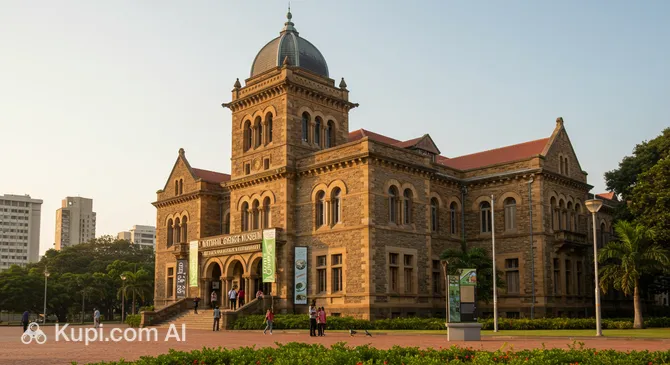
In the heart of the city, culture enthusiasts should visit the Durban Natural Science Museum. Situated within the historic City Hall building, it is one of the smallest but busiest natural science museums in the country. The museum is renowned for its life-like dioramas of African wildlife and its extensive collection of birds. Highlights include an authentic Egyptian mummy and a dodo skeleton, making it a fascinating stop for families and history buffs alike.

Durban Natural Science Museum. Source: Kupi.Binoculars

For a taste of the contemporary art scene, the KwaZulu-Natal Society of the Arts (KZNSA) in the suburb of Glenwood is a must-visit. This vibrant gallery showcases cutting-edge works by local and international artists, reflecting the dynamic social fabric of South Africa. The complex also houses a popular arts café and a shop selling unique, locally made design goods, making it a perfect place to spend a relaxed afternoon.

Families with younger children might also enjoy a trip to the Mitchell Park Zoo. Established in the early 20th century, this historic park combines manicured lawns with a small zoo that hosts smaller animals like crocodiles, buck, and raccoons. It offers a charming, old-world park experience with a playground and tea garden.

Getting Around

Navigating the city offers a mix of modern convenience and vibrant local culture, though the public transport system can be quite different from what visitors might expect in Europe or North America. The network primarily consists of municipal buses, commuter trains, and the ubiquitous minibus taxis. For most tourists, the most accessible, safe, and efficient option for getting around the central districts and the beachfront is the dedicated bus service known as the People Mover.

The Durban People Mover is designed specifically with visitors in mind, operating on designated routes that connect major attractions such as the beachfront promenade, uShaka Marine World, and the city center. These buses are easily recognizable, air-conditioned, and monitored by cameras, making them a secure choice. They typically run every 15 minutes during the day. In addition to this, the standard municipal bus service covers a wider network across the suburbs, though these routes can be complex for those unfamiliar with the area.

For payment on the People Mover and other municipal buses, the city uses a smart card system called the Muvo card. You can purchase this card at specific kiosks and ticket offices located at major bus terminals. It allows you to load trips in advance, eliminating the need to carry exact change. While a single trip on the People Mover is quite affordable, usually costing a small fixed fee, having the card makes the process smoother. If you venture onto the informal minibus taxis, which are the heartbeat of local commuting, be aware that they operate strictly on a cash basis. These vans are fast and frequent but can be chaotic; passengers use specific hand signals to hail them for different destinations, a system that can be confusing for first-time visitors.

Given the complexities of the public network, many tourists prefer ride-hailing apps like Uber and Bolt. These services are widely available, reliable, and generally considered the safest way to travel, particularly in the evenings when public transport options dwindle. Traditional metered taxis are also available but are rarely hailed on the street; you will typically find them at designated ranks near hotels or the airport, or you must book them by phone.

A unique and historic feature of the transport landscape is the colorful Zulu Rickshaw pullers found along the Golden Mile. While they function more as a tourist attraction than a practical mode of transport, taking a ride in one of these two-wheeled carriages is an iconic experience. The pullers, dressed in elaborate traditional beadwork and headgear, offer short, entertaining rides along the promenade, often accompanied by high leaps and whistles.

Travelers are advised to exercise caution regarding the commuter rail system, Metrorail. While it connects the suburbs to the city, it is frequently plagued by delays and safety concerns, so it is generally not recommended for tourists. For a stress-free visit, stick to the People Mover for short hops along the coast and use private transfers or ride-sharing apps for longer excursions.

Accommodation

Finding the perfect place to stay in Durban is relatively easy, as the city offers a wide spectrum of accommodation options to suit every budget and travel style. From lively backpacker hostels and affordable self-catering apartments to boutique guest houses and luxurious beachfront resorts, the city caters to solo travelers, families, and business visitors alike. The hospitality standards are generally high, with many establishments providing warm South African service.

The location you choose depends largely on what you want to get out of your trip. For sun-seekers and those who want to be in the heart of the action, the Beachfront (Golden Mile) is the most popular choice, offering immediate access to the ocean and promenade. If you prefer a quieter, more suburban feel with panoramic views of the city and harbor, the leafy neighborhoods of Berea, Musgrave, and Morningside are excellent alternatives. These areas are known for their trendy cafes and proximity to botanical gardens. For those looking for upscale shopping and modern amenities, the areas north of the river, such as Durban North, provide a sophisticated base.

There are several well-regarded establishments that exemplify the city's hospitality. Situated just outside the city center near the Umgeni River, the Riverside Hotel is a popular choice for travelers seeking a resort-style atmosphere with easy access to both the beach and the business districts. Alternatively, for those who wish to stay in the historic and elevated suburb of Berea, the Musgrave Hotel offers a comfortable retreat surrounded by some of the city's best dining and shopping venues.

Riverside Hotel. Source: Kupi.Binoculars

Booking Tip: Durban is a premier holiday destination for locals, especially during the peak summer season in December and January. During this time, and around major sporting events, accommodation can fill up months in advance. It is highly recommended to secure your booking well ahead of time if you plan to visit during these busy periods.

In terms of pricing, the city is generally more affordable than other major global tourist hubs. Budget travelers can find hostels and B&Bs for very reasonable rates, while mid-range hotels and guest houses offer excellent value for money. Luxury options are available but tend to be priced competitively compared to Cape Town or Johannesburg. Most accommodation can be easily booked via major online travel platforms, though contacting smaller guest houses directly can sometimes yield better rates or personalized packages.

Nearby Cities

For those looking to explore the surroundings, Durban serves as an excellent base for day trips to several interesting nearby locations:

City Population Distance (km)
Pietermaritzburg 750,845 68
Newcastle 363,236 258
Vryheid 150,012 233
Mthatha 137,772 290
Ladysmith 64,855 188

Located less than an hour's drive inland, Pietermaritzburg is the capital of the KwaZulu-Natal province and a fantastic option for a quick getaway. Often referred to as the "City of Flowers" due to its beautiful azaleas and roses, it boasts one of the finest botanical gardens in the country. Visitors can explore well-preserved Victorian architecture, including the striking red-brick City Hall, or visit the historic railway station where Mahatma Gandhi was famously ejected from a train, an event that sparked his journey of passive resistance.

For history enthusiasts willing to travel a bit further, Ladysmith offers a deep dive into the region's past. Situated about two hours from the coast, this town is a central point for exploring the famous Battlefields Route. It is home to the Siege Museum, considered one of the best of its kind, which details the events of the Anglo-Boer War. The town also serves as a gateway to the dramatic landscapes of the Drakensberg mountains, making it a scenic drive for those who appreciate both heritage and nature.

These nearby destinations offer a glimpse into the diverse culture and landscapes of the region.

Shopping & Souvenirs

Shopping:

Shopping in Durban is a vibrant reflection of the city's multicultural heritage, offering everything from high-end fashion boutiques to bustling traditional markets. Visitors can expect a diverse retail experience where modern malls coexist with colorful street stalls selling aromatic spices and handcrafted goods. Whether you are looking for international brands or unique local treasures, the city provides ample opportunities to find the perfect item.

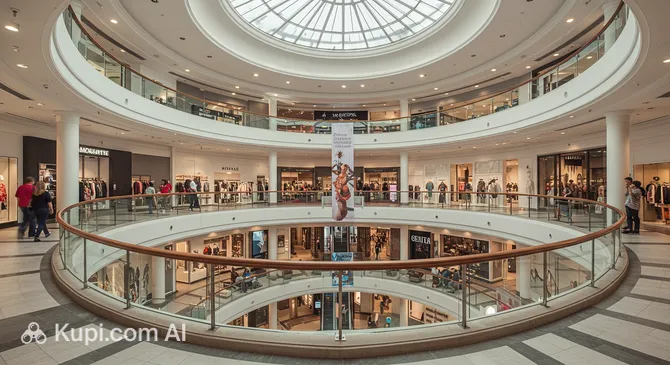
For those seeking a contemporary shopping environment, the suburb of Berea is home to some of the city's most popular retail hubs. The Musgrave Centre is a long-standing favorite among locals and tourists alike. It features a wide selection of upscale fashion stores, cinemas, and restaurants, making it a great place to spend an afternoon. Not far from there, the Windermere Shopping Centre offers a more intimate experience with a curated mix of supermarkets, specialty shops, and cafes that cater to a relaxed crowd.

Musgrave Centre. Source: Kupi.Binoculars

While malls offer convenience, the true flavor of Durban is found in its markets. The Victoria Street Market is an iconic landmark where the city's Indian influence shines brightest. Here, the air is thick with the scent of incense and curry powder, and stalls are piled high with spices, fabrics, and brassware. It is the best place to buy authentic "Durban Curry" blends to take home. On weekends, the Golden Mile beachfront transforms into a lively flea market where vendors sell everything from clothing to handmade crafts.

When it comes to souvenirs, Zulu craftsmanship is highly prized. Look for intricate beadwork, woven baskets, and wire art, which are distinct to this region. For high-quality, contemporary local design, the shop at the KwaZulu-Natal Society of the Arts is an excellent stop. It stocks unique jewelry, textiles, and ceramics created by local artists, ensuring that your purchase supports the creative community.

Most shopping malls and major stores are open from 09:00 to 17:00 on weekdays, with extended hours often available on weekends and public holidays. Payment is easy, as major credit and debit cards are widely accepted in formal establishments. However, if you plan to visit street markets or buy from small vendors, it is essential to carry cash, preferably in smaller denominations.

International visitors should also be aware of the tax refund system. In South Africa, Value Added Tax (VAT) is set at 15% and is included in the price of most goods. Tourists can claim a VAT refund on items exceeding a certain total value when departing from international airports, such as King Shaka International Airport. Be sure to keep your tax invoices and present the goods for inspection at the customs counter before you leave.

Reached the end of the page?

That means the route is fully explored