Support

Richards Bay

About

Welcome to Richards Bay, a vibrant coastal town situated on a 30 square kilometre lagoon of the Mhlatuze River. Known for its harmonious blend of industrial significance and natural beauty, this city serves as a thriving economic hub and a popular gateway for tourists exploring the northern coastline. Its deep-water harbour is one of the largest in the country, yet the town maintains a relaxed atmosphere perfect for leisure travelers.

Located in the KwaZulu-Natal province of South Africa, Richards Bay enjoys a warm, subtropical climate that makes it an inviting destination throughout the year. With a population of approximately 57,000 residents, the city offers modern amenities while remaining close to pristine nature reserves and wetlands.
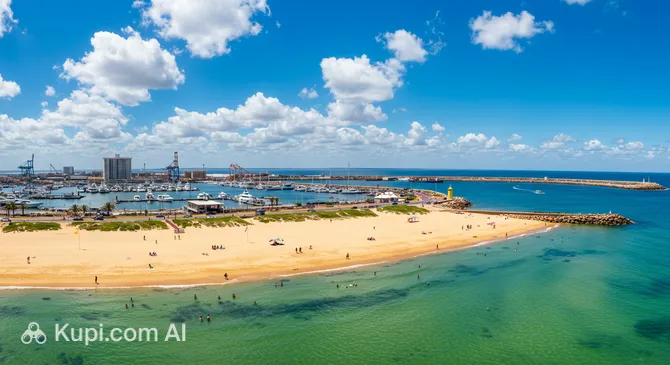
Richards Bay. Source: Kupi.Binoculars

The transformation of this area from a small fishing village into a major city is quite remarkable. Visitors interested in how the town developed from a makeshift harbour used by Commodore Richards during the Anglo-Zulu War of 1879 into a modern industrial giant can explore the history of Richards Bay to learn more about its heritage. Today, it stands as a testament to rapid development and strategic importance in the region.

For those seeking relaxation and adventure, the city offers several key attractions. Alkantstrand Beach is a highlight, boasting Blue Flag status and providing excellent conditions for swimming and surfing. The Tuzi Gazi Waterfront is another must-visit spot, where tourists can enjoy dining and shopping with scenic views of the bustling harbour. Additionally, the city is an excellent base for visiting nearby game reserves and the rich cultural heritage sites of Zululand.

Whether you are visiting for business, water sports, or simply to enjoy the golden beaches, Richards Bay promises a memorable experience. Its unique combination of modern infrastructure and accessible wildlife makes it a compelling stop on any South African itinerary.


Weather Overview

Richards Bay is known for its pleasant subtropical climate, offering warm conditions throughout most of the year. To help you plan your activities, it is useful to understand the weather in Richards Bay before you arrive. The region generally experiences distinct seasonal changes in humidity and rainfall rather than extreme temperature fluctuations.

During the summer months from December to February, the town is at its warmest and wettest. Average temperatures sit around 25.3°C, with daily highs peaking near 28.6°C in January. Rain is quite common during this time, with December and February seeing up to 16 wet days, keeping the landscape lush and green.

In contrast, the winter season from June to August brings cooler, drier weather. July is typically the coldest month, with average temperatures of 19.0°C and minimums dipping to roughly 14.8°C. Precipitation is minimal during winter, often as low as 1mm, making it an excellent time for beach visits and hiking without the interruption of rain.

Overall, visitors can expect warm summers with occasional rain and mild, dry winters that are ideal for outdoor adventures.

Interesting Facts

Beyond the sandy shores and industrial skyline, Richards Bay holds several fascinating details that surprise many visitors. Here are some unique aspects of this coastal city that highlight its blend of nature, commerce, and engineering.

  • The city is home to one of the largest coal export facilities in the world. The Richards Bay Coal Terminal is a massive operation that receives millions of tons of coal via a dedicated railway line from Mpumalanga, serving as a critical economic engine for the entire country.

  • Despite its heavy industrial activity, the area remains a thriving sanctuary for wildlife. The Thulazihleka Pan, situated right within the harbour precinct, is a haven for waterbirds, where you can often see flocks of flamingos and pelicans coexisting with the bustle of port operations.

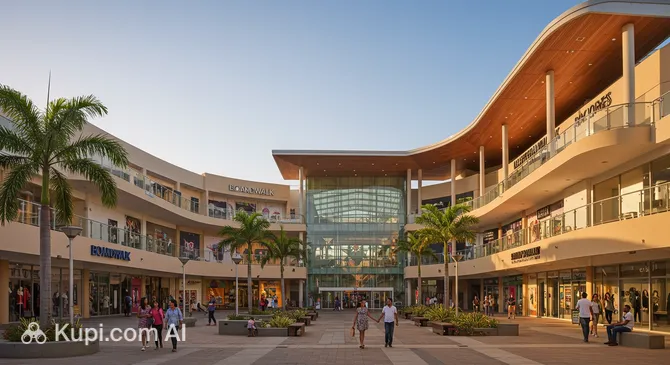
  • Richards Bay serves as the primary commercial hub for the Zululand region. It features extensive retail facilities like the Boardwalk Inkwazi Shopping Centre, which draws shoppers from surrounding towns and offers a modern contrast to the nearby wild game reserves.

  • The town is remarkably young compared to other South African cities. Although the lagoon has been known for centuries, Richards Bay was only officially proclaimed a town in 1969, specifically designed and built to accommodate a deep-water harbour that could handle larger vessels than the port in Durban.

Boardwalk Inkwazi Shopping Centre. Source: Kupi.Binoculars

How to Get There

Reaching this coastal industrial hub is convenient, with options ranging from direct domestic flights to scenic drives along the coast. While the local road network is well-maintained for those arriving by car, many visitors prefer flying into major regional hubs and renting a vehicle. You can read more about how to get to Richards Bay to determine the best route for your specific itinerary.

For the most direct access, travelers can fly into Richards Bay Airport (RCB). Although smaller than the major international hubs, it offers daily scheduled flights connecting the town directly with Johannesburg, making it an excellent time-saving option for business travelers and tourists alike.

For international visitors, the primary gateway is King Shaka International Airport (IATA: DUR), located in the city of Durban. Situated approximately 131 km from Richards Bay, this major airport handles a large volume of passenger traffic and offers extensive car rental services. The drive north along the N2 highway is straightforward and typically takes between 1.5 and 2 hours, depending on traffic conditions.

Another regional alternative is Pietermaritzburg Airport (IATA: PZB). Located about 188 km away, this facility serves as a secondary option for those traveling from other parts of the country. The journey from here to the coast generally takes around 2.5 to 3 hours by car.

Below is a summary of the nearest airports to assist with your planning:

Airport Name City Passenger Traffic Distance (km)
King Shaka International Airport Durban Large 130.9
Pietermaritzburg Airport Pietermaritzburg Medium 188.0
King Mswati III International Airport Manzini Small 267.9

Visitors arriving by land will find the city well-connected to the rest of KwaZulu-Natal via the N2 highway. This major route facilitates easy access for long-distance buses and self-drive tourists exploring the scenic Elephant Coast.

Main Attractions

Richards Bay offers a compelling mix of modern conveniences and natural wonders, making it a diverse destination for travelers. From bustling retail hubs to serene nature reserves, the city provides a variety of experiences that cater to both leisure seekers and adventure enthusiasts.

For those looking to indulge in some retail therapy, the Boardwalk Inkwazi Shopping Centre is the premier destination in the region. As one of the largest shopping complexes in Zululand, it features a wide array of fashion boutiques, electronics stores, and entertainment options. It serves as a vibrant social hub where visitors can enjoy a meal, catch a movie, or simply browse through an extensive selection of local and international brands.

Nature lovers should not miss Alkantstrand Beach, the city's main swimming beach which proudly holds Blue Flag status. This expansive stretch of golden sand is perfect for sunbathing and picnicking, and it is accessible throughout the year thanks to the warm Indian Ocean waters. The beach is also a popular spot for watching dolphins frolic in the waves and offers excellent facilities for families, including lifeguards and grassy picnic areas.

Just a short drive from the city center lies the Enseleni Nature Reserve, a sanctuary that provides a peaceful escape into the wild. A 7-kilometer hiking trail winds through the reserve, offering visitors the chance to spot local wildlife such as zebras, wildebeest, and hippos. The reserve is also a haven for birdwatchers, with numerous species of waterbirds inhabiting the Nseleni River that meanders through the park.

Another highlight is the Tuzi Gazi Waterfront, located at the entrance to the harbour. This picturesque area is ideal for a relaxing afternoon, offering a selection of restaurants and bars with stunning views of the water. It is a fantastic place to watch the sunset while observing the massive ships entering and leaving the port, perfectly capturing the unique industrial and coastal character of Richards Bay.

Local Cuisine

The culinary scene in Richards Bay is a delightful reflection of its coastal location and the diverse cultural heritage of the KwaZulu-Natal province. Visitors can expect a menu dominated by fresh ocean catches, hearty traditional meats, and spicy influences from the region's significant Indian community. Whether you are looking for fine dining by the water or a quick, flavorful bite, the city offers a variety of tastes to satisfy any palate.

Given its status as a harbor city, seafood is naturally a highlight here. Local restaurants frequently feature fresh line fish, calamari, and prawns caught daily from the Indian Ocean. A popular way to enjoy these is simply grilled with lemon butter or garlic sauce, allowing the natural flavors to shine. For a true taste of the province, adventurous eaters must try a Bunny Chow. This iconic dish consists of a hollowed-out quarter or half loaf of white bread filled with rich, aromatic curry—usually mutton, chicken, or beans. It is a filling, hands-on meal that originated in the nearby city of Durban but is widely enjoyed throughout the region.

South African "braai" (barbecue) culture is also deeply ingrained in the local lifestyle. On weekends, the air around public parks and private homes is often filled with the smoky scent of grilling boerewors (spiced sausage), lamb chops, and steaks. This social tradition is about more than just food; it is a way for friends and family to gather and relax outdoors.

To accompany these meals, locals often choose South African beverages. The country is famous for its world-class wines, particularly Pinotage and Chenin Blanc, which are readily available in most establishments. For something non-alcoholic, Rooibos tea is a homegrown staple, enjoyed hot or as an iced tea. Beer lovers will also find a good selection of local lagers that pair perfectly with the warm subtropical weather.

Dining out in Richards Bay often centers around the waterfront areas and shopping complexes, which provide a mix of scenic views and convenience. For families and travelers seeking a familiar and comforting meal, Wimpy is a popular choice. Known for its all-day breakfasts, burgers, and famous coffees, it offers a relaxed environment that appeals to both residents and tourists.

Wimpy. Source: Kupi.Binoculars

For those on the move, the city also has numerous takeaways and smaller eateries offering quick bites. Places like the Alton Fried Chicken Restaurant cater to those looking for satisfying fast food with a local touch. Whether you choose a sit-down dinner overlooking the yachts or a casual meal in a bustling center, the food in Richards Bay is sure to be a memorable part of your trip.

Travel Tips

To help you make the most of your visit to this coastal industrial hub, we have compiled a list of essential travel advice. Richards Bay is generally laid-back and welcoming, but knowing a few local logistics will ensure your trip is smooth and enjoyable.

  1. Clothing and Gear: Due to the subtropical climate, summers (December to February) are hot and humid, so pack lightweight, breathable fabrics like cotton or linen. A sun hat, high-SPF sunscreen, and sunglasses are non-negotiable. If you are visiting in winter, bring a light jacket or sweater, as evenings can get breezy. Don't forget a Type M adapter (three large round pins) for your electronics, as this is the standard plug in South Africa.

  2. Transportation: The most practical way to explore Richards Bay and the surrounding Zululand area is by renting a car. Public transport is limited primarily to minibus taxis, which can be confusing for visitors and are not generally recommended for tourists. Ride-hailing apps may be available but are less reliable than in major cities, so having your own vehicle gives you the freedom to visit game reserves and beaches at your own pace.

  3. Finances: The local currency is the South African Rand (ZAR). Major credit and debit cards (Visa and Mastercard) are widely accepted at hotels, restaurants, and the Boardwalk Inkwazi Shopping Centre. However, it is wise to carry some cash for small purchases, tips, and parking attendants. ATMs are plentiful in shopping malls and fuel stations.

  4. Health and Safety: Richards Bay has excellent medical facilities, including private hospitals and pharmacies that are typically open during mall hours. While the city itself is generally considered low-risk for malaria, if you plan to travel further north to parks like iSimangaliso or towards the border, consult a doctor about prophylactics. Tap water is safe to drink in urban areas.

  5. Communication: English is the primary language of business and tourism and is spoken almost everywhere. The dominant local language is isiZulu; learning a friendly greeting like "Sawubona" (Hello) will be warmly received by locals. You can easily purchase a local SIM card at the airport or major supermarkets, provided you have your passport for registration.

  6. Local Etiquette: South Africans are generally polite and friendly. A handshake is the standard greeting. Tipping is customary in restaurants (usually 10-15% of the bill) and for petrol station attendants (R5-R10). You will also encounter "car guards" in public parking lots who watch over your vehicle; a small tip of a few Rands upon your return is expected and appreciated.

  7. What to Avoid: Avoid walking alone at night, particularly in isolated areas or near the industrial zones. It is safer to drive to your destination after dark. Also, be cautious of monkeys in green belts or near accommodation; do not feed them, as they can become aggressive and snatch food.

  8. Additional Tip: Weekends at the Tuzi Gazi Waterfront are a local institution. It is the best place to experience the town's social vibe, watch the sunset over the harbour, and enjoy fresh seafood while massive ships pass by.

By keeping these practical tips in mind, you can focus on relaxing and soaking up the unique atmosphere of the Elephant Coast. Whether you are here for business or leisure, a little preparation goes a long way in Richards Bay!

Entertainment & Nightlife

While Richards Bay is primarily known as an industrial powerhouse and a gateway to nature, its nightlife offers a relaxed and social atmosphere rather than a high-energy clubbing scene. The city's evening entertainment is largely centered around socializing, dining, and enjoying "sundowners" with a view, taking full advantage of the warm subtropical climate.

The heartbeat of the local social scene is undoubtedly the Tuzi Gazi Waterfront. Located right at the harbor's edge, this district is bustling with activity from late afternoon into the night. Here, visitors will find a cluster of bars, cocktail lounges, and restaurants where the vibe is casual and friendly. It is the perfect spot to mingle with locals, enjoy a cold drink, and watch the lights of the ships reflecting on the water. The dress code is generally smart-casual; flip-flops are common during the day, but a slightly neater appearance is appreciated in the evenings.

For those seeking mainstream entertainment, the city's major retail hubs serve as central gathering points. The Boardwalk Inkwazi Shopping Centre is a key venue for evening leisure. It houses a cinema complex where you can catch the latest international and local films, making it a popular choice for families and couples. Additionally, the adjacent Boardwalk Mall offers a variety of restaurants and fast-food outlets that remain open into the evening, providing safe and convenient options for a night out.

Boardwalk Mall. Source: Kupi.Binoculars

Practical advice for enjoying a night out includes timing your visit for the weekends, particularly Friday and Saturday nights, when the waterfront is liveliest. Prices for drinks and food are generally reasonable and lower than in major metropolitan hubs like Cape Town or Johannesburg. Most venues close around midnight, though some bars at the waterfront may stay open later depending on the crowd.

Safety is an important consideration. Richards Bay is spread out, and public transport is limited at night. It is strongly advised not to walk between venues or back to your accommodation after dark, even over short distances. Instead, use a reliable metered taxi service or a ride-hailing app if available. If you are renting a car, ensure you park in well-lit, guarded areas, which are standard at the waterfront and shopping centers.

Regarding daytime entertainment, the city is more focused on outdoor activities, but there are options for indoor leisure. Apart from the cinemas, visitors can explore local art galleries or enjoy the various coffee shops scattered throughout the suburbs. While there are no large amusement parks, the shopping complexes often host small events and entertainment for children during school holidays.

Parks & Museums

Richards Bay is a destination where the concept of a museum is often found outdoors, living and breathing in the surrounding landscapes. While the city itself is relatively young and characterized by modern development, it compensates for a lack of ancient architecture with rich natural reserves and access to nearby cultural repositories. The area is a haven for nature enthusiasts, offering green spaces that seamlessly blend coastal beauty with wildlife conservation.

The crown jewel of the local parks is the Enseleni Nature Reserve, located just a short drive north of the city center. This sanctuary offers a refreshing escape into the wild, featuring the winding Nseleni River which cuts through the landscape. It is particularly popular for its well-maintained hiking paths, such as the Nkonkoni and Mvubu trails. These routes guide visitors through coastal grasslands and forests, providing excellent opportunities to spot game like giraffes, wildebeest, and zebras in a serene, traffic-free environment.

For those interested in ornithology, the Thulazihleka Pan offers a unique park-like experience situated unexpectedly close to the harbor's industrial precinct. This expansive wetland is a critical habitat for diverse bird species and serves as a peaceful observation point. Visitors can often see flocks of flamingos and pelicans, making it a favorite spot for photographers and birdwatchers looking to capture the contrast between nature and industry.

Regarding history and heritage, the city does not house a major museum within its immediate limits due to its establishment as a town only in 1969. However, history buffs can visit the Empangeni Art and Cultural History Museum, located approximately 20 kilometers inland. Housed in a building that dates back to 1916, this museum provides a comprehensive look at the region's past. Exhibits explore the development of the sugar cane industry, the rich traditions of the Zulu people, and the lives of early pioneers, offering a cultural depth that complements the modern vibe of the coast.

Richards Bay also serves as a strategic gateway to some of the country's most significant conservation areas. While technically a day trip, the southern section of the iSimangaliso Wetland Park is easily accessible. As South Africa's first UNESCO World Heritage Site, it expands the local "park" experience to a global scale, allowing visitors to explore vast ecosystems ranging from coral reefs to ancient coastal dunes.

Getting Around

Navigating Richards Bay requires a shift in expectations for visitors used to extensive European or North American public transit networks. The city does not have a metro, tram, or trolleybus system, and scheduled municipal bus services are limited primarily to specific commuter routes for local workers. As a result, the city is heavily reliant on private vehicles, and the public transport options available are informal and geared more towards residents than tourists.

The most common form of public transport is the minibus taxi. These white vans operate on set routes throughout the city and surrounding suburbs, but they do not follow a strict timetable. Instead, they depart from designated ranks when full. While they are an authentic part of the South African experience and very affordable, they can be daunting for first-time visitors due to the lack of route maps and the fast-paced nature of the service. If you choose to use them, you will need to ask locals for the correct hand signals to hail one or find the nearest taxi rank.

Payment in minibus taxis is strictly cash only. There are no travel cards, passes, or mobile ticketing apps for this mode of transport. Passengers pass their fare forward to the driver or a conductor seated in the front. Prices are fixed for specific trips but are not displayed; you must ask the driver or fellow passengers for the cost, which is usually a small amount in South African Rand (ZAR). It is essential to carry small denominations of notes and coins, as drivers often have limited change.

For a more comfortable and direct alternative, metered taxis and ride-hailing services are available. Apps like Uber and Bolt operate in Richards Bay, offering a safer and more convenient way for tourists to get around. However, availability can sometimes be lower than in major cities like Durban, especially during off-peak hours or in outlying areas. It is advisable to book your ride with some buffer time or keep the number of a reputable local taxi company handy as a backup.

Given the spread-out layout of the city and the limitations of public transit, renting a car remains the most practical advice for tourists. Having your own vehicle allows you to explore the beaches, shopping centers, and nearby game reserves at your own pace without relying on the unpredictable schedules of public transport. Car rental agencies are readily available at the airport and in the city center.

Walking and cycling are generally not considered viable modes of transport for commuting across the city due to the long distances between residential, commercial, and industrial zones, as well as the hot subtropical climate. However, cycling is popular as a recreational activity in specific areas like the waterfront or designated trails. If you do walk, stick to busy, well-lit areas such as the Boardwalk Inkwazi Shopping Centre precinct or the Tuzi Gazi Waterfront.

Accommodation

Accommodation:

Richards Bay offers a diverse range of accommodation options suited to both leisure travelers and business professionals visiting the industrial hub. The city is particularly well-stocked with guesthouses and Bed & Breakfasts (B&Bs), which are often family-run and provide a homely atmosphere with personalized service. For those seeking more conventional stays, there are several mid-range hotels and business-focused lodges. Self-catering apartments and holiday homes are also popular, especially for families and groups looking for flexibility during their beach vacations.

When choosing where to stay, location is key to the experience. The suburb of Meerensee is a favorite among tourists due to its proximity to Alkantstrand Beach and the lake. staying here offers easy access to the ocean and recreational activities while maintaining a quiet, residential feel. Another popular area is the Tuzi Gazi Waterfront, where visitors can find accommodation with scenic views of the harbor, placing them right next to the city's best restaurants and social spots. For those on business, the central suburb of Arboretum provides convenient access to the CBD and major shopping centers.

Booking accommodation in Richards Bay requires some strategic planning depending on the time of year. December and January are peak summer holiday months when South African families flock to the coast, so it is essential to book well in advance to secure your preferred spot. Additionally, because the city is a major industrial center, weekdays can be busy with corporate travelers; checking availability ahead of time is recommended even outside of the traditional holiday season.

In terms of pricing, the city is generally more affordable than major tourist hubs like Cape Town or Durban. Budget travelers can find reasonably priced backpackers or simple guesthouses, while mid-range options offer excellent value with modern amenities like air conditioning and pools—essential for the humid climate. While ultra-luxury resorts are less common, there are upscale lodges that provide a premium experience. Most properties are listed on major online booking platforms, but direct booking with smaller guesthouses is also a common and reliable method.

Nearby Cities

For those looking to explore the surroundings, Richards Bay serves as an excellent base for day trips to several interesting nearby locations:

City Population Distance (km)
Pietermaritzburg 750,845 187
Durban 595,061 157
Newcastle 363,236 234
Vryheid 150,012 164
Ladysmith 64,855 222

Among the most popular destinations for a day trip is Durban, located just under two hours south along the coast. As a major metropolitan hub, it offers a vibrant contrast to the quieter pace of Richards Bay. Visitors can spend the day walking the famous Golden Mile promenade, exploring the uShaka Marine World, or enjoying the city’s renowned Indian cuisine. It is an ideal spot for those seeking big-city entertainment and shopping before returning to the calm of the north coast.

Although not listed in the table above, the town of St Lucia is another essential stop situated approximately an hour north. It serves as the gateway to the iSimangaliso Wetland Park, a UNESCO World Heritage Site. The town is famous for the hippos that occasionally roam its streets at night and offers excellent boat cruises on the estuary, making it a perfect choice for nature lovers and wildlife enthusiasts.

For a dose of history and culture, a trip inland to Eshowe is highly recommended. As the oldest town in Zululand, it offers a deep dive into the region's heritage with attractions like Fort Nongqayi and the Dlinza Forest Aerial Boardwalk. These nearby destinations offer a glimpse into the diverse culture and landscapes of the region, ensuring that every traveler finds something to enjoy.

Shopping & Souvenirs

Shopping:

As the commercial heartbeat of the Zululand region, Richards Bay offers a retail experience that rivals many of South Africa's larger metropolitan areas. Residents from surrounding towns and tourists alike flock here for the modern conveniences, diverse product ranges, and air-conditioned comfort that the city's malls provide. Whether you are looking for high-end fashion, camping gear for your outdoor adventures, or simple daily necessities, the city's shopping precincts have you covered.

The crown jewel of the local retail scene is the Boardwalk Inkwazi Shopping Centre. This sprawling complex is one of the largest in the province and serves as a one-stop destination for almost every need. With over 150 stores, it houses major national department stores, exclusive boutiques, and banking facilities. The architecture is designed to be bright and airy, making it a pleasant place to escape the midday subtropical heat while browsing through the latest clothing trends or tech gadgets.

Directly adjacent to this major hub is the Boardwalk Mall, which complements the larger centre with additional variety and convenience. Together, these precincts form a massive shopping district where visitors can easily spend an entire afternoon. The area is well-serviced by parking facilities and offers a safe, family-friendly environment. It is also a great place to stock up on supplies if you are planning to head further north into the game reserves or camping grounds of the Elephant Coast.

For travelers interested in taking a piece of South Africa home, the shopping experience extends beyond the modern malls. While Richards Bay is not defined by traditional open-air markets to the same extent as Durban, you can still find beautiful local craftsmanship. Keep an eye out for vendors near the recreational beach areas or the waterfront, where artisans often sell intricate Zulu beadwork, woven grass baskets, and handmade wooden carvings. These items make for unique souvenirs that directly support the local community.

Most shops in the city operate during standard South African business hours, typically opening from 09:00 to 17:00 on weekdays, with extended hours on Fridays and shorter trading times on weekends (usually closing around 13:00 or 14:00 on Sundays). However, the major malls often trade later, particularly during the festive season in December, ensuring that visitors have ample time to enjoy their retail therapy.

Reached the end of the page?

That means the route is fully explored