Support

Gqeberha

About

Gqeberha, widely known by its former name Port Elizabeth, is a vibrant coastal city that perfectly blends urban energy with a relaxed seaside atmosphere. Located in the Eastern Cape province of South Africa, it is affectionately called "The Friendly City" by locals and visitors alike. Stretching along the shores of Algoa Bay, the city serves as a major seaport and a popular tourist destination, marking the eastern end of the famous Garden Route.

The city enjoys a moderate, subtropical climate with plenty of sunshine, although it is also nicknamed "The Windy City" due to the fresh coastal breezes that sweep through the area. With a population of approximately 312,000 people, Gqeberha offers the amenities of a large metropolitan area without losing its welcoming charm. Its geography is defined by stunning stretches of golden beaches and a rugged coastline that attracts water sports enthusiasts from around the world.
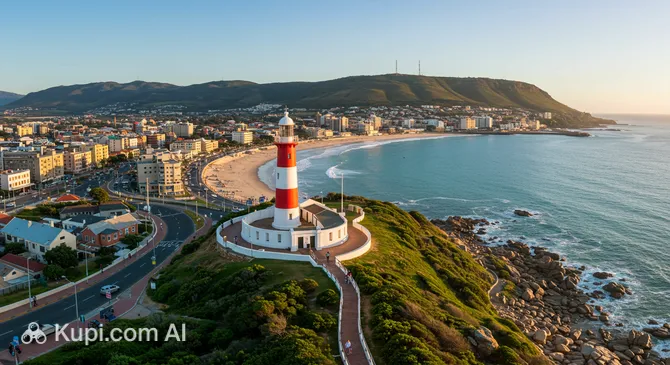
Gqeberha. Source: Kupi.Binoculars

Culture and heritage play a significant role in the local identity. You can delve into the fascinating history of Gqeberha by exploring the Donkin Heritage Trail, which connects over 50 places of historical interest, including the iconic lighthouse and pyramid at the Donkin Reserve. Nature lovers will appreciate the city's proximity to the Addo Elephant National Park, one of the country's premier wildlife sanctuaries, where you can observe the Big Five in their natural habitat.

Whether you are looking to relax on the pristine sands of Kings Beach, explore Victorian architecture, or embark on a safari adventure, Gqeberha is a destination that promises memorable experiences. It is an ideal stop for travelers seeking a mix of cultural depth, outdoor adventure, and genuine South African hospitality.


Weather Overview

Travelers visiting this coastal city can look forward to a moderate and inviting climate that supports outdoor activities year-round. To help plan your packing, you can view more detailed information about the weather in Gqeberha. Generally, the region experiences warm, sunny summers and mild winters with cooler evenings.

During the peak summer months of December through February, average temperatures hover around 22°C, with daytime highs often reaching up to 26.8°C. The winter season, spanning from June to August, brings cooler air with average temperatures around 15°C and nightly lows dropping to approximately 9.5°C. Precipitation is relatively light, though you can expect between 4 and 9 wet days per month throughout the year.

Interesting Facts

Beyond the main attractions, Gqeberha holds many fascinating secrets that reveal the city's unique character and history.
  • Algoa Bay is widely recognized as the "Bottlenose Dolphin Capital of the World." It sustains the largest breeding population of these marine mammals on the planet, and visitors can frequently spot schools numbering in the hundreds frolicking near the shore.

  • The city serves as the global hub for the luxury fiber industry, processing the vast majority of the world's mohair. This significant economic role has earned it the nickname "Mohair Capital of the World."

  • Local landmarks often hide surprising histories; for instance, the Greenacres Shopping Centre sits on a site with a sporting past. It was built on the grounds of the old Fairview Racecourse, which was a popular horse racing venue for decades before the mall's development.

  • Culture enthusiasts might be surprised to learn that the city is home to the Port Elizabeth Opera House, which is the oldest operating opera house in the Southern Hemisphere, having opened its doors in 1892.

Greenacres Shopping Centre. Source: Kupi.Binoculars

How to Get There

Reaching this coastal destination is convenient, with air travel being the most popular method for international and domestic visitors. For a detailed breakdown of all transport options, including driving routes and bus services, you can read more about how to get to Gqeberha. The city serves as a major gateway to the Eastern Cape and the Garden Route, ensuring good connectivity with South Africa's other major metropolitan areas.

The primary entry point is Port Elizabeth International Airport (IATA: PLZ), conveniently located within the city limits of Gqeberha. It is situated approximately 8.5 km from the city center, making the transfer quick and easy. A trip by taxi or shuttle typically takes about 35 minutes, depending on traffic conditions. As a key transport hub handling over a million passengers annually, the airport offers frequent connections to Johannesburg, Cape Town, and Durban.

For travelers planning a broader road trip along the coast, there are alternative airports in neighboring cities, though they require a significant drive to reach Gqeberha. You might consider flying into East London Airport (IATA: ELS) in the city of East London, which is about 230 km away. Another option for those touring the Garden Route is George Airport (IATA: GRJ) in George, located approximately 296 km from Gqeberha. These airports are substantial regional hubs but involve travel times of several hours by road to reach your final destination.

For clarity, here is a summary of the main airports:

Airport Name City Passenger Traffic Km from City
Port Elizabeth International Airport Gqeberha Large 8.5
George Airport George Medium 296.3
East London Airport East London Medium 230.2
Plettenberg Bay Airport Plettenberg Bay Small 209.2

Main Attractions

While Gqeberha is renowned for its stunning coastline and historic reserves, the city also boasts a lively entertainment and retail scene. Visitors looking to experience the local lifestyle can explore a mix of popular hangouts, music venues, and shopping destinations that offer a taste of the "Friendly City's" vibrant daily life.

One of the city's most beloved spots for entertainment is The Music Kitchen. This venue has earned a reputation as a premier destination for live music, regularly hosting performances by some of South Africa's top bands and singers. With its intimate and relaxed atmosphere, it allows guests to enjoy great food while soaking up the artistic talent of the region, making it a must-visit for culture and music enthusiasts.

The Music Kitchen. Source: Kupi.Binoculars

For those interested in a comprehensive shopping experience, Greenacres Shopping Centre stands out as a major retail hub. Conveniently located and easily accessible, this expansive mall features a wide variety of stores ranging from fashion boutiques to essential services. It is a bustling center of activity where tourists can find everything they need, enjoy a meal at the food court, or simply browse through the latest local and international trends.

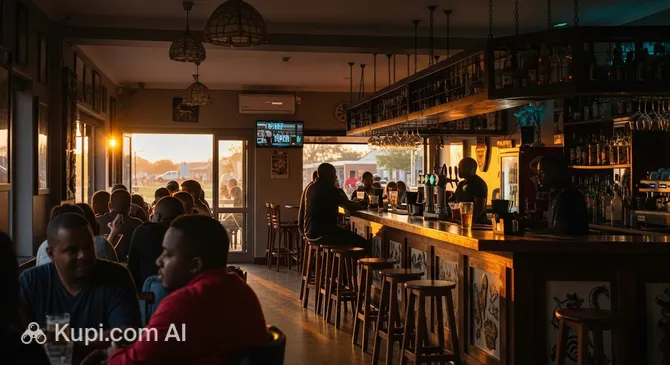
To get a feel for the local social scene, travelers can visit Chief Ngqoko's Place. This establishment is known for its authentic atmosphere and serves as a gathering spot for those looking to unwind and socialize. It offers a unique opportunity to interact with residents and experience the genuine warmth and hospitality that Gqeberha is famous for.

Chief Ngqoko's Place. Source: Kupi.Binoculars

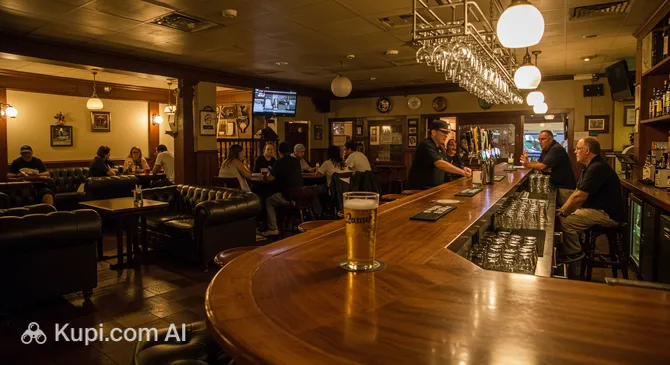
For a fun and competitive night out, Pool City (Newton Park) is a popular choice among locals. This lively venue specializes in cue sports, offering well-maintained pool tables and a spirited environment. It is an excellent place to relax with friends, enjoy a few games, and immerse yourself in the city's energetic nightlife culture.

Pool City (Newton Park). Source: Kupi.Binoculars

Local Cuisine

The culinary scene in Gqeberha is heavily influenced by its coastal location, making it a paradise for seafood enthusiasts. The city is particularly famous for its high-quality calamari, often cited as some of the tenderest in the country, as well as fresh hake and chips. These ocean delicacies are widely available, ranging from casual takeaways wrapped in paper to sophisticated platters served at oceanfront restaurants overlooking Algoa Bay.

Beyond seafood, the local food culture is deeply rooted in the South African tradition of the braai (barbecue). Visitors should look out for "Shisa Nyama" venues, where you can buy fresh meat and have it grilled to perfection right in front of you. A popular accompaniment to these meals is roosterkoek, a traditional bread dough cooked on a grid over coals, often served hot with melting butter and apricot jam or filled with savory ingredients like cheese and boerewors (sausage).

When it comes to beverages, the city has a burgeoning craft beer scene, with several local microbreweries producing unique ales and lagers that reflect the region's character. For non-alcoholic options, Rooibos tea is a staple found in every cafe, enjoyed red or as a creamy latte. Coffee culture is also thriving, with artisanal roasters setting up shop in trendy neighborhoods like Richmond Hill.

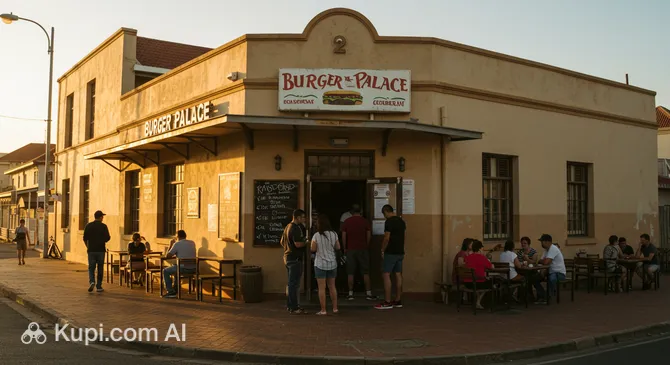
Dining in "The Friendly City" is generally a relaxed affair, with a mix of vibrant street food markets and established eateries. Stanley Street is a well-known culinary hub where locals gather to socialize in a cluster of restaurants and bars. For travelers seeking a classic, unpretentious meal, Burger Palace is a spot where you can enjoy hearty comfort food in a casual setting.

Burger Palace. Source: Kupi.Binoculars

Travel Tips

Welcome to Gqeberha, a destination where urban convenience meets the rugged beauty of the Eastern Cape coast. To help you navigate "The Friendly City" with ease and confidence, we have compiled a set of essential practical tips that cover everything from packing for the coastal breeze to getting around safely.

  1. Clothing and Gear: Due to the city's nickname, "The Windy City," packing a windbreaker or a light jacket is essential regardless of the season, as breezes can pick up suddenly. Summers are warm, so bring breathable fabrics and swimwear, but always have a warm layer for cooler evenings. Comfortable walking shoes are a must for exploring the Donkin Heritage Trail, and don't forget a universal power adapter (Type M, three-pronged round pin) for your electronics.
  2. Transportation: Renting a car is highly recommended as it offers the freedom to explore the city and nearby attractions like the Addo Elephant National Park at your own pace. Within the city, ride-hailing apps like Uber and Bolt are reliable, safe, and widely used. While minibus taxis are ubiquitous, they can be confusing for first-time visitors and are generally not recommended for tourists.
  3. Finances: The local currency is the South African Rand (ZAR). Credit and debit cards (Visa and Mastercard) are widely accepted in hotels, restaurants, and most shops. However, it is wise to carry some small cash for street markets and tipping. Tipping is customary in South Africa; a gratuity of 10% to 15% is standard for waitstaff, and it is polite to tip car guards and petrol attendants a few coins.
  4. Health and Safety: Gqeberha has excellent medical facilities, and pharmacies are well-stocked, with major chains often located in shopping malls like Greenacres. While the city is generally welcoming, exercise standard precautions: avoid walking alone in deserted areas or on the beach at night, and keep valuables out of sight. Tap water is usually safe to drink, but bottled water is readily available if you prefer.
  5. Communication: English is the primary language of business and tourism, so you will have no trouble communicating. The Eastern Cape is the heartland of the Xhosa people, so learning a friendly "Molo" (Hello) will go a long way with locals. SIM cards from providers like Vodacom or MTN are easy to purchase at the airport or supermarkets, but remember you will need your passport for the mandatory RICA registration process.
  6. Local Etiquette: True to its name, the city is known for its friendliness. It is polite to greet people with a smile and a "Howzit" (a common casual greeting) before asking a question. South Africans generally value politeness and patience. When driving, if a car moves over to the yellow line to let you pass, it is customary to flash your hazard lights briefly as a "thank you."
  7. What to Avoid: Do not leave personal items like phones, bags, or cameras visible on the seats of your parked car, as this can attract opportunistic theft. Also, avoid referring to the city exclusively by its old name if you want to show respect for the current culture, though locals often use both Gqeberha and PE interchangeably.
  8. Parking Tip: You will likely encounter "car guards"—attendants wearing bright reflective vests in public parking areas. They are a legitimate part of the local economy and watch over your vehicle while you are away. It is customary and appreciated to offer them a small tip (usually between R5 and R10) upon your return to the car.

By keeping these practical tips in mind, you can focus on soaking up the sun at Kings Beach and enjoying the warm hospitality that defines this unique corner of South Africa. Gqeberha is a city that rewards the prepared traveler with effortless charm and unforgettable coastal adventures.

Entertainment & Nightlife

Nightlife in Gqeberha is characterized by a laid-back yet vibrant atmosphere, reflecting the city's friendly reputation. Unlike the intense, high-paced club scenes found in larger metropolises, the evening energy here is concentrated in specific social hubs where locals and visitors mingle effortlessly. The vibe is generally casual, with a "come as you are" dress code acceptable in most bars and pubs, although some upscale venues on the beachfront may appreciate "smart casual" attire. The action typically starts with sundowners late in the afternoon and peaks between 9:00 PM and midnight.

The heartbeat of the city's social scene is undoubtedly Richmond Hill, particularly along the bustling Stanley Street. This historic district has been revitalized into a trendy culinary and nightlife zone where Victorian buildings house an array of cocktail bars, wine lounges, and restaurants. It is the perfect place to bar-hop safely, as the street is well-lit and patrolled. Another popular area is the Beachfront in Humewood and Summerstrand, where you can find lively hotel bars and venues with ocean views, catering to a mix of tourists and university students.

Beyond the bars, the city offers diverse entertainment options ranging from gaming to culture. The Boardwalk precinct is a favorite for families and groups, featuring a casino, retail outlets, and amusement facilities. For those seeking a dose of local arts, the historic Opera House hosts various theatrical productions. Whether you are exploring the calm waters of the bay or diving into the history of the region, Gqeberha ensures that your itinerary is packed from sunrise to well past sunset.

Specific venues cater to a variety of tastes without requiring a long commute. For instance, music lovers often flock to The Music Kitchen for intimate live performances, while those looking for a competitive game of pool prefer the spirited environment of Pool City (Newton Park). Travelers interested in authentic local tavern culture can visit Chief Ngqoko's Place for a glimpse into the warm hospitality of the Eastern Cape.

When exploring these nightlife options, safety is paramount. It is highly recommended to use ride-hailing services like Uber or Bolt to travel between districts rather than walking, especially at night. Prices for drinks and entry fees are generally very affordable compared to Cape Town or Johannesburg, making for a budget-friendly night out.

Parks & Museums

Gqeberha offers a refreshing blend of coastal beauty and rich historical narratives, making it a rewarding destination for nature lovers and culture seekers alike. The city's urban layout seamlessly integrates lush green belts with well-curated museums that preserve the complex and diverse heritage of the Eastern Cape.

For those seeking tranquility amidst nature, St George's Park is the city's botanical jewel and its oldest park. Established in 1860, it features beautifully landscaped gardens, a Victorian-style conservatory, and the famous cricket oval. It is a perfect spot for a leisurely afternoon walk or a picnic under the shade of ancient trees. Another remarkable green space is the Settlers Park Nature Reserve, located in the Baakens River valley. This reserve brings the wilderness right into the city center, offering hiking trails, indigenous flora, and excellent bird-watching opportunities without leaving the metropolitan area.

The cultural landscape of Gqeberha is equally compelling, with museums that tackle deep historical themes. The South End Museum is a poignant institution dedicated to preserving the memory of the multicultural community that was forcibly removed from the area during the apartheid era. Through photographs and personal stories, it offers a moving insight into the city's past, similar in spirit to Cape Town's District Six Museum. Art enthusiasts should visit the Nelson Mandela Metropolitan Art Museum, situated at the entrance to St George's Park. It houses a comprehensive collection of South African art, particularly from the Eastern Cape, alongside international prints and Oriental ceramics.

History buffs will find the city's architecture and monuments fascinating. The Donkin Reserve is perhaps the most iconic historical site, featuring a stone pyramid built by Sir Rufane Donkin in memory of his wife, Elizabeth, after whom the city was originally named. Standing beside it is a lighthouse that offers panoramic views of the bay. Nearby, the Campanile, a 50-meter-high bell tower near the harbor, commemorates the arrival of the 1820 Settlers and provides a stunning vantage point for looking out over the city and the ocean.

For a truly authentic experience, explore Route 67, an art and heritage trail that consists of 67 public art pieces celebrating the 67 years of Nelson Mandela's public life. It connects the Campanile to the Donkin Reserve and is a fantastic way to see the city's history interpreted through the eyes of local artists.

Getting Around

Public transport in Gqeberha is primarily designed for daily commuters rather than tourists, meaning the system can be somewhat informal and complex to navigate for first-time visitors. Unlike many major global cities, Gqeberha does not have a metro, tram, or trolleybus network. Instead, the city relies heavily on road-based transport, specifically buses and the ubiquitous minibus taxis that form the backbone of local mobility.

The most visible form of transport is the minibus taxi. These white vans travel along set routes throughout the city and surrounding suburbs. They are an affordable and authentic way to travel, but they lack fixed timetables and designated stops, often picking up and dropping off passengers on demand. The Algoa Bus Company operates the formal bus service, offering scheduled trips across the metropolitan area. While more structured than taxis, their routes are mainly geared towards getting residents to and from work hubs, which may not always align with typical tourist itineraries.

Payment for both buses and minibus taxis is almost exclusively in cash. There are no integrated travel cards, smart passes, or digital payment systems for these modes of transport. If you choose to use a minibus, you simply pay the driver or a conductor shortly after boarding. It is essential to carry small denominations of South African Rand (coins and small notes), as drivers often struggle to make change for large bills. Fares are generally low, making it a budget-friendly option for those adventurous enough to try it.

For the average tourist, the most practical and stress-free advice is to utilize private alternatives. The public train system, operated by Metrorail, connects Gqeberha with the industrial town of Kariega (Uitenhage), but it is primarily a commuter service and is generally not recommended for tourists due to reliability and safety concerns. Consequently, there are no scenic tourist trains or historic trams currently operating as part of the public transit network.

The most popular and recommended options for visitors are ride-hailing apps and car rentals. Services like Uber and Bolt are widely available, safe, and relatively inexpensive compared to international standards. They offer the convenience of door-to-door service and the security of tracked journeys and cashless payments via your smartphone. Given the city's spread-out geography and the proximity of attractions like the Addo Elephant National Park, renting a car is arguably the best way to explore the region, offering the freedom to travel at your own pace.

If you do decide to use public transport, operating hours are an important consideration. Minibus taxis and buses run frequently during the day, starting early in the morning, but services taper off significantly after sunset. For evening dining or nightlife, it is strongly advised to use a private taxi or ride-hailing service to ensure your safety and convenience.

Accommodation

Finding the perfect place to stay in Gqeberha is relatively easy, as the city offers a diverse range of accommodation options to suit every budget and travel style. Whether you are a backpacker looking for a lively hostel, a family seeking a self-catering apartment, or a luxury traveler in search of a five-star seaside resort, the "Friendly City" has plenty to offer. The hospitality sector here is well-developed, blending international hotel standards with the warm, personalized touch of local guesthouses.

For most tourists, the best areas to stay are along the Beachfront suburbs of Summerstrand and Humewood. These neighborhoods are incredibly convenient, placing you within walking distance of the ocean, popular restaurants, and the Boardwalk entertainment complex. If you prefer a quieter, more historic atmosphere, the suburbs of Walmer and Mill Park offer charming garden cottages and boutique hotels set amidst leafy avenues, just a short drive from the city center and the airport.

Prices in Gqeberha are generally very competitive compared to other major South African cities like Cape Town. You can find comfortable budget accommodation and backpacker lodges for a very reasonable rate, while mid-range hotels and B&Bs offer excellent value for money. Luxury options, including ocean-facing suites and private game lodges on the outskirts, provide world-class amenities at a fraction of the global average cost. Most establishments can be easily booked via major online travel platforms or directly through their websites.

Booking Tip: While accommodation is usually plentiful, Gqeberha becomes a prime destination during the South African summer holidays (December and January) and during major sporting events like the Iron Man competition. It is highly recommended to book your stay several months in advance if you plan to visit during these peak periods to secure your preferred location and rates.

Nearby Cities

For those looking to explore the surroundings, Gqeberha serves as an excellent base for day trips to several interesting nearby locations. The region offers a mix of industrial heritage, coastal beauty, and scenic drives that provide a deeper understanding of the Eastern Cape.

Just a short 30-minute drive inland lies Kariega (formerly Uitenhage), which is an ideal destination for a quick excursion. Known for its rich industrial history, it is home to the largest car factory in Africa and features several heritage sites, including the Old Railway Station Museum and the Cuyler Manor Museum. For a longer journey, travelers can head towards East London, South Africa's only river port city. Although it requires a few hours of driving, it rewards visitors with the sweeping sands of Nahoon Beach and the fascinating East London Museum, famous for housing a prehistoric coelacanth specimen.

City Population Distance (km)
East London 338,627 238
Bhisho 160,997 209
George 157,394 285
Queenstown 105,309 254
Kariega 103,639 24

These nearby destinations offer a glimpse into the diverse culture and landscapes of the region, ranging from the start of the Garden Route in the west to the historic heartland of the Eastern Cape.

Shopping & Souvenirs

Shopping in Gqeberha offers a delightful mix of modern convenience and local charm, catering to both those seeking international brands and travelers looking for unique regional crafts. While it may not have the sprawling retail density of South Africa's largest metropolises, the city provides a relaxed shopping experience where you can find everything from high-end fashion to handmade artisanal goods without the stress of overwhelming crowds.

For a more boutique-style experience, the suburb of Walmer is a primary destination. Main Road Walmer is lined with independent shops, cozy cafes, and specialty stores set in converted residential homes, offering a pleasant atmosphere for a leisurely stroll. Here, you can find distinctive clothing, home décor, and gifts that differ from the standard chain-store offerings.

The city is well-served by several large malls that act as social and retail hubs. The most central and well-known is the Greenacres Shopping Centre. As one of the region's largest retail developments, it features an extensive range of stores, banks, and cinemas, making it a convenient one-stop destination for tourists needing supplies or a day of browsing. For a newer and even larger experience, Baywest Mall on the city's outskirts offers a massive selection of entertainment and retail options.

To truly connect with the local culture, visitors should explore the city's vibrant markets. The beachfront area, particularly near Kings Beach and the Boardwalk, is famous for its open-air stalls where local traders sell handmade goods. For foodies and craft lovers, the Valley Market (usually held on specific weekends) in the Baakens Valley is a must-visit, showcasing artisanal foods, fresh produce, and creative local design in a trendy, renovated warehouse setting.

When hunting for souvenirs, Gqeberha has a unique claim to fame as the "Mohair Capital of the World." The region produces the majority of the world's mohair, so buying high-quality mohair blankets, scarves, or socks is highly recommended. Additionally, traditional African beadwork, wooden carvings, and Shwe-shwe fabric items found at beachfront stalls make for excellent, lightweight gifts to take home.

Most shops in the city follow standard South African opening hours, typically operating from 9:00 AM to 5:00 PM on weekdays and until 1:00 PM on Saturdays. However, major shopping malls like Greenacres and Baywest stay open later, usually until 6:00 PM or 7:00 PM, and operate full days on weekends and public holidays. Payment is easy, with major credit and debit cards (Visa and Mastercard) widely accepted, though it is advisable to carry some cash for small purchases at street markets.

International tourists visiting South Africa can claim a VAT refund on goods purchased for export, provided the total value exceeds a certain amount and they have a valid tax invoice. While you should check specific current regulations, you can generally present your goods and receipts at the customs counters at international departure airports before leaving the country to process your refund.

Reached the end of the page?

That means the route is fully explored