Support

Kimberley

About

Kimberley, often affectionately known as the "Diamond City," is a historic and vibrant metropolis serving as the capital of the Northern Cape province. Renowned for its sparkling past and unique character, this city offers travelers a fascinating glimpse into the mining heritage that helped shape modern South Africa. With an atmosphere that blends Victorian charm with modern vitality, it stands as a testament to the perseverance and dreams of the diamond rush era.

Kimberley. Source: Kupi.Binoculars

Geographically, the city is situated near the confluence of the Vaal and Orange Rivers, characterized by a semi-arid climate that brings hot summers and crisp, sunny winters. With a population of approximately 500,000 residents, it serves as a significant economic and cultural hub for the region. The landscape is dominated by the flat plains typical of the Northern Cape, providing expansive horizons and spectacular sunsets.

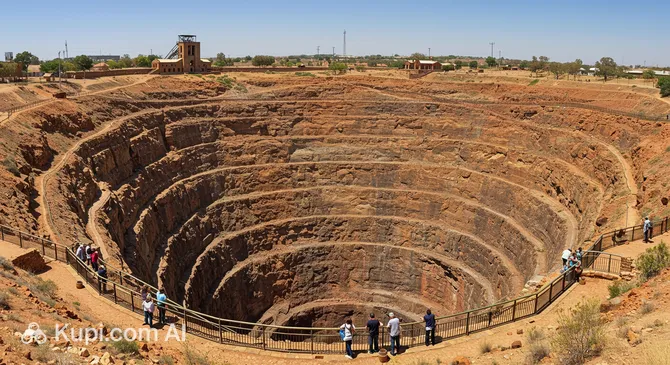
The history of Kimberley is legendary, sparking an international frenzy in the 1870s when diamonds were discovered in the area. This event drew fortune seekers from all corners of the globe, transforming a dusty mining camp into a bustling city almost overnight. Today, visitors can witness the sheer scale of this endeavor at the Big Hole, the largest hand-dug excavation in the world, which remains the city's most iconic landmark.

Beyond the Big Hole, the city offers other captivating attractions such as the Kimberley Mine Museum, an open-air museum that recreates the look and feel of the old diamond rush days. Visitors can also take a ride on one of the vintage trams, which offer a delightful and nostalgic way to explore the city center. The architecture, featuring grand cathedrals and historic civic buildings, adds to the city's distinctive allure.

Whether you are a history buff, a geology enthusiast, or simply looking for a unique travel destination, Kimberley promises an unforgettable experience. Its warm hospitality and fascinating stories make it a must-visit stop on any journey through the region.
Weather Overview

The city experiences a semi-arid climate with distinct seasonal variations, offering travelers sunny skies for most of the year. When planning your trip, it is helpful to check the weather in Kimberley to pack appropriately, as conditions change significantly between summer and winter.

Summers, spanning from December to February, are typically hot and bring the majority of the region's rainfall. During this time, average temperatures hover around 25°C, with daily highs frequently reaching up to 32.4°C in January. While this season sees the most moisture, with about 10 to 11 wet days per month, the rain often comes in short, refreshing bursts.

In contrast, the winter months of June through August are characterized by crisp, clear days and chilly nights. Rainfall is virtually non-existent during this period, particularly in July, which records 0 wet days on average. However, visitors should be prepared for cold evenings, as minimum temperatures can drop to around 2.8°C, making warm clothing essential for early morning or late night excursions.

Interesting Facts

Beyond the main attractions and the glitter of diamonds, Kimberley holds many fascinating secrets and historical firsts. This city is a place of pioneering achievements and unique records that go far beyond its mining heritage.
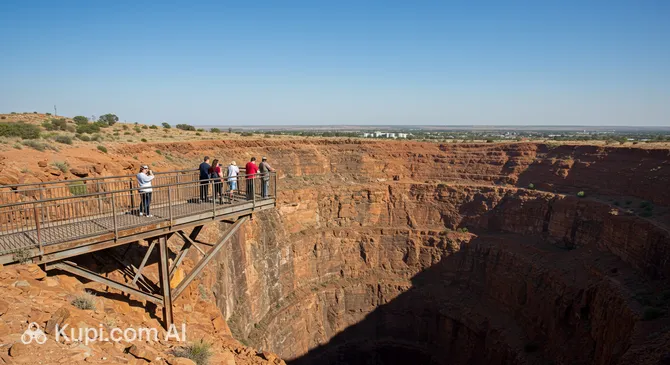
The Big Hole Viewing Platform. Source: Kupi.Binoculars
  • Kimberley holds the prestigious title of being the first city in the Southern Hemisphere to install electric streetlights. The lights were switched on in September 1882, illuminating the streets even before London had fully adopted the technology.

  • The scale of human effort visible at The Big Hole Viewing Platform is staggering. It is widely cited as the largest hand-dug excavation in the world, where workers removed approximately 22 million tons of earth with picks and shovels to recover nearly 3,000 kilograms of diamonds.

  • The city is the cradle of South African aviation. It was here in 1913 that the country's first flying school was established, training the pilots who would eventually become the founding members of the South African Air Force.

  • The magnificent building that now houses the McGregor Museum has a surprisingly varied past. Originally constructed as a luxurious sanatorium by Cecil John Rhodes, it served as a hotel and a strategic shelter during historical conflicts before being transformed into a cultural institution.

  • Kimberley is home to one of the very few "drive-in" pubs in the world, the Halfway House. By tradition, patrons can still be served a drink while remaining seated in their vehicles or on horseback, a quirk that dates back to the early diamond rush days.

How to Get There

Reaching the "Diamond City" is relatively straightforward, with options to suit different itineraries and travel preferences. Whether you are arriving from within South Africa or from abroad, you can find detailed information on how to get to Kimberley to help plan your journey smoothly.

The most convenient entry point is Kimberley Airport (IATA: KIM), located just 6.6 km from the city center. As a regional hub with an annual passenger traffic of approximately 170,000, it offers regular connections to major South African cities. The airport is situated very close to the heart of the city, making the transfer quick and easy; a taxi or shuttle ride typically takes around 15 to 20 minutes.

Alternatively, travelers may choose to fly into Bram Fischer International Airport (IATA: BFN), located in the city of Bloemfontein. While this airport handles a larger volume of passengers, it is situated about 155 km away from Kimberley. It serves as a viable option for those who might find better flight connections there. The drive from Bloemfontein to Kimberley is quite manageable, generally taking approximately 1.5 to 2 hours by taxi or rental car via the N8 highway.

For clarity, here is a summary of the main airports serving the region:

Airport Name City Passenger Traffic Km from City
Kimberley Airport Kimberley Small 6.6
Bram Fischer International Airport Bloemfontein Medium 155.1
Moshoeshoe International Airport Maseru Small 283.0

Main Attractions

Kimberley is a city deeply rooted in the diamond rush, and its most captivating sights revolve around this glittering history. However, beyond the mines, visitors will find a variety of cultural and modern experiences that showcase the diversity of the Northern Cape.

The Big Hole Museum. Source: Kupi.Binoculars

A visit to the city would be incomplete without exploring The Big Hole Museum. Located right next to the famous excavation site, this open-air museum meticulously recreates the atmosphere of the diamond rush era. It features original and reconstructed buildings from the late 19th century, allowing tourists to walk through a historic streetscape complete with shops, a church, and transport from the period. It is a fascinating immersive experience that offers a vivid window into the lives of the early pioneers and miners.

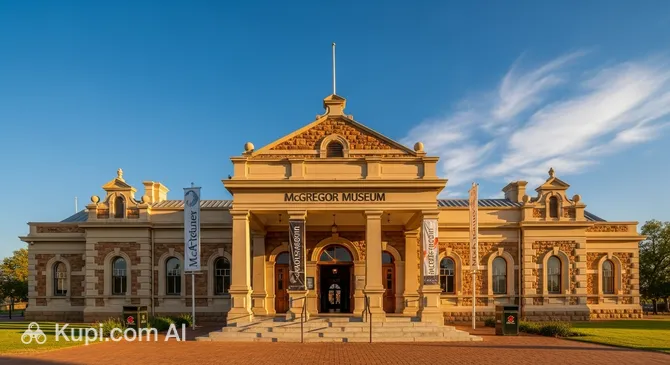
For those interested in a broader historical perspective, the McGregor Museum is an essential stop. Housed in the magnificent old Kimberley Sanatorium, which was once a retreat for Cecil John Rhodes, the museum covers a wide range of topics from the South African War to the region's natural history and indigenous cultures. The building itself is an architectural gem, and the exhibits provide deep insight into the ecological and human history of the province.

McGregor Museum. Source: Kupi.Binoculars

To get a taste of the social life of the mining days, travelers should visit the Occidental Bar. Situated within the Big Hole complex, this establishment has retained its old-world charm and serves as a lively reminder of the city's boisterous past. It is an interesting spot to enjoy a refreshing drink while soaking in the Victorian-style decor, making it a favorite for both history buffs and those looking to relax after a day of sightseeing.

For a change of pace from historical tours, the Diamond Pavilion Shopping Centre offers a comprehensive modern retail experience. As the leading shopping mall in the Northern Cape, it features a wide array of stores, restaurants, and entertainment options. It provides a convenient and comfortable environment for tourists to pick up supplies, enjoy a meal, or simply experience the contemporary side of the city.

Local Cuisine

The culinary landscape of Kimberley is a hearty reflection of the Northern Cape’s agricultural heritage, making it a paradise for meat lovers. The region is famous for its high-quality red meat, particularly Karoo lamb, which is renowned for its unique flavor derived from the fragrant herbs the sheep graze on. Visitors should not miss the opportunity to try a succulent lamb chop or a slow-roasted shank, often served with generous portions of vegetables and potatoes.

Game meat, or venison, is another staple of the local diet. Dishes featuring springbok, kudu, or gemsbok are widely available, ranging from rich stews and savory pies to perfectly grilled steaks. For a quick and iconic South African snack, biltong (cured, dried meat) and droëwors (dried sausage) are essential treats that can be found in almost every local market and butcher shop.

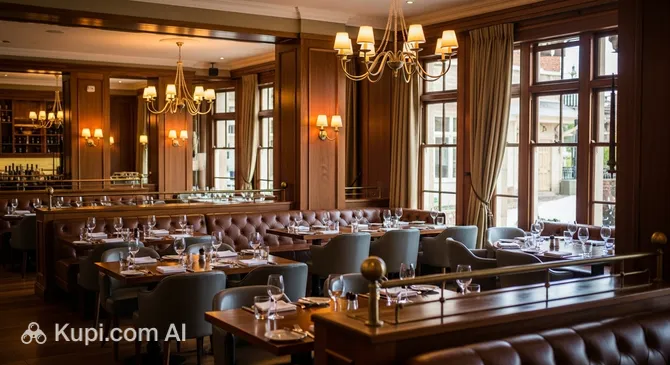
The Hussar Grill Kimberley. Source: Kupi.Binoculars

Dining out in the city offers a mix of historic charm and modern sophistication. For those seeking a classic, high-quality steakhouse experience, The Hussar Grill Kimberley is a favorite among locals and tourists alike. It is the perfect place to indulge in the region's famous cuts of meat in a warm, traditional setting. Alternatively, the restaurant at the Kimberley Anne Hotel offers a more contemporary dining atmosphere, serving a variety of dishes that blend international trends with local ingredients.

To quench your thirst, the local beverage scene is equally inviting. South Africa’s world-class wines are a standard accompaniment to any meal, but the hot semi-arid climate also makes an ice-cold local lager or craft beer incredibly refreshing. Non-drinkers can enjoy Rooibos tea, a homegrown herbal tea that is both delicious and healthy. For a broader selection of casual eateries and fast-food options, travelers often visit the North Cape Mall, which provides a convenient spot to grab a bite while shopping.

The culture of the "braai" (barbecue) is deeply ingrained in the lifestyle here. On weekends, the air is often filled with the aroma of wood fires and grilling meat, a social tradition that brings people together. Whether you are dining in an upscale restaurant or enjoying a casual meal at a pub, the food in Kimberley is served with warm hospitality and a distinct sense of local pride.

Travel Tips

Welcome to Kimberley! To ensure your visit to the historic "Diamond City" is as sparkling and stress-free as its heritage, we have compiled a set of practical guidelines to help you navigate local logistics and customs.

  1. Clothing and Gear: Since the Northern Cape experiences extreme temperature variations, packing layers is essential. In summer, bring lightweight, breathable fabrics, a wide-brimmed hat, and high-factor sunscreen to protect against the intense sun. If you visit in winter, be aware that while days are mild, nights can be freezing, so a warm jacket is a must. Comfortable walking shoes are highly recommended for exploring the open-air museums and the terrain around the Big Hole.

  2. Transportation: Public transport options like buses or trains for city commuting are virtually non-existent for tourists. The most convenient way to get around is by renting a car, which offers the flexibility to visit attractions on the outskirts. Ride-hailing apps like Uber or Bolt operate in the city, but availability may not be as high as in larger South African metropolises, so allow extra time for bookings.

  3. Finances: The local currency is the South African Rand (ZAR). Credit and debit cards (Visa and Mastercard) are widely accepted at hotels, restaurants, and the Diamond Pavilion Shopping Centre. However, it is wise to carry some cash for small purchases or tips. ATMs are plentiful, but always be cautious when using them. A tip of 10% to 15% is standard for good service in restaurants.

  4. Health and Safety: Kimberley is generally safe, but standard urban precautions apply. Avoid walking alone at night, especially in dimly lit or deserted areas. Tap water is generally safe to drink, but bottled water is readily available if you prefer. Pharmacies like Clicks or Dis-Chem are located in major malls and operate during standard retail hours; for emergencies, dial 10111 for police or 10177 for an ambulance.

  5. Communication: English is widely spoken and understood, serving as the main language for tourism and business. You will also hear Afrikaans and Setswana spoken frequently. Locals appreciate it if you learn a simple greeting like "Goeie dag" (Good day in Afrikaans) or "Dumela" (Hello in Setswana). Local SIM cards from providers like Vodacom or MTN are easy to purchase at the airport or shopping malls upon presentation of your passport.

  6. Local Etiquette: South Africans are generally warm and polite. It is customary to greet people with a smile and a handshake before asking questions or starting a transaction. When parking your car, you will likely encounter "car guards"—informal attendants who watch over vehicles. It is polite and customary to tip them around 5 to 10 Rands upon your return to the car.

  7. What to Avoid: Do not leave valuables such as cameras, phones, or bags visible on the seats of your parked car; always lock them in the trunk. Additionally, avoid flashing large amounts of cash in public spaces to prevent attracting unwanted attention.

  8. Sunday Slowdown: Be aware that Kimberley, like many smaller South African cities, slows down significantly on Sundays. Many shops and smaller businesses may close by 1:00 PM or not open at all. It is a good idea to check opening hours in advance and plan your shopping or dining needs accordingly.

Armed with these practical tips, you are well-prepared to explore the unique landscapes and fascinating history of the Northern Cape. We hope your journey through Kimberley is filled with memorable discoveries and safe travels!

Entertainment & Nightlife

Entertainment and Nightlife:

While Kimberley is steeped in history, its evening entertainment scene is refreshingly modern and sociable, offering a relaxed alternative to the frenetic pace of larger cities. The nightlife here is less about thumping nightclubs and more about lively pubs, sophisticated hotel bars, and excellent dining experiences where locals gather to unwind. The atmosphere is generally casual and welcoming, reflecting the warm hospitality of the Northern Cape.

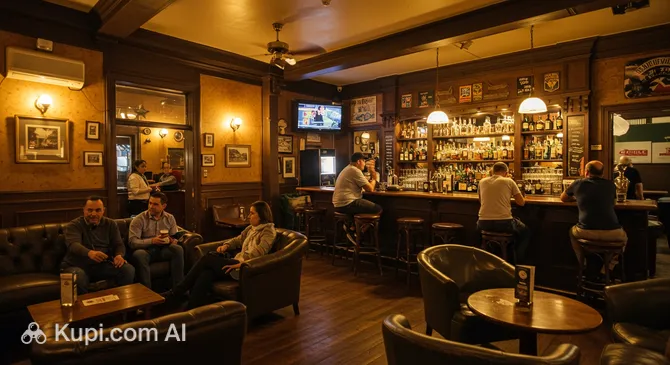
For a truly unique experience that blends entertainment with history, the Occidental Bar is an unmissable stop. Located within the Big Hole complex, this venue retains the spirited ambiance of a digger's pub from the diamond rush era. It is a favorite watering hole for both tourists and locals, offering cold beverages and a hearty atmosphere that transports you back in time. It is the perfect place to start your evening with a drink before heading out for dinner.

Occidental Bar. Source: Kupi.Binoculars

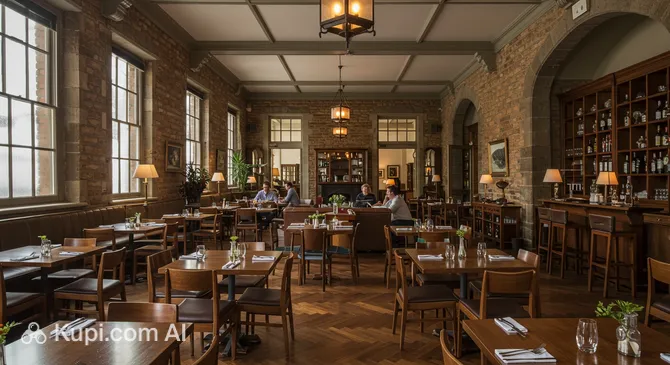
If you prefer a more contemporary and upscale setting, the Kimberley Anne Hotel is a prime destination. The hotel's bar and dining areas are known for their chic decor and extensive cocktail menus. It attracts a stylish crowd and is an ideal spot for a romantic evening or a quiet drink with colleagues. The dress code here tends to be smart-casual, fitting the elegant surroundings.

Kimberley Anne Hotel. Source: Kupi.Binoculars

Dining late is a popular form of entertainment in the city, and The Hussar Grill Kimberley stands out as a top choice for a lingering evening meal. Known for its exceptional steaks and award-winning wine list, it offers a cozy, traditional grill room atmosphere that encourages long conversations and relaxation well into the night. Aside from dining, visitors looking for excitement often head to the Flamingo Casino, a major entertainment hub in the city offering slot machines, gaming tables, and occasional live shows.

During the day, the entertainment options shift towards cultural and leisure activities. Beyond the famous museums, the city is home to the Northern Cape Theatre, which hosts various productions ranging from drama to dance. For families or those seeking a lighthearted break, the city's parks and the nearby shopping centers provide ample space for leisure and recreation.

When enjoying a night out, safety and logistics are important considerations. Public transport is limited at night, so it is highly recommended to use a private taxi service or a ride-hailing app to move between venues. Avoid walking alone after dark, even in the city center. Most bars and restaurants are concentrated around the malls and major hotels, making it easy to hop between places if you have arranged transport. Prices are generally affordable compared to South Africa's major coastal cities, ensuring a fun night out won't break the bank.

Parks & Museums

Kimberley offers a fascinating array of green spaces and cultural institutions that extend far beyond its famous diamond mines. While the city is situated in a semi-arid region, it surprises visitors with unique natural areas and a wealth of museums that meticulously preserve the heritage of the Northern Cape.

For nature lovers, Kamfers Dam is a spectacular natural landmark located just north of the city. This large wetland is one of the few breeding sites in the world for the Lesser Flamingo. At certain times of the year, the water turns a vibrant shade of pink as thousands of these birds gather, offering a breathtaking photographic opportunity and a peaceful escape from the urban center. In the heart of the city, the Oppenheimer Gardens provide a shaded retreat featuring the Diggers Fountain, a tribute to the miners of the past, and a collection of indigenous flora that thrives in the local climate.

The city's cultural landscape is anchored by world-class institutions. The Big Hole Museum is the premier attraction, serving as an open-air time capsule. Visitors can wander through reconstructed streets that capture the essence of the diamond rush, complete with period buildings and artifacts that tell the stories of fortune seekers. It provides an immersive educational experience that brings the dusty, frantic days of the late 19th century to life.

Another cornerstone of local history is the McGregor Museum. Originally built as a sanatorium, this grand building now houses comprehensive exhibits on the Anglo-Boer War, natural history, and the cultures of the Northern Cape. Its diverse collection includes everything from geological specimens to displays on the Siege of Kimberley, making it a fascinating stop for those wanting to understand the deeper layers of the region's past.

Art enthusiasts should not miss the William Humphreys Art Gallery, widely regarded as one of South Africa's finest art museums. It features an impressive collection of 17th-century Dutch and Flemish Old Masters, as well as contemporary South African art. For a touch of architectural grandeur, the Honoured Dead Memorial stands as a solemn and imposing monument designed by Sir Herbert Baker to commemorate those who died defending the city during the siege.

For a truly authentic experience, consider visiting the Sol Plaatje Museum, the former home of the famous writer and first Secretary-General of the ANC. It offers an intimate look at his life and work, providing a different perspective on the city's intellectual history. This modest house is a hidden gem that offers deep insight into the social fabric of early 20th-century South Africa.

Getting Around

Navigating Kimberley requires a bit of foresight, as the city does not possess a comprehensive public transport network like a metro or a scheduled municipal bus system found in larger metropolises. For the average visitor, the options are distinct: either utilizing the informal transit sector used by locals or, more commonly, relying on private transport which is generally recommended for comfort and reliability.

The backbone of the local commuter system consists of minibus taxis. These white vans operate on specific routes throughout the city and its suburbs, serving as the primary mode of transport for the majority of residents. While they are affordable, they do not run on fixed timetables; instead, they depart from ranks only when full. For a tourist unfamiliar with the specific hand signals used to flag them down or the rapid pace of the operation, this system can be confusing and is often not the most practical choice for sightseeing.

For most tourists, the most efficient alternatives are metered taxis and ride-hailing services. Apps like Uber and Bolt operate within the city, providing a safe and cashless way to get around. However, travelers should note that the fleet size is smaller than in major capital cities. Availability can sometimes be limited, especially late at night or in outlying areas, so booking in advance or allowing extra waiting time is advisable. Metered taxis can also be found at designated ranks, particularly near the airport and major shopping centers.

Given the layout of the city and the distance between some attractions, renting a car remains the most convenient option for visitors. This allows for the freedom to explore at your own pace without relying on the unpredictable availability of other services. It is particularly useful if you plan to visit sites on the periphery of the city. Alternatively, the city center is relatively compact, making walking a feasible option for short distances between historic buildings and museums during the day, though standard safety precautions should be observed.

Accommodation

Finding the perfect place to stay in Kimberley is an easy task, as the city offers a diverse range of accommodation options that reflect its unique blend of history and modernity. Visitors can choose from grand hotels that offer contemporary luxury, charming bed and breakfasts set in restored Victorian mansions, or convenient self-catering units. Whether you are visiting for business or to explore the region's diamond heritage, the local hospitality ensures a comfortable and memorable experience.

For those interested in the city's rich past, the historic suburb of Belgravia is a popular choice. Here, many of the opulent homes built during the diamond rush have been converted into boutique guesthouses. Staying in one of these establishments allows travelers to immerse themselves in the atmosphere of the late 19th century, often featuring high pressed ceilings, antique furnishings, and lush gardens, all while enjoying modern conveniences and personalized service.

Travelers seeking modern amenities and sophisticated style will find excellent options near the city center. A standout establishment is the Kimberley Anne Hotel, which is renowned for its elegant design and comprehensive facilities. It caters to both leisure and corporate guests, offering a blend of luxury and convenience that contrasts beautifully with the city's older architecture. Such hotels typically provide easy access to the main business districts as well as key tourist sites.

Most accommodation in the city is situated within a short driving distance of major attractions like the Big Hole and the museums. Due to the city's compact nature, getting around is relatively quick, regardless of where you base yourself. However, it is always a good idea to book well in advance, especially during South African school holidays or when major events are taking place in the Northern Cape, to secure your preferred lodging.

Nearby Cities

For those looking to explore the surroundings, Kimberley serves as an excellent base for day trips to several interesting nearby locations:

Bloemfontein: Situated approximately 147 km to the southeast, the "City of Roses" is South Africa's judicial capital and a fantastic destination for history and nature lovers. Visitors can explore the renowned National Museum, the poignant Anglo-Boer War Museum, or take a drive up Naval Hill, which is located inside a nature reserve and features a towering statue of Nelson Mandela overlooking the city.

Vryburg: Located about 199 km north of Kimberley, this town is often referred to as the "Texas of South Africa." It is the agricultural hub of the region and the country's largest beef-producing district. A visit here offers a glimpse into the rural farming culture that sustains much of the province, providing a stark contrast to the diamond-mining history of Kimberley.

Welkom: For those interested in continuing the mining theme, Welkom lies roughly 213 km to the east. While Kimberley is famous for diamonds, Welkom is the heart of the Free State Goldfields. It is known for its unique city planning, which utilizes traffic circles instead of stop streets, and offers insight into the massive gold industry that drove South Africa's economy for decades.

City Population Distance (km)
Welkom 431944 213
Bloemfontein 256185 147
Virginia 66208 218
Odendaalsrus 63743 212
Vryburg 49588 199

These nearby destinations offer a glimpse into the diverse culture and landscapes of the region.

Shopping & Souvenirs

Shopping in Kimberley offers a pleasant mix of modern convenience and historical charm, reflecting the city's role as the commercial hub of the Northern Cape. While it may not have the sprawling mega-malls of South Africa's larger capitals, visitors will find everything they need, from high-end fashion and electronics to unique local crafts. The retail atmosphere is relaxed and friendly, allowing for a stress-free experience whether you are stocking up on travel essentials or hunting for the perfect keepsake.

The city's retail landscape is dominated by several modern shopping centers that serve as social hubs for the community. The most prominent of these is the Diamond Pavilion Shopping Centre. As the largest mall in the province, it features a comprehensive selection of major national retailers, supermarkets, and boutiques. It is the go-to destination for fashion lovers and those looking for a cool, air-conditioned environment to browse the latest trends.

Diamond Pavilion Shopping Centre. Source: Kupi.Binoculars

Another key destination is the North Cape Mall, which offers a vibrant mix of shops, restaurants, and entertainment options. It is a favorite among locals for its convenient layout and variety of stores, ranging from outdoor gear specialists to bookstores. For a different vibe, the Central Business District (CBD) around Jones Street and Du Toitspan Road offers a more traditional street-shopping experience, where historic buildings house smaller independent shops and service providers.

For those interested in local flavor, markets and curio shops provide a treasure trove of regional goods. While Kimberley does not have a permanent daily tourist market, pop-up craft markets are often held on weekends in various parks or at the malls. Here, visitors can find handmade leather goods, beaded jewelry, and traditional African artwork that make for meaningful gifts.

When it comes to souvenirs, the "Diamond City" naturally specializes in jewelry. Reputable jewelers in the city offer certified diamonds and precious stones, often at competitive prices compared to international markets. Beyond gemstones, popular items to bring back include biltong (traditional dried meat), locally made preserves, and memorabilia related to the city's mining history, such as vintage-style maps or books.

Store opening hours in Kimberley generally follow standard South African business times. Most shops in the city center and malls are open from 09:00 to 17:00 on weekdays and until 13:00 or 15:00 on Saturdays. Major shopping centers like Diamond Pavilion usually have extended trading hours, remaining open until 18:00 or 19:00 on weekdays and operating on Sundays and public holidays as well. Payment is easy, with major credit and debit cards (Visa and Mastercard) widely accepted, though carrying some cash is advisable for smaller street vendors.

International tourists should note that South Africa operates a Value-Added Tax (VAT) system of 15% included in the price of goods. Visitors may be eligible to claim a tax refund on goods exceeding a certain value that are being taken out of the country. To do this, be sure to keep your tax invoices and present them to customs officials at the airport upon your final departure from South Africa.

Reached the end of the page?

That means the route is fully explored