Support

Inyati

About

Inyati, situated in the vast and rugged province of the Northern Cape, offers a travel experience defined by solitude, expansive horizons, and the stark beauty of the semi-arid landscape. Unlike the lush eastern parts of the country, this destination invites visitors to embrace the silence and majesty of the Karoo. It is an ideal retreat for those seeking to escape the bustle of city life and immerse themselves in a region known for its dramatic sunsets and wide-open spaces.

The geography of the area is characterized by flat plains, rocky outcrops, and hardy vegetation adapted to the dry climate. Summers here can be intense, while winters often bring crisp, clear days and cold nights, creating a distinct atmosphere that changes with the seasons. As part of the diverse tapestry of South Africa, Inyati provides a gateway to exploring the unique flora and fauna of the Karoo biome, where resilience is the key to survival for the local wildlife.
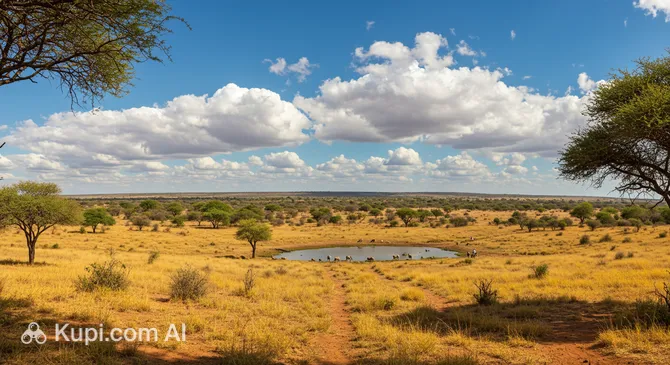
Inyati. Source: Kupi.Binoculars

The history of Inyati and the surrounding Northern Cape is rich with stories of early explorers, indigenous communities, and the development of the region's agricultural and mining sectors. Exploring the heritage of this area reveals a deep connection between the people and the challenging land they inhabit. From ancient rock engravings found in the broader province to the remnants of early settlements, the past adds a fascinating layer to the stark natural beauty of the present.

For nature enthusiasts, the allure of Inyati lies in its subtle wonders rather than the dense bushveld found elsewhere. The region is a haven for stargazing, thanks to the minimal light pollution and cloudless night skies that reveal the Milky Way in breathtaking detail. Wildlife viewing here focuses on species adapted to arid environments, such as the springbok, gemsbok, and bat-eared fox, as well as a variety of raptors soaring on the thermals. The sense of isolation and the pristine environment make it a photographer's dream.

A visit to Inyati is a journey into the heart of South Africa's "big sky" country. Whether you are navigating the dusty roads, admiring the unique succulent plants, or simply enjoying the profound quiet of the plains, this destination promises a refreshing and grounding experience. It is a place to slow down, reflect, and appreciate the raw and unvarnished charm of the Northern Cape.

Weather Overview

The climate in this region is typical of the Northern Cape, characterized by distinct seasonal variations that significantly influence the landscape. generally, visitors can expect warm to hot summers with occasional rain and cold, dry winters. These patterns make the area a year-round destination, though the experience changes quite drastically depending on when you choose to travel.

Summer, spanning from December to February, brings the warmest conditions. During this time, average temperatures hover around 25°C, with daytime highs frequently reaching up to 32.7°C in January. This season also corresponds with the region's modest rainfall; while precipitation volume is low, you might encounter up to 7 wet days in December. It is the best time for those who enjoy heat, although adequate sun protection is essential.

In contrast, the winter months of June, July, and August are markedly cooler and drier. The average temperature drops to approximately 11°C, and nights can be quite chilly, with minimums falling to around 3.7°C in July. Rainfall is virtually non-existent during this period, ensuring clear, crisp skies perfect for stargazing. For a more specific forecast to help you pack, you can check the detailed weather in Inyati before your trip.

Interesting Facts

Beyond its serene atmosphere and sweeping vistas, Inyati is situated in a landscape that holds secrets dating back millions of years. This quiet corner of the Northern Cape is more than just a retreat; it is a gateway to ancient mysteries and unique architectural marvels that define the Upper Karoo.
  • A Prehistoric Graveyard: The ground beneath Inyati is part of the vast Karoo Basin, which is considered one of the world's most important paleontological sites. The region is famous for its abundance of fossils, particularly mammal-like reptiles called Therapsids that roamed the earth over 250 million years ago, long before the dinosaurs.

  • The Mystery of Corbelled Houses: The surrounding countryside is one of the few places in the world where you can find "corbelled houses." These beehive-shaped stone structures were built by early trekboers (pioneers) in the 19th century. lacking timber for roof trusses in this treeless semi-desert, they used local stone to build diverse domed roofs that remain standing today as a testament to architectural ingenuity.

  • Ancient Rock Art Canvas: The rocky outcrops and dolerite boulders in this part of the province often bear the marks of the First People. The /Xam San hunter-gatherers, who inhabited this land for millennia, left behind intricate rock engravings (petroglyphs) depicting animals and spiritual journeys, turning the landscape into an open-air gallery.

  • Botanical Survivors: Despite the arid appearance, the area is home to a fascinating array of "resurrection plants" and hardy succulents. After a rare thunderstorm, the dusty grey plains can miraculously transform into a carpet of purple and yellow flowers within hours, a surprising phenomenon known locally as the "Karoo bloom."

How to Get There

Reaching the remote destination of Inyati in the Northern Cape typically involves a combination of air travel and a scenic road trip through the semi-arid Karoo landscape. As a secluded location, Inyati does not have its own airport, so visitors usually fly into one of the regional hubs in neighboring cities and complete the journey by car or shuttle. For a comprehensive guide on planning your route, you can read more about how to get to Inyati and the various transport options available.

The most convenient gateway is often Kimberley Airport (IATA: KIM), located in the city of Kimberley. It sits approximately 263 km from Inyati. While it is not right on the doorstep, the drive is straightforward along the province's open highways, taking roughly 3 hours by taxi or rental car. This regional hub handles a moderate volume of travelers and offers essential services for those arriving from major South African cities like Johannesburg or Cape Town. You can find more details about this hub on the Kimberley Airport page.

Alternatively, travelers can choose to fly into Upington Airport (IATA: UTN), situated in Upington, about 289.5 km from Inyati. This is a smaller airport, serving as a key access point for the Northern Cape. The transfer from here by road takes approximately 3 to 3.5 hours. Although it sees less passenger traffic than Kimberley, Upington Airport is a viable option depending on your flight connections and itinerary.

For clarity, here is a summary of the main airports:

Airport Name City Passenger Traffic Km from City
Kimberley Airport Kimberley Medium 263.1
Upington Airport Upington Small 289.5

Main Attractions

While Inyati in the Northern Cape is a destination defined by its remoteness and tranquility, it serves as an excellent base for exploring the unique heritage and natural wonders of the Upper Karoo. The attractions here are not bustling theme parks or crowded monuments, but rather sites of profound historical significance and breathtaking natural beauty that invite quiet contemplation and discovery.

Stargazing in the Great Karoo is undoubtedly the region's premier nocturnal attraction. Situated far from the light pollution of major cities, Inyati offers some of the darkest and clearest skies in the world. This area is part of the same vast, silent landscape that hosts the famous Square Kilometre Array (SKA) radio telescope project nearby. For tourists, simply stepping outside at night reveals a dazzling canopy of stars, planets, and the Milky Way in unparalleled detail, making it a bucket-list experience for astronomy enthusiasts and romantics alike.

San Rock Art Sites scattered throughout the surrounding rocky hills offer a fascinating glimpse into the lives of the area's earliest inhabitants. The Northern Cape is rich in petroglyphs (rock engravings) left by the /Xam San hunter-gatherers thousands of years ago. These ancient artworks depict animals, geometric patterns, and spiritual scenes, etched onto the dark dolerite boulders. Visiting these sites provides a moving connection to the human history of the land and is a must for anyone interested in archaeology and anthropology.

The Corbelled Houses of the region are an architectural marvel unique to this part of South Africa. Built by early trekboers (migrant farmers) in the 19th century, these beehive-shaped stone structures were constructed entirely without wood, which was scarce in the treeless semi-desert. Many of these historic buildings have been preserved and can be visited or even stayed in. They stand as a testament to the ingenuity and resilience of the pioneer communities who settled in this harsh environment.

Karoo Nature Drives and Walking Safaris allow visitors to immerse themselves in the stark beauty of the semi-arid landscape. Unlike the Big Five reserves in the east, the focus here is on the fascinating desert-adapted wildlife. Tourists can look forward to spotting herds of springbok and gemsbok, the elusive bat-eared fox, and smaller creatures like the suricate (meerkat). The silence of the veld, broken only by the crunch of gravel underfoot or the call of a korhaan, offers a deeply restorative escape from the noise of modern life.

Local Cuisine

The culinary landscape of Inyati and the surrounding Northern Cape is deeply rooted in the traditions of the Karoo, offering hearty, unpretentious food that reflects the rugged environment. The region is world-renowned for its Karoo lamb, which is widely considered some of the best in South Africa. The free-range sheep graze on aromatic wild herbs and shrubs, giving the meat a distinct, herbaceous flavor that requires little seasoning. Visitors should not miss the opportunity to try a slow-roasted lamb shank or traditional lamb chops grilled over an open fire.

Game meat, or venison, is another staple of the local diet, given the abundance of wildlife in the area. Dishes featuring springbok, gemsbok, or kudu are common, often served as savory pies, stews (potjiekos), or steaks. For a quick snack while exploring, biltong (air-dried spiced meat) and droëwors (dried sausage) are essential travel companions. These savory treats are found in almost every local butchery and farm stall and are a point of pride for the locals.

When it comes to beverages, the Northern Cape offers refreshing options to combat the semi-arid heat. Rooibos tea, indigenous to the Cape, is a popular choice, enjoyed hot or as an iced tea. For something stronger, you might find wines from the nearby Orange River region, which produces excellent white wines and dessert wines. Homemade ginger beer is another traditional favorite often found at community markets or family-run eateries, providing a spicy, non-alcoholic kick.

The food culture in Inyati is centered around warm hospitality and the social tradition of the braai (barbecue). Dining here is rarely about formal restaurants; instead, it is about home-cooked meals served in guesthouses, farm kitchens, or rustic "padstals" (farm stalls). The atmosphere is relaxed and communal, where a meal is best enjoyed outdoors under the expansive sky, often accompanied by roosterkoek—balls of bread dough grilled over coals and served with melting butter and apricot jam.

Travel Tips

Visiting Inyati offers a unique escape into the rugged beauty of the Northern Cape, but its remote location requires a bit more preparation than a typical city trip. To help you navigate the vast distances and semi-arid environment with ease, here are some essential practical tips for your journey.

  1. Pack for All Seasons: The Karoo climate is known for extreme temperature fluctuations. Even if you visit during the hot summer months, nights can be surprisingly cool, so packing layers is essential. Bring breathable fabrics for the day, a warm fleece or jacket for the evenings, and sturdy, closed-toe shoes suitable for walking on rocky terrain and gravel.
  2. Transportation Essentials: Public transport is virtually non-existent in this remote part of the province, and ride-hailing apps are not available. The best way to get around is by renting a car, preferably a high-clearance vehicle or SUV, as many roads leading to lodges or sights are gravel. Ensure your vehicle is in good condition and always check your spare tyre before setting out.
  3. Managing Finances: The local currency is the South African Rand (ZAR). While most established lodges and guesthouses accept credit cards, smaller farm stalls and shops may strictly trade in cash. ATMs can be scarce in tiny settlements like Inyati, so it is wise to withdraw sufficient cash in larger towns like Kimberley or Upington before you arrive. Tipping around 10% for good service is customary.
  4. Health and Safety: Medical facilities in Inyati are limited, with the nearest major hospitals located in the regional cities hours away. It is crucial to travel with a well-stocked personal first-aid kit and any prescription medications you need. Drink plenty of water to prevent dehydration in the dry heat, and be cautious of snakes and scorpions if walking in the bush; always watch where you step.
  5. Staying Connected: English is widely understood, but Afrikaans is the dominant language in many Northern Cape communities; learning a simple "Goeiedag" (Good day) goes a long way. Mobile network coverage can be patchy or non-existent on the open road between towns. It is highly recommended to download offline maps and have a physical roadmap as a backup.
  6. Local Etiquette: People in the Northern Cape are known for their warm hospitality and politeness. It is customary to greet strangers with a friendly nod or "hello" when passing them, even in passing cars on lonely roads. If you encounter a gate on a farm road, the golden rule is to leave it exactly as you found it—either open or closed—to respect livestock management.
  7. What to Avoid: Avoid driving at night whenever possible. The roads in this region are unfenced in many areas, and wildlife such as kudu, springbok, and aardvarks often wander onto the tarmac after dark, posing a significant safety risk. Additionally, never assume the next town has fuel; fill up your tank whenever you have the opportunity.
  8. Local Insight: Keep an eye out for "padstals" (farm stalls) along the route. These quirky roadside stops are not just for buying snacks; they are cultural hubs where you can find homemade jams, dried fruit, local biltong, and often the best insider advice from the owners about hidden gems in the area.

By keeping these practicalities in mind, you will be well-equipped to embrace the solitude and adventure that Inyati provides. A little preparation ensures that you can focus entirely on the stunning landscapes and the incredible starry skies that make this destination so special.

Entertainment & Nightlife

Entertainment in Inyati is defined by what is absent as much as by what is present. In this remote corner of the Northern Cape, you will not find neon-lit nightclubs, bustling bars, or a commercial "nightlife district." Instead, the region offers a rare and profound tranquility that appeals to those seeking a true escape from the modern world. The evening entertainment here is entirely nature-based, revolving around the vast, silent landscapes and the intimate atmosphere of your accommodation.

The social heart of an evening in Inyati is almost invariably the campfire. Whether staying at a guest farm, a lodge, or a self-catering cottage, the night typically centers around a "boma" or a braai area. Here, guests gather to recount the day's sightings, enjoy a drink, and stare into the mesmerizing flames. It is a slow-paced, communal experience where the crackle of camel thorn wood and the distant call of a jackal or owl replace the thumping bass of city venues. This is the time to embrace the South African tradition of storytelling under the open sky.

The true spectacle, however, begins when you look up. Far from any major cities, Inyati boasts some of the darkest skies in South Africa. Stargazing is the premier form of nightlife here. With zero light pollution, the Milky Way appears as a bright, textured band across the heavens, and satellites can be seen tracking steadily among the constellations. Many visitors spend hours simply lying back and observing the celestial display, a humbling experience that puts the vastness of the Karoo into perspective.

Dining and drinking are strictly on-site affairs. There are no restaurants or pubs to hop between; instead, your evening meal is usually prepared by your hosts or cooked yourself over the fire. Meals are hearty and comforting—think Karoo lamb chops, venison stews, and freshly baked farm bread—often accompanied by a glass of wine and enjoyed in the candlelit quiet of a farmhouse dining room or outdoors on a patio. The vibe is exclusive and private, perfect for couples or families wanting to reconnect without distractions.

Because entertainment is confined to where you sleep, safety concerns regarding "nightlife" are minimal, provided you stay put. The most critical rule for evenings in Inyati is to avoid driving after dark. The roads are unlit and traverse open farming areas where wildlife, including kudu, aardvarks, and porcupines, frequently wander onto the tracks. There are no taxi services or ride-hailing apps in this secluded region, so once the sun sets, the best place to be is safely settled at your lodge, enjoying the profound peace of the desert night.

Parks & Museums

Inyati and its surrounding region in the Northern Cape redefine the traditional concept of parks and museums. Instead of manicured city gardens and enclosed exhibition halls, this destination offers vast, open-air natural reserves and heritage sites where history is etched directly into the landscape. Visitors here are invited to explore the "green spaces" of the semi-desert and cultural galleries that date back thousands of years.

The Great Karoo Wilderness serves as the area's primary natural park. Rather than lawns and flowerbeds, this expansive environment features a fascinating array of drought-resistant flora, including wild rosemary and hardy succulents that burst into color after the rains. It is a sanctuary for nature lovers who appreciate solitude and raw beauty. Walking through the veld here is akin to visiting a botanical garden designed by nature itself, offering opportunities to spot small game, tortoises, and the unique birdlife that thrives in the scrubland.

A significant nearby natural feature is the Smartt Syndicate Dam. Located a short distance from the main settlement areas, this historic dam was built in the early 20th century and serves as a vital oasis in the arid landscape. It is a haven for waterbirds and provides a stark, beautiful contrast to the surrounding dry plains. For travelers, it offers a peaceful spot for picnicking, birdwatching, and witnessing the engineering history of water management in this dry region of South Africa.

In terms of cultural heritage, the San Rock Art Sites function as the region's most profound art galleries. Scattered across the rocky outcrops and dolerite hills, these ancient engravings are open-air museums that display the spiritual and daily lives of the /Xam San people. Unlike a traditional museum visit, viewing these artworks requires a hike into the hills, allowing tourists to experience the art in the exact context where it was created millennia ago.

The Corbelled Houses of the area are widely regarded as "living museums." These unique stone structures, built by early pioneers without timber, are architectural marvels specific to this part of the Northern Cape. Many of these beehive-shaped buildings have been preserved on local farms. exploring them offers a tangible connection to the ingenuity of the trekboers who settled in this treeless landscape, providing a historical experience that is interactive and immersive.

For a more traditional museum experience, visitors often travel to the nearby town of Britstown to visit the Britstown Museum. Housed in a historic building, this facility preserves the social history of the district. It features collections of farming implements, vintage vehicles, and household items that tell the story of life in the Karoo over the last century. It complements the outdoor experiences of Inyati by providing context to the rugged lifestyle of the region's past inhabitants.

Insider Tip: When exploring the natural areas, keep a look out for the "driedoring" (three-thorn) bushes. Locals often use the dry branches for firewood, but in the spring, their delicate flowers attract a host of butterflies, turning a prickly shrub into a surprisingly beautiful natural display.

Getting Around

Public transport in Inyati differs significantly from the systems found in major metropolitan areas. Due to its remote location and small size in the Northern Cape, there is no formal municipal public transport network. Visitors will not find metros, trams, trolleybuses, or scheduled city bus services operating within the settlement. The infrastructure is designed for a rural farming community rather than urban commuting, meaning that getting around requires a different approach compared to a typical city break.

The only form of shared transport that operates in the broader region is the informal minibus taxi industry, which is the backbone of transit for many locals across the country. These 16-seater white vans typically run on long-distance routes connecting Inyati to larger hubs like Kimberley or Upington, rather than providing local circulation within the area itself. They do not run on fixed timetables, departing only when full, and are generally not recommended for tourists seeking to visit specific attractions due to their unpredictable schedules and lack of route maps.

Regarding payment, there are no electronic travel cards, tap-and-go systems, or mobile apps for transport in this region. If you do find yourself utilizing a shuttle or an informal taxi service, cash is the only accepted method of payment. You will need to carry South African Rand (ZAR) in small denominations, as drivers often have limited change. Fares are usually collected directly by the driver or a conductor before departure.

Given the lack of public options, the most practical advice for tourists is to rely entirely on private transport. Renting a vehicle is considered essential for visiting Inyati. A high-clearance vehicle or SUV is highly recommended, as many roads leading to accommodation and sights are gravel and can be uneven. Having your own car provides the freedom to explore the vast landscapes at your own pace, which is necessary given the significant distances between points of interest.

For those who prefer not to drive, the primary alternative is to arrange transfers directly through your accommodation. Many game lodges and guest farms in the area offer shuttle services for their guests, picking them up from the nearest airports or towns. This is often the safest and most stress-free way to arrive. Once at your lodge, activities are typically conducted in the property's own game-viewing vehicles.

Walking is an option only within the immediate confines of your accommodation or designated hiking trails. It is not a viable mode of transport for getting from one place to another due to the extreme distances, the heat, and the potential presence of wildlife on the roads. Unlike in a city, you cannot simply hail a cab on the street; all travel logistics should be planned and confirmed well in advance of your arrival.

Accommodation

Accommodation in Inyati and the surrounding Northern Cape is defined by its rustic charm and intimacy with nature rather than commercial luxury. Travelers should not expect high-rise hotels, sprawling resorts, or international chains in this remote part of the country. Instead, the region specializes in guest farms, owner-run lodges, and self-catering cottages that offer a genuine taste of Karoo hospitality. The primary appeal here is the opportunity to stay on working farms, where the silence is absolute and the landscape stretches to the horizon.

One of the most unique accommodation experiences available in this specific region is the chance to stay in a Corbelled House. As mentioned in the local history, these beehive-shaped stone structures are architectural marvels unique to the Upper Karoo. Several local farms have renovated these historic buildings into comfortable guest suites, allowing visitors to sleep inside a piece of heritage. These thick-walled structures remain cool in summer and warm in winter, offering a stay that is both atmospheric and historically significant.

For those seeking a more traditional stay, Karoo farmsteads are the most popular option. These establishments typically offer spacious family units or converted stables that are fully equipped for self-catering. They are ideal for travelers who value privacy and independence. Many of these lodgings feature wide verandas (stoeps) perfect for morning coffee and designated braai (barbecue) areas which serve as the "kitchen" for most evening meals. The focus is on unpretentious comfort, with decor often reflecting the farming history of the area through vintage furniture and local textiles.

Booking and Prices: Generally, accommodation in this area falls into the budget to mid-range price categories, offering excellent value for money compared to South Africa's major tourist hubs. While some of the more established guest farms are listed on major online booking platforms, many smaller gems rely on direct bookings or local tourism websites. It is highly recommended to book in advance, especially if you plan to travel during South African school holidays or the winter hunting season, as the limited number of beds in the area can fill up quickly.

Location Tips: Since Inyati is a small settlement rather than a bustling town, most accommodation is located on the farms scattered within a 20 to 50-kilometer radius. When choosing where to stay, consider the type of vehicle you are driving; while most farm stays are accessible by standard car, some more secluded spots may require a vehicle with higher clearance. Staying on a farm not only places you in the heart of the natural beauty but often provides direct access to walking trails, birdwatching dams, and private game viewing without ever leaving the property.

Nearby Cities

For those looking to explore the surroundings, Inyati serves as an excellent base for day trips or short excursions to several interesting nearby locations. While the distances in the Northern Cape are vast, the open roads make for scenic drives to some of South Africa's most historic and geographically significant towns.

Graaff-Reinet, often referred to as the "Gem of the Karoo," is one of the most rewarding destinations to visit. As the fourth-oldest town in South Africa, it boasts more national monuments than almost any other town in the country. Visitors can explore well-preserved Cape Dutch architecture and visit the breathtaking Valley of Desolation in the Camdeboo National Park, where towering dolerite columns rise dramatically from the plains, offering spectacular sunset views.

Another fascinating option is Kimberley, the capital of the Northern Cape and a city steeped in diamond mining history. A trip here is incomplete without seeing the famous Big Hole, the largest hand-dug excavation in the world. The city offers a journey back in time with its open-air museum, period buildings, and tales of the diamond rush that shaped the nation's economy.

For a taste of the Green Kalahari, Upington is situated on the banks of the Orange River. It provides a striking contrast to the arid surroundings with its lush vineyards and river landscapes. It is a gateway to the Kalahari Desert and offers opportunities for wine tasting at local cellars or leisurely boat cruises on the river, making it a refreshing stop for travelers.

City Population Distance (km)
Kimberley 500,757 268
Bloemfontein 256,185 355
George 157,394 381
Upington 121,189 285
Graaff-Reinet 62,896 241

These nearby destinations offer a glimpse into the diverse culture and landscapes of the region, ranging from historic architecture and mining heritage to lush river valleys.

Shopping & Souvenirs

Shopping in Inyati is a reflection of its remote, rural character. Visitors should not expect bustling high streets, designer boutiques, or sprawling retail complexes. Instead, the retail experience here is intimate and focused on essentials, local produce, and the unique charm of the Karoo. It is the kind of place where commerce is conducted with a personal touch, often directly with the producers or family-run business owners.

There are no designated shopping districts or fashion avenues in this small settlement. The "shopping scene" is primarily composed of general dealers that stock everyday necessities and roadside farm stalls, known locally as "padstals." These stops along the gravel roads and highways serve as the main retail hubs for travelers, offering a curated selection of regional goods rather than mass-produced items.

Travelers looking for large-scale retail therapy or modern conveniences will not find shopping malls in Inyati. The nearest major shopping centers are located in the regional cities of Kimberley or Upington, which are several hours away by car. In these larger urban hubs, one can find national chain stores, electronics, and fashion brands, but in Inyati itself, the focus remains strictly on the basics and local craftsmanship.

While formal markets are rare, the local farm stalls function as daily markets of sorts. Here, visitors can discover the true flavor of the Northern Cape. These establishments often sell fresh meat, seasonal vegetables, and homemade baked goods directly from the surrounding farms. Occasionally, nearby towns may host church bazaars or farmers' markets on weekends, where the community gathers to sell pancakes, needlework, and fresh produce.

When it comes to souvenirs, the best keepsakes are edible ones that represent the culinary heritage of the region. Biltong and droëwors (dried sausage) made from local venison or lamb are highly recommended. Other popular items include homemade jams, preserves (particularly fig or apricot), and rusks (traditional twice-baked biscuits). For non-edible gifts, look for products made from mohair or sheepskin, as well as semi-precious stones like Tiger's Eye, which are often found in the province.

Business hours in this part of South Africa are traditional and somewhat limited compared to the cities. Most shops and stalls open around 08:00 or 09:00 and close by 17:00 on weekdays. It is important to note that many businesses close early on Saturdays (often by 13:00) and remain closed on Sundays. Regarding payment, while some established farm stalls accept cards, cash is essential. Network signals can be unreliable for card machines, and smaller vendors may not have electronic facilities at all.

Tourists visiting South Africa can claim a VAT refund on goods bought for export, provided the total value exceeds a certain amount and they have the necessary tax invoices. However, there are no tax-free refund offices in Inyati itself. Visitors wishing to claim this refund must present their goods and receipts at the customs offices in the international airports (such as Johannesburg or Cape Town) before departing the country.

Reached the end of the page?

That means the route is fully explored