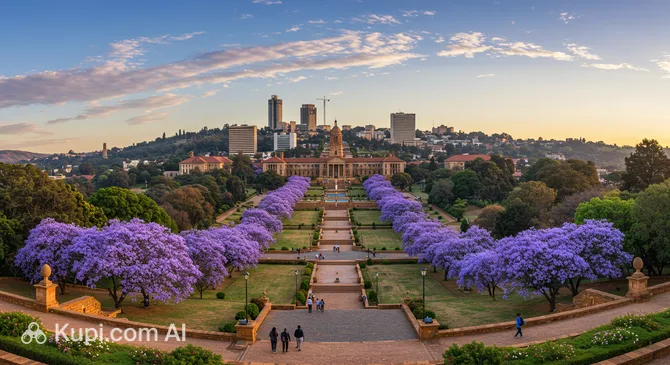
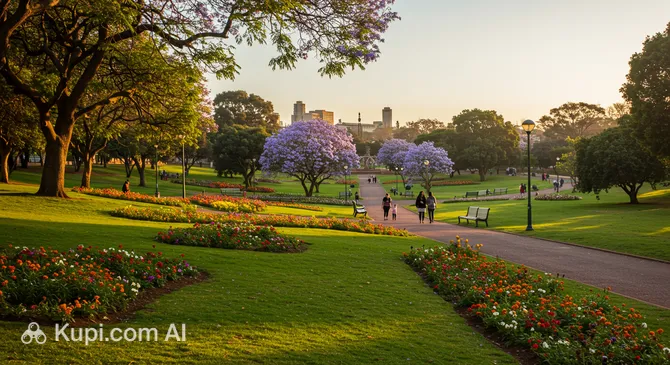
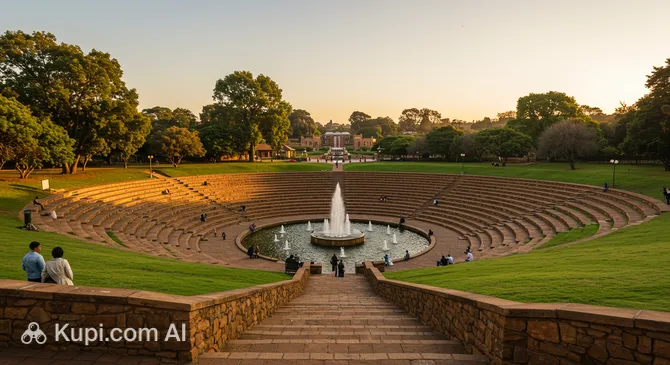
Welcome to Pretoria, the administrative capital of South Africa. Often referred to as the "Jacaranda City," this vibrant metropolis is renowned for the thousands of purple-blossomed trees that line its streets, creating a breathtaking spectacle in late spring. Unlike its bustling neighbor Johannesburg, Pretoria offers a slightly more relaxed pace, blending urban sophistication with lush green spaces and a dignified atmosphere.
Pretoria. Illustration.
Source: Kupi.com AI
Located in the northern part of the Gauteng province, the city sits nestled in a sheltered valley surrounded by the Magaliesberg range. This geographical setting provides it with a warmer and more humid subtropical climate, making it a pleasant destination year-round. With a population of approximately 741,000 residents, it serves as a crucial hub for government, diplomacy, and education, while maintaining a welcoming charm for visitors.
The city is deeply rooted in the nation's narrative. Visitors can explore the complex history of Pretoria through its numerous museums and heritage sites. Architecture enthusiasts will appreciate the mix of colonial, Art Deco, and modern South African styles that characterize the city center and its suburbs.
Among the top attractions are the magnificent Union Buildings, which not only house the offices of the President but also offer panoramic views of the city from their terraced gardens. Nature lovers should not miss the Pretoria National Botanical Garden, a peaceful retreat showcasing the country's diverse flora. Whether you are interested in cultural landmarks or simply want to enjoy a picnic under the jacarandas, Pretoria is a destination that promises a memorable and enriching experience.
Weather Overview
The city enjoys a subtropical highland climate, typically offering long, sunny days and comfortable temperatures year-round. Travelers can generally expect warm summers with occasional rain and mild, dry winters. Because of its sheltered location within a valley, the weather in Pretoria is often slightly warmer than in the surrounding highveld areas.
Summer, spanning from November to February, brings the highest temperatures, with daily averages around 22°C to 23°C and maximums frequently reaching 28°C. This is also the rainy season, particularly in December and January, which can see up to 16 wet days per month. In contrast, the winter months of June, July, and August are characterized by clear skies and very little precipitation. During this period, average temperatures drop to approximately 12°C; while daytime highs remain pleasant at around 20°C, mornings and evenings can be crisp, with minimum temperatures dipping as low as 5°C.
Average monthly temperature
Average monthly precipitation
Interesting Facts
Beyond the main attractions and government offices, Pretoria holds many fascinating secrets and unique features that add depth to its character. From ancient fossils to architectural marvels designed with celestial precision, here are a few intriguing details about the city.
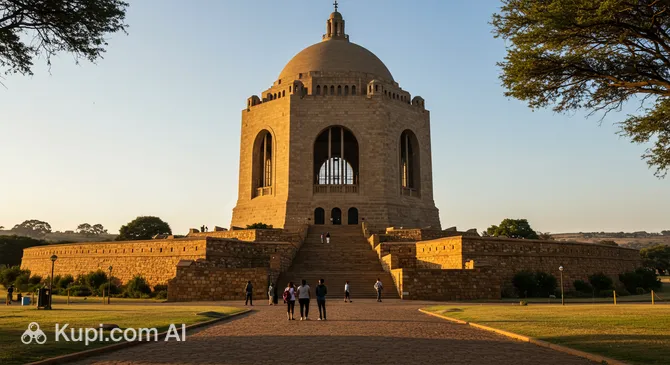
Voortrekker Monument. Illustration.
Source: Kupi.com AI
Traveler photos:
The majestic Voortrekker Monument contains a remarkable architectural feat linked to the calendar. Every year on December 16th at exactly 12:00 PM, a ray of sunlight passes through a small opening in the dome's roof, illuminating the inscription on the cenotaph located deep within the hall below.
While the city is famous for its purple canopy, local students adhere to a popular urban legend regarding the Jacaranda trees. It is said that if a blossom falls on your head during exam season, you will pass all your tests; however, if you haven't started studying by the time the first flowers appear, you might be in trouble.
Pretoria is home to one of the longest straight urban streets in the world. Church Street (now historically consisting of several renamed sections like Stanza Bopape and Helen Joseph) stretches for approximately 26 kilometers, cutting a direct line through the metropolis and its diverse neighborhoods.
The city plays a pivotal role in understanding human origins. The Ditsong National Museum of Natural History houses the original fossil of "Mrs. Ples," a 2.1-million-year-old Australopithecus africanus skull discovered in the nearby Cradle of Humankind.
South Africa is unique for having three capital cities, and Pretoria serves as the administrative capital. While the judiciary is in Bloemfontein and the legislature in Cape Town, the executive branch operates here, primarily from the iconic Union Buildings.
How to Get There
Reaching the administrative capital of South Africa is straightforward, thanks to its proximity to some of the continent's busiest transport hubs. Whether you are arriving from overseas or a neighboring city, you have several convenient options. For a comprehensive guide on all available transport modes, you can read more about how to get to Pretoria on our detailed page.
The city of Pretoria does not have its own major commercial airport, but it is seamlessly served by O.R. Tambo International Airport (IATA: JNB) in the city of Johannesburg, which is about 42 km away. As the primary gateway for international travelers entering South Africa, it offers a wide range of global and domestic connections. The journey from the airport to Pretoria is efficient; a taxi or shuttle transfer typically takes approximately 45 to 60 minutes, depending on traffic conditions, though the rapid Gautrain rail link offers a reliable alternative.
Travelers may also consider flying into Lanseria International Airport (IATA: HLA), situated in Johannesburg roughly 33 km from Pretoria. This privately owned airport is generally quieter than O.R. Tambo and is a favorite for domestic and regional flights. The drive from Lanseria to the city center usually takes around 40 to 50 minutes by taxi or rental car.
For clarity, here is a summary of the main airports:
While air travel is the most common entry point for international visitors, Pretoria is also easily accessible by road and rail. The city is a key node on the national highway network, well-connected to Johannesburg and other major centers via the N1 and N4 highways. Furthermore, the Gautrain rapid rail system provides a safe, reliable, and high-speed link directly from O.R. Tambo International Airport and Johannesburg stations to Pretoria, making the commute seamless for tourists and business travelers alike.
Main Attractions
Pretoria offers a diverse array of sights, ranging from significant historical monuments and architectural marvels to expansive nature reserves teeming with wildlife. As the administrative capital, the city is home to some of the country's most important heritage sites, yet it also retains a close connection to nature, with game reserves and botanical gardens located just minutes from the urban center.
Dominating the skyline on Meintjieskop, the Union Buildings are arguably the city's most iconic landmark. Designed by the renowned architect Sir Herbert Baker, this sandstone masterpiece forms a semicircle that symbolizes the union of the country's formerly divided people. While the interior serves as the official seat of the South African government and is closed to the public, the terraced gardens are open to all. Visitors can stroll through the immaculate lawns, admire statues of past leaders, and enjoy one of the best panoramic views of the city.
Union Buildings. Illustration.
Source: Kupi.com AI
Traveler photos:
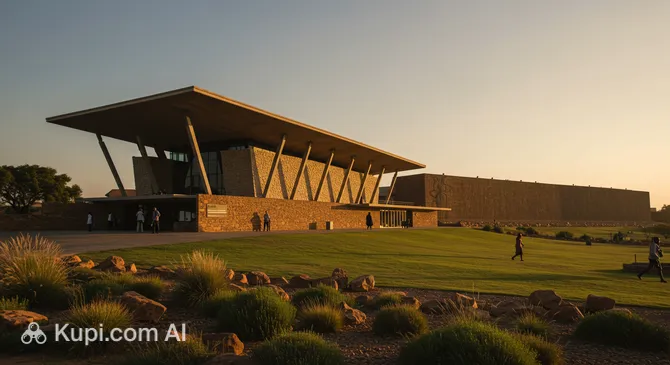
For a deep dive into the nation's history, the Freedom Park Heritage Site & Museum situated on Salvokop is an essential stop. This expansive cultural institution honors those who sacrificed their lives for freedom and humanity. The site features a moving Wall of Names and the H'apo Museum, which narrates the story of Southern Africa dating back 3.6 billion years. The architecture is designed to blend with the landscape, creating a serene atmosphere for reflection and learning.
Freedom Park Heritage Site & Museum. Illustration.
Source: Kupi.com AI
Traveler photos:
Animal lovers and families should not miss the National Zoological Gardens, widely known as the Pretoria Zoo. It is the largest zoo in South Africa and is highly regarded for its conservation efforts. The facility is split by the Apies River and houses thousands of animals, including the Big Five. Beyond the mammal enclosures, the zoo boasts an impressive aquarium and a reptile park, making it a comprehensive destination for wildlife education and entertainment.
National Zoological Gardens. Illustration.
Source: Kupi.com AI
Traveler photos:
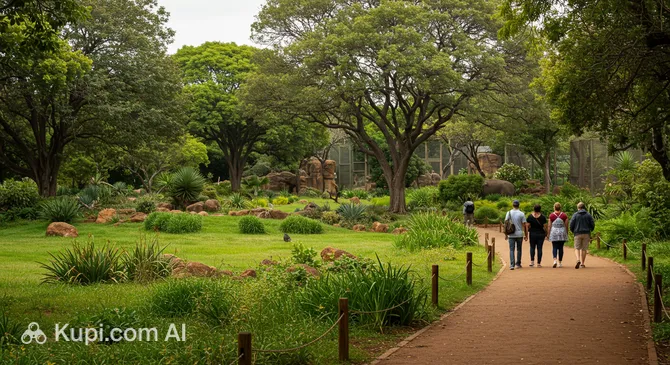
Outdoor enthusiasts looking for an active adventure will find a haven at the Groenkloof Nature Reserve. Proclaimed in 1895, it holds the distinction of being the oldest game sanctuary in Africa. The reserve is a popular spot for hiking, mountain biking, and 4x4 trails. Despite its proximity to the city suburbs, it offers a genuine bushveld experience where you can encounter giraffes, zebras, wildebeest, and various antelope species roaming freely in their natural habitat.
Groenkloof Nature Reserve. Illustration.
Source: Kupi.com AI
Traveler photos:
Local Cuisine
The culinary landscape of Pretoria is as diverse and colorful as the city itself, reflecting the rich tapestry of cultures that call South Africa home. From traditional Afrikaner comfort food to spicy township flavors and contemporary international cuisine, the capital offers a dining experience that caters to every palate. Meat lovers, in particular, will find themselves in heaven, as the local food culture heavily revolves around the grill.
At the heart of the social dining scene is the beloved tradition of the braai (barbecue). It is more than just a method of cooking; it is a social event where friends and family gather around the fire. Visitors should look out for shisa nyama venues, where you can pick your own cut of meat—typically boerewors (spiced sausage), steak, or chicken—and have it grilled to perfection over open flames. These meals are often served with pap (a maize porridge) and chakalaka (a spicy vegetable relish), creating a hearty and authentic South African feast.
For those seeking a vibrant atmosphere that combines food, art, and music, the Market at the Sheds is a must-visit. Located in the inner city, this hip market captures the urban energy of Pretoria. Here, you can sample a variety of gourmet street food, craft beers, and local wines while enjoying live performances by local artists. It is an excellent spot to mingle with locals and taste the creative fusion dishes that define modern South African cuisine.
Market at the Sheds. Illustration.
Source: Kupi.com AI
Traveler photos:
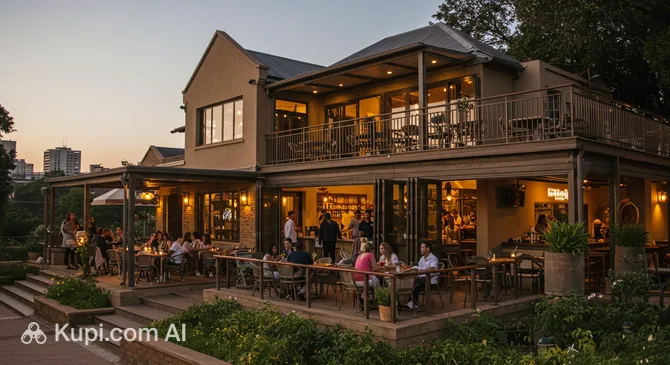
The city's restaurant scene ranges from casual eateries to upscale dining. A popular institution is Crawdaddy's Brooklyn, known for its lively ambiance and extensive menu that fuses local flavors with seafood and grills. If you are looking for a place that offers a mix of entertainment and dining, Propaganda provides a high-energy setting often described as a lifestyle destination, perfect for those who want to experience the city's modern nightlife vibe along with their meal.
Crawdaddy's Brooklyn. Illustration.
Source: Kupi.com AI
Traveler photos:
For a more relaxed, traditional pub experience, Krugers Pub & Grill offers a friendly environment to enjoy a cold drink and classic pub grub. Whether you are indulging in a rich malva pudding for dessert or enjoying a locally brewed lager, eating out in Pretoria is an opportunity to explore the warm hospitality and bold flavors of the region.
Travel Tips
Preparing for a trip to Pretoria requires a little local know-how to ensure a safe and enjoyable experience in the "Jacaranda City." Here is a curated list of practical advice to help you navigate South Africa's administrative capital with confidence and ease.
Clothing and Essentials: The city enjoys a warm climate, so pack lightweight, breathable clothing for the summer months, along with a raincoat for frequent afternoon thunderstorms. Winters are sunny but can get surprisingly chilly in the evenings and early mornings, so layering is essential. Don't forget a power adapter for Type M (three large round pins) outlets, which are the standard across the country.
Getting Around: The Gautrain is a safe and efficient high-speed rail link connecting Pretoria to Johannesburg and the airport. For moving within the city, ride-hailing apps like Uber and Bolt are widely available and generally safer than trying to navigate the complex minibus taxi system. If you rent a car, remember that traffic flows on the left side of the road.
Money Matters: The currency is the South African Rand (ZAR). Major credit and debit cards (Visa and Mastercard) are accepted almost everywhere, from malls to restaurants. However, keep some small cash denominations handy for street vendors and "car guards" (attendants who watch your parked car). A tip of 10% to 15% is standard for good service in restaurants.
Health and Safety: Pretoria is generally a malaria-free zone, but the sun is strong, so wearing high-SPF sunscreen and a hat is crucial. While tap water is high quality and safe to drink in urban areas, stay vigilant regarding safety: avoid walking alone at night, particularly in the Central Business District (CBD), and always lock your car doors while driving.
Staying Connected: English is the primary language for business and tourism, making communication very easy. To get mobile data, you can purchase a local SIM card (Vodacom or MTN are reliable networks) at the airport or local shops; you will need your passport to register it under the local RICA law. Free Wi-Fi is commonly available in hotels and coffee shops.
Local Etiquette: South Africans are warm and polite people. A friendly handshake and a smile are the norm when meeting someone new. You might hear locals use phrases like "now-now" (meaning shortly) or "just now" (meaning later or eventually)—understanding these nuances helps manage expectations!
What to Avoid: Never leave valuables such as phones, handbags, or cameras visible on the seats of your car, whether parked or stopped at a traffic light. This precaution helps prevent opportunistic "smash-and-grab" theft. It is best to stow items in the trunk before you start your journey.
Shopping Hours: Be aware that unlike in some other major global cities, trading hours can be limited on weekends. Many shops and smaller businesses close by 1:00 PM or 2:00 PM on Saturdays and may be closed entirely on Sundays, so plan your shopping errands for weekdays or Saturday mornings.
By keeping these practical tips in mind, you can focus on enjoying the rich history, lush gardens, and vibrant culture of the city. Pretoria is a welcoming destination, and a little preparation ensures your visit remains hassle-free and full of positive memories.
Entertainment & Nightlife
While Pretoria is often viewed through the lens of its administrative functions and history, the city comes alive after dark with a vibrant and diverse nightlife scene. Fueled in part by a large student population from the University of Pretoria and a growing community of young professionals, the capital offers everything from laid-back pubs and sophisticated cocktail lounges to energetic dance clubs. The atmosphere is generally more relaxed and unpretentious compared to neighboring Johannesburg, making it easy for visitors to mingle with locals.
The nightlife is concentrated in a few key districts, each with its own distinct character. Hatfield is the pulsating heart of the student scene, where the streets buzz with energy, loud music, and affordable drinks. For a more upscale experience, the suburbs of Menlyn and Brooklyn offer stylish rooftop bars and chic venues where the dress code is smart-casual, and the crowd is slightly more mature. These areas are perfect for enjoying a sunset cocktail or a night of dancing in a safe, well-regulated environment.
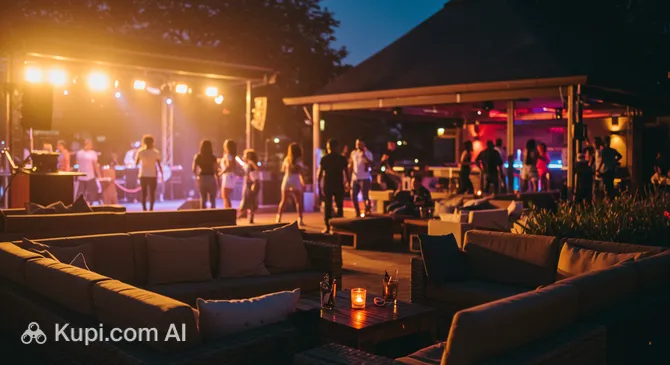
If you are looking to experience the local clubbing scene, Europa Lounge is a popular destination. Known for its stylish interior and vibrant atmosphere, it attracts a fashionable crowd looking to socialize and enjoy current hits. It strikes a balance between a relaxed lounge setting early in the evening and a more upbeat club vibe as the night progresses.
Europa Lounge. Illustration.
Source: Kupi.com AI
Traveler photos:
For those who prefer a high-energy dance floor, Channel M Night Club is a well-known institution in the city. It typically hosts local DJs and themed parties, offering a quintessential South African nightclub experience. If you are interested in live performances or large-scale events, check the schedule for the Heartfelt Arena. This massive venue frequently hosts concerts, music festivals, and cultural gatherings that draw crowds from all over the province.
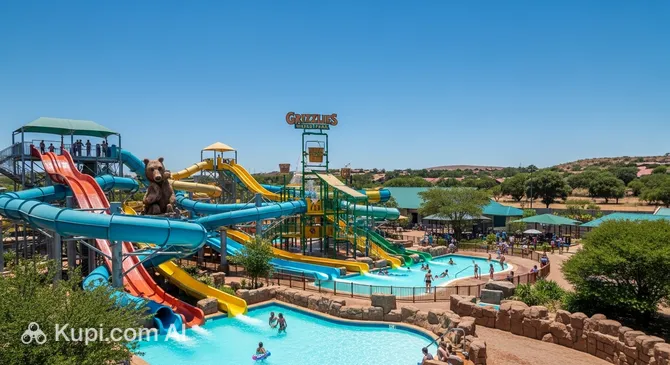
Beyond the nightlife, Pretoria offers plenty of daytime entertainment options for families and thrill-seekers. When the summer heat sets in, Grizzlies Water Park is an excellent spot to cool off, featuring slides and pools that provide hours of fun. Cultural enthusiasts can also explore the city's numerous theaters, such as the South African State Theatre, which showcases world-class opera, ballet, and drama productions.
Grizzlies Water Park. Illustration.
Source: Kupi.com AI
Traveler photos:
When planning a night out, safety and transport are important considerations. It is strongly advised not to walk between venues at night, even short distances. Instead, rely on ride-hailing services like Uber or Bolt, which are reliable, trackable, and widely available in Pretoria. Most clubs and bars are busiest from Thursday to Saturday, with peak times starting around 10:00 PM. Prices are generally reasonable, with an average beer or cider costing significantly less than in European or American cities.
Parks & Museums
Known as the "Garden City," Pretoria balances its administrative significance with an abundance of verdant landscapes and rich cultural institutions. Beyond the jacaranda-lined avenues, the city invites visitors to explore its serene parks, world-class art galleries, and museums that preserve the diverse heritage of the nation. Whether you are seeking a quiet spot for a picnic or a deep dive into South African history and art, the capital offers plenty of spaces to relax and learn.
One of the most beloved green spaces in the city is Magnolia Dell. Situated in the valley of the Walker Spruit, this picturesque park is famous for its beautiful magnolia trees, which burst into bloom in late winter and early spring. It is a favorite spot for families and walkers, offering a peaceful atmosphere with willow trees reflecting off the water. The park frequently hosts arts and crafts markets, making it a vibrant community hub where you can pick up local handmade goods while enjoying the fresh air.
Magnolia Dell. Illustration.
Source: Kupi.com AI
Traveler photos:
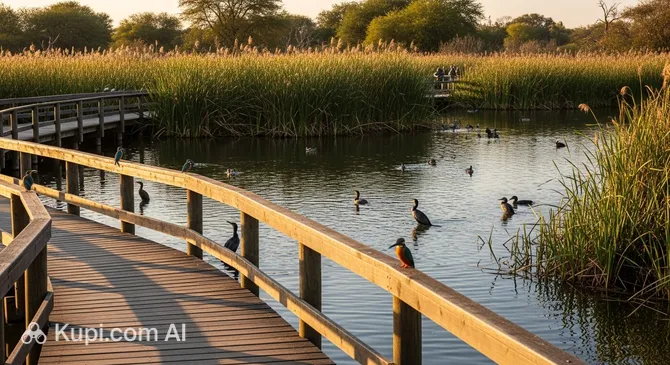
For nature enthusiasts and birdwatchers, the Austin Roberts Bird Sanctuary is a must-visit destination located in the suburb of Muckleneuk. This protected area is home to over 170 bird species, including the national bird, the Blue Crane. Visitors can observe the wildlife from a secure hide or enjoy a meal at the adjacent restaurant, which overlooks the water. It provides a tranquil escape from the urban bustle, allowing you to connect with nature without leaving the city limits.
Austin Roberts Bird Sanctuary. Illustration.
Source: Kupi.com AI
Traveler photos:
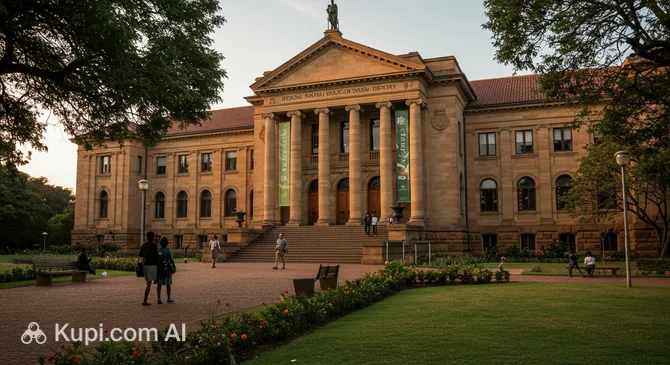
Pretoria's cultural landscape is equally impressive, anchored by the Ditsong National Museum of Natural History. As one of the largest museums in the country, it captivates visitors with its extensive collections of fossils, including the world-famous "Mrs. Ples" skull. The museum also features massive dinosaur skeletons, a comprehensive collection of South African birds, and detailed dioramas that showcase the region's biodiversity. It is an educational treasure trove that appeals to both adults and children.
Ditsong National Museum of Natural History. Illustration.
Source: Kupi.com AI
Traveler photos:
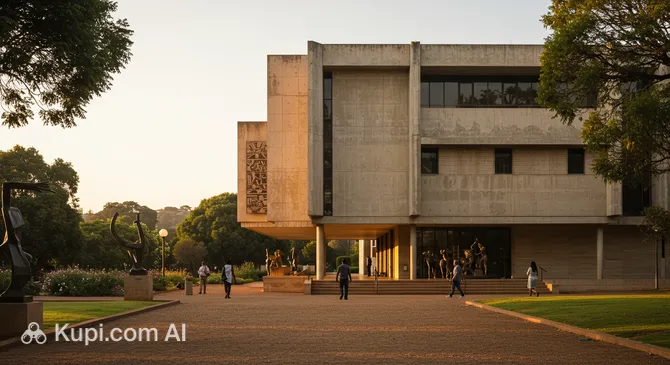
Art lovers should head to the Pretoria Art Museum in Arcadia. Housed in a distinctive low-slung modernist building, the museum focuses primarily on South African art, featuring works from the 19th century to the present day. Its collection includes pieces by celebrated masters such as Henk Pierneef and Irma Stern, as well as contemporary urban art. For a more modern perspective, the Javett Art Centre at the University of Pretoria connects the city to the university campus. This architectural marvel houses the famous Mapungubwe Gold collection and hosts rotating exhibitions that challenge and inspire.
Pretoria Art Museum. Illustration.
Source: Kupi.com AI
Traveler photos:
To understand the military history of the region, a visit to Fort Schanskop is highly recommended. Completed in 1897, this fortress was one of four built to protect the capital of the old South African Republic. Today, it stands as a historical monument offering insight into the Anglo-Boer War era, along with commanding views of the surrounding landscape. It is a fascinating site for history buffs interested in the strategic defenses of the 19th century.
For a truly local experience, seek out Jan Cilliers Park, often referred to as "Protea Park." Tucked away in the suburb of Groenkloof, this hidden gem is beautifully landscaped with indigenous plants, water features, and stunning views of the city. It is quieter than the main tourist spots, making it the perfect place for a sunset walk or a quiet moment of reflection amidst the native flora.
Getting Around
Navigating Pretoria is a tale of two systems: the ultra-modern rapid rail and bus networks, and the informal, bustling minibus taxi industry. For most tourists, the Gautrain is the most efficient and safe way to travel between key districts. This high-speed train connects the central station in the city with the suburb of Hatfield, as well as providing a direct link to the international airport and neighboring hubs. It is clean, reliable, and patrolled by security, making it the preferred choice for visitors.
For getting around the city streets, the A Re Yeng bus rapid transit (BRT) system offers a comfortable alternative. These purple and green buses run in dedicated lanes, bypassing traffic congestion, and serve major landmarks and educational institutions. The municipal Tshwane Bus Service covers a much wider network of suburbs; however, schedules can be somewhat unpredictable, and routes may be confusing for those unfamiliar with the area.
The most ubiquitous form of transport is the minibus taxi. These white vans operate on practically every road, hailed by specific hand signals from the curb. While they are the cheapest and most authentic way to see how locals commute, they can be chaotic, drive at high speeds, and lack designated stops. For a tourist carrying luggage or unsure of the local geography, this mode of transport can be overwhelming and is generally not recommended for first-time visitors.
Payment systems are not unified, so you will need different methods for different services. The Gautrain operates exclusively with a Gold Card, a rechargeable smart card that you must purchase and load with credit at station vending machines. The A Re Yeng buses use their own Connector Card, which functions similarly. Conversely, minibus taxis operate strictly on a cash basis. If you decide to use them, ensure you have small denominations of coins and notes, as drivers often struggle to change large bills.
Given the limitations of public transport schedules, particularly in the evenings, ride-hailing apps like Uber and Bolt are extremely popular and widely available. They provide a safe, door-to-door service that eliminates the stress of navigation and parking. Renting a car is also a viable option for those who prefer independence, provided you are comfortable driving on the left-hand side of the road and navigating the city's one-way street systems.
Most public transport services, including the Gautrain and buses, operate from approximately 05:00 to 20:30. Late-night public transport is virtually non-existent. Visitors are strongly advised to plan their journeys in advance and avoid waiting at bus stops or train stations after dark. If you are dining out late or exploring the nightlife in Hatfield or Menlyn, rely on ride-hailing services or pre-booked private transfers to return to your accommodation safely.
Accommodation
Finding the perfect place to stay in Pretoria is relatively easy, as the city offers a wide spectrum of accommodation options to suit every budget and travel style. Unlike the high-density hotel blocks often found in other major capitals, Pretoria's lodging landscape is characterized by its diversity. Visitors can choose from charming guesthouses tucked away in leafy suburbs, modern apartment hotels near business hubs, budget-friendly backpacker hostels, and luxurious boutique hotels that often occupy historic homes.
Location is key when selecting your base. For travelers interested in history and diplomacy, the suburb of Arcadia is an excellent choice; it places you close to the Union Buildings and numerous embassies, offering a quiet and dignified atmosphere. Younger travelers or those relying on public transport might prefer Hatfield, which is vibrant, filled with student energy, and houses a Gautrain station for easy access to Johannesburg and the airport. Meanwhile, the upscale neighborhoods of Brooklyn and Menlyn are ideal for those seeking modern comforts, proximity to high-end shopping malls, and a sophisticated dining scene.
For a stay that feels more like a getaway into nature without leaving the city limits, Fountains Valley is a notable option. Classified as a resort, it is situated within a nature reserve and is particularly popular for those who enjoy the outdoors. While it is famous for its recreational day facilities, it offers a distinct experience compared to a standard city hotel, allowing guests to relax in a green, tranquil environment along the Apies River.
Fountains Valley. Illustration.
Source: Kupi.com AI
Traveler photos:
Booking Tips and Prices: Accommodation in Pretoria generally offers excellent value for money compared to European or North American standards. Prices range from affordable rates for hostels and basic B&Bs to higher premiums for 5-star luxury establishments. It is highly recommended to book your accommodation in advance if you plan to visit during October and November, when the city's famous Jacaranda trees are in bloom and domestic tourism peaks. Most properties can be easily booked via major online travel platforms or directly through their websites.
Nearby Cities
For those looking to explore the surroundings, Pretoria serves as an excellent base for day trips to several interesting nearby locations:
Just a short drive south lies Johannesburg, the bustling economic hub of the country, often referred to as the "City of Gold." It offers a stark contrast to the more relaxed pace of the administrative capital, featuring world-class attractions such as the Apartheid Museum, Constitution Hill, and the Gold Reef City theme park. It is an ideal destination for those seeking urban adventures, shopping, and a deep dive into the region's mining history.
A little further to the southwest is Soweto, a vibrant township with immense historical significance. It is home to Vilakazi Street, the only street in the world to have housed two Nobel Peace Prize winners, Nelson Mandela and Desmond Tutu. Visitors can explore the Mandela House museum, take bicycle tours through the lively neighborhoods, and experience the unique energy and culture that define this iconic area.
These nearby destinations offer a glimpse into the diverse culture and landscapes of the region.
Shopping & Souvenirs
Shopping:
Shopping in Pretoria offers a delightful mix of sophisticated retail therapy and authentic local experiences. The city caters to diverse tastes, ranging from expansive, modern shopping centers housing international brands to vibrant weekend markets where visitors can find unique handmade crafts. Whether you are looking for high-end fashion, African art, or simple daily necessities, the capital's retail landscape is well-equipped to meet your needs.
For a premium shopping experience, the leafy eastern suburbs are the place to be. Brooklyn Mall is a standout destination, known for its cosmopolitan atmosphere and extensive selection of luxury boutiques, bookstores, and specialty shops. It combines an indoor mall with open-air components, creating a relaxed environment for strolling. Another modern lifestyle precinct is Loftus Park, situated next to the famous rugby stadium. This mixed-use development offers a curated selection of stores, restaurants, and services, making it a convenient stop for those exploring the Arcadia area.
Brooklyn Mall. Illustration.
Source: Kupi.com AI
Traveler photos:
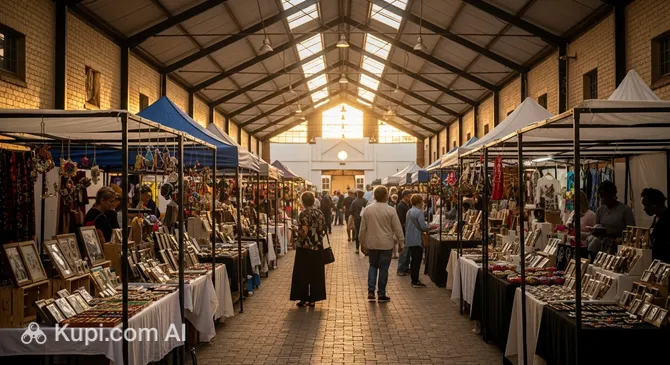
If you prefer a more eclectic and community-driven atmosphere, the city's markets are unmissable. The trendy Market at the Sheds in the inner city is not only a food hub but also a showcase for local fashion designers, artists, and craftsmen. It is an excellent spot to find contemporary urban African art and bespoke jewelry. For a more traditional flavor, the Pretoria Boeremark (Farmers' Market) operates early on Saturday mornings, offering everything from fresh farm produce to handmade leather goods and traditional treats.
When searching for souvenirs, look for items that reflect the rich cultural heritage of South Africa. Intricate beadwork and wire art are popular and widely available. Wooden carvings, particularly of African wildlife, make for beautiful keepsakes. Consumable gifts are also a hit; consider buying Rooibos tea, a bottle of Amarula cream liqueur, or high-quality biltong (dried cured meat), though be sure to check your home country's customs regulations regarding food products.
Most major shopping malls operate seven days a week, typically opening from 09:00 to 19:00 or later on weekdays, with slightly shorter hours on Sundays. Payment is convenient, as major credit and debit cards (Visa and Mastercard) are accepted almost everywhere. However, if you are visiting street markets or buying from roadside vendors, it is advisable to carry some cash in smaller denominations. Tourists should also be aware of the VAT refund system; if the total value of your purchases exceeds a certain amount (usually R250), you may be eligible to claim back the 15% Value Added Tax at the airport upon departure, provided you have the original tax invoices.