Support

Phalaborwa

About

Welcome to Phalaborwa, a town that offers a unique blend of industrial heritage and breathtaking natural beauty. Known affectionately as the "City of Two Summers" due to its consistently warm climate, this destination serves as a vibrant gateway to the wild. Located in the Limpopo province of South Africa, Phalaborwa is situated near the confluence of the Ga-Selati and Olifants rivers, providing a lush backdrop for travelers seeking adventure and relaxation alike.
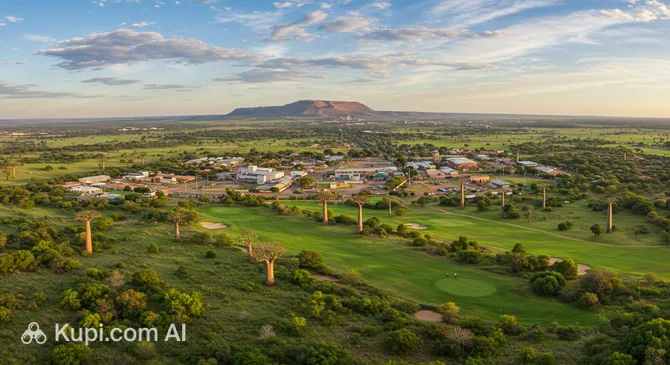
Phalaborwa. Source: Kupi.Binoculars

With a population of approximately 13,000 residents, the town maintains a welcoming, community-focused atmosphere while bustling with the activity of tourists and business travelers. It is famously the only town in the country that borders the renowned Kruger National Park directly, making it an exceptionally convenient base for safaris and wildlife enthusiasts. The subtropical climate ensures that visitors can enjoy outdoor activities year-round, whether it is exploring the bushveld or enjoying the local amenities.

The area has been inhabited for centuries, and the history of Phalaborwa is deeply intertwined with ancient metalworking traditions. Long before modern industry arrived, the Ba-Phalaborwa people mined and smelted copper and iron here, a legacy that continues today with the town's significant mining operations. Visitors can witness this industrial scale at the massive open-cast mine, which is one of the widest man-made holes in Africa and a striking feature of the local landscape.

Beyond its industrial roots, Phalaborwa is a haven for nature lovers. A top attraction is the Hans Merensky Golf Estate, a world-famous course where giraffes, hippos, and crocodiles often roam the fairways alongside golfers. Whether you are entering the Kruger Park through the Phalaborwa Gate or enjoying a sunset cruise on the Olifants River, the town promises an unforgettable experience. We invite you to discover the warmth and wild beauty of this distinctive South African destination.

Weather Overview

True to its reputation as the "City of Two Summers," Phalaborwa enjoys a subtropical climate that stays warm to hot throughout the year. Whether you are planning a safari or a golfing trip, the weather in Phalaborwa is generally conducive to outdoor activities, though the heat can be intense during the peak summer months.

The summer season, spanning roughly from November to February, sees average temperatures hovering around 26°C, with daily highs frequently exceeding 31°C. This period also brings the region's rainfall, particularly in December and February, which typically experience between 11 and 13 wet days per month. Despite the showers, the days remain hot and humid, fostering lush vegetation in the surrounding bushveld.

Winter offers a drier and slightly cooler escape, making it a popular time for visitors. From June to August, rainfall is almost non-existent, often recording zero precipitation days. Daytime highs remain very pleasant, reaching up to 25°C to 27°C, while nights become cooler with minimum temperatures dipping to around 12°C. Overall, you can expect warm summers with occasional rain and mild, dry winters.

Interesting Facts

Beyond the well-trodden safari paths, Phalaborwa holds fascinating secrets that add depth to its identity as a wilderness gateway. From its evocative name to its delicious local produce, there are several surprising details that make this town more than just a stopover.

  • Better Than the South: The name "Phalaborwa" is of Sotho origin and translates to "better than the south." Oral history recounts that the Ba-Phalaborwa tribes moved here from the south and, upon discovering the area's peace and rich resources, declared it a superior place to settle compared to their origins.

  • The Land of Amarula: This region is the heart of the Marula belt. The exotic Marula fruit, which is harvested to produce the iconic South African liqueur Amarula Cream, grows abundantly in the wild here, and the town is a central hub for the annual harvest.

  • A View from the Edge: While the town's mining history is well-known, the sheer scale of the local open-cast copper mine is a marvel in itself. It is widely cited as the widest man-made hole in Africa, and a dedicated viewpoint allows visitors to gaze into the colossal pit, offering a rare glimpse into the earth's crust.

  • Wildlife in the Suburbs: Living so close to the wilderness means the line between town and bush is often blurred. It is a common local quirk to see warthogs grazing on municipal verges or impalas wandering near the outskirts, reinforcing the town's reputation as a true "town in the bush."

How to Get There

Reaching this gateway to the Kruger National Park is an adventure that begins with a journey through the scenic Limpopo province. While the town is nestled deep in the bushveld, it remains accessible for travelers. You can find more about how to get to Phalaborwa and explore the various travel options available to suit your itinerary.

Travelers arriving by air often utilize facilities in the surrounding region to reach the area. A convenient nearby option is Hoedspruit Airport (HDS), located in the town of Hoedspruit. Since this airport is approximately 49 km away, you will need to arrange a transfer. The journey by taxi or shuttle is relatively quick, typically taking around 50 minutes, offering a pleasant drive through the region's natural landscapes.

For those seeking more international connections, Kruger Mpumalanga International Airport (MQP) in Mbombela is another significant hub. It is situated roughly 162 km from Phalaborwa. Due to the greater distance, the road transfer is longer, generally taking between 2.5 and 3 hours. This airport is often chosen by visitors planning to tour the Panorama Route before heading north.

For clarity, here is a summary of the main airports in the vicinity:

Airport Name City Passenger Traffic Km from City
Hoedspruit Airport Hoedspruit Medium 49.2
Kruger Mpumalanga International Airport Mbombela Medium 161.6
Skukuza Airport Skukuza Medium 126.0
Londolozi Airport Londolozi Small 105.8
Mala Mala Mala Mala Small 109.5

Main Attractions

Phalaborwa is a destination where the wild calls from right next door, offering a distinct mix of wildlife, history, and unique local culture. Visitors are drawn here primarily for the unparalleled access to nature, but the town also boasts fascinating sites that reflect its rich heritage. Here are some of the top places to explore during your stay.

Phalaborwa Gate to Kruger National Park is undoubtedly the town's most significant drawcard. As a direct entry point into one of Africa's largest game reserves, it allows tourists to transition from the comfort of their hotel to the heart of the bushveld in minutes. This gate provides access to the central and northern regions of the park, areas known for their mopane woodlands and substantial elephant herds. It is an ideal starting point for self-drive safaris or guided game drives to search for the Big Five.

For a sporting experience like no other, the Hans Merensky Golf Estate is a must-visit. This world-renowned 18-hole course borders the Kruger National Park and is famous for its resident wildlife. It is not uncommon for golfers to share the fairways with giraffes, impalas, warthogs, and even hippos from the nearby dams. The unique combination of a challenging game and close encounters with nature makes it a bucket-list destination for golf enthusiasts.

History buffs should not miss the Masorini Archaeological Site, located approximately 11 kilometers from the Phalaborwa Gate inside the Kruger National Park. This restored Iron Age village offers a glimpse into the lives of the Ba-Phalaborwa people who inhabited the area centuries ago. The site features a museum and reconstructed huts, showcasing the region's ancient metalworking and trading history. It provides a fascinating cultural context to the area's modern mining identity.

To appreciate the industrial scale that put this town on the map, a visit to the Phalaborwa Open Cast Mine Viewpoint is highly recommended. This massive excavation is one of the largest open-cast copper mines in the world and dominates the local landscape. The viewpoint offers a safe vantage point to look down into the colossal pit, giving visitors a sense of the immense human effort and geological richness that defines the region's economy.

Finally, for a relaxing end to the day, Olifants River Safaris offer a different perspective on the bush. Cruising along the Olifants River allows you to spot water-dwelling wildlife such as hippos and Nile crocodiles, as well as elephants and buffaloes coming to the banks to drink. The sunset cruises are particularly popular, providing excellent photographic opportunities against the backdrop of the African twilight.

Local Cuisine

Dining in Phalaborwa is deeply rooted in the South African tradition of outdoor living. The local cuisine is hearty and unpretentious, perfectly suited to the town's warm, subtropical climate. The most iconic culinary experience here is the braai (barbecue). Whether at a local lodge or a designated picnic spot, the scent of wood fires and grilling meat is a staple of the atmosphere. Visitors should definitely try boerewors, a coiled, spiced sausage that is a national treasure, often served with a side of stiff maize porridge known as pap.

Given its location on the doorstep of the Kruger National Park, Phalaborwa is an excellent place to sample venison (game meat). Many local restaurants specialize in dishes featuring kudu, impala, or ostrich, which are lean, flavorful, and often prepared as steaks or in rich, slow-cooked stews known as potjiekos. For the adventurous eater, the Limpopo province is famous for Mopane worms. These protein-rich caterpillars are usually dried or fried with onions and tomatoes, offering a truly authentic taste of the region's traditional diet.

No meal is complete without the local accompaniments. Chakalaka, a spicy vegetable relish made with beans, carrots, and curry spices, is the standard partner for pap and meat. To wash it all down, the town's connection to the Marula tree makes Amarula Cream a must-try drink. Produced from the fruit of the Marula trees that grow wild in the area, this creamy liqueur is often enjoyed over ice or in coffee. Beer lovers will also find that cold South African lagers are the beverage of choice to beat the midday heat.

The dining culture in Phalaborwa is relaxed and welcoming, catering to both locals and the steady stream of safari tourists. You will not find many high-end avant-garde establishments; instead, the town offers quality steakhouses, family-friendly restaurants, and open-air eateries known as "lapas." Eating out here often means dining under thatched roofs or open skies, allowing you to enjoy the balmy evenings. It is a social affair where the focus is on generous portions, good company, and the unique ambiance of the bushveld.

Travel Tips

Preparing for a trip to Phalaborwa is exciting, especially with the vast wilderness of the Kruger National Park right on your doorstep. To ensure your adventure in this subtropical haven is as smooth and enjoyable as possible, here are some essential practical tips to help you navigate the town and its surroundings.

  1. Clothing and Gear: Since Phalaborwa is known for its heat, pack lightweight, breathable clothing made of natural fabrics like cotton or linen. If you plan to go on safari, wear neutral colors such as khaki, beige, or olive green to blend in with the bush; avoid bright colors or white, which can distract animals. A wide-brimmed hat, high-SPF sunscreen, and sunglasses are non-negotiable essentials. Don't forget comfortable walking shoes and a South African power adapter (Type M) for your electronics.
  2. Transportation: Public transport options like buses or trains are virtually non-existent for intra-city tourist travel. The best way to get around Phalaborwa and explore the neighboring nature reserves is to rent a car. Having your own vehicle gives you the freedom to do self-drive safaris in the Kruger Park. While local taxis exist, they are not typically used by tourists; reputable shuttle services or private transfers are safer alternatives if you do not drive.
  3. Finances: The local currency is the South African Rand (ZAR). Major credit and debit cards (Visa and Mastercard) are widely accepted at hotels, restaurants, and supermarkets. However, it is wise to carry some cash for small purchases, craft markets, or tipping car guards. ATMs are readily available throughout the town. Tipping is customary in South Africa; leaving 10% to 15% of the bill at restaurants is standard practice for good service.
  4. Health and Safety: Phalaborwa is located in a malaria risk area, particularly during the wet summer months. It is highly recommended to consult a doctor before traveling to obtain anti-malarial prophylaxis and to use effective insect repellent, especially in the evenings. Pharmacies are available in the town center for basic medical needs. In terms of safety, avoid walking alone in isolated areas at night and keep your car doors locked while driving.
  5. Communication: English is widely spoken and understood, serving as the main language for business and tourism. However, the region is culturally rich, and you will hear locals speaking Sepedi (Northern Sotho) and Xitsonga. A friendly "Hello" works everywhere, but learning a local greeting like "Dumelang" (Hello to a group) is always appreciated. Wi-Fi is standard in most lodges and restaurants, but for constant connectivity, you can purchase a local SIM card from providers like Vodacom or MTN at local stores (passport required for registration).
  6. Local Etiquette: South Africans are generally warm and polite. It is customary to greet people before asking a question or starting a transaction. A friendly handshake and a smile go a long way. When driving, particularly in the game reserve areas, patience is key—always give way to animals and respect other drivers by not blocking sightings for too long.
  7. What to Avoid: Never feed wild animals, even if they seem tame or are found within the town limits, such as monkeys or baboons. Feeding them makes them aggressive and creates a nuisance for residents. Additionally, avoid speeding on the roads surrounding the town, as wildlife often wanders onto the tarmac, particularly at night.
  8. Gate Time Awareness: If you are staying in town and visiting the Kruger National Park for day trips, be strictly mindful of the gate opening and closing times. These change seasonally. Arriving late at the gate to exit the park can result in significant fines. Check the specific times for the Phalaborwa Gate upon arrival to plan your day effectively.

With these practical tips in hand, you are well-equipped to experience the best of the "City of Two Summers." Whether you are teeing off on the golf course or spotting elephants near the river, Phalaborwa promises a warm welcome and an unforgettable South African journey.

Entertainment & Nightlife

Entertainment in Phalaborwa reflects its character as a "town in the bush"—relaxed, social, and deeply connected to the outdoor lifestyle. You will not find sprawling nightclub districts or neon-lit dance floors here. Instead, the nightlife revolves around lively pubs, open-air restaurants, and lodge bars where locals and tourists gather to share stories of the day's wildlife sightings. The atmosphere is consistently welcoming and unpretentious, making it easy to strike up a conversation over a cold drink while enjoying the warm subtropical evening.

For those looking to experience the local social scene, Buffalo’s Pub and Grill is a popular choice. It serves as a central hub for residents and visitors alike, offering a cheerful pub vibe, hearty food, and big screens for sports enthusiasts. Another venue worth visiting is The Hat & Creek, which provides a slightly more sophisticated setting. Here, you can enjoy an excellent dinner paired with South African wines under the stars. For a unique twist on evening entertainment, the Qualito Craft Distillery offers tasting experiences where you can sample locally crafted gin and whiskey, showcasing the region's artisanal spirit.

The dress code across most venues is distinctly casual. Safari khaki, shorts, and comfortable shoes are the norm, so there is no need to dress up formally. Prices for food and drinks are generally reasonable and offer good value compared to larger metropolitan areas. Most establishments are open until late evening, typically closing around 10:00 PM or 11:00 PM, though some pubs may stay open later on weekends.

When planning your night out, transportation and safety are key considerations. Phalaborwa does not have a robust public transport system for nightlife, and ride-hailing services are often unavailable. It is essential to arrange transport through your hotel or use a reputable local taxi service. Walking at night is strongly discouraged. This is not only for general safety but because Phalaborwa is famous for its "urban wildlife"—it is not uncommon to encounter hippos or other animals grazing on the verges after dark.

While the nights are for relaxing, daytime entertainment in Phalaborwa offers its own charm beyond the game reserves. Visitors can explore local culture at small craft markets or visit the town's museums to learn about the region's mining and indigenous history. For a leisurely afternoon, the town's shopping centers provide modern conveniences, cinemas, and coffee shops, offering a cool retreat from the midday heat before the evening's festivities begin.

Parks & Museums

In Phalaborwa, the concept of a "park" is redefined by the untamed wilderness of South Africa. Unlike cities with manicured botanical gardens, the green spaces here are vast, natural ecosystems where the bushveld reigns supreme. The town’s cultural institutions are equally unique, often located outdoors and deeply connected to the ancient history of the land and its geological treasures.

The most prominent natural area is undoubtedly the Kruger National Park, which borders the town directly. While often viewed simply as a safari destination, it is a protected natural heritage site of immense botanical importance. The region surrounding Phalaborwa is characterized by Mopane woodlands, a distinct vegetation type that supports specific wildlife, including rare antelope like the tsessebe and roan. For nature enthusiasts, the park offers not just animal sightings but an immersion into a preserved ecosystem where the rhythms of nature have remained unchanged for millennia.

Just north of the town lies the Letaba Ranch Game Reserve, another significant natural area that forms part of the Greater Kruger. Unlike the main national park, this reserve is often less crowded and offers a raw, rugged experience. The fences between Letaba Ranch and Kruger have been dropped, allowing animals to migrate freely. It is a haven for those who appreciate dense bushveld and the thrill of tracking wildlife in a sector known for its large herds of buffalo and elephants, often experienced through guided 4x4 trails.

On the cultural front, the Masorini Archaeological Site serves as the area's premier open-air museum. Located a short drive into the Kruger Park from the Phalaborwa Gate, this site preserves a reconstructed Iron Age village. Visitors can explore the museum hut, which displays artifacts such as clay pots, tools, and smelting furnaces. It offers a fascinating insight into the Ba-Phalaborwa people, who were skilled metalworkers and traders long before modern mining operations began, linking the town’s present industry to its ancient past.

While not a traditional museum with glass cases, the Phalaborwa Open Cast Mine Viewpoint functions as an educational monument to the town's industrial heritage. It provides a visual history of the region's copper and phosphate mining. Informational displays at the viewpoint explain the geological anomalies of the Palabora Igneous Complex, making it a site of great interest for geology buffs and those curious about the massive human engineering efforts that have shaped the local economy.

For a truly authentic experience, keep an eye out for the Marula Tree festivals or local harvest events early in the year. The town is surrounded by these indigenous trees, and learning about their cultural significance—from making beer to the famous Amarula liqueur—offers a taste of local tradition that you won't find in a guide book.

Getting Around

Navigating Phalaborwa is quite different from getting around a major metropolis. Visitors should be aware that the town does not have a formal public transport infrastructure such as a metro, trams, or a scheduled municipal bus service. The public transport system is primarily designed for local commuters rather than tourists, consisting almost exclusively of minibus taxis.

These minibus taxis are the heartbeat of local transit. You will recognize them as white 15-seater vans that travel along set routes connecting the town center, residential suburbs, and nearby townships. There are no official timetables; vehicles depart from designated ranks only when they are full. Payment is strictly cash-only, and the fare is collected by the driver or a conductor during the journey. While this is an authentic and inexpensive way to travel, it can be unpredictable and is not commonly used by short-term visitors.

For the vast majority of tourists, renting a car is the most practical and popular solution. Having your own vehicle provides the necessary freedom to explore the town and, more importantly, to drive into the Kruger National Park for self-guided safaris. Rental agencies are available at the nearby airports and in the town center. Most major credit cards are accepted for vehicle hire, and an international driver's license is usually required.

Alternatively, private metered taxis and shuttle services are available, though they do not roam the streets looking for passengers. You must book these in advance via telephone or through your hotel reception. Many lodges offer their own shuttle services for airport transfers or excursions, which is often the most convenient and stress-free method for those without a rental car. Payment for these services can usually be made via card or added to your accommodation bill.

A unique feature of transport in Phalaborwa is the need for caution regarding pedestrians and wildlife. While the town is small enough to be walkable during the day, walking after dark is strongly discouraged. Phalaborwa is famous for its "urban wildlife," and it is not uncommon to encounter hippos or hyenas roaming the streets at night. Therefore, always arrange for a motorized transfer for evening dinners or activities, regardless of how short the distance may seem.

Accommodation

Finding the perfect place to stay in Phalaborwa is an integral part of the experience, as the town offers accommodation that caters to a wide spectrum of travelers, from budget-conscious backpackers to luxury seekers. The options here are diverse, ranging from classic hotels and comfortable bed-and-breakfasts to self-catering cottages and exclusive safari lodges. Because the town is situated right on the border of the Kruger National Park, many establishments are designed to provide a "bushveld" atmosphere, allowing you to feel immersed in nature even when you are technically within the town limits.

For those prioritizing convenience, staying near the Phalaborwa Gate is a popular choice. Accommodation in this area allows visitors to be among the first to enter the park when the gates open at dawn, maximizing their wildlife viewing opportunities. The residential areas of the town are dotted with numerous guesthouses and B&Bs, which are well-regarded for their personal touch and local hospitality. These are often situated in lush gardens where birdlife is abundant, and it is not unusual for monkeys or even larger wildlife to make an appearance near the fences.

Another sought-after area for accommodation is around the golf course and the outskirts of town towards the Olifants River. Here, you can find lodges that offer a more secluded feel, often with views of the bush or the river itself. These establishments frequently cater to tourists looking for a tranquil retreat after a day of safari activities, offering amenities like swimming pools to cool off in the heat and "bomas" for evening fires.

Booking Tips: Phalaborwa is a year-round destination, but it can get particularly busy during South African school holidays and the peak winter game-viewing season (June to August). It is highly recommended to book your accommodation well in advance during these periods to secure your preferred spot, especially if you are looking for places closest to the park gate.

The price range in Phalaborwa is generally accommodating. You can find affordable camping sites and backpacker hostels that suit travelers on a tight budget, as well as mid-range guesthouses that offer excellent value for money. For those willing to spend more, there are luxury lodges providing all-inclusive packages with game drives and meals. Most accommodation can be easily booked via major online travel platforms, though contacting smaller guesthouses directly can sometimes yield better rates or more personalized service.

Nearby Cities

For those looking to explore the surroundings, Phalaborwa serves as an excellent base for day trips to several interesting nearby locations. While the town itself is a haven for wildlife, the wider region offers a mix of cultural heritage, scenic drives, and city conveniences that are well worth the journey.

Located to the west is Polokwane, the bustling capital of the Limpopo province. It is a hub of history and culture, featuring attractions such as the Bakone Malapa Northern Sotho Open-Air Museum, which provides an immersive look into the traditions of the local people. The city also boasts the Polokwane Game Reserve, offering a chance to see white rhinos and various antelope species just a stone's throw from the city center.

South of Phalaborwa lies Mbombela (formerly Nelspruit), the gateway to the Mpumalanga province. Although it requires a slightly longer drive, it is renowned for its lush Lowveld National Botanical Garden and proximity to the Sudwala Caves, known as the oldest caves in the world. It serves as a vibrant stopover for those interested in the scenic landscapes of the region.

For a closer excursion, Giyani is situated less than 80 kilometers away. As a former administrative capital, it is a center for Tsonga culture and offers a more authentic, off-the-beaten-path experience. Visitors can explore local markets and witness the day-to-day life of this vibrant community, providing a distinct contrast to the typical tourist trail.

City Population Distance (km)
Mbombela 221181 172
Polokwane 220045 166
Middelburg 154706 262
Emalahleni 108673 287
Giyani 76070 78

These nearby destinations offer a glimpse into the diverse culture and landscapes of the region, allowing travelers to expand their itinerary beyond the immediate wilderness of Phalaborwa.

Shopping & Souvenirs

Shopping in Phalaborwa is a relaxed affair that prioritizes convenience and local charm over high-end fashion or sprawling retail complexes. As a primary gateway to the Kruger National Park, the town's retail sector is well-equipped to cater to travelers stocking up on supplies for self-catering safaris. Beyond the essentials, visitors will find a delightful array of shops offering regional crafts and curios that reflect the area's rich wildlife and cultural heritage.

The main commercial activity is concentrated in the town center, particularly along the main thoroughfares such as Hendrik Van Eck Drive. This area serves as the central business district, where you can find a mix of banks, pharmacies, and specialty stores. It is a compact and accessible zone, making it easy to run errands or browse for travel necessities before heading into the bush.

For a more comprehensive shopping experience, the Eden Square Mall is the town's premier retail destination. Located in the heart of Phalaborwa, this open-air center features a variety of stores, including major South African supermarkets like Woolworths and Checkers, which are perfect for purchasing fresh produce and barbecue supplies. The mall also hosts clothing retailers, outdoor equipment shops, and several eateries, providing a one-stop solution for most tourists' needs.

While there are no large permanent flea markets, the town and its surroundings are dotted with informal craft stalls and roadside vendors. These are often found near the entrance to the Kruger National Park or along the roads leading out of town. Here, local artisans display hand-carved wooden animals, soapstone sculptures, and colorful beaded jewelry. Engaging with these vendors not only allows you to find unique items but also supports the local community directly.

When it comes to souvenirs, Phalaborwa offers some distinct local treasures. Since the town is situated in the heart of the Marula belt, products made from the Marula fruit are a must-buy. This includes the famous Amarula Cream liqueur, as well as locally produced Marula jams and cosmetic oils. Other popular keepsakes include biltong (cured meat), which is a favorite local snack, and traditional African fabrics or curios that depict the "Big Five."

Store opening hours in Phalaborwa generally follow standard South African business times. Most shops in the malls and town center are open from 09:00 to 17:00 on weekdays and from 09:00 to 13:00 on Saturdays. On Sundays and public holidays, many smaller shops may be closed, although major supermarkets usually remain open until 13:00 or later. Payment is straightforward, with major credit and debit cards (Visa and Mastercard) widely accepted in formal establishments. However, it is advisable to carry cash (ZAR) when purchasing from street vendors or small craft stalls.

Tourists visiting South Africa can claim a VAT refund on goods purchased for export, provided the total value exceeds a certain amount (typically R250) and you have a valid tax invoice. While you cannot claim this refund in Phalaborwa itself, you should keep all your receipts to present at the VAT Refund Administrator kiosks at major international departure airports, such as O.R. Tambo International Airport in Johannesburg, before you leave the country.

Reached the end of the page?

That means the route is fully explored