Entertainment and nightlife in Londolozi are defined not by neon lights and thumping bass, but by the roar of a lion in the distance and the unparalleled brilliance of the Milky Way. As a private game reserve located deep within the African bush, this destination does not feature traditional nightclubs, disco bars, or bustling city districts. Instead, the "nightlife" here is an exclusive, immersive experience centered around the luxury lodges and the nocturnal activities of the wild. The atmosphere is one of sophisticated tranquility, where the dress code is "safari chic," and the crowds are small, intimate gatherings of like-minded nature lovers.
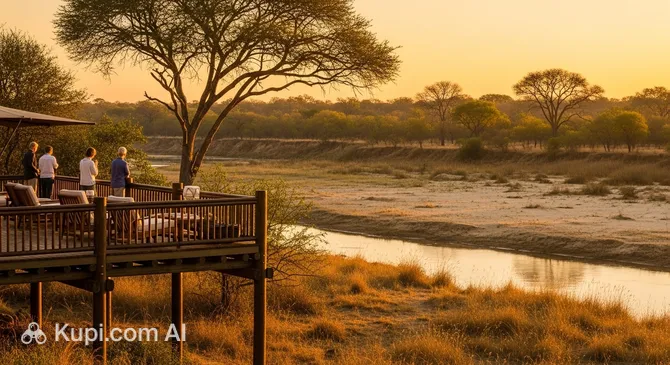
The social heart of the reserve after dark can typically be found at Varty Camp. As the original camp, it possesses a historic charm and a slightly more bustling atmosphere compared to the smaller lodges. The campfire deck here serves as the primary "bar," where guests gather to recount the day's sightings over gin and tonics or fine South Africa wines. Another key venue is the elegant lounge at Tree Camp, which offers a more romantic and secluded setting, perfect for a quiet drink while listening to the hippos in the river below. These venues do not have strict opening hours in the commercial sense; they operate according to the rhythm of the guests, typically winding down after dinner to ensure an early start for the next morning's safari.
One of the most quintessential evening experiences is the traditional Boma Dinner. While not a club, the Boma acts as the main nightlife venue where the energy is high and the atmosphere is festive. Enclosed by a fence of branches and lit by lanterns and a central fire, this open-air "restaurant" is where guests and rangers socialize, often accompanied by local Shangaan singing and dancing. It provides a spirited cultural connection that replaces the need for a theater or concert hall, offering authentic entertainment under the stars.
For those seeking adventure beyond the lodge walls, the "nightlife" extends into the bush itself. The evening game drive, which transitions into a night safari with spotlights, is the local equivalent of a night out. This is when the nocturnal creatures emerge—civets, genets, and the famous leopards on the hunt. Practical advice for these excursions includes bringing a warm layer, as temperatures drop significantly after sunset, and remaining quiet to avoid startling the animals. There are no tickets or entry fees; these activities are part of the all-inclusive experience.
Safety and transport in Londolozi operate on a strict set of rules different from any city. There are no taxis, ride-hailing apps, or public streets to wander. Walking between camps or back to your suite at night is strictly prohibited without an escort. Wild animals, including elephants and lions, frequently move through the unfenced camp grounds after dark. Guests must always call for a security guard or a ranger to walk them to their rooms. This service is available 24/7 and ensures that your walk home is safe from the region's top predators.
Regarding daytime entertainment, travelers should not expect to find shopping malls, amusement parks, or conventional museums. The "theater" here is the wilderness itself, playing out unscripted dramas of predator and prey. However, for a touch of culture and history, the Londolozi Village Walk offers a museum-like insight into the heritage of the land and the local community. Instead of rollercoasters, the thrill comes from guided bush walks, while relaxation can be found at the lodge pools or the Healing House, which serve as the daytime sanctuaries for leisure and wellness.