Support

Mala Mala

About

Mala Mala is a legendary name in the world of African safaris, synonymous with exclusive wildlife experiences and pristine nature. Located in the Mpumalanga province of South Africa, this destination is renowned globally as one of the finest places to view the Big Five in their natural habitat. Unlike a bustling metropolis, Mala Mala offers the serenity of the bushveld, where the rhythm of life is dictated by the rising and setting of the sun.

Geographically, it is situated between the Sabi Sand Game Reserve and the vast Kruger National Park. The area benefits from a massive unfenced border, allowing animals to migrate freely across the landscape. The climate is typical of the Lowveld, featuring hot, lush summers and cool, dry winters, which provide excellent visibility for game viewing. The lifeblood of the reserve is the majestic Sand River, which winds through the territory and attracts a diverse array of animals year-round.
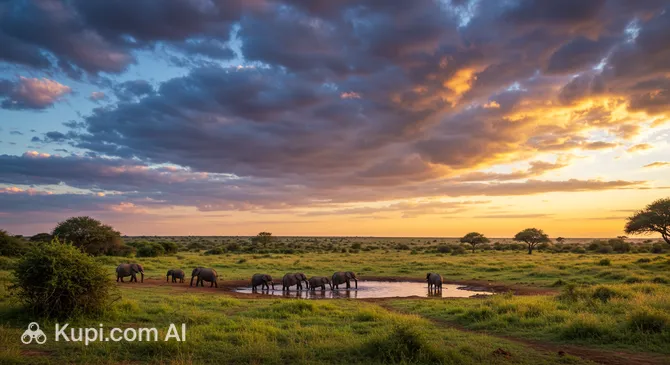
Mala Mala. Source: Kupi.Binoculars

As one of the largest and oldest private game reserves in the region, the history of Mala Mala is deeply rooted in conservation. It played a pioneering role in the transition from hunting to photographic safaris, setting a standard for eco-tourism that focuses on preserving the environment. This dedication has ensured that the land remains unspoiled, offering visitors a glimpse into an Africa that has remained largely unchanged for centuries.

The primary attraction here is undoubtedly the wildlife. Mala Mala is particularly famous for the quality of its leopard viewing, often cited as some of the best in the world. Visitors can embark on thrilling game drives led by highly skilled rangers who share their expert knowledge of the bush. Beyond the predators, the reserve is home to a staggering variety of bird species and other mammals, making every excursion a unique adventure.

Whether you are a seasoned traveler or embarking on your very first safari, Mala Mala promises an unforgettable journey into the wild. We invite you to experience the magic of the African bush, where luxury meets the raw beauty of nature, creating memories that will last a lifetime.

Weather Overview

Mala Mala experiences a subtropical climate typical of the Mpumalanga Lowveld, characterized by distinct wet and dry seasons. For travelers planning their safari, understanding the weather in Mala Mala is key to packing the right gear. Generally, you can expect warm to hot summers with frequent afternoon thundershowers and mild, dry winters that offer superb conditions for game viewing.

During the summer months, specifically from November to February, temperatures are at their peak. Average highs frequently reach 30.6°C, while nights remain warm with minimums near 20°C. This is the lush "green season," with January and December seeing the highest frequency of rainfall, averaging about 12 to 13 wet days per month. The bush is thick and vibrant during this time, though the heat can be quite intense in the middle of the day.

In contrast, the winter season (June through August) brings cooler, drier air. Rainfall is virtually non-existent, with July often recording zero precipitation and only a single wet day on average. While daytime highs remain pleasant at roughly 25°C, early mornings and evenings can be crisp, with temperatures dropping to around 12°C. These dry conditions thin out the vegetation, making it easier to spot wildlife gathering around the remaining water sources.

Interesting Facts

Beyond the main attractions, Mala Mala holds many fascinating secrets that enrich its legacy as a premier safari destination. From its linguistic roots to its pioneering role in conservation, these details reveal the depth of this remarkable reserve.

  • The name "Mala Mala" is not just a catchy title; it is derived from the Xitsonga word for the Sable Antelope (Hippotragus niger). These majestic animals were historically abundant in the area, inspiring the local community to name the land after them.

  • Mala Mala was a true trailblazer in the safari industry. It was the first private game reserve in South Africa to transition from hunting to purely photographic safaris in the 1960s. This visionary move shifted the focus to conservation and set the blueprint for the modern eco-tourism model used across the continent today.

  • In a historic landmark for South African land restitution, the reserve is now owned by the N'wandlamhari Community. While it continues to operate as a world-class luxury destination, this unique partnership ensures that the benefits of tourism directly support the local people who have ancestral ties to the land.

  • The reserve boasts approximately 20 kilometers of frontage along the Sand River, which is considered the lifeblood of the region. Uniquely, Mala Mala owns the land on both banks of the river for much of this stretch, ensuring that animals can cross freely and that guests enjoy exclusive sightings without seeing vehicles from other lodges on the opposite bank.

How to Get There

Reaching the secluded wilderness of the game reserve is part of the adventure, offering a transition from the busy world to the tranquility of the bush. Visitors have several options to choose from, ranging from direct scheduled flights to scenic road transfers through Mpumalanga. For a comprehensive guide on all available transport methods and logistics, you can read more about how to get to Mala Mala.

For those seeking the utmost convenience, the reserve has its own airstrip, Mala Mala (IATA: AAM). Located just 2.0 km from the main camp, this option allows you to land directly in the heart of the reserve. The transfer from the airstrip is incredibly short, often doubling as your first game drive. Alternatively, many travelers choose to fly into Skukuza Airport (IATA: SZK), situated in the nearby town of Skukuza, about 18.7 km away. A transfer from here involves a scenic drive through the surrounding bushveld.

If you are arriving from further afield or connecting via major commercial routes, the Kruger Mpumalanga International Airport (IATA: MQP) is the primary regional hub. It is located in the city of Mbombela, approximately 78.1 km from Mala Mala. The journey from the airport to the reserve involves a longer scenic drive. This airport handles a significant volume of passengers and serves as a key gateway for tourists visiting the Greater Kruger area.

For clarity, here is a summary of the main airports:

Airport Name City Passenger Traffic Km from City
Hoedspruit Airport Hoedspruit Medium 68.8
Kruger Mpumalanga International Airport Mbombela Medium 78.1
Skukuza Airport Skukuza Medium 18.7
Londolozi Airport Londolozi Small 4.1
Mala Mala Mala Mala Small 2.0

Currently, there are no major railway stations in the immediate vicinity of Mala Mala that offer convenient tourist connections. Most visitors rely on air travel followed by a lodge transfer, or they rent a car to drive from Johannesburg or Mbombela. The roads within the province are generally well-maintained, though the final stretch into the reserve may be on gravel tracks suitable for higher clearance vehicles.

Main Attractions

Although Mala Mala is defined by its vast wilderness rather than urban infrastructure, its "attractions" are the distinct camps and natural landmarks that define the guest experience. The reserve is designed to immerse visitors in nature, with each location offering a unique perspective on the surrounding bushveld. Here are the primary points of interest within this legendary reserve.

MalaMala Main Camp is the historic heart of the reserve and serves as the central hub for many visitors. Perched on the banks of the river, it combines an authentic safari atmosphere with understated luxury. The camp features expansive lawns and indigenous trees, making it a favorite for families and groups. Its viewing deck provides a front-row seat to the wildlife that frequently comes down to the water to drink, allowing guests to enjoy game viewing without even leaving the lodge.

For those seeking a more exclusive and colonial-style experience, Rattray’s on MalaMala offers a glimpse into a bygone era of African travel. This camp is renowned for its elegance and privacy, featuring standalone "khayas" (guest houses) with private verandas and heated plunge pools. It is an ideal choice for travelers who appreciate refined comfort and solitude, offering a sophisticated retreat after a day of adventure in the bush.

Sable Camp offers a more intimate setting, located at the southern end of the Main Camp. It is often preferred by smaller groups or couples looking for a quieter atmosphere. With its own dining area, lounge, and swimming pool, it functions almost as a reserve within a reserve. The elevated position of the camp provides stunning panoramic views of the sandbanks and the surrounding riverine vegetation, making it a prime spot for relaxation and observation.

The Sand River itself is arguably the most significant natural attraction in the area. Running north to south through the reserve, it acts as a magnet for the region's wildlife, especially during the dry winter months. The river's perennial flow ensures that herds of elephants, buffalo, and various antelope species are regular visitors. The dense vegetation along the riverbanks also makes it a hotspot for leopard sightings, cementing Mala Mala's reputation as one of the best places on earth to observe these elusive cats.

Local Cuisine

Dining in Mala Mala is an experience that goes far beyond simple sustenance; it is a celebration of South African heritage served in the heart of the bushveld. Since this is a private game reserve, the "local cuisine" is centered exclusively around the lodges, where chefs blend international culinary standards with authentic African flavors. Meals are often theatrical events, designed to complement the rhythm of the safari day, from pre-dawn coffee to starlit dinners.

At the core of the menu is the traditional South African Braai (barbecue). This is not just a cooking method but a cultural institution. Guests can expect to taste expertly grilled meats, including the famous boerewors, a spiced coriander-infused sausage that is a national staple. For those with an adventurous palate, game meat or venison is a highlight. You might find tender cuts of kudu, impala, or ostrich served as steaks or in rich stews, offering a lean and flavorful alternative to beef.

Another dish worth trying is Potjiekos, a slow-cooked stew prepared outdoors in a round, three-legged cast-iron pot. The ingredients—ranging from lamb and vegetables to oxtail—simmer for hours over an open fire, resulting in tender meat and a rich, aromatic sauce. These hearty meals are often accompanied by pap (a stiff maize porridge) and chakalaka, a spicy vegetable relish that adds a vibrant kick to any plate. For dessert, look out for Malva Pudding, a sweet, spongy apricot pudding usually served warm with custard or ice cream.

The beverage culture in Mala Mala is equally distinctive, with the "sundowner" stop being a cherished safari ritual. As the sun sets over the savannah, it is customary to enjoy a refreshing Gin and Tonic or a cold local beer. Dinner is the perfect time to explore South Africa's world-renowned wines, particularly a bold Pinotage or a crisp Chenin Blanc. To end the evening around the fire, a glass of Amarula, a cream liqueur made from the fruit of the Marula tree, is the quintessential nightcap.

The setting for these meals is as memorable as the food itself. While breakfast and lunch are often served on decks overlooking the Sand River, dinner is frequently held in the Boma. This traditional open-air enclosure, illuminated by lanterns and a roaring central fire, offers a communal dining atmosphere. Here, guests and rangers share stories of the day's sightings under the vast African sky, making every meal a warm and social occasion.

Travel Tips

Visiting Mala Mala is a bucket-list experience for many, but the wilderness operates by different rules than a typical city destination. To help you prepare for your safari adventure and ensure a smooth journey, we have compiled a list of essential practical tips.

  1. Clothing and Gear: Pack neutral-colored clothing in shades of beige, khaki, or green to blend into the bushveld; avoid bright neon colors or stark white, which can distract wildlife. Since early morning game drives can be surprisingly cold while middays are hot, dressing in layers is crucial. A warm fleece, a hat, and comfortable closed shoes are must-haves.
  2. Transportation: Within the reserve, there is no public transport, metro, or taxi service. Guests explore the area exclusively in open 4x4 game-viewing vehicles driven by professional rangers. Arrival is typically via a scheduled flight to the private airstrip or a pre-arranged road transfer from a regional airport.
  3. Finances: The currency used in South Africa is the Rand (ZAR). While your accommodation and meals are likely pre-paid, it is customary to tip your ranger, tracker, and general camp staff in cash at the end of your stay. Credit cards are accepted at the lodge boutiques, but there are no ATMs in the bush, so bring sufficient cash for gratuities.
  4. Health and Safety: Mala Mala is located in a malaria area, so it is highly recommended to consult a doctor about prophylaxis before your trip. In terms of safety, the camps are often unfenced to allow animals free movement; never walk alone at night and always request a security escort when returning to your room after dinner.
  5. Communication: English is the primary language spoken by all staff and rangers, ensuring no language barrier for most international travelers. Wi-Fi is generally available in the main lodge areas, but cellular signal can be weak or non-existent in the deep bush. Consider this an opportunity to disconnect and immerse yourself in nature.
  6. Local Etiquette: Silence is golden on game drives. When near animals, speak in a whisper to avoid disturbing them or ruining the sighting for others. It is also polite to greet staff and fellow guests warmly, as the safari experience is communal and social.
  7. What to Avoid: Never stand up in the game drive vehicle unless your ranger explicitly gives you permission. Standing breaks the silhouette of the vehicle, which can startle animals or provoke a defensive reaction. Additionally, avoid wearing strong perfumes, as they can attract insects.
  8. Photography and Optics: Bring more memory cards and batteries than you think you will need, as the photo opportunities are endless. Also, do not rely solely on your camera zoom; bringing your own pair of high-quality binoculars will significantly enhance your ability to spot leopards and birds in the dense vegetation.

By keeping these practical points in mind, you can focus entirely on the breathtaking wildlife and the luxury of the African bush. We hope these tips help you have a safe, comfortable, and truly spectacular journey in this pristine wilderness.

Entertainment & Nightlife

Entertainment and nightlife in Mala Mala defy the traditional definition found in urban centers. Instead of crowded clubs, neon-lit streets, and thumping bass, the evening atmosphere here is defined by the sounds of the African bush and the elegance of colonial-style luxury. The "nightlife" begins the moment the sun dips below the horizon, transitioning from the thrill of the day’s safari to an intimate, social experience shared under a canopy of stars.

The evening typically kicks off with the celebrated tradition of "sundowners." While not a bar in the conventional sense, this is the premier social event of the day. Guests stop in the middle of the bush during their evening game drive to enjoy cocktails and snacks as the sky turns fiery orange. Following this, the Night Game Drive takes center stage. Equipped with powerful spotlights, rangers track nocturnal creatures like lions, leopards, and hyenas, offering a thrilling form of entertainment that no city nightclub can match.

Upon returning to the lodges, the focus shifts to dining and socializing. The heartbeat of the evening is often the Boma. This traditional open-air enclosure, found at the MalaMala Main Camp, is where guests gather around a roaring log fire. The atmosphere is warm and communal, with tables set under the open sky. Here, travelers trade stories of their wildlife sightings over a buffet of venison and local South African dishes, accompanied by fine wines. It is a dress-casual affair where the dress code is "safari chic"—comfortable yet neat.

For a more refined and quiet evening, the bar and lounge areas at Rattray’s on MalaMala offer a sophisticated retreat. In contrast to the rustic energy of the Boma, this venue provides a library-like setting where you can enjoy a rare whiskey or a glass of port in deep leather armchairs. It is the perfect spot for those seeking solitude or a quiet conversation after an adrenaline-filled day. The crowd here is exclusive, consisting of fellow luxury travelers, and the service is impeccable.

Practical advice for enjoying the evenings here revolves around the unique environment. Since there are no taxis, public transport, or walkable "districts" outside the camps, your movement is limited to the lodge grounds. Safety is paramount; the camps are unfenced, meaning wildlife can and does wander through. You must never walk between buildings alone at night. Instead, a security guard or ranger will escort you from the dining area to your room to ensure your safety from grazing hippos or prowling predators.

While the nights are magical, daytime entertainment in Mala Mala is equally captivating, though entirely focused on nature. Between the morning and evening game drives, guests can enjoy the stillness of the bush. Photography enthusiasts can review their shots or attend workshops, while others might visit the small curio shop—the reserve's version of a "shopping district"—to buy local crafts and jewelry. For relaxation, the camps feature swimming pools and fitness facilities, allowing you to unwind while watching elephants drink from the river below.

Parks & Museums

As a dedicated private game reserve, Mala Mala does not follow the traditional urban layout of city parks and municipal museums. Instead, the entire area functions as a vast, protected wilderness where the "parks" are sprawling ecosystems and the "museums" are the living history of the land and its people. For visitors, the experience is less about visiting enclosed institutions and more about immersing themselves in one of Africa's most pristine natural environments.

Mala Mala Game Reserve itself is the primary natural attraction. Unlike a city park with designated paths and benches, this is a raw, unfenced wilderness sharing a border with Kruger National Park. It is renowned for its diverse habitats, ranging from open savannahs to dense riverine forests. The lack of fences allows wildlife to migrate freely, offering guests an authentic glimpse into an ecosystem that has remained largely unchanged for centuries. It is a sanctuary where nature dictates the rules, and the "green space" extends as far as the eye can see.

The Sand River serves as the lifeblood of the reserve and can be considered its most significant natural feature. This perennial river winds through the landscape, creating a lush green belt that stands in stark contrast to the surrounding bushveld, especially during the dry winter months. It acts as a magnet for wildlife, drawing herds of elephants, buffalo, and the elusive leopard to its banks. For tourists, the river offers a scenic backdrop for game drives and a prime location for observing the daily drama of survival in the wild.

While there are no conventional museums within the private reserve's boundaries, the Stevenson-Hamilton Knowledge Centre in nearby Skukuza offers a fascinating cultural detour for those transiting through the airport. Located approximately 19 kilometers away in the Kruger National Park, this facility houses a library and a museum dedicated to the history of the park and its first warden, James Stevenson-Hamilton. It provides valuable context regarding the conservation efforts that saved this region from hunting and development in the early 20th century.

For art and history enthusiasts, the camps themselves serve as galleries of a sort. Rattray’s on MalaMala is architecturally significant, designed to reflect the colonial era of the early 1900s. The main building features a collection of rare African books and magnificent bronze wildlife sculptures that celebrate the region's fauna. The walls are adorned with historic photographs and artworks that chronicle the Rattray family's stewardship of the land, offering a visual narrative of the transition from hunting ground to photographic safari destination.

A true "living museum" experience can be found in the cultural heritage of the Shangaan people, many of whom work as rangers and trackers on the reserve. Their deep knowledge of the bush is passed down through generations. Spending time with a local tracker offers an oral history lesson on medicinal plants, traditional beliefs, and the spiritual significance of the animals, providing a cultural richness that rivals any curated exhibition.

For a unique insider tip, take a moment to appreciate the night sky. Far from the light pollution of major cities, the reserve becomes a celestial gallery after dark. Ask your ranger to point out the Southern Cross and the Milky Way during a night drive; the clarity of the stars here is a natural wonder that offers a humbling perspective on the universe.

Getting Around

It is important for visitors to understand that Mala Mala is not a city with a municipal infrastructure, but rather a vast, private wilderness reserve. Consequently, there is absolutely no public transport system in the conventional sense. You will not find metros, buses, trams, or trolleybuses here, nor are there public stops or schedules. The entire concept of mobility within the reserve is orchestrated by the lodges to ensure guest safety and preserving the pristine nature of the environment.

The primary mode of "transport" for all guests is the specially adapted 4x4 safari vehicle. These open-topped Land Rovers or Land Cruisers are designed to navigate the rugged terrain of the bushveld while providing optimal visibility for game viewing. Unlike public transit, these vehicles are not hailed; they are assigned to you upon arrival. You will typically be grouped with a ranger and a tracker who will act as your drivers and guides throughout your stay, transporting you between the lodge and the wildlife sightings.

Regarding payments and tickets, the system is entirely different from an urban setting. There are no travel passes, "tap-on" cards, or mobile apps required to get around. The cost of your game drives and internal transfers is generally included in your all-inclusive accommodation rate. If you arrange a specific private transfer—for example, from the airstrip to the lodge—this is usually booked in advance and billed directly to your room account, eliminating the need for cash transactions or tickets during your journey.

Tourists should be aware that ride-hailing apps and standard taxi services do not operate within the reserve. You cannot open an app like Uber or Bolt to request a ride from your chalet to the dining area or to a neighboring reserve. Distances between camps can be significant, and the roads are unpaved tracks through territory inhabited by dangerous wildlife. Therefore, all movement must be coordinated through the lodge reception or your ranger.

For those wondering about walking as an alternative, strict safety protocols apply. Unlike a city where you can stroll freely, walking outside the immediate perimeter of the camp is prohibited unless you are on a guided walking safari accompanied by an armed ranger. This is not a mode of transport for getting from point A to point B, but rather an educational activity designed to let you experience the smaller details of the bush on foot.

If you have rented a car to reach the reserve, you will park it at the main lodge upon arrival. Private vehicles are generally not permitted on game drives to maintain the exclusivity of the experience and to minimize environmental impact. Your car will remain parked for the duration of your stay, as you switch to the lodge's professional vehicles for all your exploration needs.

Accommodation

Accommodation in Mala Mala is fundamentally different from staying in a typical city or town. As a private game reserve, it does not offer the usual mix of hostels, apartments, or budget hotels. Instead, the options are exclusively limited to high-end, luxury safari camps located within the reserve's boundaries. These lodges are designed to provide an all-encompassing experience where accommodation, meals, and game viewing activities are packaged together, ensuring a seamless immersion in the African bush.

The "neighborhoods" here are defined by their location along the Sand River, which serves as the focal point for all the camps. Staying along the riverbank offers the distinct advantage of viewing wildlife directly from your deck or the camp's common areas. The animals, including elephants and buffalo, frequently come down to the water to drink, meaning the safari experience continues even when you are relaxing at your lodge.

There are three main camps within the reserve, each catering to a slightly different style of traveler while maintaining a consistent standard of luxury:

  • MalaMala Main Camp: This is the original and largest camp, known for its warm, family-friendly atmosphere. It features spacious ochre-colored buildings with thatched roofs and expansive lawns, making it an ideal choice for families or groups.
  • Sable Camp: Situated at the southern end of the Main Camp, this is a more intimate option often preferred by couples or those seeking privacy. It operates somewhat independently with its own dining and lounge facilities, offering a quieter, more exclusive feel.
  • Rattray’s on MalaMala: This represents the pinnacle of luxury within the reserve. It offers a classic, colonial-style experience with large, standalone "khayas" (suites). It is generally suited for adults looking for refined elegance, history, and solitude.

Booking Tip: Because there are limited rooms available across these three camps and the reserve is a world-renowned destination, availability can be scarce. It is highly recommended to book your stay 12 to 18 months in advance, especially if you plan to visit during the peak dry season (June to September) or over major holidays.

Regarding the price range, visitors should expect to pay premium rates. Mala Mala is a luxury destination, and the costs reflect the exclusivity of the private reserve, the quality of the guiding, and the all-inclusive nature of the stay (typically covering accommodation, all meals, snacks, and two game drives daily). Booking is usually done directly through the reserve's reservations team or via specialized African safari travel agents who can handle the logistics of transfers and flights.

Nearby Cities

For those looking to explore the surroundings, Mala Mala serves as an excellent base for day trips to several interesting nearby locations:

Mbombela (formerly Nelspruit) is the closest major city and the vibrant capital of the Mpumalanga province. Situated in the fertile Crocodile River valley, it serves as a gateway to the region's tourist routes. Visitors here can explore the Lowveld National Botanical Garden, which features a rare collection of plant species and the spectacular Cascades Waterfall. It is also a convenient spot for shopping and accessing medical facilities or other urban amenities before returning to the bush.

Further afield lies Polokwane, the capital of the Limpopo province. While it requires a longer journey, it offers a deep dive into the history and culture of the north. The city is known for its wide streets lined with coral trees and attractions like the Polokwane Game Reserve and the Hugh Exton Photographic Museum. It provides a contrasting experience to the Lowveld, showcasing a different aspect of South Africa's diverse heritage.

Middelburg is another notable town in the region, often serving as a stopover for travelers driving from Johannesburg. It is historically significant and is located near the Botshabelo Historical Village, which preserves the culture of the Ndebele people. The town is also known for its large dam, which is a popular spot for fishing and water sports, offering a relaxing break during a road trip.

City Population Distance (km)
Mbombela 221181 94
Polokwane 220045 235
Middelburg 154706 235
Emalahleni 108673 263
Bethal 101919 277

These nearby destinations offer a glimpse into the diverse culture and landscapes of the region, allowing travelers to experience more of South Africa beyond the game reserve.

Shopping & Souvenirs

Shopping in Mala Mala is a distinct experience that differs significantly from the retail therapy found in bustling cities. As a private game reserve focused on wilderness preservation and luxury safaris, there are no shopping malls, high streets, or sprawling markets within its boundaries. Instead, the shopping experience is intimate and exclusive, centered entirely around the high-end boutiques located within the lodges. These shops are designed to cater to the specific needs of safari-goers and offer a curated selection of quality goods rather than mass-market products.

Since there are no commercial districts or public roads lined with stores, the main shopping "area" is simply the boutique or curio shop found at your specific camp, such as the MalaMala Main Camp or Rattray’s on MalaMala. These facilities are conveniently located near the reception or lounge areas. They serve as the sole retail outlets for guests, providing a relaxed environment where you can browse between game drives without ever leaving the comfort of the lodge grounds.

Travelers expecting large shopping malls will not find them here. The reserve is dedicated to nature, and the construction of large commercial complexes is contrary to its conservation ethos. For those who wish to visit a modern mall, the nearest options are located in the city of South Africa's Mpumalanga province, Mbombela (Nelspruit), which is about a two-hour drive away. Malls like Riverside Mall or I'llanga Mall offer extensive retail chains, but they are typically only visited by tourists who are in transit to or from the airport.

Similarly, there are no traditional markets within the reserve. You will not find flea markets or food stalls amidst the bushveld. However, the spirit of local craftsmanship is very much alive. The lodge boutiques often source their inventory from local community projects and artisans. By purchasing items here, guests can indirectly support the local Shangaan communities, ensuring that the benefits of tourism extend beyond the reserve's fences.

When it comes to souvenirs, the selection is tasteful and relevant to the safari experience. The most popular items include high-quality safari clothing in neutral tones, perfect for wearing on game drives. Visitors also frequently buy beautifully illustrated coffee table books about African wildlife, many of which feature photography taken within the reserve itself. For authentic keepsakes, look for intricate beadwork, wooden carvings, and locally made jewelry. These items serve as elegant reminders of your time in the African bush.

Opening hours for the lodge boutiques are generally designed to fit the safari schedule. Shops typically open after the morning game drive and breakfast, remain open throughout the midday siesta period, and close briefly before the evening drive departs. Payment methods are convenient for international travelers; major credit cards like Visa and Mastercard are widely accepted. Prices are usually listed in South African Rand (ZAR), though some high-end items may be priced in US Dollars. It is advisable to keep receipts for any significant purchases.

Regarding Tax-Free shopping, the Value Added Tax (VAT) in South Africa is currently set at 15%. Foreign tourists can claim a VAT refund on goods purchased for export, provided the total value exceeds a certain threshold. While the lodge itself does not process these refunds, you should request a tax invoice for any expensive items (like jewelry or art). You can then present these goods and invoices at the VAT Refund Administrator's desk at the international airport (such as O.R. Tambo in Johannesburg) upon your final departure from the country.

Reached the end of the page?

That means the route is fully explored