Support

Santa Carolina

About

Santa Carolina, widely known as "Paradise Island," is a breathtaking gem located within the protected waters of the Bazaruto Archipelago. This tiny, rock-based island offers a unique atmosphere of seclusion and natural splendor, distinguishing it from the larger sandy islands nearby. It is a destination where time seems to stand still, inviting travelers to immerse themselves in the pristine beauty of the Indian Ocean.

Geographically, the island is situated off the coast of the Inhambane Province in Mozambique. Because it sits on a solid rock foundation, it features deep channels very close to the shore, making it an exceptional spot for accessing rich marine ecosystems without needing to travel far by boat. The climate is tropical and generally warm, providing perfect conditions for beach activities throughout the year.
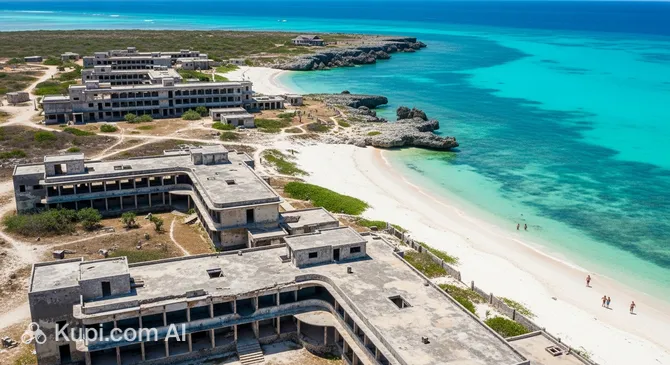
Santa Carolina. Source: Kupi.Binoculars

Beyond its natural allure, the island possesses a fascinating past. It was once a glamorous holiday spot for the international jet set in the mid-20th century. Visitors intrigued by the abandoned colonial-era hotel that still stands on the island can delve deeper into the history of Santa Carolina to understand its transformation from a bustling resort to a tranquil, uninhabited sanctuary.

The primary attraction for modern tourists is the incredible snorkeling. The coral reefs surrounding Santa Carolina are vibrant and teeming with colorful fish, offering some of the best underwater experiences in the region. Additionally, the island's deserted beaches and crystal-clear turquoise waters provide an idyllic setting for picnics and relaxation.

Whether you are a diving enthusiast or simply looking for a peaceful escape, Santa Carolina promises an unforgettable experience. A day trip to this "Paradise Island" is a must for anyone exploring the wondrous coastline of Southern Africa.

Weather Overview

Santa Carolina enjoys a warm, tropical climate that makes it an inviting destination throughout the year. The island experiences distinct seasonal variations, though temperatures remain generally comfortable for beachgoers and divers alike.

The warmest months occur between November and March, where the average temperature hovers around 26°C to 27°C. January and February are typically the hottest, with daily highs reaching up to 29.2°C. Travelers should note that this period also coincides with the wet season; January, for instance, sees about 17 wet days, although the actual rainfall volume is often light. For a more detailed breakdown of conditions during your travel dates, you can consult the guide to the weather in Santa Carolina.

Conversely, the cooler season runs from June to August. During this time, the average temperature dips to approximately 21°C to 22°C, with July being the coolest month at an average of 21.3°C. This period is significantly drier, with August and September seeing as few as 3 wet days per month. Overall, you can expect warm, humid summers with frequent wet days and milder, drier winters that are excellent for exploring the outdoors.

Interesting Facts

Beyond the main attractions, Santa Carolina holds many fascinating secrets that reveal its unique place in the region's history and culture. While its natural beauty is evident, the island's past offers intriguing stories that few visitors are aware of.

  • Reality TV Fame: The island served as the dramatic backdrop for the third season of Survivor South Africa in 2010. The contestants lived among the ruins of the old hotel, using the abandoned structures for shelter, which brought the island's haunting beauty to television screens across the continent.

  • A Relic of Aviation: Despite its diminutive size, Santa Carolina features a disused grass airstrip that cuts across the land. This runway is a remnant of the island's golden age in the mid-20th century, when it allowed light aircraft to ferry elite guests directly from the mainland to the luxury resort.

  • The Smallest Sibling: Santa Carolina is the smallest of the five principal islands that make up the Bazaruto Archipelago National Park in Mozambique. While its larger neighbors are known for their shifting sand dunes, this island is unique for its permanence and rock-based geology.

How to Get There

Reaching this secluded paradise requires a bit of planning, as the island is located offshore in the Bazaruto Archipelago. For a comprehensive guide on travel logistics, including boat transfers and charters, you can read more about how to get to Santa Carolina.

Santa Carolina does not have its own airport, so most visitors arrive via the mainland. The most convenient gateway is Vilanculos Airport (VNX), located in the coastal town of Vilanculos. This international airport serves as the main hub for the archipelago. Once you land, it is a short transfer of approximately 15 minutes by car to the harbor, where you can catch a boat or helicopter transfer to the island.

Alternatively, travelers can fly into other regional airports, though these options require a subsequent overland journey to the boat launch point in Vilanculos. Inhambane Airport (INH) is one such option; while the straight-line distance is greater, the road trip north to Vilanculos is manageable and is the closer overland alternative. On the other hand, Beira Airport (BEW) offers connections through a larger city, but the drive south to Vilanculos is significantly longer and more time-consuming than the route from Inhambane.

For clarity, here is a summary of the main airports and their direct distance to the island:

Airport Name City Passenger Traffic Km from Island
Beira Airport Beira Large 206.5
Vilanculos Airport Vilanculos Medium 44.6
Inhambane Airport Inhambane Small 250.5

Main Attractions

While Santa Carolina is the smallest island in the archipelago, it packs a surprising punch when it comes to points of interest. Unlike its sandy neighbors, this rock-based island offers a blend of eerie historical intrigue and vibrant natural wonders. From exploring abandoned ruins to swimming in aquarium-like waters, here are the top attractions to experience on "Paradise Island."

The Ruins of Hotel Santa Carolina

Undoubtedly the most famous landmark on the island is the shell of the former Hotel Santa Carolina. Once a luxurious haven for the rich and famous in the mid-20th century, the hotel was abandoned decades ago and has since been reclaimed by nature. Visitors can walk through the dilapidated halls, admire the fading Portuguese colonial architecture, and climb to the roof for panoramic views. The ruins provide a hauntingly beautiful atmosphere that is perfect for photography and offers a tangible connection to the island's glamorous past.

The Coral Gardens

One of the distinct advantages of Santa Carolina is its geology; sitting on a rock base allows coral reefs to grow just a few meters from the shore. This makes the island one of the best locations in Mozambique for snorkeling without the need for a boat. Tourists can simply don a mask and wade into the water to find themselves surrounded by thriving coral gardens. The underwater visibility is often exceptional, revealing a kaleidoscope of tropical fish, starfish, and colorful anemones right at your fingertips.

The Sand Spits and Beaches

The island is rimmed by three main beaches, each offering a sense of complete seclusion. At low tide, magnificent sand spits emerge, stretching out into the turquoise ocean and creating natural walkways surrounded by water. These shifting sands are ideal for beachcombing, sunbathing, or enjoying a private picnic. The calm, warm waters protected by the archipelago make swimming here safe and relaxing, attracting travelers looking for a tranquil escape from the world.

Bazaruto Archipelago National Park Marine Life

As part of a protected marine reserve, the waters immediately surrounding Santa Carolina are a sanctuary for rare marine species. While the island itself is the base, the surrounding ocean is the attraction. Lucky visitors may spot the endangered dugong, which grazes on the sea grass in the area, as well as several species of sea turtles and playful dolphins. Boat trips to and from the island often turn into impromptu safaris, offering close encounters with this rich biodiversity.

Local Cuisine

Because Santa Carolina is currently uninhabited and serves primarily as a day-trip destination, there are no permanent restaurants or cafes on the island itself. However, this seclusion offers a unique culinary experience: the famous island beach picnic. Tour operators and boat charters typically organize open-fire barbecues right on the sands, serving the freshest catch from the surrounding Indian Ocean. This style of dining allows visitors to taste authentic flavors while surrounded by the pristine nature of the Bazaruto Archipelago.

The star of any meal in this region is undoubtedly seafood. Grilled crayfish and giant prawns are local delicacies, often marinated in garlic, lemon, and the country's signature Peri-Peri sauce—a fiery blend of crushed chilies, oil, and spices that defines Mozambican cuisine. Another dish you might encounter, either on a boat tour or back on the mainland in Vilanculos, is Matapa. This rich, creamy stew is made from cassava leaves cooked with ground peanuts and coconut milk, often flavored with crab or shrimp, offering a comforting taste of local tradition.

When it comes to beverages, the tropical climate calls for refreshing options. Fresh coconut water is a staple, often enjoyed directly from the shell. For those seeking something stronger, the quintessential drink of the region is the R&R (Rum and Raspberry), made with the local Tipo Tinto rum and raspberry soda. Beer lovers should try 2M (pronounced "dosh-em"), a popular local lager that pairs perfectly with spicy seafood and sunny beach days.

The food culture here revolves around simplicity and freshness. While you won't find street food stalls on Santa Carolina's rocky shores, the "restaurant" is effectively the beach itself. The experience of eating grilled fish with your toes in the sand, just moments after snorkeling in the coral gardens, is considered by many to be the ultimate gastronomic highlight of a trip to the island. For a more conventional dining scene with menus and table service, travelers return to the gateway town of Vilanculos, where the culinary heritage of Mozambique is fully on display.

Travel Tips

Visiting Santa Carolina, often called "Paradise Island," offers a unique castaway experience that requires a bit more preparation than a typical city trip. To help you make the most of your adventure to this secluded gem in the Bazaruto Archipelago, here are some essential practical tips to keep in mind.

  1. Clothing and Gear: Since you will likely be spending the entire day outdoors, lightweight, breathable clothing and high-SPF sun protection (hats, sunglasses, and reef-safe sunscreen) are non-negotiable. Crucially, bring reef shoes or sturdy sandals; the island has a rock base and jagged coral surrounding it, making barefoot walking potentially painful. If you plan to explore the abandoned hotel ruins, closed-toe shoes are recommended for safety.

  2. Transportation: As an uninhabited island, there is no public transport, cars, or roads on Santa Carolina. Access is exclusively via boat charters or dhow safaris from Vilanculos. Once on the island, your only mode of transport is walking. Ensure you book your return transfer in advance, as you cannot simply hail a ride back to the mainland.

  3. Finances: There are absolutely no banks, ATMs, or card machines on the island. You must withdraw sufficient cash (Mozambican Metical - MZN) in Vilanculos before you depart. While you won't need money for shops (there are none), it is customary and highly appreciated to have small bills to tip your boat skipper and guide at the end of the trip.

  4. Health and Safety: Bring a personal medical kit containing motion sickness pills for the boat ride, antiseptics for small cuts, and any personal medication. There are no pharmacies or doctors on the island. Additionally, while the sea breeze is refreshing, the sun is intense; stay hydrated and seek shade during midday. As part of Mozambique, malaria precautions are generally advised, so bring insect repellent.

  5. Communication: The official language is Portuguese, though tourism staff usually speak excellent English. Mobile network coverage can be spotty on the island depending on your provider (Vodacom or Movitel are popular). It is wise to download offline maps or translation apps before leaving the mainland, just in case the signal drops while you are exploring.

  6. Local Etiquette: Santa Carolina is part of a protected marine conservation area. The rule of thumb is "take only photos, leave only footprints." Do not touch or stand on the coral reefs while snorkeling, as this damages the delicate ecosystem. A friendly "Bom dia" (Good morning) to your boat crew goes a long way in showing respect.

  7. What to Avoid: Do not venture deep into unstable sections of the abandoned Hotel Santa Carolina. While the ruins are a major attraction, the structures are decaying and can be dangerous; stick to the safe, open areas and avoid climbing on fragile walls or roofs.

  8. Additional Tip: Pack all the supplies you might need for the day, including plenty of drinking water and snacks, unless your tour operator explicitly states they are provided. Since there are no shops or vendors on the island, being self-sufficient is the key to a comfortable and stress-free visit.

By packing the right gear and respecting the island's remote nature, you are guaranteed a magical day exploring one of Mozambique's most beautiful locations. Enjoy the pristine waters and the haunting beauty of Santa Carolina with peace of mind!

Entertainment & Nightlife

Because Santa Carolina is an uninhabited island within a marine national park, there is absolutely no nightlife, electricity grid, or entertainment infrastructure on the island itself. Visitors typically arrive for day trips and must depart by boat before sunset. The "nightlife" here is limited to the sound of crashing waves and the canopy of stars, accessible only if you have arranged a special camping permit or dhow safari that includes an overnight stop, which is rare.

For travelers seeking evening entertainment, the experience is entirely centered in the gateway town of Vilanculos on the mainland, where most visitors to the archipelago are based. The nightlife scene in Vilanculos is vibrant yet laid-back, characterized by open-air beach bars, sandy dance floors, and a welcoming mix of locals and tourists. The atmosphere is far removed from formal dress codes or exclusive guest lists; here, the vibe is "barefoot chic," where shorts and flip-flops are the standard attire for a night out.

The heart of the action runs along the coastal road in Vilanculos. Evenings often begin with "sundowners"—sunset drinks enjoyed while watching dhows return from the islands. The local beverage of choice is the famous R&R (Rum and Raspberry), a potent mix of Tipo Tinto rum and raspberry soda, or a cold 2M beer. As the night progresses, the music tempo rises, shifting from relaxed reggae to energetic Afro-Luso rhythms and popular international hits.

While you won't find mega-clubs, there are several iconic spots where the social scene thrives. Casbah is a legendary venue located right on the beach, known for its fresh seafood during the day and its lively atmosphere at night, often serving as a meeting point for divers and travelers. Another popular hub is Baobab Beach, a backpacker-friendly lodge with a bustling bar that frequently hosts parties and local cultural performances. For a more relaxed evening, the bar at Zombie Cucumber offers a chilled setting with a pool table and great pizzas, attracting a steady crowd of expatriates and visitors.

Regarding safety and logistics, Vilanculos is generally safe, but standard precautions apply. It is advisable not to walk alone on the beaches late at night. The best way to get around between venues or back to your accommodation is by using local tuk-tuks (motorized rickshaws). They are affordable and readily available, but it is wise to agree on the fare before hopping in. Most lodges can also call a trusted taxi driver for you.

In terms of daytime entertainment, Santa Carolina offers a distinct departure from urban amusements. There are no movie theaters, shopping malls, or amusement parks. Instead, the "entertainment" is purely immersive and natural: exploring the haunting ruins of the old hotel, snorkeling in the shallow coral gardens, or hiking the trails. For cultural enthusiasts, the mainland town of Vilanculos offers small markets and arts centers, but on the island itself, nature provides the only show in town.

Parks & Museums

As a small, uninhabited island within a protected marine reserve, Santa Carolina does not possess the manicured city parks or traditional enclosed museums found in urban centers. Instead, the entire island acts as a pristine natural playground and an open-air historical site. Visitors come here to immerse themselves in raw nature and to explore the remnants of a bygone era, making the island itself the primary exhibit and green space.

Bazaruto Archipelago National Park

Santa Carolina is an integral part of the Bazaruto Archipelago National Park, a conservation area dedicated to protecting the region's unique marine and coastal biodiversity. While not a park with benches and fountains, this protected status ensures that the surrounding waters and the island's coastline remain unspoiled. It serves as a sanctuary for diverse wildlife, including sea turtles, dolphins, and the elusive dugong. For nature lovers, the "park" experience here involves observing these creatures in their wild habitat rather than in captivity.

The Coral Gardens

The island's most vibrant "garden" lies beneath the waves. The shallow waters surrounding the rocky base of Santa Carolina are home to thriving coral reefs that function as a natural botanical garden of the sea. Unlike many other diving spots that require deep-sea travel, these coral gardens are accessible just a few steps from the beach. Snorkelers can drift over colorful hard and soft corals, observing a bustling ecosystem that rivals any terrestrial botanical collection in beauty and variety.

The Hotel Santa Carolina Ruins

In the absence of a formal museum, the abandoned Hotel Santa Carolina stands as the island's most significant cultural and historical monument. Once a glamorous resort in the 1950s known for hosting royalty and celebrities, the structure is now a captivating ruin. Walking through its grand arches, decaying ballrooms, and silent corridors offers a poignant glimpse into the colonial history of Mozambique. It is effectively a living museum where the architecture tells the story of the island's rise and fall as a luxury destination.

The Old Airstrip

Another landmark that serves as a testament to the island's history is the overgrown grass airstrip. While no longer in commercial use, this strip of land cuts across the island and offers a unique perspective on how accessible this remote paradise once was for the international jet set. Walking along the airstrip provides a different vantage point of the island's topography and adds another layer to the "open-air museum" experience, allowing visitors to visualize the light aircraft that used to ferry guests to the hotel.

For a truly authentic experience, explore the rock pools that form at low tide along the jagged coastline. These small, temporary ecosystems trap small fish, crabs, and shells, offering a fascinating close-up view of marine life without getting wet. It is a perfect activity for those who want to appreciate the island's natural details at a slower pace, away from the main swimming areas.

Getting Around

Because Santa Carolina is a small, uninhabited island within a protected marine park, it does not have a conventional public transport system. There are no buses, trams, metros, or taxis on the island. The "transport network" for visitors is entirely based on maritime logistics connecting the island to the mainland gateway of Vilanculos.

The primary mode of transport to and from the island is via boat charters. These range from modern speedboats, which offer a quick transfer of about 45 minutes to an hour, to traditional Mozambican dhows. The dhows are wooden sailing vessels that provide a slower, more scenic journey, often relying on wind power and tides. These boats essentially function as the island's "shuttle service," operating on schedules dictated by tour operators and ocean conditions.

Regarding payment, there is no ticketing system in the traditional sense, such as travel cards, apps, or turnstiles. Transport is almost exclusively arranged as part of a day-trip package through a lodge or a tour operator in Vilanculos. The price you pay upfront typically covers the return boat transfer, park entrance fees, and often lunch and snorkeling gear. It is important to carry cash (Metical or US Dollars) for tipping the skipper and crew, as there are no card machines or ticket booths on the island.

Once you arrive on Santa Carolina, the only way to navigate the island is on foot. There are no paved roads, cars, or bicycles available for rent. The island is small enough to be explored comfortably by walking. Visitors trek along the sandy beaches, scramble over rocky outcrops, or follow the overgrown path of the old airstrip to reach the abandoned hotel ruins. Walking is the sole method of "local transport."

For a more exclusive alternative, helicopter transfers are available from the mainland. This is a premium service that offers a spectacular aerial view of the archipelago's sandbanks and coral reefs before landing near the hotel ruins. This option is significantly faster than a boat but requires advance booking and a considerably higher budget.

Practical Advice for Tourists: Since there is no scheduled public transport, you cannot simply wait at a dock for the next boat. You must book your return transfer before you leave the mainland. Be aware that boat schedules are heavily dependent on the tides; at extremely low tides, boats may need to anchor further offshore, requiring you to wade through knee-deep water to board. Always confirm the departure time with your skipper to ensure you are not left stranded on the island after sunset.

Accommodation

Currently, there are no functioning accommodation options directly on Santa Carolina itself. The island is uninhabited, and the famous Hotel Santa Carolina, which once hosted travelers, is now a derelict ruin and a historical attraction rather than a place to stay. Consequently, the island serves exclusively as a day-trip destination, and visitors must arrange their lodging on the mainland or neighboring islands.

The primary base for tourists visiting Santa Carolina is the coastal town of Vilanculos. This gateway hub offers a diverse range of accommodation to suit every preference. Budget travelers and backpackers can find lively hostels and campsites situated right on the beach, fostering a social and relaxed atmosphere. For those seeking more comfort, there are numerous mid-range guesthouses and boutique hotels that provide excellent amenities, swimming pools, and convenient access to the boat operators that run daily excursions to the island.

For a more exclusive experience, travelers can choose to stay on the larger neighboring islands within the archipelago, such as Bazaruto or Benguerra. These islands are home to high-end luxury resorts and private villas that offer all-inclusive packages, world-class spas, and secluded beaches. Staying here provides a similar tropical island atmosphere, though organizing a transfer to Santa Carolina may require a private boat charter depending on the lodge's location.

Booking Tip: The region is particularly popular during the dry season from June to September and the December holiday period. During these peak times, the best lodges and guesthouses in Vilanculos can fill up months in advance. It is advisable to book your accommodation and your boat activities as early as possible to avoid disappointment.

Prices in the region vary significantly based on the type of experience you desire. Mainland accommodation in Vilanculos is generally more affordable, ranging from budget-friendly dorms to moderately priced sea-view rooms. In contrast, the private island resorts in the archipelago cater to the luxury market with premium pricing. Most properties can be booked via major online platforms or directly through their websites, which is often the best way to request assistance with airport transfers and island tours.

Nearby Cities

For those looking to explore the surroundings, the region around Santa Carolina offers access to several interesting nearby locations:

City Population Distance (km)
Beira 530,604 204
Chimoio 238,976 340
Maxixe 108,824 249
Inhambane 78,909 251
Dondo 78,648 230

Inhambane

Often referred to as "Terra de Boa Gente" (Land of Good People), Inhambane is one of the oldest settlements on the Mozambican coast. It is a city rich in history, featuring well-preserved colonial architecture and a relaxed, welcoming atmosphere. Visitors can explore the local market, visit the historic cathedral, and learn about the region's maritime heritage. Its proximity to excellent beaches and its cultural significance make it a compelling destination for a short visit.

Beira

As the second-largest city in the country, Beira is a major port city with a distinct character. Known for the Macuti Lighthouse and its modernist architecture, it serves as a vital commercial hub. While it is a longer journey from the archipelago, the city offers a glimpse into the urban coastal life of Mozambique and serves as a gateway to the central provinces.

Maxixe

Located directly across the bay from Inhambane, Maxixe acts as a busy economic crossroads. It is often experienced in tandem with its historic neighbor, connected by a scenic trip on traditional dhow taxis across the water. This bustling town provides a contrast to the laid-back island vibe, offering travelers a chance to see the daily rhythm of local trade and transport.

These nearby destinations offer a glimpse into the diverse culture and landscapes of the region.

Shopping & Souvenirs

General Overview

It is important for visitors to understand that Santa Carolina is an uninhabited island within a protected marine park, and as such, there are absolutely no shops, stores, or commercial facilities on the island itself. You will not find convenience stores, souvenir stands, or boutiques here. All shopping—whether for essential supplies like water and sunscreen or for keepsakes—must be done on the mainland, primarily in the gateway town of Vilanculos, before you board your boat transfer.

Main Shopping Areas

Since the island is devoid of commerce, the "shopping district" for travelers heading to Santa Carolina is the town center of Vilanculos. The main activity is concentrated along the primary paved road that runs through the town. Here, you can find a variety of small, independent shops selling beachwear, groceries, and basic travel necessities. This is the place to stock up on snacks and drinks for your day trip to the island.

Shopping Malls

There are no shopping malls on Santa Carolina, and even in the nearby town of Vilanculos, the retail experience is far removed from the modern mall concept. Do not expect large department stores or international brand franchises. The retail landscape is characterized by small, family-run businesses and roadside stalls rather than sprawling shopping complexes.

Markets

For a taste of local commerce, the Vilanculos Municipal Market (Mercado Municipal) on the mainland is the vibrant heart of the region's trade. This is where you should go before or after your island excursion. The market is a bustle of color and sound, offering everything from fresh tropical fruits (like mangoes and coconuts) to locally caught seafood. It is also a great place to interact with friendly locals and observe the daily rhythm of life in Mozambique.

Souvenirs

While you cannot buy souvenirs on the island, the mainland offers beautiful local crafts that serve as perfect mementos of your trip to the archipelago. Look for Capulanas, the brightly colored fabrics worn by Mozambican women, which can be used as sarongs, tablecloths, or wall hangings. intricate wood carvings made from sandalwood or ebony are also popular, alongside woven straw baskets and mats. Additionally, a bottle of local Piri-Piri sauce or a bag of fresh cashew nuts makes for a delicious and authentic gift to take home.

Opening Hours and Payment

On the mainland, shops generally open around 8:00 AM and close by 5:00 PM or 6:00 PM, often taking a lunch break between 12:00 PM and 2:00 PM. The market is liveliest in the morning. In terms of payment, cash is king. While some larger lodges and a few supermarkets in Vilanculos may accept credit cards, the vast majority of local vendors, market stalls, and small shops operate exclusively in cash (Mozambican Metical). Ensure you withdraw enough money in town before shopping, as there are no ATMs on Santa Carolina.

Tax-Free

Tax-free shopping and VAT refunds are generally not a feature available to tourists in this remote region. The shopping experience here is informal and local, so visitors should not expect tax refund facilities at the airport or in town.

Reached the end of the page?

That means the route is fully explored