Support

Chimoio

About

Chimoio is the bustling capital of the Manica Province and the fifth-largest city in Mozambique. Known for its vibrant atmosphere and strategic location along the railway line connecting the coast to the interior, it serves as an important economic and transport hub. With a population of approximately 238,000 residents, the city offers a lively blend of urban energy and scenic beauty, sitting at an altitude that provides a more temperate and comfortable climate compared to the humid coastal lowlands.

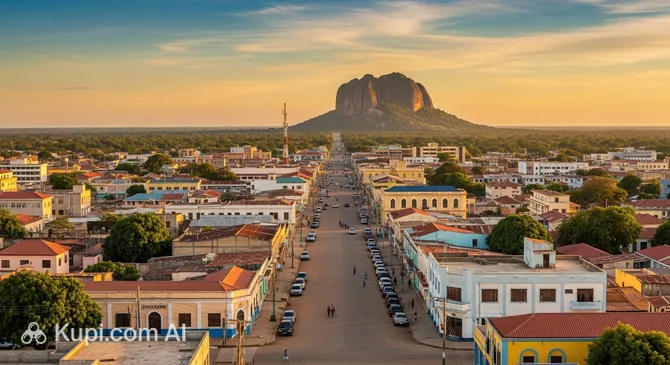
Chimoio. Source: Kupi.Binoculars

One of the most striking natural landmarks in the area is the **Cabeça do Velho** (Old Man's Head), a massive rock formation that bears an uncanny resemblance to the profile of a reclining elderly man. It is a popular spot for visitors and holds cultural significance for the locals. Additionally, Chimoio is an excellent base for adventurers looking to explore **Mount Binga**, the highest mountain in the country, located in the nearby Chimanimani Mountains.

Those interested in the past will find that the history of Chimoio is deeply intertwined with the development of the region's infrastructure and agriculture. The city has grown significantly over the decades, evolving into a major center for farming and trade. Whether you are passing through on a cross-country journey or staying to explore the breathtaking landscapes of Manica, Chimoio welcomes travelers with open arms and unique sights.

Weather Overview

Due to its elevation, Chimoio enjoys a more moderate climate than many other parts of the country, making it comfortable for visitors throughout most of the year. The weather in Chimoio is characterized by two distinct seasons: a warm, rainy period and a cooler, drier spell. Travelers can generally expect warm summers with frequent rainfall and mild, dry winters that are perfect for outdoor activities.

The warmest months are typically from November to February, where average temperatures hover around 24°C to 25°C, with daily highs reaching up to 29.4°C in December. This period also brings the most rain, particularly in January, which sees about 23 wet days. In contrast, the cooler season from May to August offers a refreshing break, with average temperatures dropping to around 17.3°C in July and nighttime lows dipping to 11.9°C. During these months, precipitation is minimal, often recorded at 0mm, ensuring clear skies for exploration.

Interesting Facts

Beyond the well-known scenic landscapes, Chimoio holds several fascinating details that reveal its unique character and history. Here are some intriguing facts about this vibrant city:

  • For much of the 20th century, the city was known as Vila Pery. It was originally named after João Pery de Lind, a colonial governor, before being renamed Chimoio in 1975 to honor a local clan chief, symbolizing a return to indigenous roots and identity.

  • Chimoio has frequently earned the title of the cleanest city in Mozambique. Unlike some larger urban centers, it is often celebrated for its tidy streets and well-maintained public spaces, a result of strong community pride and effective municipal initiatives.

  • The city owes its location to the steam age. It was strategically developed at a crucial point along the Beira Corridor railway where the tracks begin a steep ascent from the coastal lowlands to the interior plateau, originally serving as a vital station where trains required extra power for the climb.

  • The region is geographically distinct due to its inselbergs, or "island mountains." These isolated granite domes, such as the famous Old Man's Head, rise abruptly from the flat plains, creating a dramatic and surreal topography that is rarely seen in other parts of the country.

How to Get There

Reaching this vibrant hub in the Manica Province is relatively straightforward, thanks to its strategic location along major transport corridors. Whether you are arriving from within Mozambique or crossing the border from neighboring countries, you have several options. For a detailed breakdown of routes and logistics, you can read more about how to get to Chimoio to help plan your journey.

The most direct way to arrive is by flying into Chimoio Airport (VPY). Situated just 6.1 km from the city center, this regional airport offers the ultimate convenience for travelers. A taxi ride from the terminal to downtown typically takes only about 15 to 20 minutes. While it is a smaller facility with an annual passenger traffic of around 30,000, it provides essential domestic connections that save significant travel time compared to overland routes.

For those who cannot find a direct flight, Beira Airport (BEW) in the coastal city of Beira serves as a major alternative gateway. Located approximately 171 km away, it is a larger hub handling significantly more passengers. From Beira, you can continue your journey to Chimoio by road; the drive via the EN6 highway usually takes between 3 to 4 hours depending on the mode of transport, such as a private taxi or a local bus.

For clarity, here is a summary of the main airports:

Airport Name City Passenger Traffic Km from City
Harare International Airport Harare Large 281.8
Beira Airport Beira Medium 171.0
Chimoio Airport Chimoio Small 6.1

Beyond air travel, Chimoio is well-connected by road, sitting on the vital Beira Corridor that links the coast to the interior and neighboring Zimbabwe. "Chapas" (minibuses) and larger coaches frequently ply the route between Beira and Chimoio, offering an affordable and authentic way to experience the local landscape.

Main Attractions

Chimoio serves as a gateway to some of the most dramatic landscapes in Mozambique, offering a mix of natural wonders and cultural experiences. While the city itself is a bustling commercial hub, its surroundings are dotted with unique geological formations and scenic retreats that attract nature lovers and adventure seekers alike.

Cabeça do Velho (Old Man's Head) is undoubtedly the city's most famous landmark. Located just a short distance from the center, this natural rock formation on Mount Bengo creates a distinct profile of a reclining face when viewed from the correct angle. It is not only a photographer's delight but also a spiritual site for locals. Visitors can hike up the granite slope to enjoy a panoramic view of Chimoio and the surrounding plains, making it a perfect spot for sunset.

A short drive west of the city lies the Chicamba Dam (Barragem de Chicamba), a favorite weekend getaway for both locals and tourists. The dam creates a vast, picturesque lake set against a backdrop of rolling hills and forests. It is a tranquil spot ideal for picnics, boat rides, and fishing, particularly for bass. Several lodges around the lake offer a comfortable place to relax and enjoy the serene environment away from the urban bustle.

For those seeking a deeper immersion in nature, Chimoio acts as the primary base for exploring the Chimanimani National Reserve. This protected area is renowned for its biodiversity, ancient rock art, and rugged terrain. It is home to Mount Binga, the highest peak in the country. Hikers can explore crystal-clear rivers, waterfalls, and unique flora that are endemic to this highland region, offering a truly wild African experience.

Back in the city, the Municipal Market offers a vibrant slice of daily life. It is the best place to experience the local culture firsthand. The market is colorful and lively, filled with stalls selling fresh tropical fruits, vegetables, and traditional crafts. It is also an excellent spot to purchase "capulanas," the brightly colored fabrics that are a staple of Mozambican fashion.

Local Cuisine

As the capital of the Manica Province, often referred to as the "fruit basket" of Mozambique, Chimoio offers a culinary experience deeply rooted in fresh, locally grown ingredients. The city’s high altitude and fertile soil produce some of the country's best vegetables and tropical fruits, which feature prominently in the local diet. Dining here is a flavorful journey that blends traditional Mozambican recipes with lingering Portuguese influences, resulting in hearty and aromatic meals.

At the heart of the local cuisine is Xima (pronounced "shima"), a stiff maize porridge that serves as the staple carbohydrate. It is typically eaten by hand and acts as a vessel for rich stews, relishes, and sauces. One of the most beloved accompaniments is Matapa, a uniquely Mozambican dish made from stewed cassava leaves, ground peanuts, garlic, and coconut milk. Although it is often cooked with crab or shrimp in coastal areas, in inland Chimoio, it is frequently served as a flavorful vegetarian side or paired with meat.

Meat lovers should not miss the famous Frango à Zambeziana, a grilled chicken dish that is marinated in a mouthwatering sauce of coconut milk, lime, garlic, and hot spices. While it originates from the neighboring Zambezia province, it is a favorite in Chimoio, often cooked over open charcoal flames to give it a smoky depth. For a quick bite, Prego rolls (steak sandwiches with garlic and piri-piri sauce) are a popular choice found in many cafes and casual eateries.

The street food scene offers its own delights, particularly Badjias. These deep-fried bean cakes are crispy on the outside and soft on the inside, often sold by vendors in the mornings or as a savory snack throughout the day. Given the region's agricultural abundance, you will also find an incredible variety of fresh fruits sold on street corners, including sweet mangoes, lychees, and avocados, which are often far more flavorful than those found in supermarkets.

When it comes to beverages, the local pride is undoubtedly Manica beer. Named after the province, this pale lager has a strong following in the region and is the perfect refreshment for a warm afternoon. For a non-alcoholic traditional option, try Maheu, a thick, fermented maize drink that is slightly sour and very filling. It is a traditional energy booster consumed by locals and is widely available in shops and markets.

Travel Tips

Visiting Chimoio offers a refreshing change of pace from the coastal heat, but navigating this bustling provincial capital requires a bit of local know-how. To ensure your trip to this unique part of Mozambique is as smooth and enjoyable as possible, here are some essential practical tips to keep in mind.

  1. Clothing and Gear: Thanks to its higher altitude, the city is noticeably cooler than the coast. While lightweight, breathable fabrics are suitable for the daytime, you should definitely pack a warm jacket or sweater for the evenings. This is especially important during the winter months (May to August) when nights can get quite chilly. Comfortable, sturdy walking shoes are also a must, particularly if you plan to hike up Cabeça do Velho.
  2. Transportation: Public transport consists mainly of chapas (minibuses), which are affordable but often overcrowded and confusing for newcomers. For a more comfortable experience, opt for taxis or txopelas (auto-rickshaws). Be aware that taxis rarely use meters, so it is standard practice to negotiate and agree on the fare before you start your journey.
  3. Finances: The local currency is the Mozambican Metical (MZN). While major supermarkets and some upscale hotels may accept international cards, cash is king in Chimoio. Ensure you carry enough cash for daily expenses, markets, and smaller restaurants. ATMs are available in the city center, but it is wise to withdraw money during the day and keep small denominations for easy change.
  4. Health and Safety: Malaria is a risk throughout the region, so bring effective insect repellent and consider taking prophylaxis after consulting your doctor. Stick to drinking bottled water and avoid tap water to prevent stomach issues. In terms of safety, the city is generally welcoming, but you should avoid walking alone in poorly lit areas at night and keep valuables discreet.
  5. Communication: Portuguese is the official language and is widely spoken. English proficiency is relatively low outside of major hotels and tourism offices. Learning a few basic phrases like "Bom dia" (Good morning) and "Obrigado" (Thank you) will go a long way in breaking the ice. Buying a local SIM card is highly recommended for using translation apps and maps.
  6. Local Etiquette: Locals are polite and value proper greetings. Always greet people with a friendly "Bom dia" or "Boa tarde" before asking a question or starting a transaction. When taking photos of people, always ask for permission first; snapping pictures without consent can be seen as disrespectful or intrusive.
  7. What to Avoid: Strictly avoid taking photographs of government buildings, police stations, military personnel, or the airport. This is considered a serious security offense in the country and can lead to the confiscation of your camera or even detention.
  8. Market Shopping: Since Chimoio is the "fruit basket" of the nation, buying fresh produce at roadside stalls is a highlight. However, always wash fruits and vegetables thoroughly with bottled or purified water before eating them. Prices at markets are often negotiable, but remember to bargain with a smile and a sense of fairness.

By keeping these tips in mind, you will be well-prepared to immerse yourself in the vibrant life of Chimoio without the common travel hiccups. Embrace the friendly local culture, enjoy the cooler mountain air, and have a safe and memorable adventure in this dynamic city.

Entertainment & Nightlife

Nightlife in Chimoio offers a refreshing and authentic slice of Mozambican culture, distinct from the frantic pace of larger capitals. While it may not have the overwhelming variety of a metropolis, the city compensates with a warm, welcoming atmosphere where locals and visitors mingle freely. The evening scene is primarily centered around socializing in open-air bars, enjoying cold drinks, and dancing to a mix of international hits, Kizomba, and Marrabenta rhythms. The vibe is generally laid-back and casual, with venues ranging from energetic dance floors to quiet, garden-style pubs perfect for conversation.

The city center and its immediate surroundings are where most of the action takes place. You won't find a single "party district," but rather a collection of popular spots scattered within a short taxi ride of each other. One key area to note is **Rua dos Agricultores**, which hosts some of the city's well-known establishments. On weekends, the energy shifts noticeably as residents come out to unwind, and the music volume goes up, turning relaxed bars into lively dance spots that stay open late into the night.

For those looking to experience the local club scene, **Coqueiros** is a standout venue. Known for its vibrant energy, it attracts a diverse crowd ready to dance until the early hours. The club often features DJs spinning a mix of Afro-house and popular tracks, making it the go-to place for a high-energy night out. If you prefer a more cultural and bohemian atmosphere, **Espaço Cultural Kubo** is an excellent choice. This venue combines art with leisure, offering creative cocktails and a space where the city's artistic community often gathers. Another local favorite is **Banca de Amizade Chabanes**, which offers a quintessential Mozambican bar experience—relaxed, friendly, and the perfect spot to enjoy a local beer while chatting with residents.

When planning your night out, keep in mind that the action typically starts later in the evening. Bars begin to fill up around 9:00 PM, while clubs like Coqueiros hit their peak after 11:00 PM. The dress code is almost universally casual, though you might want to dress up slightly if you are heading to a hotel bar or a nightclub. Prices are generally affordable compared to Western standards, with local beers and spirits offering great value.

Safety is an important consideration for any nightlife excursion. While Chimoio is relatively safe, it is advisable to avoid walking alone at night, particularly in poorly lit areas or on the outskirts of the city. The best way to get around is by using marked taxis or "txopelas" (auto-rickshaws). It is common practice to ask your hotel or restaurant to call a trusted driver for you. Always agree on the fare before starting your journey, as meters are rarely used.

During the daylight hours, entertainment in Chimoio takes on a more historical and cultural tone. Visitors can explore the **Chimoio Museum**, which houses a collection of artifacts and exhibits detailing the region's history and cultural heritage. For architecture enthusiasts, a walk through the city reveals several colonial-era buildings, including the iconic **Cinema Montalto**, a striking modernist structure that, while not always operational as a theater, remains a significant landmark and a testament to the city's architectural past.

Parks & Museums

While Chimoio is renowned more for its dramatic natural surroundings than for manicured urban gardens, the city possesses a distinct charm where green spaces and historical memory intertwine. The cultural landscape here is defined less by grand institutions and more by open-air monuments, colonial-era architecture, and the rugged beauty of the landscape that bleeds into the urban fabric.

Praça dos Heróis (Heroes' Square) stands as the city's most significant public green space. Located centrally, this square is not just a place for relaxation but a site of deep national reverence. It features well-tended gardens and monuments dedicated to the figures who fought for Mozambique's independence. It serves as a peaceful retreat where visitors can sit under the shade of trees while observing the daily rhythm of the city. Another key natural area is the wooded base of Cabeça do Velho. This area functions as the city's primary recreational hiking spot, offering a lush, green escape where nature enthusiasts can walk among indigenous flora before ascending the famous rock formation.

For those interested in cultural history, the Manica Provincial Museum offers a modest but insightful look into the region's heritage. The museum houses a collection of ethnographic artifacts, traditional musical instruments, and geological specimens that tell the story of the Manica Province's rich resources and diverse communities. It provides a quiet educational stop for travelers wanting to understand the local context beyond the scenic views.

Art and history lovers should not miss the Mural of the Heroes, located near the central square. This vibrant, large-scale wall painting acts as an open-air gallery, depicting pivotal scenes from the country's struggle for liberation and its journey post-independence. Additionally, the Cinema Montalto remains a cultural beacon; while primarily a theater, its striking Modernist architecture makes it a living museum of the city's colonial past (formerly Vila Pery) and a favorite subject for architectural photography.

Authentic Experience: For a glimpse into the local creative spirit, keep an eye out for the small, informal art workshops often found near the Municipal Market. Here, local artisans carve wood and create wire sculptures right on the sidewalk, turning the street corner into a temporary gallery where you can watch the artistic process unfold and perhaps purchase a unique souvenir directly from the maker.

Getting Around

Public transport in Chimoio is informal, decentralized, and relies almost entirely on road-based vehicles. Unlike major international cities, there is no metro, tram, or large municipal bus network. Instead, the system is driven by private operators who provide essential mobility for residents. For a tourist, navigating this system can be an adventure in itself, offering a genuine look at local life, though it requires a bit of patience and flexibility.

The backbone of the city's transport is the Chapa. These are minibuses (often Toyota HiAces) that operate on roughly fixed routes connecting the city center with suburban neighborhoods and nearby villages. Chapas are ubiquitous and easily engaging; they are the most affordable way to travel, costing very little per trip. However, they are known for being crowded, often carrying more passengers than seats available, and they do not run on a strict timetable. They depart from the terminal only when full, which can sometimes mean a wait.

For shorter distances within the city, the Txopela (auto-rickshaw or tuk-tuk) is a popular and convenient alternative. These three-wheeled vehicles are agile, open-sided, and perfect for navigating the city's streets quickly. They offer a middle ground between the crowded chapas and more expensive private taxis. Txopelas are ideal for short hops between the market, your hotel, and restaurants, providing a breezy and fun way to see the town.

Traditional taxis are also available and are generally found parked at designated stands near major landmarks like the central market, the bus terminal, or large hotels. These vehicles offer a private and more comfortable experience, especially if you have luggage. It is important to note that taxis in Chimoio do not use meters. Ridesharing apps and digital transport platforms are not widely used here, so you will rely on hailing vehicles on the street or calling a driver recommended by your accommodation.

The payment system across all modes of transport is strictly cash-based. There are no travel cards, passes, or mobile ticketing apps. When riding a chapa, you pay the conductor (cobrador) on board, usually towards the end of the journey or when they come around to collect. It is crucial to carry small denominations of the local currency, as drivers often struggle to make change for large banknotes. For taxis and txopelas, the fare must be negotiated and agreed upon before you enter the vehicle to avoid misunderstandings upon arrival.

Stops for chapas are not always clearly marked with signs. While there are designated terminals, along the route, passengers typically wave a hand to flag one down and shout "Paragem!" (Stop!) when they wish to disembark. Operating hours are generally from sunrise until early evening. Service frequency drops significantly after dark, so if you plan to be out late, it is highly advisable to arrange a private taxi pick-up in advance.

Given the compact nature of Chimoio's central business district, walking is often the best alternative for exploring the main sights. The streets in the center are relatively easy to navigate on foot during the day. Bike rentals are not a standard part of the tourist infrastructure, so walking or hiring a txopela remains the most practical choice for getting around locally.

Accommodation

Accommodation in Chimoio is primarily designed to serve the needs of business travelers, NGO workers, and those passing through along the Beira Corridor. Consequently, the city does not feature ultra-luxury international resort chains. Instead, visitors will find a practical selection of solid mid-range hotels, charming local lodges, and budget-friendly guesthouses (often known as pensões). The standard of hospitality is generally warm and welcoming, offering clean and comfortable amenities that provide a relaxing base after a day of travel or exploration.

The most convenient place to stay for most tourists is the city center (Baixa). Choosing a hotel in this area places you within walking distance of key conveniences such as the Municipal Market, banks, supermarkets, and restaurants. It is the ideal location for those without a private vehicle, as taxis and txopelas are readily available. For travelers seeking peace and quiet, there are excellent options located on the outskirts of the city. These establishments often feature lush gardens and swimming pools, offering stunning views of the surrounding mountains, including the iconic Cabeça do Velho, while still being just a short drive from downtown.

For a completely different experience, nature lovers might consider the lodges situated near Lake Chicamba, roughly a 30 to 45-minute drive from the city. While further away from urban amenities, these retreats offer a serene atmosphere by the water, perfect for a weekend getaway or a tranquil stopover.

Booking Tip: Although Chimoio is not a mass tourism destination, its role as a provincial capital means that better hotels can fill up quickly with conference attendees and business delegations. It is highly advisable to book your accommodation in advance, particularly if you plan to visit on weekdays when business activity is at its peak.

In terms of cost, the city is quite affordable. Prices generally range from budget-friendly rates for basic rooms to moderate prices for the top-tier hotels in town, which typically include breakfast and Wi-Fi. While the larger, well-established hotels are listed on major online booking platforms, many smaller guesthouses and lodges still rely on direct bookings via phone or email. It is also worth noting that while major hotels accept credit cards, smaller establishments may prefer or require cash payments in the local currency.

Nearby Cities

For those looking to explore the surroundings, Chimoio serves as an excellent base for day trips to several interesting nearby locations:

Beira is the most significant destination within reach for a long day trip or a weekend excursion. Located on the coast, it is Mozambique's second-largest city and offers a complete change of scenery from the highlands of Chimoio. Visitors can enjoy the breeze at Macuti Beach, explore the historic lighthouse, and admire the crumbling yet majestic colonial architecture. Beira is also famous for its fresh seafood, particularly prawns, which are a culinary highlight for anyone making the journey down the Beira Corridor.

Dondo lies just before Beira and serves as an interesting stop for those curious about the region's industrial history. While primarily known for its cement production, the town is situated in a lush area and offers a glimpse into the everyday life of the Sofala Province, distinct from the bustle of the capital or the port city. It is often visited in conjunction with a trip to the coast.

Although not listed in the table below, the town of Manica is another excellent option located just a short drive west of Chimoio near the Zimbabwean border. It is historically significant and surrounded by the beautiful Penhalonga mountains, offering hiking opportunities and a chance to see the geology that defines this border region.

City Population Distance (km)
Beira 530,604 165
Quelimane 192,876 391
Tete 152,909 329
Dondo 78,648 146
Mocuba 69,045 448

These nearby destinations offer a glimpse into the diverse culture and landscapes of the region.

Shopping & Souvenirs

Shopping in Chimoio offers a practical and authentic glimpse into the daily life of the Manica Province. Unlike the expansive luxury malls found in larger capital cities, the retail scene here is driven by functionality and local trade. As a key commercial hub connecting the coast to the interior, the city is an excellent place to stock up on travel essentials, fresh produce, and unique local textiles. Visitors will find a mix of modern convenience stores and bustling traditional markets that define the city's vibrant economic character.

The heart of the shopping activity is located in the city center, often referred to as the Baixa. The streets surrounding the Governor's Palace and the municipal gardens are lined with a variety of small independent shops, pharmacies, and hardware stores. A walk through this downtown grid allows travelers to browse through clothing boutiques selling imported fashion, electronics shops, and general trading stores that have operated in the area for decades.

For a more modern retail experience, the city is home to the Shoprite Chimoio complex. This is the primary shopping center for residents seeking a one-stop destination. Anchored by the well-known supermarket chain, the complex provides a clean and air-conditioned environment where you can purchase groceries, toiletries, and camping supplies. It also hosts a few smaller satellite stores, including banks and fast-food outlets, making it a convenient hub for tourists needing reliable services.

The true soul of Chimoio's commerce, however, is found in its markets. The Mercado Municipal (Municipal Market) is a must-visit destination for anyone wanting to experience local culture. It is a colorful and lively labyrinth of stalls overflowing with the region's famous tropical fruits, vegetables, and spices. Beyond food, this market is the best place to find traditional crafts and household goods. For those interested in second-hand clothing and a grittier trading atmosphere, the sprawling Mercado 38 (Feira) offers everything from vintage apparel to bicycle parts.

When it comes to souvenirs, the most iconic item to buy in Mozambique is the capulana. These brightly colored, patterned fabrics are sold extensively in Chimoio, particularly in the shops surrounding the central market. They make for versatile gifts, used as sarongs, wraps, or material for custom clothing. Additionally, visitors can find beautiful wood carvings and hand-woven baskets crafted by artisans from the surrounding rural areas, which reflect the artistic heritage of the province.

Store opening hours in Chimoio generally follow a standard schedule. Most shops open around 8:00 AM and close by 5:00 PM or 6:00 PM on weekdays. On Saturdays, many businesses operate on a half-day basis, closing around 1:00 PM, and the majority remain closed on Sundays, except for major supermarkets like Shoprite. In terms of payment, cash is king. While the main supermarket and some hotels accept international credit cards (Visa is most common), almost all market vendors and smaller shops deal exclusively in the Mozambican Metical (MZN).

Tax-free shopping or VAT refund schemes for tourists are not a standard feature in Chimoio. Visitors should not expect to find "Tax-Free" signs or refund counters at local stores. The prices displayed are typically final, inclusive of all local taxes, and bargaining is only appropriate in informal markets and street stalls, not in established retail stores or supermarkets.

Nearby cities

Reached the end of the page?

That means the route is fully explored