Support

Quelimane

About

Welcome to Quelimane, a captivating port city that serves as the administrative capital of the Zambezia Province. Situated along the banks of the Rio dos Bons Sinais, or "River of Good Signs," this city is a vital economic hub in Mozambique. With a population of approximately 193,000 residents, it offers a lively yet laid-back atmosphere, distinct from the busier southern capitals, making it an intriguing stop for travelers exploring the central coast.

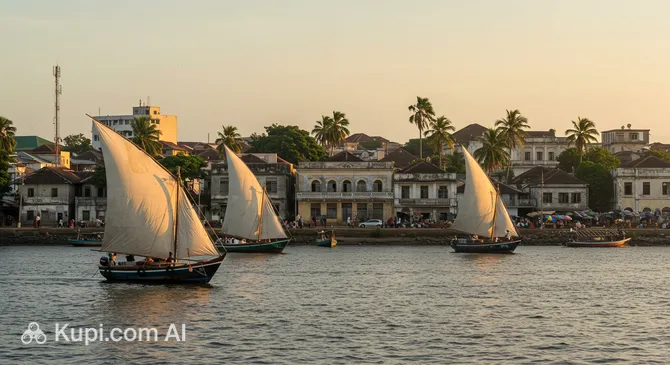
Quelimane. Source: Kupi.Binoculars

The city is steeped in heritage, having served as an important trading post for centuries. Exploring the history of Quelimane reveals a rich tapestry of cultural influences, evident in its lingering colonial architecture and the diverse traditions of its people. One of the city's most iconic sights is the Old Cathedral, a testament to its long-standing significance in the region and a focal point for architectural enthusiasts.

Quelimane is famously known for its vast coconut plantations, which were once among the largest in the world and continue to shape the local landscape. Visitors are often charmed by the city's unique mode of transport—the bicycle taxi—which adds a distinctive rhythm to the streets. For those seeking relaxation, the stunning Zalala Beach is just a short drive away, offering endless white sands and the soothing sounds of the Indian Ocean.

Whether you are interested in architectural landmarks, local culture, or simply enjoying the tropical climate, Quelimane provides a memorable experience. It is a destination that invites travelers to slow down and appreciate the authentic coastal charm of this unique region.

Weather Overview

Quelimane features a tropical climate that ensures generally warm conditions throughout the year, though the weather patterns shift noticeably between seasons. The city experiences a hot, humid period with frequent rainfall, followed by a cooler and drier season that is often considered more comfortable for outdoor activities.

The warmest months occur from November to March, where average temperatures hover around 28°C and daily maximums can reach up to 32.5°C. This period coincides with the rainy season, bringing a significant increase in precipitation frequency. January is typically the wettest month in terms of rainy days, recording precipitation on up to 25 days. Travelers visiting during this time should be prepared for high humidity and regular showers.

From May to September, the weather becomes milder and drier. Average temperatures drop to approximately 22°C in July, with nighttime lows occasionally dipping to around 18°C. This season offers the most stable conditions, particularly in August and September, which see the fewest wet days of the year. For a more detailed breakdown of seasonal trends, you can consult the guide to the weather in Quelimane.

Overall, you can expect hot summers with frequent rain and mild, drier winters with plenty of sunshine.

Interesting Facts

Beyond its busy port and palm-lined streets, Quelimane holds several historical secrets and urban legends that often surprise visitors. From accidental names to legendary explorers, the city's past is as colorful as its present.

  • The name Quelimane is widely believed to be the result of a linguistic misunderstanding. According to local legend, when early Portuguese explorers asked a farmer for the name of the land, he replied "Kuliamani," which translates to "we are cultivating" in the local language. The sailors mistook this description of activity for the name of the place, and it stuck.

  • The river flowing past the city, the Rio dos Bons Sinais, was named the "River of Good Signs" by the famous explorer Vasco da Gama in 1498. It earned this optimistic title because it was here that da Gama first encountered locals who had traded with Asia, giving him the first tangible "sign" that his expedition was on the right path to India.

  • This coastal city served as the finish line for one of history's greatest walks. In 1856, the renowned explorer David Livingstone arrived here, completing the first-ever west-to-east crossing of the African continent by a European. It was in Quelimane that he reconnected with the outside world after months of silence in the interior.

  • The road leading from the city to the coast is often described as a "green tunnel." Driving to the nearby beach involves passing through one of the largest continuous coconut plantations in the world, where thousands of palms create a natural canopy that stretches for kilometers.

How to Get There

Reaching this coastal city is relatively straightforward, with air travel being the most convenient option for international and domestic visitors alike. For a complete overview of travel routes and transport modes, you can check our guide on how to get to Quelimane.

The primary gateway to the region is Quelimane Airport (IATA: UEL). Situated just 5.6 km from the city center, it offers a quick and easy connection to the downtown area. A taxi or shuttle ride from the terminal typically takes around 30 minutes, depending on traffic. This is a regional airport with a modest passenger volume, ensuring a relaxed arrival experience compared to larger international hubs.

For clarity, here is a summary of the main airport:

Airport Name City Passenger Traffic Km from City
Quelimane Airport Quelimane Regional 5.6

While flying is the fastest method, the city is also accessible by road for those traveling from other parts of Mozambique. Long-distance buses and minibuses link Quelimane to major cities, providing a scenic alternative for travelers who prefer to see the countryside.

Main Attractions

Quelimane offers a fascinating mix of colonial history and natural beauty, with attractions that reflect its status as a coastal trade hub. While the city itself is best explored on foot or by bicycle taxi, the surrounding region provides excellent opportunities for day trips to the coast.

One of the most popular destinations for both locals and visitors is Zalala Beach. Located approximately 30 kilometers northeast of the city, this expansive stretch of white sand is lined with casuarina trees and offers a serene escape from the urban bustle. The journey to the beach is an attraction in itself, as the road cuts through one of the world's largest majestic coconut plantations, creating a scenic "green tunnel" effect that is perfect for photography.

In the heart of the city, the Old Cathedral (Cathedral of Our Lady of Deliverance) stands as a significant historical landmark. Built in the late 18th century near the banks of the river, this structure showcases classic Indo-Portuguese architecture. Although it has aged over the centuries, its imposing façade and twin towers remain a powerful symbol of Quelimane's heritage, drawing architecture enthusiasts and history buffs alike.

For a taste of local life, the Central Market is a vibrant stop that should not be missed. This bustling hub is the best place to see the region's agricultural bounty, from fresh tropical fruits to the famous local seafood. It offers an authentic atmosphere where you can observe daily commerce and perhaps purchase traditional crafts or spices.

Another notable building is the Governor's Palace, which serves as a reminder of the city's administrative importance. Its colonial design contributes to the unique character of the downtown area, making a walk through the city center a journey through different eras of the region's past.

Local Cuisine

The cuisine of Quelimane is widely regarded as some of the most flavorful in Mozambique, heavily influenced by the region's status as a major producer of coconuts and its proximity to the bountiful Indian Ocean. The local food scene is defined by rich, creamy sauces and an abundance of fresh seafood, offering a distinct culinary identity that sets the Zambezia province apart from the rest of the country.

The absolute must-try dish in this city is Galinha à Zambeziana (Zambezian Chicken). This iconic meal features chicken that is marinated in lime, garlic, and piri-piri spices, then grilled and simmered in a luscious coconut milk sauce. It is traditionally served with Mucapata, a unique and hearty side dish made from pounded rice, mung beans, and coconut milk. This combination represents the heart and soul of the local gastronomy.

Seafood lovers will find themselves in paradise here. The nearby river and ocean provide a steady supply of high-quality giant prawns (camarão) and crabs, which are often prepared simply—grilled or steamed—to highlight their natural sweetness. Curries made with crab meat and coconut are also a popular choice, showcasing the fusion of local ingredients with Portuguese and Indian culinary influences.

When it comes to drinks, the vast coconut plantations surrounding the city ensure that fresh coconut water is always available and incredibly refreshing. For a taste of local tradition, you might encounter Sura, a fermented palm wine tapped directly from the trees, which is a common beverage in the rural areas of Zambezia. Of course, popular national beers like 2M and Laurentina are widely served in restaurants and bars.

Dining in Quelimane is generally a relaxed affair. You can find excellent meals ranging from casual street food stalls near the port, offering grilled snacks, to sit-down restaurants in the city center. For an authentic experience, a visit to the local markets reveals the vibrant trade in fresh spices, tropical fruits, and fish that fuels the city's kitchens.

Travel Tips

Planning a trip to Quelimane is an exciting venture, but like any destination in Mozambique, a little preparation goes a long way. These practical tips will help you navigate the local customs and logistics to ensure a smooth and enjoyable visit to the capital of Zambezia.

  1. Clothing and Gear: Due to the tropical climate, pack lightweight, breathable fabrics like cotton or linen to handle the heat and humidity. A sunhat and high-SPF sunscreen are essential. If you are visiting during the rainy season (November to March), a raincoat or umbrella is indispensable. While dress is generally casual, it is best to dress modestly when walking around the city center or visiting religious sites.

  2. Transportation: The most iconic and convenient way to get around Quelimane is by bicycle taxi (known locally as táxis-bicicleta). They are everywhere and perfect for short distances; just be sure to agree on the fare before you start the ride. Conventional taxis are available but less common, and walking is a viable option for the compact downtown area.

  3. Finances: The official currency is the Mozambican Metical (MZN). Cash is king here, especially for markets, bicycle taxis, and smaller restaurants. While some hotels and larger businesses accept international Visa cards, you should not rely on them exclusively. ATMs are available in the city, but it is wise to carry a backup cash reserve in case of network failures.

  4. Health and Safety: This region is a malaria-risk area, so taking prophylaxis and using strong insect repellent—especially in the evenings—is highly recommended. Stick to drinking bottled water and avoid ice in drinks at street stalls. The city is generally safe, but exercise standard precautions: avoid unlit areas at night and keep an eye on your belongings in crowded markets.

  5. Communication: Portuguese is the primary language of communication. English is not widely spoken outside of major hotels or tourism offices. Learning a few basic phrases such as "Bom dia" (Good morning) and "Obrigado" (Thank you) will be greatly appreciated by the locals. Buying a local SIM card (e.g., Vodacom or Movitel) is easy and recommended for navigation and translation apps.

  6. Local Etiquette: Greetings are very important in Mozambican culture. It is polite to greet people with a handshake and a smile before asking a question or starting a business transaction. When photographing people, always ask for permission first; many locals are happy to oblige, but it is respectful to ask.

  7. What to Avoid: strictly avoid taking photos of government buildings, police stations, military personnel, or the airport infrastructure. This is prohibited by law and can lead to serious misunderstandings or confiscation of equipment.

  8. Siesta Time: Be aware that Quelimane, like many towns in the region, often observes a midday break. Many shops and smaller businesses close for lunch between 12:00 PM and 2:00 PM. Plan your shopping or administrative tasks for the morning or late afternoon to avoid frustration.

By keeping these simple tips in mind, you will be well-equipped to embrace the relaxed rhythm of Quelimane. Enjoy the friendly hospitality and the unique charm of this historic river port without the stress of the unexpected.

Entertainment & Nightlife

Nightlife in Quelimane is defined by a relaxed and welcoming atmosphere rather than the high-energy clubbing scene found in larger capitals. The city comes alive after sunset with a rhythm that is distinctly Zambezian, characterized by social gatherings at open-air terraces, lively conversations, and the sounds of local music. It is a place where the evening entertainment focuses on connecting with people and enjoying the tropical breeze.

The hub of evening activity is undoubtedly the Avenida Marginal, the road running along the riverfront. As the heat of the day subsides, this area fills with locals and visitors enjoying the view of the "River of Good Signs." The Yacht Club (often referred to locally as the Naval Club) is a standout venue here, situated right on the water's edge. It offers a perfect setting to sip a cold drink while watching the boats and soaking in the vibrant yet laid-back street life.

For those looking to explore the local social scene further into the city, Bar do Osvaldo is a popular destination known for its friendly environment and authentic vibe. Another well-liked spot is Kopus Pub, which frequently attracts a diverse crowd looking to unwind. Restaurante Bar Aquario is also a reliable choice for mixing dining with evening entertainment. These venues serve as staples of the community, offering a genuine glimpse into how the residents of Quelimane relax after a long day.

When planning a night out, Friday and Saturday are the best times to experience the city at its most spirited. Dress codes are generally very casual—light, comfortable clothing is the norm. Prices for drinks and entry fees (if applicable) are usually quite affordable. For transportation, while bicycle taxis are iconic to the city during the day, it is advisable to arrange a conventional taxi or a private car for late-night travel to ensure safety and comfort.

Safety in Quelimane is generally good, but it is wise to remain cautious. Stick to well-lit and populated areas like the city center and the Marginal. Avoid walking alone in quiet streets or on the outskirts after dark. If you are unsure about a neighborhood, ask your hotel reception or a local guide for advice before heading out.

During the day, entertainment options lean towards the cultural and leisurely. While the city lacks large amusement parks, the Casa de Cultura (Culture House) is a significant institution that occasionally hosts theatrical performances, dance recitals, and art exhibitions, offering a window into the artistic soul of the province. For a more low-key experience, simply exploring the architectural heritage or relaxing in the public gardens provides a pleasant diversion before the evening festivities begin.

Parks & Museums

While Quelimane may not feature the manicured botanical gardens or sprawling national museums found in larger capitals, the city itself serves as a living exhibition of history and nature. Its cultural heritage is etched into the colonial facades lining the streets, while its green spaces are defined by the lush tropical vegetation and the majestic river that frames the urban landscape.

For those seeking fresh air and scenic views, the Avenida Marginal acts as the city's primary promenade and open-air park. Running along the banks of the Rio dos Bons Sinais, this waterfront area is shaded by trees and offers a cooling breeze from the river. It is a favorite spot for locals to walk, socialize, or simply sit and watch the traditional dhows and fishing boats glide by. The atmosphere here is peaceful, making it an ideal location for a relaxing afternoon stroll away from the bustle of the markets.

Surrounding the city limits lies a vast natural wonder that functions as a unique green space: the extensive Coconut Plantations. These are not enclosed parks but rather immense groves that constitute one of the largest coconut forests in the world. Exploring the outskirts of the city means traveling through a "green tunnel" of towering palms, which provides a serene and shaded environment. This lush landscape is integral to the region's identity and offers a distinctive natural experience that is quite unlike a typical city park.

In terms of cultural heritage, the Old Cathedral (Catedral Velha) is the city's most significant architectural landmark, effectively serving as a monument to the region's past. Constructed in the late 18th century, its weathered Indo-Portuguese design tells the story of the city's age-old maritime connections. Although it is a religious site, it functions as a cultural touchstone for visitors interested in the colonial history of Mozambique, offering a glimpse into the architectural styles that once dominated the coast.

Another key site reflecting the city's history is the Governor's Palace. This imposing colonial building dominates the city center with its grand facade and historical resonance. While access to the interior may be restricted depending on administrative functions, the exterior and the surrounding grounds are well worth viewing. It stands as a symbol of the administrative importance Quelimane held during the colonial era and remains a focal point for those appreciating the city's urban design.

For a more immersive cultural experience, keep an eye out for the Casa de Cultura (House of Culture). This venue often serves as a hub for local artistic expression, hosting dance rehearsals, small exhibitions, or community gatherings. It is a place where the vibrant traditions of the Zambezia province come to life, offering a stark contrast to the silent stone of the historical buildings.

For a truly authentic local experience, take a moment to visit the small public squares near the port at sunset. Here, you can witness the daily transition from commerce to leisure, as fishermen mend their nets and families gather, providing a genuine snapshot of life in this riverine city.

Getting Around

The public transport system in Quelimane is distinct from that of many other cities in Mozambique, defined largely by its relaxed pace and unique local traditions rather than high-speed modern infrastructure. There are no metros, trams, or large municipal bus networks here. Instead, the city relies on an informal yet effective mix of non-motorized transport and privately operated vehicles that navigate the flat terrain of the city center and its suburbs.

The most iconic and widespread mode of transport is the bicycle taxi, known locally as the táxi-bicicleta. Quelimane is often called the "City of Bicycles" because of this eco-friendly phenomenon. These taxis are essentially standard bicycles with a padded seat installed over the rear wheel for a passenger. They are ubiquitous, affordable, and the preferred method for short trips within the downtown area. You simply flag one down on the street, hop on the back, and the driver pedals you to your destination.

For longer distances or travel to the outlying neighborhoods, minibuses, locally referred to as chapas, are the standard option. These vans operate on set routes but without fixed timetables, usually departing only when they are full. They can be crowded and loud, often playing local music, but they offer the most authentic and cheapest way to travel further afield, such as to the airport or the road leading to Zalala Beach.

Auto-rickshaws, often called txopelas in the region, and conventional car taxis are also available, though they are less common than the bicycle taxis. These offer more comfort and protection from the sun or rain. They do not typically use meters, so they operate more like a private hire service where the price is agreed upon before the journey begins. They can usually be found parked near major landmarks like the market, the port, or large hotels.

The payment system across all modes of transport is exclusively cash. There are no travel cards, passes, or mobile ticketing apps in use for public transit here. You will need to pay the driver directly in Mozambican Meticals (MZN). It is highly recommended to carry small denominations, as drivers—especially bicycle taxi operators—often struggle to make change for large banknotes.

For tourists, the most important piece of advice is to negotiate the fare before getting on a bicycle taxi or into a cab. While locals pay a standard rate, visitors may be quoted a higher price initially. A friendly negotiation is expected and accepted. For chapas, the fare is fixed and usually collected by a conductor during the ride; simply watch what others are paying if you are unsure.

Operating hours are dictated by daylight and demand. Bicycle taxis and chapas are most active from early morning (around 5:00 AM) until sunset. After dark, the number of bicycle taxis drops significantly, and for safety reasons, it is better to arrange a conventional taxi through your hotel or a reputable restaurant if you need to travel at night.

Walking is a viable and pleasant alternative for exploring the city center. The terrain is flat, the pace of life is slow, and the distances between key colonial landmarks are short. Car rentals are not widely available within the city itself and are generally unnecessary for urban exploration, though they may be arranged at the airport if you plan to drive independently to the coast.
Accommodation

Accommodation in Quelimane caters primarily to business travelers and adventurous tourists, offering a range of options that reflect the city's modest but welcoming character. Visitors will not find sprawling international luxury chains here; instead, the city provides a selection of functional mid-range hotels, colonial-era establishments, and budget-friendly guesthouses known locally as pensões.

The most convenient area to stay is the City Center (Baixa), particularly near the waterfront and the cathedral. Staying here places you within walking distance of the main administrative buildings, banks, and the port, making it ideal for those who want to explore the urban history on foot. For those prioritizing leisure over convenience, the Zalala Beach area, located about 30 kilometers from the town, offers beach lodge-style accommodation where you can wake up to the sound of the ocean, though you will need transport to get back into the city.

When choosing a place to stay, it is highly recommended to prioritize rooms with air conditioning and reliable mosquito nets, given the tropical heat and the prevalence of mosquitoes in the Zambezia province. Many of the older hotels have a certain nostalgic charm but may vary in terms of modern maintenance, so checking recent reviews is advisable to ensure the facilities meet your expectations.

In terms of pricing, accommodation in Quelimane is generally affordable compared to the capital, Maputo. Prices typically fall into the budget to mid-range categories. While the larger hotels in the city center may be bookable through major online travel platforms, many smaller guesthouses and beach lodges still rely on direct bookings via phone or email. It is wise to book in advance if you are traveling during the holiday season or when local festivals are taking place to secure the best spots.

Nearby Cities

For those looking to explore the surroundings, Quelimane serves as an excellent base for day trips to several interesting nearby locations:
City Population Distance (km)
Nampula 743000 392
Beira 530604 310
Angoche 347175 365
Chimoio 238976 391
Malema 195077 347

While some of the larger cities listed above are best suited for overnight stays due to the travel time, the region offers several compelling options for shorter excursions. The most accessible day trip is undoubtedly Zalala Beach, located approximately 30 kilometers from the city. It is famous for its endless white sands and the stunning drive through massive coconut plantations, offering a perfect escape for swimming and relaxation.

For travelers interested in history and coastal culture, Angoche presents a unique destination for a short visit. As an ancient trading settlement, it retains a distinct atmosphere with its Swahili influence, historic architecture, and access to beautiful offshore islands, providing a quiet contrast to the provincial capital.

Those willing to venture inland might explore the landscapes towards Malema and the surrounding highlands. This route leads toward the majestic Mount Namuli and the famous tea plantations of Gurué, offering cooler climates, hiking opportunities, and breathtaking mountain scenery that differs significantly from the coastal plains.

These nearby destinations offer a glimpse into the diverse culture and landscapes of the region.

Shopping & Souvenirs

Shopping in Quelimane offers a distinctively local experience that contrasts sharply with the polished, high-end retail therapy found in major global capitals. Instead of sprawling luxury malls, the city presents a vibrant tapestry of street commerce, bustling markets, and small, family-run shops. Visitors here will find that shopping is less about acquiring designer brands and more about immersing themselves in the daily rhythm of the Zambezia province, discovering unique local products, and interacting with the friendly residents.

The primary commercial hub is located in the Baixa (downtown) area, particularly along the streets radiating from the port and the central administrative buildings. This district is lined with an array of small retailers selling everything from clothing and electronics to household goods. Walking through these streets provides a genuine glimpse into the city's commercial life, where the architecture often reflects the colonial past while the storefronts buzz with modern trade.

While Quelimane does not boast large-scale western-style shopping malls, it has seen the development of modern retail conveniences. The most notable example is the presence of major supermarket chains, such as Shoprite. These establishments serve as the main stop for travelers needing imported toiletries, bottled water, snacks, or other travel essentials. They offer a familiar, air-conditioned environment and are among the few places where fixed prices and card payments are the standard.

The true heart of the city's shopping scene lies in its markets. The Central Market (Mercado Central) is an absolute must-visit destination. It is a sensory explosion of color and scent, famous for its incredible variety of fresh produce. Given the region's geography, the seafood section is particularly impressive, often featuring the giant prawns and crabs for which the province is renowned. Beyond food, you can find vendors selling spices, woven baskets, and simple household items, making it a perfect spot for photographers and culture seekers.

For those looking to bring a piece of Mozambique home, souvenirs in Quelimane are authentic and often handmade. The most popular item to purchase is the capulana, a brightly colored fabric that serves as a sarong, wrap, or raw material for tailoring. You will find shops and stalls dedicated entirely to these textiles, offering hundreds of patterns. Additionally, look for craftsmanship utilizing local resources; items made from coconut shells, wood carvings, and straw weaving reflect the province's agricultural heritage and make for charming, lightweight gifts.

When planning your shopping trips, keep in mind that the city operates on a traditional schedule. Most smaller shops open around 8:00 AM, close for a long lunch break (siesta) from 12:00 PM to 2:00 PM, and then reopen until approximately 5:30 PM or 6:00 PM. On Saturdays, many businesses close at midday, and Sundays are generally quiet with most non-essential shops closed.

Cash is king in Quelimane. While supermarkets and some hotels accept international Visa cards, the vast majority of local shops and market vendors deal exclusively in the Mozambican Metical (MZN). It is advisable to carry small denominations, as change can sometimes be scarce in the markets. Tax-free shopping or VAT refund schemes are not typically available or easily accessible for tourists in this region, so the price you see (or negotiate) is the final price you pay.

Reached the end of the page?

That means the route is fully explored