Support

Nampula

About

Nampula is a dynamic city serving as the economic and transportation hub of northern Mozambique. Often referred to as the "Capital of the North," it offers a unique blend of busy urban life and stunning natural surroundings. With a population of approximately 743,000 people, it is one of the country's most significant urban centers, providing a vital link between the coast and the interior.

The city is geographically distinct, set against a backdrop of dramatic granite rock formations known as inselbergs that rise abruptly from the surrounding plains. Visitors interested in the history of Nampula will find a city that has evolved from a colonial administrative post into a thriving modern metropolis. The streets are lined with architecture that reflects various eras of its development, creating an interesting visual tapestry for travelers.

Among the key sights, the Cathedral of Our Lady of Fatima stands out with its imposing twin towers and modernist design. Another cultural gem is the National Ethnographic Museum, which houses an impressive collection of indigenous art, including traditional Makonde masks and musical instruments. Whether you are passing through on your way to the pristine beaches of the coast or staying to explore, Nampula welcomes you with its warm hospitality and lively atmosphere.

Weather Overview

The climate in this region is generally tropical, offering warm temperatures year-round with distinct variations between seasons. To help you choose the best time for your visit, you can check the detailed forecast and historical trends for the weather in Nampula. Generally, the city transitions between a hot, humid season and a cooler, drier period.

The warmest months occur from November through March, where average temperatures range from 26°C to 27.7°C. November is typically the hottest month, with highs reaching up to 33.4°C. This period coincides with frequent rainfall; January, for instance, records approximately 25 wet days, so travelers should be prepared for regular showers.

From May to September, the weather becomes significantly drier and milder. During these months, rainfall is minimal to non-existent, often showing 0mm of precipitation. July is usually the coolest month, with average temperatures dropping to around 21°C and nighttime lows dipping to a comfortable 16.1°C. Expect warm, humid summers with frequent rain and mild, dry winters with clear skies.

Interesting Facts

Beyond the main attractions and busy avenues, Nampula holds fascinating secrets that reveal its unique cultural and historical depth. This northern metropolis is more than just a transit point; it is a city of granite giants and unexpected global connections.

  • A Football Legend's Birthplace: Nampula is the birthplace of Carlos Queiroz, a world-renowned football manager who has coached illustrious teams such as Real Madrid and the Portuguese national team. His connection to the city remains a point of pride for local sports enthusiasts.

  • Guardian of Makonde Art: The National Museum of Ethnography is not merely a local gallery; it houses one of the most significant collections of "Shetani" carvings in the world. These intricate ebony sculptures, created by the Makonde people, depict spirits and are celebrated for their surreal and abstract forms.

  • The City of Inselbergs: Unlike many coastal cities in the region, Nampula is defined by its dramatic geology. The urban area is interspersed with and surrounded by massive granite rock formations called inselbergs, giving the city a distinct, rugged skyline that looks almost prehistoric.

  • The Old Man's Head: Among the surrounding geological wonders, the most famous is the Cabeça do Velho. This striking rock formation naturally resembles the profile of an elderly man's face and serves as a popular landmark for hikers offering panoramic views of the city below.

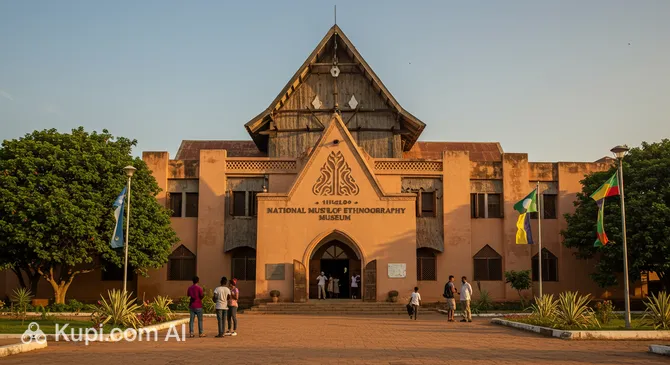
National Museum of Ethnography. Source: Kupi.Binoculars

How to Get There

Reaching this northern hub is relatively straightforward, with air travel being the most convenient option for international and domestic visitors. For a complete overview of routes and transport options, you can read more about how to get to Nampula.

The primary gateway to the city is Nampula Airport (IATA: APL), which is conveniently located just 3.4 km from the city center. As a significant regional hub handling nearly 200,000 passengers annually, it offers regular connections to Maputo and other key destinations. Because the airport is situated within Nampula itself, the transfer to downtown is quick and easy, typically taking around 25 minutes by taxi.

If direct flights are unavailable, you might consider flying into Nacala (IATA: MNC). However, it is important to note that this airport is located in the city of Nacala, approximately 171 km away from Nampula. A transfer by taxi or bus from there would be a long journey, taking roughly 4.5 hours. Another distant alternative is Pemba Airport (IATA: POL) in Pemba, which is about 273 km away, requiring a drive of over 7 hours.

For clarity, here is a summary of the main airports:

Airport Name City Passenger Traffic Km from City
Nampula Airport Nampula Medium 3.4
Pemba Airport Pemba Medium 272.7
Nacala Nacala Small 171.2

Main Attractions

Exploring Nampula reveals a fascinating mix of cultural heritage, architectural landmarks, and lively social spots. The city serves as more than just a transit hub; it offers visitors a chance to dive into the artistic soul of northern Mozambique and experience its distinct local flavor. From historic collections to modern gathering places, here are some of the key sites to include in your itinerary.

One of the most significant cultural institutions in the entire country is the National Museum of Ethnography. Located in a beautiful colonial-era building, this museum is an essential stop for anyone wanting to understand the diverse cultures of Mozambique. It is particularly renowned for its extensive collection of silverwork, musical instruments, and the famous Makonde "Shetani" carvings. These intricate sculptures, often depicting spirits, offer a deep insight into the beliefs and artistry of the Makonde people, making the museum a treasure trove for art lovers and history buffs alike.

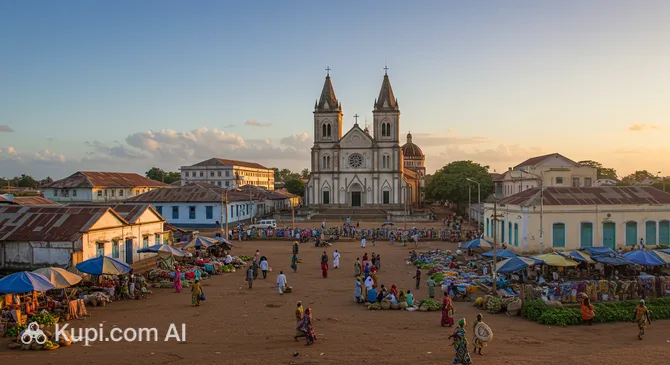
Dominating the city skyline is the majestic Cathedral of Our Lady of Fatima. This imposing white structure, with its twin towers and grand arched entrance, is a masterpiece of modernist architecture. Situated prominently in the city center, it is not only a place of worship but also a major landmark that helps orient travelers. The interior is equally impressive, offering a peaceful retreat from the bustling streets outside. It is a perfect spot for photography and appreciating the religious heritage of the region.

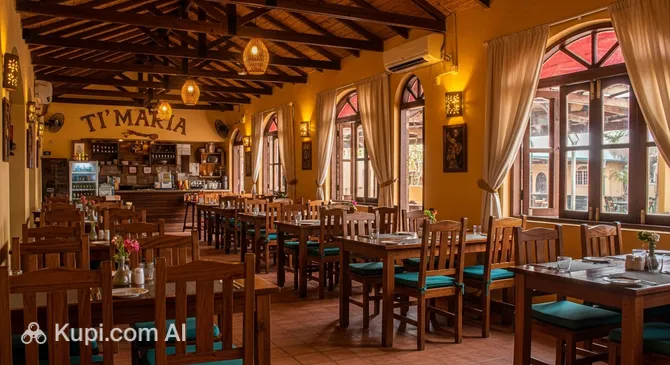
Ti'Maria Restaurant. Source: Kupi.Binoculars

For a taste of local hospitality and cuisine, Ti'Maria Restaurant is a popular choice among both locals and visitors. This establishment is well-regarded for its welcoming atmosphere and a menu that highlights the flavors of the province. Whether you are looking to try traditional Mozambican seafood dishes or international comfort food, this restaurant provides a comfortable setting to relax and recharge after a day of sightseeing.

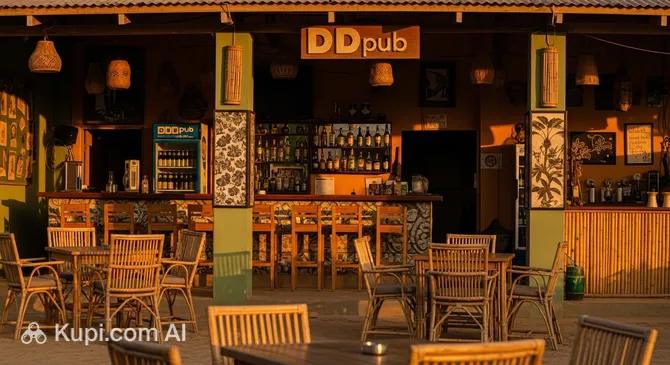
When the sun sets, the city has several spots to unwind, with DDpub being a notable venue for those seeking a vibrant atmosphere. It is a great place to experience the local social scene, enjoy a cold drink, and mingle with residents. The bar offers a glimpse into the modern urban lifestyle of Nampula, providing a lively contrast to the historical and traditional sites visited during the day.

DDpub. Source: Kupi.Binoculars

Local Cuisine

Nampula offers a delightful culinary journey that reflects the rich agricultural abundance of northern Mozambique. The local cuisine is characterized by the generous use of fresh coconut, peanuts, and fiery peri-peri spices, creating complex and hearty flavors. As a major trading hub, the city enjoys a steady supply of fresh produce and seafood from the nearby coast, ensuring that every meal is prepared with high-quality ingredients.

One of the dishes you simply must try is Galinha à Zambeziana. Although it originates from the neighboring province, this grilled chicken marinated in lime, garlic, and coconut milk is a staple in Nampula. It is often served with rice or xima (a stiff maize porridge) and offers a perfect balance of smoky and creamy flavors. Another local favorite is Matapa, a rich stew made from crushed cassava leaves cooked with ground peanuts and coconut milk, often enhanced with crab or shrimp for added depth.

For seafood lovers, despite being inland, the city serves excellent prawns and fish brought in from the Indian Ocean. These are typically grilled or fried and served with a side of spicy peri-peri sauce. If you are looking for a place to sample these local delights in a comfortable setting, Ti'Maria Restaurant is a well-regarded spot that offers a mix of traditional Mozambican dishes and international comfort food.

When it comes to beverages, the local culture revolves around socializing with a cold drink in hand. You will find locals enjoying popular national beers like 2M or Laurentina, which are refreshing in the tropical heat. For something stronger, the famous R&R (Tipo Tinto rum mixed with raspberry soda) is a legendary cocktail in the region. In the evenings, venues like DDpub provide a lively environment to enjoy these drinks and experience the city's vibrant nightlife.

Dining in Nampula ranges from street food stalls selling fresh badjias (bean cakes) and grilled corn to sit-down restaurants. The central markets are also great places to see the raw ingredients that go into these dishes, offering a colorful display of tropical fruits, spices, and vegetables that define the region's gastronomy.

Travel Tips

Visiting Nampula offers a genuine glimpse into the bustling life of northern Mozambique, but like any dynamic city, it requires a bit of preparation to navigate smoothly. To ensure your trip is comfortable and hassle-free, we have compiled a list of essential advice to help you travel with confidence.

  1. Clothing and Gear: Due to the tropical climate, lightweight and breathable fabrics like cotton or linen are your best friends here. While the city is modern, it is advisable to dress modestly—keeping shoulders and knees covered—especially when visiting markets or religious sites like the cathedral. Comfortable, closed-toe walking shoes are essential for navigating the uneven sidewalks. Don't forget a universal travel adapter and a high-quality power bank, as power cuts can occasionally occur.
  2. Transportation: The most common form of local transport is the chapa (minibus), which is cheap but often overcrowded and confusing for newcomers. For a more comfortable experience, use taxis; however, they rarely have meters, so you must negotiate and agree on the fare before getting in. Walking is feasible in the city center during the day, but car rental is recommended only if you are confident driving on busy roads with varying conditions.
  3. Finances: The local currency is the Mozambican Metical (MZN). While upscale hotels and restaurants in Nampula accept international credit cards (Visa is more common than Mastercard), cash is king for almost everything else. ATMs are widely available in the city center, but it is wise to carry small bills for tips and market purchases. Tipping around 10% at restaurants is customary and appreciated.
  4. Health and Safety: Malaria is a risk in this region, so carrying strong insect repellent and sleeping under a mosquito net is non-negotiable. Always drink bottled water and avoid ice in drinks unless you are sure it is made from purified water. In terms of safety, Nampula is generally welcoming, but avoid walking alone at night and keep your valuables secure and out of sight in crowded areas. Pharmacies are available in the city, but bring personal prescription meds with you.
  5. Communication: Portuguese is the official language, and English is not widely spoken outside of major hotels and business circles. Learning a few basic phrases like Bom dia (Good morning) and Obrigado (Thank you) will go a long way with locals. Buying a local SIM card (Movitel or Vodacom) is easy and affordable, ensuring you have data access for maps and translation apps.
  6. Local Etiquette: Mozambicans are polite and value proper greetings. Always greet people with a handshake and a smile before asking a question or starting a transaction. It is considered rude to rush these interactions. When taking photos of people, always ask for permission first—many locals may be shy or expect a small tip for posing.
  7. What to Avoid: Strictly avoid taking photographs of government buildings, police stations, military personnel, or the airport. This is considered a serious security offense in Mozambique and can lead to confiscation of your camera or even detention. Be very observant of your surroundings before snapping a picture.
  8. Market Wisdom: If you plan to visit the local markets, go early in the morning when the produce is freshest and the temperatures are cooler. This is also when the stalls are fully stocked, giving you the best chance to find unique capulana fabrics or local crafts before the midday rush begins.

By following these practical tips, you will be well-equipped to handle the unique rhythm of the city. Nampula is a place that rewards patience and curiosity, so embrace the local pace and enjoy the warm hospitality that defines this northern capital.

Entertainment & Nightlife

Nightlife in Nampula is characterized by a relaxed yet vibrant social scene, distinct from the high-energy clubbing found in larger capital cities. Instead of massive discotheques, the evening entertainment here revolves around lively bars, open-air terraces, and restaurants that transition into late-night venues. The atmosphere is generally welcoming, with a mix of locals, expatriates, and travelers gathering to enjoy cold drinks and conversation after sunset.

For those looking to experience the heart of the city's social life, DDpub is a standout location. Known for its energetic vibe, this venue often features a mix of popular international music and local Mozambican hits, making it a favorite spot for dancing or simply soaking up the local culture. It is an excellent place to mingle with residents and experience the friendly spirit of northern Mozambique.

If you prefer a slightly more laid-back start to your evening, Ti'Maria Restaurant offers a perfect blend of dining and entertainment. While primarily a restaurant known for its delicious cuisine, it often stays busy well into the evening, providing a comfortable setting for late-night drinks and socializing. The venue attracts a diverse crowd and is ideal for those who want to enjoy the night without the intensity of a crowded bar.

When planning a night out, practicalities are important. The dress code in most Nampula venues is "smart casual"—comfortable enough for the warm climate but neat enough for a social setting. Nightlife typically picks up around 9:00 PM and can go on until the early hours on weekends. In terms of safety, it is strongly advised to avoid walking alone at night, even for short distances. The best way to get around is by using a trusted taxi service, which can be arranged by your hotel or the venue you are visiting.

During the daylight hours, the city offers a different kind of cultural entertainment. The premier attraction is the National Museum of Ethnography, which provides a fascinating look into the artistic heritage of the region. Visitors can spend an afternoon admiring the intricate Makonde "Shetani" carvings and learning about the diverse traditions that shape this part of the country, offering a quiet and educational counterpoint to the lively evenings.

Parks & Museums

While Nampula is primarily a bustling commercial hub, it offers visitors distinct opportunities to connect with nature and explore the region's rich cultural tapestry. The city is not defined by manicured botanical gardens but rather by the dramatic natural landscape that surrounds it and the deep historical roots preserved within its institutions.

The most striking natural features of the city are the Inselbergs, massive granite rock formations that rise abruptly from the earth, creating a surreal and prehistoric atmosphere. Among these, the Cabeça do Velho (Old Man's Head) is the most famous natural area for outdoor enthusiasts. Located just a short distance from the city center, this geological wonder offers a relatively easy hike for those looking to escape the urban noise. Reaching the top rewards visitors with panoramic views of the sprawling city and the surrounding plains, making it a perfect spot for sunset photography and nature walks.

Within the city limits, green spaces are often integrated into public squares and avenues rather than enclosed parks. The central areas near the cathedral provide shaded spots where locals gather, offering a glimpse into the relaxed pace of daily life amidst the busy streets. These open spaces serve as communal "living rooms" for residents and are excellent places for tourists to take a break and observe the local social dynamics under the shade of acacia trees.

For culture seekers, the city's crown jewel is the National Museum of Ethnography. This institution is widely regarded as one of the best of its kind in Mozambique. Housed in a colonial-era building that is an attraction in itself, the museum is dedicated to preserving the heritage of the northern populations. It is particularly famous for its collection of Makonde art, including the intricate "Shetani" family trees and spirit carvings that tell the complex stories of the Makonde people.

Beyond the primary museum, the city itself acts as an open-air gallery of modernist architecture. While not a museum in the traditional sense, the Cathedral of Our Lady of Fatima and the surrounding colonial administrative buildings reflect a specific period of 20th-century design that attracts architecture buffs. The cathedral's stark, imposing lines and the preserved facades of downtown buildings offer a tangible narrative of the city's colonial past and its evolution into a modern metropolis.

For a truly authentic experience, look out for the smaller, informal art cooperatives and craft markets often found near the museum or central market. Here, local artisans display wood carvings, pottery, and vibrant capulana fabrics. These spots function as living galleries where you can not only view the art but also meet the creators, offering a more personal connection to Nampula's thriving creative spirit than a traditional museum visit might provide.

Getting Around

Navigating Nampula offers a genuine immersion into the daily rhythm of the city, though visitors accustomed to structured European or North American transit systems will find the experience quite different. The public transport system here is largely informal and decentralized. There is no metro, tram, or trolleybus network. Instead, the city relies heavily on road-based transport, primarily minibuses and taxis, which weave through the bustling streets from early morning until sunset.

The backbone of local mobility is the chapa. These are minibuses (usually Toyota HiAces) that serve as the primary mode of transport for the vast majority of residents. They operate on set routes that connect the city center with suburban neighborhoods and outlying districts. While they are an authentic way to experience local life, they are often crowded and do not follow a strict timetable. Stops are not always marked with signs; instead, passengers hail them from the roadside or board at designated terminals, which are essentially busy gathering points known to locals.

Regarding payment, the system is entirely cash-based. There are no travel cards, apps, or electronic passes. You pay the fare directly to the conductor, known as the cobrador, who manages the passengers and collects money while the vehicle is in motion or upon entry. Fares are generally fixed for specific zones and are very affordable. It is essential to carry small denominations of the local currency, as conductors often struggle to make change for large bills.

For tourists seeking more comfort and privacy, taxis are the recommended alternative. Unlike in many capital cities, taxis in Nampula rarely use meters. This means you must negotiate and agree on the fare with the driver before getting into the vehicle. Taxis can typically be found at designated ranks near major hotels, the central market, or the airport. While ride-sharing apps are not widely used here, many hotels can recommend trusted drivers who are accustomed to transporting international visitors.

Another emerging option in Mozambican cities is the txopela (auto-rickshaw or tuk-tuk). These three-wheeled vehicles are becoming more common for short trips within the city. They are cheaper than traditional taxis and can navigate traffic more easily, offering a breezy, albeit noisier, way to get around downtown. Like taxis, fares for txopelas should be negotiated in advance.

A notable feature of the city's transport infrastructure is the historic Nampula Railway Station. While it does not serve as an intra-city metro, it is a significant hub for the CFM Norte line. It connects the city to the port of Nacala to the east and the interior city of Cuamba to the west. For travelers planning to explore the wider province, the passenger train offers a scenic, slow-paced journey through the landscape, though it is more of a regional adventure than a daily commuting option.

Practical advice for using transport here includes operating hours. Chapas run frequently during daylight hours but become scarce after dark. If you plan to be out late dining or socializing, it is crucial to pre-arrange a taxi pickup. Additionally, while the city center is compact enough to explore on foot, be mindful of the heat and uneven sidewalks. Walking is often the best way to see the architecture and markets up close, allowing you to soak in the atmosphere at your own pace.

Accommodation

Accommodation:

As a major commercial and transport hub in northern Mozambique, Nampula offers a practical range of accommodation options suited primarily for business travelers and transit passengers. The city’s hospitality sector is functional and comfortable, ranging from modest guesthouses (known locally as pensões) to modern, mid-range hotels that offer international standards. While you will not find ultra-luxury resorts typical of the coastline here, visitors can expect clean, reliable lodging with amenities designed for a restful stopover.

The most convenient area to stay is undoubtedly the city center. Choosing a hotel in the downtown area places you within walking distance of key landmarks such as the National Museum of Ethnography and the Cathedral. This central location also offers easy access to restaurants, banks, and shops, making it ideal for those who want to explore the city on foot. Alternatively, for travelers with early morning flights or short layovers, there are several reliable hotels located along the road to the airport, providing quick shuttles and a quieter atmosphere away from the urban bustle.

Booking and Prices:
Accommodation prices in Nampula are generally moderate. Budget travelers can find affordable rooms in local guesthouses, though amenities may be basic. Mid-range and business hotels command higher rates but typically include air conditioning, Wi-Fi, and breakfast. It is highly recommended to book in advance, especially during the week, as hotels often fill up with business delegates and NGO workers. While major establishments accept online bookings and credit cards, smaller guesthouses may prefer cash payments in the local currency.

Nearby Cities

For those looking to explore the surroundings, Nampula serves as an excellent base for day trips or short excursions to several interesting nearby locations. The province offers a mix of coastal beauty, historical depth, and dramatic landscapes that are well worth the journey.

One of the most popular destinations is Nacala, located to the east. Famous for possessing one of the deepest natural harbors on the east coast of Africa, it is also the gateway to pristine beaches such as Fernão Veloso. Travelers often head here to enjoy the turquoise waters, engage in diving or snorkeling, and experience a relaxed coastal atmosphere that contrasts with the busy interior.

To the south lies the historic town of Angoche. This ancient trading port is steeped in Swahili and colonial history, offering visitors a chance to see old architecture and experience a traditional way of life. It also serves as the jumping-off point for the Angoche Archipelago, a string of quiet islands known for their untouched natural beauty and rich marine biodiversity.

For those interested in mountains and cooler climates, Malema offers a different perspective. Situated inland, the area is dominated by the majestic Mount Namuli, the second-highest peak in Mozambique. It is an ideal spot for hikers and nature enthusiasts who want to explore the rugged granite landscapes and lush greenery that define this part of the province.

City Population Distance (km)
Angoche 347,175 140
Nacala 224,853 165
Malema 195,077 207
Quelimane 192,876 392
Pemba 141,316 273

These nearby destinations offer a glimpse into the diverse culture and landscapes of the region, making them perfect additions to any itinerary centered around Nampula.

Shopping & Souvenirs

Shopping in Nampula offers a vibrant mix of traditional African commerce and modern retail convenience. As the commercial capital of northern Mozambique, the city is a bustling trading hub where travelers can find everything from daily necessities to unique artisanal crafts. The shopping scene here is less about high-end luxury boutiques and more about the colorful, energetic atmosphere of local markets and independent traders, providing a genuine slice of Mozambican life.

The heart of the city's retail activity is concentrated in the Baixa (downtown) area. The streets surrounding the central avenues are lined with a multitude of shops selling electronics, clothing, and housewares. Walking through these busy districts allows you to browse through small, family-run stores that spill out onto the sidewalks, offering a wide variety of goods at competitive prices. It is a great place to soak up the urban energy and find practical items alongside local products.

For a more modern and structured shopping experience, the Nampula Shopping Centre is the city's premier destination. Located centrally, this mall provides a cool, air-conditioned escape from the heat and features a large supermarket, a food court, and several clothing and accessory stores. It is the go-to spot for purchasing imported goods, toiletries, and reliable electronics, serving as a comfortable anchor for those looking for familiar western-style retail standards.

To truly experience the local culture, a visit to the Mercado Central (Central Market) is essential. This bustling marketplace is a sensory overload of sights and smells, where vendors display piles of fresh tropical fruits, vegetables, and aromatic spices. It is also a prime location to hunt for capulanas—the brightly colored, patterned fabrics worn by Mozambican women. The variety of patterns available here is staggering, ranging from traditional designs to modern prints, making them a fantastic and lightweight purchase.

When it comes to souvenirs, Nampula is strategically located near the artistic heartlands of the north. The city is an excellent place to buy Makonde wood carvings, particularly those made from heavy, dark ebony. These sculptures, often depicting "Shetani" spirits or community life, are world-renowned for their intricacy. You can often find high-quality pieces sold by artisans near the National Museum of Ethnography. Additionally, northern Mozambique is known for its traditional silver jewelry, which makes for a unique and portable keepsake.

Store opening hours generally run from 8:00 AM to 5:00 PM or 6:00 PM on weekdays, with many smaller shops closing for a lunch break around midday. On Saturdays, shops typically close by 1:00 PM, and Sundays are very quiet outside of the malls and major markets. While the shopping mall and larger supermarkets accept credit cards (Visa is most common), cash is absolutely necessary for markets and street vendors. The local currency, the Metical, is the only accepted tender in these informal settings.

Tourists should be aware that Mozambique does not currently operate a widely accessible VAT refund or tax-free shopping scheme for short-term visitors. Therefore, the price you see is generally the final price, although bargaining is expected and welcomed in markets and with street sellers.
Nearby cities

Reached the end of the page?

That means the route is fully explored