Support

Pemba

About

Welcome to Pemba, a vibrant coastal city that serves as the gateway to northern Mozambique. Perched on a peninsula jutting into the immense Pemba Bay—the third-largest natural bay in the world—this city offers a captivating blend of natural beauty, swahili culture, and colonial charm. With a population of approximately 141,000 inhabitants, it is the capital of the Cabo Delgado Province and a bustling hub for travelers seeking both adventure and relaxation.

The city is renowned for its stunning tropical setting and deep, turquoise waters which make it a paradise for water sports enthusiasts. Visitors can explore the fascinating history of Pemba by wandering through the old town, known as the Baixa, where Portuguese colonial architecture stands alongside traditional structures, telling the story of the city's development from a small trading post to a major port.
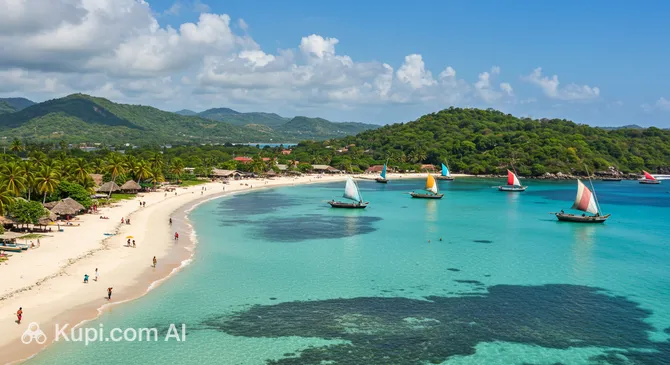
Pemba. Source: Kupi.Binoculars

One of the city's most beloved attractions is Wimbe Beach, located just a few kilometers from the center. Here, golden sands meet coral reefs teeming with marine life, making it an excellent spot for snorkeling and diving. Pemba is also widely recognized as the launchpad for excursions to the breathtaking Quirimbas Archipelago, a chain of islands famous for their untouched beauty. Additionally, the city is a fantastic place to purchase authentic Makonde art, particularly intricate wood carvings that are celebrated throughout the region.

Whether you are looking to dive into the Indian Ocean's warm waters, explore local markets for unique souvenirs, or simply soak up the sun under a palm tree, Pemba offers a warm and inviting atmosphere. It is a destination that perfectly captures the coastal spirit of the country, promising an unforgettable experience for every visitor.
Weather Overview

Pemba enjoys a warm tropical climate year-round, characterized by a distinct wet season and a dry season. The weather in Pemba remains inviting for most of the year, with average monthly temperatures consistently staying between 23°C and 28°C.

The hotter months occur from November to April, where temperatures peak with highs reaching up to 32.2°C in November. This period is also the wettest, particularly in January, which records rain on roughly 27 days. In contrast, the months from May to October are drier and slightly cooler. July is typically the coolest month, offering pleasant average temperatures of 23.8°C and lows around 19.8°C. Expect hot, humid conditions with frequent showers during the rainy season, while the rest of the year brings mild, dry weather ideal for beach activities.

Interesting Facts

Beyond its reputation as a stunning gateway to the Quirimbas Archipelago, Pemba holds a collection of fascinating details that surprise many visitors. This coastal hub is not just about beaches; it boasts geographical marvels and a deep cultural heritage that sets it apart from other destinations in Mozambique.
  • Natural Deep-Water Harbor: The city's coastline is geographically unique because the continental shelf drops sharply just offshore. This creates a natural deep-water port that allows large ocean-going vessels to dock with ease, a feature that has historically made the city a crucial maritime hub for traders and explorers along the East African coast.

  • The Queen’s Legacy: Before the country gained independence, the city was known as Porto Amélia. It was named in honor of Queen Amélie of Orléans, the last Queen of Portugal. Traces of this era can still be seen in the colonial architecture of the historic Baixa district.

  • Capital of Makonde Art: The city is considered the epicenter for purchasing authentic art from the Makonde people. This ethnic group is world-renowned for their intricate ebony wood carvings, particularly the "Ujamaa" or "Tree of Life" sculptures, which are often crafted by masters right within the city limits.

  • Accessible Reefs: Unlike many tropical destinations where coral reefs require a boat trip to reach, the reefs at the popular Wimbe Beach start just a few meters from the shoreline. This unique proximity allows swimmers to walk directly from the sand into a vibrant underwater ecosystem.

How to Get There

Planning a trip to this coastal gem is the first step toward an unforgettable adventure. The most direct and popular method for international and domestic travelers is flying, as the city is well-served by its own aviation hub. For a comprehensive guide on routes and transport options, you can read more about how to get to Pemba.

The primary entry point is Pemba Airport (POL), conveniently located just 4 km from the city center. As a key regional hub, it handles a significant portion of the traffic to the Cabo Delgado Province, welcoming approximately 145,000 passengers annually. Upon arrival, a short taxi ride of about 10 to 15 minutes will take you directly to the heart of the city or the popular beach resorts.

If direct flights are unavailable, travelers might consider flying into Nacala (MNC), situated in the city of Nacala. However, please note that this airport is approximately 169 km away from Pemba. The journey by road from Nacala typically takes around 4.5 hours by taxi or shuttle. Another alternative is Nampula Airport (APL) in Nampula, which is a larger regional hub. It is located about 270 km away, requiring a longer ground transfer of approximately 7 hours. These options are generally best suited for those planning a broader itinerary across northern Mozambique.

For clarity, here is a summary of the main airports:

Airport Name City Passenger Traffic Km from City
Pemba Airport Pemba Medium 4.0
Nacala Nacala Small 169.2
Nampula Airport Nampula Medium 270.0
Mtwara Airport Mtwara Small 292.5

While air travel is the most efficient way to reach the city, reaching Pemba by road is also possible for those already in Mozambique. Long-distance buses and chapas (minibuses) connect the city with other major hubs like Nampula and Maputo, though distances are vast and travel times can be long. The road network has improved in recent years, offering a scenic, albeit lengthy, drive along the coast for adventurous travelers.

Main Attractions

Pemba offers a delightful mix of natural wonders, historical intrigue, and vibrant local culture. From its world-class beaches to its bustling port atmosphere, the city provides a variety of experiences for travelers. Whether you are looking to explore the depths of the ocean or the flavors of the region, here are some of the main attractions to include in your itinerary.

Undoubtedly the most famous spot in the city is Wimbe Beach (Praia de Wimbe). Located a short distance from the town center, this sweeping stretch of white sand is lined with palm trees and casuarina trees, creating a postcard-perfect tropical setting. It is particularly loved by tourists and locals alike because the coral reef is accessible directly from the shore, allowing for easy snorkeling in crystal-clear waters. The beach is also the social heart of Pemba on weekends, where you can watch local life unfold and enjoy fresh seafood from the beachside stalls.

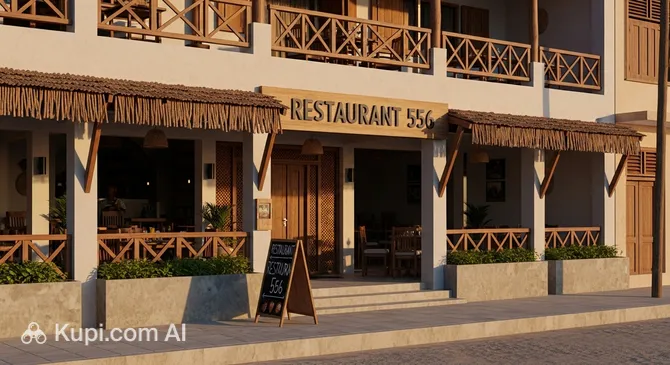
For those looking to experience the local dining scene, Restaurant 556 is a notable stop. As a representative of the city's culinary offerings, this venue provides a welcoming atmosphere where visitors can relax after a day of exploration. Places like this are essential for soaking up the local vibe, offering a chance to taste traditional Mozambican dishes that often feature fresh catch from the nearby bay, prepared with rich spices and coconut milk.

Restaurant 556. Source: Kupi.Binoculars

To understand the city's roots, a visit to the Old Town, or Baixa, is a must. This historic district is centered around the port and features a collection of colonial-era buildings that reflect the city's past as a Portuguese trading post. Walking through these streets offers a stark contrast to the modern beach resorts, with bustling markets like the Souk, where traders sell silverware, traditional fabrics, and spices. It is a photographer's delight and a place to witness the authentic daily rhythm of the city.

Pemba is also the primary gateway to the Quirimbas Archipelago, a stunning chain of islands that stretches north along the coast. While technically a day trip or an excursion from the city, the archipelago is one of the main reasons travelers visit this region. The islands are part of a national park known for its incredible marine biodiversity, including dolphins, whales, and turtles. Many boat charters operate from Pemba, offering diving and snorkeling expeditions to these pristine, protected waters.

Local Cuisine

The culinary scene in Pemba is a delightful reflection of its coastal location and diverse cultural history, blending fresh Indian Ocean bounty with Portuguese spices and traditional African flavors. Seafood is naturally the star of the show here, and visitors can expect to feast on the freshest catch of the day. From grilled fish and calamari to massive lobsters and tiger prawns, dishes are often marinated in a fiery piri-piri sauce, a chili-based condiment that is a staple of Mozambican cuisine and adds a distinct kick to every meal.

One dish that every traveler must try is Matapa. This traditional delicacy is made from stewed cassava leaves ground with peanuts and coconut milk, often cooked with crab or shrimp for added flavor. It is a rich, creamy, and comforting dish usually served with white rice or xima, a stiff maize porridge that is a dietary staple across the country. Another local favorite is Galinha à Zambeziana, a succulent chicken dish marinated in lime, pepper, garlic, and coconut milk, then grilled to perfection, offering a unique taste of the region's tropical ingredients.

To quench your thirst in the tropical heat, local beverages are plentiful and refreshing. Mozambican beers like 2M (pronounced "dosh-em") and the award-winning Laurentina are widely available and serve as the perfect accompaniment to a spicy seafood lunch. For a signature local cocktail, adventurous visitors often try the R&R, a potent mix of Tipo Tinto rum and raspberry soda. For non-alcoholic options, nothing beats the taste of fresh coconut water sold directly from the shell by street vendors, or the abundance of freshly squeezed juices made from local mangoes and papayas.

Dining in Pemba is generally a relaxed affair that revolves around the ocean. The popular Wimbe Beach is the heart of the tourist dining scene, where numerous open-air shacks and restaurants allow you to eat with your toes in the sand while watching traditional dhows sail across the bay. For a welcoming atmosphere and a chance to sample authentic local cooking, places like Restaurant 556 provide a comfortable setting to explore these flavors. Whether you are grabbing a savory badjia (bean cake) from a market stall or enjoying a long seafood dinner by the water, the food culture here is warm, inviting, and unpretentious.

Travel Tips

To ensure your visit to this beautiful coastal city is as relaxing and enjoyable as possible, a little preparation goes a long way. Here are some practical tips to help you navigate local customs, logistics, and daily life in Pemba with ease.

  1. Clothing and Gear: Given the tropical climate, lightweight and breathable fabrics like cotton or linen are your best friends. While swimwear is perfect for Wimbe Beach, remember that the city has a significant Muslim population and a conservative culture; therefore, it is respectful to dress modestly when walking around the town center or visiting markets—covering shoulders and knees is recommended. Don't forget a high-SPF sunscreen, a wide-brimmed hat, and a universal travel adapter for Type C, F, or M plugs.

  2. Transportation: For short distances within the city, three-wheeled auto-rickshaws, locally known as tuk-tuks or chopelas, are a fun and affordable option, though you should agree on the price before hopping in. Minibuses called chapas are the primary form of public transport; they are very cheap but often overcrowded and confusing for newcomers. For comfort and safety, especially at night, it is advisable to use private taxis arranged by your hotel.

  3. Finances: The local currency is the Mozambican Metical (MZN). While some upscale hotels and restaurants accept international credit cards (mostly Visa), cash is king in Pemba. It is wise to carry smaller denominations for markets, taxis, and tips. ATMs are available in the city center, but they can occasionally be out of service, so having a backup reserve of cash (USD or EUR to exchange at a bank) is a good strategy.

  4. Health and Safety: Mozambique is a malaria-risk zone, so bringing mosquito repellent and consulting your doctor about prophylaxis before the trip is essential. Always drink bottled or filtered water and avoid ice in drinks at street stalls. In terms of safety, exercise standard precautions: avoid walking alone in unlit areas or on empty beaches at night, and keep your valuables secure/out of sight.

  5. Communication: The official language is Portuguese. While staff at major resorts may speak English, it is not widely spoken in local shops or by taxi drivers. Learning a few basic phrases like Bom dia (Good morning) and Obrigado/a (Thank you) will be greatly appreciated by the locals. For internet access, buying a local SIM card from providers like Vodacom or Movitel is cheap and usually offers better connectivity than relying solely on hotel Wi-Fi.

  6. Local Etiquette: Mozambicans are generally warm and polite. Greetings are very important; it is considered rude to ask a question or start a transaction without first greeting the person properly. When photographing people, especially concerning the local Makonde artisans or residents in the old town, always ask for permission first with a smile—it shows respect and often leads to a friendlier interaction.

  7. What to Avoid: Strictly avoid taking photos of government buildings, the airport, police stations, or military personnel. This is considered a serious offense in Mozambique and can lead to confiscation of your camera or legal trouble. Also, avoid public displays of affection in the city center, as this can be seen as disrespectful in the local culture.

  8. Market Savvy: If you plan to buy the famous Makonde wood carvings, be prepared to bargain. It is a standard part of the transaction in craft markets. Approach it with a friendly attitude rather than an aggressive one; often, a bit of humor and patience will get you a fair price for a beautiful piece of art.

By keeping these simple tips in mind, you will be well-equipped to embrace the laid-back rhythm of Pemba. Enjoy the warm hospitality, the stunning ocean views, and the unique cultural experiences that make this city a true gem of the Indian Ocean.

Entertainment & Nightlife

The nightlife scene in Pemba is distinctively laid-back and tropical, reflecting the city's coastal charm rather than offering a high-intensity clubbing environment. The evening entertainment is largely concentrated around Wimbe Beach, where the atmosphere is breezy and open-air. As the sun goes down, this area transforms into a vibrant strip where locals, expatriates, and tourists gather to socialize, enjoying the cool ocean breeze and the rhythm of Mozambican music.

For those looking to start the evening with a relaxed vibe and excellent food, Restaurant 556 is a fantastic choice. This venue bridges the gap between a dining establishment and a social lounge, offering a comfortable setting to enjoy cocktails and conversation before the night fully begins. It is a great example of the city's unpretentious yet welcoming hospitality.

As the night progresses, the energy often shifts to popular local hangouts like Clube Naval. Situated near the water, this venue is a staple of Pemba's social life, known for hosting lively events and offering a friendly space to mix with the local crowd. The music here typically ranges from international pop to popular African genres like Kizomba and Marrabenta, encouraging a bit of dancing in a casual setting. Another focal point is the string of beach bars along Wimbe, where you can simply walk from one spot to another, enjoying cold 2M beers with your feet in the sand.

When planning a night out, keep in mind that the dress code is almost universally casual; light fabrics and smart-casual beachwear are perfectly acceptable. The nightlife is most active on Friday and Saturday nights. In terms of safety, while the main beach areas are generally friendly, it is strictly advised to avoid walking between venues or back to your hotel late at night. The streets can be poorly lit, so arranging a taxi or a private transfer is the safest way to get around.

During the daylight hours, entertainment in Pemba is naturally centered on the ocean. The city does not feature large amusement parks or theaters; instead, the "main stage" is the coral reef. Diving and snorkeling centers along the coast provide excursions to the underwater wonders of the bay. For a touch of culture, a daytime visit to the bustling markets in the Baixa (Old Town) offers a lively atmosphere where you can watch silversmiths at work and shop for local crafts.

Parks & Museums

While Pemba may not be filled with traditional manicured city parks or vast indoor museums, its true beauty lies in its "open-air" heritage and stunning natural surroundings. The city itself acts as a living gallery of colonial history and traditional culture, while the surrounding waters and landscapes offer some of the most pristine natural environments in East Africa.

Quirimbas National Park is undoubtedly the most significant natural area associated with the city. Although Pemba serves primarily as the gateway to this protected region, the park's influence defines the local environment. It encompasses a vast stretch of coastal forest and a chain of islands known for their biodiversity. For nature lovers, this is a paradise of mangrove habitats, coral reefs, and marine life, including dugongs and sea turtles. It offers an immersive experience into the untouched tropical wilderness of Northern Mozambique.

Closer to the city center, the coastline itself serves as the primary green space for locals and visitors. Wimbe Beach acts as a natural park where the rhythm of the city slows down. Framed by a lush line of casuarina trees and swaying palms, it provides a shaded retreat from the tropical sun. It is more than just a beach; it is a communal space where families gather, offering a serene environment to observe the natural beauty of the Indian Ocean and the massive Baobab trees that dot the landscape nearby.

In terms of culture, the city is world-famous as the home of the Makonde Art Cooperative. This is not a traditional museum behind glass cases, but a vibrant, working cultural center. Here, visitors can watch master carvers transform blocks of ebony wood into intricate "Tree of Life" sculptures. It serves as an essential gallery for understanding the Makonde people's heritage, offering a rare chance to interact with the artists and purchase museum-quality pieces directly from the source.

The Baixa (Old Town) stands as an architectural landmark that functions as an open-air museum. Walking through its streets reveals the city's colonial past, with Portuguese-style buildings featuring high ceilings and wide verandas designed for the tropical climate. Notable structures include the old administrative buildings and the Governor's Palace, which, while not always open for public tours, provide a stunning backdrop for history enthusiasts interested in the early trading days of the port.

For a truly authentic experience, take a walk through the Paquitequete neighborhood. This historic district is where the original settlement of Pemba began. It is a maze of traditional wattle-and-daub houses and narrow alleyways that offers a glimpse into the daily life of the fishing community. It is a place rich in oral history and local traditions, far removed from the typical tourist trail.

Getting Around

Navigating Pemba requires a shift in perspective from the structured public transport systems found in major global capitals. There is no metro, tram, or large municipal bus network here. Instead, the city relies on an informal, vibrant, and essential network of privately owned vehicles that keep the local population moving. For tourists, understanding this system is key to getting around authentically and affordably.

The backbone of the city's transport is the chapa. These are minibuses (usually Toyota HiAces) that operate on roughly fixed routes connecting the city center (Baixa), residential neighborhoods, and popular spots like Wimbe Beach. They are easily recognizable, often painted with colorful stripes or sporting unique names on the windshield. While they are the most economical way to travel, they can be crowded and loud, often blasting local music. There are no official stops; you simply wave one down from the side of the road and shout your destination to the conductor, or cobrador, who hangs out the door.

For shorter distances or a more private experience, the three-wheeled auto-rickshaws, known locally as chopelas or tuk-tuks, are a fantastic alternative. They are nimble, open-air vehicles perfect for navigating the coastal roads or narrow streets. Unlike chapas, they can take you directly to your specific destination door-to-door. They are widely available near markets, hotels, and the beach front, offering a breezy and fun way to see the city without the squeeze of a minibus.

The payment system in Pemba is strictly cash-only. There are no travel cards, passes, or mobile apps for public transport. When taking a chapa, you pay the conductor during the journey. Fares are fixed and very low, usually just a few Meticais. For chopelas, the price is not fixed; you must negotiate the fare with the driver before getting in. It is essential to carry small denominations of the local currency, as drivers often struggle to make change for large banknotes.

Operating hours for public transport are somewhat fluid. Chapas generally start running very early in the morning, around 5:00 AM, to cater to workers, and taper off by early evening, around 7:00 PM or 8:00 PM. After dark, public transport becomes scarce, and it is not recommended for tourists to wait on the roadside at night. If you plan to stay out late for dinner or drinks, it is much safer and more reliable to arrange a private taxi in advance through your hotel or restaurant.

Standard taxis are available but do not roam the streets looking for fares like in other cities. They typically congregate at specific stands, such as the airport or major hotels. These vehicles are usually unmetered, so agreeing on a price before departure is mandatory. While more expensive than chapas or chopelas, they offer air-conditioned comfort and greater security, making them the preferred choice for airport transfers or travelers with luggage.

Walking is a viable option for exploring specific districts, such as the historic Baixa or the stretch along Wimbe Beach, where attractions are clustered together. However, the distance between the old town and the beach resorts is quite significant and hilly, making a combination of walking and catching a chopela the most practical strategy for a day of sightseeing.

Accommodation

Where to Stay:

Accommodation in Pemba ranges from functional business hotels in the city center to scenic resorts along the coastline. As a dual-purpose hub serving both the growing energy sector and the tourism industry, the city offers a diverse mix of lodging options. Visitors can find everything from simple, budget-friendly backpacker lodges and guesthouses to upscale, international-standard hotels that offer luxury amenities and sweeping ocean views.

For most tourists, the most desirable area to stay is along Wimbe Beach (Praia de Wimbe). This area is the heartbeat of Pemba's leisure scene, located a few kilometers from the bustling city center. Staying here puts you within walking distance of the ocean, diving centers, and a variety of beach bars and restaurants. The vibe is relaxed and tropical, with accommodation options often featuring thatched roofs, swimming pools, and direct beach access. It is the perfect location for travelers who want to wake up to the sound of the waves and spend their days by the water.

Alternatively, the City Center (Baixa) and the upper plateau of the city offer a different experience. Hotels here are typically more oriented towards business travelers and transit passengers. While they may lack the immediate beach charm of Wimbe, they are often convenient for accessing banks, administrative offices, and the port. This area also tends to host some of the older, more historic establishments and affordable guesthouses, making it a practical choice for those on a tighter budget or with early morning business in town.

Booking Tip: Pemba can get surprisingly busy, particularly during the South African school holidays and the festive season (December and January). During these peak times, the best beachfront properties fill up quickly. It is highly recommended to book your accommodation well in advance to secure your preferred spot. Conversely, during the low season, you may find more flexibility and potentially better rates.

Regarding prices and booking, the cost of accommodation in Pemba can be higher than in other parts of Mozambique due to the demand from the corporate sector. Luxury resorts and top-tier hotels command premium prices, often comparable to international rates. Mid-range options offer a good balance of comfort and value, while budget travelers can find affordable lodges and backpackers, though amenities may be basic. Major hotels and resorts can usually be booked via large online travel platforms, but for smaller guesthouses and local lodges, contacting them directly via phone or email is often the most reliable method to confirm a reservation.

Nearby Cities

For those looking to explore the surroundings, Pemba serves as an excellent base for day trips to several interesting nearby locations. While the vast distances of Northern Mozambique mean that some destinations are better suited for a very early start or an overnight stay, the region offers unique opportunities to witness the diversity of the province and its neighbors.

One of the most accessible destinations is Nacala, located to the south. Famous for hosting one of the deepest natural harbors in the world, the city offers a fascinating mix of industrial significance and natural beauty. Travelers often head here to visit the stunning Fernão Veloso Beach, known for its wide stretch of white sand and calm, turquoise waters, which provide a tranquil escape distinct from the busier resorts of Pemba.

Further inland lies Nampula, the economic powerhouse of the north. Although the journey is longer, it is a rewarding destination for those interested in culture and history. The city is home to the National Ethnographic Museum, which houses an impressive collection of Mozambican art and artifacts, and the striking Cathedral of Our Lady of Fatima. It offers a bustling urban atmosphere that contrasts sharply with the laid-back coastal vibe of Pemba.

City Population Distance (km)
Nampula 743000 273
Angoche 347175 366
Nacala 224853 178
Malema 195077 390
Lichinga 142253 570

These nearby destinations offer a glimpse into the diverse culture and landscapes of the region.

Shopping & Souvenirs

Shopping in Pemba offers a colorful and authentic experience that focuses more on local craftsmanship and daily necessities than on high-end luxury retail. The city does not boast massive international fashion malls; instead, it invites visitors to explore bustling open-air markets, small boutiques, and roadside stalls. The shopping scene here is a direct reflection of the city's cultural diversity, blending African, Arab, and Portuguese influences, making it an excellent place to find unique artisanal goods and immerse yourself in the local rhythm of life.

The primary commercial hub is located in the Baixa, or the Old Town/Downtown area near the port. This district is a hive of activity where colonial-era buildings house a variety of shops selling everything from electronics and hardware to clothing and fabrics. Walking through these streets provides the widest selection of goods in the city. It is here that you will find the highest concentration of general stores and traders, offering a lively atmosphere that contrasts with the quiet beach resorts.

For those seeking a more modern shopping experience or needing to stock up on familiar supplies, the city has a few shopping centers and large supermarkets. The most prominent is the Shoprite complex, which serves as a type of modern mall for the locals. It offers a well-stocked supermarket with imported goods, a pharmacy, and a few smaller satellite shops. This is the best place to purchase toiletries, snacks, bottled water, and other travel essentials in a clean, air-conditioned environment.

The true soul of shopping in Pemba, however, lies in its markets. The Central Market (often referred to as the Souk) in the Baixa is a must-visit. It is a sensory explosion of spices, fresh tropical fruits, vegetables, and fish. Wandering through the narrow aisles, you will see sacks of chili peppers, mounds of cashew nuts, and fresh seafood brought in directly from the bay. It is a fantastic place to observe daily life and interact with friendly local vendors.

When it comes to souvenirs, Pemba is arguably the best place in Mozambique to purchase Makonde art. The region is the homeland of the Makonde people, famous for their intricate wood carvings made from heavy black ebony. You can find these sculptures, ranging from small figurines to large "Tree of Life" totems, at the Makonde Art Cooperative or from vendors near the markets. Another popular item to buy is the capulana, a vibrant, printed fabric worn by Mozambican women. These colorful cloths make for beautiful, lightweight gifts and can be found in abundance in the shops of the Baixa.

Regarding practicalities, most shops in the city open around 8:00 AM and close by 5:00 PM or 6:00 PM on weekdays, with shorter hours on Saturdays. Many smaller businesses close for a lunch break between 12:00 PM and 2:00 PM. Payment is almost exclusively in cash (Mozambican Metical). While the large supermarkets like Shoprite accept credit cards, market vendors and small souvenir stalls do not. Bargaining is expected and encouraged in the markets and with street sellers, but it should always be done with a smile and respect. Tax-free shopping or VAT refunds are generally not available or practical for tourists in Pemba.

Nearby cities

Reached the end of the page?

That means the route is fully explored