Support

Mtwara

About

Welcome to Mtwara, the bustling capital of the Mtwara Region in southeastern Tanzania. Known for having one of the finest natural deep-water harbors in the Indian Ocean, this city serves as a vital gateway to the country's southern tourist circuit. With a population of approximately 92,000 residents, Mtwara offers a unique blend of commercial activity and a laid-back coastal atmosphere, making it an intriguing destination for travelers seeking an authentic experience away from the northern crowds.
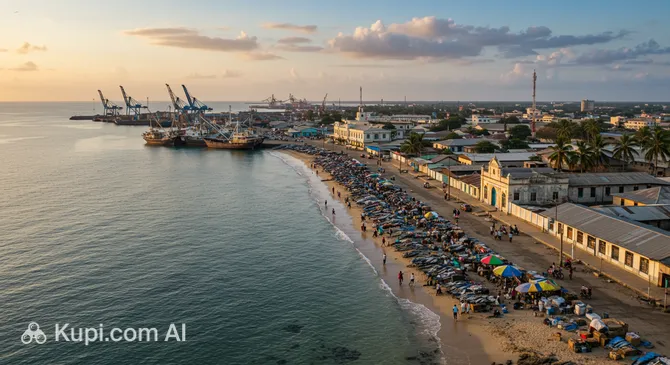
Mtwara. Source: Kupi.Binoculars

The city was originally developed in the late 1940s as part of a major agricultural project. Although the project itself did not succeed as planned, it left behind a well-planned infrastructure that benefits the town today. Visitors interested in the colonial past and the development of the region can explore the history of Mtwara, which reveals its transformation from a fishing village to a significant port city. The spacious streets and organized layout are a testament to its unique origins.

Mtwara is an excellent base for exploring the pristine natural beauty of the southern coast. One of the main highlights nearby is the Mnazi Bay-Ruvuma Estuary Marine Park, which is renowned for its exceptional biodiversity, offering superb opportunities for diving and snorkeling among vibrant coral reefs. Just a short distance away lies the historic town of Mikindani, where travelers can wander through winding streets lined with old Swahili and colonial architecture, providing a glimpse into the area's rich cultural heritage.

Whether you are here to relax on the sandy shores of Shangani Beach or to embark on an adventure into the untamed wilderness of southern Tanzania, Mtwara provides a warm and welcoming starting point. Its strategic location near the border with Mozambique and its growing reputation as a center for trade and tourism make it a city well worth discovering on your East African journey.

Weather Overview

Understanding the local climate is key to planning your trip, as the region experiences distinct wet and dry seasons while maintaining warm temperatures throughout the year. Mtwara generally enjoys a tropical climate where average monthly temperatures consistently hover between 24.6°C and 27.4°C, ensuring a warm atmosphere regardless of when you visit.

Travelers should expect a significant rainy season that typically spans from November through April. During peak months like January and March, the area records a high frequency of precipitation, with up to 24 wet days in a single month, so packing waterproof gear is highly recommended. Conversely, the period from June to October is markedly drier and slightly cooler, with average minimum temperatures dipping to around 21°C and almost no rainfall, creating ideal conditions for outdoor activities.

For more specific monthly forecasts and the best times to travel, you can consult the detailed guide to the weather in Mtwara. Overall, you can expect warm conditions year-round, characterized by a long wet season with frequent showers and a pleasant, dry winter season perfect for exploring the coast.

Interesting Facts

Beyond the scenic beaches and historical architecture, Mtwara holds several intriguing stories that define its unique character. Here are some fascinating facts about this southern Tanzanian city:
  • The city is often cited as a "Cinderella" town born from the infamous Tanganyika Groundnut Scheme. It was purpose-built by the British in the late 1940s to export peanuts, but when the crop failed disastrously due to unsuitable soil, the town was left with a massive deep-water port and infrastructure waiting for a trade boom that took decades to arrive.

  • The region is the ancestral home of the Makonde tribe, who are celebrated worldwide for their mastery of wood carving. Their intricate sculptures, typically made from hard African blackwood, are not just souvenirs but complex artistic expressions, with the famous "Shetani" style originating from local folklore and spirits.

  • While known for its marine park, Mtwara has recently gained a new identity as the "Gas City" of Tanzania. The discovery of substantial natural gas deposits in the Mnazi Bay area has turned this quiet coastal settlement into a strategic economic hub, powering electricity generation for much of the country.

How to Get There

Reaching this southern coastal city is relatively straightforward, with air travel being the most efficient option for most tourists. For a comprehensive guide on all available transport methods, you can read more about how to get to Mtwara. The region is well-connected to Tanzania's major hubs, making it accessible for travelers coming from Dar es Salaam or other parts of the country.

The primary gateway is Mtwara Airport (MYW), which is conveniently located within the city limits. It handles regular scheduled flights and serves as the main entry point for visitors. The airport is situated approximately 3.1 km from the city center. A transfer by taxi or shuttle is quick and easy, typically taking around 25 minutes depending on traffic conditions.

For those traveling along the southern coast, Kilwa Masoko Airport (KIY) serves as another regional option, though it is located in the town of Kilwa Masoko, roughly 171 km away. While not a direct entry point to Mtwara, it is the closest alternative on the mainland. Travelers landing here would need to arrange ground transport, with the drive to Mtwara taking approximately 4 hours and 40 minutes.

For clarity, here is a summary of the main airports in the wider region:

Airport Name City Passenger Traffic Km from City
Pemba Airport Pemba Medium 298.4
Mafia Mafia Island Small 271.1
Mtwara Airport Mtwara Small 3.1
Kilwa Masoko Airport Kilwa Masoko Small 171.4

Currently, there are no passenger railway services directly connecting to Mtwara. Visitors preferring land transport often rely on long-distance buses, particularly from Dar es Salaam. The road journey offers scenic views of the Tanzanian countryside but can be quite long. It is advisable to check the latest schedules and road conditions locally if you plan to arrive by bus or private car.

Main Attractions

While Mtwara is often recognized primarily as a commercial hub, it serves as the doorstep to some of the most captivating historical and natural sites in southern Tanzania. The area offers a mix of colonial heritage, pristine marine environments, and relaxing coastal spots that provide a distinct alternative to the country's busier northern destinations. Here are the main attractions to explore during your visit.

Just a short drive from the modern city center lies the historic town of Mikindani, a place where time seems to have stood still. Once a major trade port, Mikindani is renowned for its winding streets and well-preserved Swahili and colonial architecture. Walking through the town offers a fascinating glimpse into the past, with buildings that date back to the Arab and German colonial eras. It is a location rich in atmosphere and a cultural treasure that contrasts with the planned grid of Mtwara town.

Within Mikindani, the Old Boma stands out as a significant landmark. Originally built as a German fortress and administrative center in the late 19th century, it has been beautifully restored and converted into a hotel and monument. Visitors can tour the building to admire its imposing architecture and learn about its storied past, including its connection to the explorer David Livingstone. The view from the tower offers a sweeping panorama of the bay, making it a perfect spot for sunset.

Nature enthusiasts should not miss the Mnazi Bay-Ruvuma Estuary Marine Park. This protected area is a haven of biodiversity, encompassing mangroves, coral reefs, and sand dunes. It is considered one of the best diving and snorkeling spots in East Africa, yet it remains relatively uncrowded. The park is home to hundreds of species of fish and extensive coral formations, offering an underwater experience that rivals more famous destinations.

Located within the marine park, Msimbati Beach is often cited by locals and travelers alike as one of the most beautiful beaches in the region. Known for its secluded atmosphere and untouched white sands, it is an ideal escape for those looking to relax by the Indian Ocean. The drive there takes you through lush coconut plantations and local villages, adding to the sense of adventure before you arrive at this tranquil coastal paradise.

For a convenient beach experience closer to the city center, Shangani Beach is the local favorite. It serves as a social hub where residents and visitors gather to enjoy the sea breeze and the warm waters. It is a great place to observe local life, watch fishermen bring in their daily catch, or simply unwind after a day of exploring the region's historical sites.

Local Cuisine

The culinary landscape of Mtwara is deeply influenced by its coastal location and the rich cultural history of the Swahili coast. Food here is a celebration of fresh ingredients, with a heavy emphasis on the bounty of the Indian Ocean. Travelers can expect a delightful mix of African staples and flavors introduced by centuries of trade, resulting in dishes that are aromatic, spicy, and satisfying.

As a major port city, Mtwara is a paradise for seafood lovers. Local markets and restaurants offer an abundance of fresh catch, ranging from red snapper and kingfish to octopus and squid. A signature preparation style involves simmering fish in a rich, creamy coconut sauce, known locally as samaki wa kupaka. This dish perfectly balances the savory taste of the ocean with the sweetness of fresh coconut, a staple ingredient in the region's cooking.

Beyond seafood, the region is famous for being the cashew nut capital of Tanzania. Cashews, or korosho, are a significant part of the local economy and identity. Visitors will find them everywhere, from roadside stalls selling them roasted and salted to more elaborate dishes where the nuts are used to thicken stews or add texture to vegetable curries. Trying fresh, locally processed cashews is a must-do experience when visiting the area.

For a taste of traditional daily life, you cannot miss Ugali, a stiff maize porridge that serves as the national dish. In Mtwara, it is typically served with grilled fish, succulent greens like spinach or cassava leaves, and a side of beans. Another coastal favorite is Pilau, a spiced rice dish cooked with cardamom, cloves, cinnamon, and meat, often reserved for special occasions or weekend family gatherings.

Street food culture is vibrant and offers a quick, delicious way to sample local flavors. As the sun sets, vendors fire up grills for Mishkaki, skewered marinated meat that is grilled to perfection over charcoal. You might also encounter Chipsi Mayai, a popular comfort food consisting of a french fry omelet, often served with a side of spicy tomato sauce or kachumbari salad. To wash it all down, nothing beats a glass of fresh sugarcane juice or refreshing madafu (coconut water) straight from the shell.

Travel Tips

Visiting Mtwara offers a unique chance to experience the authentic soul of the Swahili coast, but a little preparation goes a long way in this relaxed southern region. To help you navigate the local customs and logistics smoothly and make the most of your stay, here are some essential practical tips for your journey.

  1. Clothing and Gear: Due to the tropical heat and high humidity, pack lightweight, breathable fabrics like cotton or linen. Mtwara has a significant Muslim population, so it is important to dress modestly out of respect for local culture; ensure your shoulders and knees are covered when walking around town or visiting villages. Comfortable sandals are ideal for the sandy terrain, and a universal travel adapter (Type G and D are common) is useful for charging devices.

  2. Transportation: The most convenient and popular way to navigate the city is by Bajaji (auto-rickshaw) or Boda-boda (motorcycle taxi). They are affordable and readily available, but you must negotiate the fare before starting your trip, as meters are rarely used. Taxis are available but less common than in larger cities like Dar es Salaam; car rental is generally not necessary unless you plan extensive self-driving trips to remote areas.

  3. Finances: The local currency is the Tanzanian Shilling (TZS). While some upmarket hotels accept credit cards, Mtwara is primarily a cash economy. It is crucial to carry enough cash for daily expenses, meals, and transport. ATMs are available in the city center, but they can be scarce or unreliable near the beaches and rural outskirts, so plan your withdrawals accordingly.

  4. Health and Safety: Mtwara is in a malaria zone, so bring plenty of insect repellent and consider taking prophylaxis after consulting your doctor. Always drink bottled or filtered water, avoiding tap water to prevent stomach issues. Pharmacies are available in the town center for basic needs. In terms of safety, the city is generally peaceful, but it is wise to avoid walking alone in poorly lit areas at night and to keep valuables secure.

  5. Communication: Swahili is the primary language spoken here. While staff at major hotels and tourist sites usually speak English, it is less widely spoken by the general public. Learning a few basic phrases like "Jambo" (Hello) and "Asante" (Thank you) will be greatly appreciated by locals. Buying a local SIM card (Vodacom, Airtel, or Tigo) is easy with your passport and ensures you have reliable data coverage.

  6. Local Etiquette: Greetings are extremely important in Tanzanian culture. It is polite to exchange pleasantries before asking a question or starting a transaction; skipping this step can be seen as rude. Always use your right hand for eating, shaking hands, or passing items to others, as the left hand is considered unclean in local custom.

  7. What to Avoid: Public displays of affection (PDA), such as kissing or hugging, are frowned upon and should be avoided in public spaces. Additionally, do not take photographs of people, especially the elderly, without asking for their permission first, and strictly avoid photographing government buildings or police officers.

  8. Local Insight: Mtwara is the heart of Tanzania's cashew nut production. If you visit during the harvest season (typically late year), you can buy high-quality, fresh cashews (korosho) at a fraction of the export price. Look for roadside vendors or visit the local market to pick up a delicious and authentic souvenir.

With these tips in mind, you are fully prepared to embrace the warm hospitality and the "pole pole" (slowly, slowly) pace of life in Mtwara. Enjoy the pristine beaches, the rich history, and the friendly smiles that make this southern gem a truly memorable destination.

Entertainment & Nightlife

While Mtwara is not known for the high-energy, all-night party scene found in larger metropolises like Dar es Salaam, its nightlife offers a distinctively relaxed and authentic coastal charm. As the sun sets over the Indian Ocean, the city transitions from a bustling trade hub into a laid-back destination where locals and visitors gather to unwind. The evening entertainment here is centered around socializing in open-air bars, enjoying local music, and savoring cold drinks in the warm tropical breeze.

The nightlife atmosphere in Mtwara is generally casual and unpretentious. You won't find strict dress codes or exclusive velvet-rope clubs; instead, the vibe is welcoming and friendly. Most venues are open-air or have large terraces to take advantage of the cooling night air. The crowd is a mix of local residents, port workers, and a growing community of expatriates connected to the gas industry. Music is a staple of the night, with DJs spinning a lively mix of Bongo Flava (Tanzanian hip-hop), Afrobeats, and Reggae that keeps the energy high until late.

For those looking to experience the local scene, the area around the city center and the Shangani district are the main hotspots. Shangani is particularly popular for its slightly more upscale and scenic venues near the ocean. A great place to start your evening is Makonde Beach Club. Located right by the water, it is perfect for enjoying a drink with a view of the ocean and often hosts weekend beach parties that draw a fun-loving crowd.

If you prefer a more energetic vibe with dancing, Copa Cabana Night Club & Pub is a well-known local favorite. It is one of the go-to spots in town for late-night music and mingling with the local youth. Another reliable option is Shooters Sports Bar & Lounge, which offers a comfortable environment to watch football matches, play pool, and enjoy cold beers and grilled meats (mishkaki) well into the night.

Practicalities are important for a smooth night out in Mtwara. The best time to head out is around 9:00 PM when the air has cooled and the venues start to fill up. Prices are generally very affordable compared to northern Tanzania, with local beers and spirits costing a fraction of what you would pay in Zanzibar. For transportation, Bajajis (auto-rickshaws) are the most common and convenient way to get around. They are plentiful and can zip you between venues quickly.

Regarding safety, Mtwara is relatively peaceful, but standard precautions apply. It is advisable to avoid walking alone in poorly lit areas or on the beach after dark. Instead, use a Bajaji or a taxi, especially if you are moving between the town center and the Shangani area. Most venues are safe, but keep an eye on your belongings in crowded spots. If you need a ride home, ask the venue security or bartender to call a trusted driver for you.

Before the sun goes down, Mtwara offers a slower pace of entertainment. While you won't find large amusement parks or grand theaters, the city has its own cultural rhythm. You can spend your day exploring the vibrant Mtwara Market, which is a sensory experience of colors and scents, or visit the nearby historical town of Mikindani to see the Old Boma, a living museum of colonial history. For a relaxing afternoon, the beaches at Shangani offer a quiet escape before the evening festivities begin.

Parks & Museums

While Mtwara is not characterized by manicured botanical gardens or vast national museums in the traditional sense, its "green spaces" are defined by pristine marine reserves and untouched coastal wilderness. The city's cultural heritage is best experienced not through glass display cases, but by exploring the living history of its nearby towns and the artistic traditions of its people.

The crown jewel of the region's natural attractions is undoubtedly the Mnazi Bay-Ruvuma Estuary Marine Park. Spanning a vast area of land and sea south of the city, this park is a sanctuary of biodiversity. It encompasses extensive mangrove forests, which serve as vital breeding grounds for fish, and coral reefs that are among the most diverse in East Africa. For tourists, it offers an unparalleled opportunity to snorkel or dive in crystal-clear waters, often spotting turtles and hundreds of fish species in a tranquil environment far removed from mass tourism.

For a more accessible escape closer to town, Shangani Beach acts as the city's primary recreational area. Although it is a beach rather than a park, it functions as the community's green lung and social gathering space. Lined with swaying palms and Casuarina trees, it provides a perfect setting for a leisurely afternoon walk or a picnic. The atmosphere here is lively yet relaxed, offering a window into the local way of life as families gather and fishermen prepare their dhows for the evening.

In terms of museums and historical culture, the neighboring town of Mikindani serves as an open-air museum just a short drive away. The centerpiece is the Old Boma, a majestic fortress built during the German colonial period. Beautifully restored, it now functions as a hotel but retains its historical integrity, featuring exhibits and artifacts that narrate the region's complex past, including its role in early trade and colonial administration. Walking through its arched courtyards offers a tangible connection to the history of the Swahili Coast.

Another significant cultural touchstone is the legacy of the Makonde people, famous for their intricate wood carvings. While there isn't a single large gallery dedicated to them, the entire region operates as a living workshop. Visitors can find numerous small galleries and open-air workshops throughout Mtwara where artisans carve African Blackwood (mpingo) into "Shetani" (spirit) figures. Observing these masters at work provides a deeper understanding of local folklore and artistic expression than any static museum display could offer.

For a truly authentic experience, take a trip to the Slave Market site in Mikindani. Though somber, it is an essential part of the area's history. Local guides can take you to the ruins and the old prison, offering poignant insights into the trade routes that once crisscrossed this part of the Indian Ocean. It is a quiet, reflective experience that contrasts sharply with the natural beauty of the surrounding coast.

Getting Around

Navigating Mtwara is a straightforward and authentic experience, as the city does not rely on complex modern transit systems like metros, trams, or trains. Instead, the public transport network is entirely road-based, driven by a mix of minibuses and smaller, more agile vehicles. The system is informal but efficient, offering visitors a chance to travel exactly like the locals do while exploring the coastal streets and neighborhoods.

The backbone of public transportation is the Daladala. These are minibuses that operate on specific routes connecting the city center to the suburbs and surrounding villages. You can easily identify them by the colored stripes on their sides and the route destinations displayed on the front windshield. They are the most affordable way to get around, though they can get quite crowded. Stops are generally marked, but in practice, they often stop anywhere along the route if you signal the driver or the conductor.

For a more flexible and faster alternative, Bajajis (auto-rickshaws) are the most popular choice for tourists. These three-wheeled vehicles are everywhere in the city and are perfect for short to medium distances. Unlike the minibuses, they offer door-to-door service and can navigate narrower streets with ease. They are open-sided, allowing you to enjoy the cooling sea breeze as you travel between your hotel, the market, and the beaches.

For solo travelers looking for speed, Boda-bodas (motorcycle taxis) are available at almost every street corner. They are the quickest way to cut through traffic or reach areas that might be difficult for larger vehicles to access. However, safety standards can vary, so it is highly recommended to choose a driver who provides a helmet and drives cautiously. While convenient, this mode of transport is best suited for those comfortable with being on a motorbike.

The payment system across all forms of transport in the city is exclusively cash-based. There are no travel cards, passes, or mobile apps for ticketing. For Daladalas, the fare is fixed and very low; you simply pay the conductor (known as the konda) once the journey has started. For Bajajis and Boda-bodas, fares are not fixed and must be negotiated before you hop in. It is helpful to ask a local or your hotel receptionist for the approximate price to your destination to ensure you pay a fair rate.

Standard taxis (regular passenger cars) are also available but are less common than Bajajis. They are typically found parked at specific stands near the market, major hotels, or the bus station rather than cruising the streets for passengers. Taxis are generally safer and more comfortable, especially at night or when carrying luggage, but they are significantly more expensive than the other options. Just like with the smaller vehicles, you must agree on the fare upfront.

Public transport generally operates from early morning, around 5:30 AM, until shortly after sunset. While Bajajis and taxis can be found in the evening, Daladala services become infrequent after dark. Tourists should ensure they have small denominations of the local currency, as drivers often struggle to find change for large bills. Validating a ticket is not a concept here; the transaction is simple, direct, and completed on board.

Accommodation

Accommodation in Mtwara reflects its dual identity as a growing commercial hub and a gateway to the southern coast. The city offers a modest but sufficient range of lodging options, primarily catering to business travelers connected to the natural gas industry, as well as adventurous tourists exploring the Swahili coast. Visitors will not find the sprawling all-inclusive resorts typical of Zanzibar; instead, the selection includes functional business hotels, comfortable mid-range lodges, and basic guesthouses that provide authentic local hospitality.

When choosing where to stay, location is a key factor. The City Center is the most practical area for those who need easy access to banks, the main bus station, and local markets. It is bustling and convenient, though it lacks scenic views. For a more relaxed atmosphere, the Shangani area is highly recommended. Located along the coast, this neighborhood is considered the city's upscale district, offering hotels with sea views, better amenities, and proximity to the beach clubs where the expatriate community and locals socialize.

For travelers seeking a unique historical experience, the nearby town of Mikindani (about 10 km from Mtwara) is an excellent alternative. It offers boutique-style accommodation set within restored colonial buildings, such as the famous Old Boma. Staying here allows you to immerse yourself in the region's rich heritage while enjoying a quieter, more romantic setting compared to the main town's commercial grid.

Booking Tip: Since Mtwara is a focal point for the energy sector, better quality hotels can often be fully booked by corporate guests or during government conferences. It is advisable to book your accommodation well in advance, especially if you plan to visit during the dry season or if you have your heart set on a specific seaside lodge.

In terms of pricing, Mtwara is generally affordable. Budget travelers can find clean, basic rooms in local guesthouses for very reasonable rates, often paid in cash. Mid-range and "luxury" options (by local standards) are priced higher but offer air conditioning, Wi-Fi, and on-site restaurants. While major hotels appear on international booking platforms, many smaller establishments still rely on direct bookings via phone or email, so don't hesitate to contact them directly for the best rates.

Nearby Cities

For those looking to explore the surroundings, Mtwara serves as an excellent base for day trips to several interesting nearby locations:

Just a short drive away lies the historic town of Mikindani, which is undoubtedly the most popular excursion for visitors staying in Mtwara. This ancient port offers a captivating journey back in time with its narrow, winding streets and well-preserved Swahili and colonial architecture. It is a perfect spot to spend a day exploring the Old Boma, visiting the historical slave market site, and soaking in the quiet, atmospheric charm that contrasts sharply with the modern grid of the regional capital.

For a longer adventure, travelers can head north to the coastal town of Lindi. Located approximately 100 kilometers away, Lindi is one of the oldest settlements in the country and sits on the shores of a scenic bay. A day trip here allows visitors to see the crumbling remnants of Arab and German history, stroll along the waterfront, and experience the laid-back pace of life in this neighboring regional hub. The drive itself is scenic, passing through lush landscapes and local villages.

City Population Distance (km)
Dar es Salaam 7962000 399
Morogoro 207000 475
Zanzibar City 205870 471
Kibaha 128488 426
Ifakara 99000 453

These nearby destinations offer a glimpse into the diverse culture and landscapes of the region.

Shopping & Souvenirs

Shopping in Mtwara is an authentic experience that centers more on local culture and daily necessities than on high-end retail therapy. Unlike the commercial capital of Dar es Salaam, Mtwara does not feature glittering luxury malls or international brand outlets. Instead, the city offers a vibrant, grassroots shopping scene where visitors can immerse themselves in the local way of life, browsing through bustling open-air markets and small, family-run shops that line the dusty streets.

The main commercial activity is concentrated in the City Center, particularly along the streets radiating from the central market. This area serves as the town's economic heartbeat, where you can find a dense collection of "dukas" (small shops) selling everything from mobile phones and hardware to colorful textiles and plastic wares. Walking through this district offers a lively atmosphere, with music often blaring from storefronts and vendors displaying their goods on the sidewalks.

Travelers looking for a modern shopping experience will find options limited. There are no large-scale Western-style shopping malls in Mtwara. However, for essential supplies, imported foods, and toiletries, there are a few reliable supermarkets and mini-malls located within the town center. These establishments offer fixed prices and air-conditioned comfort, making them the best places to stock up on bottled water, snacks, and travel necessities.

The true highlight of shopping in Mtwara is the Mtwara Central Market (Soko Kuu). This is where the soul of the city resides. It is a sensory explosion of sights, sounds, and smells, offering an abundance of fresh tropical fruits, vegetables, and spices. Given the city's coastal location, the fish section is particularly impressive, featuring the day's fresh catch from the Indian Ocean. It is also a great place to find second-hand clothing (mitumba) and observe the friendly banter between local traders.

For souvenir hunters, Mtwara is a hidden gem for specific local crafts. The region is the ancestral home of the Makonde people, who are world-renowned for their intricate wood carvings made from African Blackwood (mpingo). You can purchase these stunning "Shetani" or "Ujamaa" sculptures directly from local artisans or small workshops at prices significantly lower than in tourist shops elsewhere. Additionally, as the cashew nut capital of the country, Mtwara is the best place to buy fresh, high-quality cashews (korosho), which make for a delicious and affordable gift to take home.

Most shops in the city generally operate from 8:00 AM to 6:00 PM, Monday through Saturday. The central market opens much earlier, often at sunrise, and stays busy throughout the day. On Sundays, the pace slows down considerably, and many smaller shops may remain closed or open for limited hours.

Cash is king in Mtwara. While a few larger supermarkets and hotels may accept credit cards, the vast majority of transactions, especially in markets and small shops, are conducted in Tanzanian Shillings. Bargaining is an essential part of the experience in the markets and with street vendors; it is expected and done with a smile. However, prices in supermarkets and established retail stores are generally fixed.

Reached the end of the page?

That means the route is fully explored