Support

Mafia Island

About

Mafia Island is a serene paradise that offers a perfect escape for travelers seeking tranquility and untouched natural beauty. Located in the Indian Ocean, south of Dar es Salaam, this stunning destination is part of the magnificent Tanzania archipelago but remains pleasantly devoid of mass tourism. Its laid-back atmosphere and friendly local community create a welcoming environment where visitors can truly disconnect and immerse themselves in authentic island life.
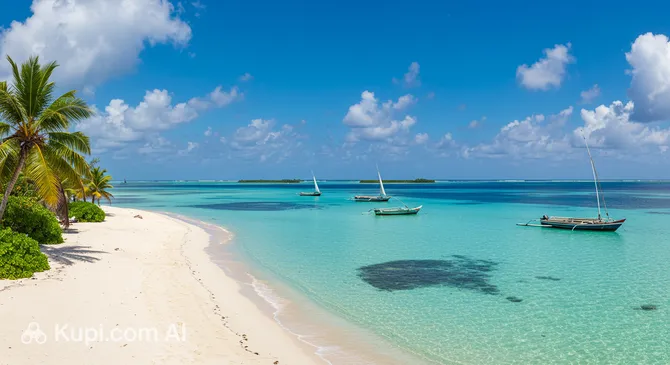
Mafia Island. Source: Kupi.Binoculars

Geographically, the island is the largest in a small archipelago and falls under the administration of the Pwani Region. With a population of around 50,000 residents, it maintains a close-knit village feel while providing essential amenities for guests. The climate is typically tropical, offering warm weather year-round that is ideal for exploring the pristine beaches and lush vegetation. The island is particularly renowned for the Mafia Island Marine Park, a protected area that encompasses nearly half of the island's coastal waters and hosts some of the most diverse coral reefs in East Africa.

The cultural depth of this destination is as captivating as its natural wonders. The fascinating history of Mafia Island reveals a past deeply connected to the ancient trade routes of the Swahili Coast, with various influences still visible in the local culture and architecture. Exploring the ruins on the nearby islet of Chole or visiting the historic lighthouse at Ras Mkumbi allows travelers to step back in time and appreciate the island's rich heritage.

For adventure seekers, Mafia is a world-class destination for scuba diving and snorkeling, boasting vibrant underwater ecosystems teeming with life. One of the most unique experiences available here is the opportunity to swim with whale sharks, the gentle giants of the ocean, which frequent these waters seasonally. Whether you are exploring the underwater kaleidoscope or simply relaxing on the white sands, Mafia Island promises an unforgettable journey into the heart of nature.

Weather Overview

Travelers can expect a tropical climate with warm conditions year-round, making this destination appealing for water activities and relaxation. The weather in Mafia Island remains relatively consistent, with average temperatures generally ranging from 25.0°C to 27.9°C. This stability creates a pleasant environment where extreme heat or cold is rarely a concern.

The year typically begins with the warmest weather; January and February see average highs reaching up to 28.7°C. The coolest period falls between July and August, when average temperatures dip slightly to about 25.0°C. Rainfall patterns vary more significantly, with April being the wettest month, featuring approximately 27 wet days. Conversely, the months of August and September are much drier, often seeing as few as 7 to 8 days with precipitation, making them ideal for uninterrupted exploration.

Interesting Facts

Beyond the main attractions and pristine beaches, Mafia Island holds many fascinating secrets that add to its unique mystique. This destination is not just about marine life; it possesses a collection of quirks and historical oddities that often surprise visitors.

  • Not That Kind of Mafia: Contrary to what the name might suggest, the island has no connection to Italian organized crime. The name likely derives from the Arabic word "morfiyeh," meaning "archipelago," or potentially from the Swahili phrase "mahali pa afya," which translates to "a healthy dwelling place."

  • The Island Hippos: In a rare phenomenon for an oceanic island, Mafia is home to a secluded population of hippos. These semi-aquatic mammals inhabit the freshwater lagoons in the interior and are believed to have been washed out to sea from the Rufiji River delta on the mainland of Tanzania decades ago, eventually establishing a permanent colony here.

  • Giant Robber Crabs: The dense forests of the island are a sanctuary for the massive Coconut Crab, also known as the Robber Crab. These are the largest land-living arthropods in the world, capable of climbing trees and cracking open coconuts with their powerful claws—a sight that looks like it belongs in a prehistoric era.

  • Flying Foxes: The skies around the archipelago often host the Comoro flying fox, a large species of fruit bat. These impressive creatures are frequently spotted roosting in the trees on the smaller surrounding islets, such as Chole, playing a crucial role in pollinating the lush local vegetation.

How to Get There

Reaching this secluded paradise is an adventure in itself, primarily involving a connection through Tanzania's major mainland hubs. The island is serviced by its own domestic terminal, Mafia Airport (IATA: MFA), which is conveniently situated near the main town of Kilindoni. While it is a small facility, it serves as the vital link for travelers, receiving daily light aircraft flights. Upon arrival, visitors typically need to travel approximately 11 km to reach the main lodges and resorts in the Utende area, a transfer that takes about 35 to 40 minutes by taxi or hotel shuttle. For a comprehensive guide on planning your journey, you can read more about how to get to Mafia Island.

Most international visitors will first touch down at Julius Nyerere International Airport (IATA: DAR) in the city of Dar es Salaam. Located approximately 126 km away on the mainland, this is the country's primary aviation gateway. Since Mafia Island is separated from the mainland by the Indian Ocean, travelers typically transfer here to a smaller domestic terminal for a scenic 30-minute flight. Alternatively, those exploring the wider archipelago might fly via Zanzibar International Airport (IATA: ZNZ) in Zanzibar City, which is about 191 km away and offers regular connections.

For clarity, here is a summary of the main airports and their distances to the island:

Airport Name City Passenger Traffic Distance to Island (km)
Julius Nyerere International AirportDar es SalaamLarge125.7
Zanzibar International AirportZanzibar CityLarge191.4
MafiaMafia IslandSmall10.9
Mtwara AirportMtwaraSmall277.1
Kilwa Masoko AirportKilwa MasokoSmall118.2

Main Attractions

Mafia Island Marine Park is undoubtedly the crown jewel of the archipelago and the primary reason many visitors travel to this remote destination. Encompassing a vast area of the southern coastline and surrounding waters, it is the largest marine protected area in the Indian Ocean. Tourists are drawn here for the unparalleled diving and snorkeling opportunities, where they can encounter over 400 species of fish and dozens of types of coral. The park is a sanctuary for marine life, offering a chance to swim amidst colorful reefs, sea turtles, and, depending on the season, the majestic whale sharks.

Just a short boat ride from the main island lies Chole Island, a place where time seems to have stood still. This tiny islet is a fascinating mix of nature and history, known for its lush vegetation and the crumbling ruins of ancient Arab buildings that have been reclaimed by the forest. It is particularly interesting to nature lovers as a nesting site for the Comoro flying fox, a large fruit bat species often seen hanging from the trees. A walk through Chole offers a peaceful glimpse into traditional village life, complete with boat-building yards and historic sites.

For those intrigued by history and archaeology, the Kua Ruins on Juani Island are a must-visit attraction. These medieval remnants date back to the 12th century and were once part of a thriving Swahili trading settlement. Visitors can explore the remains of mosques, a palace, and houses built from coral stone, all hidden within dense scrub. The site provides a hauntingly beautiful atmosphere and a tangible connection to the region's rich maritime past, making it a compelling excursion for culture enthusiasts.

Another natural wonder located off the coast of Juani Island is the Blue Lagoon. Accessible only during high tide through a narrow channel, this sheltered pool is famous for its crystal-clear turquoise waters and a unique population of upside-down jellyfish. Unlike their stinging relatives, these jellyfish rest on the sandy bottom, creating a surreal underwater garden. It is an ideal spot for a relaxing swim or a gentle snorkeling adventure, offering a magical experience in a secluded setting.

Located at the northernmost tip of the island, the Ras Mkumbi Lighthouse stands as a scenic and historic landmark. Built in the late 19th century, the lighthouse is surrounded by untouched wilderness and offers panoramic views of the Indian Ocean meeting the sky. The area is less visited than the southern marine park, providing a rugged and quiet charm. It is an excellent spot for birdwatching and spotting wildlife, such as monkeys and small antelopes, in the surrounding bushland.

Local Cuisine

The culinary landscape of Mafia Island is a delightful reflection of its coastal location and deep-rooted Swahili heritage. Unsurprisingly, the ocean dictates the menu here, providing a daily bounty of fresh catch that serves as the foundation for most meals. Visitors can expect a dining experience that focuses on simplicity, freshness, and the rich, aromatic spices typical of East Africa, all enjoyed at a relaxed, "pole pole" (slowly, slowly) pace.

Seafood lovers will find themselves in paradise, with dishes often featuring the catch of the day, such as red snapper, kingfish, or tuna. A must-try signature dish is Samaki wa Kupaka, a flavorful creation where fish is grilled over charcoal and then smothered in a rich, tamarind-infused coconut sauce. Another local favorite is Octopus Curry (Mchuzi wa Pweza), where tender chunks of octopus are simmered in a thick, spiced coconut gravy, usually served alongside fragrant rice or Wali wa Nazi (coconut rice).

For a taste of authentic local life, the main town of Kilindoni offers a glimpse into the island's street food culture. Here, particularly in the evenings, you can find vendors grilling Mishkaki, marinated meat skewers that are perfect for a quick snack. You might also encounter the popular Tanzanian comfort food, Chipsi Mayai, which is essentially a french fry omelet, often paired with a spicy chili sauce known as pili pili. Freshly baked Chapati and Mandazi (Swahili doughnuts) are widely available and make for a delicious breakfast or tea-time treat.

To quench your thirst in the tropical heat, nothing beats Madafu, the refreshing water drunk straight from a young coconut, often sold by climbers right off the tree. For something warm, the local Spiced Chai is a comforting blend of tea, ginger, cardamom, and milk. Those looking for alcoholic beverages can enjoy popular Tanzanian lagers like Safari or Kilimanjaro, or try a Dawa cocktail, a famous East African drink made with vodka, honey, and lime that perfectly complements a sunset view over the Indian Ocean.

Dining on Mafia Island ranges from casual street-side stalls in the villages to more refined experiences within the lodges and resorts, particularly in the Utende area. While the lodges offer excellent international and fusion cuisine catering to tourists, venturing into the local eateries provides a more authentic connection to the island's culture. Regardless of where you eat, the ingredients are almost guaranteed to be organic and locally sourced, from the seafood pulled from the reefs to the tropical fruits like mangoes, papayas, and pineapples grown in the interior.

Travel Tips

Visiting Mafia Island is a journey into a slower, more authentic side of coastal Tanzania, but its remote nature means a little extra preparation goes a long way. To help you navigate this tranquil paradise with ease, here are some essential practical tips to ensure your island getaway is smooth and enjoyable.

  1. Clothing and Gear: Pack lightweight, breathable fabrics like cotton or linen to stay cool in the tropical heat. While swimwear is perfect for the lodges and beaches, remember that Mafia Island has a conservative Muslim population; you should dress modestly (covering shoulders and knees) when visiting Kilindoni town or local villages. Also, bring sturdy reef shoes, as the intertidal zones can be rocky and sharp during low tide walks.
  2. Transportation: There is no formal public transport system like buses or trains on the island. For short distances, the most common and affordable way to get around is by bajaji (auto-rickshaw) or bodaboda (motorcycle taxi). Most lodges in Utende can arrange reliable taxi transfers for airport pickups or day trips, which is often the safest and most convenient option for tourists with luggage.
  3. Finances: Cash is king on Mafia Island. The local currency is the Tanzanian Shilling (TZS). There is only one ATM on the entire island (located in Kilindoni), and it can be unreliable or out of service. It is highly recommended to withdraw sufficient cash in Dar es Salaam before flying over. While major lodges accept credit cards, they often add a surcharge, and smaller local shops will strictly require cash.
  4. Health and Safety: Mafia is a safe destination with a low crime rate, but standard precautions apply. Malaria is present in the region, so bring high-quality insect repellent and consider sleeping under mosquito nets. The medical facilities on the island are basic, consisting mainly of a district hospital in Kilindoni; for serious conditions, evacuation to the mainland is necessary. Always drink bottled or filtered water to avoid stomach issues.
  5. Communication: Swahili is the primary language, and while staff at lodges speak good English, it is less widely spoken in the villages. Learning a few phrases like Jambo (Hello) and Asante (Thank you) will be warmly received. Wi-Fi is generally available in hotels but can be slow; for a reliable connection, buy a local SIM card (Vodacom or Airtel) in Kilindoni upon arrival.
  6. Local Etiquette: The island runs on "pole pole" time (slowly, slowly), so patience is a virtue here—service may take longer than you are used to. Greetings are very important in the local culture; always take a moment to greet someone before asking a question. When interacting with elders, using the respectful greeting Shikamoo is a wonderful way to show respect.
  7. What to Avoid: Do not walk around the main town of Kilindoni or local settlements in bikinis or shirtless; this is considered offensive to local norms. Additionally, avoid taking photos of people, especially women, without asking for explicit permission first, as many locals are private and camera-shy.
  8. Marine Park Fees: Be aware that if you are staying in the Utende area or doing water activities there, you are entering the Mafia Island Marine Park. Daily park fees are mandatory and strictly enforced (usually payable by credit card at the park gate). These are often not included in your hotel room rate, so check with your accommodation beforehand to budget accordingly.

By keeping these tips in mind, you will be well-equipped to embrace the laid-back rhythm of Mafia Island. Respecting local customs and coming prepared for the island's rustic charm will open the door to a truly heartwarming and unforgettable travel experience.

Entertainment & Nightlife

Nightlife on Mafia Island is distinctively different from the bustling party scenes found in Zanzibar or Dar es Salaam. Consistent with the island's serene and "pole pole" (slowly, slowly) atmosphere, evening entertainment here is low-key, intimate, and centered around relaxation rather than high-energy clubbing. The nightlife experience is largely divided between the local vibes in the main town of Kilindoni and the laid-back, sophisticated atmosphere of the lodges in the Utende area.

For those seeking a taste of authentic local entertainment, Kilindoni is the place to be. This is where the island's residents socialize, and the atmosphere is friendly and unpretentious. The most famous spot in town is the Ibizza Inn. By day, it serves as a restaurant, but on weekend evenings, it transforms into the closest thing the island has to a nightclub. Local music, Bongo Flava, and Afrobeats pump through the speakers, and the dance floor fills with a mix of locals and adventurous tourists. It is a fantastic place to enjoy a cold beer, meet friendly residents, and experience the island's culture firsthand.

In contrast, the Utende area offers a more tranquil evening experience, perfect for winding down after a day of diving. Nightlife here revolves around the open-air bars within the lodges and resorts. Venues like the bar at Mafia Island Lodge or the social area at Big Blu provide a cozy setting where travelers gather to swap stories of underwater sightings over cocktails or wine. These spots often host beach bonfires or Swahili-themed dinners, creating a magical ambiance under the vast, star-filled African sky. The dress code is universally casual—shorts and flip-flops are the norm everywhere.

Practicality is key when planning a night out. The streets, especially outside Kilindoni, are often unlit and pitch black after sunset. It is essential to carry a torch or use your phone's flashlight. Walking between Kilindoni and Utende at night is not feasible due to the distance (approx. 14 km) and the darkness. The best way to get around is by hiring a bajaji (auto-rickshaw) or a taxi. Prices should be negotiated in advance; a trip within Kilindoni is cheap, but a transfer to Utende can cost between 20,000 to 40,000 TZS depending on the time and driver.

Regarding safety, Mafia Island is generally very safe, but standard precautions apply. Avoid walking alone in secluded areas late at night, not necessarily due to crime, but because of the uneven terrain and lack of lighting. If you are drinking in Kilindoni, be mindful that the local population is predominantly Muslim and conservative; while alcohol is served in bars, rowdy behavior on the streets is frowned upon.

While the island is famous for its marine activities, daytime entertainment on land offers a quiet charm. Visitors can explore the bustling Kilindoni Market to see the daily trade of fresh fish and produce, offering a colorful slice of island life. For a cultural fix, watching the traditional boat builders at work on the beach provides insight into centuries-old craftsmanship. However, don't expect malls, cinemas, or amusement parks; entertainment here is organic and rooted in the natural and cultural rhythm of the island.

Parks & Museums

Mafia Island does not follow the traditional urban template of manicured city parks and indoor glass-cased museums; instead, the entire archipelago serves as a vast, living nature reserve and an open-air gallery of history. Here, the "parks" are wild marine protected areas and lush mangrove forests, while the "museums" are ancient coral-stone ruins hidden beneath the canopy of baobab trees, offering a raw and immersive connection to the past.

Mafia Island Marine Park is the region's defining natural area, effectively serving as a massive underwater national park. Covering over 820 square kilometers, it is the largest marine protected area in the Indian Ocean and a marvel of conservation. While it is famous for diving, its value as a "park" lies in its incredible biodiversity, protecting a complex ecosystem of estuarine mangroves, coral reefs, and sea grass beds. For nature enthusiasts, it offers a front-row seat to an undisturbed habitat where the boundaries between land and ocean blur, hosting everything from microscopic reef dwellers to migratory giants.

For a different kind of natural encounter, the Hippo Pools in the north-western part of the island offer a rare spectacle. Unlike the coastal marine areas, this is a series of freshwater lagoons surrounded by dense reed beds and forest. It acts as a natural sanctuary for a secluded population of hippopotamuses that have lived here for decades, isolated from the mainland. Visiting this area feels like stepping into a hidden wetland park, providing a unique opportunity to observe these massive mammals in a surprisingly tranquil and uncrowded setting.

In terms of cultural heritage, the Kua Ruins on Juani Island function as the archipelago's most significant archaeological site. Dating back to the 12th century, this settlement was once a thriving center of Swahili trade but is now a hauntingly beautiful complex of roofless mosques, a palace, and cemeteries reclaimed by the jungle. Walking through Kua is like exploring a museum without walls; visitors can trace the outlines of ancient architecture and imagine the lives of the sultans and merchants who once walked these sandy paths, making it a fascinating stop for history buffs.

Chole Island offers a poignant glimpse into more recent history, serving as a "living museum" of the colonial era. Amidst the active village life, you will find the crumbling remains of German administrative buildings, an old customs house, and a prison from the 19th and early 20th centuries. These structures, now embraced by the roots of giant fig trees, tell the story of the island's strategic importance along the East African coast. It is a place where the past is physically woven into the present, offering a tangible narrative of the shifting powers that shaped the region.

For an authentic cultural experience, seek out the traditional dhow building yards often found along the beaches near Kilindoni or Chole. While not a formal gallery, watching local craftsmen hand-carve these iconic sailing vessels using centuries-old techniques is a display of artistry and engineering that rivals any exhibit. It provides a deep appreciation for the maritime culture that has sustained the islanders for generations.

Getting Around

Navigating Mafia Island is a unique experience that reflects its laid-back, rural character. Travelers should be aware that there is no formal public transport system comparable to large cities; you will not find subways, trams, or large municipal bus networks here. Instead, the island relies on a small-scale, informal network of vehicles that connects the main town of Kilindoni with smaller villages and the tourist hub of Utende. The primary mode of shared transport is the dala-dala, which on this island often takes the form of a converted truck or a minivan. These vehicles are the lifeline for locals, transporting people and goods along the main asphalt road that runs north to south.

For shorter distances or more personalized travel, bajajis (three-wheeled auto-rickshaws) and bodabodas (motorcycle taxis) are the most convenient and ubiquitous options. Bajajis are perfect for carrying small groups or travelers with light luggage and offer a breezy way to see the surroundings. Bodabodas are faster and cheaper but are best suited for solo travelers comfortable with riding on the back of a motorbike. These can be found gathered at key intersections in Kilindoni or can be flagged down along the roadside.

The payment system on the island is entirely cash-based. There are no travel cards, passes, or mobile apps for ticketing. You simply pay the driver or conductor directly upon reaching your destination. Prices are generally low but can vary; a ride on a dala-dala costs a nominal amount of local currency, while private hires like bajajis require negotiation. It is essential to carry small denominations of cash, as drivers often do not have change for large bills. For tourists, it is standard practice to agree on the fare before the journey begins to avoid misunderstandings later.

Practicality dictates the schedule here. Dala-dalas do not operate on a fixed timetable; they leave the terminal only when they are completely full, which can require some patience. They typically run from early morning until sunset, and finding public transport after dark is extremely difficult. If you plan to travel between Kilindoni and Utende, be prepared for a crowded ride, often sharing space with sacks of rice or fresh produce. For a more comfortable and reliable experience, especially with luggage, most visitors opt to arrange private taxis through their lodges.

Given the island's geography, water transport is also a vital part of the local "public" system. Small wooden boats and dhows ferry passengers between the main island and the smaller inhabited islets like Chole. These boats usually operate on a tide-dependent schedule, departing from the beach rather than a formal jetty. Additionally, for those who prefer self-powered exploration, renting a bicycle is a popular alternative. The terrain is relatively flat, and cycling allows you to explore the coconut plantations and coastal paths at your own pace.

Accommodation

Accommodation on Mafia Island is defined by its intimate and eco-conscious character, offering a refreshing contrast to the large, commercial resorts found elsewhere in the region. The options here are relatively limited but high in quality, focusing on blending seamlessly with the natural environment. Travelers can expect to find a range of stays from rustic beach bandas and budget-friendly guesthouses to luxurious, boutique eco-lodges that offer world-class service and privacy. The island prioritizes low-impact tourism, so you will not find high-rise hotels or sprawling all-inclusive chains; instead, the emphasis is on personal hospitality and a "barefoot luxury" experience.

The most popular area for tourists to stay is undoubtedly Utende, located on the southeastern coast within the boundaries of the Mafia Island Marine Park. This is the primary hub for diving and snorkeling activities, making it the most convenient base for water enthusiasts. Here, lodges are often situated right on the beachfront or tucked into the mangroves, offering direct access to Chole Bay. Staying in Utende places you in the heart of the action for marine excursions, though it is important to note that accommodation here generally falls into the mid-range to luxury price bracket and may require daily park fees.

For those seeking a more authentic and budget-friendly experience, the main town of Kilindoni and its surroundings offer several modest guesthouses and smaller hotels. Staying here provides a closer connection to the local community and easy access to the airport and market. While it is further from the main diving sites (requiring a taxi ride to Utende), it offers a genuine slice of island life and is significantly more affordable. Additionally, the tiny islet of Chole, located just a short boat ride from Utende, offers unique "treehouse" style accommodations for those looking to completely disconnect in a rustic, electricity-free setting.

When planning your trip, it is important to consider the seasonality of the island's attractions. If you are visiting specifically to see the whale sharks (typically October to February) or during the peak holiday seasons, it is highly recommended to book your accommodation well in advance. The best lodges have limited capacity and fill up quickly. Many properties operate on a full-board basis due to the lack of standalone restaurants in the tourist areas, so packages often include meals.

In terms of pricing, Mafia Island is generally considered a more exclusive destination. While budget options exist in the town, the lodges inside the Marine Park command higher rates reflecting their location and amenities. Booking is most commonly done through online travel platforms or by contacting the lodges directly to arrange specialized dive-and-stay packages. Regardless of where you choose to sleep, the experience is almost guaranteed to be peaceful, scenic, and deeply connected to the rhythm of the ocean.

Nearby Cities

Nearby Cities:

For those looking to explore the surroundings, Mafia Island serves as an excellent base for day trips to several interesting nearby locations. While Mafia itself is a secluded haven, its proximity to the mainland and other islands allows travelers to easily combine their stay with visits to some of Tanzania's most vibrant destinations. Whether you are interested in historical architecture, bustling markets, or different coastal vibes, a short flight or boat ride can transport you to a completely different atmosphere.

Zanzibar City is a top choice for a short visit, offering a stark contrast to the quiet nature of Mafia. Famous for its historic Stone Town, a UNESCO World Heritage site, visitors can wander through narrow winding alleys, explore ancient sultan's palaces, and immerse themselves in the aromatic world of spice tours. It provides a rich cultural experience that complements the underwater adventures of Mafia.

On the mainland, Dar es Salaam stands as the country's energetic economic hub. It is the perfect place to witness the modern pulse of Tanzania, featuring the chaotic yet fascinating Kariakoo Market, the National Museum, and a variety of dining options. For those heading south, Mtwara serves as a gateway to the southern coast and the historic town of Mikindani, offering a glimpse into the colonial past and access to the pristine Mnazi Bay-Ruvuma Estuary Marine Park.

City Population Distance (km)
Dar es Salaam 7,962,000 127
Morogoro 207,000 259
Zanzibar City 205,870 198
Kibaha 128,488 178
Mtwara 92,602 274

These nearby destinations offer a glimpse into the diverse culture and landscapes of the region.

Shopping & Souvenirs

Shopping on Mafia Island is a refreshingly simple and authentic experience, far removed from the commercialized retail therapy found in major cities. Visitors here should not expect high-end luxury brands, sprawling department stores, or designer boutiques. Instead, the island offers a chance to engage with the local community, purchasing essential goods and unique handmade items directly from small traders. The shopping scene is centered around basic necessities and local craftsmanship, reflecting the island's laid-back and traditional way of life.

The primary hub for any commercial activity is the main town of Kilindoni. This is the island's administrative center and the only place that resembles a shopping district. The "high street" here is essentially a dusty road lined with small, open-fronted shops known as dukas. These family-run businesses sell everything from groceries and hardware to colorful textiles. A stroll through Kilindoni offers a genuine glimpse into the daily lives of the residents, where commerce is conducted with a friendly smile and a chat.

It is important for tourists to know that there are no shopping malls on Mafia Island. The destination prides itself on its untouched nature and rustic charm, which means modern retail complexes do not exist here. Travelers looking for branded clothing or electronics should ensure they purchase these items on the mainland in Dar es Salaam before traveling to the island.

The beating heart of the island's trade is the Kilindoni Market. This bustling open-air market is the best place to immerse yourself in the local culture. It is most vibrant in the mornings when fishermen bring in their fresh catch and farmers arrive with produce. Here, you can find mounds of tropical fruits like mangoes, pineapples, and coconuts, alongside fresh vegetables and spices. While it is primarily a food market, it is a fascinating spot to observe the local trade dynamics and perhaps pick up some fresh snacks for the day.

When it comes to souvenirs, the options are modest but meaningful. One of the most prized local products is Mafia Island Honey, known for its rich flavor and purity. Another popular purchase is locally produced coconut oil, which is organic and high quality. For tangible keepsakes, look for Kanga and Kitenge fabrics—brightly colored, patterned cloths worn by local women that can be used as sarongs, beach towels, or tablecloths. Most of the high-end lodges in the Utende area also have small gift boutiques selling wood carvings, jewelry, and postcards, often sourced from local artisans.

Store opening hours are generally dictated by the sun and the local rhythm. Most shops in Kilindoni open around 8:00 AM and close by 6:00 PM or sunset. Payment is almost exclusively in cash (Tanzanian Shillings). Credit cards are rarely accepted outside of the major hotels and lodges. Since the island has only one ATM which can be unreliable, it is crucial to bring sufficient cash with you for all your shopping needs.

Tax-free shopping or VAT refund schemes are not available on Mafia Island. The trade here is informal and small-scale, so tourists should not expect to claim back taxes on purchases made within the local markets or shops.

Reached the end of the page?

That means the route is fully explored