Support

Zanzibar City

About

Welcome to Zanzibar City, a captivating destination where African, Arab, Indian, and European influences blend seamlessly to create a unique cultural tapestry. As the capital and largest city of the Zanzibar Urban/West Region, it serves as the economic and cultural heart of the archipelago. Located on the western coast of Unguja, the main island, the city is a vibrant hub in Tanzania known for its warm hospitality and tropical atmosphere. With a population of approximately 205,870 people, it offers a lively yet relaxed environment for travelers seeking an authentic island experience.
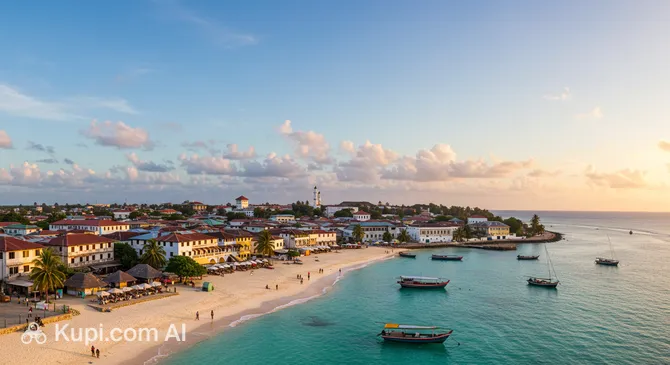
Zanzibar City. Source: Kupi.Binoculars

The city is perhaps best known for Stone Town, its historic center and a UNESCO World Heritage Site. Exploring the history of Zanzibar City reveals a past rich in trade and tradition, evident in the labyrinthine alleys, bustling bazaars, and magnificent coral stone buildings. Visitors are often enchanted by the intricately carved wooden doors that adorn many of the old houses, each telling a story of the families who once lived there. The architecture here stands as a testament to the city's diverse heritage and long-standing significance as a port city.

Beyond its historical allure, the city boasts several key attractions that draw visitors from around the globe. The Old Fort (Ngome Kongwe), the oldest building in Stone Town, is a must-see landmark that frequently hosts cultural festivals. In the evenings, the Forodhani Gardens come alive with a vibrant night market, offering a perfect opportunity to taste local seafood and Zanzibari delicacies by the waterfront. Whether you are wandering through the ancient streets or soaking up the sun on the nearby beaches, Zanzibar City promises an unforgettable journey into a world of spice, culture, and beauty.
Weather Overview

Travelers to this tropical destination can expect warm and pleasant conditions year-round, making it an inviting spot for outdoor activities at any time. The climate is generally consistent, though seasonal variations do occur. For a detailed forecast and specific monthly data to help plan your trip, you can consult the guide to the weather in Zanzibar City.

The hottest period typically runs from January to March, where average temperatures reach around 28°C, with daily highs often climbing to nearly 30°C. The months of June through September are slightly cooler, with averages settling near 25°C, offering a refreshing break from the heat. Rainfall is most frequent in April, which records the highest number of wet days, while July and August are generally the driest months, seeing minimal precipitation and fewer rainy days.

Interesting Facts

Beyond the main attractions, Zanzibar City holds many fascinating secrets and historical curiosities that reveal the depth of its unique heritage. From record-breaking events to surprising celebrity connections, the city's past is full of intriguing stories waiting to be discovered.
  • A Rock Legend's Birthplace: Many visitors are surprised to learn that Farrokh Bulsara, better known to the world as the legendary Freddie Mercury of Queen, was born right here in Stone Town. Music fans can pay homage and explore his early years at the Freddie Mercury Museum, located in the heart of his hometown.

  • The Shortest War in History: The city was the site of the Anglo-Zanzibar War of 1896, which is recorded as the shortest war in history. The conflict lasted only between 38 and 45 minutes before a ceasefire was declared, taking place near the waterfront and the historic Old Fort.

  • Elephant Defenses: As you wander the narrow alleys, you will notice massive wooden doors studded with sharp brass spikes. This design originated in India to protect gates from being battered by war elephants. Wealthy merchants adopted the style for its grandeur, even though there were never any war elephants on the island.

  • A Technological Pioneer: The magnificent House of Wonders (Beit al-Ajaib) was the first building in East Africa to have electricity and an electric elevator. This marvel of engineering showcased the Sultan's desire for modernity in the late 19th century.

Freddie Mercury Museum. Source: Kupi.Binoculars

How to Get There

Planning a trip to this enchanting island hub is the first step toward an unforgettable adventure. Most visitors arrive by air, landing directly on the island or transiting through the Tanzanian mainland. For a comprehensive guide on all available transport options, including ferries and flights, you can read more about how to get to Zanzibar City. The journey itself often offers stunning views of the Indian Ocean azure waters.

The most convenient entry point is Zanzibar International Airport (IATA: ZNZ), which is located directly in Zanzibar City. This international airport is the primary gateway for tourists, handling a large volume of traffic with connections to East Africa, the Middle East, and Europe. Situated just 6.9 km from the city center, the transfer to Stone Town or nearby resorts is very quick. A taxi ride from the terminal to the heart of the city typically takes about 30 minutes, making your arrival smooth and hassle-free.

Alternatively, many travelers choose to fly into Julius Nyerere International Airport (IATA: DAR) in the city of Dar es Salaam. Located approximately 78.6 km from Zanzibar City across the Zanzibar Channel, this is Tanzania's largest airport and a major regional hub. While it is not on the island, it offers extensive flight options. From here, visitors can take a short connecting flight or a high-speed ferry to reach Zanzibar City.

For clarity, here is a summary of the main airports:

Airport Name City Passenger Traffic Km from City
Julius Nyerere International AirportDar es SalaamLarge78.6
Zanzibar International AirportZanzibar CityLarge6.9
Wawi AirportPembaMedium121.2
Tanga AirportTangaSmall119.4
MafiaMafia IslandSmall200.0

Zanzibar City does not have a railway station, and there are no train services available on the island of Unguja. Public transport relies primarily on road networks, with local minibuses known as "daladalas" and taxis being the main methods for getting around the island after your arrival.

Main Attractions

Attractions:

Exploring this historic city offers a journey through time, where every corner reveals a new layer of its rich cultural heritage. From somber historical landmarks to vibrant sensory experiences, the main sights provide a deep understanding of the island's past and present. Here are some of the most compelling places to visit during your stay.

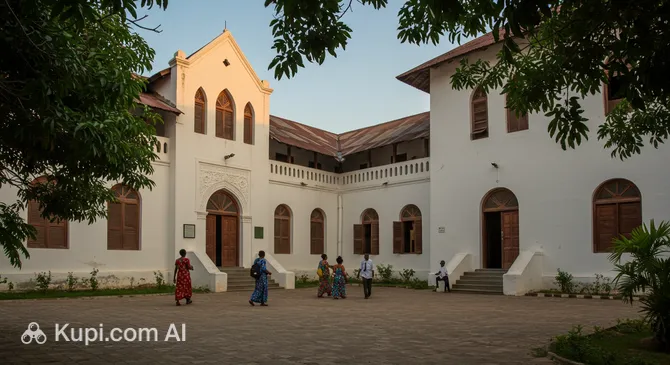
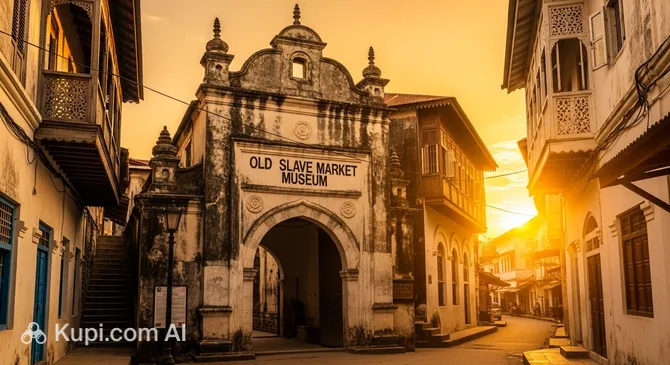
One of the most significant and moving sites is the Old Slave Market & Stone Town. Located on the grounds of the Anglican Cathedral, this museum stands as a powerful memorial to the history of the East African slave trade. Visitors can explore the underground chambers and learn about the abolition movement in the region. The altar of the cathedral was historically placed exactly where the whipping post once stood, making it a profound place for reflection and education regarding the island's complex past.

Old Slave Market & Stone Town. Source: Kupi.Binoculars

A prominent feature of the city's skyline is Saint Joseph's Cathedral. Built by French missionaries between 1893 and 1898, this Roman Catholic cathedral is known for its distinctive twin spires, which are easily visible when approaching the harbor by ferry. The architecture draws on European influences while sitting in the heart of Stone Town's narrow streets. It remains an active place of worship and a testament to the diverse religious fabric of the community.

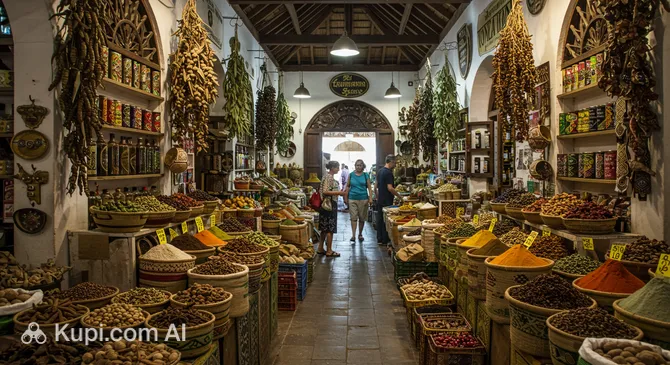
For those looking to immerse themselves in the "Spice Island" reputation, the Zanzibar Spice Community Shop offers a delightful sensory experience. Here, tourists can discover why the archipelago became famous for its trade in cloves, nutmeg, cinnamon, and black pepper. It is an excellent spot to learn about the cultivation of these crops and purchase fresh, locally sourced spices and essential oils to take home as authentic souvenirs.

Zanzibar Spice Community Shop. Source: Kupi.Binoculars

To experience the architectural grandeur of the 19th century combined with culinary delight, a visit to Emerson Spice is highly recommended. Housed in a beautifully restored Swahili merchant's palace, this establishment functions as a boutique hotel and a celebrated restaurant. It is particularly famous for its rooftop dining, where guests can enjoy exquisite seafood dishes while watching the sunset over the rusty tin roofs of the city, offering a magical atmosphere that captures the essence of Zanzibar.

Local Cuisine

The culinary landscape of Zanzibar City is a tantalizing reflection of its history as a trade hub, offering a unique fusion of African, Arab, Indian, and European flavors. Known as the "Spice Island," the local cuisine is aromatic and rich, heavily featuring cloves, cardamom, cinnamon, and black pepper. Visitors will find that food here is not just sustenance but a vibrant part of the cultural experience, with dishes that are as colorful as they are delicious.

One of the most iconic dishes you must try is Urojo, also known as "Zanzibar Mix." This tangy, turmeric-based soup is filled with crispy potato balls, falafel, and boiled eggs, then topped with coconut chutney and a dash of hot sauce. Another street food staple is the Zanzibar Pizza, which bears little resemblance to its Italian namesake. It is a savory or sweet pocket of dough filled with ingredients like minced meat, eggs, vegetables, and cheese, fried to crisp perfection on a griddle.

Given the island location, seafood plays a central role in the local diet. Octopus curry (Pweza wa nazi) is a favorite among locals and tourists alike, typically simmered in a rich, creamy coconut sauce that highlights the fresh catch of the day. For those who enjoy rice dishes, Pilau and Biryani are ceremonial staples, cooked with a fragrant blend of spices that fills the air with an inviting aroma.

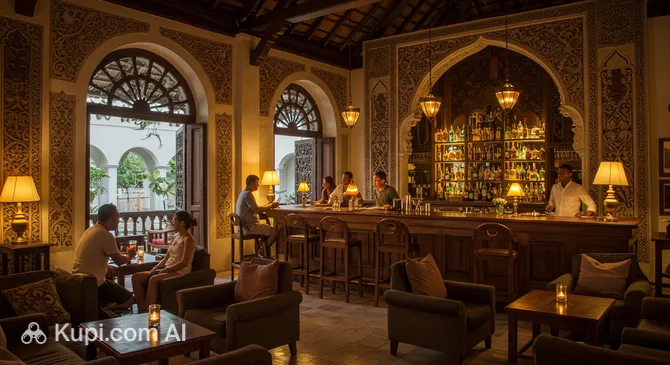
When it comes to beverages, the island offers refreshing options to beat the tropical heat. Freshly pressed sugar cane juice mixed with ginger and lime is a popular non-alcoholic thirst quencher found on many street corners. For a stronger kick, the signature cocktail of the region is the Dawa, meaning "medicine" in Swahili. It is a potent mix of vodka, honey, and lime, best enjoyed while watching the sun dip below the horizon. A legendary spot to enjoy such a sunset drink is the Africa House Hotel, which offers a historic atmosphere and panoramic ocean views.

Africa House Hotel. Source: Kupi.Binoculars

The food culture in Zanzibar City is communal and lively, best experienced at the famous Forodhani Gardens night market. As dusk falls, the waterfront transforms into a bustling open-air dining hall where chefs display skewers of grilled seafood and local delicacies. For a more sit-down experience that highlights the city's strong Asian heritage, you can visit the Harbour Indian Kitchen, which serves authentic dishes celebrating the long-standing connection between Zanzibar and India.

Travel Tips

To ensure your visit to Zanzibar City is as smooth and enjoyable as possible, a little preparation goes a long way. Understanding the local customs and logistics will help you navigate the historic streets of Stone Town with confidence and respect.

  1. Clothing and Gear: The climate is hot and humid, so pack loose, breathable fabrics like cotton or linen. However, Zanzibar is a conservative Muslim society; when walking through Zanzibar City and Stone Town, you must dress modestly. Men and women should cover their shoulders and knees—save the swimwear for the private resort beaches. Comfortable walking shoes are essential for navigating the uneven cobblestone alleys. Bring a universal travel adapter, though Type G (British style) plugs are the standard.

  2. Transportation: The narrow, winding streets of Stone Town are car-free, making walking the only way to explore the historic center. For trips outside the town, taxis are readily available but rarely use meters, so you should negotiate the fare before getting in. For a truly local experience, you can try the daladalas (minibuses), which are cheap but often crowded. Car rental is possible but requires a temporary local driving permit, and traffic can be chaotic.

  3. Finances: The local currency is the Tanzanian Shilling (TZS), but US Dollars are widely accepted for larger purchases and hotels. Ensure your dollar bills are printed after 2009, as older notes are often rejected. ATMs are available in Zanzibar City, but they can occasionally be out of service, so carrying some backup cash is wise. Credit cards are accepted at major establishments but often incur a surcharge of around 5%.

  4. Health and Safety: Zanzibar City is generally safe, but like any tourist hub, petty theft can occur; keep valuables secure and avoid walking on deserted beaches at night. Pharmacies are available in Stone Town for basic needs, and private clinics like the Tasakhtaa Global Hospital offer better standards for tourists than public facilities. Always drink bottled water and stay hydrated. Malaria is a risk, so bring effective insect repellent and consider prophylaxis.

  5. Communication: Swahili is the official language, but English is widely spoken in tourism, shops, and restaurants. Learning a few phrases like "Jambo" (Hello) and "Asante" (Thank you) will go a long way with locals. Wi-Fi is common in hotels and cafes but can be slow. For reliable mobile data, you can buy a local SIM card (Zantel offers the best coverage on the island) upon arrival; you will need your passport for registration.

  6. Local Etiquette: Greetings are a significant part of the culture; it is polite to exchange pleasantries before asking a question or starting a transaction. Public displays of affection (PDA) are frowned upon and should be avoided. If you visit during the holy month of Ramadan, be mindful not to eat, drink, or smoke in public during daylight hours out of respect for those fasting.

  7. What to Avoid: Do not take photographs of local residents without asking for their permission first, as many consider it intrusive or offensive. Additionally, avoid wearing revealing clothing in the city center; walking around Stone Town in a bikini or shirtless is considered highly disrespectful.

  8. Embrace "Pole Pole": Life in Zanzibar moves at a relaxed pace, summed up by the local phrase pole pole (slowly, slowly). Service in restaurants and shops may take longer than you are used to. Instead of getting frustrated, embrace the island rhythm and enjoy the laid-back atmosphere.

By keeping these practical tips in mind, you will be well-equipped to immerse yourself in the magic of Zanzibar City. Respecting local traditions and staying prepared will allow you to focus on the incredible sights, sounds, and flavors this unique destination has to offer.

Entertainment & Nightlife

Entertainment:

Entertainment in Zanzibar City is a laid-back affair that perfectly complements the island's slow-paced lifestyle. While you won't find a high-energy clubbing scene comparable to major global capitals, the city offers a rich array of cultural experiences, atmospheric sunset spots, and modern leisure facilities. The nightlife here is defined by live Taarab music, moonlit beach gatherings, and the social buzz of evening markets.

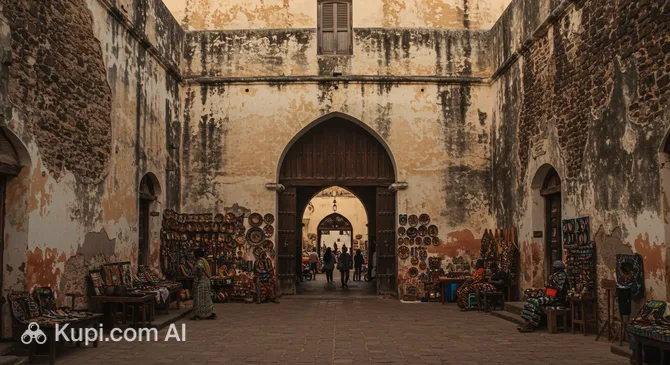
The cultural heart of the city's entertainment is undoubtedly the Old Fort (Ngome Kongwe). This massive stone structure is not just a historical monument but a vibrant venue for the arts. Its open-air amphitheater hosts traditional dance performances, live music, and major annual events like the Zanzibar International Film Festival (ZIFF) and the Sauti za Busara music festival. Attending a show here, surrounded by ancient walls under the starlit sky, is a magical experience that connects visitors with the island's artistic soul.

Old Fort. Source: Kupi.Binoculars

For those seeking a contemporary shopping and leisure experience, the Michenzani Mall stands out as a modern landmark. It provides a welcome contrast to the winding alleys of Stone Town, offering air-conditioned comfort, a variety of retail stores, and food courts. It is a popular gathering spot for locals and provides a convenient place to shop for essentials or simply take a break from the tropical heat in a comfortable setting.

Michenzani Mall. Source: Kupi.Binoculars

Relaxation is also a key part of the entertainment offerings here. Visitors looking to unwind can visit the Azam Luxury Resort & Spa, which features wellness facilities perfect for rejuvenating after a day of exploration. Additionally, the city's evening entertainment often revolves around dining with a view. Restaurants like the Harbour Indian Kitchen offer not just excellent food but a lively waterfront atmosphere where the sights and sounds of the harbor create a memorable backdrop for the night.

Parks & Museums

Parks and Museums

While Zanzibar City is famous for its winding stone alleys and bustling markets, it also offers pockets of greenery and profound cultural institutions that preserve the island's complex heritage. Visitors can easily transition from a relaxing stroll by the sea to an immersive journey through history, all within a short walking distance in the heart of the city.

The most prominent green space in the city is the Forodhani Gardens, located directly on the waterfront. By day, this park serves as a shaded refuge where locals and tourists alike come to enjoy the sea breeze and views of the harbor. The gardens are beautifully landscaped with tropical trees and pathways, making it an ideal spot for a leisurely break. Just a short boat ride from the city shores lies Prison Island (Changuu), a nature reserve that feels like a park on the water. It is famous for its sanctuary of giant Aldabra tortoises, some of which are over a century old, offering a unique encounter with wildlife in a lush, natural setting.

For a deep dive into the island's history, the East Africa Slave Trade Exhibition is an essential stop. Located at the site of the former slave market, this museum provides a harrowing but necessary look at the region's past. Through a collection of historic photographs, artifacts, and preserved underground chambers, the exhibition educates visitors on the realities of the trade and the abolition movement. It is a somber and moving experience that honors the memory of those who suffered.

East Africa Slave Trade Exhibition. Source: Kupi.Binoculars

On a lighter cultural note, music lovers should not miss the Freddie Mercury Museum. Situated in the very house where the Queen frontman spent his early years, the museum celebrates his life and connection to Zanzibar. Inside, you will find a curated collection of photographs, lyrics, and personal items that trace his journey from a local boy named Farrokh Bulsara to a global rock icon. It offers an intimate glimpse into the roots of one of music's greatest legends.

Another significant cultural venue is the Palace Museum, often referred to as the Sultan's Palace. While it focuses on the lifestyle of the Zanzibari royalty, it stands as a key architectural and historical landmark on the seafront. For a lesser-known authentic experience, take a walk to the Mnazi Mmoja grounds on the edge of Stone Town. This large open space is where the local pulse beats strongest, often filled with residents playing football or socializing, offering a genuine slice of daily life away from the main tourist trail.

Getting Around

Navigating Zanzibar City is an adventure in itself, offering a glimpse into the local way of life. The public transport system differs significantly from what you might find in Western capitals; there is no metro, tram, or large municipal bus network. Instead, the city relies on a lively and informal road-based system. For tourists, understanding how to use these local options is key to exploring the island affordably and authentically.

The backbone of public transportation is the daladala. These are typically minibuses or converted open-air trucks with a roof and bench seating. They operate on specific routes that connect the city center with suburbs and nearby villages. The main terminal is located near the Darajani Market, which serves as the central hub for almost all routes. While they do not run on a strict timetable, they leave when full, which usually happens quite quickly during the day.

Regarding payment, the system is entirely cash-based. There are no travel cards, apps, or electronic passes. You simply pay the conductor, often called the mpigadebe, after you have boarded and the vehicle is in motion. Fares are incredibly low, typically costing just a few hundred Tanzanian Shillings (roughly 15 to 40 cents USD). It is highly recommended to carry small bills and coins, as conductors may struggle to find change for large denominations.

For those seeking a more private or comfortable alternative, taxis are widely available, especially at the airport, ferry terminal, and major hotels. However, they do not use meters. You must negotiate and agree on the fare with the driver before getting into the car to avoid misunderstandings later. A popular and cheaper alternative to the standard taxi is the Bajaji (a three-wheeled tuk-tuk), which is perfect for short trips around the city outskirts and offers a breezy ride through the traffic.

A unique feature of Zanzibar City is the historic Stone Town district. The streets here are too narrow for cars and daladalas, making it a strictly pedestrian zone. Public transport will drop you off at the edge of this district, usually near the market or the gardens. Once inside Stone Town, walking is the only way to get around. Be prepared to navigate on foot, and consider hiring a local porter with a cart if you have heavy luggage to transport to your hotel.

If you prefer to drive yourself, car rentals are available, but you will need a temporary local driving permit in addition to your international license. Traffic can be chaotic, with pedestrians, bicycles, and scooters sharing the road. Boda-bodas (motorcycle taxis) are also common for quick trips, but safety standards vary, so helmets are a must if you choose this option. Most tourists find that a combination of walking within Stone Town and using taxis or organized transfers for longer excursions is the most stress-free approach.

Accommodation

Where to Stay:

Accommodation in Zanzibar City caters to a wide spectrum of tastes and budgets, ranging from atmospheric guesthouses steeped in history to modern luxury retreats. Visitors can choose between staying in the heart of the ancient city, where the hotels are often housed in restored merchant houses and palaces, or opting for the more spacious and serene resorts located on the city's outskirts along the coast.

For those who wish to be in the center of the action, Stone Town is the most popular area. Staying here means being within walking distance of major historical sites, markets, and restaurants. The accommodations in this district are known for their traditional Swahili architecture, featuring four-poster beds and intricate wood carvings. Alternatively, travelers seeking a quieter environment with ocean views and swimming pools often look towards the coastal suburbs, where larger properties provide a resort-style experience while still being accessible to the city center.

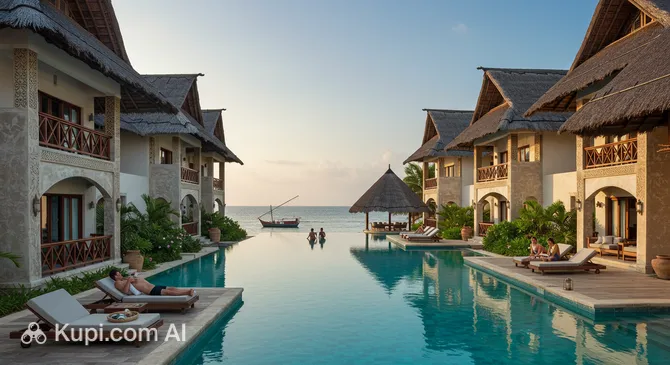
A prime example of the upscale options available is the Azam Luxury Resort & Spa. This property represents the higher end of the accommodation scale, offering guests extensive amenities including wellness facilities and comfortable suites. It is an ideal choice for travelers looking to combine the cultural exploration of the city with the relaxation typical of an island holiday.

Azam Luxury Resort & Spa. Source: Kupi.Binoculars

Booking Tips: Zanzibar is a major tourist destination, and the best rooms—especially in the unique boutique hotels of Stone Town—fill up quickly. It is highly recommended to book your accommodation well in advance, particularly if you are visiting during the peak seasons of July to October or December to February.

The price range varies significantly. Budget travelers can find affordable hostels and simple B&Bs in the winding alleys, while mid-range options offer air-conditioning and en-suite bathrooms at reasonable rates. Luxury properties command higher prices but deliver exceptional service and ambiance. Most accommodations can be booked easily through major online platforms, though contacting smaller guesthouses directly can sometimes secure a better rate or a specific room preference.

Nearby Cities

For those looking to explore the surroundings, Zanzibar City serves as an excellent base for day trips or short excursions to several interesting nearby locations. While the island itself is full of wonders, the proximity to the mainland and other islands allows travelers to easily expand their horizons.

Dar es Salaam is the most accessible major destination, located just across the channel. A high-speed ferry can take you there in about two hours, transporting you from the historic alleys of Stone Town to a bustling metropolis. As Tanzania's largest city and commercial hub, it offers vibrant markets like Kariakoo, the National Museum, and a dynamic urban atmosphere that contrasts sharply with the island life.

To the north lies the serene island of Pemba, known as the "Green Island." It is less developed and hillier than Unguja (the main island where Zanzibar City is located), making it a paradise for nature lovers. Famous for its lush clove plantations and pristine coral reefs, Pemba offers world-class diving and a tranquil escape from the tourist crowds.

For those interested in history and coastal charm, Tanga on the mainland coast is another worthy stop. It is one of the country's oldest cities, featuring German colonial architecture and serving as the gateway to the mysterious Amboni Caves, the most extensive limestone cave system in East Africa.

City Population Distance (km)
Dar es Salaam 7,962,000 73
Tanga 243,580 120
Morogoro 207,000 185
Kibaha 128,488 105
Pemba 84,000 141

These nearby destinations offer a glimpse into the diverse culture and landscapes of the region.

Shopping & Souvenirs

Shopping in Zanzibar City is a vibrant journey that appeals more to the cultural explorer than the luxury brand hunter. The experience is centered largely around the historic winding alleys of Stone Town, where every turn reveals a small boutique, a dusty antique shop, or a colorful stall. The city is not defined by massive department stores but by its unique blend of African, Arab, and Indian merchandise, making it the perfect place to find one-of-a-kind treasures that reflect the island's rich heritage.

The main shopping districts are woven into the fabric of Stone Town itself. The most famous thoroughfare for tourists is Gizenga Street, often referred to as "Kenyatta Road" in certain sections. This bustling lane is lined with art galleries, souvenir shops, and jewelry stores. Here, you can browse through everything from handmade leather sandals to intricate silver jewelry. It is the primary artery for visitors looking to buy gifts, and the atmosphere is always lively with shopkeepers inviting passersby to view their wares.

For a more modern retail experience, the city offers the Michenzani Mall. As one of the few large shopping complexes on the island, it provides a stark contrast to the traditional bazaars. Inside, visitors will find supermarkets, clothing stores with fixed prices, electronics, and a food court. It is a convenient stop for travelers who need to stock up on travel essentials, toiletries, or simply want to enjoy shopping in an air-conditioned environment.

To truly understand the local commerce, a visit to the Darajani Market (also known as Marikiti Kuu) is essential. Located on the edge of the historic district, this is the main bazaar where locals shop for daily necessities. The market is a sensory explosion of sights and smells, selling mounds of fresh dates, piles of colorful textiles, and fresh seafood. It is chaotic, loud, and incredibly authentic. While it is primarily a food market, the surrounding streets are filled with vendors selling shoes, clothes, and household goods.

When it comes to souvenirs, Zanzibar is world-renowned as the "Spice Island." Bringing home fresh aromatic spices is a must. You can purchase high-quality cloves, cinnamon, vanilla, and nutmeg at the Zanzibar Spice Community Shop, which ensures you are getting authentic local products. Beyond spices, look for Kangas and Kitenges—brightly colored printed fabrics worn by local women, often bearing Swahili proverbs. Intricately carved wooden chests, known as Zanzibar chests, and Tinga Tinga paintings are also popular artistic keepsakes.

Most shops in Zanzibar City open around 9:00 AM or 10:00 AM and stay open until 6:00 PM or 7:00 PM. However, many smaller shops in Stone Town may close for a lunch break or during Friday prayers. Cash is the preferred method of payment, and while US Dollars are accepted in tourist shops, Tanzanian Shillings are better for local markets. Bargaining is an expected part of the culture in markets and smaller curio shops; it is done with a smile and is considered a polite social interaction rather than a conflict.

Tourists should be aware that tax-free shopping or VAT refunds are not a standard service available to visitors in the same way they might be in Europe. The price you negotiate is the final price. Focus on the art of bargaining to get a fair deal, and enjoy the interaction with the friendly local merchants.

Reached the end of the page?

That means the route is fully explored