Support

Tanga

About

Tanga is one of the oldest and most significant port cities in Tanzania, offering a peaceful alternative to the country's busier urban centers. Known for its relaxed atmosphere and wide, quiet streets, this coastal city sits on the shores of the Indian Ocean, near the border with Kenya. It serves as a major hub for international trade, particularly for the export of sisal and coffee, yet it retains a charming, slow-paced vibe that captivates visitors.

Geographically, Tanga is situated in the northeast of the country and is the capital of the Tanga Region. With a population of approximately 243,580 people, it is a bustling community that harmoniously blends different cultures and traditions. The city enjoys a tropical climate, making it a warm and inviting destination year-round, perfect for exploring its lush surroundings and coastal beauty.
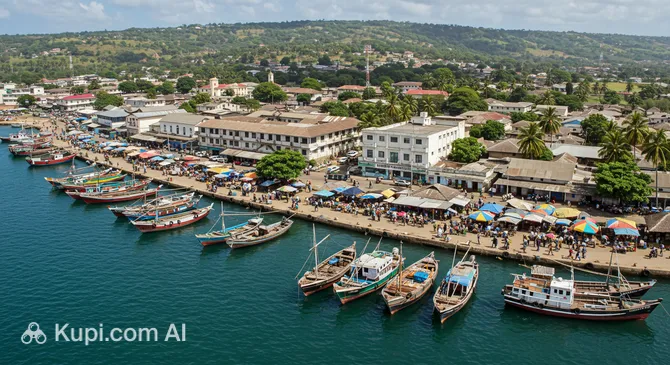
Tanga. Source: Kupi.Binoculars

The city boasts a rich cultural heritage influenced by various eras of trade and colonial rule. Architecture enthusiasts will appreciate the German colonial buildings that still stand in the city center. To understand the deep roots of this maritime hub, it is worth exploring the history of Tanga, which reveals its transformation from a small fishing village to a strategic port.

Travelers are often drawn here by the unique attractions located just a short distance from the city. The Amboni Caves, the most extensive limestone cave system in East Africa, offer an adventurous underground experience. Nearby, the ancient Tongoni Ruins provide a window into the 14th and 15th-century Shirazi culture with their overgrown mosques and tombs. Additionally, the city serves as a gateway to the beautiful beaches of the Indian Ocean, where visitors can unwind in tranquility.

Whether you are interested in exploring ancient geological formations, diving into historical mysteries, or simply enjoying the warm hospitality of the Swahili coast, Tanga is a destination that deserves a spot on your itinerary. It is an ideal stop for those seeking an authentic and unhurried Tanzanian experience.
Weather Overview

Tanga enjoys a tropical climate with warm temperatures throughout the year, making it a pleasant destination for beach lovers and explorers alike. The warmest period typically occurs at the beginning of the year, with February recording the highest average temperature of roughly 29.1°C and maximums reaching up to 33.2°C. The coolest months are usually June through August, where average temperatures dip slightly to around 24.2°C in July, offering a comfortable environment for outdoor activities.

Rainfall is a regular occurrence in the region, though the intensity and frequency vary by season. April is notably the wettest month in terms of frequency, with precipitation occurring on approximately 27 days. In contrast, the early year is significantly drier; February sees rain on only about 6 days. For travelers planning their trip, it is helpful to consult the detailed weather in Tanga forecast to choose the best time for a visit. Generally, you can expect warm conditions year-round with distinct periods of frequent rainfall, particularly in the mid and late months of the year.

Interesting Facts

Beyond the main attractions, Tanga holds many fascinating secrets and historical quirks that reveal its unique character. From curious wartime events to prehistoric marine discoveries, the city offers plenty of surprises for the observant traveler.
  • The Battle of the Bees: One of the most bizarre events in the city's history occurred during World War I. In 1914, an amphibious landing by British troops was thwarted not just by German defenses, but by swarms of angry wild bees. The insects attacked soldiers from both sides, causing such chaos that the skirmish is frequently referred to as the "Battle of the Bees."

  • The City of Bicycles: Unlike the car-congested streets of other major urban centers, this city is affectionately known as the "City on Wheels." Thanks to its flat terrain, cycling is the primary mode of transport for locals, and it is common to see thousands of bicycles dominating the roads during rush hour.

  • Home of Living Fossils: The coastline near the city is one of the few places in the world where the Coelacanth has been discovered. These rare fish, once believed to have gone extinct 65 million years ago alongside the dinosaurs, inhabit the deep underwater caves and canyons of the local marine park.

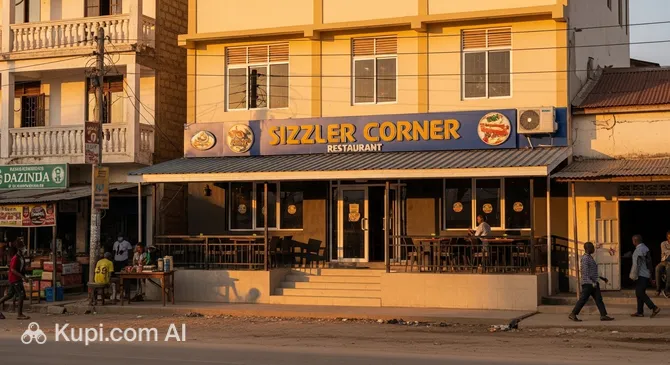
  • A Culinary Landmark: The city's multicultural heritage is perfectly preserved in its dining scene. A prime example is Sizzler Corner, a legendary establishment that has served as a social and culinary hub for decades, famous for blending local Swahili flavors with Indian traditions.

Sizzler Corner. Source: Kupi.Binoculars

How to Get There

Planning a trip to this coastal gem involves choosing the right entry point, as the city is accessible via several routes. While road travel is common for those already in the region, flying is often the most convenient option for international and long-distance travelers. For a detailed breakdown of all transport methods, you can read more about how to get to Tanga.

The most direct way to arrive is via Tanga Airport (IATA: TGT), located just within the city limits. This small regional hub handles approximately 30,000 passengers annually and offers a quick connection to the city center. Since the airport is only about 3.3 km away, a taxi or bus ride typically takes around 25 minutes, making it an effortless final leg of the journey.

For international visitors, Zanzibar International Airport (IATA: ZNZ) in Zanzibar City is a major nearby gateway. Situated roughly 126 km from Tanga, it serves over 2.4 million passengers each year and connects to the mainland via domestic flights or ferries. Another significant option is Moi International Airport (IATA: MBA) in Mombasa, Kenya, located about 129 km away. Travelers arriving here can reach Tanga by road in approximately 215 minutes, though the journey involves crossing the international border.

For clarity, here is a summary of the main airports:

Airport Name City Passenger Traffic Km from City
Zanzibar International AirportZanzibar CityHigh126.0
Moi International AirportMombasaHigh128.7
Ukunda AirportUkundaMedium102.2
Wawi AirportPembaSmall80.8
Tanga AirportTangaSmall3.3

Main Attractions

While Tanga is often appreciated for its quiet charm, it is surrounded by fascinating historical and natural sites that make for memorable day trips. The city serves as a perfect base for exploring ancient ruins, mysterious caves, and the relaxing coast of the Indian Ocean. Here are some of the top places to visit during your stay.

One of the most famous attractions in the region is the Amboni Caves. Located just a short drive from the city center, this extensive limestone cave system is the largest in East Africa. The caves are geologically impressive, sculpted by nature over millions of years, but they also hold deep cultural significance. Locals regard them as sacred, often leaving offerings at a shrine near the entrance. Visitors can explore the dark, cavernous chambers filled with stalactites, stalagmites, and resident bat colonies, usually guided by knowledgeable locals who share stories of the caves' legends and history.

For history enthusiasts, the Tongoni Ruins offer a glimpse into the Swahili coast's prosperous past. Situated south of the city, these ruins are the remains of a 14th and 15th-century trading center established by Shirazi settlers. The site features a crumbling mosque and the largest collection of pillar tombs in Tanzania, nestled among baobab trees and overlooking the ocean. It is a peaceful and atmospheric place that tells the story of early maritime trade in the Indian Ocean.

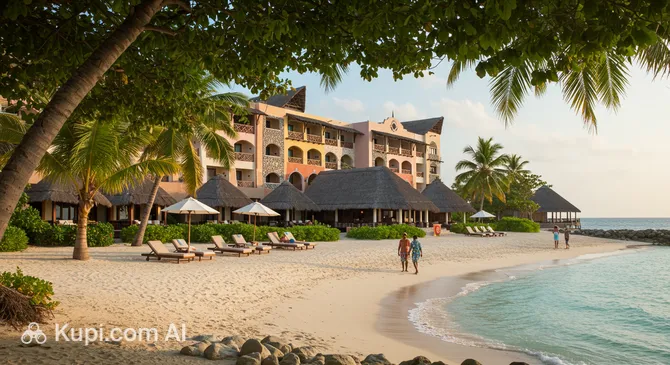
If you are looking for a place to unwind within the city itself, the Tanga Beach Resort is a popular destination. This facility is well-known not just for accommodation but as a social hub where visitors can enjoy sweeping views of the harbor. It offers a comfortable environment to relax by the pool, enjoy local cuisine, or simply watch the dhows sail by in the distance. It serves as a modern contrast to the ancient sites surrounding the city.

Tanga Beach Resort. Source: Kupi.Binoculars

Another intriguing site is Toten Island, located directly in Tanga Harbour. Its name translates to "Island of the Dead" in German, hinting at its history as a cemetery and quarantine station during the colonial era. Today, the island is covered in lush vegetation and mangroves, with ruins of colonial buildings and overgrown graves still visible. It is accessible by a short boat ride and offers a unique mix of history and nature, perfect for a mini-adventure close to the shore.

Finally, do not miss the Urithi Tanga Museum, housed in the historic Old Boma building. This museum is dedicated to preserving the heritage of the Tanga Region. The building itself is a beautifully restored piece of German colonial architecture. Inside, you will find exhibits showcasing historical photographs, artifacts, and information about the sisal industry that once drove the local economy, providing excellent context for the city you are exploring.

Local Cuisine

The culinary landscape of Tanga is a vibrant reflection of its coastal location and multicultural history. As a key city on the Swahili coast, the local food scene is heavily influenced by African, Arab, and Indian traditions, resulting in dishes that are rich in spices and flavor. Seafood lovers will find themselves in paradise here, as fresh catches from the Indian Ocean—including kingfish, octopus, lobster, and prawns—are staples on many menus, often prepared with generous amounts of aromatic coconut milk.

One of the signature dishes you must try is Samaki wa Kupaka, a flavorful delicacy consisting of grilled fish smothered in a thick, spiced coconut sauce. It is typically served with Wali wa Nazi, fragrant rice cooked in coconut milk, or steamed cassava. For a heartier meal, look for Pilau or Biryani, spiced rice dishes often cooked with meat, which are ceremonial favorites but widely available in local eateries. The distinctive aroma of cloves, cardamom, and cinnamon in these dishes speaks to the region's historic spice trade connections.

Street food culture in Tanga is lively and offers an authentic taste of daily life. In the evenings, street corners come alive with the scent of grilling meat. Mishkaki, skewers of marinated beef grilled over charcoal, are a popular snack, best enjoyed with a squeeze of lime and hot chili paste. Another ubiquitous comfort food is Chipsi Mayai, a simple yet satisfying French fry omelet that is considered Tanzania's unofficial national dish. For breakfast or a light snack, fresh Chapati flatbreads and Mandazi (Swahili doughnuts) are essential staples.

To quench your thirst, nothing beats the refreshing taste of Madafu, fresh coconut water drunk straight from the shell, which is sold by vendors throughout the city. Tea culture is also strong here; locals enjoy hot Chai infused with spices like ginger and cardamom, often accompanied by sweet snacks. For those looking to enjoy an alcoholic beverage, Tanzanian lagers such as Safari and Kilimanjaro are widely available and serve as a perfect way to cool down after a hot day.

Dining options in the city range from casual street stalls to more established restaurants. For a taste of local history and fusion cuisine, Sizzler Corner is a well-known spot where you can enjoy a mix of Indian and Swahili flavors in a bustling atmosphere. If you prefer dining with a view of the ocean, the restaurants at hotels like Tanga Beach Resort offer excellent seafood platters and international dishes, allowing you to enjoy your meal while overlooking the calm waters of the harbor.

Travel Tips

Welcome to Tanga! Exploring this historic port city in Tanzania is a delightful experience, offering a much more relaxed pace than the country's larger urban centers. To help you navigate the local customs and make the most of your stay in this friendly "City on Wheels," here are some practical tips to keep in mind.

  1. Clothing and Gear: Due to the tropical climate, lightweight and breathable fabrics like cotton or linen are essential. However, Tanga has a significant Muslim population, so it is important to dress modestly when walking around the city center or visiting villages. Ensure your shoulders and knees are covered to show respect. Comfortable walking shoes are a must, especially if you plan to explore the Amboni Caves.

  2. Transportation: The city is famous for its bicycle culture, but for tourists, the most convenient options are Bajajis (auto-rickshaws) and Bodabodas (motorcycle taxis). They are affordable and readily available. Taxis are present but less common on the streets; it is best to have your hotel arrange one for you. Unless you plan to travel extensively outside the region, car rental is generally not necessary.

  3. Finances: The local currency is the Tanzanian Shilling (TZS). While some major hotels and upscale restaurants may accept credit cards, cash is king in Tanga. You will need small bills for transport, local markets, and street food. ATMs are available in the city center, but it is wise to withdraw enough cash before heading to more remote areas.

  4. Health and Safety: Malaria is a risk along the coast, so carry effective insect repellent and consider sleeping under a mosquito net. Always drink bottled or filtered water to avoid stomach issues. Pharmacies are available in town for basic supplies. The city is generally safe, but exercise standard caution: avoid walking alone in unlit areas at night and keep your valuables secure.

  5. Communication: Swahili is the primary language spoken by locals. While staff at tourist establishments usually speak English, it is not as widely spoken by the general public. Learning a few basic phrases like "Jambo" (Hello) and "Asante" (Thank you) will be warmly received. Local SIM cards from providers like Vodacom or Airtel are easy to obtain with a passport and offer good data coverage.

  6. Local Etiquette: Greetings are a crucial part of social interaction here; it is polite to exchange pleasantries before asking a question or starting a transaction. Always use your right hand for eating, shaking hands, or passing items, as the left hand is culturally considered unclean. Always ask for permission before taking photos of people.

  7. What to Avoid: Public displays of affection (PDA), such as kissing or hugging in the streets, are frowned upon and considered offensive in this conservative culture. Additionally, avoid wearing swimwear or revealing beach attire away from the beach or pool areas.

  8. Life Hack: Embrace the concept of "pole pole" (slowly, slowly). Service in restaurants and shops may be slower than what you are used to in Western countries. This is not a sign of disrespect but rather a reflection of the relaxed coastal lifestyle. Patience and a smile will ensure a much smoother experience.

By following these simple guidelines, you will find it easy to blend in and connect with the welcoming residents of Tanga. Respecting local traditions and coming prepared will allow you to relax and fully enjoy the authentic charm of this unique coastal destination.

Entertainment & Nightlife

Unlike the high-energy party scenes found in larger metropolitan areas, the nightlife in Tanga is defined by its laid-back coastal charm and friendly atmosphere. The city does not boast massive nightclubs or neon-lit districts; instead, the evening entertainment revolves around socializing in open-air bars, enjoying long dinners, and listening to music in a relaxed setting. The vibe here is welcoming and unpretentious, making it easy for visitors to mingle with locals and experience the authentic rhythm of life after dark.

For those seeking a comfortable and somewhat sophisticated evening, the city's hotels are often the best starting point. The Tanga Beach Resort is a popular venue for both travelers and local expatriates. Its bar area offers a serene environment where you can enjoy a cold drink while listening to the sound of the ocean, and they occasionally host live music events or themed nights. In the heart of the city, Sizzler Corner transforms into a bustling hub as the sun sets. While primarily a dining establishment, it serves as a key social gathering spot where the atmosphere is lively, and the conversation flows as freely as the refreshments.

For a more local experience, visitors can explore the neighborhood bars, often referred to locally as "groceries." These venues are typically open-air spots with plastic chairs and tables, playing Bongo Flava (Tanzanian hip-hop) or Afropop at spirited volumes. The Raskazone area and the streets near the city center are good places to find these casual establishments. The dress code is almost universally casual; light, comfortable clothing is appropriate everywhere, though modesty is still appreciated.

Practicality and safety are important for a night out in Tanga. Most venues stay open until late, with bars often closing around midnight or 1:00 AM on weekends. Prices are generally very affordable compared to Western standards, with local beers and spirits costing a fraction of what you might pay elsewhere. While the city is relatively safe, it is advisable to avoid walking alone in unlit areas at night. The best way to get around is by using a taxi or a trusted bajaji (auto-rickshaw), which your hotel or restaurant can arrange for you.

During the day, entertainment options are more cultural and low-key. While you won't find large amusement parks or multiplex cinemas, the city offers engaging ways to spend your time. You can visit the Urithi Tanga Museum to soak in local history or stroll through the vibrant markets which act as the city's living theater. For a relaxing afternoon, the public parks and the coastal promenades provide a perfect backdrop for people-watching and enjoying the slow pace of Swahili coastal life.

Parks & Museums

While Tanga is primarily known as a bustling port city, it offers a surprising array of green spaces and a profound connection to its past that serves as a treat for culture seekers. The city’s layout, designed with wide avenues and public gardens, reflects its history, while the surrounding region provides lush natural escapes that contrast beautifully with the urban environment.

Jamhuri Park serves as the city's central green lung and a favorite gathering spot for locals. Strategically located overlooking the harbor, this public park offers refreshing sea breezes and scenic views of the boats anchoring in the bay. It is an ideal location for a leisurely afternoon walk or a picnic under the shade of ancient trees. The park comes alive in the late afternoons and weekends, providing an authentic glimpse into the social life of the city's residents.

For nature enthusiasts willing to venture slightly further, the Amani Nature Reserve is a must-visit gem located within the Tanga Region. Often referred to as the "Switzerland of Tanzania" due to its cool climate and mountainous terrain, this biodiversity hotspot is part of the Eastern Arc Mountains. It features lush botanical gardens, hiking trails through dense rainforests, and rare flora and fauna, including African violets and endemic chameleons. It stands as a majestic natural contrast to the coastal heat of the city.

The cultural heart of the city is undoubtedly the Urithi Tanga Museum. Housed in the magnificently restored Old Boma, which was built by the Germans in the 1890s, the museum is more than just a collection of artifacts; it is a testament to the community's effort to preserve their heritage. Inside, visitors can explore photographic archives documenting the colonial era, the rise of the sisal industry, and the diverse cultural influences of the Swahili coast. The architecture of the building itself, with its thick coral stone walls and crenelated roof, is a primary exhibit.

Beyond the walls of a single building, the city center functions as an Open-Air Architectural Gallery. Tanga possesses one of the most consistent and well-preserved collections of German colonial architecture in East Africa. Walking through the streets, you will encounter imposing structures like the Cliff Block, which served as a hospital, and the historic Tanga Railway Station, the terminus of the Usambara Railway. These edifices, with their distinct European styles adapted for the tropics, narrate the city's strategic importance in the early 20th century.

For a truly authentic experience, take a stroll through the Ngamiani neighborhood. Unlike the colonial center, this area represents the historical African quarter, characterized by its grid layout and Swahili-style houses. It offers a vibrant atmosphere and a different architectural perspective, showing the other side of the city's development.

Getting Around

Public transport in Tanga differs significantly from the complex networks found in major global capitals; there are no subways, trams, or trains serving the inner city. Instead, the system is informal, road-based, and heavily reliant on minibuses known locally as daladalas. These vehicles are the backbone of mass transit, connecting the city center with suburbs and surrounding villages. They operate on specific routes, often indicated by a colored stripe or a destination sign on the front windshield, and are an extremely affordable way to travel alongside locals.

For shorter trips or destinations not covered by bus routes, smaller vehicles offer a flexible alternative. Bajajis (auto-rickshaws) are ubiquitous and offer a comfortable, breezy ride for up to three passengers. They are ideal for navigating the city's relatively quiet streets. For the more adventurous solo traveler, bodabodas (motorcycle taxis) are the fastest way to get around, weaving through traffic to get you to your destination quickly. However, safety standards vary, so it is advisable to choose a driver who provides a helmet and rides cautiously.

The payment system across all modes of transport is exclusively cash-based. There are no travel cards, electronic passes, or mobile ticketing apps for public transit in the city. When taking a daladala, you pay the conductor (known as the "konda") during the journey; they will usually rattle coins to signal their presence. Fares are fixed and very low. For bajajis and bodabodas, there are no meters, so you must negotiate and agree on the fare with the driver before you start your trip. It is helpful to ask a local or hotel staff for the approximate price beforehand to avoid being overcharged.

Operating hours are generally from early morning, around 5:00 AM, until late evening. Daladalas tend to stop running or become very infrequent after 9:00 PM or 10:00 PM. While there are designated bus stops, daladalas often stop on demand; you can simply wave one down from the side of the road or shout "shuka" (get off) when you near your destination. Bajajis and bodabodas operate later into the night, but finding one can be harder in remote areas after dark.

Taxis are available but are less commonly hailed on the street compared to other cities. They are typically found at specific stands near markets, the bus station, or major hotels. Since they are unmetered, negotiation is again essential. A unique feature of Tanga is its reputation as the "City of Bicycles." Due to the flat terrain and wide streets, bicycles are a legitimate and popular alternative to motorized transport. While not a public transit system per se, renting a bicycle is a common and practical way for tourists to navigate the city at their own pace, mimicking the local lifestyle.

Accommodation

Accommodation in Tanga is generally more understated and affordable compared to Tanzania's major tourist hubs like Zanzibar or Arusha. The city offers a range of lodging options that cater primarily to business travelers, backpackers, and those seeking a quiet coastal retreat. Visitors can expect to find a solid selection of budget guesthouses, comfortable mid-range hotels, and a few establishments that offer a resort-style experience by the ocean. Luxury options are limited, but the hospitality is warm and the atmosphere is distinctively relaxed.

When choosing where to stay, location is a key factor. The City Center is the most convenient area for those arriving by bus or looking to be close to banks, shops, and the main market. It is bustling during the day but can be noisy. Alternatively, the Raskazone peninsula is widely considered the prime location for tourists. This leafy, upscale suburb is situated just a few kilometers from the town center and offers a quieter, more scenic environment along the coast, making it ideal for a peaceful night's sleep while still being accessible via a short taxi or auto-rickshaw ride.

For travelers seeking modern amenities and direct access to the water, the Tanga Beach Resort is one of the most well-known establishments in the city. Located near the harbor, it serves as a landmark for visitors who want to enjoy a swimming pool, gym facilities, and dining with a view of the Indian Ocean. It represents the upper end of the local accommodation spectrum and is frequently used as a base for both leisure and conferences.

Regarding costs, Tanga is a wallet-friendly destination. Budget rooms can often be found for very reasonable rates, while mid-range options provide air conditioning and en-suite bathrooms for a moderate price. Booking methods vary depending on the type of establishment. While major hotels like the Tanga Beach Resort can be booked through international online platforms, many smaller guesthouses and budget hotels still rely on direct phone calls or walk-ins. It is generally a good idea to book in advance if you are visiting during Tanzanian public holidays, but for most of the year, finding a room upon arrival is relatively easy.

Nearby Cities

For those looking to explore the surroundings, Tanga serves as an excellent base for day trips to several interesting nearby locations:

Located just off the coast, Pemba is a lush, hilly island often overshadowed by its more famous neighbor but cherished for its tranquility. Known as the "Green Island" due to its rich vegetation and clove plantations, it offers some of the best diving and snorkeling experiences in East Africa. A short trip here allows visitors to explore pristine coral reefs and enjoy a peaceful atmosphere away from the crowds.

Further south lies the historic Zanzibar City, famous for its ancient Stone Town district. This UNESCO World Heritage site is a maze of narrow alleys, bustling bazaars, and grand Arab-style houses with intricately carved wooden doors. While it requires a ferry or flight to reach, the city offers a captivating mix of history, culture, and spice tours that make it well worth the journey for a short visit.

City Population Distance (km)
Dar es Salaam 7,962,000 192
Morogoro 207,000 250
Zanzibar City 205,870 120
Kibaha 128,488 203
Pemba 84,000 75

These nearby destinations offer a glimpse into the diverse culture and landscapes of the region.

Shopping & Souvenirs

Shopping in Tanga offers a distinctively local and relaxed experience, contrasting sharply with the glitzy malls of larger capitals. Instead of high-end fashion boutiques and international chains, the city provides a genuine immersion into Tanzanian daily life. Visitors will find that commerce here revolves around bustling open-air markets, small independent shopfronts, and vibrant street stalls. It is an excellent destination for travelers looking to purchase practical necessities, fresh local produce, or authentic cultural artifacts without the pressure of aggressive sales tactics often found in major tourist hubs.

The primary commercial activity is concentrated in the City Center, particularly along the streets radiating from the main market. This area is walkable and lively, lined with a variety of stores selling everything from electronics and hardware to clothing and fabrics. Walking down these wide avenues, you will encounter a mix of colonial-era buildings housing modern businesses and pavement vendors displaying their wares. It is the best place to soak up the atmosphere and find general supplies.

Travelers accustomed to sprawling shopping complexes should adjust their expectations, as Tanga does not feature large western-style shopping malls. Instead, the retail landscape is dotted with smaller plazas and well-stocked supermarkets that cater to both locals and expatriates. These establishments are perfect for buying toiletries, snacks, and bottled water. For a more curated selection of goods, some of the larger hotels may have small gift shops, but the real shopping adventure lies outdoors.

The heartbeat of the city's commerce is undoubtedly the Tanga Central Market (Soko Kuu). This vibrant hub is a sensory overload of colors, sounds, and scents. Here, you can wander through aisles of fresh tropical fruits like mangoes, pineapples, and jackfruit, alongside mounds of aromatic spices that reflect the coast's trading history. It is also a fantastic place to observe the local culture in action, as residents bargain for their daily groceries. In the evenings, smaller satellite markets and street food vendors appear, extending the shopping hours into the night.

For those seeking souvenirs, Tanga is a prime location to purchase traditional textiles. The city is known for its wide selection of Kangas and Kitenges—colorful, patterned fabrics that are a staple of East African fashion. These cloths make for lightweight, versatile gifts and can be bought at very reasonable prices compared to Zanzibar or Dar es Salaam. Additionally, given the region's history as the "sisal capital," you can often find beautifully woven sisal baskets, mats, and bags, which are both durable and eco-friendly.

Most shops in the city open around 8:30 AM and close by 5:30 PM or 6:00 PM, although the central market and supermarkets may operate for longer hours. Many smaller businesses close for a lunch break or Friday prayers. Cash is king in Tanga; while a few supermarkets might accept credit cards, the vast majority of transactions, especially in markets and small shops, are done in Tanzanian Shillings. Bargaining is expected in the markets and with street vendors, but prices in supermarkets and established stores are generally fixed.

Tax-free shopping and VAT refund schemes are generally not available for tourists in Tanga's standard retail outlets. Visitors should expect to pay the marked price, which is usually inclusive of all local taxes.

Reached the end of the page?

That means the route is fully explored