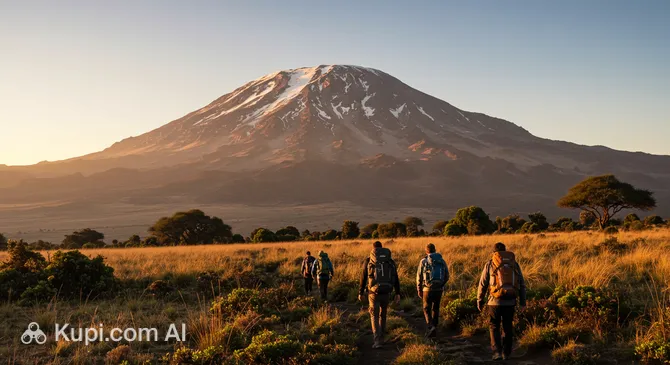
Welcome to Kilimanjaro, a destination that resonates with adventure and stands as a monumental symbol of natural beauty in East Africa. While often synonymous with the legendary snow-capped mountain that dominates its skyline, the region itself offers a rich tapestry of culture, lush landscapes, and vibrant local life. Situated in northern Tanzania near the border with Kenya, this area serves as the gateway for thousands of travelers seeking to conquer the "Roof of Africa" or simply bask in its majestic presence.
The geography of the Kilimanjaro region is defined by its dramatic elevation changes, transitioning from cultivated lowlands and coffee plantations to dense rainforests and alpine deserts. The climate varies significantly depending on the altitude, offering tropical warmth at the base and arctic conditions at the summit. To truly appreciate the significance of this area, it is worth exploring the history of Kilimanjaro, which is deeply intertwined with the heritage of the local Chagga people and the early explorers who mapped these highlands.
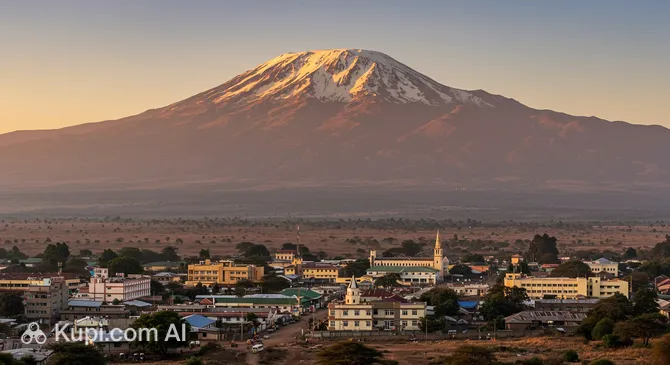
Beyond the iconic climb, the area is teeming with unique attractions. Mount Kilimanjaro National Park is a UNESCO World Heritage site that protects the mountain's unique ecological zones and diverse wildlife. Visitors can also explore the scenic Materuni Waterfalls or take a tour through the verdant coffee farms to learn about the bean-to-cup process that is central to the local economy. The surrounding towns, such as Moshi, provide a friendly and bustling atmosphere where travelers can relax before or after their expeditions.
Whether you are an aspiring mountaineer ready to tackle the summit or a nature lover looking to explore the lush foothills, Kilimanjaro promises an unforgettable experience. The combination of awe-inspiring scenery, welcoming local culture, and the sheer magnitude of the mountain creates a travel experience unlike any other.