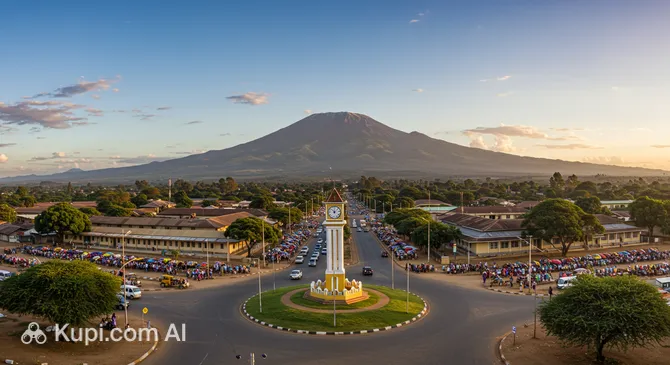
Arusha is often celebrated as the gateway to some of East Africa's most spectacular adventures. Situated in northern Tanzania, this bustling city rests at the foot of the majestic Mount Meru. Its unique location and vibrant atmosphere make it much more than just a stopover for travelers heading to the national parks; it is a destination in its own right with a distinct cosmopolitan feel.
Thanks to its elevation of approximately 1,400 meters, the city enjoys a temperate climate that offers a refreshing break from the humidity found in other parts of the region. With a population exceeding 400,000 residents, it serves as a major diplomatic and economic hub, often referred to as the "Geneva of Africa" due to its role in hosting international organizations.
Arusha. Illustration.
Source: Kupi.com AI
The history of Arusha is deeply intertwined with its strategic importance, having grown from a colonial administrative center into a modern metropolis that hosts the East African Community headquarters. A notable landmark rooted in the city's past is the iconic Clock Tower, which is popularly believed to mark the geographical midpoint between Cairo and Cape Town.
Beyond its urban center, the city offers incredible experiences for nature lovers and culture enthusiasts. Visitors can explore the colorful Maasai Market to purchase intricate local handicrafts or take a tour of the lush coffee plantations that thrive in the fertile volcanic soil. As the starting point for the famous "Northern Safari Circuit," Arusha provides the perfect introduction to the wonders of the region, inviting travelers to immerse themselves in its dynamic rhythm before venturing into the wild.
Weather Overview
Due to its high altitude, the city enjoys a temperate climate that remains generally comfortable throughout the year. Average temperatures typically range from a cool 16.7°C in July to a warmer 21.4°C in February. This elevation ensures that the heat is rarely oppressive, with maximum daytime temperatures usually staying below 28°C.
The rainfall pattern is defined by two main seasons. The period from June to September is the driest and coolest time to visit, with almost no precipitation and very few wet days. Conversely, April is historically the wettest month, experiencing rain on approximately 27 days. For those looking for precise forecasts and seasonal breakdowns, viewing the detailed weather in Arusha can help in planning the perfect itinerary.
Overall, expect mild to warm days with cooler nights, particularly during the middle of the year. While the months of November and December also see a significant number of wet days, the rain is often interspersed with sunshine, keeping the landscape lush and green.
Average monthly temperature
Average monthly precipitation
Interesting Facts
Beyond the bustling markets and safari jeeps, Arusha holds several fascinating secrets and stories that often go unnoticed by the casual visitor. Digging a little deeper reveals a city with unique claims to fame, from Hollywood connections to geological wonders.
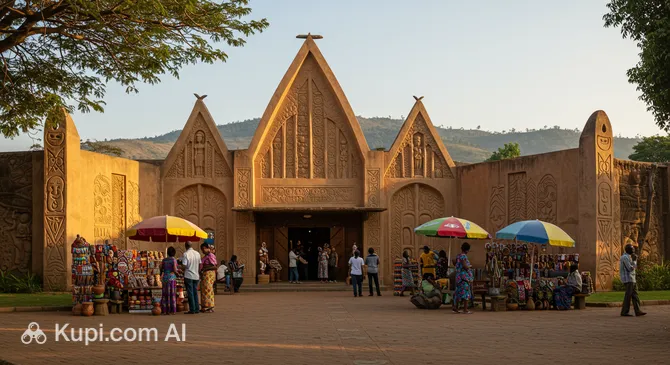
Cultural Heritage Centre. Illustration.
Source: Kupi.com AI
Traveler photos:
The city serves as the primary global hub for trading Tanzanite, a stunning blue-violet gemstone found exclusively in the nearby Mererani Hills. This stone is estimated to be a thousand times rarer than diamonds, making Arusha the most important location in the world for this specific gem trade.
The striking architecture of the Cultural Heritage Centre carries a deep symbolic meaning. The main building was designed to resemble a traditional Maasai shield, while the adjacent gallery represents a spear, effectively standing as a guardian of the region's artistic treasures.
Arusha played a starring role in cinema history as the filming location for the 1962 classic "Hatari!" starring John Wayne. The production was centered at Momella, just outside the city, and helped introduce the dramatic landscapes of Northern Tanzania to a global audience long before modern tourism boomed.
While local lore famously claims the Arusha Clock Tower marks the exact midpoint between Cairo and Cape Town, this is technically an urban legend stemming from the colonial era. Although it remains a beloved meeting point, modern geographical surveys place the true center of the continent further west in the Congo.
How to Get There
Reaching this vibrant Tanzanian hub is relatively straightforward, with several options available depending on your point of origin. Travelers planning their journey can find detailed information on how to get to Arusha, covering various transportation methods and practical tips for arrival.
The primary gateway for international visitors is Kilimanjaro International Airport (JRO). Although the city of Arusha does not house this major facility itself, you can fly into this airport located in the Kilimanjaro region, which is about 43.8 km from Arusha. It serves as a major hub for the northern circuit, receiving flights from around the globe. The transfer from the airport to the city center typically takes approximately 1 hour and 30 minutes by taxi or shuttle bus.
For those arriving from within Tanzania or neighboring countries, Arusha Airport (ARK) offers a convenient alternative. Located directly in Arusha, just 6.8 km from the city center, this airport handles domestic and regional traffic. Because of its proximity, the drive to downtown is quick, usually taking around 30 minutes depending on traffic. Another regional option is Wilson Airport (WIL) in Nairobi, though it is significantly further away at 228.8 km, requiring a longer connecting journey by road or a short flight.
For clarity, here is a summary of the main airports:
Regarding rail travel, Arusha is not currently served by a passenger railway network suitable for standard tourist arrivals. Most visitors choose to travel by air or utilize the extensive network of long-distance buses and shuttles that connect the city with Dar es Salaam, Nairobi, and other major regional centers.
Main Attractions
Arusha offers a compelling mix of cultural depth, urban energy, and modern leisure spots. While many travelers pass through on their way to safaris, spending time in the city reveals a vibrant tapestry of experiences. Here are some of the top places to explore during your stay.
One of the most enriching stops is the Cultural Heritage Centre. Far more than a typical gift shop, this expansive venue houses an extraordinary collection of African art, ranging from intricate ebony carvings to vibrant paintings. It offers visitors a chance to browse through floors of creativity and craftsmanship, making it an ideal place to find unique souvenirs, jewelry, or simply admire the region's artistic talent in a dedicated gallery setting.
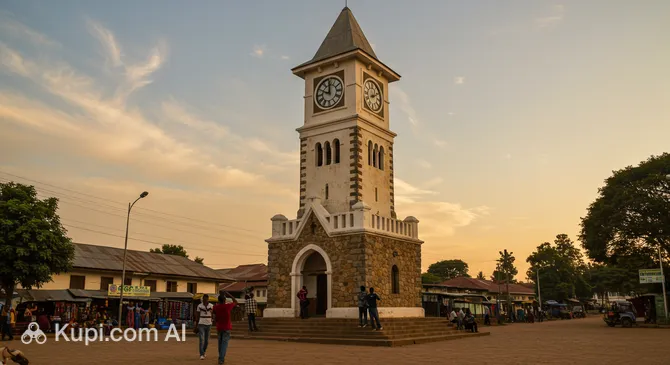
Located at the intersection of the city's main roads, the Arusha Clock Tower serves as the definitive heart of the town. It acts as a primary orientation point for travelers and locals alike, surrounded by a hive of activity that includes banks, the central post office, and bustling businesses. Standing here offers a genuine glimpse into the fast-paced rhythm of daily life in Arusha, serving as a reliable landmark for navigating the city streets.
Arusha Clock Tower. Illustration.
Source: Kupi.com AI
Traveler photos:
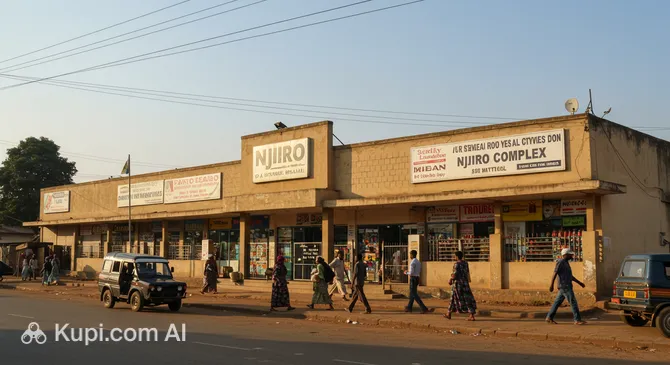
For a change of pace, the Njiro Complex provides a modern lifestyle experience just outside the immediate city center. This multi-purpose hub features a cinema, a variety of dining options, and shopping outlets, making it a popular destination for families and those looking to relax in a contemporary setting. It is an excellent spot to enjoy an evening movie or a casual meal away from the downtown traffic.
Njiro Complex. Illustration.
Source: Kupi.com AI
Traveler photos:
When it comes to dining and socializing, George's Tavern stands out as a favorite among both expatriates and residents. Known for its lively atmosphere and delicious Greek and European cuisine, this restaurant offers a welcoming environment to unwind after a day of exploration. Its reputation for good food and a vibrant crowd makes it a staple of Arusha's social scene.
George's Tavern. Illustration.
Source: Kupi.com AI
Traveler photos:
Local Cuisine
The culinary landscape of Arusha is a vibrant reflection of its multicultural heritage, blending traditional Tanzanian staples with strong influences from Indian and international cuisines. At the heart of the local dining experience is Nyama Choma, or roasted meat, which is more than just a dish—it is a social event. Typically consisting of goat or beef slow-roasted over charcoal, it is best enjoyed with a side of Ugali (a stiff maize porridge) and Kachumbari, a fresh tomato and onion salad.
For a taste of authentic regional flavor, visitors should try Machalari. This savory stew is made from green bananas cooked with meat or beans and is a staple among the Chagga people who inhabit the slopes of nearby Mount Kilimanjaro and Mount Meru. Another ubiquitous favorite, especially among the younger crowd and busy travelers, is Chipsi Mayai. This "chips and eggs" omelet is the ultimate street food comfort meal, found at roadside stalls throughout the city, often served with a dash of chili sauce.
Given the city's location in a prime coffee-growing region, the cafe culture here is robust. Locals and tourists alike gather to enjoy freshly brewed, locally sourced coffee that rivals the best in the world. On the cooler side, locally brewed beers such as Kilimanjaro and Safari are the standard accompaniments to a hearty meal, while the spicy ginger soda, Tangawizi, offers a refreshing non-alcoholic kick.
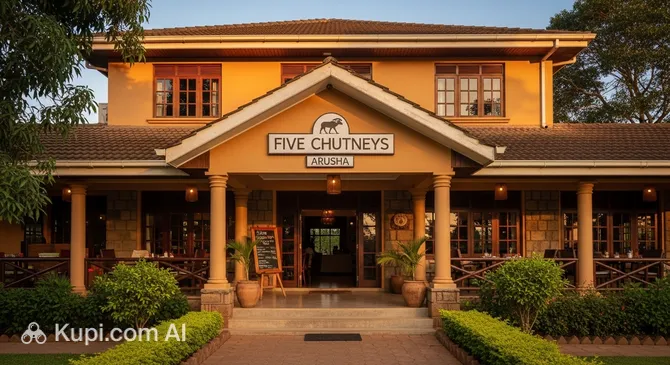
Five Chutneys. Illustration.
Source: Kupi.com AI
Traveler photos:
The city's dining scene ranges from casual street vendors to relaxed garden restaurants. Due to a significant historical Indian community, Arusha boasts excellent Indian cuisine. A notable spot to explore these flavors is Five Chutneys, which is well-regarded for its authentic vegetarian dishes and vibrant spices. For those seeking a laid-back atmosphere to enjoy a drink or a light meal, Sanna Cafe provides a welcoming environment. Alternatively, Orlando Garden offers a pleasant outdoor setting perfect for dining under the open sky.
Travel Tips
Welcome to Arusha, a vibrant city that serves as the starting point for many African adventures! To help you navigate the "Safari Capital" with ease and confidence, we have compiled a list of essential practical tips that will ensure your stay is as smooth and enjoyable as possible.
Clothing and Gear: Due to Arusha's elevation, the weather can be surprisingly mild. While days are warm, nights and early mornings are often cool, so bringing layers—such as a light fleece or windbreaker—is essential. For walking around the city, opt for modest clothing that covers shoulders and knees to respect local conservative norms; leave the short shorts for the safari lodges. Don't forget a universal travel adapter (Type G is standard) and sturdy, closed-toe shoes for navigating dusty or uneven streets.
Transportation: For a truly local experience, you can try the dala-dalas (minibuses), which are cheap and run on set routes, though they can be crowded and chaotic. For tourists, official taxis or ride-hailing apps (where available) are generally safer and more comfortable, especially at night. If you take a regular taxi, always negotiate and agree on the fare before getting into the car, as meters are rarely used.
Finances: The local currency is the Tanzanian Shilling (TZS). While US dollars are widely accepted for major payments like hotels and safaris, ensure your bills are printed after 2009, as older notes are often rejected. For local markets, restaurants, and small purchases, carry cash in shillings. ATMs are readily available in the city center, and credit cards are accepted at larger establishments, though often with a surcharge. Tipping is customary in the tourism industry.
Health and Safety: Arusha is generally safe, but it is wise to avoid walking alone after dark, particularly in unlit areas or the outskirts. Petty theft can happen, so keep valuables secure. Pharmacies are plentiful in the town center for basic needs, but for serious medical issues, head to recognized facilities like the Arusha Lutheran Medical Centre. Always drink bottled or filtered water and avoid tap water to prevent stomach issues.
Communication:Swahili is the national language, but English is widely spoken, especially in the hospitality sector. Learning a few basic phrases like "Jambo" (Hello) and "Asante" (Thank you) will go a long way in earning smiles from locals. SIM cards from providers like Vodacom or Airtel are cheap and easy to buy with your passport, offering good 4G data coverage for staying connected.
Local Etiquette: Tanzanians are known for their warmth and politeness. Greetings are an important social ritual; take a moment to say hello and ask how someone is doing before launching into a question or transaction. Public displays of anger or impatience are frowned upon. Always ask for permission before taking photos of people, especially the Maasai, as taking unauthorized pictures is considered disrespectful and may lead to conflict.
What to Avoid: refrain from taking photographs of government buildings, police stations, military personnel, or the President's motorcade, as this is strictly prohibited and can lead to legal trouble. Also, avoid public displays of affection, which are culturally sensitive in this region.
Shopping Tip: If you plan to visit the famous Maasai Market for souvenirs, be prepared to bargain. It is expected and part of the fun! Start by offering half the quoted price and interact with the vendors in a friendly manner to reach a fair deal.
By keeping these practical tips in mind, you will be well-prepared to embrace the unique rhythm of Arusha. Whether you are sipping local coffee or bargaining for beadwork, approaching the city with respect and curiosity will guarantee a memorable and hassle-free experience.
Entertainment & Nightlife
While Arusha is primarily known as a safari hub, its evening energy offers a delightful surprise for travelers. The city's nightlife scene is not about overwhelming neon lights but rather a relaxed, social atmosphere where locals and visitors mingle freely. As the sun sets and the air cools, the streets buzz with a different kind of activity, centered around socializing, music, and good food.
The nightlife is scattered across a few key zones, with the City Center and the upmarket suburb of Njiro being the most prominent. In the center, you will find a mix of lively local bars and tourist-friendly pubs, often within walking distance of major hotels (though walking at night is not recommended). Njiro, on the other hand, hosts modern entertainment complexes that offer a more polished experience, popular with the expatriate community and younger professionals.
For those looking to experience the energetic side of Tanzanian nightlife, The Hub Arusha is a standout destination. Known for its vibrant ambiance, this nightclub attracts a crowd ready to dance to a mix of Bongo Flava, Afrobeats, and international hits. It is a great place to immerse yourself in the local rhythm and enjoy a spirited night out.
The Hub Arusha. Illustration.
Source: Kupi.com AI
Traveler photos:
If you prefer a setting that balances a lounge vibe with upbeat energy, The Don's Lounge is another excellent choice. It offers a stylish environment where you can enjoy cocktails and conversation before the mood shifts to a more party-like atmosphere later in the night. The dress code in these venues is generally "smart casual"—jeans and a nice shirt are perfectly acceptable, but avoid wearing safari gear or flip-flops if you want to blend in.
The Don's Lounge. Illustration.
Source: Kupi.com AI
Traveler photos:
For a more laid-back evening under the stars, Orlando Garden provides a refreshing open-air setting. It is ideal for those who want to enjoy a cold drink and perhaps some grilled meat without the intensity of a nightclub. Similarly, Sanna Cafe transforms from a daytime coffee spot into a cozy venue for evening drinks, perfect for unwinding after a long day of travel.
When planning your night out, keep safety in mind. Arusha is generally safe, but walking on the streets after dark is strongly discouraged due to poor lighting and the risk of petty crime. Always use registered taxis or trusted ride-hailing services to move between venues. Most restaurants and clubs can call a reliable driver for you. Prices for drinks are generally affordable compared to Western standards, with local beers costing a few dollars and cocktails slightly more.
Beyond the nightlife, Arusha offers plenty of daytime entertainment to fill your schedule. Visitors can explore the AIM Mall for a modern shopping experience or to catch a movie. For a dose of culture and history, the National Natural History Museum (housed in the Old Boma) offers fascinating insights into the region's past, while the local markets provide a colorful backdrop for a leisurely afternoon stroll.
Parks & Museums
While Arusha is famous for its proximity to vast national parks, the city itself possesses a surprising array of green spaces and cultural institutions that offer a deeper understanding of the region's heritage. Beyond the busy streets, visitors can find tranquil gardens and museums that narrate the story of Tanzania's history, art, and natural wonders, providing a perfect educational complement to a safari adventure.
For a peaceful escape within the city limits, the Themi Living Gardens is a lush oasis run by a women-led community organization. This leafy retreat is not just a park but a center for sustainability, featuring organic vegetable gardens and a restaurant serving healthy, home-cooked meals. It is an excellent spot to relax under the trees, observe local birdlife, and support an eco-friendly initiative that empowers the local community.
Just a short drive from the city center lies Lake Duluti, a serene crater lake surrounded by a dense forest reserve. Although technically a forest reserve, it functions as a primary recreational nature area for Arusha's residents and visitors. The lake is a haven for water birds and offers opportunities for canoeing and hiking along the shaded trails that rim the water. On clear days, the views of Mount Meru from the lake's edge are simply breathtaking, making it a favorite spot for nature walks and picnics.
In terms of history, the National Natural History Museum, housed in the historic Old Boma, is a must-visit. The building itself is a significant landmark, originally constructed as a German military fort in the early 1900s. Inside, the museum focuses on human evolution, showcasing fossils and information about the famous Laetoli footprints found nearby. It provides a fascinating look into the archaeological significance of Northern Tanzania, often referred to as the "Cradle of Mankind."
For art enthusiasts, the Cultural Heritage Centre remains the city's premier artistic venue. While it is a popular stop for souvenirs, its heart is the impressive art gallery, which houses one of the largest collections of modern African art in the country. Visitors can wander through spiral walkways adorned with masterful Makonde wood carvings, contemporary paintings, and sculptures that celebrate the diverse cultures of the continent. It serves as a vibrant showcase of African creativity and is well worth a dedicated visit to appreciate the craftsmanship on display.
Another unique cultural stop is the Tanzanite Experience, a museum dedicated to the rare blue-violet gemstone found only in the foothills of Mount Kilimanjaro. Through interactive exhibits, visitors learn about the geology, mining, and grading of Tanzanite. It offers a sparkling insight into the local economy and the geological miracles that define this part of the Rift Valley.
Insider Tip: If you visit the Themi Living Gardens for lunch, try their traditional "eat with your hands" organic buffet. It is an authentic and delicious way to experience local flavors in a serene, nature-filled setting that feels miles away from the city noise.
Getting Around
Public transport in Arusha is a colorful and energetic experience, primarily driven by road-based options rather than rail or metro systems. The city does not have a subway, tram, or trolleybus network. Instead, the backbone of local mobility is the ubiquitous dala-dala. These minibuses are the most common way for locals to get around and offer an authentic, albeit crowded, insight into daily life. They operate on set routes, which are usually indicated on the front of the vehicle or shouted out by the conductor.
For shorter distances or navigating through traffic jams, smaller vehicles are extremely popular. Bajajis (auto-rickshaws or tuk-tuks) are a convenient and slightly more comfortable alternative to buses, capable of carrying up to three passengers. If you are traveling solo and need to get somewhere quickly, boda-bodas (motorcycle taxis) are found on nearly every corner. While they are the fastest way to cut through traffic, they are less safe than other options, so helmets are essential, and caution is advised.
The payment system across all forms of public transport in the city is strictly cash-based. There are no electronic travel cards, passes, or validation machines. Fares for dala-dalas are fixed and very affordable, typically costing a few hundred shillings per trip. You pay the conductor (known locally as the mpiga debe) during the journey; they will usually rattle coins to signal it is time to collect the fare. It is highly recommended to carry small denominations of the local currency, as conductors often struggle to change large notes.
For tourists, navigating the dala-dala system can be an adventure. The main terminal is located near the city center, but you can flag one down at any designated stop along the main roads. Operating hours generally run from early morning, around 5:00 AM, until late evening, though frequency drops significantly after dark. When using a dala-dala, listen for the destination being shouted, or simply ask the conductor if they are going your way before boarding.
If you prefer more comfort and privacy, taxis are widely available. Official taxis have white number plates and are generally unmetered, meaning you must negotiate and agree on the price before getting into the car. Ride-hailing apps like Bolt and Uber are also present in the city, offering a more transparent pricing model and the convenience of booking from your phone, although availability can sometimes vary compared to larger capitals.
Car rentals are available for those who wish to drive themselves, but be aware that traffic can be chaotic and road conditions variable. Most visitors find that a combination of walking for short distances in the compact city center and using taxis or bajajis for longer trips provides the best balance of safety and convenience.
Accommodation
Finding the perfect place to stay in Arusha is relatively easy, as the city caters to a diverse range of travelers, from backpackers seeking adventure to luxury tourists preparing for high-end safaris in Tanzania. The accommodation landscape is broadly divided between convenient city hotels and tranquil lodges located on the outskirts. Whether you are looking for a quick stopover before heading into the bush or a relaxing retreat to recover from a Kilimanjaro climb, the city offers options that suit every budget and preference.
For those who prioritize convenience and accessibility, the City Center is the most practical area to stay. Hotels located near the Clock Tower and Boma Road place you within walking distance of banks, pharmacies, and the main transport hubs. Staying here immerses you in the hustle and bustle of daily life and is ideal for short stays or business trips. However, be prepared for the accompanying noise and traffic that comes with being in the heart of town.
Travelers seeking peace, greenery, and scenic views often prefer the outskirts of the city. Areas such as Njiro, Usa River, and the slopes of Mount Meru feature sprawling lodges and resorts often set within lush coffee plantations or landscaped gardens. These locations provide a serene atmosphere, often with views of the mountain, and are perfect for those who want to relax by a pool away from the urban dust. While they require a taxi or shuttle to reach the town center, the trade-off is a much quieter and more atmospheric experience.
The price range varies significantly depending on the level of comfort:
Budget: Backpackers and budget travelers can find numerous hostels and guesthouses ranging from $15 to $40 per night. These often provide a friendly, communal vibe and are great places to meet fellow trekkers.
Mid-Range: Standard hotels offering modern amenities like Wi-Fi, air conditioning, and breakfast typically range from $60 to $150. These are popular with families and safari groups.
Luxury: High-end lodges and boutique hotels can cost anywhere from $200 to over $500 per night, offering exceptional service, gourmet dining, and luxurious suites.
Booking Tip: Arusha is a major transit hub for Tanzania's northern safari circuit. During the peak tourist seasons (June to October and December to January), the best accommodation fills up months in advance. It is highly recommended to book your stay well ahead of time during these periods. While many places can be booked via major online platforms, some smaller guesthouses and exclusive lodges may offer better rates or packages if you contact them directly.
Nearby Cities
For those looking to explore the surroundings, Arusha serves as an excellent base for day trips to several interesting nearby locations. While the city itself is a hub of activity, the neighboring towns and regions offer a change of pace, ranging from quiet coffee-growing centers to vibrant cultural melting pots.
The most popular destination for a quick getaway is Moshi. Located just a short drive east, this town is famously known as the gateway to Mount Kilimanjaro. Visitors often flock here not just to start their climbs, but to enjoy its cleaner, quieter streets and cooler climate. A day trip to Moshi can include a tour of a local coffee cooperative, a hike to the base of the Materuni Waterfalls, or simply enjoying a clear view of the "Roof of Africa" while sipping a latte in one of its garden cafes.
Another fascinating spot for a day excursion is the bustling market town of Mto wa Mbu. Situated near the entrance to Lake Manyara National Park, it is renowned for being a cultural melting pot where representatives from all of Tanzania's 120 tribes coexist. It is an excellent place for cultural tourism, offering guided village walks, bicycle tours through banana plantations, and the chance to sample authentic local cuisine in a vibrant, community-focused setting.
For those willing to venture slightly further towards the Ngorongoro Conservation Area, the town of Karatu offers a lush, green escape. Nestled in the highlands, it serves as a scenic resting point surrounded by rolling hills and extensive farms. It provides a glimpse into rural Tanzanian life and offers easy access to nearby coffee estates and the Iraqw cultural centers, where visitors can learn about the history and traditions of the local people.
These nearby destinations offer a glimpse into the diverse culture and landscapes of the region, allowing travelers to experience the different facets of Northern Tanzania beyond the safari parks.
Shopping & Souvenirs
Shopping in Arusha is a vibrant experience that perfectly mirrors the city's eclectic character, blending the chaotic energy of traditional African markets with the convenience of modern retail centers. While it may not be a global fashion capital, the city is a treasure trove for travelers seeking authentic local craftsmanship, unique artworks, and rare gemstones. It serves as a primary trading hub for the northern region, making it the ideal place to stock up on safari supplies or hunt for the perfect keepsake to remember your trip by.
The city's commercial life is centered around its main arteries, particularly Sokoine Road and Boma Road. A stroll down Sokoine Road reveals a bustling mix of pharmacies, bookshops, supermarkets, and currency exchange bureaus, catering to both locals and tourists. Near the iconic Clock Tower, you will find a concentration of curio shops and boutiques selling safari gear, making this area a convenient starting point for a shopping spree in the city center.
For a more contemporary retail experience, the city boasts several modern complexes that offer international standards of comfort. AIM Mall is a popular destination for those seeking a one-stop-shop environment. Located slightly outside the city center, it features a large supermarket, electronics stores, fashion outlets, and a food court, providing a cool respite from the heat. It is a great place to buy groceries or travel essentials in a hassle-free setting.
AIM Mall. Illustration.
Source: Kupi.com AI
Traveler photos:
Another key location is the Njiro Complex, situated in the Njiro suburb. This open-air lifestyle hub is favored by expatriates and locals alike, offering a variety of shops alongside restaurants and a cinema. It is less about high-street fashion and more about leisure shopping, where you can browse for books, homeware, or casual clothing before enjoying a meal in a relaxed atmosphere.
However, the true heart of Arusha's shopping scene lies in its markets. The Maasai Market (often referred to as the Curio Market) on Fire Road is an unmissable stop for souvenir hunters. This labyrinth of stalls is packed with colorful beadwork, hand-carved masks, woven baskets, and traditional fabrics. It is a place to engage with local artisans and immerse yourself in the vibrant culture. For a more local flavor, the Kilombero Market offers a sensory overload of fresh produce, spices, and grains, giving visitors a glimpse into the daily lives of the city's residents.
When it comes to souvenirs, Arusha is world-famous for Tanzanite, a rare blue-violet gemstone found only in this region. Reputable dealers and jewelry shops can be found throughout the city, but ensure you receive a certificate of authenticity with your purchase. For high-quality arts and crafts, the Cultural Heritage Centre is the premier destination. Unlike the open markets, this gallery offers fixed prices and a curated selection of exquisite Makonde wood carvings, sculptures, and paintings, making it perfect for serious collectors.
Opening Hours and Payment: Most formal shops and malls operate from 8:30 AM to 5:30 PM, Monday through Friday, and often close around 1:00 PM on Saturdays. Markets are generally open daily. While shopping malls and larger souvenir stores accept credit cards (often with a surcharge), cash is king in local markets and smaller shops. It is advisable to carry Tanzanian Shillings for small purchases, though US Dollars are widely accepted for larger items like jewelry or art. Bargaining is expected in markets, so feel free to negotiate politely to find a fair price.
Tax-Free Shopping: Visitors purchasing expensive items, particularly gemstones like Tanzanite or high-value art, should ask for proper receipts and export permits where necessary. While a formal VAT refund system exists at international airports for certain goods, the process can be complex. It is best to inquire directly with certified dealers at the time of purchase regarding current tax refund procedures for tourists.