Support

Dodoma

About

Welcome to Dodoma, the official capital city located in the very heart of Tanzania. Unlike the bustling coastal metropolis of Dar es Salaam, this centrally located city offers a more relaxed and spacious atmosphere. As the nation's legislative capital, it serves as a significant administrative hub while retaining a distinct charm that invites travelers to explore the authentic interior of the country.

Geographically, Dodoma sits on the edge of the southern highlands on the central plateau, enjoying a semi-arid climate with warm days and cool evenings. With a population of approximately 213,000 people, it is a growing urban center that plays a crucial role in connecting the eastern and western parts of the nation. The city is surrounded by a rich agricultural landscape, which includes vast vineyards that are unique to this region.
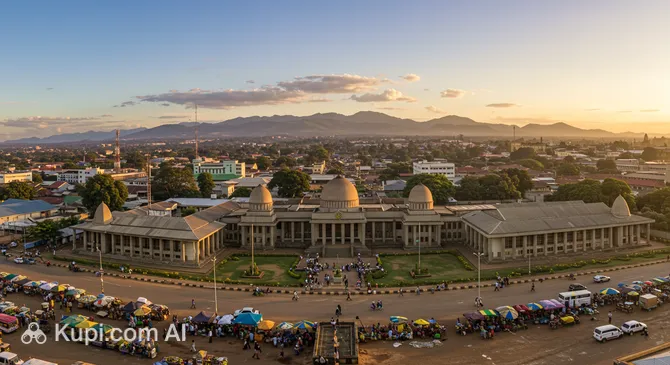
Dodoma. Source: Kupi.Binoculars

Those interested in the local heritage will find that the history of Dodoma is deeply intertwined with the country's independence and political evolution. The city was designated as the capital in 1973, a decision made to bring government services closer to the geographical center of the state. Today, you can see this legacy in the layout of the government buildings and the iconic Nyerere Square, a popular gathering spot named after the nation's founding father.

Visitors should not miss the opportunity to see the Gaddafi Mosque, one of the largest mosques in East Africa, known for its stunning architecture and capacity to hold thousands of worshippers. Additionally, the Dodoma region is the center of the country's wine industry; a tour of the local vineyards offers a surprising and delightful experience for oenophiles. Whether you are passing through on a cross-country journey or visiting for business, Dodoma welcomes you with warm hospitality and a unique glimpse into the nation's soul.
Weather Overview

Travelers will find that the weather in Dodoma is generally pleasant and follows a semi-arid pattern with clearly defined seasons. The city enjoys warm days and cooler evenings throughout the year, with average monthly temperatures hovering comfortably between 21°C and 26°C.

The dry season, which runs from May to October, is often considered the best time to visit for outdoor activities. During these months, rainfall is virtually non-existent, particularly from June through September when there are typically 0 wet days. July is usually the coolest month, with average temperatures around 21.5°C and nighttime lows dipping to approximately 15.5°C.

Conversely, the wet season spans from November to April, bringing green landscapes to the region. January is the wettest month, experiencing about 21 rainy days, although the showers are often short and refreshing. If you prefer warmer conditions, November and October are the hottest months, with maximum temperatures reaching up to 31.8°C. Overall, expect warm, sunny periods interspersed with seasonal rains during the start of the year, and dry, cooler conditions in the middle of the year.

Interesting Facts

Beyond the main administrative buildings, Dodoma holds many fascinating secrets that surprise even seasoned travelers. From its unique agricultural achievements to hidden recreational spots, the city offers much more than just political history.

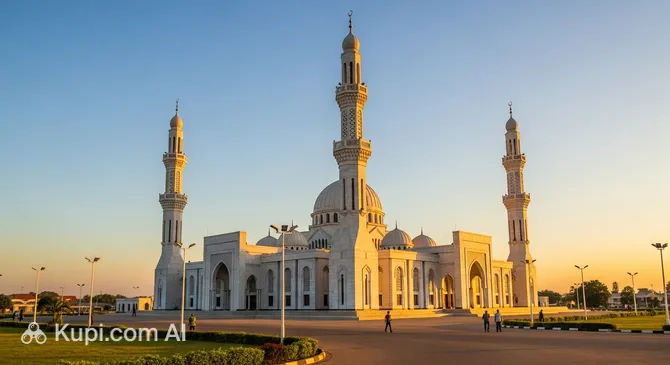
Gaddafi Mosque. Source: Kupi.Binoculars
  • A Pink Architectural Giant: The city is home to the striking Gaddafi Mosque, which is distinguished by its vibrant pink facade. It is one of the largest mosques in East Africa, capable of accommodating thousands of worshippers at once, and serves as a major landmark visible from various parts of the city.

  • The Wine Capital of East Africa: While South Africa is famous for its vineyards, few people know that Dodoma is the center of the second-largest wine-producing industry in Sub-Saharan Africa. The region's dry climate and sandy soil are perfect for growing grapes, particularly in the Makutupora district. This area is renowned for its high-quality harvests that thrive in the semi-arid environment, fueling the country's unique wine culture.

  • A Hiker’s Lookout: For the best panoramic views, locals head to Lion Rock, also known as Simba Hill. This rocky outcrop on the city's outskirts offers a challenging hike and a rewarding vantage point to see the entire capital spread out below, making it a favorite spot for sunset photography.

  • A City Within a City: The University of Dodoma is one of the largest universities in Tanzania and is designed to be a self-sustaining "city within a city." Its massive campus covers thousands of hectares and was planned to accommodate tens of thousands of students, significantly shaping the modern demographics and vibrancy of the area.

  • Unexpected Skate Culture: Surprisingly, Dodoma is home to the Don Bosco Skate Park, which is recognized as the first dedicated skate park in Tanzania. This facility has created a unique hub for youth culture and extreme sports in the heart of the administrative capital.

How to Get There

Reaching the political capital of Tanzania has become increasingly convenient in recent years due to infrastructure improvements. Whether you are traveling from the coastal hub of Dar es Salaam or other parts of the country, there are several options available. For a detailed breakdown of routes and schedules, you can read more about how to get to Dodoma on our dedicated page.

The most direct way to arrive is by flying into Dodoma Airport (DOD). Strategically located within the city itself, this airport serves as the primary gateway for government officials and tourists alike. Since it is situated just 1.3 km from the city center, the transfer is incredibly quick; a taxi ride typically takes about 20 minutes, accounting for traffic and airport logistics. While it primarily handles domestic flights, its central location makes it the most efficient choice for travelers.

Alternatively, if you are exploring the wider region, you might consider arriving via Nduli Airport (IRI), although it is significantly farther away. Please note that this airport is located in the city of Iringa, approximately 164.5 km from Dodoma. The journey from Iringa to Dodoma by road is substantial, taking around 4.5 hours by taxi or bus. This option is generally best reserved for those planning a multi-stop itinerary through the Southern Highlands rather than a direct trip to the capital.

For clarity, here is a summary of the main airports:

Airport Name City Passenger Traffic Km from City
Dodoma Airport Dodoma Small 1.3
Nduli Airport Iringa Small 164.5

Traveling by train is another excellent and scenic way to reach Dodoma. The city is a major station on Tanzania's Central Railway Line, which connects the coast to the western interior. Recently, the introduction of the Standard Gauge Railway (SGR) has revolutionized travel, offering modern, fast, and comfortable electric train services from Dar es Salaam. The railway station is centrally located, making it easy to access hotels and government offices upon arrival. Bus services are also plentiful, with frequent connections to all major Tanzanian cities, offering a budget-friendly alternative for road travelers.

Main Attractions

While the city is primarily known as the nation's political hub, the main attractions in Dodoma offer a unique blend of architectural grandeur and vibrant social culture. Visitors will find that the city's tourism experience is less about ticking off numerous monuments and more about enjoying the relaxed atmosphere, significant landmarks, and the local lifestyle that defines the capital.

One of the most unmissable sights is the Gaddafi Mosque, a stunning example of modern religious architecture. Dominating the cityscape with its impressive size and distinctive pink facade, it stands as one of the largest mosques in East Africa. For tourists, it is not only a place of worship but also a photogenic landmark that represents the diverse cultural fabric of the city. The serene grounds provide a peaceful contrast to the bustling streets, making it a key stop for anyone touring the capital.

Gaddafi Mosque. Source: Kupi.Binoculars

For those looking to experience the heart of Dodoma's social life, Pizzeria Leone L'Africano is more than just a restaurant; it is a local institution. Famous for its rustic red-brick setting and atmospheric outdoor seating, this spot attracts a lively mix of locals, government officials, and international travelers. It is an excellent place to relax and soak in the city's friendly vibe while enjoying food that is widely considered some of the best in the region.

Pizzeria Leone L'Africano. Source: Kupi.Binoculars

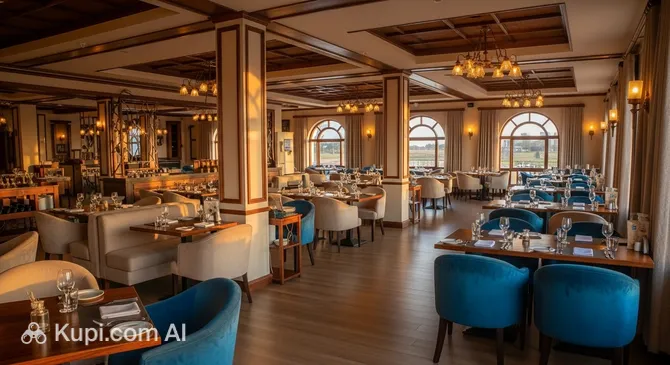
Reflecting the region's status as Tanzania's wine capital, the Dom Collina Restaurant and Wine Bar offers a sophisticated retreat for visitors. This venue is particularly interesting for tourists wishing to sample local wines produced in the nearby vineyards of the Dodoma region. With its focus on quality dining and a curated selection of drinks, it provides a perfect setting to unwind and appreciate the agricultural bounty that makes this semi-arid region so unique.

Dom Collina Restaurant and Wine Bar. Source: Kupi.Binoculars

Local Cuisine

The culinary landscape of Dodoma is a delightful reflection of its central location and agricultural abundance. As the heart of the nation, the city offers a gastronomic experience that is authentic and hearty, heavily relying on fresh produce grown in the surrounding semi-arid region. The staple of any meal here is Ugali, a stiff maize porridge that serves as the perfect accompaniment to savory stews, beans, or leafy greens known locally as mchicha. Visitors will find that the food here is unpretentious but deeply flavorful, focusing on natural ingredients and traditional cooking methods.

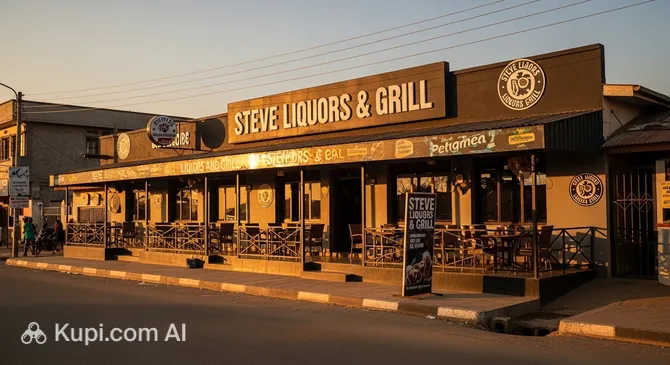
Meat lovers will feel right at home, as Nyama Choma (grilled meat) is a defining feature of the local food culture. In Dodoma, goat meat is particularly prized and is often roasted slowly over charcoal until tender and smoky. This dish is typically enjoyed socially, eaten by hand with a side of salt, chili, and a fresh tomato and onion salad called kachumbari. For a quintessential local dining experience, you might visit Steve Liquors and Grill, where the atmosphere is lively and the grill is always busy preparing these savory local favorites.

Steve Liquors and Grill. Source: Kupi.Binoculars

What truly sets Dodoma apart from other Tanzanian cities is its status as the country's wine capital. The region's dry climate and sandy soil are ideal for viticulture, producing distinct local wines that are a source of national pride. Travelers should not miss the chance to taste locally produced Chenin Blanc or Syrah, which are readily available in most restaurants and shops. For non-alcoholic options, fresh fruit juices, particularly sugarcane and tamarind, are popular refreshers to combat the midday heat.

The dining scene ranges from casual street food stalls serving Chipsi Mayai—a beloved French fry omelet—to more established local pubs. Places like the Pork Joint Pub offer a glimpse into the everyday life of residents, providing a relaxed setting to enjoy a cold local lager and conversation. Whether you are sampling street snacks or enjoying a glass of wine from a nearby vineyard, eating in Dodoma is a warm and communal affair.

Travel Tips

Planning a trip to Dodoma offers a unique opportunity to experience the relaxed rhythm of the political heart of Tanzania. To help you navigate the city with ease and blend in with the locals, we have compiled a list of essential practical tips for your journey.

  1. Dress for the Climate and Culture: Since Dodoma is located in a semi-arid region, the weather is often dry and dusty. Pack lightweight, breathable fabrics like cotton or linen to stay cool during the day. However, remember that this is the seat of the government and a city with conservative values; it is best to dress modestly. Avoid overly short skirts or sleeveless tops, especially when visiting religious sites or the city center. A sturdy pair of closed-toe shoes is also recommended for walking on unpaved or dusty streets.

  2. Getting Around Locally: While there are buses (daladalas) for longer distances, the most convenient way to navigate the city is by using Bajajis (auto-rickshaws). They are affordable, plentiful, and can navigate traffic easily. Motorcycle taxis, known as bodabodas, are also available for quick trips but ensure you are provided with a helmet. Regular taxis are available at designated stands or can be arranged by your hotel, which is safer for late-night travel.

  3. Cash is King: The local currency is the Tanzanian Shilling (TZS). While high-end hotels and some major restaurants in Dodoma accept credit cards, cash is essential for daily transactions, local markets, and transport. ATMs are widely available, particularly around the Nyerere Square area and major banks. It is wise to carry smaller denominations for tips and small purchases, as change can sometimes be hard to find.

  4. Health and Hydration: The dry heat can be deceiving, so staying hydrated is crucial. Always drink bottled or filtered water and avoid tap water. Malaria is a risk in Tanzania, so carry effective insect repellent and consider sleeping under a mosquito net. Pharmacies are readily available in the city center, but for any serious medical issues, the Benjamin Mkapa Hospital is a major facility equipped to handle emergencies.

  5. Communication Essentials: Swahili is the primary language of daily life. While English is used in government and business circles, many locals may not speak it fluently. Learning a few basic phrases like "Habari" (Hello) and "Asante" (Thank you) will go a long way in earning goodwill. For internet access, buying a local SIM card (such as Vodacom, Tigo, or Airtel) is easy and affordable; just ensure you have your passport with you for registration.

  6. Respect Local Etiquette: Tanzanians are known for their politeness. Greetings are an important social ritual; take a moment to greet people properly before asking a question or starting a transaction. Always use your right hand for eating, shaking hands, or passing money, as the left hand is considered unclean in local culture.

  7. What to Avoid: Be cautious about photography. As Dodoma is the political capital, taking photos of government buildings, military personnel, or the State House is strictly prohibited and can lead to legal trouble. Always ask for permission before taking photographs of local people to avoid causing offense.

  8. Try the Local Vintage: Don't leave without sampling the region's unique product—wine. Dodoma is one of the few places in the tropics that produces wine commercially. Visit a local shop or bar and ask for a bottle of Dodoma Wine (red or white); it makes for a great conversation starter and a perfect authentic souvenir.

By keeping these tips in mind, you will be well-prepared to explore the charming streets and hidden gems of Dodoma. The city's friendly atmosphere and distinct character ensure that your visit will be both comfortable and memorable.

Entertainment & Nightlife

The entertainment scene in Dodoma reflects the city's character: relaxed, welcoming, and deeply rooted in social interaction. Unlike the high-energy nightlife of coastal metropolises, the capital offers a more laid-back atmosphere where evenings are best spent enjoying good company, local music, and the cool night air of the central plateau. Visitors will find that entertainment here is often centered around communal dining and open-air venues.

Nightlife in the city is dominated by local pubs and "grocers"—casual bars that serve drinks and grilled meats. These spots are the heartbeat of Dodoma's social life, where residents gather to watch football matches or unwind after work. The Pork Joint Pub is a prime example of this vibrant culture. It is a favorite among locals for its lively environment and is an excellent place for travelers to immerse themselves in the authentic rhythm of the city, enjoying a cold drink amidst animated conversation.

Pork Joint Pub. Source: Kupi.Binoculars

For those interested in shopping and local products, the city offers unique opportunities to take a piece of the region home. As the center of Tanzania's wine industry, buying a few bottles of Dodoma wine directly from local shops or the vineyards is a popular activity. Additionally, the markets around the city center are great for finding locally produced honey and vibrant Kitenge fabrics, which make for colorful and authentic souvenirs.

Outdoor enthusiasts looking for active entertainment should not miss the hike up Lion Rock (Simba Hill). Located on the outskirts of the city, this geological landmark offers a moderate trek that rewards hikers with sweeping panoramic views of Dodoma and its surrounding vineyards. It is a favorite spot for sunset watchers and provides a scenic escape from the urban environment, perfect for photography and nature appreciation.

Parks & Museums

While Dodoma is primarily known as the political powerhouse of Tanzania, its cultural and recreational landscape offers a modest but meaningful selection of sites for visitors. The city does not boast the vast tropical gardens found in coastal regions, but it provides well-maintained urban spaces and unique educational institutions that reflect the nation's geological and political heritage.

Nyerere Square stands as the central green heart of the city. Located in the middle of the central business district, this public square is a tribute to the country’s founding father, Julius Nyerere. It serves as a primary gathering point for locals and a peaceful spot for tourists to take a break from sightseeing. The square is manicured with trees and pathways, making it an ideal location for a leisurely stroll or to simply sit and observe the daily rhythm of the capital's residents.

For nature enthusiasts willing to venture slightly further, Lion Rock (locally known as Simba Hill) offers the best natural escape in the area. Although technically a geological formation rather than a manicured park, it provides a rugged hiking experience with the most rewarding views of the cityscape. It is a popular spot for picnics and sunset viewing, offering a breath of fresh air and a panoramic perspective of the semi-arid landscape that defines the region.

In terms of museums, the city holds a hidden gem for science and history buffs: the Museum of Geosciences. Operated by the Geological Survey of Tanzania, this facility houses an impressive collection of rocks, minerals, and fossils found throughout the country. It offers a fascinating look into Tanzania's rich mining history and geological diversity. Visitors can view rare gemstone samples and learn about the physical makeup of the East African Rift Valley, making it a unique educational stop that you won't find elsewhere in the country.

Architecturally, the city is dominated by the Bunge (National Assembly) buildings. While access to the interior is restricted for security reasons, the complex itself is a significant monument to modern African architecture and the political life of the nation. Its distinct design, often featuring African motifs, makes it a key landmark for photography and understanding the city's function as the legislative capital.

Insider Tip: If you visit the Museum of Geosciences, ask the curators about the history of the Mbozi Meteorite. While the meteorite itself is located in the Southern Highlands, the museum often holds detailed records and exhibits explaining this and other geological marvels of Tanzania, providing context that enriches your travel knowledge.

Getting Around

Navigating Dodoma is a relatively straightforward experience, as the city’s public transport system is far less chaotic than in larger metropolises. The city does not have a metro, tram, or trolleybus network; instead, movement relies entirely on road-based options. The backbone of local transit is the ubiquitous daladala, a type of minibus that operates on fixed routes throughout the city and its suburbs. These buses are the most authentic and economical way to travel, connecting major hubs like the city center, the Jamhuri Stadium area, and residential districts.

For destinations that are off the main roads or for a more direct journey, bajajis (auto-rickshaws) are an extremely popular alternative. These three-wheeled vehicles are nimble, capable of navigating smaller streets, and offer a breezy ride that is perfect for the city's warm climate. They are widely used by locals for short to medium distances and are often preferred over standard taxis due to their lower cost and ability to weave through traffic. For the fastest, albeit less comfortable, trips, motorcycle taxis known as bodabodas are available at nearly every corner, though they are recommended primarily for confident travelers.

The payment system in Dodoma is almost exclusively cash-based. There are currently no electronic travel cards, season passes, or tap-to-pay systems for city transport. When taking a daladala, you pay the conductor (known locally as the konda) during the journey; the fare is fixed and very affordable, typically requiring small change in Tanzanian Shillings. For bajajis and bodabodas, prices are not fixed by a meter. It is standard practice to negotiate the fare with the driver before the trip begins. While ride-hailing apps are beginning to make an appearance in Tanzania's major urban centers, relying on cash and face-to-face negotiation remains the norm here.

Tourists opting for more comfort can find standard white taxis parked at designated stands, particularly near the airport, major hotels, and government offices. These provide a private and secure way to travel, especially at night when daladalas run less frequently. While car rentals are available, most visitors find that the combination of bajajis and taxis is sufficient for exploring the city without the stress of navigating local traffic rules.

Practical advice for using the system includes carrying plenty of low-denomination coins and notes, as drivers often struggle to find change for large bills. Daladalas typically operate from very early in the morning until around 9:00 PM or 10:00 PM. Stops are not always clearly marked with signage, so it is helpful to ask a local or your hotel receptionist which route number or destination name you need. If you choose to ride a bodaboda, always insist on a helmet for your safety.

Accommodation

Finding the perfect place to stay in Dodoma is becoming easier as the city expands its role as the national capital. The accommodation landscape here is primarily functional, catering largely to government officials, business travelers, and an increasing number of tourists. Visitors can expect a range of options, from affordable local guest houses and budget-friendly lodges to modern mid-range hotels that offer comfortable amenities such as air conditioning, Wi-Fi, and conference facilities. While you may not find the ultra-luxury resorts typical of Zanzibar, the standard of hospitality is warm and welcoming.

When choosing a location, the City Center is often the most convenient choice for travelers who want to be within walking distance of shops, restaurants, and transport hubs like the bus terminals. Staying here puts you close to the pulse of the city. For those seeking a quieter environment, the neighborhoods known as Area C and Area D are popular alternatives. These districts are slightly removed from the hustle and bustle, often featuring hotels with gardens and a more relaxed atmosphere, yet they remain just a short taxi or bajaji ride away from the main government buildings and attractions.

A crucial tip for booking accommodation in Dodoma is to be aware of the parliamentary sessions. When the National Assembly (Bunge) is in session, the city sees a massive influx of government officials and dignitaries, causing hotels to fill up rapidly. During these periods, finding a room on arrival can be nearly impossible. It is highly recommended to check the parliamentary schedule or simply book your accommodation several weeks in advance to secure your stay.

In terms of pricing, Dodoma is generally more affordable than Tanzania's major tourist hubs like Arusha or Dar es Salaam. Budget travelers can find clean and basic rooms for very reasonable rates, while mid-range options offer excellent value for money. Booking methods are evolving; while major hotels are listed on international online booking platforms, many smaller, locally-run establishments still rely on direct phone calls or email. Carrying cash is advisable for settling bills at smaller guest houses, although larger hotels typically accept credit cards.

Nearby Cities

Situated in the heart of the country, Dodoma serves as a strategic pivot point connecting the various regions of Tanzania. Its central location makes it an excellent base for travelers wishing to explore the interior, with several significant towns and regional hubs located within a manageable distance. Whether you are heading towards the Southern Highlands or the eastern agricultural belts, the capital is well-connected to its neighbors.

For those planning to extend their itinerary, here are the closest cities to Dodoma, offering a variety of cultural and geographical experiences:

City Distance (km) Population
Kilosa 155 91,889
Iringa 176 151,345
Singida 185 150,379
Morogoro 223 207,000
Ifakara 240 99,000

Among these, Iringa is particularly notable for travelers as a gateway to Ruaha National Park and for its cool highland climate. Morogoro, situated at the base of the Uluguru Mountains, offers beautiful hiking opportunities and serves as a major agricultural center. Meanwhile, Singida is known for its unique landscape dotted with rocky outcrops and lakes, providing a distinct contrast to the terrain around the capital.

Shopping & Souvenirs

Shopping in Dodoma offers a distinctly local experience that contrasts with the commercialized bustle of larger coastal cities. While you will not find an abundance of high-end luxury boutiques or sprawling international megamalls, the city provides a genuine glimpse into Tanzanian daily life. The retail scene here is a mix of growing modern conveniences and vibrant traditional commerce, allowing visitors to purchase everything from essential travel supplies to unique regional specialties.

The main shopping activity is concentrated in the Central Business District (CBD), particularly along the streets radiating from the central roundabouts and near Nyerere Square. This area is lined with a variety of small shops, pharmacies, and hardware stores. Walking down these streets, you can find local "dukas" (shops) selling electronics, clothing, and household goods. It is a safe and walkable area where you can browse at a relaxed pace without the aggressive sales tactics found in major tourist hubs.

For a more modern retail experience, Shoppers Plaza Dodoma is the city's premier shopping destination. Located conveniently within the urban area, this mall offers a clean and air-conditioned environment featuring a well-stocked supermarket, banks, and several smaller retail outlets. It is the best place to find imported groceries, toiletries, and western-style goods if you are looking for familiar comforts during your stay.

To truly understand the local commerce, a visit to Majengo Market is essential. This is the largest and most vibrant market in the city, teeming with energy and color. Here, vendors sell mounds of fresh fruits and vegetables, spices, grains, and second-hand clothing. It is a chaotic but fascinating place to wander, offering a sensory overload of sights and smells. For a slightly more organized experience, the Sabasaba Market is another excellent spot, particularly known for its fresh produce and local textiles.

When it comes to souvenirs, Dodoma has one standout specialty: wine. As the center of Tanzania's wine region, the city is the best place to buy locally produced reds and whites at excellent prices. You can find these in supermarkets or specialized liquor stores. Additionally, look for local honey, which is renowned for its purity and flavor. Colorful Kitenge and Kanga fabrics are also widely available in the markets and make for lightweight, beautiful gifts to take home.

Most shops in the city open around 08:30 or 09:00 AM and close by 05:30 or 06:00 PM. However, major supermarkets and malls may stay open until 08:00 PM or later. Cash is king in Dodoma; while the larger supermarkets and hotels accept credit cards, virtually all transactions in markets, small shops, and for transport will require Tanzanian Shillings. It is advisable to withdraw sufficient cash from ATMs in the city center before heading to the markets.

Regarding tax-free shopping, tourists should be aware that this concept is not widely implemented in Dodoma's retail sector. The VAT refund schemes found in international travel hubs are generally not applicable to the local shops and markets here. Visitors should expect to pay the marked price, which includes all taxes, though bargaining is expected and welcomed in the informal markets for items like clothing and souvenirs.

Reached the end of the page?

That means the route is fully explored