Support

Tanzania

About the Country

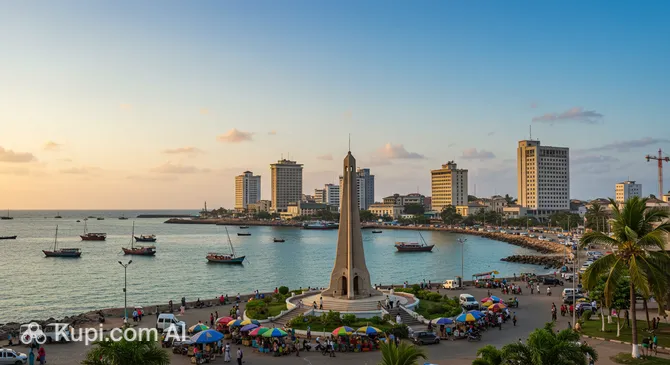
Tanzania is a true gem of East Africa, a country that captivates the imagination with its vast scale, natural diversity, and cultural richness. It beckons travellers with the promise of unforgettable safaris across endless savannahs, the chance to conquer the legendary peak of Kilimanjaro, and the opportunity to relax on the idyllic beaches of Zanzibar. The country's largest city and economic hub, Dar es Salaam, often serves as the starting point for exploring this incredible corner of the planet.

Dar es Salaam. Source: Kupi.com Binoculars

Tanzania's nature is its greatest treasure. It is home to the renowned Serengeti National Park, the setting for the Great Wildebeest Migration and a sanctuary for the "big five" game animals. The unique ecosystem of the Ngorongoro Crater, a UNESCO World Heritage Site, is a veritable lost world. The nation's landscapes are incredibly diverse, ranging from snow-capped peaks and volcanic lakes to dense tropical forests and the coral reefs of the Indian Ocean. The climate is predominantly tropical, with distinct dry and rainy seasons, allowing for travel planning based on personal preference.

The cultural heritage of Tanzania is no less impressive. The country is home to more than 120 ethnic groups, each contributing to the vibrant mosaic of local traditions, music, and art. A special place is held by Zanzibar City, also known as Stone Town, with its narrow streets, ancient stone houses, and a rich history connected to the spice trade and seafaring. The general atmosphere in Tanzania is filled with the spirit of 'hakuna matata' – a prevailing sense of hospitality, friendliness, and a relaxed approach to life, which makes any journey here particularly pleasant.

Currency

The national currency of Tanzania is the Tanzanian shilling (international code TZS). Banknotes are adorned with images of wild animals, symbolising the country's rich fauna, as well as portraits of significant historical figures. Coins are also available in various denominations and are used for smaller transactions. While the Tanzanian shilling is the official currency, the US Dollar is also widely accepted in many tourist areas. It is advisable to exchange foreign currency for Tanzanian shillings at official banks or licensed exchange bureaus, which can be found in airports, cities, and tourist centres. Major currencies like the US Dollar can be exchanged easily, and it is possible to exchange the UAE Dirham at some banks and licensed bureaus. Avoid exchanging money with street money changers, as this can carry the risk of fraud or an unfavourable exchange rate.

Credit cards (mainly Visa and Mastercard) are accepted in major hotels, some restaurants, and souvenir shops in tourist areas and large cities such as Dar es Salaam. However, for daily expenses, purchases at local markets, paying smaller safari operators, or when in remote areas, it is preferable to have a sufficient amount of cash on hand. ATMs are available in cities, but it is best to withdraw money in advance, especially before travelling to national parks or rural areas.

Visa Requirements

For travellers from the UAE, a visa is required to enter Tanzania. UAE citizens have the option to obtain a visa on arrival at major entry points or, to ensure a smoother process, apply for an e-visa in advance through Tanzania's official immigration portal. This e-visa system allows you to complete the application and payment online before your trip.

Regardless of the method chosen, you will need a passport with a validity of at least six months from your planned date of entry. Other essential documents include proof of a return or onward flight, confirmation of your hotel booking, and sufficient funds for your stay. As visa regulations can be updated, it is strongly recommended to verify the latest requirements on the official Tanzania Immigration Services website or with the nearest Tanzanian embassy before travelling.

We'll tell you if you need a visa

Specify where you are going, or
Your citizenship
Destination

Time Zones

When planning a trip to Tanzania, you will find that the country observes a single time zone, which simplifies travel arrangements. The whole of Tanzania operates on East Africa Time (EAT), which is GMT+3. This means the time is consistent across the mainland and its islands, including the popular destination of Zanzibar.

For travellers from the UAE, it's convenient to know that Tanzania is just one hour behind Gulf Standard Time (GST), which is GMT+4. This minimal time difference means you will not need to adjust your watch when travelling between different regions or cities, such as Dar es Salaam, Arusha, or when visiting the national parks. This makes planning excursions, safaris, and internal transfers much more straightforward.

How to Get There

There are several ways to get to Tanzania, the pearl of East Africa, but the most popular and convenient option is to travel by air. For travellers from the UAE, major carriers such as Emirates, Etihad Airways, and flydubai offer direct or convenient connecting flights. Emirates and flydubai provide direct flights from Dubai to Dar es Salaam. Flydubai also operates services to Zanzibar. From Abu Dhabi, Etihad Airways and other airlines offer flights to the region, often with a single connection.

The country has several international airports. The main gateway is Julius Nyerere International Airport in Dar es Salaam, which serves as the primary hub for most international flights. Other significant airports include Kilimanjaro International Airport and Abeid Amani Karume International Airport in Zanzibar, which handle flights from across the Middle East, Europe, and other African nations.

For those who prefer overland travel or wish to create a multi-country itinerary, it is possible to enter Tanzania by bus or private vehicle from neighbouring countries such as Kenya, Uganda, Rwanda, Burundi, Zambia, Malawi, and Mozambique. International bus services connect major Tanzanian cities with those in neighbouring states. Sea travel also plays a role, particularly for reaching the island of Zanzibar, with regular ferry services operating from the mainland, most notably from Dar es Salaam. Some Indian Ocean cruise liners may also include Tanzanian ports in their itineraries.

Regardless of your chosen mode of transport, it is advisable to plan your journey and book tickets well in advance, especially if you are travelling during the peak tourist seasons (typically June to October and December to March). This will not only help you secure better prices but also guarantee availability, as popular routes and flights can sell out quickly. Additionally, be sure to check the latest visa requirements for UAE citizens and residents before you travel. As of late 2022, UAE citizens require a visa to enter Tanzania, which can be obtained online.

For your reference, here is a summary of the main airports:

Airport Name City Passenger Traffic
Julius Nyerere International AirportDar es SalaamMajor
Zanzibar International AirportZanzibar CityMedium
Kilimanjaro International AirportKilimanjaroMedium
Mwanza AirportMwanzaSmall
Arusha AirportArushaSmall

Tanzania offers travellers a remarkable diversity of destinations, from bustling urban centres to serene island resorts and gateways to the world of wildlife. This country can satisfy the demands of a wide variety of tourists seeking both cultural enrichment and unforgettable adventures.

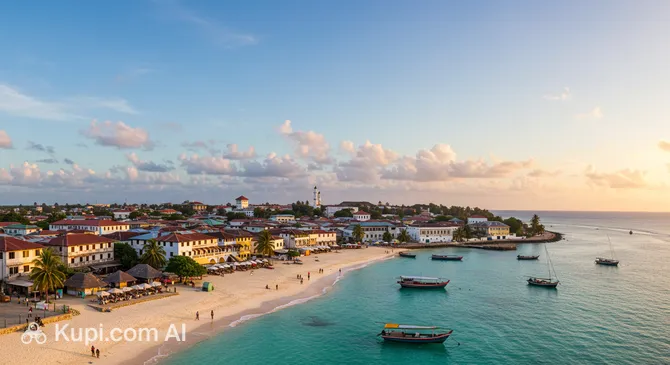
One of Tanzania's main jewels is undoubtedly Zanzibar City, the capital of the archipelago of the same name. Its historic centre, Stone Town, a UNESCO World Heritage Site, captivates with its labyrinth of narrow streets, ancient buildings with carved doors, and a fusion of Arab, Indian, African, and European cultures. Due to its deep-rooted Islamic heritage, halal food is widely available and mosques are a common sight. When exploring Stone Town, it is advisable to dress modestly to respect the local culture. Beyond its rich history, Zanzibar is famous for its idyllic beaches with white sand and the turquoise waters of the Indian Ocean. The country's largest city and former capital, Dar es Salaam, is a dynamic metropolis and Tanzania's economic and transport hub, with direct flights from the UAE. Here you can immerse yourself in modern city life, visit colourful markets where halal options are plentiful, and stroll along the waterfront.

Zanzibar City. Source: Kupi.com Binoculars

For those who dream of going on a safari to see the famous "Big Five", the key starting points are the cities in the north of the country. Arusha, located at the foot of Mount Meru, serves as a gateway to many national parks, including the Serengeti and Tarangire. From here, it is also convenient to reach the unique natural wonder of the Ngorongoro Crater, a huge caldera with an incredible concentration of wildlife. Meanwhile, the town of Moshi is known worldwide as the base for climbing the highest point in Africa – the majestic Mount Kilimanjaro.

Top Attractions

Tanzania is a country that captures the imagination, not only with its natural parks and safaris but also with its rich cultural heritage, reflected in its many attractions. Unique historical monuments, lively markets, and places where you can connect with local traditions await travellers.

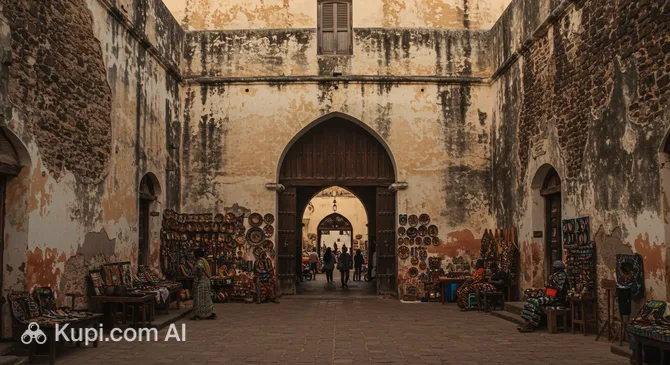
One of the most iconic historical buildings is the Old Fort in Zanzibar. This is the oldest building in the city, erected in the late 17th century by Omani Arabs to defend against the Portuguese. This direct historical link to the Oman Sultanate makes it a site of significant interest. Today, its massive walls hold the island's history, and the inner courtyard often hosts cultural events and festivals, including an amphitheatre and several souvenir shops. Given Zanzibar's large Muslim population, prayer facilities are readily available in the surrounding Stone Town area.

Old Fort. Source: Kupi.com Binoculars

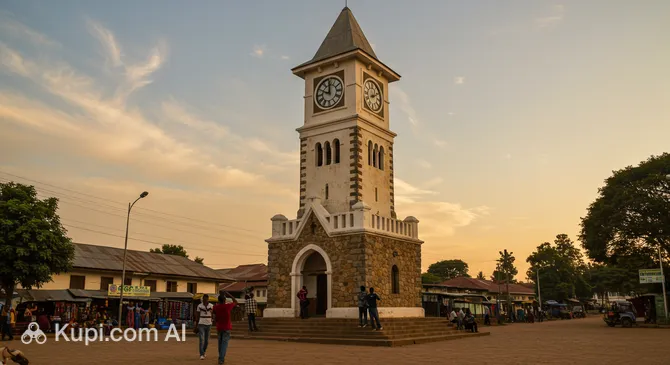
In the city of Arusha, the Arusha Clock Tower draws attention. This monument, located in the very centre of the city, is considered the symbolic halfway point on the old road between Cairo and Cape Town. The tower is a popular meeting place and landmark for both locals and tourists preparing for safaris in the northern national parks.

Arusha Clock Tower. Source: Kupi.com Binoculars

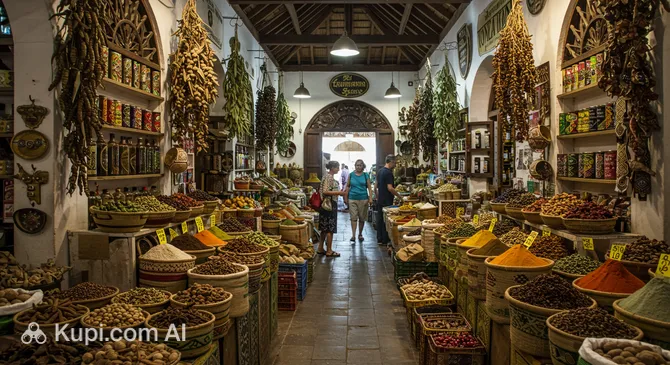
For those wishing to immerse themselves in a world of aromas and exoticism, a visit to one of Zanzibar's famous spice farms is a must. Here, you can not only see how renowned Zanzibari spices like cloves, nutmeg, cinnamon, vanilla, and cardamom are grown but also purchase them fresh. You will also learn much about their use in Swahili cuisine—many of which are key ingredients in Emirati dishes—and their traditional medicinal applications.

Zanzibar Spice Community Shop. Source: Kupi.com Binoculars

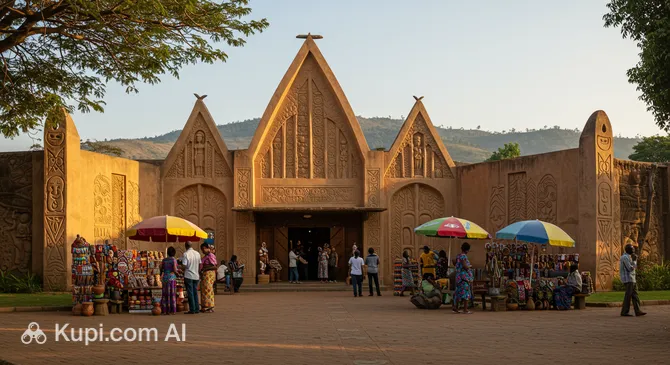
You can get acquainted with the art and crafts of Tanzania at the Cultural Heritage Centre in Arusha. This is a large complex showcasing handmade items from all over Africa, including masks, sculptures, paintings, jewellery, and textiles. The centre also includes an art gallery, a museum, and high-quality souvenir shops, making it an ideal place to find unique pieces of African art.

Cultural Heritage Centre. Source: Kupi.com Binoculars

Best Time to Visit

Tanzania offers a diverse range of experiences throughout the year, but for most activities, including safaris and climbing Kilimanjaro, the high season falls into two dry periods: from June to October and from January to February. During these months, the weather is most favourable: sunny, dry, and with comfortable temperatures. For residents of the UAE, the June to October window is an excellent opportunity to escape the intense summer heat for Tanzania's milder, drier climate. The period from June to October is considered the best for witnessing the Great Wildebeest Migration in the Serengeti National Park, especially the dramatic river crossings. The advantages of travelling at this time are the excellent visibility of wildlife, as animals gather around waterholes, and clear skies. However, be prepared for a larger number of tourists and, consequently, higher prices for accommodation and tours. Conveniently, there are direct flights available from the UAE to Tanzania, operated by airlines such as Emirates, flydubai, and Air Tanzania, making access to the country straightforward.

The low season, or rainy season, is divided into the "long rains" (from March to May) and the "short rains" (November-December). During the long rains of March to May, rainfall can be heavy and prolonged, sometimes making travel difficult and certain lodges inaccessible. The rains in November and December are typically shorter and refresh the landscape, turning the savannah into a lush, green carpet. The benefits of this off-season are significantly fewer tourists, lower prices, and vibrant green scenery, which is ideal for photographers and bird watchers (as migratory species arrive). Although part of the dry season, late January to February is notable as it is the calving season for wildebeest in the southern Serengeti. Some travellers also plan trips around cultural events, such as the Sauti za Busara music festival on Zanzibar in February. When planning a trip to Tanzania, especially if you are interested in specific regions like the coast with Zanzibar, northern parks like Ngorongoro, or the starting point for a Kilimanjaro climb, the town of Moshi, it is advisable to check the specific weather conditions for your chosen time, as the climate can vary slightly by region.

Traditions

Tanzania is a country with a rich and multifaceted culture, and showing respect for local customs will make your journey significantly more pleasant and profound. Greetings play an important role in communication. Local people greatly appreciate it when tourists try to speak Swahili, so learning a couple of phrases like "Jambo!" (Hello!) or "Habari?" (How are you?) will be well received. A handshake is a common form of greeting, usually with the right hand, while the left hand might support the right elbow as a sign of special respect, especially when interacting with elders. Try to avoid pointing at people or objects with your index finger; instead, use an open hand or a nod of the head.

Hospitality is a revered part of Tanzanian culture. If you are invited into a local home, it is a great honour. A small gift for the hosts or their children (such as fruit, sweets, or stationery for the children) would be a welcome gesture, although it is not a strict requirement. Regarding clothing, it is advisable to dress modestly outside of tourist resorts, particularly in rural areas and when visiting religious sites like mosques and churches. This means that shoulders and knees should be covered for both men and women. When eating, especially if you are eating with your hands in a traditional setting, always use your right hand, as the left hand is often reserved for personal hygiene. It is also important to always ask for permission before photographing people – this is a simple gesture of courtesy.

To avoid awkward situations, remember that public displays of affection between a man and a woman are not customary and may be met with disapproval. Speaking loudly or behaving aggressively is also considered impolite. Tanzanians value patience and a calm demeanour; it is no wonder that one of the most famous Swahili expressions is "pole-pole," which means "slowly-slowly" or "take it easy." Among the national holidays that help to understand the spirit of the country are Union Day (26 April), which marks the anniversary of the union between Tanganyika and Zanzibar, and Independence Day (9 December). Understanding and respecting these simple rules will help you build warm relationships with local residents and get the most enjoyment out of your stay in this amazing country.

Entertainment

Tanzania offers an incredible variety of entertainment, especially for lovers of the great outdoors and nature. The main draw is undoubtedly a safari through world-famous national parks, such as the Serengeti or the Ngorongoro Crater, where you can see the "Big Five" in their natural habitat. For adventure seekers, there is the ascent of the legendary Mount Kilimanjaro, located near the town of Moshi. The Indian Ocean coast and its islands, particularly Zanzibar, are alluring for their diving, snorkelling and other water sports opportunities.

The cultural programme in Tanzania is just as rich. You can immerse yourself in history by exploring ancient ruins like the Old Fort in Zanzibar City, or visit the Cultural Heritage Centre in Arusha to discover the art and crafts of local tribes. When visiting cultural and public spaces, especially in the predominantly Muslim region of Zanzibar, it is respectful to dress modestly. Shopping here is a hunt for authentic souvenirs: from vibrant Tingatinga-style paintings and carved wooden items to aromatic spices, which can be found at places like the Zanzibar Spices and Heritage Centre, and the unique tanzanite gemstone. In major cities like Dar es Salaam, there are also modern shopping centres, such as Mlimani City.

As evening falls, life in major cities like Dar es Salaam, Arusha, and Zanzibar City comes alive with numerous restaurants offering both local and international cuisine. Given Tanzania's significant Muslim population, halal food is widely available in cities and tourist areas, with many establishments offering certified options. For example, you could visit Samaki Samaki in the capital or The Cask Bar & Grill in Mwanza. For a family holiday, Tanzania offers safe and exciting safaris that will appeal to both adults and children, as well as relaxation on the beautiful beaches of Zanzibar. While there are few dedicated theme parks, the country's nature and wildlife are the best entertainment for the whole family. Prayer facilities are also accessible in major cities and tourist areas, ensuring a comfortable stay for Muslim travellers.

Currency rates

Planning a trip? That's wonderful! To ensure the financial aspects of your journey do not come as a surprise, it is important to remember that currency exchange rates are constantly changing. Therefore, we strongly advise you to monitor the latest rates both before you fly and throughout your trip. To do this, you can use the data provided below — we monitor exchange rates 24/7 and strive to provide the most up-to-date information.

TZS currency exchange rate as of 02.01.2026

1 AED
~ 669.15 TZS
1 AMD
~ 6.44 TZS
1 AUD
~ 1639.25 TZS
1 AZN
~ 1446.26 TZS
1 BYN
~ 836.16 TZS
1 CAD
~ 1789.61 TZS
1 EUR
~ 2884.13 TZS
1 GBP
~ 3316.75 TZS
1 HUF
~ 7.51 TZS
1 INR
~ 27.31 TZS
1 KGS
~ 28.11 TZS
1 KRW
~ 1.70 TZS
1 KZT
~ 4.84 TZS
1 PLN
~ 684.81 TZS
1 RUB
~ 31.17 TZS
1 SAR
~ 655.48 TZS
1 SGD
~ 1913.51 TZS
1 TRY
~ 57.24 TZS
1 UAH
~ 58.12 TZS
1 USD
~ 2456.85 TZS
4.89 UZS
~ 1 TZS

Reached the end of the page?

That means the route is fully explored