Shopping in Mwanza offers a vibrant mix of traditional African markets and modern retail experiences. While the city is not primarily known as a high-end shopping destination, it provides visitors with an authentic glimpse into local commerce. Travelers can explore bustling stalls filled with colorful fabrics and fresh produce, or visit contemporary centers that offer western-style conveniences, making it easy to find both unique souvenirs and travel essentials.
The heart of the city's commercial activity is concentrated in the City Center, particularly along the streets surrounding the central clock tower and Nyerere Road. This area is a hive of activity where small shops sell everything from electronics and shoes to household goods. Walking through these streets allows tourists to immerse themselves in the daily rhythm of the city, with vendors often displaying their wares on the sidewalks in a lively, albeit sometimes chaotic, atmosphere.
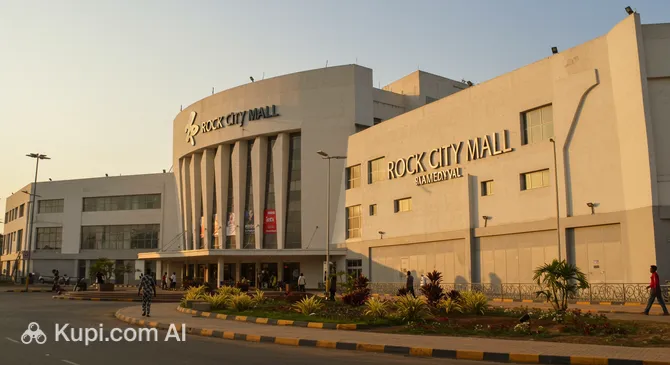
For a more structured and modern shopping experience, Rock City Mall is the premier destination. As one of the largest shopping complexes in the Lake Zone, it stands as a symbol of Mwanza's modernization. Here, visitors can find a large supermarket, fashion boutiques, banks with ATMs, and telecommunication shops in an air-conditioned environment. It is the perfect place to stock up on supplies or enjoy a break from the tropical heat.
The local markets are where the true spirit of Mwanza shines. The Central Market (Soko Kuu) is a must-visit for those looking to buy vibrant Kitenge and Kanga fabrics, which are quintessential East African textiles. For a more specialized experience, the Maasai Market stalls, often found near the city center, offer beautiful handmade beadwork, leather sandals, and traditional jewelry. Additionally, the Mwaloni Market in Kirumba is famous for being one of the largest fish markets in the region; while primarily for wholesale fish, it is a fascinating spectacle for tourists.
When looking for souvenirs, the best items to bring back include the colorful printed fabrics mentioned earlier, which can be tailored into clothing or used as home decor. Wood carvings, particularly those made from ebony, and soapstone sculptures are also popular. Visitors should also look out for Tingatinga paintings, a distinctive Tanzanian art style characterized by bright colors and surreal animal subjects, often sold by street artists or in curio shops.
Opening hours for most shops in the city center are typically from 8:30 AM to 6:00 PM, Monday through Saturday. Many smaller businesses may close for a lunch break or have shorter hours on Sundays. Payment methods vary by location; while Rock City Mall and larger supermarkets accept credit cards, cash is the absolute rule in local markets and smaller street shops. The Tanzanian Shilling (TZS) is the required currency, and carrying smaller denominations is advisable for bargaining.
Regarding tax-free shopping, Tanzania does have a VAT refund system for international visitors, but it is primarily operational at major international airports and select registered luxury retailers. In Mwanza, it is rare to find shops that process these refunds for typical tourist purchases, so visitors should not expect to claim VAT back on local souvenirs or market goods.