Support

Kahama

About

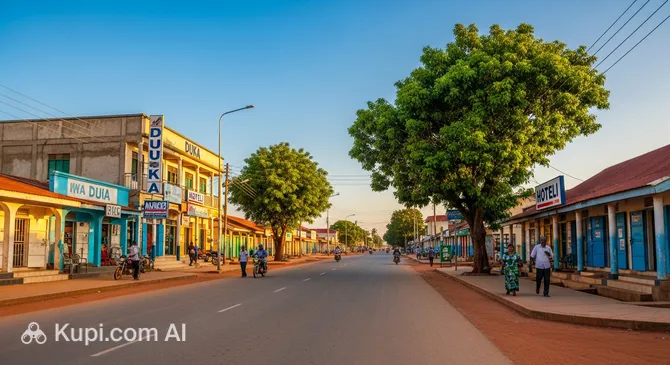
Kahama is a vibrant and rapidly growing town located in the Shinyanga Region of north-western Tanzania. Often referred to as a "Gold Town" due to its close proximity to major gold mining operations, such as the Buzwagi Gold Mine, it has evolved into a significant commercial hub. The town serves as a crucial crossroad for travelers and traders moving between the interior of the country and neighboring nations like Rwanda and Burundi.

Kahama. Source: Kupi.Binoculars

Geographically, Kahama sits on the central plateau, offering a generally warm climate typical of the region. While it started as a modest settlement, the history of Kahama has been dynamically shaped by the mining boom and agricultural activities, transforming it into a bustling center of trade and opportunity. Today, it stands as a testament to the economic potential of the Lake Zone.

For visitors, the town offers an authentic glimpse into modern Tanzanian life away from the traditional safari circuit. The streets are lined with lively local markets where one can find fresh produce and regional goods. Its strategic location makes it an excellent stopover for those on long-distance road trips, providing comfortable accommodation and essential services. Whether you are passing through on business or exploring the deeper reaches of the region, Kahama welcomes you with its energetic atmosphere and friendly community.

Weather Overview

Kahama enjoys a generally warm climate year-round, with temperatures that are comfortable for travel during most months. Average daily temperatures typically range from around 22°C to 25°C, with daytime highs peaking near 31°C in October. The coolest nights usually occur in July, dropping to approximately 18°C, providing a refreshing break from the daytime heat.

Travelers should be aware of the distinct seasonal variations when packing for their trip. The weather in Kahama features a clear dry season from June to September, where rainfall is virtually non-existent, making it an ideal time for outdoor exploration. Conversely, the wet season runs roughly from November to April, with December and January seeing frequent showers and up to 21 wet days per month, so waterproof gear is highly recommended during this period.

Interesting Facts

Beyond its bustling streets and mining heritage, Kahama possesses several unique characteristics that set it apart from other towns in the region. Here are some fascinating insights into this dynamic urban center:

  • A Commercial Powerhouse: Unlike many district towns, Kahama is an economic anomaly that often rivals the regional capital, Shinyanga, in terms of commercial vibrancy and business volume. Its rapid growth has turned it into a primary trading hub, attracting merchants from across East Africa.

  • The Inland Port Connection: Although situated far from the ocean, the town functions as a critical logistics gateway for Tanzania. Its strategic location near the Isaka Dry Port makes it a vital link for transporting cargo to landlocked neighboring countries like Rwanda, Burundi, and the DRC.

  • Pioneering Economic Transition: Kahama is at the forefront of a unique industrial experiment. With the Buzwagi Gold Mine reaching the end of its lifecycle, innovative plans have been developed to transform the mining infrastructure into a Special Economic Zone (SEZ), aiming to turn a finite resource boom into sustainable long-term industrial growth.

How to Get There

Reaching Kahama typically involves a combination of air and road travel, as the town serves as a vital transit node in northwestern Tanzania. While the town itself does not host a commercial airport, it is accessible via major regional hubs. Visitors planning their journey can find more about how to get to Kahama and the various transport options available on the detailed page.

The city of Kahama does not have its own airport, but you can fly into Mwanza Airport (MWZ) in the city of Mwanza, which is about 159 km from Kahama. This is the most practical entry point for most international and domestic travelers. From Mwanza, you can take a taxi or a regional bus to reach your destination; the drive typically takes approximately 4 hours and 20 minutes. Mwanza Airport is a significant regional hub with frequent connections, making it a reliable choice.

Alternatively, travelers combining their visit with a wildlife safari might consider Seronera Airstrip (SEU) in Seronera, located roughly 291 km away. Although primarily serving the Serengeti National Park, it is a feasible option for those already in the conservation area. However, the ground transfer from Seronera to Kahama is substantial, taking about 7 hours and 35 minutes by car.

For clarity, here is a summary of the main airports:

Airport Name City Passenger Traffic Km from City
Mwanza Airport Mwanza Medium 158.6
Seronera Airstrip Seronera Small 290.9
Bukoba Airport Bukoba Small 290.1

Main Attractions

While Kahama is primarily known as a bustling commercial hub and a transit point in the Shinyanga Region, it offers several interesting spots for visitors who wish to experience the authentic local lifestyle of Tanzania. The town’s rapid growth, fueled by the gold mining industry, has created a unique energy that blends traditional culture with modern economic activity. Below are some of the main places to visit within and around the city.

Kahama Central Market is the beating heart of the town and a must-visit for anyone looking to immerse themselves in daily Tanzanian life. This vibrant marketplace is a sensory delight, packed with stalls selling everything from fresh tropical fruits and vegetables to colorful "kitenge" fabrics and household goods. It is an excellent place to interact with friendly locals, practice your Swahili, and pick up unique souvenirs or traditional crafts. The lively atmosphere here offers a stark, authentic contrast to the more tourist-centric curio shops found in major safari destinations.

For those interested in architecture and spiritual landmarks, the St. Karoli Lwanga Cathedral stands as a prominent feature of the town's skyline. As the seat of the Kahama Catholic Diocese, this cathedral is not only a place of worship but also a center for the local community. Its serene environment provides a peaceful retreat from the busy streets, and the structure itself is a testament to the region's religious heritage. Visitors are often welcomed to admire the building's design and enjoy the quiet, well-kept grounds.

Nature enthusiasts willing to venture just outside the town limits should consider a trip to the Northern Kahama Game Reserve. Located approximately 40 kilometers north of the city, this reserve offers a chance to experience the region's natural beauty without the crowds of the larger national parks. While it may not host the "Big Five" in the same abundance as the Serengeti, it provides a wonderful setting for birdwatching and spotting smaller game species in a tranquil, undisturbed environment.

Another significant site that defines the town's identity is the Buzwagi Gold Mine area. While active mining zones are typically restricted, the presence of this massive operation is the reason Kahama is affectionately known as "Gold Town." The mine has shaped the local economy and infrastructure, making it a point of interest for those curious about the industrial history of the Lake Zone. In recent years, initiatives have been discussed to transform parts of the area into a special economic zone, marking the town's evolution beyond just resource extraction.

Local Cuisine

The culinary scene in Kahama reflects its status as a bustling commercial crossroads, offering hearty and flavorful meals designed to fuel a hardworking population. While you may not find high-end gourmet dining, the town provides an authentic taste of Tanzanian hospitality with dishes that are fresh, filling, and deeply rooted in local tradition. The food culture here is unpretentious and communal, with a focus on simple ingredients prepared with care.

For a true taste of the region, visitors must try Ugali, a stiff maize porridge that serves as the national staple. In Kahama, it is typically paired with savory sides such as maharage (kidney beans), sautéed spinach, or a rich beef stew. Given the town's proximity to the Lake Zone, freshwater fish like Tilapia and Nile Perch are also popular, often served fried or stewed in a tomato and coconut base, accompanied by aromatic rice known as Wali.

Meat lovers will feel right at home with the local obsession for Nyama Choma, or grilled meat. Usually consisting of goat or beef slow-roasted over charcoal, this dish is a social favorite, best enjoyed with a side of salt, lime, and spicy pili-pili sauce. For a quick and iconic Tanzanian street food experience, look for Chipsi Mayai. This "french fry omelet" is a ubiquitous comfort food found at almost every street corner, perfect for travelers needing a fast and satisfying meal.

To wash down these savory meals, locals often turn to Chai, a sweet and milky tea frequently spiced with ginger or cardamom, enjoyed at any time of the day. For those looking to unwind in the evening, the local bars serve a variety of cold Tanzanian lagers, such as Safari or Kilimanjaro, which are a source of national pride. Freshly squeezed juices, particularly sugarcane and passion fruit, are also widely available and offer a refreshing respite from the midday heat.

Dining in Kahama is largely centered around small, locally-run establishments and "Mama Lishe" stalls—informal street-side eateries run by local women. These spots offer the most authentic home-style cooking at very affordable prices. Whether you are eating at a lively stall near the central market or a restaurant within a hotel, the atmosphere is typically warm and welcoming, inviting visitors to slow down and enjoy the communal spirit of Tanzanian dining.

Travel Tips

Visiting Kahama offers a unique look into the industrial and commercial heartbeat of the Lake Zone, but navigating this bustling "Gold Town" requires some local know-how. To help you make the most of your stay and travel with confidence, here are some essential practical tips tailored for your journey.

  1. Dress for the Climate and Culture: Kahama experiences a generally warm climate, so pack lightweight, breathable fabrics like cotton or linen to stay cool. Since the region is relatively conservative, it is respectful to dress modestly by covering your shoulders and knees. Comfortable, closed-toe shoes are highly recommended, as the streets can be dusty, especially during the dry season.

  2. Master Local Transport: The most convenient way to get around the town is by using boda-bodas (motorcycle taxis) or bajajis (auto-rickshaws). They are abundant and affordable, but fares are rarely fixed, so be prepared to negotiate the price before you start your trip. For safety, always choose a motorcycle driver who provides a helmet for passengers.

  3. Cash is King: While a few major hotels may accept credit cards, daily transactions in shops, markets, and local eateries differ significantly and run almost exclusively on cash. Ensure you carry enough Tanzanian Shillings (TZS) for your daily needs. ATMs are available in the town center (look for CRDB or NMB banks), but it is wise to keep smaller bills handy for small purchases.

  4. Prioritize Health and Hygiene: Malaria is a concern in this part of the country, so packing high-quality insect repellent and sleeping under a mosquito net is essential. Avoid drinking tap water under any circumstances; stick to sealed bottled water, which is widely sold in local shops. Pharmacies, known locally as Duka la Dawa, are available for basic medical supplies.

  5. Bridge the Language Gap: While you may find English speakers in banks or high-end hotels, Swahili is the dominant language of the streets. Learning a few basic greetings like "Habari" (Hello) or "Asante" (Thank you) will be greatly appreciated by the locals. Buying a local SIM card from providers like Vodacom or Airtel is easy and ensures you have data for maps and translation apps.

  6. Mind Your Etiquette: Tanzanians place a high value on politeness and proper greetings. Always take a moment to exchange pleasantries before asking a question or starting a business transaction. Additionally, remember to use your right hand for eating, shaking hands, or passing money, as using the left hand is culturally considered unclean and rude.

  7. Be Careful with Photography: Avoid taking photos of government buildings, police stations, or mining infrastructure, as this is strictly prohibited and can lead to trouble with authorities. Furthermore, always ask for explicit permission before photographing locals; many people value their privacy and may be offended if you snap a picture without asking.

  8. Navigate the Transit Hub Smartly: As a major crossroad for trade, the central bus stand area can be chaotic and crowded. Keep a close watch on your luggage and valuables in these high-traffic zones to pickpockets. If you are booking onward bus tickets, buy them directly from the official booking offices rather than from street touts to ensure a fair price and a valid seat.

By keeping these practical tips in mind, you will be well-prepared to navigate the energetic streets of Kahama with ease and respect. Embrace the local rhythm, interact with the friendly residents, and enjoy your time exploring this dynamic corner of Tanzania.

Entertainment & Nightlife

Despite its relatively modest size, Kahama boasts a nightlife scene that is surprisingly energetic and vibrant, largely fueled by its status as a booming commercial and mining hub. As the sun sets, the town transforms from a busy trading center into a lively playground for locals, miners, and traveling merchants. The atmosphere is distinctively Tanzanian—loud, welcoming, and centered around music and social connection. You will not find high-end luxury clubs here, but rather authentic bars and lounges where the rhythm of Bongo Flava and Afrobeats keeps the energy high until the early hours.

The heart of the nightlife action is concentrated within the town center and along the main arterial roads. For those looking to experience the town's most popular spot, The Magic 101 is widely regarded as the place to be. Often described by locals as the venue that "never sleeps," it offers a mix of a bar and dance club environment where DJs spin the latest hits for a packed crowd. It is the perfect location to witness the local party culture in full swing, with a mix of patrons letting loose after a long work week.

For a slightly more relaxed evening, travelers might visit Sky Lounge or Club Ambiance. These venues typically offer a good selection of cold drinks, including the ever-popular local beers like Safari and Kilimanjaro. The dress code in Kahama is generally casual; there is no need to dress up formally, but smart-casual attire is appreciated if you are visiting a lounge. Friday and Saturday nights are naturally the busiest, while weeknights offer a more laid-back vibe suitable for a quiet drink and conversation.

Nighttime dining in Kahama is an experience in itself, often revolving around late-night street food rather than sit-down restaurants. Outside popular bars and along the streets, you will find vendors selling Nyama Choma (grilled meat) and Chipsi Mayai (french fry omelet). These savory snacks are the traditional way to end a night out. Prices are very affordable, with beers and meals costing significantly less than in major tourist cities like Arusha or Dar es Salaam.

When it comes to safety and logistics, common sense is key. While the main entertainment areas are generally safe, it is advisable to avoid walking alone in poorly lit backstreets late at night. The primary mode of transport is the boda-boda (motorcycle taxi). They are plentiful and convenient, but for safety at night, it is best to use a driver recommended by your hotel or the venue you are visiting. If you prefer a car, taxis are available but should be arranged in advance.

During the daylight hours, entertainment in Kahama shifts towards cultural and local exploration. The Kahama Central Market is a hive of activity where you can spend hours browsing colorful fabrics and fresh produce. While the town lacks traditional museums or amusement parks, it serves as a gateway to nature. Visitors can arrange day trips to the nearby Northern Kahama Game Reserve for a chance to see local wildlife in a tranquil setting, offering a peaceful counterpoint to the town's electric nightlife.

Parks & Museums

Travelers exploring Kahama will quickly notice that the town is primarily a commercial and industrial powerhouse rather than a center for traditional cultural institutions. As of now, the town does not host any formal history museums, art galleries, or manicured botanical gardens within its urban limits. The local culture is best experienced through direct interaction in the bustling markets and streets, rather than through static exhibits. However, for those seeking a connection with nature, the region surrounding the town serves as a gateway to some of the country's most distinct and less-visited wilderness areas.

The premier natural attraction for visitors based in Kahama is the Kigosi Game Reserve, located to the west of the town. This expansive protected area is a hidden gem that offers a completely different safari experience compared to the famous northern circuit. Unlike the open savannahs that characterize much of Tanzania, Kigosi is part of a massive wetland ecosystem, featuring extensive floodplains, swamps, and riverine forests. It is an environment that feels raw and remote, perfect for travelers looking to escape the crowds and immerse themselves in genuine wilderness.

Kigosi is particularly renowned among wildlife enthusiasts for its unique biodiversity. The reserve's swampy terrain is one of the few places where you can spot the Sitatunga, a rare, marsh-dwelling antelope that has adapted to life in the wetlands. It is also a world-class destination for birdwatchers, offering the chance to sight the elusive Shoebill stork and the Wattled Crane in their natural habitat. The reserve's dense Miombo woodlands also support populations of buffalo, lion, and leopard, although game viewing here is often more challenging and rewarding than in the more open national parks.

While the town itself lacks designated green parks, the surrounding landscape of the Shinyanga Region offers its own rugged beauty. The area is characterized by semi-arid plains dotted with granite rocky outcrops and thorny acacia trees, creating a scenic backdrop for road trips. For those with a vehicle, Kahama acts as an ideal launchpad for exploring these "off-the-beaten-path" locations, allowing visitors to experience the wilder, unpolished side of East African nature before returning to the comfort of the town's amenities.

Getting Around

The public transport system in Kahama differs significantly from that of major global metropolises; you will not find subways, trams, or complex railway networks here. Instead, the town relies on a decentralized and highly flexible road-based network that serves the needs of its growing population. The most common form of mass transit is the dala-dala, a type of minibus that operates on specific routes connecting the town center with residential suburbs and nearby villages. These buses are the backbone of local travel, offering an authentic and inexpensive way to move around, though they can often be crowded and loud.

For shorter trips within the town center or to reach specific destinations not covered by bus routes, bajajis (auto-rickshaws) and boda-bodas (motorcycle taxis) are the preferred options. Bajajis are three-wheeled vehicles that offer a balance between cost and comfort, providing a roof over your head and protection from the dust. Boda-bodas are the fastest way to navigate through traffic and reach remote areas, but they require a certain level of adventurous spirit. They are ubiquitous and can be found at almost every street corner, ready to whisk passengers away at a moment's notice.

The payment system across all forms of transport in Kahama is exclusively cash-based. There are no travel cards, electronic passes, or mobile apps for ticketing currently in use for local transit. Passengers must pay in Tanzania Shillings (TZS), and it is crucial to carry small denominations (coins and small notes) as drivers often struggle to find change for large bills. Fares for dala-dalas are generally fixed and very affordable, while prices for bajajis and boda-bodas are variable and must be negotiated with the driver before the journey begins.

Practical advice for tourists involves understanding the informal etiquette of the system. Tickets for dala-dalas are purchased directly from the conductor on board; simply take a seat and pay when approached. There is no validation process—your payment is your ticket. Transport services typically operate from the early hours of the morning, around 5:00 AM, until late in the evening. However, frequency drops significantly after dark, so it is wise to plan your return journey before nightfall or arrange for a trusted private driver.

If you prefer alternatives to public transit, private taxis are available, though they do not cruise the streets looking for fares like in other cities. You will typically find them parked at designated stands near the central bus station, major markets, or larger hotels. Car sharing apps and bike rental schemes are not yet established in the city, so hiring a private car with a driver for the day is often the most convenient and stress-free alternative for visitors who value privacy and air-conditioned comfort.

Accommodation

Accommodation in Kahama is primarily designed to serve the needs of business travelers, traders, and those passing through the region on their way to neighboring countries. Unlike the luxury safari lodges found in the northern tourist circuits, the lodging landscape here is functional and practical. Visitors will mostly find a selection of mid-range business hotels, budget-friendly guest houses, and simple lodges. These establishments focus on providing a comfortable night's rest, secure parking, and essential amenities rather than opulent luxury.

For most tourists and transit travelers, staying in the town center is the most convenient option. Hotels located near the central business district offer easy access to the main bus terminal, local markets, and dining spots. This area is bustling and lively, making it easy to find transport or supplies. Alternatively, for those seeking a quieter environment away from the noise of the main roads and commercial activity, there are several respectable lodges located on the outskirts of the town, offering a more serene atmosphere.

When it comes to amenities, the better hotels in Kahama are well-equipped to handle modern needs. It is common to find properties featuring air-conditioned rooms, reliable Wi-Fi, and on-site restaurants serving hearty Tanzanian meals. Many of these hotels also cater to the mining and corporate sectors, so conference facilities and meeting rooms are standard features. While they may lack the resort-style pools and spas of Zanzibar, they offer a clean and safe base for exploration.

Booking accommodation in Kahama is relatively straightforward, but a few tips can ensure a smoother experience. Since the town is a commercial hub, hotels can fill up quickly during weekdays or when large business conferences are taking place. It is advisable to book in advance if you are eyeing one of the top-rated business hotels. While online booking platforms are becoming more popular, many smaller guest houses still operate best via direct phone calls or walk-ins.

Travelers will find the price range in Kahama to be quite affordable compared to major tourist destinations like Arusha or Dar es Salaam. Budget guest houses offer extremely low rates, perfect for backpackers, while mid-range hotels provide excellent value for money with higher standards of comfort. In terms of payment, cash is widely preferred, especially in smaller establishments. While major hotels may accept credit cards, carrying sufficient Tanzanian Shillings is highly recommended to avoid any inconvenience upon check-out.

Nearby Cities

For those looking to explore the surroundings, Kahama serves as an excellent base for day trips to several interesting nearby locations:

Shinyanga, located approximately 94 kilometers away, is the regional capital and the most accessible destination for a short visit. As the administrative heart of the region, it offers a slightly calmer pace than the commercial bustle of Kahama. Visitors can explore the local cultural nuances of the Sukuma people and enjoy a town that balances urban amenities with a strong sense of community.

Although it requires a longer journey, Mwanza is a highlight for anyone willing to travel a bit further. Known as "Rock City" for its massive granite boulders, it sits on the shores of Lake Victoria. A visit here rewards travelers with stunning lakeside views, fresh fish from the source, and a chance to see the iconic Bismarck Rock. It is a scenic escape that offers a refreshing contrast to the dry inland plateau.

Tabora offers a different kind of attraction, appealing particularly to history enthusiasts. Once a major trading point on the 19th-century caravan routes, the town is known for its historical significance and old mango trees said to have been planted by early traders. It provides a fascinating glimpse into the past and the historical infrastructure of central Tanzania.

City Population Distance (km)
Mwanza 706,453 150
Tabora 160,608 136
Bariadi 155,620 193
Singida 150,379 264
Shinyanga 107,362 94

These nearby destinations offer a glimpse into the diverse culture and landscapes of the region.

Shopping & Souvenirs

Shopping in Kahama offers a distinctively local experience that reflects its identity as a bustling commercial crossroads in the Lake Zone. Unlike the high-end luxury boutiques found in major tourist hubs, the retail scene here is practical, vibrant, and deeply integrated into the daily lives of residents and traders. Visitors will find a town that thrives on small businesses, offering everything from essential travel supplies and electronics to colorful textiles and fresh regional produce.

The primary shopping activity is concentrated in the Town Center, particularly along the main roads radiating from the central bus terminal. This area serves as the commercial spine of the city, where shops are packed closely together, displaying their wares on sidewalks. A walk down these busy streets reveals a mix of hardware stores, clothing boutiques, and general convenience shops, all buzzing with the energy of constant trade.

While Kahama does not host massive, Western-style shopping malls, it features several modern commercial plazas and multi-story shopping centers that are becoming increasingly common as the town grows. These buildings typically house a variety of smaller, independent retailers under one roof, including mobile phone shops, fashion outlets, and banking services. They provide a more organized and sometimes air-conditioned alternative to the street-side stalls.

The undisputed highlight for any visitor is the Kahama Central Market. This sprawling marketplace is the heartbeat of the local economy and an essential stop for an authentic shopping experience. Here, you can navigate through narrow alleys stacked high with fresh tropical fruits, vegetables, and grains. It is also a prime location to find "Mitumba" (second-hand clothing), which is a huge industry in Tanzania, offering surprisingly high-quality vintage finds at bargain prices.

For those looking to take a piece of Tanzania home, fabrics are the best souvenir to hunt for in Kahama. The town is an excellent place to purchase Kitenge and Kanga, the colorful patterned cloths worn by local women. You can find shops dedicated entirely to these textiles, offering a dizzying array of designs that are often cheaper here than in more tourist-heavy cities like Arusha. Additionally, due to the town's proximity to mining areas, you might find local jewelry, though it is best to stick to simple beaded crafts unless you are an expert in precious metals.

Most shops in Kahama operate from around 8:00 AM to 6:00 PM, Monday through Saturday. Sunday is generally a quiet day, with many smaller businesses remaining closed or opening for limited hours. Cash is the absolute standard for almost all transactions. While a few larger supermarkets or hotels might accept credit cards, market vendors and small shopkeepers deal exclusively in Tanzanian Shillings, so be sure to withdraw sufficient funds from a local ATM before heading out.

Regarding Tax-Free shopping, tourists should not expect VAT refund services within Kahama itself. The tax refund system in Tanzania is generally limited and typically processed at major international departure points like Julius Nyerere International Airport or Kilimanjaro International Airport. Visitors should assume that the price seen on the tag (or the negotiated price in the market) is the final amount to be paid.

Reached the end of the page?

That means the route is fully explored