Support

Seronera

About

Seronera is widely regarded as the vibrant heart of the world-famous Serengeti National Park in Tanzania. While not a bustling metropolis in the traditional sense, this settlement serves as the primary hub for safaris and expeditions in the region. Its central location makes it one of the most accessible and popular areas for wildlife enthusiasts looking to experience the raw beauty of the African savannah.

Geographically, Seronera is situated in the Mara Region, right in the center of the park. The landscape is dominated by the Seronera River Valley, a crucial water source that sustains a rich ecosystem throughout the year. The climate is generally mild and temperate, although the distinct wet and dry seasons dramatically transform the scenery from lush green plains to golden grasslands.
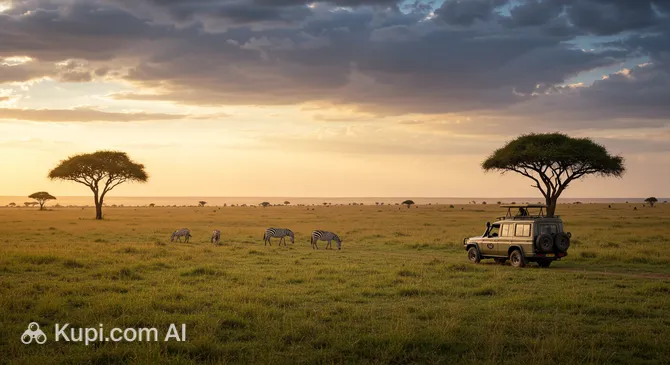
Seronera. Source: Kupi.Binoculars

The area is teeming with life, and the history of Seronera is deeply connected to the establishment of the Serengeti as a protected conservation area. Today, it is renowned as the "Big Cat Capital" of Africa. Visitors flock here specifically for the incredible opportunities to spot leopards resting in the sausage trees and prides of lions roaming the "kopjes" (rocky outcrops).

Beyond the predators, the Seronera River creates a natural boundary between the grassy plains of the south and the wooded hills of the north, attracting vast herds of elephants, buffaloes, and impalas. The Seronera Visitor Centre is another key stop, providing educational exhibits and a chance to see local wildlife up close. For a truly unforgettable perspective, many tourists choose to embark on a hot air balloon safari at dawn, launching from the nearby fields.

Whether you are tracking the Great Migration or simply soaking in the vast horizons, Seronera offers an unmatched safari experience. It is the perfect base for your adventures, promising memories of the wild that will last a lifetime.

Weather Overview

Seronera benefits from a mild and consistent climate that remains relatively comfortable throughout the year. The region typically experiences warm daytime temperatures, with average daily highs ranging from approximately 27°C in the cooler months to around 30°C in October. Nights can be crisp and refreshing, with minimum temperatures generally staying between 16°C and 18°C.

Rainfall patterns play a significant role in shaping the landscape and safari conditions. The dry season, spanning roughly from June to October, sees very little precipitation, with months like July and August averaging only about 2 to 3 wet days. Conversely, the wet season brings more frequent showers, peaking in April with up to 18 wet days. For a more granular breakdown of what to expect during your specific travel dates, you can view the detailed report on the weather in Seronera.

Overall, visitors can expect warm days perfect for wildlife viewing, with distinct variations between the dry winter months and the greener, wetter periods at the beginning and end of the year.

Interesting Facts

Beyond its reputation as a prime safari destination, Seronera holds several fascinating secrets that deepen the appreciation of this wild landscape. Here are some unique aspects of the region that go beyond the typical game drive experience:

  • The Leopard Capital of the World: Seronera is widely cited by researchers and guides as having one of the highest densities of leopards in Africa. This is largely due to the abundance of Sausage Trees (Kigelia africana) lining the riverbanks; their wide, sturdy branches offer the perfect daytime resting spots for these elusive cats, making sightings here far more common than in other parts of the park.

  • A Surprising Relative: If you stop at the Seronera Visitor Centre, you will likely encounter small, furry creatures known as rock hyraxes sunbathing on the surrounding boulders. Despite their rodent-like appearance, these little animals are genetically the closest living relatives to the African elephant, sharing physiological traits in their teeth and feet.

  • Conservation Headquarters: The area has historical significance as the base for Bernhard and Michael Grzimek, the father-and-son team whose pioneering aerial surveys in the 1950s helped map the Great Migration. Their work was instrumental in defining the current boundaries of the national park to ensure the ecosystem survived.

  • The "Wild" Airstrip: The Seronera Airstrip is one of the busiest bush airstrips in Tanzania, but it remains unfenced. It is a well-known local occurrence for pilots to perform a "low pass" over the runway to clear away grazing zebras or impalas before attempting a safe landing.

How to Get There

Reaching the heart of the Serengeti is an integral part of the safari experience. Most travelers choose to fly directly into the region to maximize their time viewing wildlife. For a comprehensive overview of all travel options, including road transfers and scheduled flights, you can check the detailed guide on how to get to Seronera.

The most convenient and frequently used entry point is the Seronera Airstrip (IATA: SEU), which is located directly within the settlement of Seronera. It serves as the primary hub for the central Serengeti, handling a significant volume of tourist traffic from major Tanzanian cities like Arusha, Zanzibar, and Dar es Salaam. Since the airstrip is just 2.5 km from the center, the transfer to local lodges or camps is very short.

Alternatively, travelers might notice airports in the neighboring Masai Mara region of Kenya, such as Kelly Bar (IATA: KEU) or Mara Lodges Airport (IATA: MRE). While these are geographically close—situated approximately 105.6 km and 115.8 km away respectively—they are separated from Seronera by an international border. Direct road travel between these points is complex due to customs regulations and the lack of direct transit routes, so these are generally not used as standard arrival points for Seronera unless part of a specific cross-border flight itinerary.

For clarity, here is a summary of the main airports and airstrips in the vicinity:

Airport Name City Passenger Traffic Km from City
Seronera Airstrip Seronera High 2.5
Maasai Mara (Olkiombo) Masai Mara Medium 118.0
Kelly Bar Masai Mara Medium 105.6
Mara Lodges Airport Masai Mara Medium 115.8
Kichwa Tembo Masai Mara Small 131.5

Main Attractions

Seronera is the bustling hub of the Central Serengeti, offering a high concentration of wildlife and several specific landmarks that define the safari experience in this region. While the entire area is a natural wonder, there are distinct locations that every visitor should include in their itinerary to fully appreciate the diversity of the ecosystem.

Retima Hippo Pool is one of the most popular stops in the area, located roughly 8 kilometers north of the Seronera airstrip. It is one of the few places in the national park where visitors are permitted to leave their vehicles and view wildlife on foot. From a safe, elevated embankment, you can look down into a deep bend of the river where dozens of hippos congregate, often submerged in the water or basking on the mudbanks. It is an exceptional spot for photography and for observing the social interactions of these massive mammals.

Seronera Visitor Centre serves as an educational and logistical heart for tourists exploring the park. More than just a rest stop, it features an open-air walking path with informative displays about the Serengeti ecosystem, the Great Migration, and the history of conservation in Tanzania. The centre is also famous for its resident rock hyraxes—small, charismatic mammals that can often be seen sunning themselves on the surrounding boulders. It provides a rare opportunity to stretch your legs and learn about the environment in a structured setting.

The Seronera River is the lifeline of the central park and arguably the best place in East Africa to spot elusive predators. The riverbanks are lined with distinctive sausage trees and fever acacias, which provide the perfect camouflage and resting branches for leopards. Game drives along the river circuits are almost always rewarding, offering sightings of elephants drinking, lions stalking in the tall grass, and a high density of prey animals drawn to the permanent water source.

Simba Kopjes offer a dramatic change of scenery from the flat grasslands. These towering granite rock formations, located along the main road from Naabi Hill to Seronera, are the tallest kopjes in the area. As the name "Simba" (lion) suggests, they are a favorite haunt for lions, who use the high rocks as vantage points to scan the plains for prey. The contrast between the golden savannah and the stark, ancient rocks makes this a visually stunning location for landscape photography and wildlife viewing.

Local Cuisine

Dining in Seronera offers a unique culinary experience that is less about bustling street markets and more about immersive dining in the heart of the wilderness. Since Seronera is a settlement within the national park, the "restaurant scene" is primarily concentrated within the various lodges and tented camps. However, these establishments take great pride in serving authentic Tanzanian cuisine alongside international favorites, allowing visitors to taste the local culture without leaving the comfort of their safari base.

One of the most iconic dishes you are likely to encounter is Nyama Choma, which translates to "roasted meat." Often prepared with goat or beef, the meat is slow-roasted over an open charcoal fire, giving it a distinct smoky flavor. It is traditionally served with Ugali, a stiff maize porridge that serves as a staple starch across the country. To eat it like a local, you pinch off a piece of ugali with your hand and use it to scoop up the meat and sauce. Another flavorful favorite is Pilau, a spiced rice dish cooked with cardamom, cloves, cinnamon, and meat, reflecting the coastal influences that have permeated inland.

No meal is complete without a side of Kachumbari, a fresh and zesty salad made from diced tomatoes, onions, chili peppers, and coriander. It provides a refreshing crunch that cuts through the richness of the roasted meats. For a quick snack during a game drive, you might find Mishkaki—marinated beef skewers grilled to perfection—packed in your picnic box. These savory bites are perfect for fueling your adventures across the savannah.

When it comes to beverages, the local culture is best experienced through Tanzania's renowned beers. After a long, dusty day of tracking wildlife, nothing beats a cold bottle of Safari Lager or Kilimanjaro Premium Lager. For something stronger, adventurous spirits might try Konyagi, a gin-like spirit that is a national favorite. Non-alcoholic options are equally delightful, particularly the locally grown coffee and tea, which are world-class and often served fresh to start the day before a dawn patrol.

The food culture in Seronera is defined by its setting. A quintessential experience here is the "bush dinner" or "bush breakfast," where tables are set up directly in the wild under the open sky. Additionally, lunch is frequently enjoyed as a picnic at designated sites, such as the Seronera Visitor Centre. Here, tourists from all over the world gather to enjoy their packed meals while keeping a watchful eye on the resident wildlife, creating a communal and unforgettable dining atmosphere.

Travel Tips

Preparing for a trip to Seronera is quite different from packing for a typical city vacation, as you are essentially entering the wild heart of the Serengeti. To ensure your safari is as comfortable and safe as it is breathtaking, here are some practical tips to help you navigate life in the bush.

  1. Clothing and Gear: Functionality is key in the savannah. Pack breathable, neutral-colored clothing in shades of khaki, beige, or green; bright colors can distract wildlife, while dark blue and black attract painful tsetse flies. Since the temperature fluctuates significantly, dress in layers: a fleece or windbreaker is essential for chilly early morning game drives, which can be peeled off as the day heats up. Don't forget a wide-brimmed hat, sunglasses, and a scarf or bandana to protect your face from the dust.

  2. Transportation: Forget about public buses or ride-hailing apps; in Seronera, the 4x4 safari vehicle is king. All travel is conducted in sturdy Land Cruisers or Land Rovers designed to handle the rough, unpaved tracks. If you are not on a guided tour, you must rent a reliable 4x4 vehicle, but hiring a local driver-guide is highly recommended as they know the terrain and animal behaviors best.

  3. Finances: Cash is essential in the bush. While major lodges accept credit cards (Visa and Mastercard are preferred), network connectivity can be unreliable. It is wise to carry a mix of Tanzanian Shillings (TZS) for small purchases and US Dollars for tipping and larger fees. Ensure your USD bills are printed after 2009, as older notes are often rejected. ATMs are virtually non-existent in the wild, so withdraw enough cash in Arusha or at the airport before arriving.

  4. Health and Safety: Seronera is a malarial zone, so consult your doctor about prophylaxis before traveling and use high-strength insect repellent, especially at dusk. While there is a small dispensary in Seronera for minor issues, serious medical emergencies require air evacuation to a major city. Always drink bottled water and stay hydrated, as the dry heat can be deceiving.

  5. Communication: English is widely spoken by guides, lodge staff, and park rangers, so you will have no trouble communicating. However, learning a few words of Swahili goes a long way in building rapport; try "Jambo" (Hello) and "Asante" (Thank you). Wi-Fi is usually available in lodge common areas but is rare in the tents or out on game drives. Purchasing a local SIM card (like Vodacom or Airtel) can provide some connectivity, though signals are spotty deep in the park.

  6. Local Etiquette: In the bush, silence is golden. When observing animals, keep your voice low to avoid disturbing them or ruining the experience for other travelers. It is also polite to ask permission before taking photos of local people, including Maasai staff at your lodge. Tipping is a standard part of the safari culture; it is customary to tip your guide and lodge staff at the end of your stay.

  7. What to Avoid: Never, under any circumstances, get out of your vehicle outside of designated areas (like picnic sites or the Visitor Centre). The wildlife is camouflaged and dangerous. Additionally, avoid feeding any animals, including the birds or hyraxes at picnic spots, as this alters their natural behavior and encourages aggression.

  8. Additional Tip: Embrace the "African Massage." The roads in Seronera are corrugated and bumpy, which can be jarring for sensitive electronics. Bring a good dust-proof bag for your camera and plenty of spare batteries or a power bank, as charging points might be limited to the main lodge area or specific hours of generator operation.

Visiting Seronera is an adventure that requires a bit of extra planning, but the reward is a front-row seat to one of nature's greatest spectacles. By packing smart and respecting the rules of the wild, you will be free to focus entirely on the roar of the lions and the endless horizons of the Serengeti.

Entertainment & Nightlife

Entertainment and nightlife in Seronera are defined not by neon lights or thumping bass, but by the sounds of the African wilderness and the vast, star-filled sky. As a settlement located deep within the Serengeti National Park, there are absolutely no nightclubs, discos, or independent bars here. Instead, the "nightlife" revolves entirely around the lodges and tented camps, offering a serene and exclusive atmosphere that allows visitors to unwind after a day of adventure while remaining immersed in nature.

The primary form of evening entertainment is the tradition of "sundowners." This safari ritual involves enjoying a refreshing drink—often a gin and tonic or a cold local beer—at a scenic vantage point as the sun dips below the horizon. Most lodges in the area, such as the historic Seronera Wildlife Lodge, feature bar areas built directly into the landscape. At this specific venue, the bar is integrated into the "kopjes" (rocky outcrops), providing a high observation deck where guests can sip cocktails while watching wildlife roam the plains below in the fading light.

After dinner, the focus shifts to the "Bush TV"—a campfire lit in a designated safe area or "boma." Travelers gather around the fire to swap stories of the day's sightings, listen to the distant roar of lions, and gaze at the Milky Way, which is incredibly visible due to the total lack of light pollution. The atmosphere is relaxed and communal. The dress code is strictly casual and practical; evenings can be chilly, so warm fleeces and long trousers are the standard attire rather than party wear.

Safety is the single most critical aspect of nights in Seronera. Because the settlement is unfenced and located in the middle of predator territory, wild animals frequently walk through the camp grounds after dark. You must never walk alone between your tent or room and the main dining area. Lodges provide "askaris" (Maasai guards) to escort you safely. Taxis do not exist here; all movement is done via your safari vehicle or on foot with an escort within the lodge boundaries.

While the nights are for relaxation, daytime entertainment in Seronera is centered on exploration and education. Between morning and evening game drives, visitors often spend time at the Seronera Visitor Centre, which acts as an open-air museum detailing the park's ecology. Many lodges also offer swimming pools and small libraries for midday leisure. For a truly spectacular start to the day, hot air balloon safaris launch nearby at dawn, offering an aerial view of the waking savannah that serves as the ultimate form of entertainment in the Serengeti.

Parks & Museums

In Seronera, the concept of urban parks and enclosed museums is redefined by the vast, living wilderness that surrounds the settlement. As the heart of the Serengeti, the "green spaces" here are not manicured gardens but ancient ecosystems, and the cultural venues are dedicated to telling the story of one of the world's most successful conservation efforts. Visitors come here not to escape the city, but to immerse themselves in a landscape where nature is the primary exhibit.

Seronera River Valley serves as the region's most significant natural "park." This lush, riverine forest winds through the golden savannah, creating a stark and beautiful contrast with its canopy of sausage trees and fever acacias. It functions as a vital green belt that attracts wildlife year-round, making it a perfect area for a slow, scenic drive. Unlike a city park where you might jog or picnic freely, this area is best experienced from a vehicle, offering the tranquility of flowing water and the thrill of spotting leopards draped over the high branches.

Simba Kopjes can be described as a natural sculpture garden rising from the plains. These towering granite rock formations are geological marvels that have stood for millions of years. Acting as islands in a sea of grass, they support their own unique micro-ecosystems and provide shade and water for wildlife. For tourists, they offer a dramatic photographic backdrop and a chance to see lions ("Simba" in Swahili) utilizing the rocks as vantage points, blending geological history with active wildlife viewing.

Seronera Visitor Centre is the premier cultural and educational facility in the area. Far more than a simple information desk, it functions as an open-air museum. Visitors can walk along a self-guided nature trail that features informative displays on the history of the Serengeti, the mechanics of the Great Migration, and the diverse species that inhabit the park. It is one of the few places where you can safely walk around, stretch your legs, and learn about the delicate balance of this ecosystem through well-curated exhibits.

While not a traditional building, the Grzimek Memorial at the nearby Moru Kopjes is a significant historical site that reflects the conservation heritage of Seronera. It honors Bernhard and Michael Grzimek, the father and son team whose research and advocacy were instrumental in protecting the Serengeti. For history buffs, visiting this site provides a poignant connection to the past and a deeper understanding of the efforts required to preserve this wilderness for future generations.

For a truly authentic experience, look out for the Frankfurt Zoological Society markers and information boards often found near the Visitor Centre. These offer insight into the ongoing scientific research and anti-poaching efforts headquartered in Seronera. Understanding the human dedication behind the park's management adds a profound layer of appreciation to the visual splendor of the safari.

Getting Around

Public transport in Seronera differs significantly from the standard urban systems found in major cities. As this settlement serves as the logistical hub of a national park rather than a residential town, there are no metros, trams, municipal buses, or trolleybuses. The infrastructure is designed exclusively for wildlife viewing and tourism logistics, meaning the concept of "hailing a ride" or waiting at a bus stop does not apply here. The primary and almost exclusive mode of transport is the modified 4x4 safari vehicle, designed to handle the rugged terrain of the savannah.

For tourists, getting around requires planning ahead, as there are no local taxi services or ride-sharing apps like Uber operating in the bush. Movement is strictly regulated, and visitors typically arrive in pre-booked vehicles provided by tour operators or lodges. These robust Land Cruisers and Land Rovers act as your personal transport bubble; they are essential not just for game drives but for any transfer between the airstrip, your accommodation, and the visitor centre. It is not possible to simply arrive in Seronera and expect to find public transportation to take you sightseeing.

Regarding payment and access, there are no travel cards, tickets, or zones. Instead, the "cost of transport" is usually bundled into your overall safari package. If you are traveling independently, you must hire a vehicle and a driver-guide from a certified operator before entering the park. Costs are calculated per day rather than per ride, often ranging from $200 to $400 per day for the vehicle and driver, excluding fuel and park fees. All fees related to vehicle entry must be paid electronically at the park gates using credit cards (Visa or Mastercard), as cash is generally not accepted for official government fees.

A unique feature of the local "transport" network is the Seronera Airstrip. While not a bus station, it functions as the central transit hub where small Cessna caravans and other light aircraft arrive and depart like scheduled shuttle buses. These "bush flights" connect the area with other parts of the region and the coast. Upon landing, you will not find a taxi rank; instead, you will be met by your lodge's driver. It is critical to coordinate your arrival time with your accommodation to ensure a vehicle is waiting for you.

For those wondering about alternatives, options are extremely limited due to safety regulations involving wild animals. Walking is strictly prohibited outside of the designated grounds of lodges, the airstrip, and the Visitor Centre. You cannot rent bicycles or scooters, as moving openly through predator-inhabited areas is dangerous. However, a popular and distinct form of "transport" for sightseeing is the hot air balloon. These launch at dawn and offer a silent, drifting perspective of the plains, though they must be booked well in advance as a premium experience.

Practical advice for navigating this system is simple: reliable transport is your lifeline. Ensure your vehicle is mechanically sound if you are self-driving, although hiring a local expert driver is strongly recommended for navigating the complex network of dirt tracks. Always carry a physical map or a GPS with offline capabilities, as signage can be sparse. Remember that "operating hours" for transport are effectively dictated by park rules, which generally prohibit driving between 7:00 PM and 6:00 AM, confining all movement to daylight hours.

Accommodation

Accommodation in Seronera offers a stark contrast to the typical city hotel experience. Instead of high-rise buildings and paved driveways, visitors to this part of Tanzania will find lodgings designed to blend seamlessly with the surrounding wilderness. The options here range from solid, permanent lodges built into rock formations to canvas-walled tented camps that allow you to fall asleep to the sounds of the African bush.

For those seeking solid walls and standard hotel amenities, the Seronera Wildlife Lodge is the most iconic establishment in the area. Strategically constructed around a massive "kopje" (granite outcrop), the lodge incorporates the natural rock into its architecture. It offers guests a unique vantage point for viewing wildlife directly from the restaurant or the swimming pool, providing a comfortable and secure base in the heart of the national park.

A popular alternative is the luxury tented camp. These are not simple camping tents but spacious, semi-permanent suites made of heavy canvas, often featuring en-suite bathrooms, real beds, and private verandas. Staying in a tented camp offers an immersive experience known as "glamping," where the barrier between you and nature is minimal, yet the level of service and comfort remains high. Many of these camps are situated along the river, offering prime views of elephants and giraffes passing by.

For the adventurous traveler on a budget, Seronera also hosts several public campsites, such as the Pimbi and Tumbili campsites. These are basic facilities where visitors must bring their own tents and gear or rent them from a tour operator. Facilities are shared and simple, often just a dining mess and communal bathrooms. The trade-off is an authentic connection to the wild, often with buffalo or hyenas grazing near the camp boundaries at night.

Regardless of where you choose to stay, it is essential to book well in advance, especially during the peak migration months from June to October. Most accommodations in Seronera operate on a full-board basis, including all meals, as there are no independent restaurants nearby. Staying centrally in Seronera ensures you are always close to the action, allowing for early starts that maximize your chances of spotting predators at dawn.

Nearby Cities

For those looking to explore the surroundings, Seronera serves as an excellent base for day trips to several interesting nearby locations. While the settlement is located deep within the wilderness of the Serengeti, it remains connected to key Tanzanian towns and cities that offer a change of pace from the safari experience.

City Population Distance (km)
Mwanza 706,453 212
Arusha 416,442 232
Bariadi 155,620 101
Singida 150,379 264
Shinyanga 107,362 207

One of the most notable destinations in the wider region is Mwanza, often referred to as "Rock City" due to the massive granite boulders that dot its landscape. Situated on the shores of Lake Victoria, it offers a refreshing lakeside atmosphere and serves as a major economic hub. Visitors can explore the bustling markets, enjoy boat rides on Africa's largest lake, or visit the Bismarck Rock, a famous geological landmark balancing precariously in the water.

Although further away by road, Arusha is frequently linked to Seronera via short flights from the local airstrip, making it accessible for travelers moving between destinations. Known as the "Geneva of Africa," it is the undisputed safari capital of the country. The city sits at the foot of Mount Meru and offers vibrant cultural markets, coffee plantation tours, and the Cultural Heritage Centre, which houses an impressive collection of African art and gemstones.

Closer to the park's western corridor lies Bariadi, the capital of the Simiyu Region. While less tourist-centric than Arusha or Mwanza, it provides an authentic glimpse into local Tanzanian life and serves as a significant transit point for those traveling by road towards Lake Victoria. These nearby destinations offer a glimpse into the diverse culture and landscapes of the region, complementing the wild beauty of Seronera.

Shopping & Souvenirs

Shopping in Seronera is a unique and modest experience, distinct from the commercial retail therapy found in major cities. As a remote settlement located deep within the Serengeti National Park, the area does not host high streets, fashion boutiques, or department stores. Instead, shopping opportunities are primarily focused on safari essentials, local handicrafts, and souvenirs. Visitors should approach shopping here as a chance to purchase meaningful mementos of their wildlife adventure rather than a typical consumer outing.

There are no designated shopping districts or pedestrian streets in Seronera. The retail scene is concentrated in a few specific locations that cater to the influx of tourists. The most prominent area is the Seronera Visitor Centre, which houses a shop offering a variety of goods ranging from detailed guidebooks and maps of the park to branded clothing and cold beverages. Additionally, the Seronera Airstrip often features small stalls or kiosks where travelers waiting for their flights can browse for last-minute gifts.

Travelers looking for large shopping complexes will not find them here. There are absolutely no shopping malls or supermarkets in Seronera. The infrastructure is strictly designed to support conservation and tourism, meaning that large-scale commercial developments are prohibited to preserve the natural environment. For comprehensive shopping needs, such as electronics or extensive grocery supplies, it is best to stock up in major cities like Arusha or Mwanza before entering the park.

While there are no bustling food or flea markets, the "curio shops" located within the various lodges and tented camps serve a similar function for souvenir hunters. These gift shops are often well-stocked and offer a curated selection of high-quality items. They provide a comfortable and convenient way to shop without leaving your accommodation, although prices may be slightly higher than in local towns outside the park boundaries.

When it comes to souvenirs, the region offers beautiful, authentic items that reflect Tanzania's rich culture. Popular purchases include colorful Maasai beadwork (such as jewelry and belts), hand-carved wooden sculptures of the "Big Five," and the vibrant Shuka—the traditional checkered blanket worn by the Maasai people. You might also find locally sourced coffee and tea, which make excellent gifts to take home.

Store hours in Seronera generally align with the rhythm of the safari day. Shops at the Visitor Centre and airstrip are typically open from around 8:00 AM to 5:00 PM. Lodge gift shops often have more flexible hours, sometimes remaining open until after dinner. Regarding payment, cash is king in smaller stalls, with both Tanzanian Shillings and US Dollars (printed after 2009) being widely accepted. While lodge shops usually accept credit cards, network connectivity can be sporadic, so carrying some cash is highly recommended.

Tax-free shopping and VAT refund schemes are generally not available within the national park settlement. The focus here is on small-scale, often informal or direct-support commerce, so visitors should not expect the tax refund facilities found in international airports or major urban centers.

Reached the end of the page?

That means the route is fully explored