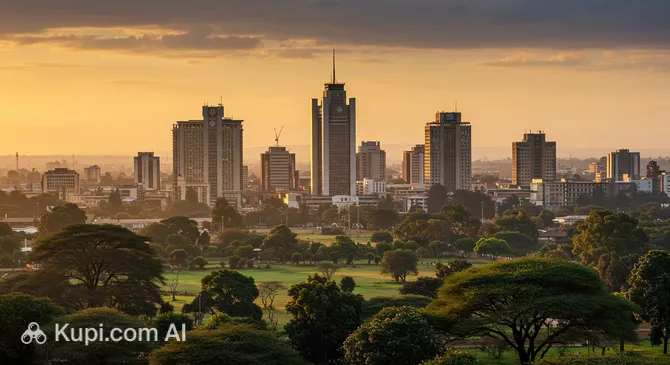
Nairobi, often affectionately known as the "Green City in the Sun," is a vibrant and bustling metropolis that serves as the gateway to East Africa. As the capital city of Kenya, it offers a fascinating blend of modern urban energy and raw natural beauty. This unique destination is the only capital in the world with a national park within its city limits, making it a place where skyscrapers and wildlife coexist in remarkable harmony.
Located in the south-central part of the country at an elevation of about 1,795 meters (5,889 feet), Nairobi enjoys a moderate and pleasant climate year-round, avoiding the extreme heat often associated with the region. With a population of over 5.5 million people, it is one of the most populous and influential cities in the region, acting as a major hub for business, culture, and diplomacy.
Nairobi. Illustration.
Source: Kupi.com AI
The city's rapid growth is deeply rooted in its past. The history of Nairobi began in the late 19th century as a humble rail depot on the "Lunatic Express," evolving from a swampy area into a thriving modern capital. Today, visitors can explore this heritage alongside contemporary attractions like the Nairobi National Park, where lions and rhinos roam against a backdrop of city towers, or the heartwarming David Sheldrick Wildlife Trust, famous for its elephant orphanage.
Whether you are feeding endangered Rothschild's giraffes at the Giraffe Centre or exploring the vibrant local markets, Nairobi promises an unforgettable experience. It is a city that never fails to surprise, offering a perfect starting point for any African adventure.
Weather Overview
Thanks to its high altitude, the city enjoys a mild and temperate climate that is comfortable for visiting at almost any time of year. The weather in Nairobi is generally characterized by warm days and cool evenings, avoiding the extreme heat often associated with equatorial regions.
The warmest months typically occur from January to March, with average temperatures hovering around 21°C and daily highs reaching up to 26.8°C. In contrast, the coolest period runs from June to August; during July, the average temperature drops to approximately 17.4°C, and nights can be brisk with lows around 13°C.
Rainfall patterns define the seasons, with the wettest weather occurring in April, which sees up to 24 wet days. A second, shorter rainy season arrives in November. Travelers can generally expect distinct dry spells during the months of July, August, and September, which are ideal for outdoor exploration.
Average monthly temperature
Average monthly precipitation
Interesting Facts
Beyond the popular safari circuits and bustling markets, Nairobi holds many fascinating secrets that reveal its unique character. This dynamic metropolis is not just a transit point but a city full of historical depth, environmental milestones, and global significance.
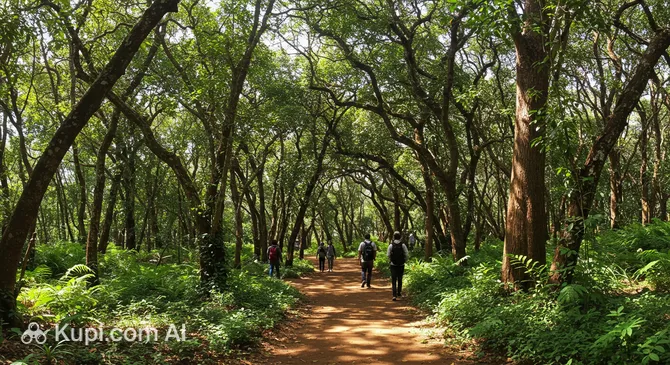
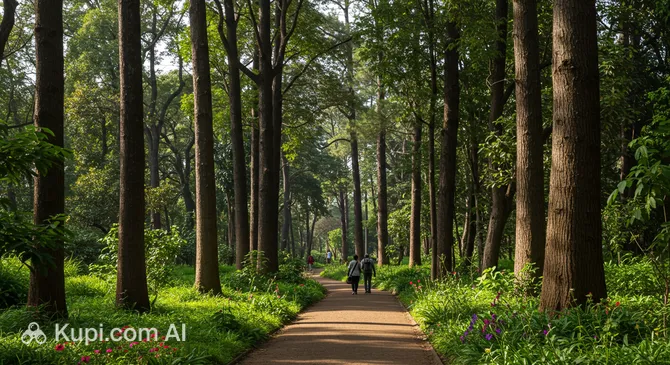
Karura Forest (Sigiria Section). Illustration.
Source: Kupi.com AI
Traveler photos:
The Place of Cool Waters: The city's name is derived from the Maasai phrase Enkare Nyrobi, which translates to "cool water." This refers to the Nairobi River, which cut through the swampy area where the city was founded. Before it became a concrete jungle, it was a watering hole for the Maasai people and their livestock.
A Global Diplomatic Hub: Nairobi is home to one of the four major United Nations Office sites in the world, known as UNON. It is the only United Nations headquarters located in the Global South (Africa, Asia, and Latin America), underlining the city's critical role in international diplomacy and environmental policy.
An Urban Green Lung: The city boasts one of the largest urban gazetted forests in the world. The Karura Forest (Sigiria Section) covers over 1,000 hectares within the city limits. It famously became a symbol of environmental activism thanks to Nobel Peace Prize laureate Wangari Maathai, who fought to save it from land grabbers in the 1990s.
Matatu Culture: Nairobi's public transport minibuses, known as matatus, are a cultural phenomenon in their own right. Far from being uniform, they are often covered in elaborate graffiti art, fitted with neon lights, and blast music. Each matatu follows a specific theme, ranging from pop culture icons to religious messages, making them moving pieces of urban art.
A Historic Stand for Conservation: In 1989, Nairobi was the site of a dramatic event that changed global conservation efforts. Former President Daniel arap Moi set fire to 12 tons of elephant ivory at a location now known as the Ivory Burning Site & Picnic Area. This bold statement against poaching demonstrated that ivory is worthless unless it is on an elephant.
How to Get There
Nairobi serves as the primary gateway to East Africa, making it highly accessible for travelers from around the globe. While there are various ways to reach the capital, most visitors arrive by air. You can find more about how to get to Nairobi and the specific transport details on our dedicated page.
The most significant entry point is Jomo Kenyatta International Airport (NBO). As the country's largest aviation hub, it handles the vast majority of international flights and connects Kenya to major cities worldwide. The airport is located approximately 12 km from the city center; a trip by taxi or shuttle usually takes around 40 minutes, though traffic can influence this time. Another key facility is Wilson Airport (WIL), which is primarily used for domestic flights and light aircraft heading to national parks. It is situated much closer, just about 3.4 km from the central district, with a travel time of approximately 25 minutes.
For clarity, here is a summary of the main airports:
Nairobi offers a diverse array of experiences, ranging from up-close wildlife encounters to deep dives into cultural heritage. The city’s unique geography allows visitors to transition from a bustling urban center to the wild savannah in a matter of minutes. Here are some of the most compelling places to explore during your stay.
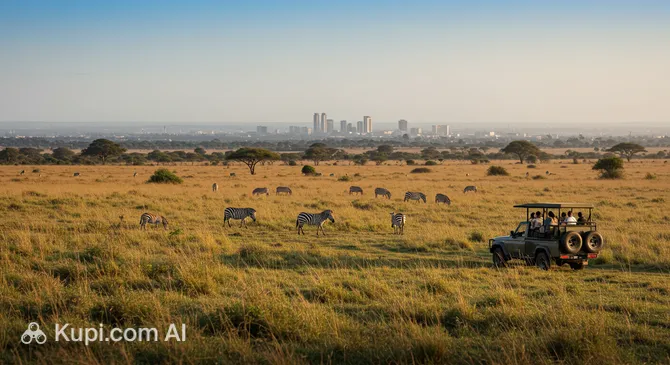
Undoubtedly the city's most iconic feature is the Nairobi National Park. Located just a short drive from the central business district, it is the only national park in the world set within a capital city. Visitors can enjoy a game drive to spot lions, rhinos, buffaloes, and leopards against the surreal backdrop of the city skyline. It serves as a vital sanctuary for the endangered black rhino and offers picnic sites and walking trails for a closer connection with nature.
Nairobi National Park. Illustration.
Source: Kupi.com AI
Traveler photos:
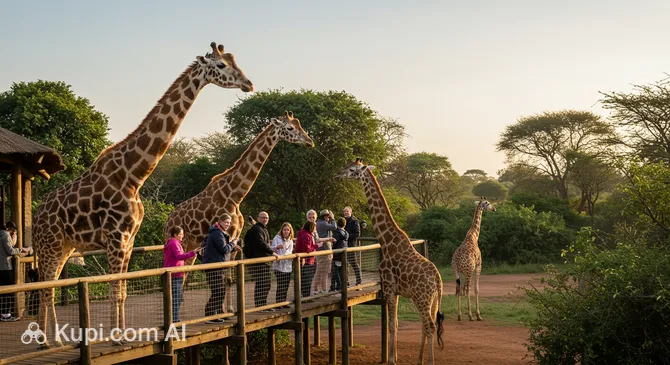
For those interested in conservation and interactive experiences, the Giraffe Centre is a must-visit destination in the Lang'ata suburb. Managed by the African Fund for Endangered Wildlife, this center focuses on the protection of the Rothschild's giraffe. Guests have the unique opportunity to feed these gentle giants from a raised platform, allowing for face-to-face encounters and unforgettable photo opportunities.
Giraffe Centre. Illustration.
Source: Kupi.com AI
Traveler photos:
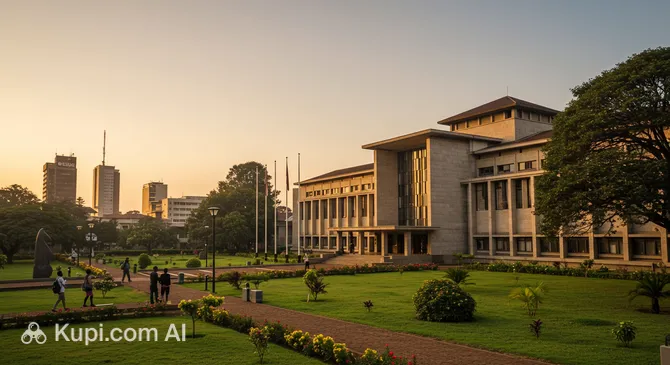
To understand the rich history and heritage of the country, a trip to the National Museum of Kenya is essential. Housed in an imposing building on Museum Hill, it showcases Kenya's diverse culture, natural history, and contemporary art. The museum is world-renowned for its paleontology section, which holds significant fossil discoveries related to human evolution, as well as an extensive ornithological collection.
National Museum of Kenya. Illustration.
Source: Kupi.com AI
Traveler photos:
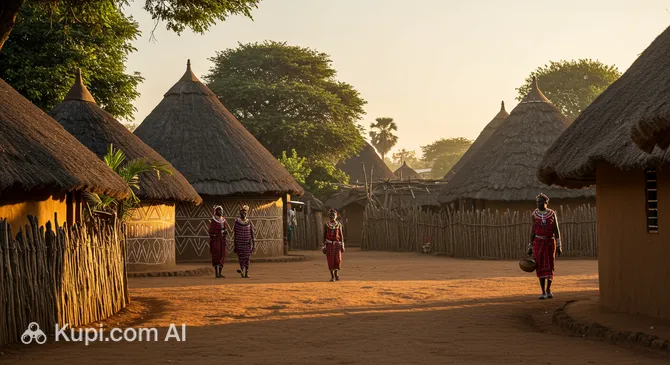
If you want to experience the vibrant traditions of Kenya's many tribes in one place, you should visit the Bomas of Kenya. This cultural center features traditional homesteads (bomas) representing the country's major ethnic groups. The highlight for many visitors is the daily performance of traditional music and dance in the large auditorium, displaying the rhythmic diversity and colorful attire of the Kenyan people.
Bomas of Kenya. Illustration.
Source: Kupi.com AI
Traveler photos:
Local Cuisine
Cuisine:
The culinary landscape of Nairobi is as diverse and vibrant as its culture, offering a delicious blend of traditional African staples, bold Swahili flavors, and significant Indian and European influences. As a cosmopolitan hub, the city caters to every palate, ranging from humble street food stalls to world-class fine dining establishments.
No visit to the city is complete without trying the national favorite, Nyama Choma. This roasted meat, typically goat or beef, is often enjoyed at social gatherings and specialized "choma zones." It is traditionally served with Kachumbari, a fresh tomato and onion salsa, and Ugali, a dense cornmeal paste that serves as the country's dietary staple. Eating with your hands is common and adds to the authentic experience.
The city's history has also left a lasting mark on its food, particularly through the Indian community. You will frequently find spicy curries, chapatis, and samosas on menus across town. For adventurous eaters, the street food scene offers treats like Mutura, a spicy African sausage, and roasted maize, often dusted with chili and lime, sold on busy street corners.
Nairobi Serena Hotel Restaurant. Illustration.
Source: Kupi.com AI
Traveler photos:
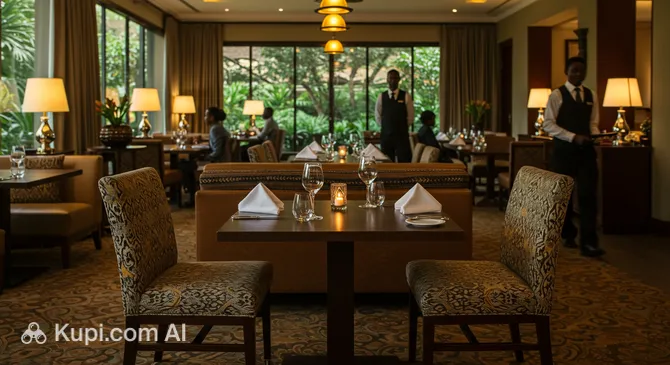
For those seeking a more formal dining atmosphere, the city has plenty of options. The Nairobi Serena Hotel Restaurant is known for its elegant setting and a menu that features both international and locally inspired gourmet dishes. It is an excellent spot for travelers looking to enjoy a sophisticated meal in a serene environment.
Another popular choice among both locals and tourists is CJ's. Famous for its generous portions, diverse menu, and stunning decor, it offers a relaxed yet stylish ambiance perfect for brunch or dinner. Whether you are craving a hearty burger, a rich curry, or a slice of their renowned cake, this restaurant provides a welcoming taste of Nairobi's modern dining culture.
Travel Tips
Welcome to the vibrant heart of East Africa! To ensure your visit to Nairobi is as smooth and enjoyable as possible, we have compiled a set of practical tips to help you navigate the city's unique rhythm. From getting around the bustling streets to understanding local customs, these insights will help you travel with confidence.
Clothing and Gear: Due to the city's high altitude, the weather can change rapidly. It is best to pack layers; mornings and evenings can be quite cool, while days are generally warm. Bring comfortable walking shoes for city exploration and a hat for sun protection. If you plan to visit religious sites, dress modestly by covering your shoulders and knees. Also, bring a Type G power adapter (three rectangular pins), as this is the standard used in Kenya.
Transportation: The most convenient and safe way for tourists to get around is by using ride-hailing apps like Uber or Bolt, which offer transparent pricing and reliable service. While the colorful local minibuses known as matatus are a cultural icon, they can be chaotic and crowded for first-time visitors. Be prepared for heavy traffic, especially during rush hours, so always allow extra time for your journeys.
Finances: The local currency is the Kenyan Shilling (KES). While major hotels, malls, and restaurants accept credit cards (Visa and Mastercard are most common), you will need cash for local markets, small shops, and tips. ATMs are widely available across the city. Tipping is appreciated; leaving around 10% in restaurants or a small amount for porters is a kind gesture.
Health and Safety: Always drink bottled or filtered water and avoid tap water. Pharmacies, often marked with a green cross, are plentiful, and major hospitals offer 24/7 medical assistance. As in any major metropolis, exercise caution: avoid walking alone at night, particularly in the Central Business District (CBD), and keep valuables out of sight to prevent petty theft.
Communication:English is an official language and is widely spoken, making communication easy. The national language is Swahili; learning a few phrases like "Jambo" (Hello), "Habari" (How are you?), and "Asante" (Thank you) will go a long way with locals. You can easily purchase a local SIM card (e.g., Safaricom) at the airport or official stores with your passport for reliable mobile data.
Local Etiquette: Kenyans are generally polite and welcoming. Greetings are important; a handshake is the standard way to say hello, often accompanied by a smile. When asking for directions or help, it is polite to exchange greetings first before jumping into your question. Always ask for permission before taking photos of people to respect their privacy.
What to Avoid: Strictly avoid taking photographs of government buildings, police stations, military personnel, or the president's convoy, as this is prohibited and can lead to legal trouble. Additionally, do not wear camouflage clothing, as it is reserved strictly for the military.
Important Regulation: Be aware that Kenya has a strict ban on single-use plastic bags. Do not bring plastic carrier bags into the country, even in your luggage, as you may face heavy fines. It is advisable to use reusable cloth or canvas bags for your shopping and daily needs.
By keeping these practical tips in mind, you will be well-prepared to embrace the energy and warmth of this dynamic capital. Whether you are here for business, safari, or culture, Nairobi is ready to offer you a memorable and hassle-free experience.
Entertainment & Nightlife
Nairobi's energy doesn't fade when the sun goes down; in fact, the city transforms into one of East Africa's most exciting nightlife hubs. The scene is incredibly diverse, catering to everyone from jazz lovers and salsa dancers to those seeking high-energy nightclubs or quiet rooftop cocktails. The atmosphere is generally welcoming and cosmopolitan, with a mix of expatriates, tourists, and locals enjoying the "Friday feeling" that often kicks in as early as Thursday evening.
The heart of the action is undoubtedly Westlands, often referred to as "Westie." This district is packed with bars, clubs, and lounges, particularly around Electric Avenue, making it the go-to spot for bar-hopping. For a slightly more upscale and relaxed vibe, the neighborhoods of Kilimani and Hurlingham offer stylish lounges and gastro-pubs. The dress code in most places is smart casual; while you don't need formal wear, it is best to avoid flip-flops and beachwear if you plan to enter the more popular clubs.
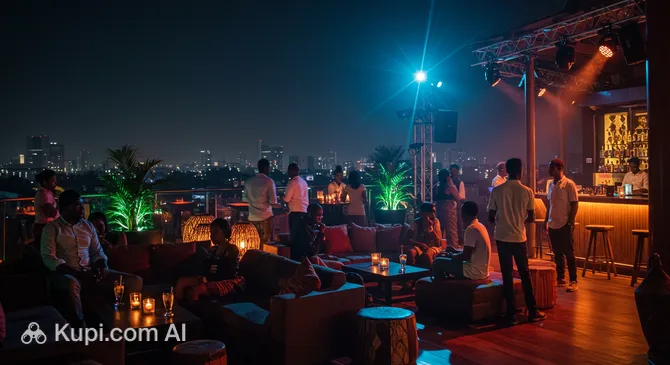
For a memorable night out with stunning views, you might visit Fifteen Rooftop. Located in the Curio shop, it offers a sophisticated ambiance perfect for sundowners or late-night drinks overlooking the city lights. It is an excellent place to start your evening before heading to busier venues.
Fifteen Rooftop. Illustration.
Source: Kupi.com AI
Traveler photos:
If you are looking for a pulsing club atmosphere to dance the night away, Kentwood is a popular choice among party-goers, known for its lively music and energetic crowd. For something a bit different, Unseen Nairobi offers a unique rooftop bar experience combined with an indie cinema, making it a great spot for a more laid-back evening of culture and conversation.
Another iconic entertainment venue is the Safari Park Hotel & Casino. Beyond its gaming facilities, it is famous for the Safari Cats Dancers and Acrobats show, a colorful and dynamic performance that pairs well with a dinner outing.
When enjoying the nightlife, keep these practical tips in mind:
Timing: The nightlife peaks from Thursday to Saturday. Most clubs stay open until 4:00 AM or later.
Transport: Safety is paramount. Do not walk between venues at night, even for short distances. Always use a ride-hailing app like Uber, Bolt, or Little Cab. These are trackable and significantly safer than hailing a random taxi on the street.
Prices: Costs vary by venue, but a local beer typically costs between 300 to 500 KES, while cocktails can range from 800 to 1,500 KES.
While the nights are electric, daytime entertainment in Nairobi is equally engaging. Families and thrill-seekers can visit the Two Rivers Theme Park, which offers modern rides and fun activities within a major shopping complex. Alternatively, you can explore the Playland Amusement Park for more family-friendly fun, or browse the colorful crafts at the Maasai Market to pick up unique souvenirs.
Two Rivers Theme Park. Illustration.
Source: Kupi.com AI
Traveler photos:
Parks & Museums
Beyond its bustling streets and savannah landscapes, Nairobi offers a wealth of green spaces and cultural institutions that provide a deeper understanding of the city's heritage. From tranquil forests in the heart of the capital to museums that chronicle the nation's journey, these sites allow visitors to unwind and explore the rich tapestry of Kenyan history and nature.
One of the city's most beloved green lungs is the Nairobi Arboretum. Located just a few kilometers from the Central Business District, this 30-hectare forest reserve is a sanctuary of peace and biodiversity. It is home to over 350 species of indigenous and exotic trees, making it a paradise for botanists and nature lovers. Visitors can enjoy leisurely walks along the shaded trails, spot Sykes and Vervet monkeys playing in the canopy, or simply relax with a picnic in one of the many designated glades.
Nairobi Arboretum. Illustration.
Source: Kupi.com AI
Traveler photos:
For a mix of nature and history, Uhuru Gardens is a significant landmark. This memorial park is located on Lang'ata Road and marks the exact spot where Kenya celebrated its independence (Uhuru) in 1963. It features lush lawns perfect for recreation and imposing monuments commemorating the country's freedom fighters. It is Kenya's largest memorial park, offering a spacious environment for reflection and outdoor activities away from the city noise.
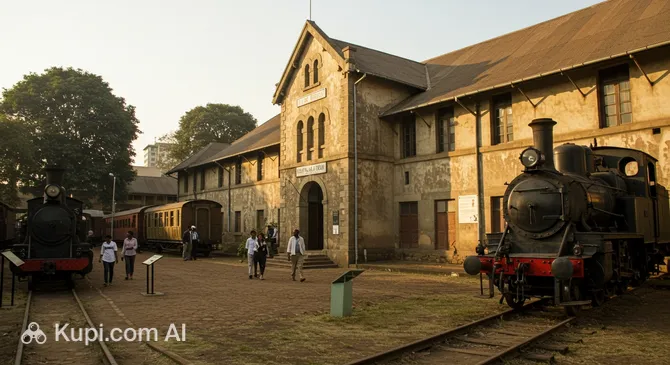
To understand the infrastructure that birthed the city, a visit to the Kenya Railway Museum is essential. Situated adjacent to the Nairobi Railway Station, this museum tells the fascinating story of the "Lunatic Express," the railway line that transformed the region. The collection includes historical photographs, artifacts, and a stunning array of decommissioned steam locomotives and carriages. Visitors can climb aboard these vintage trains, some of which date back to the early 20th century, for a hands-on journey through time.
Kenya Railway Museum. Illustration.
Source: Kupi.com AI
Traveler photos:
Another unique institution is the Nairobi Snake Park, located within the Museum Hill compound. This facility serves as a rescue and rehabilitation center for reptiles and offers visitors a chance to learn about Kenya's diverse herpetology. You can safely view various snake species, including puff adders and mambas, as well as crocodiles and tortoises. It is an educational stop that plays a crucial role in conservation awareness.
For an artistic and slightly unconventional excursion, consider visiting the Kitengela Glass Studio. Located on the outskirts of the city near the Nairobi National Park, this magical place features colorful glass sculptures, mosaic pathways, and a swinging suspension bridge. It offers a whimsical contrast to the traditional museums and is a testament to the city's vibrant creative spirit.
Getting Around
Navigating Nairobi is an adventure in itself, with a public transport system that is as vibrant and energetic as the city. The most iconic and ubiquitous mode of transport is the matatu. These privately owned minibuses (typically 14-seaters) and larger buses dominate the roads. They are famous for their flamboyant artistic graffiti, neon lighting, and loud music, serving not just as vehicles but as moving cultural expressions. For a slightly more conventional experience, there are also standard city buses, such as those operated by the Kenya Bus Service (KBS) and other companies, which generally follow specific routes alongside the matatus.
In recent years, the city has made efforts to modernize its transit network with the Nairobi Commuter Rail Service. This system connects the Central Business District (CBD) with growing suburbs like Syokimau, Embakasi, and Ruiru. It is an excellent option for avoiding the city's notorious traffic jams, particularly during peak hours. The modern Diesel Multiple Units (DMUs) offer a comfortable and relatively punctual alternative to road transport, with a central hub at the historic Nairobi Railway Station.
When it comes to payment, cash is still king in the public transport sector. While Kenya is a global leader in mobile money, and you can often pay via M-Pesa, most matatu conductors prefer small denominations of cash (coins and notes) for speed. Fares are not fixed and operate on a surge pricing model; they can double or triple during rush hours or when it rains. There are no universal travel passes or integrated smart cards for the bus system, so you simply pay the conductor once the journey begins.
For tourists, ride-hailing apps are often the most practical and safe alternative. Services like Uber, Bolt, and the local favorite, Little Cab, are widely available and offer transparent, fixed pricing. This avoids the hassle of bargaining and provides a more secure environment, especially at night. For short distances to beat the traffic, boda-bodas (motorcycle taxis) are everywhere, though they are considered risky; always insist on a helmet and drive carefully. Three-wheeled tuk-tuks are also available in certain neighborhoods but are less common in the city center.
If you choose to experience the matatu culture, head to one of the major termini in the CBD, such as the Railways Bus Station, Kencom House, or Ambassador. Be aware that the city experiences heavy traffic congestion, locally known as "the jam," particularly between 6:00 AM–9:00 AM and 5:00 PM–8:00 PM. Public transport operates from very early in the morning until late at night, but availability drops significantly after 10:00 PM, at which point a taxi is the safer choice.
Accommodation
Finding the perfect place to stay in Nairobi is relatively easy, as the city offers a wide spectrum of accommodation options to suit every budget and preference. From bustling backpacker hostels and serviced apartments to high-end business hotels and luxurious colonial-style resorts, the Kenyan capital is well-equipped to host its diverse range of visitors. Whether you are here for a quick business trip or starting a safari adventure, you will find a comfortable base.
The choice of location largely depends on your itinerary. The Central Business District (CBD) is ideal for business travelers who need to be close to government offices and the convention center. For those seeking a vibrant atmosphere with easy access to nightlife, shopping malls, and restaurants, the Westlands district is a top choice. Alternatively, the leafy suburbs of Karen and Lang'ata offer a serene escape from the city noise. These areas are particularly popular with tourists as they are located very close to major attractions like the Giraffe Centre and the Nairobi National Park.
For travelers looking for a resort-style experience without leaving the city, the Safari Park Hotel & Casino is a renowned option. Located on the Thika Superhighway, it sits within 50 acres of beautifully landscaped gardens and offers a complete entertainment complex. Another historic and exclusive option is the Muthaiga Country Club, often referred to as the "Pink Gin" capital of colonial Kenya. It provides a glimpse into the city's past with its old-world charm and elegant architecture.
Safari Park Hotel & Casino. Illustration.
Source: Kupi.com AI
Traveler photos:
Accommodation prices in Nairobi can vary significantly. Budget travelers can find hostels and guesthouses ranging from $20 to $50 per night. Mid-range hotels typically charge between $80 and $150, while luxury stays can exceed $200 per night. Most establishments allow for easy booking via major online platforms or direct reservations.
Booking Tip: If you plan to visit during the peak tourist season (July to October), which coincides with the Great Migration in the Maasai Mara, it is highly recommended to book your accommodation several months in advance. Hotels in popular areas like Westlands and Karen tend to fill up quickly during this period.
Nearby Cities
For those looking to explore the surroundings, Nairobi serves as an excellent base for day trips to several interesting nearby locations. The region around the capital is dotted with satellite towns that offer a slower pace of life and unique attractions, ranging from agricultural heritage to scenic landscapes.
Just a short drive to the north lies Kiambu, a town renowned for its lush coffee and tea plantations. It offers a refreshing green escape with opportunities to visit local waterfalls and caves, making it perfect for nature lovers. To the south, Ongata Rongai sits near the slopes of the Ngong Hills and the southern gate of Nairobi National Park, serving as a bustling gateway for those heading towards the Great Rift Valley. Further afield, Murang'a provides a scenic journey into the central highlands, offering dramatic views of the Aberdare Range and a deep connection to the country's cultural history.
These nearby destinations offer a glimpse into the diverse culture and landscapes of the region, providing a perfect complement to the urban energy of the capital.
Shopping & Souvenirs
Shopping in Nairobi is a delightful adventure that perfectly mirrors the city's contrasting character. Visitors can seamlessly transition from browsing high-end international brands in gleaming, modern complexes to haggling for handcrafted treasures in bustling open-air markets. Whether you are looking for luxury goods, authentic African art, or everyday essentials, the city offers a retail experience to suit every taste and budget.
For a contemporary shopping experience, the city is home to some of the largest and most sophisticated retail centers in East Africa. The sprawling Two Rivers Mall is a premier destination, offering not just a vast array of international and local stores, but also entertainment options and dining experiences. It is an architectural marvel where you can spend an entire day shopping and relaxing.
Another favorite among locals and tourists alike is The Hub Karen. Located in the affluent Karen suburb, this mall features a beautiful open-air design centered around a man-made lake. It provides a more relaxed, European-style piazza atmosphere, making it an excellent spot for family outings, leisurely lunches, and browsing upscale boutiques.
The Hub Karen. Illustration.
Source: Kupi.com AI
Traveler photos:
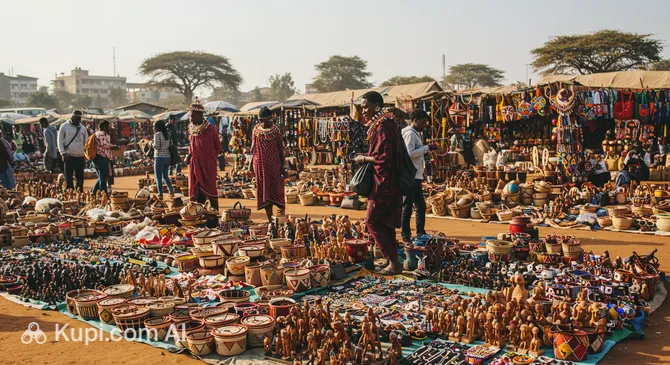
However, to truly feel the pulse of the city, you must visit its vibrant markets. The most famous of these is the Maasai Market. This is not a fixed location but a mobile market that rotates to different venues across the city depending on the day of the week. It is the ultimate destination for colorful curios, beaded jewelry, traditional fabrics, and wood carvings. Be prepared to bargain, as it is an integral part of the experience and expected by the vendors.
Maasai Market. Illustration.
Source: Kupi.com AI
Traveler photos:
For a grittier and more intense experience, the Gikomba Market awaits. As one of the largest open-air markets in the region, it is famous for mitumba (second-hand clothes) and offers everything from vintage fashion to household goods at rock-bottom prices. While it can be chaotic and crowded, it provides a fascinating glimpse into the local entrepreneurial spirit.
If you prefer street shopping, Biashara Street in the Central Business District is a historic shopping avenue. It is particularly renowned for its textile shops selling kikois, kangas, and kitenge fabrics, as well as baby clothes. It is a great place to buy high-quality fabrics to take home or to have tailored into custom clothing.
When it comes to souvenirs, Nairobi offers an abundance of choices. Popular items include hand-carved soapstone figures, Maasai shukas (checkered blankets), intricate beadwork, and kiondos (hand-woven sisal baskets). Don't forget to pick up some world-famous Kenyan coffee or tea, which make for excellent and practical gifts.
Most shopping malls and formal stores are open from 9:00 AM to 8:00 PM, with supermarkets often staying open later. Markets typically start early in the morning and wind down by sunset. Payment methods are quite advanced; while cash is necessary for street markets, almost all formal establishments accept credit cards. Additionally, mobile money, specifically M-Pesa, is universally accepted and is often the preferred way to pay for everything from a taxi ride to a souvenir.
International visitors should also be aware that VAT refunds may be available for certain large purchases made at registered retailers. It is advisable to keep your receipts and inquire about the "Tax-Free" status if you plan on buying expensive items to export.