Support

Kisumu

About

Kisumu is a captivating port city located on the tranquil shores of Lake Victoria, the largest freshwater lake in Africa. As the third-largest city in Kenya, it serves as the principal commercial, industrial, and cultural hub of the western region. With a population of over 400,000 residents, the city balances its status as a significant urban center with a relaxed, tropical atmosphere that sets it apart from the busier capital.

Kisumu. Source: Kupi.Binoculars

The city has deep roots as a trading post and a vital connection point in East Africa. Originally known as Port Florence, the history of Kisumu is closely tied to the completion of the Uganda Railway, which transformed it into a major inland port. Today, it is a vibrant destination where visitors can experience the rich traditions of the Luo community, renowned for their fishing culture and warm hospitality.

Travelers are drawn to Kisumu for its unique mix of nature and culture. The Kisumu Impala Sanctuary offers a rare opportunity to see impalas, zebras, and hippos just a short distance from the city center. For a scenic afternoon, Dunga Beach is a popular spot to watch colorful boats bring in the day's catch and to enjoy the famous local tilapia. Additionally, the Kisumu Museum is considered one of the best in the country, providing deep insights into the natural and cultural heritage of Western Kenya.

With its stunning lakeside sunsets, humid yet pleasant climate, and friendly locals, Kisumu offers a refreshing change of pace. It is an ideal destination for those looking to explore the scenic beauty and cultural depth of the Great Lakes region.

Weather Overview

Kisumu experiences a generally warm and humid climate throughout the year, influenced significantly by its location on the equator and the shores of Lake Victoria. Temperatures remain remarkably consistent, with average daily highs typically ranging between 25°C and 28°C. Evenings are mild and comfortable, with minimum temperatures rarely dropping below 17°C, making it a pleasant destination for visitors at any time.

Travelers should be aware that rainfall is a frequent occurrence in the region. The weather in Kisumu is characterized by a high number of wet days, particularly during the long rains. April and May are the wettest months in terms of frequency, often seeing rain on up to 27 or 28 days. Even during the drier periods like January and February, you can still expect around 15 rainy days per month, so packing a raincoat is always a good idea.

Interesting Facts

Beyond the scenic views of Lake Victoria, Kisumu holds a treasure trove of historical anecdotes and cultural nuances that surprise many visitors. Here are some intriguing details about this lakeside city:
Kisumu Museum. Source: Kupi.Binoculars
  • The city's name is rooted in the local Luo language, derived from the word "Sumo," which translates to "a place of barter trade." Long before it became a modern urban center, the area was a crucial gathering point where different communities met to exchange goods during times of peace and famine.

  • Before it was officially named Kisumu, the settlement was known as Port Florence. It was named in 1901 after Florence Preston, the wife of the railway engineer who drove the first train to reach the shores of the lake, marking the completion of the famous "Lunatic Express" railway line.

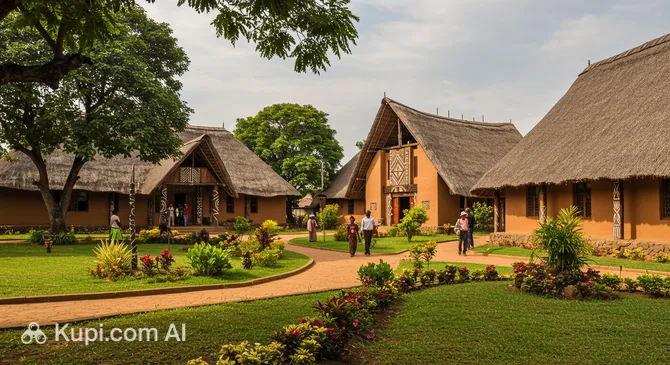
  • The Kisumu Museum is home to a unique outdoor exhibit called "Ber-gi-dala," which is a full-scale recreation of a traditional Luo homestead. Unlike typical museum displays behind glass, this setup allows visitors to walk through the granaries and living quarters to understand the intricate social structure of a traditional polygamous family.

  • Kisumu sits remarkably close to the equator, yet the heat is often tempered by the breeze from Lake Victoria. This unique geographical position results in a phenomenon where the sun rises and sets at almost the exact same time every day of the year, providing a consistent rhythm to daily life.

How to Get There

Reaching this lakeside city is relatively straightforward, with air travel being the most convenient option for international and domestic visitors alike. While road networks connect the region to the rest of the country, flying saves significant time. You can find detailed information on all transport modes, including buses and trains, in our guide with more about how to get to Kisumu.

The primary gateway is Kisumu Airport (KIS), which is conveniently located just 4.4 km from the city center. As a key regional hub, it handles a significant volume of passenger traffic, offering frequent connections to Nairobi and other destinations. Due to its proximity, the transfer to downtown hotels is quick; a taxi ride typically takes around 25 to 30 minutes.

Another option for travelers is Eldoret Airport (EDL), located in the neighboring city of Eldoret. It is approximately 76 km away from Kisumu. While less direct, it can be a useful alternative depending on your itinerary or flight availability. Visitors arriving here should plan for a longer ground transfer, as the drive to Kisumu usually takes about 2 hours and 15 minutes by taxi.

For clarity, here is a summary of the main airports:

Airport Name City Passenger Traffic Km from City
Kisumu Airport Kisumu High 4.4
Eldoret Airport Eldoret Medium 75.9
Kichwa Tembo Masai Mara Low 132.7
Maasai Mara (Mara North) Masai Mara Low 123.2
Maasai Mara (Olare) Masai Mara Low 146.5

Besides flying, Kisumu is well-connected by road to Nairobi and other major towns. Long-distance buses and "matatus" (minibuses) are popular and affordable ways to travel, offering scenic views of the Great Rift Valley along the way. The city also has a refurbished railway station, with passenger train services periodically available from the capital, providing a nostalgic and leisurely travel experience.

Main Attractions

Kisumu is a city where cultural heritage blends seamlessly with modern urban life. While the lakeside views are the primary draw for many, the city center and its surroundings offer a variety of interesting stops for visitors. From historical exhibits to contemporary shopping and nightlife, there are several key places to explore during your stay.

Undoubtedly one of the most important cultural sites is the Kisumu Museum. This institution is highly regarded in Western Kenya for its comprehensive collection of ethno-historical exhibits. Tourists are particularly drawn to the traditional Luo homestead, or "Ber-gi-dala," which provides an immersive look into the architectural and social structures of the local community. Inside, the gallery displays diverse artifacts, including flora and fauna from the region, making it an educational stop for anyone interested in the area's rich history.

For those looking to experience the modern side of the city, the West End Shopping Mall is a premier destination. Known for its contemporary architecture and vibrant atmosphere, it serves as a major lifestyle hub. Visitors can enjoy a variety of international and local retail stores, coffee shops, and a food court. It is an excellent place to take a break from sightseeing, enjoy a meal in a comfortable setting, or pick up supplies and souvenirs.

West End Shopping Mall. Source: Kupi.Binoculars

Another significant commercial center is the United Mall, located conveniently along the Kisumu-Kakamega highway. This sprawling complex is a favorite among both locals and tourists for its accessibility and wide range of services. It features a large supermarket, banking facilities, and several eateries, making it a practical stop for travelers needing to restock on essentials or seeking a casual dining experience in a bustling environment.

United Mall. Source: Kupi.Binoculars

As the sun sets, the city's energy shifts to its entertainment spots. The Dondez Club is a well-known venue for those wishing to sample the local nightlife. Popular for its lively music and social ambiance, it offers visitors a chance to mingle with residents and experience the rhythmic pulse of Kisumu after dark. It is a great spot to unwind with a drink and enjoy the friendly hospitality that the region is famous for.

Dondez Club. Source: Kupi.Binoculars

Local Cuisine

The culinary scene in Kisumu is deeply influenced by its proximity to Lake Victoria and the rich cultural heritage of the Luo people. Unsurprisingly, fresh fish dominates the local menu, making the city a paradise for seafood lovers. The most iconic dish is Tilapia, often referred to locally as Ngege. It is typically prepared in two main ways: "dry fry," where the fish is deep-fried and served with a side of kachumbari (tomato and onion salad), or "wet fry," where it is stewed in a savory tomato and onion sauce. Another popular catch is the Nile Perch, known as Mbuta, which offers a meatier texture.

No meal in Kisumu is considered complete without a serving of Ugali, a dense maize meal staple known locally as Kuon. It is the perfect accompaniment for scooping up sauces and is almost always served with indigenous vegetables. Visitors should definitely try the local greens such as Osuga, Akeyo, or Dek. These vegetables are often prepared with milk or cream and have a unique, slightly bitter flavor profile that pairs excellent with the mild taste of the fish and ugali.

For those with an adventurous palate, Omena is a must-try delicacy. These small, silver cyprinid fish are sun-dried and then stewed. While the strong aroma can be intense for first-timers, it is a nutrient-rich dish that is a staple in many local households. Dining in Kisumu ranges from authentic open-air stalls near the lake, where you can eat with your hands while enjoying the breeze, to more modern establishments in the city center.

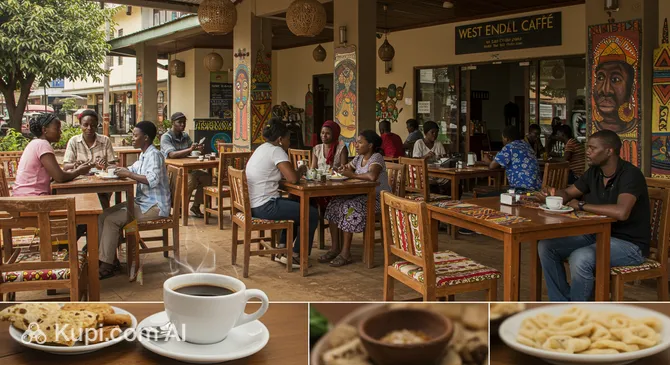
If you are looking for a comfortable spot to enjoy a meal or a cup of Kenyan coffee in a modern setting, the West End Mall Café, Kisumu is a popular choice. It offers a relaxed atmosphere perfect for taking a break from sightseeing while enjoying both local and international snacks.

West End Mall Café, Kisumu. Source: Kupi.Binoculars

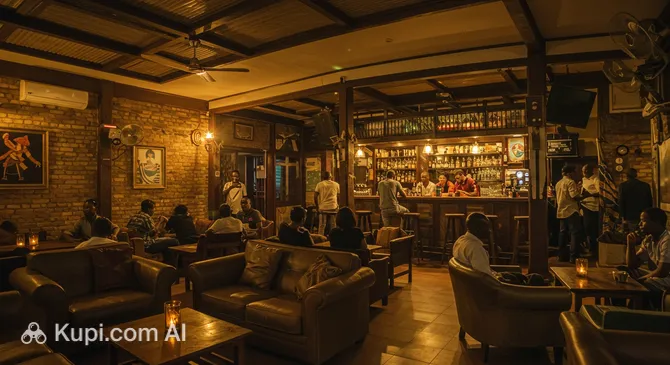
When it comes to drinks, tea (Chai) is consumed throughout the day, often brewed with plenty of milk and sugar. However, given the warm tropical climate, cold beverages are also in high demand. Fresh fruit juices, particularly passion fruit and mango, are widely available. For evening relaxation, the local beer culture is vibrant. Residents and tourists alike often gather at venues like Da Bar to enjoy a cold lager and socialize. It is a great place to experience the city's friendly nightlife and unwind after a day of exploration.

Da Bar. Source: Kupi.Binoculars

For travelers seeking a quick bite or familiar comfort food, the city also has several fast-food options. The Fried Chicken Restaurant Kisumu is one such spot where you can grab a quick meal on the go. Whether you choose to dine by the lakeside or in a bustling town eatery, the food in Kisumu is fresh, hearty, and served with genuine warmth.

Travel Tips

Visiting Kisumu offers a delightful immersion into the laid-back lakeside culture of Western Kenya, but like any destination in the tropics, a little preparation goes a long way. To help you navigate the city with ease and enjoy your stay to the fullest, here are some practical tips designed to keep you safe, comfortable, and well-connected.

  1. Clothing and Gear: Given the warm and humid equatorial climate, pack lightweight, breathable fabrics like cotton or linen. While daytime attire can be casual, it is respectful to dress modestly; avoid very short skirts or shorts when visiting markets or rural areas. Comfortable walking shoes are essential for exploring. Most importantly, bring high-quality insect repellent and long-sleeved clothing for the evenings to protect against mosquitoes, as the lake region is a malaria zone.
  2. Transportation: Getting around Kisumu is an adventure in itself. Tuk-tuks and boda-bodas (motorcycle taxis) are the most common and convenient ways to navigate short distances. Always agree on the fare before starting your journey if you are not using a ride-hailing app. For a more comfortable ride, taxi apps like Uber or Bolt operate in the city, providing a safer and price-transparent alternative to street taxis.
  3. Finances: The official currency is the Kenyan Shilling (KES). While major hotels and malls like West End accept credit cards, cash is king in local eateries, markets, and for transport. ATMs are widely available in the city center. A great local tip is to register for M-Pesa, Kenya's mobile money system; it is accepted almost everywhere, from supermarkets to roadside stalls, and saves you the hassle of carrying loose change.
  4. Health and Safety: Kisumu is generally safe, but standard precautions apply. Avoid walking alone at night, especially in poorly lit areas or near the lakeshore. Drink only bottled or filtered water and avoid ice cubes in smaller establishments. Pharmacies (often marked as "Chemists") are plentiful in town for basic supplies. Ensure your vaccinations are up to date, and take malaria prophylaxis as prescribed by your doctor.
  5. Communication: English is widely spoken and is the official language of business, so you will have no trouble communicating. Swahili is also common, but as this is the heartland of the Luo community, learning a few local words will endear you to residents. Try saying "Amos" (Hello) or "Erokamano" (Thank you). SIM cards from providers like Safaricom or Airtel are cheap and easy to buy at the airport or in town with your passport, offering excellent 4G coverage.
  6. Local Etiquette: Greetings are taken seriously here; skipping a greeting is considered rude. A warm handshake is the standard welcome, often held for longer than you might be used to. When taking photos of people, market stalls, or private property, always ask for permission first. Kenyans are generally very friendly, and a polite request is rarely refused.
  7. What to Avoid: Do not swim in Lake Victoria unless you are in a designated, tested area or a pool. The lake can harbor bilharzia (schistosomiasis) and hippos, which are dangerous. Also, avoid Public Displays of Affection (PDA), as local culture is relatively conservative regarding romantic behavior in public.
  8. Dining Tip: When ordering the famous fresh fish at a local restaurant, be prepared to wait. Good food in Kisumu is prepared fresh to order, often taking 30 to 45 minutes. Use this time to enjoy a cold drink and the breeze, rather than rushing the staff, as "pole pole" (slowly, slowly) is the rhythm of life here.

By keeping these simple guidelines in mind, you will be well-equipped to experience the genuine warmth and vibrant spirit of Kisumu. Embrace the slower pace, engage with the friendly locals, and enjoy the stunning sunsets over Lake Victoria with peace of mind.

Entertainment & Nightlife

Entertainment:

Kisumu offers a vibrant social scene that reflects the warmth and energy of its people. The city is widely regarded as the home of Ohangla and Benga music, genres characterized by rhythmic drumming and storytelling. Unlike the nightlife in many other cities, the experience here often revolves around live bands performing in open-air venues. Weekends are particularly electric, with locals and visitors alike gathering to dance and enjoy the performances. For those looking to immerse themselves in this authentic atmosphere, popular venues like the Dondez Club are central to the action, providing a spirited mix of contemporary hits and traditional beats.

Beyond the music scene, the city’s modern commercial centers have evolved into key recreational hubs for families and groups. The West End Shopping Mall is a prime example, offering more than just retail therapy. It houses a modern cinema that screens the latest international and regional blockbusters, making it a perfect spot to catch a movie and escape the afternoon heat. Similarly, the United Mall provides a relaxed environment where visitors can enjoy leisurely strolls and casual outings in a safe, family-friendly setting.

For a more laid-back form of leisure, the shores of Lake Victoria offer excellent opportunities for relaxation. Boat excursions are a favorite pastime, allowing visitors to venture out onto the water for sunset cruises or birdwatching trips. Whether you are cheering for the local football team at Moi Stadium or enjoying a quiet evening by the lake, the entertainment options in Kisumu are as diverse as they are engaging.

Parks & Museums

Kisumu is a city where urban life exists in harmony with the wild beauty of the Lake Victoria basin. For travelers who appreciate nature and history, the city offers accessible green spaces and educational centers that provide a deep dive into the region's ecological and cultural identity. Unlike the vast savannahs found elsewhere in Kenya, the parks here are intimate and lush, often centered around the lake's unique ecosystem.

A visit to the city would be incomplete without exploring the Kisumu Museum. Widely regarded as one of the finest museums in the country, it serves as a custodian of the cultural and natural heritage of Western Kenya. While it is famous for its traditional Luo homestead, the museum also boasts a rich collection of natural history exhibits. Visitors can wander through the outdoor snake park, view a variety of freshwater fish in the aquarium, and observe indigenous tortoises. It is a place where history comes alive, offering a comprehensive overview of the people and wildlife that define this region.

For those seeking a direct encounter with nature, the Kisumu Impala Sanctuary is a veritable gem located just a few kilometers from the city center. Often dubbed "a walk in the wild," this sanctuary was created to protect the rare Sitatunga antelope and the herds of impalas that roam freely in the area. The facility serves as a safe haven for rescued animals, including leopards, hyenas, and baboons, which can be seen in enclosures. The sanctuary's walking trails lead down to the lakeshore, providing a serene environment for birdwatching and enjoying the cool breeze off the water.

Another scenic spot for nature enthusiasts is Hippo Point. Located near the village of Dunga, this open viewing area is renowned for its unobstructed views of Lake Victoria's legendary sunsets. As the name suggests, it is also a prime location for spotting hippos as they emerge from the water in the evenings to graze. The area is popular for boat rides and picnics, offering a relaxed atmosphere where visitors can watch local fishermen cast their nets against a backdrop of shimmering waters.

A short boat ride from the mainland lies Ndere Island National Park, a haven for hikers and bird lovers. This small, uninhabited island offers a more rugged experience, with trails winding through grassy hills that offer panoramic views of the Winam Gulf. It is home to a variety of bird species, including fish eagles and swifts, as well as monitor lizards and spotted crocodiles. The island's tranquility makes it an ideal escape for those looking to disconnect and immerse themselves fully in the pristine natural surroundings of the lake.

Getting Around

The public transport system in Kisumu is informal, vibrant, and quite different from the structured networks found in European or North American cities. There is no metro, tram, or train service for intra-city commuting. Instead, the city relies on a network of road-based options that are affordable and readily available. The most common form of mass transit is the matatu, a 14-seater minibus that operates on set routes. Matatus are the backbone of local transport, connecting the city center with residential estates and neighboring towns. They are easily recognized by their colorful decorations and are often flagged down at designated stops or along main roads.

For shorter distances or more direct routes, tuk-tuks (three-wheeled motorized rickshaws) are extremely popular in Kisumu. They are ideal for navigating the city center and are often safer and more comfortable than motorcycles, especially when carrying luggage or shopping. Another ubiquitous option is the boda-boda (motorcycle taxi). These are the fastest way to get around, weaving through traffic to provide door-to-door service. While convenient, they require a sense of adventure and caution.

The payment system is almost entirely cash-based. There are no electronic travel cards, passes, or ticket machines. Passengers pay the conductor (in matatus) or the driver directly. It is essential to carry small denominations of the local currency, as drivers often struggle to find change for large notes. Mobile money, specifically M-Pesa, is also widely accepted. Many drivers will accept a mobile transfer if you do not have cash, but it is always polite to ask first.

Fares vary depending on the mode of transport and the distance. Matatus have generally fixed prices for specific routes, which are very affordable. However, for tuk-tuks and boda-bodas, prices are not fixed. It is standard practice to negotiate and agree on the fare before starting your journey. As a tourist, it is helpful to ask a local or hotel staff for the approximate "market rate" to a destination to avoid being overcharged.

For tourists seeking more comfort or security, especially at night, taxis and ride-hailing apps are available. Services like Uber and Bolt operate in Kisumu, offering the advantage of fixed pricing and tracked rides. This is often the best alternative for travelers unfamiliar with the city's layout. Traditional taxi cabs are also parked near major hotels and the airport, but they tend to be more expensive than the app-based options.

A unique feature of Kisumu's transport landscape is its connection to Lake Victoria. While not a "metro" in the traditional sense, ferry services operate from the port, connecting the city to nearby islands like Rusinga and Mfangano, as well as other lakeside towns. These ferries provide a scenic and practical way to travel across the water, offering a distinct experience compared to the bustling roads. When using any form of transport, operating hours are generally from early morning until late evening, but public transport frequency drops significantly after dark, so planning ahead is advisable.

Accommodation

Finding a place to stay in Kisumu is a relatively easy task, as the city offers a diverse array of accommodation options to suit various budgets and preferences. The hospitality sector here has grown significantly, providing everything from affordable guesthouses and backpacker-friendly hostels to mid-range business hotels and upscale resorts. While the city may not have an abundance of massive international hotel chains, it boasts many high-quality, locally-run establishments that offer personalized service and a distinct sense of Kenyan hospitality.

When choosing where to stay, location is a key factor. The most desirable area for leisure travelers is undoubtedly the Milimani estate and the neighborhoods along the shores of Lake Victoria. Hotels in these zones often feature lush gardens and offer stunning views of the lake, providing a serene environment away from the hustle and bustle. Staying near the water also allows visitors to enjoy the cooling lake breeze, which is a welcome relief from the tropical heat. Conversely, the Central Business District (CBD) is the best choice for those prioritizing convenience. Staying in the city center places you within walking distance of major shopping malls, banks, and transport hubs, making it ideal for business travelers or those on a short transit stop.

Travelers should be aware that Kisumu is a major regional hub for conferences and non-governmental organizations (NGOs). Consequently, top-tier hotels can fill up quickly when large events or summits are taking place in the city. A helpful booking tip is to check the local event calendar or reserve your room at least a few weeks in advance to secure your preferred choice. During quieter periods, however, it is often possible to find excellent last-minute deals.

In terms of cost, accommodation in Kisumu is generally more affordable than in the capital, Nairobi. Budget travelers can find clean and safe rooms for as little as $20 to $40 per night. Mid-range hotels, which typically include amenities like air conditioning, Wi-Fi, and breakfast, usually range from $50 to $100. The more luxurious lakeside resorts can cost upwards of $120 per night. Booking is easily done through major online travel platforms, though many local establishments also accept direct bookings via phone or email, often allowing for payment via mobile money upon arrival.

Nearby Cities

For those looking to explore the surroundings, Kisumu serves as an excellent base for day trips to several interesting nearby locations:
City Population Distance (km)
Eldoret 193,830 87
Molo 156,732 109
Siaya 119,190 56
Vihiga 118,696 16
Mumias 99,987 56

One of the most immediate escapes from the city is Vihiga, located just a short drive away. This town is perched in a rocky, hilly landscape that offers a stark contrast to the flat lakeshore plains. It is famous for the Maragoli Hills, which provide excellent hiking opportunities and panoramic views of the surrounding countryside. The area is also known for its rich cultural heritage and the annual Maragoli Cultural Festival, making it a fascinating stop for those interested in local traditions.

Heading west, travelers can visit Siaya, a town deeply connected to the history of the Luo community. It serves as the gateway to several significant sites, including the village of Kogelo, which gained international fame as the ancestral home of the Obama family. Nearby, nature lovers can explore Lake Kanyaboli, a pristine oxbow lake that forms part of the Yala Swamp ecosystem, offering a quiet refuge for birdwatching and enjoying nature away from the crowds.

For a change in climate and scenery, a trip to Eldoret involves a scenic drive up the Rift Valley escarpment. Known globally as the "City of Champions," it is the heartland of Kenya's world-renowned long-distance runners. The town sits at a much higher altitude, providing a cool, crisp atmosphere that differs significantly from the humid air of Kisumu. Visitors can tour the vibrant agricultural markets or use it as a starting point to explore the dramatic landscapes of the Great Rift Valley.

These nearby destinations offer a glimpse into the diverse culture and landscapes of the region, allowing travelers to experience the variety of Western Kenya within just a few hours of travel.

Shopping & Souvenirs

Shopping in Kisumu offers a delightful mix of contemporary convenience and traditional vibrancy. Visitors can choose between browsing air-conditioned malls or diving into the colorful chaos of open-air markets. Whether you are looking for high-end fashion, daily essentials, or unique handcrafted souvenirs, the city provides a retail experience that caters to every taste and budget.

For those seeking authentic local artifacts, the region is famous for its artistic heritage. Kisumu is the perfect place to purchase Kisii soapstone carvings, which are mined and sculpted in the nearby Tabaka Hills. These smooth, heavy stone sculptures come in various colors and designs, ranging from animal figures to intricate bowls. Additionally, visitors should look out for woven baskets, colorful Kitenge fabrics, and traditional beadwork, which make for excellent gifts and mementos of a Kenyan journey.

To experience the local trade at its peak, a visit to Kibuye Market is highly recommended. Known as one of the largest open-air markets in East Africa, it is a sprawling hub of activity where traders sell everything from fresh produce and livestock to second-hand clothing and household goods. It offers a sensory immersion into the daily life of the city's residents, though it is best to visit with a local guide to navigate the bustling lanes comfortably.

For a more modern retail environment, the city boasts several well-equipped shopping centers. The West End Shopping Mall is a top choice for fashion, electronics, and dining, offering a polished atmosphere. Similarly, the United Mall provides a comprehensive shopping experience with a large supermarket, banking services, and various specialty stores. These malls are also great places to find fixed-price souvenir shops if you prefer to avoid bargaining in the markets.

Reached the end of the page?

That means the route is fully explored