Support

Entebbe

About

Entebbe is a charming and serene city situated on a verdant peninsula jutting into Lake Victoria, the largest tropical lake in the world. As the location of the nation's primary international airport, it serves as the welcoming gateway to Uganda for most international travelers. Unlike the bustling capital of Kampala nearby, Entebbe offers a relaxed atmosphere, characterized by colonial-era architecture, tree-lined streets, and a refreshing breeze from the lake.

Geographically located in the Wakiso District just a few kilometers north of the equator, the city enjoys a pleasant tropical rainforest climate throughout the year. With a population of approximately 70,000 residents, it maintains a small-town feel while providing essential amenities for tourists. The lush environment and waterfront setting make it a perfect spot for acclimatization upon arrival or relaxation before departure.
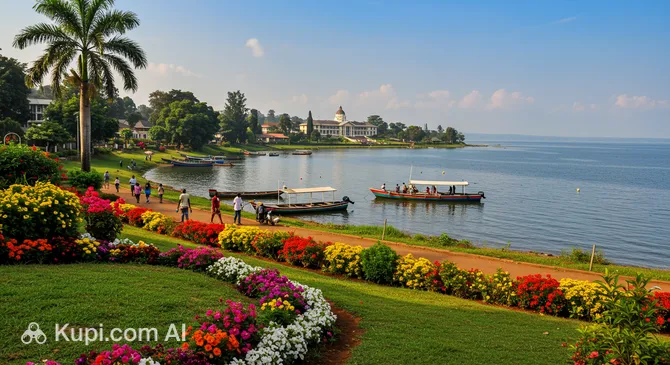
Entebbe. Source: Kupi.Binoculars

The city holds a significant place in the nation's past, having served as the seat of government during the British protectorate era. You can delve deeper into this period and the city's evolution by exploring the fascinating history of Entebbe, which has shaped its current layout and cultural heritage. Today, the "State House" remains the official residence of the President of Uganda, maintaining the city's political importance.

For visitors, Entebbe is far more than just a transit point. Nature enthusiasts should not miss the National Botanical Gardens, established in 1898, which offer a haven for birdwatchers and diverse plant species. Another key attraction is the Uganda Wildlife Education Centre (UWEC), often referred to as the Entebbe Zoo, where you can observe rescued wildlife in naturalistic habitats. Whether you are strolling along the sandy beaches or enjoying the local cuisine, Entebbe invites you to experience the "Pearl of Africa" at a gentle and enjoyable pace.
Weather Overview

Entebbe benefits from a moderate tropical climate that remains pleasant year-round, largely due to its equatorial location and the regulating influence of Lake Victoria. The city does not experience drastic seasonal changes, making it a comfortable destination regardless of when you choose to visit.

Temperatures are remarkably consistent, with monthly averages staying between 22°C and 24°C. January and February are typically the warmest months, with highs reaching up to 26.9°C, while July is slightly cooler with lows around 19.3°C. You can consult the detailed guide to the weather in Entebbe to help pack the right clothing for your trip.

Rainfall is a frequent occurrence, although the amount of precipitation is generally light. The number of wet days varies significantly, peaking in April with up to 27 wet days and dropping to around 12 days in July. Expect consistent warmth throughout the year with frequent, short showers, particularly during the wetter months of March through May and November.

Interesting Facts

Beyond its role as a primary airport hub, Entebbe holds a treasure trove of historical quirks and fascinating stories waiting to be discovered. Here are a few intriguing details that reveal the unique character of this lakeside city.

  • The name "Entebbe" literally translates to "The Seat" in the local Luganda language. Legend has it that long before the colonial era, this specific location was where the Baganda chiefs would sit to adjudicate legal cases and resolve disputes for the community.

  • Entebbe served as the administrative capital of the British Protectorate of Uganda until independence in 1962. This status explains the city's orderly layout and the abundance of colonial-style buildings that still stand today, contrasting with the more chaotic growth of the current capital, Kampala.

  • Local urban legends claim that the lush Botanical Gardens served as a filming location for the 1957 Hollywood film Tarzan’s Hidden Jungle. While visitors flock there for the birdlife, many are thrilled by the idea of walking through a real-life movie set from the golden age of cinema.

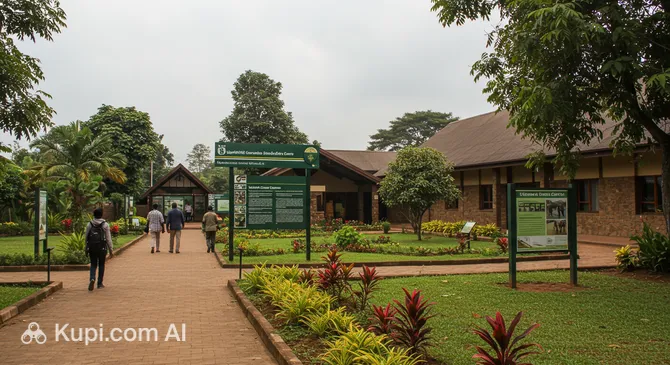
  • The popular Uganda Wildlife Conservation Education Centre did not start as a zoo for tourists. It was originally established in the 1950s as an animal orphanage to care for a rescued baby rhinoceros, eventually evolving into the major conservation and education facility it is today.

Uganda Wildlife Conservation Education Centre. Source: Kupi.Binoculars

How to Get There

As the home of the nation's main international gateway, reaching this lakeside city is straightforward for international travelers. Most visitors arrive by air, landing directly on the peninsula. You can read more about how to get to Entebbe and explore the various transportation options available for your journey.

The most direct way to arrive is via Entebbe International Airport (EBB). Located within the city itself, it serves as the principal entry point for Uganda and handles the vast majority of international traffic. The airport is conveniently situated just 3.9 km from the city center. A taxi or shuttle transfer is very quick, typically taking just a short drive depending on traffic. This proximity makes Entebbe one of the most accessible destinations in the region immediately after landing.

Another nearby option, primarily for domestic charters and smaller aircraft, is Kajjansi airfield located in the town of Katwe. It sits approximately 17.5 km from Entebbe. While it handles significantly less traffic than the main international hub, it is a key spot for private aviation. The drive from Kajjansi to Entebbe usually takes less than an hour by taxi.

For clarity, here is a summary of the main airports in the wider region:

Airport Name City Passenger Traffic Km from City
Entebbe International Airport Entebbe Large 3.9
Kisumu Airport Kisumu Medium 251.7
Bukoba Airport Bukoba Small 170.8
Kajjansi Katwe Small 17.5
Kasese Airport Kasese Small 264.5

Main Attractions

Entebbe is renowned for its relaxed pace and lush green spaces, but it also offers a variety of engaging activities ranging from wildlife encounters to culinary experiences. Whether you are looking to explore the country's biodiversity or enjoy some modern comforts before or after a flight, the city has several key spots worth visiting.

One of the most significant locations is the Uganda Wildlife Conservation Education Centre (UWEC). Far more than a traditional zoo, this facility serves as a sanctuary for rescued animals and a vital education hub. Visitors can walk through diverse ecosystems, from savannas to wetlands, observing animals like lions, elephants, and chimpanzees in open, naturalistic habitats. For a more immersive experience, the centre offers "Behind the Scenes" tours where you can participate in feeding and caring for the animals, providing a unique insight into Uganda's conservation efforts.

For those interested in the local flora and birdlife, the National Botanical Gardens is an essential stop. Established at the turn of the 20th century, these expansive gardens stretch along the shores of Lake Victoria. Walking through the rainforest zone, you might spot colobus monkeys swinging through the trees or catch sight of rare bird species such as the Great Blue Turaco. It is a perfect location for a peaceful picnic or a scenic walk amidst century-old trees.

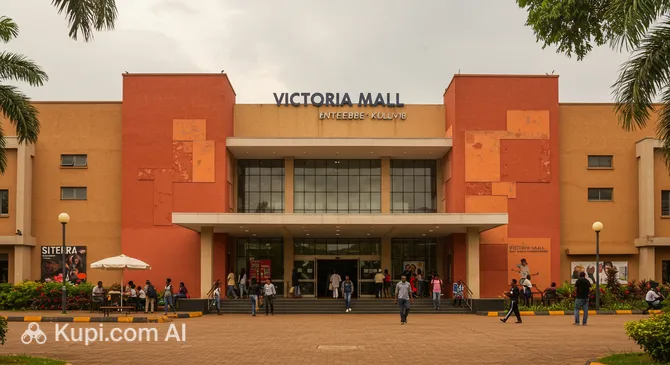
If you are looking for a taste of modern Uganda mixed with convenience, Victoria Mall is the city's premier shopping and lifestyle complex. Located conveniently close to the airport, it is a popular hub for both locals and tourists. The mall offers a range of amenities including supermarkets for stocking up on supplies, craft shops for souvenirs, and a cinema. It is also an excellent place to exchange currency or enjoy a coffee in a comfortable, air-conditioned environment.

Victoria Mall. Source: Kupi.Binoculars

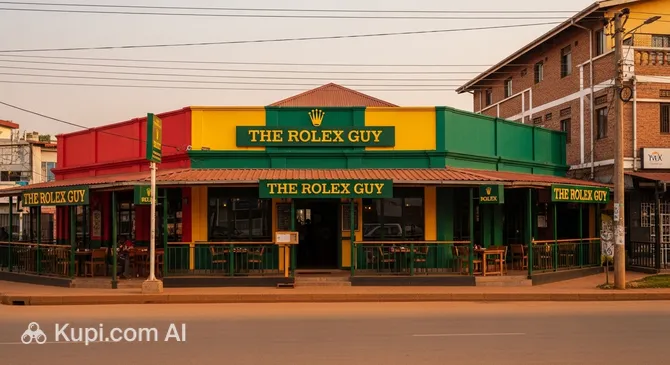
No trip to Uganda is complete without trying the country's most famous street food, the "Rolex"—a delicious combination of an omelette and vegetables rolled inside a chapati. For a safe and hygienic place to try this delicacy, visit The Rolex Guy. This restaurant has elevated the humble street snack into a full dining experience, offering various creative fillings and twists on the classic recipe. It is a fantastic spot to enjoy authentic local flavors in a fun and welcoming setting.

The Rolex Guy. Source: Kupi.Binoculars

Local Cuisine

The culinary landscape of Entebbe is heavily defined by its location on the shores of Lake Victoria. Fresh fish is undoubtedly the star of the local dining scene, with Whole Fried Tilapia and Nile Perch featuring prominently on almost every menu. These dishes are typically served with a side of crispy chips or rice, often accompanied by a fresh salad and lemon wedges. For an authentic experience, many visitors head to the beachside eateries near Nakiwogo or the various waterfront restaurants where the catch is as fresh as it gets.

Beyond seafood, you must try the staple foods of the Buganda region. Matooke (steamed green bananas mashed into a meal) is the primary carbohydrate, often served with a rich peanut sauce known as G-nut sauce. Another traditional delicacy is Luwombo, a flavorful stew of chicken, beef, or smoked fish steamed to perfection inside banana leaves. This cooking method locks in the aroma and moisture, creating a tender and savory dish that is considered a special treat.

Street food culture is vibrant and accessible, with the famous "Rolex" reigning supreme. While you may have seen it mentioned as a top attraction, this rolled chapati filled with eggs and vegetables is the go-to snack for locals at any time of day. You can find it at roadside stalls throughout the city or at specialized eateries like The Rolex Guy, which offers gourmet versions of this classic street bite.

When it comes to beverages, Uganda is a major coffee producer, so you can expect excellent locally brewed coffee in cafes around town. For something stronger, Uganda Waragi is the national spirit, a potent gin originally distilled from bananas. Local lagers such as Nile Special and Bell Lager are also widely available and perfect for cooling down after a sunny day exploring the botanical gardens.

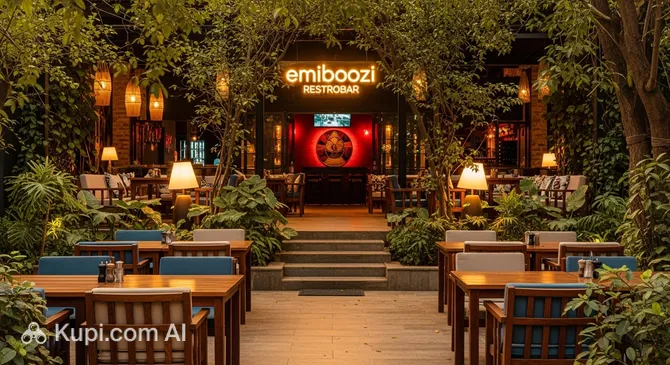
The dining atmosphere in Entebbe ranges from casual beach shacks to stylish modern venues. For those looking to combine good food with a lively social setting, Emiboozi Restrobar is a popular choice. It offers a mix of local and continental dishes in a relaxed environment that captures the city's friendly spirit. Alternatively, if you are seeking a place to unwind with a cocktail and enjoy the nightlife, Riders Lounge provides a vibrant atmosphere with a diverse menu of bar bites and hearty meals.

Emiboozi Restrobar. Source: Kupi.Binoculars

Travel Tips

To ensure your visit to Entebbe is as smooth and enjoyable as the gentle breeze off Lake Victoria, a little preparation goes a long way. These practical tips are designed to help you navigate the local customs, logistics, and daily life in this welcoming Ugandan city with confidence.

  1. Clothing and Gear: Given the tropical climate, pack lightweight, breathable fabrics like cotton or linen to stay cool. However, since rain can occur unexpectedly, carrying a compact umbrella or a light rain jacket is highly recommended. While Entebbe is relatively relaxed, it is respectful to dress modestly; cover your shoulders and knees, especially when visiting markets or religious sites. Don't forget a universal power adapter (Type G, British style) and comfortable walking shoes for exploring the botanical gardens.

  2. Transportation: The most common way locals get around is by boda-boda (motorcycle taxi). While fast and cheap, they can be risky; always insist on a helmet and drive carefully. For a safer and more comfortable option, use ride-hailing apps like Uber or Bolt, or hire a private taxi (Special Hire) from a reputable hotel. If you plan to visit Kampala, the Entebbe Express Highway is the fastest route, saving you from heavy traffic.

  3. Finances: The local currency is the Ugandan Shilling (UGX). While major hotels and spots like Victoria Mall accept Visa and MasterCard, cash is king for local markets, transport, and smaller restaurants. ATMs are widely available in the city center. If you bring US Dollars to exchange, ensure the bills are dated 2013 or later and are crisp and clean; older or damaged notes are often rejected or exchanged at a lower rate.

  4. Health and Safety: Entebbe is generally safe, but standard precautions apply—avoid walking alone in unlit areas at night. Malaria is present in Uganda, so sleeping under a treated net and using strong insect repellent in the evenings is essential. Never drink tap water; always stick to sealed bottled water. Pharmacies are available near the major malls and the hospital, but carrying a basic personal first-aid kit is wise.

  5. Communication: English is the official language and is widely spoken, making communication very easy for most travelers. The local language is Luganda; learning a simple greeting like "Oli otya?" (How are you?) will earn you warm smiles. You can easily purchase a local SIM card (Airtel or MTN) at the airport or in town upon presentation of your passport to stay connected with reliable 4G data.

  6. Local Etiquette: Ugandans are incredibly polite and value social greetings. It is customary to exchange a handshake and ask about someone's well-being before getting down to business, whether you are buying fruit or asking for directions. Rushing a greeting can be seen as rude. Also, always ask for permission before taking photos of people.

  7. What to Avoid: Be extremely cautious about photography near government buildings, military installations, and the State House (the President's residence), which is located in Entebbe. Taking photos of these locations is strictly prohibited and can lead to serious legal trouble or confiscation of your equipment. Additionally, public displays of affection (PDA) are culturally frowned upon and should be avoided.

  8. Market Tip: When shopping at local craft markets, bargaining is expected and is part of the friendly interaction. Start by offering about 60-70% of the quoted price and work your way to a middle ground with a smile. However, prices in supermarkets, restaurants, and malls are fixed.

By keeping these simple guidelines in mind, you will be well-equipped to embrace the slow, rhythmic pace of life in Entebbe. Whether you are bargaining for a souvenir or catching a sunset over the lake, interacting with the friendly locals will likely become one of the highlights of your Ugandan adventure.

Entertainment & Nightlife

While Entebbe is generally quieter and more laid-back than the high-energy capital of Kampala, it offers a distinct and enjoyable nightlife scene that caters to a diverse crowd. The city's entertainment vibe is largely defined by its lakeside location, meaning many of the best spots allow you to enjoy a cool breeze with your drink. The nightlife here is less about massive raves and more about stylish lounges, open-air bars, and vibrant local pubs where the atmosphere is friendly and welcoming.

The primary hub for local nightlife is the Kitoro neighborhood. This bustling commercial center comes alive after dark with numerous small pubs, pool joints, and eateries lining the streets. It is the best place to experience the authentic local spirit, with music pumping from speakers and people gathering on verandas. For a more upscale and polished experience, the areas around the major malls and Lugard Avenue offer modern lounges that attract expats, tourists, and the city's fashionable youth.

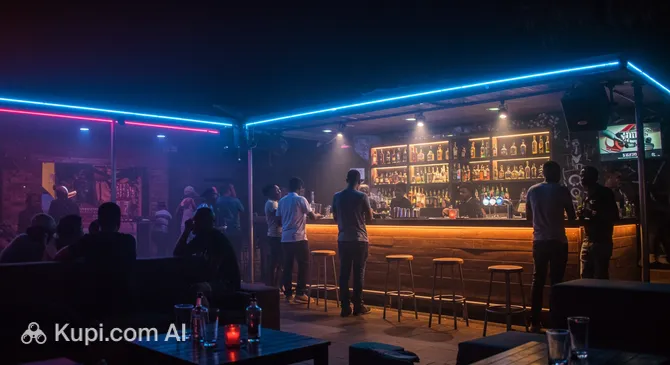
If you are looking for a sophisticated venue to spend your evening, Riders Lounge is a top recommendation. Located conveniently near the main shopping district, it transforms from a casual dining spot during the day into a lively lounge at night. It is well-known for its extensive cocktail menu, modern decor, and DJ sets that play a mix of Afrobeat and international hits. It is an excellent spot to mingle and dance without the chaos of a crowded club.

Riders Lounge. Source: Kupi.Binoculars

Another fantastic option for night owls is Emiboozi Restrobar. This venue strikes a perfect balance between a restaurant and a bar, making it ideal for those who want to transition seamlessly from a late dinner to drinks. The ambiance is chic yet relaxed, often featuring themed nights or live bands that add to the festive mood. For those who prefer a more casual setting, the beach clubs along the shores of Lake Victoria, such as those near Lido Beach, often host weekend parties with bonfires and loud music.

The dress code in Entebbe is generally smart casual. While you can get away with shorts and sandals in the beach bars, venues like Riders Lounge or hotel bars prefer a neater look, such as jeans and a nice shirt. Prices are relatively affordable compared to Western standards; a local beer might cost around 5,000 to 8,000 UGX, while cocktails in upscale lounges range from 20,000 to 35,000 UGX. Most venues stay open late, with weekends seeing action until the early hours of the morning.

When it comes to safety and logistics, Entebbe is one of the safer cities in Uganda, but caution is still advised at night. Avoid walking between venues in Kitoro or along dark roads after midnight. The best way to get around is by using a private taxi or a trusted ride-hailing app. Boda-bodas (motorcycle taxis) are available everywhere, but for a night out, a car is the safer choice. Always keep an eye on your belongings in crowded places.

For daytime entertainment, the city offers a slower pace suited to relaxation. Aside from the wildlife centers, you can catch the latest international blockbusters at the cinema located inside Victoria Mall. This modern complex is a great place to escape the midday heat. Additionally, the city's numerous beaches offer a mix of leisure and entertainment, where you can watch local football matches in the sand or simply enjoy music by the water before the sun goes down.

Parks & Museums

Entebbe is frequently celebrated as the "Garden City" of Uganda, a title it earns through its lush peninsula setting, colonial-era planning, and abundance of verdant public spaces. Unlike many urban centers where concrete dominates, this lakeside city seamlessly blends its rich biodiversity with cultural institutions, offering visitors a refreshing mix of nature walks and educational experiences.

The crown jewel of the city’s green spaces is undoubtedly the National Botanical Gardens. Established in 1898 on the shores of Lake Victoria, this sprawling 40-hectare park is a paradise for botanists and birdwatchers alike. The gardens are divided into different zones, including a dense rainforest section that famously served as a backdrop for the classic 1957 Tarzan film. Visitors can wander through towering century-old trees, spot families of colobus monkeys playing in the canopy, and observe an incredible array of bird species, such as the majestic Great Blue Turaco and the noisy Hornbill. It is an idyllic spot for a picnic or a meditative walk away from the city noise.

Another significant natural area is the Kitubulu Forest and Beach, located just outside the main city center along the highway to Kampala. This unique spot is one of the few places where a natural rainforest meets the lake directly. It offers a raw and less manicured experience compared to the Botanical Gardens, making it perfect for those who enjoy eco-tourism and nature trails. The forest provides a cool canopy for walks, while the adjacent beach offers panoramic views of the lake, often dotted with local fishing boats.

While Entebbe is not famous for large traditional art galleries, it is home to specialized institutions that reflect its scientific heritage. The Geological Survey and Mines Museum is a hidden gem for those interested in earth sciences. Established during the British protectorate, this museum houses an extensive collection of rocks, minerals, and fossils found across Uganda. It offers a fascinating look into the country’s geological history and mineral wealth, providing an educational stop that contrasts with the typical wildlife-focused tourism.

For a "living museum" experience that highlights the country's fauna, the Uganda Wildlife Conservation Education Centre is the city's premier institution. Although often visited as a zoo, its primary mission is conservation education. It serves as a window into Uganda's national parks, allowing visitors to learn about the rescue and rehabilitation of animals like chimpanzees, lions, and shoebill storks. The centre plays a crucial role in preserving the country's natural heritage and offers immersive learning programs for all ages.

For a truly unique experience off the beaten path, consider visiting the Uganda Reptile Village in nearby Bunono. This sanctuary is dedicated to rescuing and rehabilitating reptiles, including snakes, chameleons, and tortoises. It is a small, community-run facility that offers a safe environment to learn about these often-misunderstood creatures, debunk myths, and see species like the African rock python and gaboon viper up close.

Getting Around

Public transport in Entebbe is quite different from the structured systems found in many European or North American cities. There is no metro, tram, or large municipal bus network. Instead, the city relies on a decentralized and informal system dominated by minibuses and motorcycle taxis. This network is efficient and covers the entire peninsula, but it requires a bit of local know-how to navigate effectively.

The most common form of shared transport is the Matatu, a 14-seater minibus that operates along fixed routes. These are easily engaging, typically white with a checkered strip around the middle. In Entebbe, they primarily run along the main highway connecting the airport area, the town center, and the road leading out towards the capital. Matatus do not have a fixed schedule; they depart when they are full. They are the most affordable way to travel if you are heading to a major destination along the main road.

For door-to-door service and short trips within the city, Boda-bodas (motorcycle taxis) are the undisputed kings of the road. They are found at almost every street corner and are the fastest way to get around, especially during peak hours. While they offer a thrilling and breezy ride, safety standards vary. It is highly advisable to choose a rider who has a spare helmet for passengers and drives reasonably. Many tourists prefer using ride-hailing apps like Uber or Bolt to book a boda-boda, as this ensures a fixed price and generally higher safety accountability.

If you prefer a private car, Special Hire taxis are available. unlike standard street taxis in other cities that cruise for passengers, these are usually parked at specific "stages" near major hotels, supermarkets, or the airport. They do not have meters, so the fare must be negotiated and agreed upon before you get in. Alternatively, ride-hailing apps are also widely available for booking private cars, offering a transparent pricing model and eliminating the need to haggle.

A unique feature of Entebbe’s transport network is its water transport, given its location on a peninsula. The Nakiwogo Landing Site serves as a major hub for ferries and boats connecting the mainland to the Ssese Islands in Lake Victoria. The large MV Kalangala ferry departs daily and is a reliable, government-run service. Smaller, private wooden boats also operate from various shores, but the large ferry is recommended for safety and comfort.

When it comes to payment, cash is king. Matatus and street boda-bodas do not accept credit cards or travel passes. You pay the conductor in the matatu during the journey or the rider at your destination. It is essential to carry small denominations of the local currency, as drivers often struggle to find change for large notes. If you use an app like Uber or Bolt, you can link your credit card for a cashless experience, which is often more convenient for travelers.

For a smooth experience, always agree on the price before starting a trip on a boda-boda or in a Special Hire taxi if you are not using an app. Matatu fares are generally fixed and very low, so bargaining is not necessary there. Transport operates from very early in the morning until late at night, but availability decreases significantly after midnight, so plan your evening returns accordingly.

Accommodation

Accommodation in Entebbe caters to a wide spectrum of travelers, reflecting its status as both a major international gateway and a relaxing lakeside retreat. The options range from budget-friendly backpacker hostels and cozy, family-run guesthouses to high-end luxury resorts that line the shores of Lake Victoria. Whether you are looking for a quick layover spot near the airport or a serene sanctuary to start your Ugandan safari, the city has plenty to offer.

For those prioritizing views and tranquility, the areas along the lakefront are particularly popular. Many of the city's premium hotels and boutique lodges are situated here, offering stunning sunrise views over the water and easy access to beaches. Travelers on a tighter budget or those looking for a livelier atmosphere often prefer staying in or near the Kitoro neighborhood. This area is bustling with local life, markets, and eateries, and it provides a more authentic urban experience while remaining just a short drive from the airport.

Since Entebbe is the primary entry and exit point for most visitors to Uganda, accommodation can fill up quickly, especially during the peak tourist seasons of June to September and December to February. It is highly advisable to book your stay in advance, particularly if you are eyeing one of the popular lakeside resorts or need a room immediately upon a late-night arrival. Many hotels offer complimentary airport shuttles, so be sure to inquire about this service when reserving your room.

Price points are generally reasonable compared to other major East African cities. Budget travelers can find decent dormitory beds or simple private rooms for as little as $15 to $40 USD per night. Mid-range hotels with amenities like swimming pools and air conditioning typically range from $50 to $120 USD, while luxury establishments can go upwards of $150 USD. Most established hotels are listed on major online booking platforms, but for smaller guesthouses, contacting them directly or checking their social media pages can sometimes yield better rates.

Nearby Cities

For those looking to explore the surroundings, Entebbe serves as an excellent base for day trips to several interesting nearby locations:

City Population Distance (km)
Kampala 1,680,600 30
Nansana 532,800 34
Kasangati 207,800 44
Mukono 161,996 45
Wakiso 87,900 37

The most popular destination for a day trip is Kampala, the vibrant capital city of Uganda. Accessible via a quick drive on the expressway, it offers a lively contrast to the calm of Entebbe. Visitors can immerse themselves in the country's history at the Uganda Museum, admire the architecture of the Baháʼí House of Worship, or climb the minaret of the Gaddafi National Mosque for a stunning 360-degree view of the city's famous seven hills. It is the perfect place to experience the energetic pulse of urban Uganda.

For those interested in a mix of culture and nature, Mukono offers a rewarding excursion. Located just east of the capital, it serves as the gateway to the Sezibwa Falls, a heritage site of great spiritual significance to the Baganda people. Here, you can enjoy a peaceful walk along the waterfalls, surrounded by lush vegetation and interesting rock formations. It provides a serene escape and a chance to learn about local legends and traditional beliefs.

These nearby destinations offer a glimpse into the diverse culture and landscapes of the region.

Shopping & Souvenirs

Shopping in Entebbe offers a pleasant and relaxed experience, distinct from the frantic hustle often found in larger cities like Kampala. While it may not be a sprawling metropolis of high-end fashion boutiques, the city provides a balanced mix of modern conveniences and authentic local commerce. Visitors can find everything from international brands and well-stocked supermarkets to vibrant roadside stalls selling fresh tropical fruit and handmade crafts.

The heartbeat of the city's commercial activity is undoubtedly the Kitoro neighborhood. This district serves as the main town center and is lined with a variety of small shops, pharmacies, and general stores. It is a bustling area where locals go for their daily needs, making it an excellent place to soak up the atmosphere. Walking through Kitoro, you will find an array of electronics shops, clothing stalls, and hardware stores, all operating with a friendly, community-focused vibe.

For travelers seeking a modern retail environment, Victoria Mall is the premier destination. Conveniently located on the main road near the airport, this complex meets international standards and serves as a one-stop hub for tourists. Inside, you will find large supermarkets ideal for restocking supplies, telecommunication shops for SIM cards, and several fashion outlets. It provides a cool, air-conditioned escape from the heat and is a safe, comfortable place to browse.

If you are interested in local culture, the traditional markets offer a colorful glimpse into Ugandan life. The Kitoro Market is the most prominent, featuring a maze of stalls piled high with fresh vegetables, colorful fabrics, and household goods. It is a sensory experience filled with the aroma of spices and the sound of lively bargaining. Tuesday is traditionally the busiest market day, where vendors from surrounding areas congregate to sell fresh produce and livestock.

When it comes to souvenirs, Entebbe has plenty of treasures to take home. The Entebbe Crafts Village, located near the main road, is a fantastic spot to find high-quality handmade items. Look for Kitenge fabrics with bold African prints, intricate wood carvings of wildlife, and hand-woven baskets made from natural fibers. Ugandan coffee is also a popular purchase; buying a bag of locally roasted beans is a great way to bring the taste of the "Pearl of Africa" back to your kitchen.

Most shops and malls typically operate from 9:00 AM to 6:00 PM, although supermarkets in major malls often stay open until 9:00 PM or later. While places like Victoria Mall accept major credit cards (Visa and MasterCard), cash is essential for markets and smaller street shops. It is advisable to carry Ugandan Shillings in smaller denominations to make transactions smoother when buying from local vendors.

Regarding tax refunds, Uganda does not have a widely accessible tax-free shopping scheme for tourists at standard retail outlets. While some specialized export goods might have different regulations, visitors should generally expect to pay the shelf price, which includes VAT. However, bargaining is common and expected in open-air markets and craft stalls, where you can often negotiate a fair price for your souvenirs.

Reached the end of the page?

That means the route is fully explored