Support

Kasese

About

Welcome to Kasese, a bustling town located in the Western Region of Uganda. Known as a significant commercial and industrial hub, this city serves as the ultimate gateway to some of the country's most spectacular natural wonders. With a population of approximately 115,400 residents, Kasese offers a lively atmosphere where urban energy meets the breathtaking backdrop of the Rwenzori Mountains.
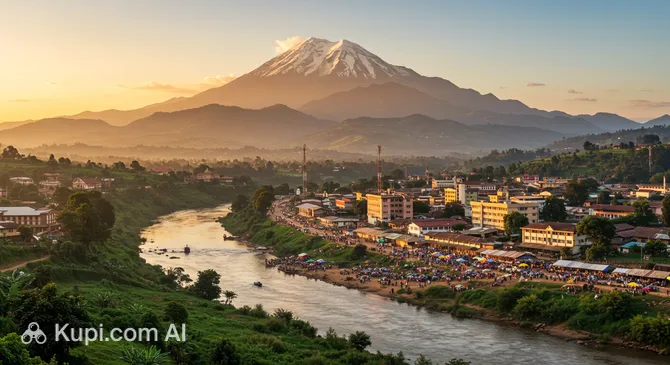
Kasese. Source: Kupi.Binoculars

Geographically, the city is uniquely situated just north of the equator, nestled between the rugged peaks of the "Mountains of the Moon" and the vast plains of the rift valley. The climate here is generally warm, making it a pleasant destination year-round. While the town originally developed around copper and cobalt mining, the history of Kasese has evolved, transforming it into a pivotal center for tourism and trade in the region.

Travelers flock to Kasese primarily for its proximity to world-class adventures. It is the main starting point for treks into the Rwenzori Mountains National Park, offering hikers the chance to explore snow-capped peaks and unique alpine flora. Additionally, the city is just a stone's throw away from the famous Queen Elizabeth National Park, where visitors can embark on safaris to see elephants, lions, and hippos in their natural habitat.

Whether you are an avid mountaineer or a wildlife enthusiast, Kasese provides the perfect base for your exploration. Its strategic location and welcoming spirit make it an essential stop for anyone wishing to experience the diverse beauty of Western Uganda.

Weather Overview

Kasese enjoys a mild and relatively consistent climate throughout the year, largely influenced by its proximity to the equator and the Rwenzori Mountains. Temperatures are comfortable and stable, with monthly averages typically staying between 20°C and 22°C. During the day, the weather is warm but rarely oppressive, with maximum temperatures peaking around 26.3°C in February, while nights remain cool with lows dipping to approximately 16°C.

Rainfall is a frequent occurrence in the region, contributing to the area's lush greenery. Travelers should be prepared for wet conditions, as precipitation is recorded on many days of the month; for instance, December can see rain on up to 30 days. The driest month is typically July, which experiences the lowest rainfall volume of about 4mm and fewer wet days compared to the rest of the year.

Because showers can happen even during drier periods, packing versatile clothing and rain gear is highly recommended. To help you plan your activities around the rain patterns, check the detailed guide to the weather in Kasese before your trip. Generally, you can expect warm days with frequent chances of rain, making it a unique destination for nature lovers.

Interesting Facts

Beyond the main attractions, Kasese holds many fascinating secrets that highlight its unique position in Uganda. From industrial heritage to geographical marvels, here are some intriguing facts about this vibrant town:
  • Snow on the Equator: Kasese is one of the few places on Earth where you can stand in a tropical savannah and view snow-capped peaks. The nearby Rwenzori Mountains feature permanent glaciers, creating a stunning visual paradox just kilometers from the equator.

  • End of the Line: For decades, the town served as the final western terminus of the historic Uganda Railway. The line was specifically extended here in the 1950s to transport copper, connecting the remote mountains directly to the Indian Ocean coast.

  • Ancient Salt Works: Just a short drive from the town lies Lake Katwe, a volcanic crater lake known for traditional salt mining. Local artisans have been harvesting salt here since the 16th century, using distinct mud-lined pans in a process that has remained largely unchanged for generations.

  • A City of Copper: The town's modern layout and growth were originally driven by the Kilembe Mines. Once a bustling center for copper and cobalt extraction, the mines left a lasting legacy on the town's infrastructure and economy before shifting focus to tourism and other industries.

How to Get There

Reaching this destination is the first step of your adventure in the Rwenzori region. Whether you prefer a quick flight or a scenic drive through the countryside, there are several options available. You can find more about how to get to Kasese and plan your journey in our detailed guide.

The most convenient way to arrive directly is via Kasese Airport (KSE), which is situated just 2.9 km from the town center. This facility primarily serves domestic flights and charters, offering a quick link for travelers coming from other parts of Uganda. Due to its close proximity, a transfer to the heart of the city takes only about 25 minutes by taxi or shuttle.

For international travelers, a significant nearby hub is Kigali International Airport (KGL), located in Kigali. Although it is approximately 236 km away in neighboring Rwanda, it is a large airport handling over a million passengers annually. The journey from Kigali to Kasese involves a road transfer that typically takes around 6 hours and 15 minutes, allowing you to experience the beautiful landscapes of the region along the way.

For clarity, here is a summary of the main airports in the vicinity:

Airport Name City Passenger Traffic Km from City
Kigali International Airport Kigali Large 235.9
Goma Airport Goma Medium 224.0
Kasese Airport Kasese Small 2.9
Kisoro Kisoro Small 165.6
Kihihi Kihihi 107.0

Main Attractions

Kasese is widely recognized as the adventure capital of Western Uganda, serving as the launchpad for some of the country's most iconic natural experiences. While the town itself is a commercial hub, its surroundings offer a diverse array of activities ranging from high-altitude trekking to classic savannah safaris. Here are the top attractions that draw travelers to this unique region.

Queen Elizabeth National Park is undoubtedly the area's most famous draw, located just a short drive from the town center. As Uganda's most popular national park, it boasts a staggering variety of wildlife, including elephants, buffaloes, leopards, and the famous tree-climbing lions found in the southern Ishasha sector. The park's diverse ecosystems, ranging from savannah to humid forests and sparkling lakes, make it a paradise for nature lovers and photographers alike.

For those seeking a physical challenge, Rwenzori Mountains National Park offers a world-class hiking experience. Often called the "Mountains of the Moon," this UNESCO World Heritage Site features the third-highest peak in Africa, Mount Stanley's Margherita Peak. Even if you aren't aiming for the summit, day hikes take you through surreal landscapes of giant heathers, lobelias, and moss-draped trees that look like they belong in a fantasy novel.

A highlight within the nearby wildlife reserves is the Kazinga Channel, a natural waterway connecting Lake Edward and Lake George. A boat cruise here is considered one of the best wildlife experiences in the country, allowing visitors to get up close to one of the world's largest concentrations of hippos and Nile crocodiles. The channel is also a haven for birdwatchers, attracting a multitude of water birds to its banks.

For a glimpse into the region's industrial heritage, a visit to the Kilembe Mines offers a different perspective. Nestled in the foothills of the Rwenzori Mountains, this area was once the heart of Uganda's copper mining industry. Today, visitors can explore the remnants of the mining infrastructure and enjoy guided walks that reveal the history of the town's development, all set against a backdrop of stunning mountain scenery.

Local Cuisine

The culinary landscape of Kasese is a delightful reflection of its geography, blending fresh produce from the fertile Rwenzori foothills with the bountiful catch from nearby lakes. Food here is hearty, organic, and deeply rooted in the traditions of Western Uganda. Visitors can expect meals that are not only filling but also bursting with natural flavors, often prepared using recipes passed down through generations.

At the heart of the local diet is Matooke, a staple made from starchy green bananas that are mashed and steamed in banana leaves. It is typically served with a rich, savory sauce made from groundnuts (peanuts), fresh beans, or meat. Another regional favorite is Kalo (millet bread), a dense and nutritious accompaniment often eaten with fish or beef stews. Given the town's proximity to Lake George and Lake Edward, fresh Tilapia and Nile Perch are widely available, usually enjoyed fried or simmered in a flavorful tomato and onion gravy.

For a quick and iconic bite, you must try the legendary Rolex. Far from a luxury watch, this popular street food consists of a chapati (flatbread) rolled around an omelet containing onions, tomatoes, and cabbage. It is ubiquitous in Kasese, found at roadside stalls and busy intersections, offering a delicious and affordable energy boost for travelers on the go.

The beverage culture in Kasese is equally vibrant. As the gateway to the Rwenzori region, the town is famous for its high-quality Arabica coffee. Sipping a freshly brewed cup of locally grown coffee while gazing at the mountains is a quintessential Kasese experience. For something traditional and non-alcoholic, try Obushera, a fermented millet or sorghum drink that is both refreshing and nutritious. On the stronger side, Waragi, a clear distilled gin made from bananas or millet, serves as the local spirit of choice for social gatherings.

Dining in Kasese ranges from casual street vendors to sit-down restaurants in the town center. The atmosphere is generally laid-back and welcoming. Exploring the local markets offers a sensory treat, where you can see the vibrant piles of fruits, vegetables, and spices that form the backbone of this delicious cuisine. Whether you are enjoying a simple meal at a local eatery or dining at a hotel, the hospitality of the people makes every meal memorable.

Travel Tips

Planning a trip to Kasese involves a bit of preparation to ensure you can fully enjoy the "adventure capital" of Western Uganda without any hitches. To help you navigate the local customs and logistics, we have compiled a list of essential practical tips for your journey.

  1. Clothing and Gear: Given the region's proximity to the Rwenzori Mountains, the weather can be unpredictable. Pack lightweight layers for the warm days, but absolutely bring a reliable raincoat or poncho, as showers are frequent. Sturdy, waterproof hiking boots are a must if you plan to trek or visit the national parks. While casual wear is acceptable, it is respectful to dress modestly (covering shoulders and knees) when walking around town or visiting markets.

  2. Transportation: Within the town, boda-bodas (motorcycle taxis) are the most common and convenient way to get around; always ask for a helmet and agree on the fare beforehand. For longer distances or trips to Queen Elizabeth National Park, hiring a private vehicle or using a tour operator is recommended for comfort and safety. Public minibuses (matatus) are available for inter-town travel but can be crowded.

  3. Finances: The local currency is the Ugandan Shilling (UGX). While some larger hotels and tour agencies accept US dollars or credit cards, cash is king in Kasese, especially in local shops, markets, and restaurants. There are several ATMs in the town center, but it is wise to withdraw enough cash when you can, as connectivity issues can sometimes occur. Tipping is not mandatory but is highly appreciated for good service.

  4. Health and Safety: Kasese is located in a malaria zone, so carrying strong insect repellent and sleeping under a treated net is crucial. Pharmacies are available in the town center for basic supplies, but for serious medical issues, head to a major clinic or hospital. Always drink bottled or filtered water rather than tap water. The town is generally safe, but exercise standard precautions like keeping valuables secure and avoiding unlit areas at night.

  5. Communication: English is the official language and is widely spoken, making communication relatively easy for tourists. However, learning a few words in Lukonzo or Rutooro, such as a simple greeting, will go a long way in connecting with locals. Wi-Fi is available in most hotels, but for reliable internet access on the go, consider buying a local SIM card (MTN or Airtel) upon arrival in the country.

  6. Local Etiquette: Ugandans are incredibly friendly and polite. It is customary to exchange a proper verbal greeting, such as "How are you?", before asking a question or starting a transaction. Handshakes are common, often prolonged or involving a gentle touch on the forearm. Always ask for permission before taking photographs of people, as privacy is valued.

  7. What to Avoid: Avoid taking photos of government buildings, military personnel, or police checkpoints, as this is strictly prohibited and can lead to legal trouble. Additionally, public displays of affection are culturally frowned upon and should be avoided to respect local conservative norms.

  8. Additional Tip: If you are a coffee lover, do not leave without buying some locally processed Rwenzori Arabica coffee. It is often sold in local markets or cooperative shops in town and makes for a delicious and authentic souvenir that supports local farmers.

By keeping these tips in mind, you will be well-equipped to experience the warmth and beauty of Kasese. Embrace the laid-back atmosphere, interact with the welcoming locals, and get ready for an unforgettable adventure in the shadow of the mountains.

Entertainment & Nightlife

While Kasese is primarily known as a daytime hub for trekkers and safari enthusiasts, the town comes alive with a vibrant, albeit modest, nightlife scene once the sun sets behind the Rwenzori Mountains. The entertainment here is less about high-end glitz and more about authentic local experiences, where travelers can mingle with residents over cold drinks and rhythmic music. The atmosphere is generally laid-back, friendly, and centered around socializing after a long day of adventure.

The nightlife is concentrated mainly in the town center and along the main roads leading to the major hotels. For those looking to dance or enjoy upbeat music, Skyz Lounge is a currently popular local establishment. It offers a classic Ugandan nightclub experience with a mix of Afrobeats, dancehall, and international hits, often drawing a lively crowd on weekends. It is a place where you can let loose and experience the energetic spirit of Western Uganda's youth culture.

For a more relaxed evening, Virina Gardens is a popular choice among both locals and visitors. This venue functions as a social hub where you can enjoy grilled meats, local beers, and conversation in an open-air setting. It strikes a balance between a restaurant and a bar, making it ideal for those who want to experience the local vibe without the intensity of a nightclub. Additionally, the bar at the Sandton Hotel offers a slightly more polished atmosphere, perfect for sipping a cocktail or a cold Nile Special on a terrace while enjoying the cool evening breeze.

Most venues do not have a strict dress code; casual attire is the norm, though leaving the muddy hiking boots at your hotel is appreciated. The best time to head out is usually after 8:00 PM. Prices in Kasese are very affordable compared to the capital, with beers and spirits costing a fraction of what you might pay in Kampala or international lodges. Cash is the primary method of payment, so ensure you have enough Ugandan Shillings on hand.

When enjoying a night out, safety is straightforward but important. The town center is generally safe, but it is advisable to avoid walking alone in poorly lit areas late at night. The most reliable way to get around or return to your accommodation is by using a boda-boda (motorcycle taxi). Always choose a rider who is at a designated stage or recommended by the venue security, and agree on the fare before hopping on.

Regarding daytime entertainment within the city limits, Kasese is quieter than major metropolises. You won't find large amusement parks or grand theaters here. Instead, daytime leisure focuses on cultural immersion. Visitors often spend their free time exploring the bustling Kasese Central Market, which offers a sensory overload of sights and sounds, or relaxing at hotel swimming pools which serve as de facto recreational centers for the town. For those interested in local industry, a guided walk around the old Kilembe copper mining infrastructure provides a unique open-air museum experience.

Parks & Museums

Kasese is a city defined more by its spectacular natural surroundings than by manicured urban gardens. While it lacks traditional city parks, the town serves as a green gateway where the boundaries between urban life and the wild wilderness blur. The area offers unique natural retreats and cultural venues that celebrate the region's rich history and artistic spirit.

Kiwa Heritage is perhaps the closest equivalent to a recreational park within the immediate vicinity of the town. Located along the Kilembe road, this community-run site is a favorite spot for locals and visitors alike. It features natural hot springs believed to have healing properties, set against the backdrop of the Nyamwamba River. Visitors can relax in the warm waters, enjoy a picnic on the riverbanks, or explore the small nature trails that wind through the lush vegetation, making it a perfect escape for a lazy afternoon.

For those seeking a serene green space with a view, the Kilembe Mines Golf Club offers more than just a round of golf. Nestled in the foothills of the Rwenzori Mountains, the course is one of the most scenic in East Africa. Even if you are not a golfer, the area provides a peaceful environment for walking and birdwatching. The well-maintained grounds offer unobstructed views of the misty mountain peaks, providing a stark and beautiful contrast to the industrial history of the nearby mines.

When it comes to culture and history, the Rwenzori Founders Art Centre is a must-visit gem located just a short drive from Kasese. This impressive gallery and bronze foundry showcases the incredible talent of local sculptors. Set on a hill with panoramic views, the centre displays a collection of exquisite bronze sculptures that reflect the wildlife, people, and folklore of the Rwenzori region. It is a world-class art venue in an unexpected rural setting, offering visitors a chance to see the casting process and purchase unique artworks.

The Kilembe Mines themselves serve as an open-air museum of sorts, narrating the industrial past of Kasese. Once the economic heartbeat of the region, the old mining infrastructure, colonial-era housing, and administrative buildings stand as monuments to the copper boom of the 1950s and 60s. Guided tours here provide a fascinating insight into the engineering feats of the past and the town's resilience, offering a historical perspective that complements the natural beauty of the area.

For an authentic insider experience, look out for the smaller community cultural centers often attached to eco-tourism initiatives. These venues frequently host traditional dance performances and storytelling sessions that dive deep into the Bakonzo culture. A visit to the local markets also acts as a living gallery of daily life, where the vibrant arrangements of fresh produce and the bustle of trade offer a raw and unfiltered look at the city's heritage.

Getting Around

Public transport in Kasese is informal, decentralized, and primarily road-based, reflecting the town's size and layout. Unlike major metropolitan areas with complex subway or tram networks, getting around here relies heavily on paratransit options that are flexible and readily available. The system is intuitive once you understand the local customs, offering an authentic way to navigate the streets and surrounding areas.

The most ubiquitous form of transport is the boda-boda (motorcycle taxi). You will see them on almost every corner, often gathered at specific points known as "stages." They are the fastest and most convenient way to travel short distances within the town or to reach nearby locations like the Kilembe Mines. For longer journeys or travel to neighboring towns, matatus (minibuses) are the standard. These 14-seater vans operate on set routes and typically depart from the main Taxi Park in the center of town once they are full.

The payment system is strictly cash-based; there are no electronic travel cards, passes, or mobile ticketing apps for local transport. You must pay the driver or conductor directly in the local currency. For matatus, fares are generally fixed for specific destinations, but for boda-bodas, the price is negotiable. It is crucial to have small denominations on hand, as drivers often struggle to find change for large bills.

For tourists, the golden rule of using boda-bodas is to negotiate the fare before you hop on. Ask a local or your hotel receptionist for the approximate price to your destination to avoid being overcharged. Safety is also paramount; always request a helmet, and if a rider does not have one for you, it is perfectly acceptable to decline the ride and find another. While transport is available throughout the day, options decrease significantly after dark, so plan your movements accordingly.

If you prefer more comfort or are traveling with luggage, special hire taxis (private cars) are available, though they are less common than motorcycles. These function like traditional taxis but do not have meters; you agree on a price for the trip beforehand. Rideshare apps are not widely used here, so you will need to find these vehicles at designated stands or have your hotel arrange one for you. Additionally, the town center is compact and relatively flat, making walking a viable and pleasant alternative for exploring the main markets and shops.

Accommodation

Finding the perfect place to stay in Kasese is straightforward, as the town serves as a welcoming hub for travelers exploring the Western Region of Uganda. The accommodation landscape here is diverse, ranging from budget-friendly guesthouses in the town center to scenic lodges nestled in the foothills. Whether you are here for business, a safari adventure, or a mountain trek, you will find options that suit your comfort level and budget.

For those seeking convenience and accessibility, the town center is the best choice. Hotels in this area are ideal for transit travelers, offering easy access to transport terminals, banks, and local markets. These establishments typically provide essential amenities such as Wi-Fi, en-suite bathrooms, and on-site restaurants. Staying centrally means you are never far from the vibrant pulse of daily life and the delicious street food stalls that line the main roads.

Travelers looking for a quieter atmosphere should consider accommodations in the Kilembe area. Located just a short drive from the central business district, this zone offers a more tranquil environment with breathtaking views of the Rwenzori Mountains. Many lodges here cater specifically to hikers and nature enthusiasts, featuring lush gardens and outdoor terraces where you can relax and soak in the cool mountain air after a day of exploration.

On the outskirts of town, particularly towards the boundary of Queen Elizabeth National Park, you can find eco-lodges and campsites that offer a safari-style experience. These spots are perfect for visitors who want to be close to nature, often providing opportunities to spot wildlife or enjoy birdwatching right from your balcony. They combine the rustic charm of the wilderness with the comforts of modern hospitality.

Practical Tips: Most mid-range and upscale hotels in Kasese accept credit cards, but it is always wise to carry some cash for smaller guesthouses or incidental expenses. Amenities like hot water and mosquito nets are standard in reputable places. Since Kasese is a popular tourist base, especially during the dry seasons (June to August and December to February), booking your accommodation in advance is highly recommended to secure the best rooms.

Nearby Cities

For those looking to explore the surroundings, Kasese serves as an excellent base for day trips to several interesting nearby locations:

City Population Distance (km)
Mbarara 195,013 107
Fort Portal 60,800 58
Mpondwe 58,600 38
Bushenyi 43,700 80
Ishaka 41,063 79

Among these neighbors, Fort Portal stands out as a premier destination for a day trip. Located just an hour's drive away, it is often celebrated as Uganda's cleanest and most scenic town. Known as the country's "Tourism City," it sits amidst lush tea plantations and offers stunning views of the Rwenzori ranges. Visitors here can explore the fascinating Amabere Ga Nyina Mwiru caves, visit the royal palace of the Tooro Kingdom, or use the town as a jumping-off point for tracking chimpanzees in the nearby Kibale Forest.

Heading south, Mbarara offers a deep dive into the rich culture of the Ankole region. Known as the "Land of Milk and Honey," it is famous for its long-horned Ankole cattle. A highlight for any visitor is the Igongo Cultural Centre, which houses an excellent museum detailing the history and traditions of the people of Western Uganda. It is a perfect spot to enjoy a traditional lunch and learn about the area's heritage before returning to Kasese.

For those interested in agricultural landscapes, the twin towns of Bushenyi and Ishaka provide a scenic drive through endless rolling hills covered in green tea estates. The area is known for its cool climate and offers a peaceful atmosphere, allowing travelers to witness rural Ugandan life and arguably taste some of the freshest tea in the region.

These nearby destinations offer a glimpse into the diverse culture and landscapes of the region, making them well worth the short journey.

Shopping & Souvenirs

Shopping in Kasese offers an authentic glimpse into the daily life of Western Uganda. While you won't find sprawling shopping malls or international luxury brands here, the town provides a vibrant selection of local markets and practical stores that cater to both residents and travelers preparing for their adventures in the nearby mountains and parks.

The hub of commercial activity is the Kasese Central Market. This bustling marketplace is a sensory delight, filled with stalls piled high with fresh, organic produce from the fertile Rwenzori foothills. Visitors can buy sweet tropical fruits like mangoes, pineapples, and passion fruit at very affordable prices. Beyond food, the market is an excellent place to shop for colorful Kitenge fabrics. These bold, patterned textiles are a staple of Ugandan fashion, and you can purchase lengths of cloth to take home or even have a local tailor craft a custom garment for you on the spot.

For those looking for unique souvenirs, the region is famous for its high-quality Rwenzori Arabica coffee. You can find bags of locally roasted beans in town, making for a perfect gift that captures the flavor of the "Mountains of the Moon." Additionally, look out for handmade crafts such as woven baskets, mats, and simple wood carvings. These items are often sold by local women's cooperatives or at small roadside stalls, and purchasing them directly supports the local community.

Since Kasese serves as the primary gateway for trekkers and safari-goers, the town is well-equipped with several modern supermarkets. These stores are essential stops for travelers needing to stock up on supplies before heading into the wilderness. You can easily find bottled water, snacks, toiletries, and other hiking or safari necessities in the town center, ensuring you are well-prepared for your journey ahead.

When shopping in Kasese, particularly in the open-air markets, keep in mind that cash is king. Credit cards are rarely accepted outside of major hotels and the largest supermarkets. Bargaining is also a common practice at market stalls; engaging in a friendly negotiation is expected and can be a fun way to interact with local vendors. In supermarkets and fixed-price shops, however, the price on the tag is final.

Reached the end of the page?

That means the route is fully explored