Support

Kigali

About

Kigali, the dynamic and rapidly developing capital of Rwanda, is often praised as one of the cleanest and most organized cities on the African continent. Known for its lush greenery, well-maintained boulevards, and a pervasive sense of safety, the city offers a refreshing blend of modern urbanism and traditional charm. It serves not only as the administrative and economic center of the nation but also as a vibrant cultural hub where travelers can experience the warm hospitality of the locals.

Geographically, the city is situated in the center of the country, sprawling across several ridges and valleys. This unique topography has earned Rwanda its nickname, "The Land of a Thousand Hills," and Kigali itself offers stunning panoramic views from almost every corner. With a population of over 1.1 million residents, the city enjoys a temperate tropical highland climate, making it a pleasant destination to visit year-round.
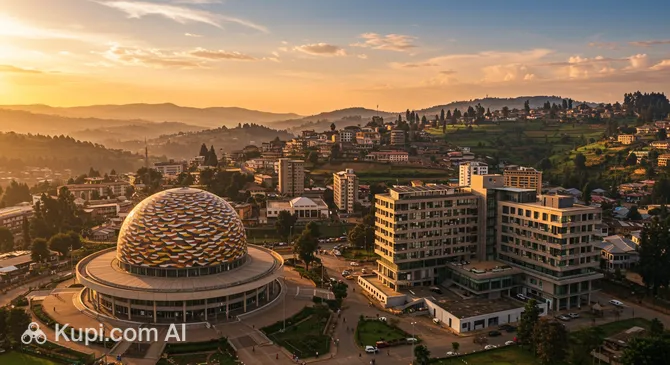
Kigali. Source: Kupi.Binoculars

While the city is embracing the future with gleaming convention centers and bustling art scenes, it also honors its past. Exploring the history of Kigali provides visitors with deep insights into how this resilience has shaped the metropolis into the peaceful and progressive beacon it is today. The city's transformation is evident in its lively neighborhoods, which are teeming with creativity and entrepreneurial spirit.

For tourists, Kigali offers a variety of engaging experiences. The Kimironko Market is a must-visit for those wanting to dive into local life; it is a sensory delight filled with colorful fabrics, fresh produce, and handcrafted souvenirs. Art enthusiasts will appreciate the Inema Arts Center, which showcases contemporary African art and dance, highlighting the country's thriving creative sector. Additionally, the iconic Kigali Convention Centre, with its dome lighting up the night sky, stands as a symbol of the city's modernity.

Whether you are starting a safari adventure or simply looking to explore a sophisticated urban landscape, Kigali is a destination that surprises and delights. Its welcoming atmosphere, combined with excellent dining and accommodation options, makes it the perfect place to begin your journey in this beautiful region.
Weather Overview

Thanks to its elevation, the city enjoys a moderate climate that avoids the intense heat often associated with equatorial regions. The weather in Kigali is generally mild and comfortable, with average temperatures hovering around 20°C year-round. Daily highs usually reach between 23°C and 26°C, while evenings remain cool with minimums dipping to approximately 15°C.

Rainfall patterns are the main seasonal differentiator for travelers to consider. The period from June to August constitutes the dry season, with July often seeing zero precipitation and clear skies. Conversely, the rest of the year tends to be wetter, particularly in April and November, which can experience rain on most days of the month. Expect warm, pleasant days throughout the year, but be prepared for frequent showers if you travel during the wetter seasons.

Interesting Facts

Beyond the main attractions and scenic hills, Kigali holds many fascinating secrets that showcase its transformation into a modern and progressive metropolis. The city is full of unique cultural habits and urban planning initiatives that often surprise and delight first-time visitors.
  • Kigali is widely recognized as one of the cleanest cities on the African continent, a status achieved partly through a strict ban on non-biodegradable plastic bags and "Umuganda," a mandatory community work day where residents come together on the last Saturday of every month to clean their neighborhoods.

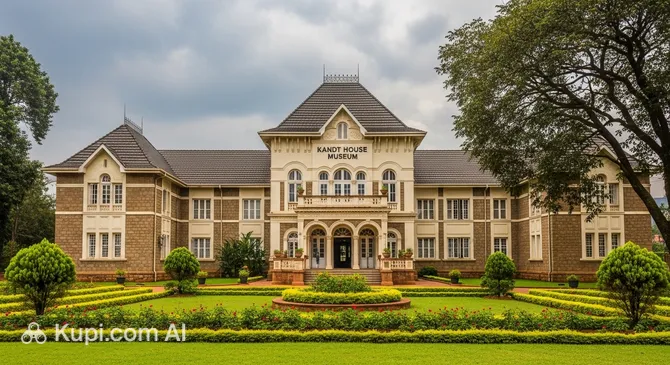
  • History enthusiasts can visit the Kandt House Museum, which is housed in the oldest surviving building in the city; it was formerly the residence of Richard Kandt, the first colonial resident of Rwanda, and now serves as a window into the early 20th-century history of the area.

  • The city has a vibrant pedestrian culture, best experienced at the Biryogo Car-Free Food Street in the Nyamirambo neighborhood, where the streets are closed to vehicles to allow locals and tourists to enjoy green tea and snacks in a lively, open-air setting.

  • Rwanda has a unique coffee heritage, and places like Question Coffee Gishushu serve as more than just cafes; they are educational hubs where visitors can learn about the entire coffee value chain and taste beans grown by local women cooperatives.

Kandt House Museum. Source: Kupi.Binoculars

How to Get There

Reaching the capital of Rwanda is a straightforward experience for most travelers, with air travel being the primary and most convenient method. As the central hub of the country, the city is well-connected to various international destinations. For a detailed breakdown of all transport options and routes, you can read more about how to get to Kigali.

The main gateway for visitors is Kigali International Airport (KGL). Conveniently located within Kigali itself, the airport is just 8.4 km from the city center. It is a modern facility that handles the majority of international traffic entering the country. The journey from the terminal to the downtown area is quick, typically taking about 33 minutes by taxi or shuttle service.

Travelers exploring the broader region might also consider airports in neighboring cities, though these require overland travel and border crossings. For example, Kisoro Airport (KXO) is located in the city of Kisoro, approximately 82 km from Kigali. The drive from there takes around 2 hours and 25 minutes. Another regional option is Goma Airport (GOM) in Goma, which is about 96.5 km away; reaching Kigali from there takes roughly 2 hours and 45 minutes by road.

For clarity, here is a summary of the main airports:

Airport Name City Passenger Traffic Km from City
Kigali International Airport Kigali Large 8.4
Goma Airport Goma Medium 96.5
Bujumbura International Airport Bujumbura Medium 173.5
Kisoro Kisoro Small 82.4
Kihihi Kihihi 141.3

Currently, Kigali does not have a railway station, and there are no passenger train services connecting the city to the rest of the region. Visitors who do not fly directly usually arrive by long-distance bus or private car. The road network leading to the capital is generally well-paved and offers scenic views of the country's famous rolling hills.

Main Attractions

Attractions:

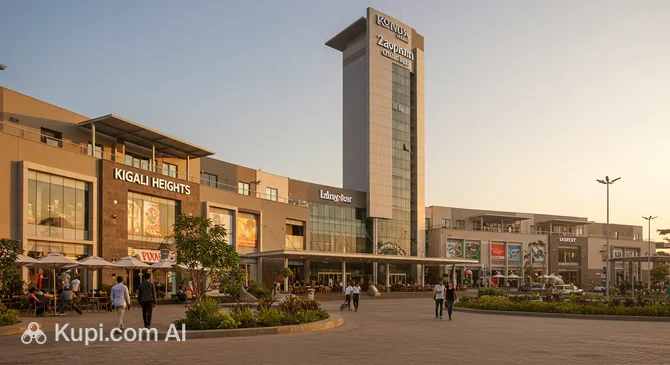
While the city is famous for its cleanliness and order, it also boasts a growing number of modern landmarks and leisure spots that showcase its rapid development. Visitors looking to experience the contemporary pulse of the capital should head to Kigali Heights. This striking dual-wing complex is a premier shopping and entertainment hub located in the heart of the Kimihurura neighborhood. It offers a mix of high-end retail stores, banking services, and a variety of restaurants, making it a perfect stop for those who want to enjoy modern architecture and a lively atmosphere.

Kigali Heights. Source: Kupi.Binoculars

For those seeking the best panoramic views of the "Land of a Thousand Hills," a visit to M Peace Plaza is highly recommended. As one of the tallest structures in the city, this building dominates the downtown skyline and serves as a major commercial center. Tourists often visit to shop at the various boutiques or simply to admire the sweeping vistas of the urban landscape and the rolling green hills that surround the city center.

Architecture enthusiasts and travelers looking for a unique place to relax will find The Manor Hotel intriguing. Known for its distinctive castle-like design, this establishment stands out in the Nyarutarama neighborhood. Even if you are not staying as a guest, it is a popular spot to visit for a meal or a drink, offering a touch of opulence and a chance to unwind in a setting that feels somewhat different from the typical architectural style of the region.

The Manor Hotel. Source: Kupi.Binoculars

To truly appreciate the local social scene, spending an evening at Choma'd Bar & Grill is a must. Located in Nyarutarama, this venue is celebrated not just for its food and drinks, but for its spectacular views overlooking the city lights and the golf course valley. It provides a relaxed, open-air environment where tourists can mingle with locals and expatriates while enjoying the cool evening breeze that the city is known for.

Local Cuisine

The culinary landscape of Kigali is a delightful reflection of its cultural diversity, offering a mix of hearty Rwandan staples and a growing international dining scene. The undisputed king of local food is the brochette. These grilled skewers, typically made of goat meat, beef, or fish, are marinated in savory spices and found in almost every neighborhood bar and restaurant. They are usually served with roasted Irish potatoes or deep-fried plantains, known locally as mizuzu, making for a simple yet incredibly satisfying meal.

For a more traditional experience, travelers should try Isombe. Despite its vibrant green appearance resembling spinach, this dish is actually made from pounded cassava leaves cooked with onions, eggplant, and spinach, often flavored with peanut sauce. It is a flavorful vegetarian side dish that perfectly complements starchy staples like ugali (maize porridge) or matoke (steamed cooking bananas). Another communal favorite is the "Big Fish," a large grilled tilapia served on a platter with onions and spices, typically eaten with hands and shared among friends.

The beverage culture in the city is equally fascinating. While Rwanda is famous globally for its high-quality coffee, the local traditional drink of choice is Urwagwa, a homemade beer brewed from fermented bananas and sorghum flour. For something non-alcoholic, the city has a unique tradition of "milk bars" (kuruhimbi), where locals gather to drink fresh or fermented milk, reflecting the deep cultural significance of cattle in the region. Standard lagers are also widely available and serve as a staple for social gatherings.

When it comes to dining out, the options range from casual eateries to sophisticated restaurants, with a particularly strong presence of Asian flavors. For instance, Kurry Kingdom is a well-regarded spot that serves authentic Indian cuisine, which has become a favorite among both expatriates and locals. Whether you are craving spicy curries or tandoori specials, the city's restaurant scene caters to a wide variety of palates.

Kurry Kingdom. Source: Kupi.Binoculars

Those looking for a relaxed atmosphere with a diverse menu might enjoy a visit to Nature Kigali. This establishment offers a pleasant setting to unwind after a day of exploring. Generally, the food in the capital is prepared with fresh, locally sourced ingredients that highlight the region's agricultural richness, ensuring that every meal is fresh and flavorful.

Travel Tips

Visiting Kigali is a refreshing experience, thanks to its remarkable cleanliness, safety, and organized urban layout. To help you navigate the "Land of a Thousand Hills" with ease and confidence, here are some practical tips to keep in mind before and during your trip.

  1. Clothing and Gear: Due to the city's elevation, the weather is pleasant but can change quickly. Pack light layers that you can easily add or remove; days are warm, but evenings can get surprisingly cool. Comfortable walking shoes are essential as the city is built on hills. While there is no strict religious dress code, Rwandans generally dress smartly and modestly, so avoid overly revealing clothing in public areas.
  2. Transportation: The fastest way to get around is by moto-taxi (motorcycle taxi). They are ubiquitous, affordable, and regulated; drivers provide helmets which you are required to wear. For a more comfortable ride, use ride-hailing apps like Yego or Move to book a car. Public buses are available and require a Tap&Go card, but they can be slower due to frequent stops.
  3. Finances: The local currency is the Rwandan Franc (RWF). While major hotels, supermarkets, and modern restaurants accept international credit cards (Visa is most common), you will need cash for local markets, moto-taxis, and smaller shops. ATMs are widely available throughout the city. Tipping is not strictly mandatory but is becoming common; rounding up the bill or leaving a small amount is appreciated.
  4. Health and Safety: Kigali is one of the safest capitals in Africa, but standard precautions like watching your belongings in crowded areas still apply. Pharmacies are easy to find and are marked with a green cross; some operate 24/7. Malaria is less common here than in low-lying areas due to the altitude, but carrying insect repellent is still wise.
  5. Communication: English is an official language and is widely spoken, especially in business and tourism sectors. French is also common, particularly among the older generation. Kinyarwanda is the local language; learning a simple greeting like "Muraho" (Hello) will earn you warm smiles. You can easily purchase a SIM card (MTN or Airtel) at the airport or in the city with your passport.
  6. Local Etiquette: Rwandans are polite and reserved. When greeting someone, a handshake is the norm, often supported by the left hand touching the right elbow as a sign of respect. Public displays of affection should be modest. The city takes great pride in its orderliness, so always queue patiently and respect public rules.
  7. What to Avoid: Do not bring plastic bags into the country. Rwanda has a strict ban on non-biodegradable plastic bags, and your luggage may be searched at the airport to confiscate them. Additionally, never litter. The city is impeccably clean, and dropping trash on the street is considered highly offensive and can attract a fine.
  8. Community Work Day: Be aware of Umuganda, a mandatory community service event that takes place on the last Saturday of every month from 8:00 AM to 11:00 AM. During these hours, businesses close and traffic is halted as residents come together to clean the streets. As a tourist, you are not expected to participate, but you should plan for a quiet morning as movement is restricted.

By keeping these simple guidelines in mind, you will find it easy to blend in and enjoy the unique rhythm of Kigali. The city's welcoming atmosphere and efficient systems make it a joy to explore, allowing you to focus on the stunning views and vibrant culture.

Entertainment & Nightlife

Entertainment and Nightlife:

Nightlife in Kigali is somewhat different from other bustling African metropolises; it is characterized by a relaxed, sophisticated, and incredibly safe atmosphere. While it may not have the chaotic energy of some neighboring capitals, the city offers a vibrant social scene that comes alive after sunset. The entertainment landscape ranges from high-end lounges and rooftop bars with stunning views to energetic local pubs where the music plays until dawn.

The city's nightlife is concentrated in a few key neighborhoods, each offering a distinct vibe. Kimihurura is often considered the culinary and social heart of the city, packed with expatriate-friendly bars and restaurants. For a more gritty and authentic local experience, Nyamirambo is the place to be; known as the "neighborhood that never sleeps," it is colorful, loud, and bustling with energy. Meanwhile, Nyarutarama and Kiyovu offer upscale venues suitable for a quiet drink in a luxurious setting.

For those looking to dance or enjoy a lively atmosphere, Chillax Lounge in Nyarutarama is a popular choice. It combines a restaurant setting with a club vibe, often hosting DJs and themed nights that attract a fashionable crowd. Another hotspot is Riders Lounge, conveniently located in Kigali Heights. It is a favorite among young professionals and tourists alike for its premium ambiance, extensive cocktail menu, and late-night parties on weekends.

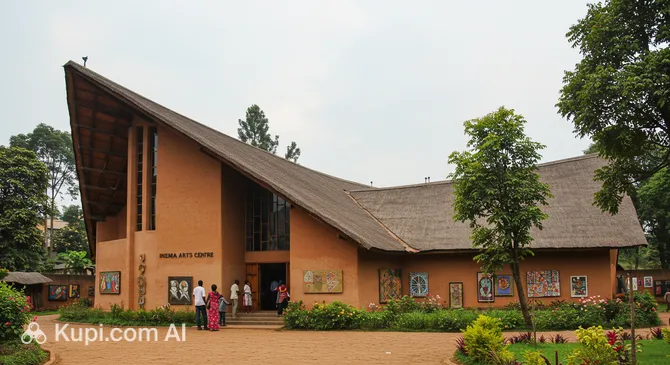
Inema Arts Centre. Source: Kupi.Binoculars

A unique feature of Kigali's entertainment scene is the blend of art and nightlife. A prime example is the Inema Arts Centre. While it serves as a gallery for contemporary African art during the day, on Thursday evenings it transforms into one of the city's liveliest venues, hosting a famous happy hour with live music and dance performances that draw large crowds of locals and travelers.

During the day, the entertainment shifts towards cultural and historical exploration. A visit to the Kigali Genocide Memorial is a profound and essential experience for understanding the country's resilience and history. For further historical context, the Belgian Peacekeepers Memorial offers a somber tribute at the site of a significant historical event. These sites provide a reflective counterpoint to the city's modern vibrancy.

Practical advice for enjoying Kigali at night revolves around safety and convenience. The city is safe for walking in well-lit areas, but it is always recommended to take a taxi late at night. Moto-taxis are a quick and cheap option for short distances, though regular cabs or ride-hailing apps like Move are better for groups or longer journeys. Most bars and clubs do not have a strict dress code, but "smart casual" is the standard. Prices are reasonable, with local beers costing around 1,000–2,000 RWF and cocktails ranging from 5,000 to 10,000 RWF.

Parks & Museums

Kigali is often celebrated as a garden city, where manicured green spaces and tree-lined avenues seamlessly blend with the urban environment. Beyond its reputation for cleanliness, the city offers a variety of serene parks and profound cultural institutions that allow visitors to connect with both the natural beauty of Rwanda and its complex, resilient history.

One of the city's most significant environmental achievements is the Nyandungu Urban Wetland Eco-Tourism Park. This expansive restored wetland has been transformed into a stunning recreational space featuring walking and cycling trails, medicinal gardens, and papyrus wetlands. It serves as a sanctuary for biodiversity, making it a perfect spot for birdwatchers and those seeking a peaceful escape from the city buzz. For a different kind of outdoor experience, Mount Kigali offers hiking enthusiasts the chance to trek through pine forests to the city's highest point, rewarding them with breathtaking panoramic views of the entire capital and the surrounding countryside.

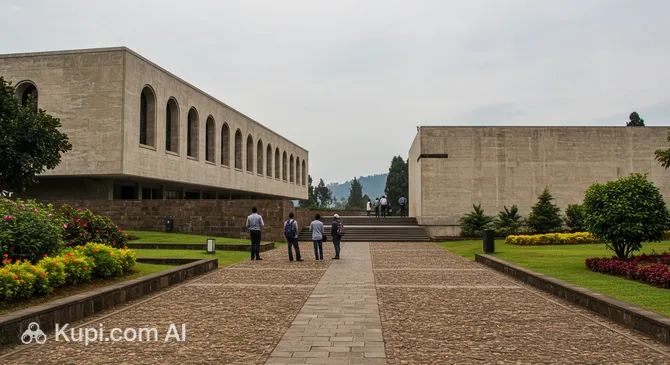
The city's museums are deeply moving and essential for understanding the country's journey. The Kigali Genocide Memorial is the most prominent of these sites. Located in Gisozi, it serves as the final resting place for over 250,000 victims of the 1994 Genocide against the Tutsi. The memorial is not only a place of remembrance but also an educational center with comprehensive exhibits that explain the history leading up to the genocide and the inspiring efforts toward reconciliation and peace-building that followed.

Kigali Genocide Memorial. Source: Kupi.Binoculars

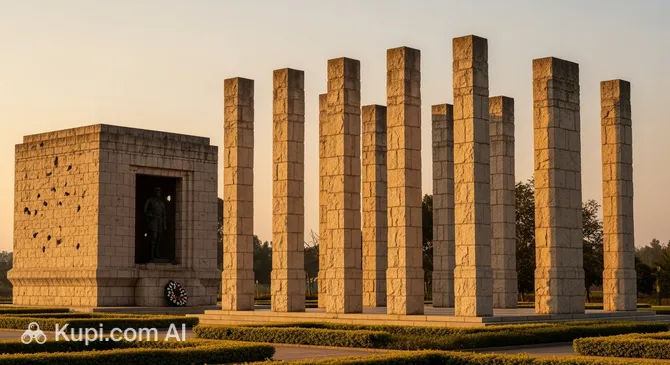
Another historically significant site is the Belgian Peacekeepers Memorial, also known as Camp Kigali. This somber monument pays tribute to the ten Belgian UN peacekeepers who were killed on the first day of the genocide while protecting the Prime Minister. The site features ten stone pillars, each carved with horizontal cuts representing the age of the soldier it honors, creating a powerful and haunting visual representation of lives cut short.

Belgian Peacekeepers Memorial. Source: Kupi.Binoculars

Kigali's cultural scene is also vibrant and forward-looking, with numerous galleries showcasing the nation's artistic talent. The Inema Arts Centre is a beacon of creativity, founded by two brothers to tap into the country's artistic potential. It features a mix of paintings, sculptures, and dance performances, providing a colorful contrast to the historical museums and highlighting the optimism of modern Rwanda.

For a lesser-known authentic experience, visit the Niyo Arts Gallery, where art is used to support street children, or take a walk through the pedestrian-friendly Imbuga City Walk in the city center. This car-free zone has been transformed into a green recreational area with benches, Wi-Fi, and landscaping, offering a unique glimpse into how the city is reclaiming public spaces for its residents.

Getting Around

Public transport in Kigali is efficient, organized, and exclusively road-based. The city does not have a metro, tram, or train system; instead, it relies on a well-coordinated network of large buses, mid-sized coasters, and the ubiquitous motorcycle taxis. This system covers the entire city effectively, navigating the hilly terrain to connect downtown areas with residential suburbs.

The fastest and most popular way to get around is by moto-taxi (motorcycle taxi). You will see them everywhere, easily identifiable by the drivers' uniforms. They are ideal for cutting through traffic and reaching destinations that might be difficult for larger vehicles to access. Safety is taken seriously here; drivers carry an extra helmet which passengers are required by law to wear. While some drivers now use meters, it is still common to agree on a fare before hopping on, or you can use ride-hailing apps to book one at a fixed price.

For a more economical option, the public bus system is the way to go. These buses run on specific routes and are generally clean and safe. A key feature of the bus network is that it is almost entirely cashless. To travel, you must purchase a Tap&Go smart card. These cards can be bought and topped up at agents located at major bus terminals and stops; look for agents wearing yellow vests with the Tap&Go logo. You simply tap your card on the reader at the bus entrance to pay your fare.

Fares are very affordable, typically costing a few hundred francs depending on the distance. Buses operate from early morning, around 5:00 AM, until late in the evening, usually winding down by 10:00 PM or 11:00 PM. However, frequencies can drop significantly after the evening rush hour. It is advisable to check the route map or ask a local for the correct bus number, as the network is extensive.

If you prefer more comfort or are traveling in a group, standard taxis are widely available. Unlike the motos, these are best booked via telephone or mobile apps rather than hailed on the street. Ride-hailing apps like Yego and Move are very popular and user-friendly, allowing you to book both cars and motorcycles with transparent pricing. This is often the best choice for tourists who are unfamiliar with the city's geography or local pricing norms.

Walking is also a viable option for short distances, thanks to the city's excellent sidewalks and pedestrian-friendly zones like the Imbuga City Walk. However, keep in mind that the city is built on hills, so be prepared for some steep inclines. Whether you choose a bus, a bike, or a cab, getting around is generally hassle-free and offers a great way to see the vibrant life of the city up close.

Accommodation

Finding the perfect place to stay in Kigali is relatively easy, as the city offers a diverse range of accommodation options to suit various budgets and preferences. The hospitality sector here has grown significantly, catering to everyone from backpackers seeking affordable hostels to business travelers and luxury seekers looking for five-star comfort. The standards of cleanliness and service are generally high across the board, reflecting the city's overall reputation for order and hospitality.

When choosing where to base yourself, location is key. Kiyovu is the most central and upscale neighborhood, hosting many of the large international hotel chains and offering easy access to the central business district. For travelers who want to be close to the best restaurants and nightlife, Kimihurura is the trendy choice, filled with boutique hotels and charming guesthouses. Meanwhile, Nyarutarama is an affluent residential area known for its quiet streets, golf course, and luxurious mansions, making it ideal for a more relaxed stay.

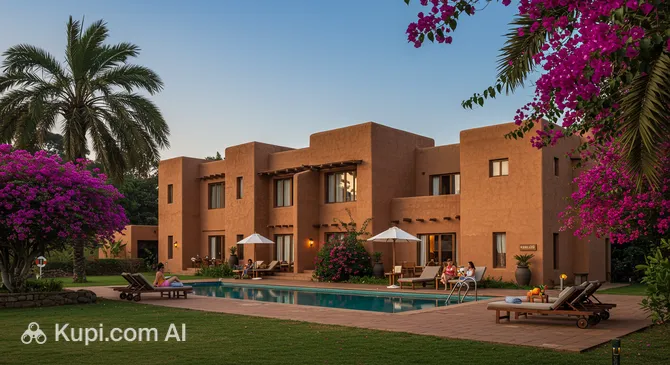
In the upscale Nyarutarama neighborhood, you will find establishments like The Manor Hotel. This property is a good example of the city's higher-end offerings, providing guests with extensive amenities such as a swimming pool, spa services, and on-site dining options that feature international cuisine. Staying in such areas often rewards travelers with excellent views of the rolling hills that define the city's landscape.

A crucial tip for booking accommodation in Kigali is to plan well in advance. The city is a major hub for international conferences and events, which can cause occupancy rates to spike and prices to rise unexpectedly. Checking the local event calendar before your trip can save you from limited availability. Most properties can be booked via major online platforms, though contacting smaller guesthouses directly can sometimes yield better rates.

Price ranges vary significantly depending on the level of luxury. Budget travelers can find decent hostels and guesthouses ranging from $20 to $50 per night. Mid-range hotels, offering modern amenities and breakfast, typically cost between $80 and $150. For luxury resorts and top-tier international hotels, expect to pay upwards of $200 per night. Regardless of your budget, you will likely find a welcoming and safe environment to rest after a day of exploring.

Nearby Cities

For those looking to explore the surroundings, Kigali serves as an excellent base for day trips to several interesting nearby locations:

One of the most popular excursions is to Musanze, located approximately 68 km from the capital. This town is the gateway to the majestic Volcanoes National Park and offers breathtaking views of the Virunga mountains. Even if you are not trekking to see the mountain gorillas, the area is famous for the historic Musanze Caves and the twin lakes of Burera and Ruhondo, making it a perfect spot for nature lovers and adventure seekers.

For a deep dive into the country's royal history, a trip to Nyanza is highly recommended. Situated about 57 km away, this town was the former royal capital of the kingdom. It is home to the King's Palace Museum, a reconstruction of the traditional royal residence where visitors can learn about ancient customs and see the magnificent Inyambo (long-horned royal cows) being sung to by their keepers.

If relaxation by the water is what you seek, Rubavu (also known as Gisenyi) is a scenic destination located on the shores of Lake Kivu. Although it is a bit further, at around 90 km, the drive offers spectacular views. Once there, you can enjoy sandy beaches, lakeside resorts, and boat rides, providing a tranquil contrast to the bustling energy of the city.

City Population Distance (km)
Nyanza 225209 57
Rubavu 136830 90
Muhanga 87613 38
Musanze 59333 68
Kabarore 50288 51

These nearby destinations offer a glimpse into the diverse culture and landscapes of the region, allowing travelers to experience everything from volcanic caves to royal traditions within a short drive.

Shopping & Souvenirs

Shopping in Kigali offers a refreshing blend of modern retail experiences and vibrant traditional commerce. As the city develops, it is fast becoming a hub for fashion, art, and local craftsmanship. Visitors can expect a clean, organized, and hassle-free environment, whether they are browsing through gleaming shopping complexes or haggling for fresh produce and handicrafts in bustling open-air markets.

For a contemporary shopping experience, the neighborhoods of Kimihurura and the Central Business District (CBD) are the primary destinations. These areas are home to upscale boutiques, bookstores, and electronics shops. If you are looking for local fashion designers and unique apparel, the lively streets of Nyamirambo offer a more eclectic mix of tailors and small shops where you can find custom-made clothing using colorful African fabrics.

The city boasts several modern malls that cater to international tastes. Kigali Heights in Kimihurura is a favorite among locals and tourists alike, offering a variety of clothing stores, banking services, and pharmacies in a sophisticated setting. In the downtown area, M Peace Plaza stands out not only as a commercial hub but also as a landmark building. It houses a range of retail outlets and offices, providing a convenient one-stop destination for shoppers in the city center.

M Peace Plaza. Source: Kupi.Binoculars

To truly understand the local culture, a visit to the city's markets is essential. The most famous is the Kimironko Market, a sprawling covered complex where you can find everything from fresh fruits and vegetables to second-hand clothing and household goods. It is particularly renowned for its fabric section, where skilled seamstresses can turn your chosen material into a custom outfit in just an hour. For a more tourist-focused experience, the Caplaki Craft Village is a cooperative of wooden huts selling a wide array of woodcarvings, jewelry, and pottery.

When searching for the perfect souvenir, Rwanda offers high-quality artisanal products. The iconic Agaseke (peace baskets), with their distinctive conical lids, are a symbol of the nation and make for beautiful home decor. Imigongo art, a traditional art form made from cow dung and natural pigments featuring geometric patterns, is another unique gift. Coffee lovers should not leave without a bag of local beans; visiting Question Coffee Gishushu allows you to purchase some of the finest specialty coffee while supporting women farmers.

Most shops in Kigali are open from around 8:00 AM to 8:00 PM, Monday through Saturday. On Sundays, major supermarkets and malls remain open, but smaller boutiques and downtown businesses may have reduced hours or be closed. While credit cards (Visa and Mastercard) are widely accepted in malls, hotels, and larger restaurants, cash is essential for local markets and smaller vendors. The local currency is the Rwandan Franc (RWF).

Tourists should also be aware of the tax refund system. Rwanda offers a VAT refund scheme for non-resident travelers on specific goods purchased from registered retailers. To claim this, ensure you obtain a tax invoice (EBM receipt) at the time of purchase and present your goods and documents at the customs counter at Kigali International Airport before departure.

Reached the end of the page?

That means the route is fully explored