Support

Kamembe

About

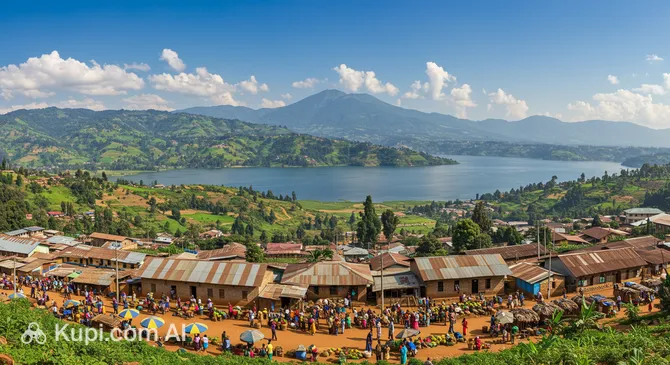
Kamembe is a lively and strategic town located in the Western Province of Rwanda. Situated at the southern tip of the majestic Lake Kivu, it serves as the administrative and economic capital of the Rusizi District. The city is known for its vibrant atmosphere, driven by its unique geographical position right on the border with the Democratic Republic of the Congo.

Kamembe. Source: Kupi.Binoculars

With a population of approximately 50,000 residents, Kamembe offers a fascinating blend of bustling commercial activity and serene lakeside beauty. The history of Kamembe has been largely defined by its role as a vital trade hub and a gateway between nations. Today, it remains an important urban center, easily accessible via Kamembe Airport, which provides regular connections to the capital.

Visitors are often captivated by the stunning views of Lake Kivu, where the lush green hills meet the water. The town serves as an excellent base for relaxation or for exploring the surrounding region, including nearby tea plantations. It is also a convenient starting point for travelers heading to the renowned Nyungwe Forest National Park, known for its incredible biodiversity and canopy walks.

Whether you are stopping by for business or seeking a scenic retreat by the water, Kamembe invites you to experience its warm hospitality and dynamic local culture. It is a destination that perfectly captures the charm of the country's western frontier.

Weather Overview

Kamembe enjoys a mild and temperate climate that remains relatively consistent throughout the year, making it a comfortable destination for travelers. Due to its elevation and proximity to Lake Kivu, the town avoids extreme heat, offering a pleasant atmosphere for exploration. For a detailed forecast and monthly averages, you can consult the guide to the weather in Kamembe to help plan your activities.

Temperatures in the area are remarkably stable, with average highs generally hovering between 22°C and 24°C and nighttime lows cooling down to around 15°C. This consistency means you rarely need to pack for extreme cold or heat, although a light jacket is recommended for the cooler evenings.

Rainfall patterns define the seasons more than temperature changes. Expect frequent precipitation during the long rainy periods, particularly from October through May, where rain can occur on more than 20 days a month. In contrast, the months of June and July are significantly drier, typically seeing only about 4 wet days each, making this the optimal time for outdoor excursions and enjoying the lakeside views without interruption.

Interesting Facts

Beyond the main attractions and scenic views, Kamembe holds fascinating secrets that offer a deeper look into its unique culture and geography.

  • The "Singing Fishermen" of the Lake: One of the most enchanting sights in Kamembe occurs after sunset. Local fishermen paddle out in unique three-hulled canoes, singing rhythmically as they work. They use kerosene lanterns to attract Isambaza, a small sardine-like fish, creating a mesmerizing effect that looks like floating stars on the dark water.

  • A Detached Primate Haven: While most travelers head to the main body of Nyungwe National Park, Kamembe is the closest urban center to the Cyamudongo Forest. This small, isolated fragment of rainforest was historically separated from the main park but remains home to a community of chimpanzees, offering a rare and intimate wildlife experience just a short drive from the town.

  • A Unique Energy Source: The waters off the coast of Kamembe are part of a rare geological phenomenon. Lake Kivu is one of the few places on Earth where methane gas is extracted from the deep water layers to generate electricity. This innovative process powers local homes and businesses, making the town's energy source scientifically distinct.

  • The Birthplace of a River: The town sits at the precise geographical point where Lake Kivu empties into the Rusizi River. This river begins its journey here, flowing southward to connect with Lake Tanganyika, and serves as a natural boundary that has shaped the region's history and trade for centuries.

How to Get There

Planning a trip to this scenic lakeside town requires some logistical preparation, as it is located in the Western Province near the border. For a detailed breakdown of routes and transport modes, you can read more about how to get to Kamembe on our dedicated page.

The primary gateway for most international visitors is Kigali International Airport (KGL) in the capital city. Although the straight-line distance to Kamembe is approximately 149 km, the actual travel options vary. From Kigali, travelers can connect via a convenient domestic flight to Kamembe Airport, which takes about 30 to 40 minutes. Alternatively, the journey by road offers beautiful views of the "Land of a Thousand Hills" but takes approximately 5 to 6 hours due to the winding nature of the route.

There are also airports in neighboring countries that appear geographically close, though they require crossing international borders. Goma Airport (GOM) is located in the Democratic Republic of the Congo, roughly 97 km away in a straight line. Another option is Bujumbura International Airport (BJM) in Burundi, situated approximately 104 km away linearly. Travelers considering these routes should account for customs procedures and road conditions, which make the travel time longer than the straight-line distance suggests.

For clarity, here is a summary of the main airports:

Airport Name City Passenger Traffic Km from City (Linear)
Kigali International Airport Kigali Large 149.2
Goma Airport Goma Medium 97.5
Bujumbura International Airport Bujumbura Medium 104.2
Kisoro Kisoro Small 161.1
Kihihi Kihihi 214.5

Main Attractions

Kamembe is a gateway to some of Rwanda's most captivating natural and cultural sites. While the town itself is bustling with commerce, its immediate surroundings offer diverse experiences ranging from primate tracking to serene boat rides. Here are the main attractions that make this destination worth visiting.

Lake Kivu is undoubtedly the centerpiece of the area's tourism. As one of Africa's Great Lakes, it offers breathtaking sunsets and opportunities for water-based activities. Tourists can take boat trips to explore the nearby islands or simply relax at the lakeside resorts that line the shore. The lake is safe for swimming and is free from hippos and crocodiles, making it a popular spot for water sports and leisure. A boat ride here also offers a unique view of the Democratic Republic of the Congo, which lies just across the water.

Just a short drive from the town center lies the Cyamudongo Forest, a small, detached fragment of the larger Nyungwe National Park. This isolated patch of rainforest is incredibly rich in biodiversity and is one of the best places in Rwanda for chimpanzee trekking. Because the forest is smaller than the main body of Nyungwe, sightings of the resident chimpanzee community can sometimes be easier here. It is also a haven for birdwatchers, hosting rare species that are endemic to the Albertine Rift.

For a cultural and scenic experience, a visit to the Shagasha Tea Estate is highly recommended. Located in the rolling hills surrounding Kamembe, this vast plantation showcases the region's agricultural heritage. Visitors can take guided tours to walk through the immaculate rows of green tea bushes, learn about the harvesting and processing methods, and taste some of the finest tea in the country. The vivid green landscape against the backdrop of the mountains provides excellent photography opportunities.

Nkombo Island offers a distinct cultural adventure accessible by a short boat ride from Kamembe. The island is inhabited by a community that speaks a unique dialect and maintains traditional fishing practices. A visit here allows tourists to experience a different side of Rwandan life, observe the traditional wooden boats used by local fishermen, and enjoy the peaceful island atmosphere. It is a hidden gem that provides a deep dive into the local heritage away from the standard tourist trails.

Local Cuisine

To experience the local cuisine of Kamembe is to dive into the fresh flavors of Lake Kivu. The town's culinary scene is heavily defined by its waterfront location, offering some of the freshest seafood in the region. Dining here often comes with a view, where the breeze from the lake complements the hearty and authentic Rwandan dishes served at local eateries and hotels.

The undisputed star of the local menu is Sambaza, small sardine-like fish caught nightly by the fishermen on the lake. These are typically deep-fried until crispy and served with a side of lemon and mayonnaise, making for a perfect appetizer or snack. Another lakeside favorite is fresh Tilapia, which is often grilled whole or stewed in a rich tomato and onion sauce. It is usually accompanied by chips (fries) or roasted potatoes, providing a filling meal that highlights the bounty of the water.

Beyond seafood, the town shares the national love for Brochettes. These skewers of marinated goat meat, beef, or fish are grilled over charcoal and are a staple of Kamembe's nightlife and social dining. They are best enjoyed with traditional sides like Matoke (steamed savory bananas), cassava, or Ugali, a stiff maize porridge that serves as a perfect vessel for soaking up sauces and stews.

When it comes to drinks, visitors should try Urwagwa, a traditional banana beer that is fermented locally and plays a significant role in social gatherings. For non-alcoholic options, the region's fertile soil produces excellent coffee and tea. Since the town is surrounded by hills covered in plantations, ordering a pot of locally sourced tea is a must for a relaxing afternoon. Fresh fruit juices, particularly passion fruit and tree tomato, are also widely available and incredibly refreshing.

The food culture in Kamembe is relaxed and unpretentious. Locals and tourists alike gather at lakeside restaurants to enjoy the sunset while dining. For a more immersive experience, the local markets offer a colorful array of fresh tropical fruits, such as mangoes, pineapples, and small sweet bananas, which are a staple part of the daily diet in this vibrant border town.

Travel Tips

Visiting Kamembe offers a unique blend of lakeside relaxation and the bustling energy of a border town, but knowing a few local nuances can make your trip much smoother. To help you navigate everything from transport to local customs, here is a list of practical tips to ensure a hassle-free experience in this scenic corner of Rwanda.

  1. Clothing and Gear: The climate in Kamembe is generally mild and pleasant, so pack breathable, casual clothing for the day. However, evenings can get cool (around 15°C), so bringing a light jacket or sweater is essential. Since rain is common, especially from October to May, a sturdy umbrella or a waterproof raincoat is a must. If you plan to visit the nearby tea plantations or Cyamudongo Forest, bring comfortable, closed-toe walking shoes with good grip.
  2. Transportation: The most popular and efficient way to get around Kamembe is by moto-taxi (motorcycle taxi). They are everywhere, affordable, and quick. Always ensure the driver provides a helmet, which is mandatory by law. For longer distances or if you prefer more comfort, regular taxis are available but more expensive. Walking is also a great option in the town center, as it is relatively compact.
  3. Finances: The local currency is the Rwandan Franc (RWF). While some larger hotels and restaurants may accept Visa or Mastercard, cash is king in local markets, small shops, and for transport. ATMs are available in the town center (look for Bank of Kigali or I&M Bank). It is wise to carry smaller denominations for tips and small purchases. Tipping is not strictly mandatory but is appreciated for good service; rounding up the bill or leaving a small amount is common.
  4. Health and Safety: Kamembe is generally safe, but standard precautions apply. As it is located near a lake in a tropical region, mosquitoes can be present, so carrying and using insect repellent is highly recommended to prevent malaria. Pharmacies are available in the town center for basic supplies. Tap water is not safe for drinking; always stick to bottled or filtered water.
  5. Communication: Kinyarwanda is the primary language, but English is widely spoken in tourism and business circles. Due to the proximity to the Democratic Republic of the Congo, French is also very commonly used here, often more so than in other parts of the country. Learning a simple greeting like "Muraho" (Hello) will go a long way with the locals. SIM cards from major providers like MTN and Airtel are easy to buy and register with your passport.
  6. Local Etiquette: Rwandans are polite and reserved. When greeting someone, a handshake is standard, often supported by the left hand touching the right elbow as a sign of respect. Plastic bags are strictly banned to protect the environment; ensure you do not bring them into the country or use them in town, as they can be confiscated.
  7. What to Avoid: Avoid eating or drinking while walking on the street, as this is culturally considered rude or undignified. Additionally, be very cautious about photography near the border posts (Rusizi I and Rusizi II) and any military or police installations; taking photos of these areas is strictly prohibited and can lead to legal trouble.
  8. Community Work Day: Be aware of Umuganda, a mandatory community work service that takes place on the last Saturday of every month from 8:00 AM to 11:00 AM. During this time, shops are closed, and traffic is halted. It is best to plan a relaxing morning at your hotel or participate if invited, as traveling during these hours is restricted.

By keeping these practical tips in mind, you will be well-prepared to enjoy the vibrant culture and stunning views of Kamembe without any surprises. Embrace the local rhythm, enjoy the fresh breeze from Lake Kivu, and have a wonderful time exploring this dynamic western gateway.

Entertainment & Nightlife

Entertainment in Kamembe is a unique reflection of its status as a bustling border town. While it may not offer the high-end nightclubs found in larger capitals, the nightlife here is vibrant, fueled by a mix of locals, expatriates, and visitors from the neighboring Democratic Republic of the Congo. The atmosphere is generally relaxed but energetic, with a strong emphasis on socializing over drinks, music, and freshly grilled food.

For a sophisticated evening with stunning views, the lakeside area is the place to be. Emeraude Kivu Resort is a standout venue where visitors can enjoy a cocktail or a cold beer while watching the sunset over Lake Kivu. The ambiance here is tranquil and upscale, making it perfect for a quiet night out or a romantic evening. The bar often stays open late, offering a comfortable setting to unwind after a day of exploring.

If you are looking for a more upbeat vibe, the town center offers several lively spots. Rusizi Progress Hotel is a well-known establishment that frequently hosts events and attracts a diverse crowd. On weekends, the energy picks up significantly, with music ranging from the latest international hits to the beloved Congolese Rumba and Soukous, which are incredibly popular in this region due to the proximity to the border.

The local bar culture is also an essential part of the nightlife experience. Scattered throughout the main streets, you will find smaller pubs and "cabarets" where the atmosphere is unpretentious and friendly. These venues are great places to mingle with residents, enjoy a bottle of local Primus or Mutzig beer, and soak in the authentic rhythm of the town. The dress code is almost exclusively casual; there is no need to dress up unless you are attending a specific function at a high-end hotel.

Practicality and safety are key for a night out in Kamembe. The town is generally safe for walking in well-lit areas, but it is always advisable to take a moto-taxi when moving between venues at night. These motorcycle taxis are plentiful, affordable, and the standard mode of transport. A short ride within the town typically costs a small amount, but always agree on the price beforehand. While the main streets are secure, avoid wandering near the immediate border crossings late at night, as these are sensitive zones.

Beyond the nightlife, Kamembe offers modest but enjoyable daytime entertainment options. The local markets are a hub of activity where you can observe daily life and shop for colorful fabrics or fresh produce. For a more cultural experience, visitors often head to the nearby tea plantations for tours or take boat rides on Lake Kivu to visit islands like Nkombo. While the town lacks large amusement parks or theaters, the natural beauty and cultural vibrancy provide plenty of engagement during the daylight hours.

Parks & Museums

While Kamembe is primarily known as a commercial hub and a lakeside retreat, its cultural and natural landscape offers a surprising depth for those willing to explore. The city does not boast a wide array of traditional indoor museums, but it compensates with vibrant art initiatives, living history in its streets, and immediate access to some of Rwanda's most significant natural reserves.

Cyamudongo Forest stands out as the premier natural attraction in the immediate vicinity. Although it is a detached fragment of the larger Nyungwe National Park, it is geographically closer to Kamembe, making it an accessible day-trip destination. This small but dense rainforest is famous for hosting a habituated community of chimpanzees, offering an intimate trekking experience often described as more rugged and authentic than in larger parks. Beyond primates, the forest is a botanical treasure trove, home to rare orchid species and a variety of Albertine Rift endemic birds that thrive in its thick canopy.

For a different kind of greenery, the Shagasha Tea Estate offers a manicured, scenic alternative to the wild rainforest. Located in the rolling hills surrounding the city, this vast plantation functions as both an agricultural site and a scenic park for visitors. The endless rows of vivid green tea bushes create a calming, carpet-like landscape against the backdrop of the mountains. Visitors can walk through the fields, learn about the tea-making process from leaf to cup, and enjoy the fresh, high-altitude air that defines the region's climate.

In terms of cultural institutions, the Bwiza Art Centre is the city's creative heartbeat. Founded by local artists to foster talent in the Western Province, this gallery and workshop space showcases contemporary Rwandan art with a focus on regional themes. It serves as a community hub where tourists can view and purchase paintings, sculptures, and crafts created by local youth. The center often hosts workshops and cultural exchanges, providing a unique window into the modern artistic expression of the lakeside community.

Since Kamembe lacks a traditional history museum, the Old Town and Colonial Architecture serve as an open-air gallery of the city's past. A walk through the older districts reveals a collection of colonial-era buildings that date back to the time when this was a key administrative post. These structures, with their distinct architectural styles, tell the story of the town's evolution from a colonial trading post to a modern border city. Combining this with a visit to the nearby Nkombo Island—where the community preserves a unique dialect and traditional fishing lifestyle—offers a "living museum" experience that is far more interactive than a static display.

For a truly authentic local experience, take a short trip to the Mashyuza Hot Springs (Cimerwa). Located just a drive away, these natural thermal waters are a popular gathering spot for locals who believe in their healing properties. It is a raw, uncommercialized site where you can soak your feet in the warm water and observe the geological forces of the Rift Valley at work, all while mingling with residents in a relaxed, informal setting.

Getting Around

Navigating Kamembe is a straightforward and authentic experience, as the public transport system is informal and relies almost entirely on road networks. Unlike larger global metropolises, there are no metros, trams, or trains here. Instead, the town operates on a flexible system of motorcycle taxis, bicycles, and minibuses that provide efficient connectivity across the hilly terrain and towards the lakeside areas.

The most popular and efficient way to get around is by Moto-taxi (motorcycle taxi). These are ubiquitous and can be found at nearly every street corner or designated parking stage. They are ideal for the town's winding roads and can cut through traffic easily. For shorter distances on flatter terrain, you may also see bicycle taxis, which offer a slower, eco-friendly, and very affordable alternative. For travel between Kamembe and neighboring sectors or the border posts, shared minibuses (often referred to locally as matatus or twegerane) are the standard choice. They wait at designated terminals until full before departing.

Payment in Kamembe is predominantly cash-based. While the capital city has implemented electronic card systems for buses, transport in this smaller town still operates on physical currency. Fares for moto-taxis are not metered; instead, the price is negotiated before the journey begins. It is helpful to ask a local or hotel staff for the approximate rate to your destination to avoid overpaying. Carrying small denominations of the local currency is essential, as drivers often do not have change for large bills.

For tourists, using moto-taxis comes with a few important rules. Helmets are mandatory for both the driver and the passenger. Professional riders wear numbered vests, which helps identify them as registered operators. If you are not comfortable on a bike, "Special Hire" taxis (regular cars) are available, though they are significantly more expensive and usually need to be booked by phone or arranged through your hotel, as they do not typically cruise the streets looking for passengers.

Given Kamembe's location on the shores of Lake Kivu, water transport is a unique feature of the local system. Small motorized boats connect the mainland to places like Nkombo Island and other lakeside communities. These boats often operate like water taxis, leaving when they have enough passengers. It is a scenic and practical way to travel that offers beautiful views of the surrounding hills.

Most transport operates from early morning until late evening, but availability drops significantly after dark. If you plan to be out late, it is wise to arrange your return transport in advance. Walking is also a viable and pleasant option for exploring the town center, which is compact and safe, allowing you to soak in the atmosphere at your own pace.

Accommodation

Accommodation in Kamembe caters to a wide spectrum of travelers, ranging from backpackers crossing the border to luxury seekers looking for a serene lakeside retreat. As a major transit hub and a tourist destination in its own right, the city offers a mix of basic guesthouses, functional business hotels, and upscale resorts. The hospitality standards have risen significantly in recent years, ensuring that visitors can find comfortable lodgings that suit both their preferences and their budget.

The choice of location largely depends on the purpose of your visit. The most coveted area is undoubtedly along the shores of Lake Kivu. Hotels here capitalize on the stunning geography, offering rooms with panoramic views of the water and the Democratic Republic of the Congo in the distance. This area is ideal for tourists seeking relaxation and scenic sunsets. Conversely, the town center is perfect for business travelers and those needing quick access to transport links, such as the bus terminal or the border post. Staying in the center places you in the heart of the commercial buzz, though it may be less tranquil than the lakeside options.

For those seeking a higher standard of comfort, the city boasts several well-regarded establishments. Emeraude Kivu Resort is a favorite among leisure travelers for its beautiful gardens and proximity to the lake, offering a blend of nature and luxury. Another prominent option is the Mantis Kivu Marina Bay Hotel, which stands out as a modern, high-end facility providing top-tier amenities and serving as a landmark for hospitality in the Western Province. These hotels typically offer full-service restaurants, Wi-Fi, and conference facilities.

When planning your stay, it is advisable to book in advance, especially during weekends or public holidays when domestic tourism peaks. While walk-ins are often possible at budget guesthouses, the premier rooms with lake views at the top resorts tend to sell out quickly. Checking availability ahead of time ensures you secure the best vantage point for enjoying the region's beauty.

In terms of pricing, Kamembe is generally affordable compared to the capital. Budget travelers can find clean and basic rooms for a modest fee, often paid in cash upon arrival. Mid-range and luxury hotels are priced higher but offer international standards of service and usually accept credit cards and online bookings. Whether you choose a simple lodge or a resort suite, the warm hospitality of the region remains a constant highlight of the experience.

Nearby Cities

Nearby Cities:

Kamembe’s location in the Western Province places it within reach of several other key destinations in Rwanda. While the "Land of a Thousand Hills" is relatively compact, the winding, scenic roads mean that travel between cities is often measured in hours rather than just kilometers. Exploring these nearby urban centers offers a broader perspective on the country’s diverse culture, history, and landscapes.

The following cities are located within a reasonable distance and offer their own unique attractions, from the royal history of Nyanza to the bustling capital of Kigali:

City Population Distance (Linear)
Nyanza 225,209 96 km
Rubavu 136,830 98 km
Muhanga 87,613 105 km
Musanze 59,333 136 km
Kigali 1,156,663 143 km

Travelers should note that the distances listed are straight-line estimates. Actual road distances will be longer due to the mountainous terrain. For instance, the journey to Rubavu (Gisenyi) follows the breathtaking Congo Nile Trail route along Lake Kivu, while the trip to Nyanza takes you inland towards the country's cultural heart.

Shopping & Souvenirs

Shopping in Kamembe offers a vibrant and authentic glimpse into the commercial life of a strategic border town. Unlike the capital city, you will not find sprawling luxury shopping complexes here. Instead, the retail experience is defined by bustling local markets, small independent boutiques, and the lively cross-border trade that flows between Rwanda and the neighboring Democratic Republic of the Congo. It is an excellent place to find fresh local produce, colorful textiles, and regional specialties at affordable prices.

The primary commercial hub is located in the Town Center, particularly along the main roads that converge near the central roundabout and extend towards the Rusizi border post. This area is always teeming with activity and is lined with a variety of shops selling everything from electronics and hardware to clothing and household goods. A stroll down these streets allows visitors to soak in the energetic atmosphere of the district.

Travelers should manage their expectations regarding shopping malls. Kamembe does not possess large, Western-style malls with international brand franchises. However, there are several multi-story commercial buildings and mini-supermarkets in the center where you can purchase imported groceries, toiletries, and travel essentials. These establishments offer a more modern shopping environment for those looking for fixed prices and familiar products.

The heart of the local shopping scene is undoubtedly the main Kamembe Market. This sprawling marketplace is a sensory delight, filled with the aroma of fresh spices and the bright colors of tropical fruits. It is the best place to buy fresh fish from Lake Kivu, particularly the famous Sambaza, as well as vegetables and grains. The market also features a section dedicated to clothing and fabrics, where you can observe the daily rhythm of local commerce and practice your bargaining skills.

For those looking to take a piece of the region home, there are several excellent souvenirs to consider. Given the town's location amidst lush hills, buying locally produced tea and coffee is highly recommended; packets from the nearby Shagasha Tea Estate make for perfect gifts. Additionally, the market is a great spot to find Kitenge (colorful African wax print fabrics), which can be bought by the yard or tailored into clothing. Traditional Rwandan handicrafts, such as the iconic Agaseke (peace baskets), can also be found in smaller artisan shops or cooperative stalls.

Opening hours in Kamembe generally follow the daylight. Most shops and market stalls open around 8:00 AM and close between 6:00 PM and 7:00 PM. Sundays are typically quieter, with some smaller shops remaining closed or opening for shorter hours. Regarding payment, cash is the absolute king. While a few larger supermarkets or hotels may accept credit cards, the vast majority of vendors in the markets and street shops deal exclusively in Rwandan Francs (RWF). Mobile money is also widely used by locals, but tourists are best advised to carry sufficient cash.

Regarding Tax-Free shopping, while Rwanda does have a VAT refund system for international visitors departing from Kigali International Airport, it is generally not applicable to the types of purchases made in Kamembe's local markets or small shops. To qualify, one usually needs specific electronic tax invoices from registered merchants, which are rarely issued in the informal retail sector of this border town.
Reached the end of the page?

That means the route is fully explored