Support

Bujumbura

About

Welcome to Bujumbura, the vibrant economic capital and largest city of Burundi. Situated on the northeastern shores of the majestic Lake Tanganyika, this bustling metropolis serves as the country's main port and offers a unique blend of urban energy and lakeside relaxation. Known affectionately by locals as "Buji," the city is celebrated for its colonial-era architecture, lively markets, and a distinctively laid-back atmosphere that captivates visitors from the moment they arrive.
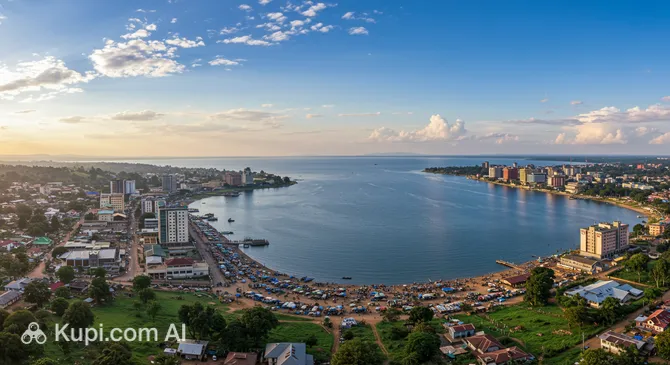
Bujumbura. Source: Kupi.Binoculars

Geographically, Bujumbura enjoys a stunning location with the deep blue waters of the lake on one side and imposing mountains on the other. The city is home to over 1 million residents, making it the heartbeat of the nation. Its tropical savanna climate ensures warm temperatures year-round, perfect for exploring the outdoors. While the city has grown significantly over the decades, you can learn more about its origins and development by exploring the history of Bujumbura, which traces its path from a small village to a major regional hub.

Travelers are often drawn to the city's proximity to nature and its vibrant social scene. One of the top highlights is the Rusizi National Park, located just a short drive away, where visitors can spot hippos, crocodiles, and numerous bird species in the delta of the Rusizi River. Within the city limits, the sandy beaches along Lake Tanganyika, such as Saga Beach, are popular spots for swimming, dining, and enjoying spectacular sunsets. Additionally, the Livingstone-Stanley Monument, marking the location where the famous explorers are said to have visited, offers a touch of historical intrigue.

Whether you are here to enjoy the fresh fish from the lake, explore the local culture, or simply relax by the water, Bujumbura promises a memorable experience. The city's welcoming hospitality and scenic beauty make it an essential stop for anyone wishing to discover the heart of East Africa.

Weather Overview

Visitors to this lakeside city can expect a consistent tropical climate that remains pleasantly warm throughout the year. The weather in Bujumbura is defined by stable temperatures and distinct variations in rainfall, making it a comfortable destination for outdoor activities. Average temperatures generally hover around 23°C, with daytime highs typically reaching up to 28°C and cooler evenings dipping to around 18°C or 19°C.

The city experiences two main weather patterns: a drier season and a wetter season. The months of June, July, and August are the driest, often seeing as few as 5 to 9 wet days per month, which is ideal for spending time on the beaches of Lake Tanganyika. In contrast, the period from November through April brings more frequent precipitation; December, for instance, can experience rain on up to 24 days. Expect warm conditions year-round with frequent showers during the wet season and clearer, drier skies during the middle of the year.

Interesting Facts

Beyond the main attractions, Bujumbura holds many fascinating secrets and unique quirks that define its character.

  • One of the city's most unusual features is its nocturnal wildlife; hippos are frequently known to leave the waters of Lake Tanganyika at night to graze on the grassy banks and even the lawns of lakeside establishments.

  • The Rusizi River delta, located on the city's outskirts, is the legendary territory of "Gustave," a massive Nile crocodile that has become part of local folklore and international nature documentaries due to his immense size and elusive nature.

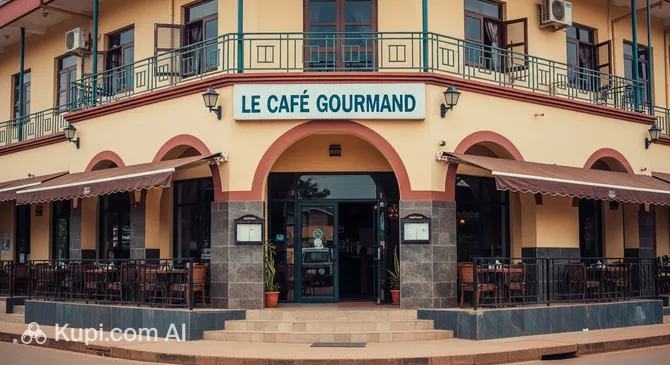
  • Despite its location in the heart of Africa, the city maintains a sophisticated culinary tradition with a strong French influence, particularly visible in its bakeries. Visitors can enjoy high-quality pastries and local coffee at popular venues like Le Café Gourmand.

  • Lake Tanganyika is so vast and deep that it behaves more like an inland sea than a typical lake, exhibiting measurable tides and occasionally hosting storms that create ocean-sized waves crashing onto the city's sandy shores.

Le Café Gourmand. Source: Kupi.Binoculars

How to Get There

Reaching this lakeside capital is relatively straightforward, with air travel being the most convenient method for international visitors. You can find a detailed guide on how to get to Bujumbura to help plan your journey efficiently.

The primary gateway to the city is Bujumbura International Airport (IATA: BJM). It is conveniently located just 6.2 km from the city center, making the transfer quick and easy. A taxi ride to the downtown area typically takes about 15 to 20 minutes, depending on traffic. As the main airport in the country, it handles the majority of international arrivals and offers essential services for travelers.

Alternatively, some travelers may choose to fly into Kigali International Airport (IATA: KGL) in Kigali, Rwanda. Although it is approximately 177 km away from Bujumbura, it serves as a major regional hub with numerous international connections. Traveling from Kigali to Bujumbura involves a longer overland journey, often by bus or private transfer, which can take several hours depending on border procedures and road conditions.

For clarity, here is a summary of the main airports:

Airport Name City Passenger Traffic Km from City
Kigali International AirportKigaliHigh177.0
Goma AirportGomaMedium187.4
Bujumbura International AirportBujumburaMedium6.2
Kalemie AirportKalemieSmall278.3
KisoroKisoroSmall233.2

Currently, there are no passenger railway services operating directly to or within Bujumbura. Visitors rely primarily on road transport and flights to reach the city. If you are traveling regionally, buses and private taxis are the standard means of ground transportation.

Main Attractions

Bujumbura offers a delightful mix of natural beauty, historical intrigue, and vibrant local culture. While the city is the economic hub of Burundi, it retains a relaxed atmosphere, with many of its top sights centering around the magnificent Lake Tanganyika and the lush landscapes that surround it. From wildlife encounters to historical landmarks, there are several key places that every visitor should explore.

A top priority for nature enthusiasts is the Rusizi National Park. Located just a short drive from the city center, this protected area covers the delta where the Rusizi River flows into Lake Tanganyika. It is a haven for wildlife viewing, particularly famous for its families of hippos and the elusive sitatungas (aquatic antelopes). Birdwatchers will also be in paradise here, as the wetlands attract a diverse array of migratory and resident bird species. A boat trip through the delta offers a unique perspective on this rich ecosystem.

For a touch of history, the Livingstone-Stanley Monument is a significant landmark located about 12 kilometers south of the city. This site marks one of the locations where the famous explorers David Livingstone and Henry Morton Stanley are believed to have spent time together during their expeditions in 1871. A large rock marks the spot, offering visitors a chance to connect with the era of 19th-century exploration while enjoying panoramic views of the lake.

No visit to Bujumbura is complete without spending time at Saga Beach. As one of the most popular beaches along the shores of Lake Tanganyika, it is the perfect place to unwind. The beach is known for its clean white sand and warm, inviting waters, which are generally safe for swimming. On weekends, the area comes alive with locals and tourists alike, enjoying fresh fish at beachside restaurants and watching the spectacular sunset over the water.

M Travel and Tours. Source: Kupi.Binoculars

To navigate the city and arrange excursions to these nearby wonders, services like M Travel and Tours can be invaluable. This local operator assists visitors in planning their itineraries, ensuring they don't miss out on the hidden gems of the region. Whether you are looking for a guided city tour or a trip further afield, relying on local expertise can greatly enhance your travel experience.

After a day of exploring, the city's culinary scene offers a comforting retreat. Le Café Gourmand is a standout establishment that reflects the city's cosmopolitan flair. Popular among both expatriates and locals, this venue is celebrated for its excellent coffee, fresh pastries, and relaxed ambiance, making it an ideal spot to recharge and soak in the daily rhythm of Bujumbura.

Local Cuisine

The culinary heart of Bujumbura beats in rhythm with the waters of Lake Tanganyika, which provides the city's most famous ingredients. The undisputed star of the local table is fresh fish, and you simply cannot visit without trying Mukeke. Found only in this lake, this delicious fish is typically served grilled to perfection or smothered in a creamy mushroom sauce. It is often accompanied by French fries or plantains, creating a meal that is both simple and incredibly flavorful. Another local favorite is Ndagala, small, silvery fish similar to sardines, which are usually deep-fried and eaten whole, offering a crunchy texture that locals love.

Beyond the lake's bounty, the city offers a variety of hearty staples that reflect the region's agricultural richness. Brochettes (grilled meat skewers) are a way of life here, found everywhere from lively street corners to upscale restaurants. They are commonly made with goat meat, beef, or fish, seasoned with local spices. These are frequently paired with traditional sides like fried plantains, rice, or sombe, a savory stew made from cassava leaves that is a staple in many Burundian households.

When it comes to beverages, the social scene is vibrant and welcoming. Burundians are quite proud of their locally brewed beers, with brands like Primus and Amstel being ubiquitous at gatherings and perfect for cooling off in the tropical heat. For non-alcoholic options, the abundance of tropical fruit means fresh juices—particularly passion fruit and pineapple—are readily available. Additionally, as the country is a significant coffee producer, enjoying a cup of rich, aromatic Burundian coffee is an essential experience for any caffeine enthusiast.

The dining atmosphere in Bujumbura is a charming mix of relaxed lakeside leisure and cosmopolitan flair. On weekends, it is customary for families and friends to flock to beachside establishments to enjoy fresh fish with a view of the water. In the city center, a legacy of French influence is visible in the high quality of bakeries and bistros. A perfect example of this is Le Café Gourmand, a popular venue where visitors can indulge in exquisite pastries and light meals, offering a delightful culinary contrast to the traditional savory dishes found elsewhere in the city.

Travel Tips

Preparing for a trip to Bujumbura means packing for the tropics and adjusting to a relaxed, lakeside rhythm. To help you navigate the city with confidence and respect for local customs, here are some essential practical tips for your journey.

  1. Clothing and Gear: Due to the warm tropical climate, lightweight and breathable fabrics like cotton or linen are your best friends here. However, since rain showers can be sudden and heavy, especially between October and May, packing a compact umbrella or a light rain jacket is highly recommended. While casual wear is acceptable, it is best to dress modestly when walking around the city center; save your swimwear solely for the beaches along Lake Tanganyika.
  2. Transportation: There is no metro or tram system in the city. The most convenient and safe way for tourists to get around is by hiring a taxi. Taxis are generally painted white or yellow and do not usually have meters, so you must negotiate and agree on the fare before getting in. Motorcycle taxis (motos) are ubiquitous and cheap, but they are considered riskier due to traffic safety, so use them with caution.
  3. Finances: The local currency is the Burundian Franc (BIF). Burundi is heavily cash-based, and credit cards are rarely accepted outside of major international hotels and a few upscale restaurants. It is crucial to carry enough cash. Bring US Dollars or Euros to exchange at authorized forex bureaus, but ensure your bills are new (issues after 2009) and crisp, as older or damaged notes are often rejected. ATMs are available but can be unreliable with international cards.
  4. Health and Safety: Malaria is a risk in the region, so bring mosquito repellent and consider taking prophylaxis after consulting your doctor. Always drink bottled water and avoid tap water. Pharmacies are available in the city center, but for serious issues, seek private clinics. As a general safety precaution, avoid walking alone at night, even in the city center; take a taxi instead.
  5. Communication: The official languages are Kirundi and French. While English is spoken by some in the tourism sector, French is the primary language for business and daily interaction with locals who do not speak English. Learning a few words of Kirundi, like "Bwakeye" (Good morning) or "Murakoze" (Thank you), will go a long way in earning smiles. Buying a local SIM card (e.g., from Econet or Lumitel) is easy and affordable for mobile data.
  6. Local Etiquette: Burundians are generally polite and reserved. Greetings are very important; a handshake (using the right hand) is the standard way to say hello. When receiving an item or shaking hands, it is a sign of respect to support your right forearm with your left hand. Avoid rushing interactions; take the time to ask how someone is doing before getting down to business.
  7. What to Avoid: Be extremely careful with photography. Strictly avoid taking photos of government buildings, the airport, military personnel, police officers, or any sensitive infrastructure. This is taken very seriously, and violating this rule can lead to confiscation of your camera or legal trouble. Also, avoid public displays of affection, which are culturally frowned upon.
  8. Local Insight: Life in Bujumbura revolves around the lake. On weekends, do as the locals do and head to the beach establishments for a long, leisurely lunch. However, be aware that service in restaurants can be "pole pole" (slowly, slowly). Patience is key—don't expect a quick bite unless you are buying street food; instead, relax and enjoy the view while you wait.

By keeping these practicalities in mind, you will be well-equipped to enjoy the warm hospitality and stunning sunsets of Bujumbura. Embrace the local pace of life, and you are sure to have a memorable and hassle-free experience.

Entertainment & Nightlife

Bujumbura boasts a surprisingly vibrant nightlife scene that earns it the nickname "Buji by Night" among locals and expatriates. As the sun sets over Lake Tanganyika, the city shifts from a commercial hub into a lively playground of music, dance, and socializing. The atmosphere is generally relaxed yet festive, with a mix of open-air beach bars and energetic nightclubs that stay open until the early hours of the morning, particularly on weekends.

The nightlife often begins along the shores of the lake, where the breeze provides a cool respite from the day's heat. This area is perfect for "sundowners"—evening drinks enjoyed while watching the sunset. Establishments like the Bora Bora Beach Club are iconic in this regard, offering a resort-style vibe where guests can sip cocktails by the pool or on the sand, often accompanied by a DJ playing international and African hits. It is a place to see and be seen, with a dress code that leans towards smart casual.

For those looking to move into the city center for a more urban experience, the districts of Rohero and the Quartier Asiatique are home to several popular spots. Before hitting the dance floor, you might stop for a late-night coffee or an indulgent dessert at Le Café Gourmand. Although primarily a bakery and restaurant, its central location makes it a well-known meeting point to gather with friends before the night truly begins.

When it comes to clubbing, the energy peaks after midnight. Venues such as Arena Club or Toxic are staples of the local scene, drawing crowds who want to dance to a mix of Afrobeats, dancehall, and pop music. These clubs are typically loud, crowded, and spirited. Entry fees are usually reasonable, but prices for drinks can vary depending on the exclusivity of the venue. It is advisable to carry cash, as card machines can be unreliable.

Safety is a critical consideration when enjoying a night out in Bujumbura. While the main nightlife zones are generally bustling, walking between venues at night is strongly discouraged due to poor lighting and the risk of petty crime. The best advice is to hire a private taxi for the entire evening or use trusted taxi services to get from door to door. Always keep your belongings close and avoid flashing expensive electronics.

While the nights are for partying, daytime entertainment in the city offers a quieter cultural immersion. Visitors can explore the Musée Vivant (Living Museum), which combines a zoo with a reconstruction of a traditional Burundian village, offering insight into the country's heritage. Additionally, the Institut Français frequently hosts cultural events, film screenings, and art exhibitions, providing a sophisticated alternative for those seeking daytime leisure.

Parks & Museums

While Bujumbura is primarily known for its lakeside allure and bustling markets, the city also offers distinct pockets of greenery and cultural heritage that provide a deeper understanding of Burundi's history and biodiversity. From the banks of the river to open-air cultural centers, visitors can find spaces to relax and learn about the local way of life.

Rusizi National Park is undoubtedly the most significant natural area in the immediate vicinity of the city. Located just a short distance from the downtown area along the delta of the Rusizi River, this park is a sanctuary for nature lovers. It is famous for its hippopotamus families, Nile crocodiles, and a rich variety of migratory birds. Walking trails and boat tours allow tourists to experience the wetland ecosystem up close, making it a perfect escape from the urban environment without traveling far.

In the heart of the city, the Place de l'Indépendance serves as a central gathering point and a breath of fresh air amidst the traffic. This large, manicured square is surrounded by gardens and serves as a tribute to the country's sovereignty. It is a peaceful spot where locals sit and talk, and it offers a clear view of the surrounding colonial-era architecture, making it a pleasant place for a short stroll or a photo opportunity.

For those interested in culture and history, the Musée Vivant (Living Museum) is the city's premier attraction. Unlike a traditional indoor museum, this is an open-air institution that combines a zoo with a cultural village. Visitors can see Burundian wildlife, including leopards, chimpanzees, and snakes, and then explore reconstructed traditional dwellings. It provides a tangible connection to the country's past, showcasing traditional architecture, drumming performances, and artisan crafts in a single location.

Another key site is the Mausoleum of Prince Louis Rwagasore. Located on the Kiriri hills overlooking the city, this monument honors the hero of Burundi's independence. The site is not only historically significant but also offers some of the best panoramic views of Bujumbura and Lake Tanganyika. The well-maintained grounds and the solemn architecture reflect the respect the nation holds for its history, making it a moving stop for any traveler.

High above the city stands the Monument de l'Unité (Unity Monument), an imposing structure that symbolizes the reconciliation and unity of the Burundian people. Set within a spacious, park-like complex, the monument is an architectural landmark visible from many parts of the city. The climb to the top is rewarded with a cool breeze and a spectacular vantage point, particularly at sunset, offering a quiet space for reflection.

For a more hands-on cultural experience, seek out the Craft Market (Village Artisanal). While not a museum in the strict sense, it functions as a living gallery of Burundian artistry. Here, you can watch artisans carving wood, weaving baskets, and creating pottery, offering a genuine glimpse into the contemporary artistic culture of the city that you won't find in a glass display case.

Getting Around

The public transport system in Bujumbura is primarily road-based, serving the city's population through a network of informal yet functional options. There is no metro, tram, or urban railway service available. Instead, the backbone of local transit consists of minibuses and larger buses that connect the residential suburbs with the commercial city center. These vehicles are ubiquitous and are often identified by their specific routes, which are usually displayed on a sign in the front window or shouted out by the conductor.

For visitors, the most distinct alternative to buses is the vast fleet of taxis. Standard car taxis are typically painted in specific colors, often white or yellow, and are considered the safest and most comfortable way for tourists to navigate the city. In addition to cars, "moto-taxis" (motorcycles) and bicycle taxis are extremely common for short distances or for reaching areas less accessible by car. However, travelers should be aware that moto-taxis are often restricted from entering the immediate city center (Centre-Ville) to reduce congestion and accidents.

The payment system across all forms of transport is entirely cash-based. There are no electronic travel cards, mobile apps, or pre-paid passes currently in use. When using a minibus, you simply pay the conductor or driver once you are on board. Fares are fixed for specific routes and are generally very affordable. For taxis, whether car or motorcycle, there are no meters; the price must be negotiated and agreed upon before the journey begins. It is highly advisable to carry small denominations of the local currency, as drivers frequently do not have enough change for large bills.

Navigating the system requires a bit of local know-how. Public transport operates most reliably during daylight hours, typically starting around 6:00 AM and winding down by 7:00 PM or 8:00 PM. While buses run frequently during the day, waiting times can vary as vehicles often do not depart the terminal until they are fully seated. For tourists, the main bus terminals can be chaotic and crowded, so it is important to stay alert and keep valuables secure. If you are traveling at night, public transport is scarce, and booking a private taxi through your hotel or a reputable contact is the only recommended option.

Accommodation

Finding the right place to stay in Bujumbura is relatively easy, as the city offers a diverse range of accommodation options to suit various budgets and preferences. The selection spans from high-end luxury resorts situated directly on the sandy shores of Lake Tanganyika to practical mid-range business hotels in the city center and modest, budget-friendly guesthouses. Whether you are visiting for a relaxing beach holiday or a business trip, the city provides hospitable environments that reflect the warmth of Burundian culture.

The most popular area for tourists is undoubtedly along the banks of Lake Tanganyika. Here, you will find sprawling resorts that offer a holiday atmosphere with swimming pools, private beach access, and open-air restaurants. These establishments are perfect for travelers looking to unwind and enjoy the scenic sunsets for which the city is famous. Alternatively, the City Center (Centre-Ville) and the residential neighborhood of Rohero are excellent choices for those who prefer to be close to government offices, banks, and the main commercial districts. Staying in these central areas provides easy access to local markets and restaurants.

For booking, it is important to note that while the larger, international-standard hotels have a presence on major online booking platforms, many smaller guesthouses and local lodges do not. For these smaller establishments, booking is often done via phone or upon arrival, though availability can be tight during major conferences or holidays. It is a good travel tip to book your accommodation in advance if you plan to visit during the dry season (June to August), which is the peak period for tourism.

In terms of pricing, accommodation in Bujumbura is generally affordable compared to many Western destinations, though the top-tier lakeside resorts can command international prices. Payment methods vary; luxury hotels typically accept credit cards (Visa is most common), but smaller hotels and guesthouses almost exclusively require cash payment in Burundian Francs or US Dollars. Always confirm the payment options before you arrive to ensure a smooth check-in experience.

Nearby Cities

For those looking to explore the surroundings, Bujumbura serves as an excellent base for day trips to several interesting nearby locations. The region offers a mix of cultural heritage, highland scenery, and lakeside beauty that can be easily experienced within a few hours' drive.

One of the most significant destinations is Gitega, the country's political capital located in the central plateau. It is the cultural heart of the nation, home to the National Museum of Gitega which houses royal artifacts and ethnographic collections. Just a short distance from the town lies the famous Gishora Drum Sanctuary, where visitors can witness the mesmerizing performance of the Royal Drummers of Burundi, a tradition recognized by UNESCO.

For a scenic journey south along the shores of Lake Tanganyika, Rumonge is a fantastic option. The drive itself offers breathtaking views of the lake and the blue mountains of the Congo across the water. The town is known for its palm oil plantations and pristine beaches, such as Saga Resh, which are generally quieter than those in the capital. Alternatively, heading north towards Kayanza takes you into the cool, green highlands, an area famous for its high-quality coffee and tea plantations and its proximity to the ancient Kibira National Park.

City Population Distance (km)
Gitega 135,467 63
Ngozi 39,884 72
Rumonge 35,931 68
Cibitoke 23,885 56
Kayanza 21,767 57

These nearby destinations offer a glimpse into the diverse culture and landscapes of the region.

Shopping & Souvenirs

Shopping in Bujumbura offers an authentic glimpse into the daily life of Burundi rather than a tour of high-end luxury boutiques. The city's retail scene is characterized by bustling open-air markets, small independent shops, and a few modern department stores. For visitors, the experience is less about international fashion brands and more about discovering unique local craftsmanship, fresh organic produce, and the vibrant atmosphere of Burundian commerce.

The primary commercial hub is the City Center (Centre-Ville). Here, the streets are lined with a variety of shops selling textiles, electronics, and general merchandise. Walking along the main avenues, such as Boulevard de l'Uprona or Avenue du Commerce, you will find fabric shops displaying colorful kitenge prints, which are widely used for traditional clothing. This area is also where many banks, pharmacies, and bookstores are located, making it a convenient one-stop destination for essential items.

While Bujumbura does not have massive shopping malls in the Western sense, there are several multi-story department stores and supermarkets that serve a similar purpose. T2000, located in the city center, is one of the most prominent retail establishments. It is a large Chinese-owned department store offering a vast array of goods, from household items and furniture to clothing and toys. For groceries and imported goods, supermarkets like Dimitri are popular among expatriates and tourists for their wide selection of international products.

For a truly local experience, visiting the markets is a must. Since the closure of the historic central market, trade has dispersed to various neighborhood hubs. The Marché de Cotebu and Marché de Ruvumera are among the busiest, teeming with vendors selling mounds of fresh fruits, vegetables, and spices. These markets are vibrant and noisy, offering a sensory overload where you can buy everything from fresh fish from Lake Tanganyika to second-hand clothing.

When it comes to finding the perfect gift to take home, the Village Artisanal (Craft Market) is the undisputed highlight for tourists. Located on the Boulevard du 1er Novembre, this cooperative brings together talented local artisans. It is the best place to find high-quality souvenirs, including the iconic Agaseke baskets (woven baskets with pointed lids), hand-carved wooden statues, pottery, and leather goods. You can often watch the artisans at work, adding a personal connection to your purchase.

Beyond crafts, Burundian coffee and tea are essential buys. Burundi produces some of the finest Arabica coffee in the world, grown in the country's high-altitude volcanic soil. You can purchase bags of freshly roasted beans or high-quality tea leaves at local supermarkets or specialized shops in the city center. These make for lightweight, aromatic, and distinctly Burundian gifts.

Most shops in Bujumbura are open from around 8:00 AM to 6:00 PM, Monday through Friday, with shorter hours on Saturdays. Sunday is generally a quiet day with many businesses closed, although some supermarkets remain open. Cash is king in almost all transactions. While a few upscale supermarkets and hotels accept credit cards, markets and smaller shops deal exclusively in Burundian Francs. Bargaining is expected in the markets and with street vendors, but prices in supermarkets and the Village Artisanal are typically fixed.

Tourists should be aware that Burundi does not currently operate a prominent tax-free or VAT refund scheme for visitors. It is best to assume that the price you see is the final price, inclusive of all local taxes. Always carry small denominations of cash to make transactions smoother, as change can sometimes be scarce.

Reached the end of the page?

That means the route is fully explored
