Support

Kalemie

About

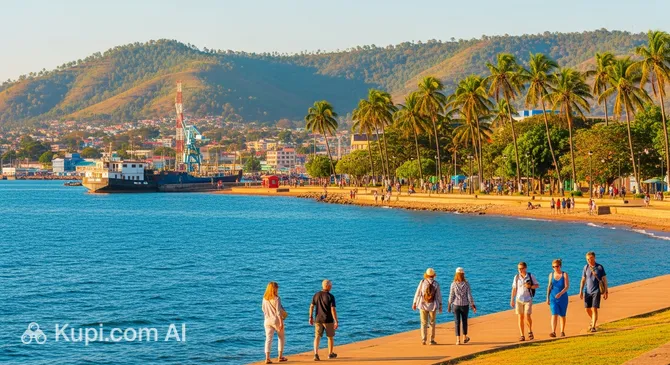
Perched on the western shore of the majestic Lake Tanganyika, Kalemie is a captivating port city that serves as a vital gateway to the eastern region of the Democratic Republic of the Congo. Known for its breezy atmosphere and stunning waterfront views, this city offers a unique blend of natural beauty and bustling commercial activity. With a population of approximately 206,000 residents, it stands as the capital of the Tanganyika Province and acts as an important hub connecting the interior of the country with neighboring nations across the vast lake.

Kalemie. Source: Kupi.Binoculars

The city's strategic location near the outflow of the Lukuga River has deeply influenced its development. Visitors interested in how this lakeside settlement evolved can explore the history of Kalemie, which was formerly known as Albertville during the colonial era. Today, it has transformed into a lively urban center that retains traces of its heritage while embracing modern growth. The climate is generally tropical but is often tempered by refreshing winds from the lake, making it a pleasant destination for travelers.

Tourism in Kalemie largely revolves around the breathtaking Lake Tanganyika, one of the deepest and oldest lakes in the world. Travelers can relax on sandy beaches, watch local fishermen bring in their daily catch, or simply admire the deep blue waters stretching towards the horizon. The city is also known for its vibrant local markets and the scenic beauty of the surrounding hills, which offer panoramic views of the area. Whether you are passing through on a cross-country adventure or looking for a lakeside retreat, Kalemie welcomes you with its warm hospitality and picturesque setting.

Weather Overview

The climate in Kalemie is generally warm and pleasant year-round, characterized by consistent temperatures and a distinct division between wet and dry seasons. Located on the shores of Lake Tanganyika, the city enjoys a tropical atmosphere where average monthly temperatures stay stable, typically ranging between 23°C and 25°C. For travelers planning a visit, understanding these seasonal shifts is key to enjoying the outdoors. You can find more detailed daily forecasts and historical data on the page dedicated to the weather in Kalemie.

The most favorable time for tourism is often the dry season, which spans from June to August. During these months, rainfall is virtually non-existent, with June and July often seeing 0 wet days, allowing for uninterrupted exploration of the lake and city. In contrast, the wet season takes hold from November through April, with December and January experiencing frequent showers and up to 28 wet days per month. Despite the rain, the weather remains warm, with maximum temperatures peaking around 29°C in September, just before the heavier rains begin.

Interesting Facts

Beyond its role as a bustling port, Kalemie holds intriguing secrets that weave together unique geography and remarkable history. The city is defined by rare natural features and was the stage for one of the most unusual naval feats on the continent.

  • The Sole Outlet of the Lake: Kalemie is situated at the source of the Lukuga River, which holds the distinction of being the only river that drains the massive Lake Tanganyika. This waterway acts as a critical connector, carrying water from the Great Lakes system into the Lualaba River and eventually to the Atlantic Ocean.

  • A Legendary Naval Expedition: During the early 20th century, the city (then known as Albertville) was the launching point for a famous expedition involving two small motorboats named Mimi and Toutou. These vessels were transported thousands of miles overland through the African bush before being launched here, an incredible logistical feat that is still remembered today.

  • Where Rails Meet Water: The city serves as the eastern terminus of a major railway line from the interior of the Democratic Republic of the Congo. This infrastructure creates a rare direct link between the vast rail network of the continent's center and the shipping lanes of the world's second-deepest lake.

How to Get There

Reaching Kalemie is an adventure that typically begins by air, although the city's position on Lake Tanganyika makes it a key maritime hub as well. For a comprehensive guide on logistics and available routes, you can read more about how to get to Kalemie on our detailed transport page. Most visitors arrive via the local airport, while some may consider regional international hubs depending on their travel plans.

The most direct entry point is Kalemie Airport (IATA: FMI), situated just 7.7 km from the city center. As the primary gateway, it handles domestic connections and serves as the main arrival point for tourists. The journey from the terminal to downtown is quick, taking approximately 32 minutes by taxi or bus. With an annual passenger traffic of around 25,000, it is a smaller facility but offers essential links to other parts of the country.

Another option for travelers in the wider region is Bujumbura International Airport (IATA: BJM). It is important to note that this airport is not in Kalemie but in the city of Bujumbura, located about 286.6 km away. As a larger international airport with higher passenger volume, it offers more flight connections. However, the onward journey to Kalemie is significant; if traveling by road, the transfer is estimated to take approximately 7 hours and 30 minutes.

For clarity, here is a summary of the main airports:

Airport Name City Passenger Traffic Km from City
Bujumbura International Airport Bujumbura Medium 286.6
Kalemie Airport Kalemie Small 7.7

Main Attractions

The undisputed highlight of any visit to the city is the magnificent shoreline of Lake Tanganyika. As one of the world's largest freshwater bodies, it offers travelers pristine sandy beaches that are perfect for relaxation and contemplation. Visitors can stroll along the water's edge, enjoying the cooling lake breeze and watching the sunrise paint the horizon in stunning shades of gold and orange. The beaches are also a great place to observe traditional fishermen heading out in their pirogues, a timeless scene that defines the local way of life.

For those interested in unique geographical features, the Lukuga River outlet is a fascinating site. This is the only river that drains Lake Tanganyika, flowing westward towards the Lualaba River. Standing near the bridge or the riverbanks allows tourists to witness the powerful current as the lake's waters begin their long journey to the Atlantic Ocean. The area surrounding the river mouth is often lush and green, providing a scenic backdrop for photography and nature walks.

To experience the vibrant local culture, a trip to the Kalemie Central Market is essential. This bustling hub is alive with energy, offering a sensory overload of colors, sounds, and scents. Travelers can wander through stalls piled high with fresh tropical fruits, vegetables, and the region's famous dried fish, known locally as ndagala. It is an excellent spot to interact with friendly locals, purchase colorful fabrics, and observe the daily rhythm of commerce in this port city.

The Port of Kalemie offers a different kind of attraction, showcasing the city's role as a vital logistics hub. While it is an industrial zone, the surrounding areas provide captivating views of the maritime activity that connects the Democratic Republic of the Congo with neighboring countries like Tanzania and Burundi. Watching the large ferries and cargo ships dock against the backdrop of the vast blue lake highlights the strategic importance of Kalemie and offers a unique perspective on regional trade.

Local Cuisine

The culinary scene in Kalemie is inextricably linked to its location on the shores of Lake Tanganyika. The lake is not just a scenic backdrop but the primary pantry for the city, providing an abundance of fresh seafood that defines the local diet. For food lovers, this means a gastronomic experience centered around organic, fresh ingredients, with fish playing the starring role in almost every meal. The food here is hearty, flavorful, and deeply rooted in the traditions of the Tanganyika Province.

Among the must-try dishes, Ndagala is the undisputed local favorite. These small, sardine-like fish are caught nightly by fishermen on the lake and are typically sun-dried or fried crispy. They are often served with a rich tomato and onion sauce. Another delicacy is the Capitaine (Nile perch), a large freshwater fish known for its firm, white flesh. It is usually grilled to perfection or cooked in a savory broth. These main protein sources are almost always accompanied by Fufu, a thick dough made from cassava or maize flour, or Chikwangue, a fermented cassava bread wrapped in banana leaves, which are perfect for scooping up sauces.

To complement the rich flavors of the food, locals often enjoy the country's renowned beverages. The Democratic Republic of the Congo produces excellent lagers, and in Kalemie, sharing a large, cold bottle of Simba or Tembo beer is a common social ritual, especially after a long day in the heat. For a non-alcoholic option, fresh tropical juices are available, though bottled soft drinks are also ubiquitous. In more rural outskirts, you might find traditional palm wine, a cloudy, naturally fermented drink tapped from palm trees.

The dining culture in Kalemie ranges from casual street stalls to relaxed lakeside restaurants known as paillottes. Eating out is often a communal affair, with large platters shared among friends and family. Tourists are encouraged to visit the eateries along the waterfront, where they can enjoy grilled fish while taking in the cool breeze and the view of the lake. For a more immersive experience, the local markets offer a chance to see the raw ingredients and taste street snacks like roasted maize or fried plantains fresh from the fire.

Travel Tips

Preparing for a trip to Kalemie requires a bit of local know-how to navigate the unique blend of lakeside relaxation and bustling port life. These practical tips will help you manage logistics and cultural nuances, ensuring your visit to this scenic corner of the Democratic Republic of the Congo is both safe and enjoyable.

  1. Clothing and Gear: Given the tropical climate, lightweight and breathable fabrics like cotton or linen are your best friends. If you are visiting during the wet season (November to April), a sturdy raincoat or poncho is essential. Comfortable, closed-toe walking shoes are recommended as roads and sidewalks can be uneven. While casual wear is acceptable, it is respectful to dress modestly when visiting markets or residential areas.

  2. Transportation: The most common way to get around the city is by motorcycle taxi, locally known as a wewa. They are fast and available everywhere, but always negotiate the price before hopping on and ask for a helmet. For longer distances or more comfort, hiring a private 4x4 vehicle with a driver is highly advisable, as standard taxis are scarce and road conditions can be challenging.

  3. Finances: Kalemie operates primarily on a cash economy. The local currency is the Congolese Franc (CDF), but US Dollars are widely accepted and often preferred for larger purchases. However, dollar bills must be crisp, clean, and printed after 2013, or they may be rejected. Credit cards are rarely used outside of top-tier hotels, and ATMs can be unreliable, so bring sufficient cash for your stay.

  4. Health and Safety: Malaria is present in the region, so bring prophylaxis and a good insect repellent, especially for the evenings by the lake. Drink only bottled or purified water and avoid ice in drinks unless you are sure of the source. Pharmacies are available but may have limited stock; it is wise to bring a personal medical kit with essentials. In terms of safety, avoid walking alone in unlit areas at night and keep valuables discreet.

  5. Communication: The official language is French, but Swahili is the lingua franca spoken by the majority of locals in this region. English is not widely spoken, so learning a few basic phrases in French or Swahili will be very helpful. Buying a local SIM card (such as Vodacom or Airtel) is recommended for staying connected, as Wi-Fi in hotels can sometimes be slow or intermittent.

  6. Local Etiquette: Greetings are very important here; a friendly handshake and a polite "Bonjour" or "Jambo" (Hello in Swahili) go a long way in establishing rapport. When interacting with locals, patience is key, as the pace of life is generally more relaxed than in Western cities. Always ask for permission before taking photos of people.

  7. What to Avoid: Strictly avoid taking photographs of government buildings, police stations, military personnel, the airport, or infrastructure like bridges. This is considered a serious security violation and can lead to immediate trouble with authorities. Also, avoid public displays of frustration or anger, as keeping a calm demeanor is respected.

  8. Lake Life Hack: When dining at lakeside restaurants, try to arrive before sunset. Not only will you get the best view of the sun dipping below the horizon, but you will also avoid the peak dinner rush, ensuring faster service for your fresh fish meal.

By keeping these practicalities in mind, you can focus on the incredible experiences Kalemie has to offer, from its golden sunsets to its warm, welcoming community. A little preparation allows you to embrace the local rhythm and make the most of your adventure on the shores of Lake Tanganyika.

Entertainment & Nightlife

Nightlife in Kalemie offers a distinct and authentic experience that centers heavily on the relaxed, tropical atmosphere of Lake Tanganyika. Unlike the high-energy clubbing scenes found in larger metropolises like Kinshasa, the evening entertainment here is characterized by open-air terraces, vibrant music, and social gatherings under the stars. The vibe is generally laid-back yet lively, with the rhythm of Congolese rumba and soukous music filling the air as locals and visitors unwind after a hot day.

The heart of the city's nightlife beats strongest along the lakeshore. This waterfront area serves as the primary district for evening entertainment, where the cool breeze from the lake provides a refreshing escape from the humidity. Here, you will find numerous "paillottes" (thatched-roof bars) and hotel terraces that transform into buzzing social hubs as the sun sets. The dress code is almost exclusively casual; light fabrics and comfortable attire are the norm, though patrons at higher-end hotel bars often dress a bit smarter.

For those looking to experience the local scene, a few key venues stand out. Tcham Hotel is one of the most popular spots in town, offering a lively terrace where you can enjoy cold drinks and grilled food while mingling with a mix of expats, business travelers, and locals. Another notable location is the historic Hôtel du Lac, which offers a more classic ambiance perfect for a quiet evening drink with a view of the water. On weekends, the area around Musalala Beach often hosts impromptu parties and gatherings, becoming a focal point for music and dancing right on the sand.

Practical planning is essential for a night out in Kalemie. The action typically starts around 7:00 PM and winds down by midnight, although some spots may stay open later on Fridays and Saturdays. Prices are generally affordable, with a large local beer costing between $2 and $4 depending on the venue. Since credit cards are rarely accepted outside of major hotels, always carry enough cash (Congolese Francs or small denomination US Dollars) to cover your bill.

Safety should be your top priority when enjoying the nightlife. While the main hotel areas are generally secure, it is strictly advised not to walk around the city at night. Street lighting can be sporadic, and navigating unfamiliar roads in the dark is risky. Instead of hailing a random motorcycle taxi (wewa) on the street after dark, ask your hotel or the venue to arrange a trusted taxi or private driver for your return journey. Staying in groups is also highly recommended.

While the city is not known for traditional daytime entertainment like amusement parks or large museums, it offers its own charm. Daytime leisure is mostly nature-oriented, involving walks along the beach or boat trips on the lake. For a touch of culture, the architecture of the colonial-era buildings near the port provides a glimpse into the past, but most travelers find that the true entertainment in Kalemie lies in simply sitting by the majestic lake and soaking in the slow, rhythmic pace of life.

Parks & Museums

While Kalemie may not be famous for manicured city parks or sprawling national museums, its cultural and natural landscape is deeply engaging in its own right. The city itself serves as a living museum of colonial architecture, while the vast shores of Lake Tanganyika act as a natural playground for locals and visitors alike. The blend of historical intrigue and breathtaking geography creates a unique atmosphere where sightseeing often involves exploring the outdoors and soaking in the heritage embedded in the streets.

The city's most significant natural asset is undoubtedly the Lake Tanganyika Shoreline. Functioning as the community's primary recreational space, the sandy stretches along the water—particularly around areas like Musalala Beach—offer a perfect setting for relaxation. Tourists can walk for miles along the coast, observing the daily life of fishermen and enjoying the refreshing breeze that rolls off the water. It is a place of simple pleasures, where the golden sunsets provide a spectacular natural show every evening.

Another geographical marvel is the Lukuga River Outlet. This site is geographically unique as it marks the point where the massive lake drains into the Lukuga River, which eventually feeds into the Congo River system. A visit to the bridge crossing the river offers a fascinating vantage point to watch the powerful current rushing westward. It is a popular spot for photography and for appreciating the sheer scale of the region's hydrology, surrounded by lush vegetation and the distant hills.

For those looking to delve into the region's heritage, the Kalemie Local Museum (Musée de Kalemie) offers a modest but meaningful collection. It houses artifacts that trace the history of the area from its days as a small fishing settlement through the colonial era when it was known as Albertville. Visitors can see traditional crafts, historical photographs, and items that reflect the customs of the local Tabwa and Luba peoples, providing context to the diverse cultural tapestry of the Tanganyika Province.

Reflecting the city's intrinsic bond with the water, the Maritime Exhibit (often referred to as the Musée de la Marine) is another key cultural stop. This venue focuses on the nautical history of Lake Tanganyika, showcasing the evolution of boat building and fishing techniques. It is particularly interesting for those curious about the legendary naval expeditions of the early 20th century and the vital role the port has played in connecting the Democratic Republic of the Congo with its eastern neighbors.

History enthusiasts will also appreciate the Saint-Albert Church (Église Saint-Albert). As one of the oldest religious structures in the city, it stands as a testament to the colonial-era architecture that defines much of the downtown area. The church is not only a place of worship but also a landmark that has witnessed the city's transformation over the decades. Nearby, the remnants of the old colonial waterfront buildings and the historic Kalemie Train Station add to the sense of stepping back in time.

For a truly authentic experience, take a walk near the Port of Kalemie at dusk. Seeing the "mosquito fleet" of small fishing boats head out with their lanterns is a magical sight. These lights, used to attract the famous ndagala fish, illuminate the dark lake like a floating city, offering a memorable glimpse into the local way of life that no traditional museum can replicate.

Getting Around

The public transport system in Kalemie is informal and decentralized, offering a distinct experience compared to major international cities. There are no metros, trams, or scheduled municipal bus services operating within the city limits. Instead, the primary mode of transportation is the motorcycle taxi, locally referred to as a wewa. These motorcycles are ubiquitous and serve as the most efficient way to navigate the city's streets, many of which are unpaved or uneven. For travel along the main arterial roads, you may occasionally encounter shared minibuses or converted vans, but these do not follow strict timetables and typically only depart once every seat is occupied.

Payment for all forms of local transport is exclusively cash-based. There are no travel passes, smart cards, or mobile applications for booking rides. Fares are settled directly with the driver in the local currency, and prices are generally very affordable for short trips across town. It is essential to carry small bills, as drivers frequently do not have enough change for large denominations. Since vehicles are not equipped with meters, the cost of a trip on a motorcycle taxi is subject to negotiation. To ensure a fair price, you should always agree on the fare with the driver before the journey begins.

For tourists wishing to use the system, the process is straightforward but requires some initiative. There are no designated stops or ticket kiosks; you simply hail a driver from the side of the road with a wave of your hand. While transport is available throughout the day, it is widely recommended to travel only during daylight hours, as safety and visibility decrease significantly at night. If you choose to ride a wewa, hold on tight and be prepared for a breezy, open-air journey. It is also a good practice to ask for a helmet, though availability can vary, so carrying your own protective gear is a wise precaution if you plan to travel frequently.

Alternatives to the motorcycle taxis are somewhat limited but available for those seeking more comfort. Standard car taxis are rare and difficult to flag down on the street. If you prefer four wheels, the best option is to arrange a private car hire with a driver, which can usually be organized through your hotel or a local contact. This is particularly advisable for groups or travelers with luggage. Modern car-sharing apps and organized bike rental schemes do not exist here, so private arrangements are the standard for personalized transport. For short distances, especially near the waterfront or market, walking is a pleasant and popular alternative.

While the city lacks historic trams or cable cars, its transport character is defined by its role as a logistics hub. You may observe the railway tracks that end in the city, connecting the interior region to the lake, but these serve long-distance routes rather than urban commuting. The true "special feature" of local transport is the scenic ride along the Lake Tanganyika shoreline. Taking a motorcycle taxi along the coast road offers a unique perspective, combining a practical commute with breathtaking views of the water, making the journey itself a memorable part of your visit.

Accommodation

Accommodation in Kalemie ranges from modest guesthouses to comfortable mid-range hotels, primarily catering to business travelers, NGO workers, and the occasional tourist. While you will not find ultra-luxury international chains or sprawling all-inclusive resorts here, the city offers a selection of decent establishments that provide essential amenities such as air conditioning, en-suite bathrooms, and on-site dining. The hospitality scene is functional and welcoming, with many properties designed to make the most of the region's warm climate and scenic geography.

The most popular and convenient area for tourists to stay is along the shores of Lake Tanganyika. Hotels located on the waterfront offer a significant advantage: the cooling lake breeze, which provides natural relief from the tropical heat. Staying in this area not only guarantees spectacular views of the sunrise but also places you close to the city's best restaurants and social hubs. In contrast, accommodation in the busy city center or near the port tends to be noisier and hotter, making the lakeside the clear preference for a relaxing stay.

For visitors planning a trip, it is important to know that online booking platforms are rarely used in this region. Most hotels do not have active listings on major international travel websites. The most reliable way to secure a room is to contact the establishment directly via telephone or WhatsApp, or to have a local contact make a reservation on your behalf. During the dry season or when large conferences are held in the city, rooms can fill up quickly, so booking in advance is highly recommended.

Regarding costs and payment, travelers should be prepared for prices that might seem high relative to the level of luxury provided. A standard room in a reputable hotel typically falls into the mid-range price bracket, often costing between $60 and $120 per night. Budget options and basic guesthouses are available for less, but amenities may be sparse. Payment is almost exclusively expected in cash, either in US Dollars (post-2013 bills) or Congolese Francs. Credit card facilities are virtually non-existent, so ensuring you have sufficient cash upon arrival is essential for a smooth check-in.

Nearby Cities

For those wishing to extend their journey beyond the city limits, Kalemie serves as a strategic starting point for exploring other regional destinations. The surrounding area and the expansive shoreline of Lake Tanganyika offer several onward travel options for visitors interested in experiencing the diverse landscapes and communities of the eastern Democratic Republic of the Congo.

One of the notable towns to the north is Baraka, situated approximately 201 km away along the lake's coast. It offers travelers a genuine look at the region's vibrant fishing culture and traditional lakeside life. The route towards this destination provides scenic views of the shoreline, making it a worthwhile journey for those looking to understand the local rhythm outside the main provincial capital.

Further along the coast lies Uvira, a bustling port city located at the northern tip of Lake Tanganyika. Nestled between the water and the dramatic Mitumba Mountains, this city is known for its lively markets and its importance as a cross-border trade hub. The contrast between the rugged peaks and the vast lake creates a stunning backdrop for visitors exploring the northern reaches of the lake.

Although it requires a longer journey, Bukavu is a renowned destination for its breathtaking setting on the southern shores of Lake Kivu. Famous for its colonial-era architecture and rolling green hills, it serves as a gateway to nearby natural reserves. While the distance makes it a significant undertaking, its distinct charm and cooler climate make it a favorite stop for regional travelers continuing northward.

City Population Distance (km)
Bukavu 1133000 378
Uvira 590000 281
Goma 249862 470
Kabinda 244000 521
Baraka 120000 201

These nearby cities provide a broader perspective on the region, offering a glimpse into the diverse culture and geography that defines this part of the continent.

Shopping & Souvenirs

Shopping in Kalemie is an immersive cultural experience rather than a typical retail therapy session found in major global cities. The city does not boast high-end luxury boutiques or sprawling department stores; instead, commerce here is driven by small independent traders, bustling open-air stalls, and local artisans. For visitors, the appeal lies in the authenticity of the exchange. It is an opportunity to dive into the daily rhythm of the Tanganyika Province, where you can find everything from vibrant textiles to fresh produce while interacting directly with the friendly local community.

The main commercial activity is concentrated in the city center, particularly along the primary avenues leading towards the port and the railway station. This downtown district serves as the commercial heart of Kalemie, lined with small shops, pharmacies, and general stores stocked with imported goods and daily essentials. Walking through these streets offers a glimpse into the local trade, where shopkeepers display their wares on the sidewalks and the atmosphere is lively and energetic.

Travelers looking for large, modern shopping malls will not find them in Kalemie. The retail landscape is dominated by informal trade and standalone shops rather than organized shopping centers. However, there are several "alimentations" (small supermarkets) and general trading stores in the center where tourists can purchase bottled water, toiletries, imported snacks, and other travel necessities. These establishments offer a more familiar, fixed-price shopping environment compared to the outdoor markets.

The undisputed highlight of the local shopping scene is the Kalemie Central Market. This vibrant hub is a sensory overload of colors and sounds, serving as the primary source of goods for residents. Here, you can wander through narrow aisles piled high with tropical fruits, vegetables, and the region's famous dried fish. It is also the best place to find local fabrics. The market is not just a place to buy goods; it is a social gathering point where the pulse of the city is most palpable.

When it comes to souvenirs, the most popular items to bring back are pieces of Pagne (Congolese wax fabric). These colorful textiles feature bold patterns and are sold in 6-yard cuts, perfect for tailoring into custom clothing or using as home decor. Additionally, while Kalemie is not a major center for handicrafts compared to other Congolese cities, you may find locally carved wooden items or malachite trinkets in specific stalls or occasionally sold by vendors near the major hotels.

Opening hours for shops in the city center typically run from 8:00 AM to 5:00 PM, Monday through Saturday. The markets often start earlier, around 7:00 AM, and wind down by late afternoon. Sundays are generally quiet, with most formal businesses closed, though some market stalls may remain open for food. Payment is almost exclusively in cash. While the Congolese Franc (CDF) is used for small purchases, US Dollars are widely accepted and preferred for larger amounts. Ensure your dollar bills are printed after 2013 and are in pristine condition. Credit cards are virtually useless for shopping in Kalemie.

Regarding tax-free shopping, there is no VAT refund system available for tourists in Kalemie or the wider Democratic Republic of the Congo. All prices quoted in shops and markets are final or subject to negotiation, and visitors should not expect to claim any taxes back upon departure.
Reached the end of the page?

That means the route is fully explored