Support

Mpanda

About

Welcome to Mpanda, a vibrant and bustling town located in the remote western reaches of Tanzania. As the administrative capital of the Katavi Region, this city serves as a vital commercial hub for the area. With a population of over 80,000 residents, Mpanda offers a lively atmosphere that contrasts with the quiet wilderness that surrounds it, providing travelers with a genuine glimpse into local life away from the heavily trodden tourist paths.

Mpanda. Source: Kupi.Binoculars

The town is perhaps best known as the terminus of the railway line branching from Tabora, a connection that has historically linked this distant outpost with the rest of the country. For those interested in how this settlement grew from a small trading post into a regional center, the history of Mpanda offers fascinating insights into its development. Today, the city is a mix of busy markets, red-earth streets, and a friendly community spirit.

For most visitors, Mpanda is the primary gateway to the spectacular Katavi National Park. Just a short distance away, this park is celebrated for having some of the highest concentrations of hippos and crocodiles in the country, as well as massive herds of buffalo. Unlike the northern parks, Katavi remains wild and uncrowded, making Mpanda the perfect starting point for an exclusive safari adventure.

Whether you are arriving by train on a nostalgic journey or preparing for a rugged wildlife expedition, Mpanda is a destination that rewards the intrepid traveler. It is an essential stop for anyone wishing to explore the authentic and untamed beauty of the western circuit.

Weather Overview

Mpanda experiences a tropical climate defined by two distinct periods: a long rainy season and a dry season. The temperatures remain relatively pleasant and warm throughout the year, making it a comfortable destination for travelers. Expect warm days with frequent rainfall from late in the year through April, while the middle of the year brings dry, sunny weather with cooler nights.

The dry season, spanning from June to September, is characterized by clear skies and virtually no precipitation, with average temperatures hovering around 22°C to 25°C. This is often considered the ideal time for visiting, as the lack of rain makes travel easier. In contrast, the months from November to April see significant rainfall, with January and December experiencing rain on up to 26 days of the month.

Thermometers generally show daytime highs peaking at about 31°C in October, while the coolest nights occur in July, dropping to around 16°C. For a more comprehensive breakdown of what to pack and when to go, you can check the detailed weather in Mpanda.

Interesting Facts

Beyond its role as a regional capital, Mpanda holds fascinating secrets that reveal its unique origins and character. This "frontier town" offers a blend of colonial industrial history and untamed wilderness that few other Tanzanian cities can match.

  • Born from a Mine: Unlike many towns that grew from trade routes, Mpanda’s expansion was driven by the discovery of lead and gold. A Belgian geologist named Jean de La Vallée Poussin identified the mineral wealth here in the 1930s, leading to the development of the Mkwamba Mine. The town effectively grew around this industry, which was once significant enough to justify building a dedicated railway line.

  • The "End of the Line": Mpanda is the literal terminus of the branch railway line from Tabora. This status gives the town a distinct "end-of-the-road" atmosphere. The railway, originally constructed in 1950 specifically to transport lead ore to the coast, now serves as a nostalgic and vital passenger link for locals and adventurous travelers heading to the far west.

  • Hippo Super-Herds: While Mpanda is the gateway to Katavi National Park, few realize the scale of the wildlife spectacle just next door. The park is famous for having the highest density of hippos and crocodiles in the country. During the dry season, visitors can witness the rare phenomenon of hundreds of hippos crammed into a single mudhole, a sight unique to this region.

  • A New Capital: Despite its long history as a mining and railway town, Mpanda only recently became a regional capital. It was designated the headquarters of the newly created Katavi Region in 2012, sparking a wave of modernization and infrastructure growth that is transforming its dusty, red-earth streets into a bustling administrative center.

How to Get There

Reaching this western administrative center requires some planning, as it is located far from the country's major coastal cities. Travelers can choose between rugged road trips or the historic railway service. For a detailed breakdown of routes and transport advice, you can read more about how to get to Mpanda. The town serves as a crucial logistical base for visiting the nearby Katavi National Park.

Regarding air travel, the town is primarily served by the local Mpanda Airport, which handles domestic flights connecting the region to hubs like Dar es Salaam. In terms of geographical proximity, Kalemie Airport (FMI) is often listed as a nearby facility. However, travelers should be aware that this airport is located across Lake Tanganyika in the Democratic Republic of the Congo. Consequently, it does not provide direct road access to Mpanda and serves a different regional network across the border.

For reference, here is the data for the geographically closest international facility listed:

Airport Name City Passenger Traffic Km from City
Kalemie AirportKalemieMedium208.5

Mpanda is also well-known as a railway terminus. The town marks the end of a branch line that splits from the Central Line at Kaliua. Taking the train is a popular and affordable, albeit slower, way to reach the city from Tabora and other parts of the country. This journey provides travelers with a unique opportunity to see the changing landscapes of the region at a leisurely pace.

Main Attractions

While Mpanda is primarily recognized as a logistical hub and administrative center, it serves as the doorstep to some of the most pristine wilderness in Tanzania. The town itself is functional and bustling, offering a few points of interest for travelers passing through, but its true value lies in its proximity to untouched natural wonders.

The undisputed highlight of the region is Katavi National Park. Located just a short drive from the town, this park is a hidden gem on the western safari circuit. It is renowned for its raw, wild atmosphere and dramatic dry-season scenes where hundreds of hippos and crocodiles crowd into diminishing river pools. Unlike the more famous northern parks, Katavi offers an exclusive experience with very few tourist vehicles, allowing for uninterrupted wildlife viewing.

For railway enthusiasts and history buffs, the Mpanda Railway Station is a significant landmark. As the terminus of the branch line from Tabora, the station marks the "end of the line" in a very literal sense. The arrival of the train is a major local event, and the station building itself, with its colonial-era architecture and bustling activity, provides a perfect backdrop for atmospheric photography and people-watching.

In the heart of the town, the Cathedral of the Immaculate Conception stands as a prominent architectural feature. This large and imposing structure dominates the skyline of this relatively low-rise town. It serves as a central gathering place for the community and features a striking design that surprises many visitors expecting more modest buildings in such a remote location.

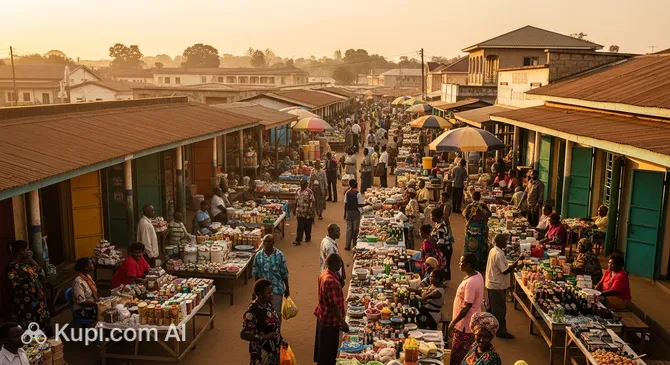
Travelers looking to soak up the local culture should visit the central market. It is a hive of activity where farmers from the fertile surrounding highlands sell fresh produce, including maize, rice, and tobacco. wandering through the stalls offers a genuine slice of daily life in the Katavi Region, far removed from the souvenir shops of typical tourist destinations.

Local Cuisine

The culinary landscape of Mpanda is a reflection of its status as a bustling agricultural hub in the Katavi Region. While you won't find high-end international fine dining here, the town offers a genuine taste of western Tanzania with hearty, unpretentious meals prepared from fresh, locally grown ingredients. The food scene is dominated by small, local eateries known as "hotelis," where the atmosphere is welcoming and the portions are generous.

At the heart of the local diet is Ugali, a stiff maize porridge that serves as the staple for most meals. It is typically eaten by hand and served with sides such as Maharage (kidney beans) cooked in coconut milk or savory stews made with beef or chicken. Given the region's fertile lands, you will also find excellent rice dishes, often spiced with cardamom or cloves, reflecting the subtle influence of coastal Swahili cuisine even this far inland.

For a quintessential social dining experience, visitors should try Nyama Choma, or grilled meat. Usually consisting of goat or beef slow-roasted over charcoal, it is a favorite evening meal best enjoyed with a side of salt, chili, and a fresh tomato and onion salad called kachumbari. Another popular street food option is Chipsi Mayai, a comforting "french fry omelet" that is ubiquitous across the country and perfect for a quick, filling lunch.

When it comes to beverages, the day often starts with a cup of hot, sweet Chai (tea), frequently brewed with ginger and spices. In the evenings, locals gather to relax with cold lagers, with national brands like Safari and Kilimanjaro being the standard choices. Non-alcoholic options are plentiful, including fresh fruit juices and sodas, which provide a refreshing break from the heat of the Katavi plains.

Travel Tips

Visiting Mpanda offers a unique adventure into the heart of the Katavi Region, but its remote location requires a bit of extra preparation compared to Tanzania's more tourist-heavy destinations. To help you navigate this friendly frontier town with ease, here are some essential practical tips for your journey.

  1. Clothing and Gear: Since Mpanda can be quite dusty during the dry season and muddy during the rains, prioritize comfort over style. Pack breathable, light-colored clothing to deflect the sun and dust, but definitely bring a warm sweater or fleece, as evenings can get surprisingly chilly (down to 16°C). Sturdy, closed-toe shoes are a must for walking on the unpaved red-earth streets.
  2. Transportation: The most common and efficient way to get around town is by boda-boda (motorcycle taxi) or bajaji (auto-rickshaw). There is no formal public bus system within the town limits, and ride-hailing apps like Uber do not operate here. Always negotiate the fare with the driver before starting your trip, as meters are not used.
  3. Finances: Cash is king in Mpanda. While there are a few ATMs (typically CRDB or NMB banks) that accept international Visa and Mastercards, they can occasionally be out of service or out of cash. Very few local guesthouses or eateries accept credit cards, so it is crucial to withdraw sufficient Tanzanian Shillings (TZS) in larger cities or carry enough cash to exchange upon arrival.
  4. Health and Safety: Mpanda is generally a safe and peaceful town, but standard precautions apply; avoid walking alone in unlit areas at night. Malaria is a risk in this region, so carrying mosquito repellent and sleeping under a net is non-negotiable. Stick strictly to bottled water for drinking and brushing your teeth, and locate a local pharmacy (Duka la Dawa) for basic supplies if needed.
  5. Communication: While staff at major lodges and government offices may speak English, it is not widely spoken by the general population. Learning a few basic Swahili phrases like "Habari" (Hello) and "Asante" (Thank you) will go a long way. For internet access, buy a local SIM card (Vodacom, Airtel, or Tigo) in town, as Wi-Fi in accommodations can be slow or intermittent.
  6. Local Etiquette: Tanzanian culture places high value on greetings. It is considered rude to ask a question or start a transaction without first exchanging pleasantries. Always use your right hand for eating, shaking hands, or passing items to others, as the left hand is considered reserved for hygiene purposes.
  7. What to Avoid: Do not take photographs of government buildings, police stations, military personnel, or infrastructure like the railway station and airport without explicit permission. This is strictly monitored in Tanzania and can lead to serious legal trouble or confiscation of your equipment.
  8. Additional Tip: Power outages can occur in this remote region. It is highly recommended to pack a high-capacity power bank to keep your devices charged and a small flashlight or headlamp for navigating your guesthouse or the streets after dark.

By keeping these practicalities in mind, you can focus on soaking up the authentic atmosphere and warm hospitality that define this western outpost. Enjoy your time exploring the gateway to the wild Katavi plains!

Entertainment & Nightlife

Entertainment in Mpanda is a reflection of its character: unpretentious, lively, and deeply local. You will not find high-end nightclubs with international DJs or flashy neon districts here. Instead, the nightlife revolves around open-air bars, hotel restaurants, and social halls where the atmosphere is fueled by cold drinks, grilled meat, and the rhythmic beats of Bongo Flava music. It is an experience that allows travelers to mingle with residents and enjoy the town's friendly "frontier" spirit.

The nightlife scene is concentrated primarily in the town center and along the main roads leading to the railway station. As the sun sets, the heat of the day dissipates, and locals gather to socialize. The vibe is casual and relaxed; there is no strict dress code, and jeans or shorts are perfectly acceptable. Most venues are open until late, especially on weekends, though the definition of "late" in Mpanda is usually around midnight or 1:00 AM, rather than dawn.

For those looking for a specific place to unwind, the options are often attached to the town's major guesthouses and hotels, which serve as the primary social hubs. Mpanda Hotel is one of the most well-known spots. It offers a classic setting where you can enjoy a quiet drink in a garden environment, making it a favorite for both visiting officials and travelers seeking a conversation-friendly atmosphere. It represents the more sedate side of the town's evening offerings.

If you are looking for something a bit more lively, the bar and restaurant area at the Super City Hotel is another popular venue. It is a common gathering place for locals to watch football matches, share large platters of food, and enjoy music. For a truly authentic experience, you might also venture near the Bus Terminal area, where numerous smaller, unnamed "pubs" and "groceries" (local terms for bars) blast music and serve crates of beer to an energetic crowd.

Practical advice for a night out in Mpanda revolves around simplicity and safety. Prices are very affordable compared to larger cities like Dar es Salaam or Arusha; a local beer typically costs between 2,500 and 3,000 TZS. The best time to go out is Friday or Saturday evening when the town is most animated. In terms of safety, Mpanda is generally peaceful, but street lighting can be sporadic or non-existent away from the main road.

Getting around at night requires some caution regarding transport. Walking long distances in the dark is not recommended due to the uneven terrain and lack of visibility. The most common way to move between venues or return to your accommodation is by bajaji (auto-rickshaw) or boda-boda (motorcycle taxi). It is advisable to ask your hotel reception to arrange a trusted driver for you or to keep the number of a reliable taxi operator handy.

Regarding daytime entertainment, travelers should manage their expectations. Mpanda does not have movie theaters, large amusement parks, or national museums. The "entertainment" here is organic and outdoor-oriented. Visitors often spend their days exploring the bustling local markets, visiting the railway station to watch the train arrive, or simply preparing for their safari adventures. The town serves as a functional and cultural pause rather than a hub for commercial leisure activities.

Parks & Museums

While Mpanda does not boast the manicured botanical gardens or grand national museums found in larger metropolises, it offers a different kind of cultural and natural richness. The city serves as a gateway to some of the most pristine wilderness in East Africa, and its history is etched into its colonial-era infrastructure rather than displayed in glass cabinets. Visitors here should adjust their expectations to appreciate "living history" and raw nature over curated exhibits.

The primary green space associated with the city is undoubtedly Katavi National Park. Although it sits just outside the town limits, it is the defining natural feature of the region and the main reason tourists visit. This vast expanse of floodplain and woodland is virtually untouched, offering a stark contrast to the crowded parks in the north. It is famous for its high density of hippos and crocodiles, particularly during the dry season when they congregate in the remaining mud pools of the Katuma River. For nature lovers, this park serves as a massive, wild backyard to the city.

Beyond the national park, the town itself is surrounded by the lush, rolling landscapes of the Katavi Region. There are no formal city parks with benches and fountains; instead, the surrounding hills and the road leading towards the Ugalla River Game Reserve offer open spaces for those looking to explore the local flora. The environment here is characterized by Miombo woodland, which provides a scenic, green backdrop to the red-earth streets of the town, especially after the rains.

In terms of museums and galleries, Mpanda is a frontier town where history is functional rather than exhibited. The Mpanda Railway Station is arguably the city's most significant historical "museum." As the terminus of the line from Tabora, the station building and the railway infrastructure stand as monuments to the colonial engineering of the mid-20th century. Watching the arrival of the train is a cultural experience in itself, offering a glimpse into a mode of travel that has remained largely unchanged for decades.

Architecturally, the Cathedral of the Immaculate Conception acts as a cultural landmark. Its imposing structure and design are unexpected in such a remote location, reflecting the strong historical presence of mission work in the area. While not a museum, the cathedral features impressive stained glass and masonry that tell the story of the community's spiritual development. It is a peaceful place to visit and admire the local craftsmanship.

For a truly authentic experience, skip the search for a traditional art gallery and head to the Central Market. This is where the region's culture is most vibrant. The colorful displays of "kitenge" fabrics and the intricate weaving of local baskets serve as an open-air gallery of local artistry. A walk here offers a deeper understanding of the local way of life than any static exhibit could provide.

Getting Around

Public transport in Mpanda operates on a much smaller and more informal scale than in major metropolitan areas. Visitors will not find subways, trams, or complex municipal bus networks here. Instead, the town relies on a flexible system of privately owned vehicles that serve the needs of locals and travelers alike. The town center is relatively compact, making it easy to navigate, but for longer distances or trips to the outskirts, there are distinct local options available.

The most ubiquitous form of public transit is the Dala-dala, which are minibuses that function as shared taxis. These vehicles run on set routes, typically connecting the town center with surrounding villages and the main bus terminal. They do not have fixed schedules, departing instead when they are full. They are an incredibly affordable way to travel, but they can be crowded and slow due to frequent stops. To use one, simply wave it down from the side of the road or board at a designated stand.

For direct, door-to-door service, Boda-bodas (motorcycle taxis) and Bajajis (auto-rickshaws) are the primary modes of transport. Boda-bodas are the fastest way to get around, weaving through traffic and navigating unpaved roads with ease. Bajajis offer a slightly more comfortable and sheltered alternative, suitable for carrying luggage or traveling in small groups. These can be found at almost every street corner or market entrance.

The payment system across all forms of transport in the city is exclusively cash. There are no travel cards, passes, or mobile ticketing apps. For Dala-dalas, the fare is fixed and very low; you pay the conductor, known locally as the "konda," during the journey. For Boda-bodas and Bajajis, there are no meters, so it is essential to negotiate and agree on the fare with the driver before you start your trip. It is advisable to carry small bills, as drivers often struggle to make change for large denominations.

Regarding operating hours, transport is most readily available during daylight hours, starting from dawn (around 6:00 AM). Dala-dalas tend to reduce their frequency significantly after sunset. While you can find Boda-bodas and Bajajis in the evening, their availability drops later at night, and prices may increase. Tourists are advised to arrange evening transport in advance if they plan to stay out late.

Standard car taxis are rare and are not typically flagged down on the street. If you require a private car, it is usually best to arrange a hire with a driver through your hotel or a tour operator, especially for excursions to nearby national parks. Ride-sharing apps like Uber or Bolt do not operate in this region, so relying on local contacts or hotel reception desks is the best way to secure a reliable vehicle.

A unique feature of the city's transport identity is its historic Railway Station. While primarily an inter-city link rather than intra-city transport, the train is deeply integrated into the local rhythm. The arrival and departure of the passenger train is a major event, and for many, it serves as the primary lifeline to the rest of the country. The station itself is centrally located, meaning that for many arriving visitors, their first experience of local transport is stepping off the train and walking directly into the heart of the town.

Finally, walking is a highly viable alternative for exploring the town center. Mpanda is flat and the main commercial areas are concentrated, making it pleasant to explore on foot during the cooler parts of the day. Walking allows you to easily visit the market, the cathedral, and local shops without the need for a vehicle, giving you a closer connection to the daily life of the residents.
Accommodation

Accommodation in Mpanda is reflective of its status as a remote administrative center and transit hub. Visitors should not expect the high-end luxury resorts or international hotel chains found in Zanzibar or Arusha. Instead, the town offers a range of practical and affordable options, primarily consisting of locally run guesthouses, lodges, and mid-range hotels. These establishments focus on providing essential comfort, cleanliness, and hospitality to weary travelers arriving from the long road or railway journeys.

The most convenient area to stay is within the town center, particularly along the main roads surrounding the railway station and the central market. Staying in this area places you within walking distance of restaurants, transport stands, and shops. For those seeking a quieter environment, there are a few lodges located slightly further from the bustling commercial district, offering garden settings and a more relaxed atmosphere.

For a taste of the town's history, the Mpanda Hotel is the most iconic establishment. It is a colonial-era building that exudes an old-world charm, featuring a spacious veranda and a leafy garden where guests can unwind. It is often the preferred choice for travelers seeking character and a sense of the town's past. Alternatively, newer establishments like the Super City Hotel cater to business travelers and tourists looking for more modern amenities, such as self-contained rooms and on-site dining facilities.

When planning your stay, it is important to note that online booking platforms are not widely used by the smaller guesthouses in the region. While some larger hotels may have a web presence or accept email inquiries, many local lodgings operate on a "walk-in" basis or through direct phone bookings. If you are visiting during the peak dry season (June to October), which coincides with the best wildlife viewing in Katavi, it is advisable to secure your room in advance if possible.

Price ranges in Mpanda are generally very reasonable, catering largely to local budgets. Basic guesthouses can be found for very low rates, while the top-tier hotels in town are still quite affordable by international standards, typically falling into the budget to lower-mid-range category. Be prepared to pay in cash (Tanzanian Shillings), as credit card facilities are rare, even in the better hotels.

Nearby Cities

Situated in the expansive Katavi Region, Mpanda serves as a focal point in western Tanzania, though it remains geographically distinct from other major urban centers. The town's closest significant neighbor is Sumbawanga, located to the south, which acts as a key administrative hub on the route towards the Zambian border. To the east, the historic town of Tabora provides a vital railway link, connecting this remote outpost to the country's central transport network.

Traveling northwards leads to the Lake Tanganyika region, home to the bustling port of Kigoma and the town of Kasulu. Farther to the southeast lies Mbeya, a major commercial city in the southern highlands. While the distances between these cities can be substantial due to the sheer size of the region, they collectively form the essential urban network for travelers exploring the western circuit.

City Population Distance (km)
Sumbawanga 147,483 187
Kasulu 234,452 224
Kigoma 135,234 225
Tabora 160,608 241
Mbeya 467,000 387

Shopping & Souvenirs

Shopping in Mpanda is a strictly local affair, offering a functional and authentic experience rather than a recreational one. Do not expect to find high-end fashion boutiques, international retail chains, or sprawling commercial complexes here. Instead, the town's retail landscape is dominated by small, family-run shops known as "dukas," bustling open-air stalls, and practical general stores. For travelers, this is an opportunity to purchase essential supplies and engage with the community in a setting that remains largely unaffected by mass tourism.

The primary shopping activity is concentrated in the town center, particularly along the main roads that radiate from the railway station and the bus terminal. This compact district is walkable and lined with small storefronts selling everything from hardware and electronics to plastic goods and mobile phone credit. It is a hive of activity where motorcycles weave between pedestrians, and music often blares from storefront speakers, creating a lively backdrop for your errands.

Visitors accustomed to modern retail therapy should note that there are no shopping malls in Mpanda. The concept of a large, enclosed shopping center with food courts and cinemas does not exist in this region. The closest equivalent is a "plaza" or a multi-story building housing various independent offices and shops, but these are purely functional. The shopping experience here is traditional: you enter a specific shop for a specific item, often interacting directly with the owner over the counter.

The undisputed heart of commerce in the city is the Central Market. This is where the region's agricultural wealth is on full display. It is a sensory experience filled with the scent of dried fish, fresh spices, and ripe tropical fruits. While primarily a food market offering staples like rice, beans, and maize from the surrounding fertile highlands, it is also the best place to find general household items. Wandering through its narrow, shaded alleys offers a genuine glimpse into the daily lives of the Katavi people.

For those looking to take a piece of Tanzania home, the best souvenirs are Kitenge and Kanga fabrics. These colorful, patterned textiles are sold in numerous stalls within and around the market area. They make for excellent gifts or can be taken to a local tailor ("fundi") to be made into custom clothing. Additionally, the region is known for its craftsmanship in weaving; look for sturdy, hand-woven baskets and mats that are both beautiful and practical. Local honey is another regional specialty worth asking for, as the surrounding woodlands support a thriving beekeeping tradition.

Practicality is key when shopping in Mpanda. Cash is the only accepted payment method in virtually all shops and market stalls. Credit cards are of no use here, so ensure you have withdrawn enough Tanzanian Shillings from an ATM before heading out. Store hours typically run from around 8:00 AM to 6:00 PM, Monday through Saturday. On Sundays, the town is much quieter, and while the market remains open, many smaller shops may close or operate with reduced hours.

Tax-free shopping or VAT refund schemes are not available in Mpanda. The prices you see are the final prices, though bargaining is expected and encouraged in the market and at informal stalls. In fixed-price shops (dukas), prices are generally set, but a polite inquiry about a discount is rarely taken amiss.

Nearby cities

Reached the end of the page?

That means the route is fully explored