Support

Mbeya

About

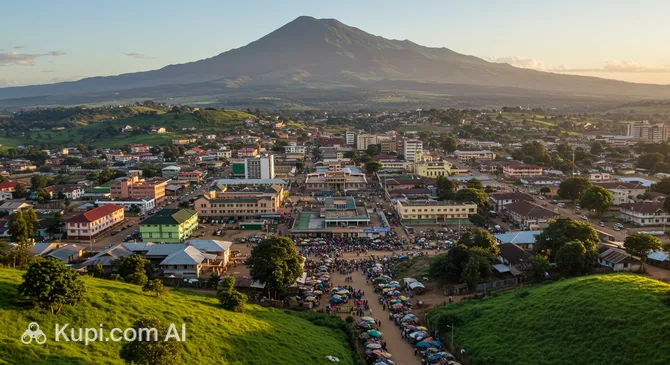
Nestled in the dramatic landscapes of the Southern Highlands, Mbeya is a captivating destination that offers a refreshing contrast to the coastal heat. As a major urban center in southwest Tanzania, it serves as a crucial transit hub and a gateway to some of the country's most spectacular natural wonders. The city is often affectionately referred to as the "Scotland of Africa" due to its lush green hills and cool, misty climate.

The city sits at an altitude of approximately 1,700 meters, flanked by the towering Loleza Peak and the Poroto Mountains. With a population of around 467,000 residents, it is a bustling regional capital that retains a scenic charm. The unique geography ensures a temperate climate year-round, making it a pleasant escape for travelers seeking cooler weather and mountain air.
Mbeya. Source: Kupi.Binoculars

While the city itself is relatively young, founded in the 1920s during a local gold rush, the history of Mbeya has evolved into a story of agricultural prosperity and trade. Today, it is renowned for its coffee, tea, and banana plantations which blanket the surrounding slopes, contributing to the region's vibrant economy and verdant appearance.

For nature enthusiasts, the area is a treasure trove. It serves as the perfect base for exploring the nearby Kitulo National Park, famous for its breathtaking wildflowers, or hiking up to the stunning Ngozi Crater Lake. Visitors can also marvel at the Mbozi Meteorite, one of the largest meteorites in the world, located just a short drive away.

Whether you are passing through on the TAZARA railway or planning a trekking adventure in the Southern Highlands, Mbeya offers a warm welcome and breathtaking views. It is an ideal stop for those looking to experience a different, greener side of East Africa, inviting you to explore its peaks and valleys.
Weather Overview

The weather in Mbeya is characterized by a temperate highland climate that is generally cooler and more comfortable than the humid coastal regions of Tanzania. Due to its elevation, the city experiences mild temperatures year-round, creating a refreshing environment for visitors. Understanding these seasonal variations is essential for planning outdoor activities, particularly hiking and trekking in the surrounding mountains.

The year is divided into distinct wet and dry periods. From June to September, the region experiences a dry season with virtually no rainfall and plenty of sunshine. This is also the coolest time of the year; in July, average temperatures hover around 18.1°C, with nights dipping as low as 12.1°C. These clear, crisp days are ideal for exploring the Southern Highlands without the interruption of rain.

In contrast, the rainy season typically runs from November to April. During these months, precipitation is frequent, with January and March seeing rain on as many as 27 days. Despite the wet conditions, the weather remains warm, with average temperatures staying between 20°C and 21°C. October is generally the warmest month, with daytime highs reaching up to 29.0°C before the regular showers set in. Expect warm days with consistent precipitation during the wet season and cool, dry conditions during the middle of the year.

Interesting Facts

Beyond the well-trodden paths of the Southern Highlands, Mbeya hides a collection of geological marvels and local legends that few travelers get to see. The region's volcanic past has sculpted unique formations that serve as both natural wonders and cultural landmarks.

  • One of the most intriguing natural formations nearby is Daraja la Mungu, or "God's Bridge." This natural stone bridge spanning the Kiwira River was formed millions of years ago by cooling lava flow. It is sturdy enough to walk across, offering a thrilling perspective of the rushing water beneath without the aid of any man-made engineering.

  • Just a short distance from the natural bridge lies Kijungu, locally known as the "Cooking Pot." Here, the river forces its way through a narrow, cauldron-like rock formation creating a mesmerizing whirlpool. Local folklore surrounds this spot, with stories suggesting that the 'pot' has mysterious, unmeasured depths where the water churns violently before continuing downstream.

  • The region is also home to the Songwe Hot Springs, located in the rift valley floor. These geothermal springs are a testament to the area's volcanic activity, with water bubbling up at temperatures high enough to boil an egg. They are a popular spot for locals who believe the mineral-rich waters possess therapeutic properties.

How to Get There

Reaching Mbeya is the first step to exploring the stunning Southern Highlands of Tanzania. While the journey can be an adventure in itself, air travel remains the most convenient method for most visitors. For a detailed breakdown of all transport options, including road and rail, you can read more about how to get to Mbeya to plan your trip effectively.

The city is served directly by Mbeya Airport (IATA: MBI), which is the most practical entry point. Located just 1.1 km from the city center, it offers incredible convenience for travelers. A taxi or transfer from the airport to the heart of the city is very short, allowing you to start your visit almost immediately. This regional hub handles a steady flow of passengers and connects the city with major destinations like Dar es Salaam.

If you are exploring the wider region, you might also arrive via Nduli Airport (IATA: IRI) in the city of Iringa. However, please note that this airport is approximately 287 km away from Mbeya. The ground transfer from Iringa is substantial, taking roughly 7.5 hours by bus or taxi, so this option is best suited for those planning a multi-stop itinerary rather than a direct visit.

For clarity, here is a summary of the main airports:

Airport Name City Passenger Traffic Km from City
Mbeya Airport Mbeya Medium 1.1
Nduli Airport Iringa Small 287.3
Kasama Airport Kasama Small 293.6

Main Attractions

While Mbeya is often celebrated for the lush mountains that surround it, the city center offers its own unique blend of urban energy and local culture. Visitors spending time within the town can explore bustling markets, enjoy modern dining experiences, and relax in comfortable leisure spots that provide a glimpse into the daily life of this highland metropolis.

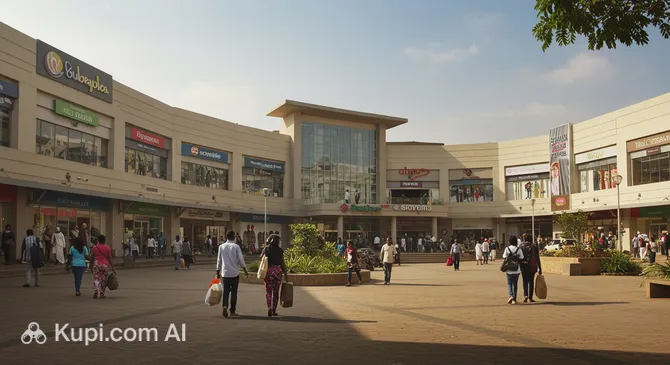
For those interested in the commercial heartbeat of the city, the Kabwe Shopping Center is a key landmark. As one of the prominent multi-story commercial complexes in Mbeya, it serves as a central hub for shopping and business. Tourists can visit to stock up on supplies, browse through various retail outlets, or simply observe the lively atmosphere of local commerce in action.

Kabwe Shopping Center. Source: Kupi.Binoculars

Dining in the city offers a chance to unwind, and The Ridge Cafe is a popular choice for both locals and travelers. Known for its welcoming ambiance, this establishment provides a comfortable setting to enjoy a meal or a cup of the region's famous coffee. It is an excellent spot to take a break from exploring and soak in the cooler highland air while enjoying good service and tasty food.

The Ridge Cafe. Source: Kupi.Binoculars

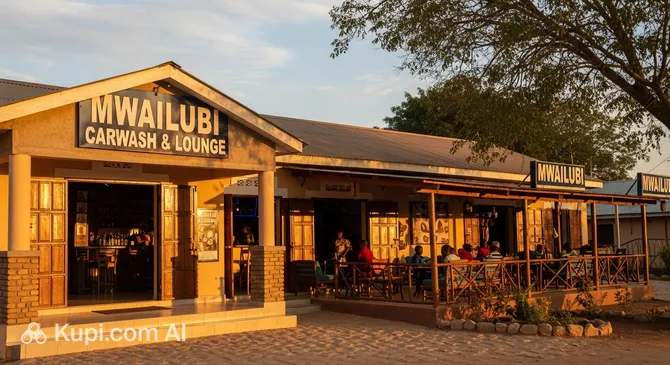
Experience the vibrant local nightlife and social scene at Mwailubi Carwash & Lounge. In Tanzania, it is quite common for car washes to transform into lively lounges and bars, serving as social gathering points. This venue offers a relaxed environment where visitors can enjoy drinks, music, and the company of friendly residents, making it a unique cultural experience beyond the typical tourist trail.

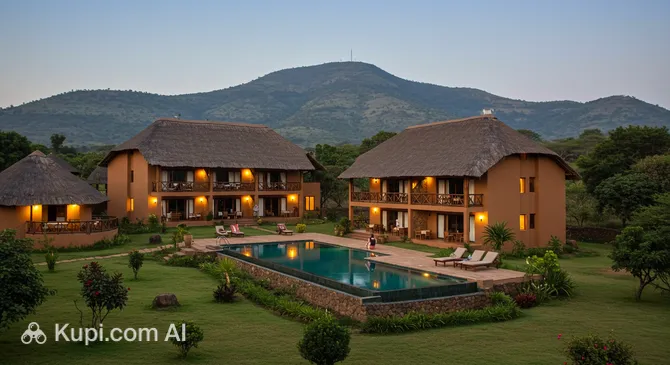
If you are looking for a place that combines accommodation with leisure facilities, Beaco Resort is a notable establishment in the area. It offers a serene environment for relaxation, often featuring amenities that cater to guests looking for comfort after a day of hiking or traveling. It stands out as a modern facility contributing to the city's hospitality sector.

Beaco Resort. Source: Kupi.Binoculars

Local Cuisine

The culinary landscape of Mbeya is deeply influenced by its status as one of Tanzania's agricultural powerhouses. Thanks to the cool climate and fertile volcanic soil of the Southern Highlands, the city enjoys an abundance of fresh produce, ranging from avocados and bananas to potatoes and maize. This availability of high-quality ingredients translates into hearty, flavorful meals that reflect the region's role as a breadbasket for the country.

One of the most celebrated staples in the region is rice, specifically the aromatic variety grown in the nearby Kyela District. Kyela rice is famous across Tanzania for its distinct fragrance and taste. In Mbeya, it is commonly served as Wali na Maharage (rice with beans) or with rich beef stews. Another dish that takes advantage of the local harvest is Chipsi Mayai. Since Mbeya is a major potato producer, this popular Tanzanian street food—a delicious omelet made with french fries—is exceptionally fresh and widely available here.

For meat lovers, Nyama Choma (grilled meat) is an essential part of the dining culture. Local eateries and pubs often feature open-air grills where goat or beef is slow-roasted to perfection and served with sides of roasted bananas or Ugali (a stiff maize porridge). This communal style of eating is a favorite way for residents to socialize, often accompanied by a spicy tomato and onion salad known as Kachumbari.

Beverages in Mbeya are just as noteworthy as the food. As a premier coffee-growing region, the city offers some of the best Arabica coffee in East Africa. Visitors can enjoy a freshly brewed cup that has been sourced from the surrounding hills. Tea is also widely cultivated and consumed. For those looking for something stronger, local beers are popular, often enjoyed in relaxed settings.

The dining scene ranges from casual street stalls to more established restaurants. For a comfortable atmosphere where you can sample both good food and the region's famous coffee, The Ridge Cafe is a top choice for travelers. It provides a welcoming environment to rest and refuel. Meanwhile, the local food culture often blends with social nightlife. Places like Mwailubi Carwash & Lounge offer a unique glimpse into modern Tanzanian life, where one can grab a drink and enjoy a lively evening among locals.

Mwailubi Carwash & Lounge. Source: Kupi.Binoculars

Travel Tips

Visiting Mbeya offers a unique experience compared to the rest of Tanzania, thanks to its cooler climate and highland geography. To help you make the most of your time in this vibrant city and its surrounding mountains, here are some practical tips to keep in mind.

  1. Clothing and Gear: Unlike the humid coast, Mbeya can get quite chilly, especially in the evenings and during the dry season (June to August). Pack warm layers, such as a fleece jacket or sweater, and a waterproof coat if visiting during the rainy season. Since the terrain is hilly and many attractions involve hiking, sturdy and comfortable walking shoes are essential.
  2. Transportation: The most common way to get around the city is by Bajaji (auto-rickshaws) or Bodaboda (motorcycle taxis), which are affordable and navigate traffic easily. For longer distances across town, dala-dalas (minibuses) are the standard public transport; they are cheap but often crowded. Taxis are available at major hubs and hotels, but always negotiate the fare before starting your journey as meters are rarely used.
  3. Finances: The local currency is the Tanzanian Shilling (TZS). While major hotels and supermarkets may accept credit cards, cash is king in Mbeya, especially in local markets and smaller restaurants. ATMs are widely available in the city center, so it is wise to withdraw enough cash before heading out on excursions to rural areas like Kitulo or Ngozi.
  4. Health and Safety: Mbeya is generally safe, but standard precautions apply; avoid walking alone in unlit areas at night. Pharmacies are available in the town center for basic supplies. Although the high altitude reduces the risk of malaria compared to the coast, it is still present, so sleeping under a treated net and using insect repellent is recommended. Drink only bottled or filtered water.
  5. Communication: Swahili is the primary language spoken by locals. While staff at hotels and tourist sites usually speak English, it is less common among the general population. Learning a few basic phrases like "Habari" (Hello) and "Asante" (Thank you) goes a long way. buying a local SIM card (Vodacom, Airtel, or Tigo) is easy and provides reliable 4G data for navigation and staying connected.
  6. Local Etiquette: Tanzanians are polite and value proper greetings. Always take a moment to greet someone before asking a question or starting a transaction. When handing money or items to someone, use your right hand, as using the left is considered impolite. Dress modestly when walking around the city center to respect local norms.
  7. What to Avoid: Do not take photographs of people without their explicit permission, as this can be offensive. Additionally, avoid taking pictures of government buildings, police stations, or military personnel, as this is strictly prohibited and can lead to legal trouble.
  8. Local Insight: Mbeya is one of the country's top coffee-producing regions. Don't miss the chance to buy locally roasted coffee beans directly from the source. You can find excellent quality beans at the local markets or specialty shops in town, often at a fraction of the export price.

With these tips in hand, you are well-prepared to enjoy the cool breezes and green landscapes of the Southern Highlands. Mbeya is a friendly city where a little preparation allows you to relax and fully appreciate the stunning natural beauty around you.

Entertainment & Nightlife

While Mbeya is primarily known as a transit hub and an agricultural center, its entertainment scene offers a genuine slice of Tanzanian urban life. The nightlife here is less about glitzy nightclubs and more about vibrant social gatherings, open-air bars, and lounges where locals unwind after a day of work. The atmosphere is generally relaxed and welcoming, characterized by the sounds of Bongo Flava music and the smell of roasting meat.

One of the most unique aspects of nightlife in this region—and Tanzania in general—is the "Car Wash" culture. These venues are not just for cleaning vehicles; by night, they transform into lively bars and lounges. A prime example is Mwailubi Carwash & Lounge. In the evening, this spot becomes a bustling social hub where you can enjoy cold drinks, listen to popular music, and mingle with a friendly crowd. It provides an authentic experience that differs significantly from standard tourist bars.

For those seeking a quieter or more sophisticated evening, hotel bars and restaurants are excellent options. The Ridge Cafe is a favorite for a more laid-back night out. It offers a comfortable setting to enjoy a glass of wine or a cocktail while chatting with friends. Similarly, the bar at Beaco Resort provides a secure and pleasant environment, making it a suitable choice for travelers who prefer to stay close to their accommodation while still enjoying the local hospitality.

When planning a night out, it is helpful to know that the dress code in Mbeya is casual. You do not need to dress up formally; smart-casual attire is perfectly acceptable everywhere. Prices are generally very affordable compared to larger cities like Dar es Salaam or Arusha. A local beer typically costs between 2,500 and 4,000 TZS. Most venues stay open until late, especially on weekends, but the crowd usually picks up around 9:00 PM.

Safety is an important consideration for any tourist. While the city is relatively safe, it is advisable to take taxis rather than walking at night, even for short distances. Bajajis (auto-rickshaws) are common, but for late-night transport, a private taxi arranged by your hotel or the venue is the safest bet. Stick to well-lit areas and avoid carrying large amounts of cash or expensive valuables.

During the day, entertainment shifts towards exploring the local hustle and bustle. Visitors can head to Kabwe Shopping Center, which acts as a modern commercial hub. It is a good place to walk around, do some shopping, or grab a quick bite. Although Mbeya lacks large amusement parks or grand museums, the vibrant markets and the daily rhythm of the city provide plenty of cultural entertainment for the curious traveler.

Parks & Museums

As the "Green City" of the Southern Highlands, Mbeya is defined more by its stunning natural surroundings than by manicured urban parks. However, the city and its outskirts offer a refreshing blend of accessible green spaces and cultural venues that celebrate the region's rich heritage and biodiversity. Visitors will find that the concept of a "park" here often extends to the wild, flower-filled plateaus and lush peaks that frame the town.

For a relaxing break within the city limits, the City Garden is a popular spot among locals. Located near the center of town, this modest but well-kept green space offers a peaceful retreat from the bustling streets. It features paved pathways, shaded seating areas, and a variety of colorful flowers that thrive in the cool highland climate. It is an excellent place for a quiet afternoon walk or a picnic, allowing travelers to observe the daily rhythm of local life in a serene setting.

Just a short distance from the city lies one of Tanzania's most unique natural areas, Kitulo National Park. Often referred to as the "Serengeti of Flowers," this protected area is a botanical paradise rather than a traditional wildlife park. It is the first national park in tropical Africa established primarily for its flora. During the rainy season, the plateau explodes with color as hundreds of species of wildflowers, including rare orchids and lilies, bloom in unison. It provides a stark, beautiful contrast to the typical savanna landscapes found elsewhere in the country.

While Mbeya does not have a vast array of large museums, the Mbeya Regional Museum serves as a key custodian of local history. This facility offers visitors a deep dive into the cultural fabric of the Southern Highlands, featuring ethnographic exhibits related to the indigenous Nyakyusa, Safwa, and Malila tribes. The collection includes traditional tools, musical instruments, and household artifacts that tell the story of the region's agricultural and social evolution over the centuries.

Another interesting venue is the Ifisi Zoo and Museum, located in the nearby town of Mbalizi. This family-friendly attraction combines wildlife viewing with educational exhibits. The small on-site museum focuses on natural history and conservation, complementing the experience of seeing regional animals. It is a great stop for those traveling with children or anyone interested in learning about the local fauna without venturing deep into the bush.

For history enthusiasts, the Mbozi Meteorite is a fascinating landmark situated about 65 kilometers from the city. This 12-tonne iron colossus is one of the largest meteorites in the world and is unique because it lacks a crater, suggesting it may have rolled across the surface upon impact. Closer to town, the TAZARA Railway Station stands as an architectural symbol of the city's strategic importance, representing the engineering feat that connected landlocked Zambia to the Tanzanian coast.

For a truly authentic experience, consider hiking up Loleza Peak, which looms directly over the city. The trail starts just behind the town and offers an invigorating climb through eucalyptus forests and grassy slopes. Reaching the top rewards you with a panoramic view of Mbeya's sprawling green valley and the misty mountain ranges beyond, a perspective that perfectly captures the essence of this highland metropolis.

Getting Around

Navigating Mbeya is a relatively straightforward experience, although the city lacks a formal, scheduled mass transit system like a metro or tram network. Instead, the public transport infrastructure relies heavily on a flexible and informal network of road-based options. For visitors, understanding how to utilize these local services is key to getting around the city center and reaching the surrounding residential areas or tourist sites efficiently.

The backbone of the city's transport is the dala-dala. These are minibuses that operate on set routes connecting the central business district with the suburbs and the main regional bus terminal. You can identify them by the colored stripes on the vehicle or the destination written on the front windshield. They are the most affordable way to travel, though they can be crowded and often wait to fill up completely before departing. Stops are not always marked with signs; instead, passengers gather at known pick-up points or simply wave a hand to flag one down along the route.

For a more direct and faster alternative, Bajajis (auto-rickshaws) are extremely popular in Mbeya. Due to the city's hilly terrain and narrow streets, these three-wheeled vehicles offer a perfect balance between cost and convenience. They are safer and more comfortable than motorcycles, especially during the rainy season, and can drop you exactly at your destination's doorstep. You will find them parked at designated stands on street corners or cruising for passengers.

Bodabodas (motorcycle taxis) are the quickest way to cut through traffic and reach areas that might be difficult for larger vehicles to access. They are ubiquitous and available at almost every intersection. While they are convenient for solo travelers, safety can be a concern. It is highly advisable to insist on a helmet and only use drivers who appear to be riding carefully. This mode of transport is best suited for short trips during the day.

Private taxis are available but do not roam the streets looking for fares like in major Western cities. Instead, they are stationed at specific locations such as the airport, major hotels, and the main bus terminals. Taxis in the city do not use meters. Therefore, it is essential to agree on the fare with the driver before getting into the car. If you are unsure of the standard rate, ask a hotel receptionist or a local shopkeeper for an estimate beforehand.

The payment system across all these modes of transport is exclusively cash. There are no travel cards, electronic passes, or mobile apps for ticketing. Passengers pay the conductor inside the dala-dala or the driver directly for Bajajis and taxis. It is crucial to carry small denominations of the local currency, as drivers often struggle to find change for large banknotes. Fares for dala-dalas are fixed and very low, while prices for Bajajis and taxis are open to negotiation.

Public transport generally operates from the early hours of the morning, around 5:00 AM, until late in the evening. However, the frequency of dala-dalas drops significantly after 9:00 PM. If you plan to be out late, it is recommended to arrange a private taxi in advance or have the number of a reliable driver. While walking is a pleasant option within the compact city center, the steep roads and lack of sidewalks in some areas make motorized transport preferable for longer distances.

A notable feature of the city's transport landscape is its role as a major railway hub. The TAZARA Railway Station connects the city to the coast and neighboring Zambia. While this is an inter-city train rather than a local metro, the station itself is a well-known landmark. Travelers often use local transport to reach the station to embark on one of the most scenic rail journeys in East Africa.

Accommodation

Finding a place to stay in Mbeya is generally a straightforward and affordable experience, with options that cater primarily to budget-conscious travelers and those seeking mid-range comfort. The accommodation landscape is dominated by modest guesthouses, functional business hotels, and a few resorts that offer more extensive amenities. While the city may not boast ultra-luxury international chains, visitors can expect clean, hospitable, and safe environments that reflect the warm nature of the region.

For most tourists, the choice of location depends on their itinerary. Staying in the city center is incredibly convenient for those relying on public transport, as it places you within walking distance of the main bus terminals, markets, and restaurants. This area is bustling and lively, perfect for short transit stops. Alternatively, the suburbs such as Soweto and the greener, hillier outskirts like the Forest area offer a quieter atmosphere with scenic views of the surrounding mountains, making them ideal for travelers looking to relax after a day of hiking.

Among the notable establishments in the city is Beaco Resort. It serves as a prime example of the comfortable lodging available in the area, offering guests a blend of modern facilities and local hospitality. Places like this are well-suited for families or business travelers who require reliable services, such as on-site dining and secure parking, while still being close enough to the city's main activities.

The cost of accommodation in Mbeya is generally lower than in Tanzania's northern tourist hubs. Budget travelers can find decent rooms for very reasonable rates, often paid in cash upon arrival. Mid-range hotels typically accept credit cards and can be booked through major online platforms, though calling or emailing directly can sometimes secure a better rate. It is worth noting that during major events, such as the Nane Nane agricultural fair in August, the city fills up quickly.

Booking Tip: While it is usually easy to find a room on short notice, it is highly recommended to book in advance if you are visiting during the peak dry season (June to September) or around public holidays. This ensures you secure a room with the best views and amenities, as the top-rated hotels tend to sell out first.

Nearby Cities

For those looking to explore the surroundings, Mbeya serves as an excellent base for day trips to several interesting nearby locations:

Located just a short drive to the south, Tukuyu is arguably the most accessible and scenic option for a day trip. This charming town is renowned for its lush tea estates and banana plantations, which thrive in the cool, misty climate of the Rungwe District. Visitors can enjoy guided tours of the tea fields, experience the local market culture, or use the town as a gateway to natural wonders like the Ngozi Crater Lake and the impressive Daraja la Mungu (Bridge of God).

For those willing to travel a bit further for a short visit or an overnight stay, Iringa offers a fascinating mix of history and archaeology. Perched on a high cliff overlooking the Little Ruaha River valley, the city features distinct German colonial architecture and a vibrant atmosphere. A major highlight nearby is the Isimila Stone Age Site, where travelers can walk among dramatic sandstone pillars and view ancient tools that date back thousands of years.

Another option for exploring the region is Sumbawanga, situated to the northwest. While it is a longer journey, this town serves as a crucial link to the remote western circuits of Tanzania. It offers a glimpse into the life of the Rukwa region and is often a stopover for adventurous travelers heading towards Katavi National Park.

City Population Distance (km)
Dodoma 213636 393
Tabora 160608 433
Iringa 151345 276
Sumbawanga 147483 229
Tukuyu 127570 43

These nearby destinations offer a glimpse into the diverse culture and landscapes of the region.

Shopping & Souvenirs

Shopping in Mbeya offers a practical and authentic glimpse into the daily life of the Southern Highlands. While the city is not a destination for high-end luxury fashion or sprawling international malls, it excels in providing fresh local produce, vibrant textiles, and essential goods. The shopping scene here is driven by utility and agriculture, reflecting the region's status as a major food basket for Tanzania. Visitors will find that the experience is less about browsing designer labels and more about discovering the richness of the local harvest and craftsmanship.

The main commercial activity is concentrated in the city center, particularly along the bustling Mbalizi Road and the streets surrounding the Uhindini area. This district is a hive of activity where small shops, hardware stores, and clothing boutiques line the roads. It is the best place to take a walk and observe the commercial energy of the town, with vendors selling everything from electronics to colorful fabrics right on the sidewalk.

For a more modern retail experience, the Kabwe Shopping Center stands out as a primary destination. As one of the few multi-story commercial complexes in the city, it provides a convenient one-stop location for travelers. Here, you can find a variety of shops under one roof, including supermarkets for stocking up on supplies, pharmacies, and smaller outlets selling clothes and accessories. It offers a cleaner, more organized environment compared to the open-air markets.

However, to truly understand the local culture, a visit to the city's markets is essential. Soko Matola is the main market and a sensory explosion of sights and smells. It is the go-to place for fresh fruits, vegetables, and grains. This is where the agricultural bounty of the region is on full display, with mounds of potatoes, green bananas, and avocados piled high. The market also has sections for second-hand clothing (mitumba) and household items, making it a lively spot to mingle with residents.

When it comes to souvenirs, Mbeya offers distinct local products that make for excellent gifts. The region is famous for its coffee, and buying freshly roasted beans directly from local suppliers is a must for any coffee lover. Another prized item is Kyela rice, known across East Africa for its aromatic scent and quality; you can buy it in small, manageable bags to take home. Additionally, look for Kitenge and Kanga fabrics, which are sold in vibrant patterns and can be used as wraps, tablecloths, or tailored into clothing.

Most shops in the city open around 8:30 AM and close by 6:00 PM, although some supermarkets and the shopping center may stay open a bit later. Sunday is a quiet day, with many smaller businesses remaining closed. Cash is the primary method of payment for almost all transactions, especially in markets and smaller kiosks. While the main supermarket in the shopping center may accept credit cards, it is highly advisable to carry Tanzanian Shillings (TZS) to ensure smooth purchasing. Bargaining is expected in the markets and with street vendors, but prices in supermarkets and formal shops are fixed.

Regarding tax refunds, tourists should be aware that Mbeya does not currently have a specialized tax-free shopping system or refund counters for visitors. The prices you see are generally final, inclusive of any local taxes. Focus on the value of the goods, particularly the agricultural products and textiles, which are often sold at very reasonable prices compared to the tourist hubs in the north.

Nearby cities

Reached the end of the page?

That means the route is fully explored