Support

Kasama

About

Welcome to Kasama, the bustling capital of the Northern Province and a significant cultural and commercial hub in Zambia. Known for its friendly atmosphere and vibrant street life, this city serves as an excellent base for exploring the northern circuit of the country. With a population of approximately 200,000 people, it balances the energy of a growing urban center with the laid-back charm typical of the region.

Geographically, the city is situated on the central African plateau at an elevation of about 1,400 meters. This high altitude blesses the area with a generally mild and pleasant climate, distinguishing it from the hotter lowlands. The surrounding landscape is characterized by miombo woodlands and rolling hills, offering a scenic backdrop for travelers.
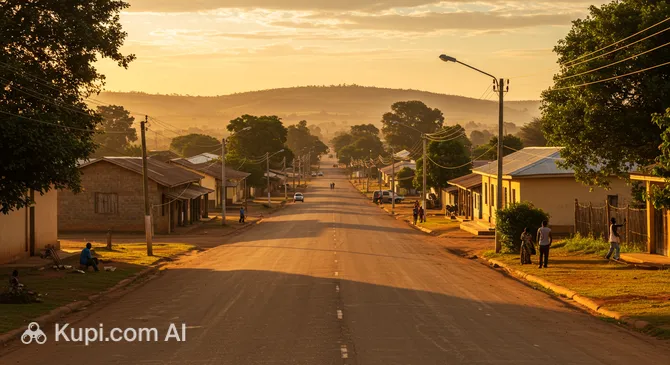
Kasama. Source: Kupi.Binoculars

The region is deeply rooted in the past, boasting a heritage that spans from ancient times to the colonial era. Visitors interested in the history of Kasama will find the area fascinating, particularly due to the presence of the Mwela Rock Paintings. This National Monument features hundreds of rock art sites dating back to the Stone Age, providing a unique window into early human settlement in the area.

Nature lovers should not miss the spectacular Chishimba Falls, located just a short drive from the city center. Fed by the Luombe River, these waterfalls are a series of three distinct cascades that offer peaceful picnic spots and impressive views. Additionally, the region is known for its coffee production, and visiting a local coffee plantation can be a delightful experience for those looking to taste some of the country's finest brews.

Whether you are passing through on your way to Lake Tanganyika or planning a dedicated stay, Kasama offers a genuine taste of Zambian life. Its combination of historical depth, natural beauty, and warm hospitality makes it a destination well worth adding to your itinerary.

Weather Overview

Due to its high elevation, the weather in Kasama remains generally mild and comfortable throughout the year, avoiding the extreme heat often found in lower-lying areas. The city experiences two distinct seasons: a warm, wet period that dominates the summer months and a cooler, dry winter season that offers clear, sunny skies.

The rainy season typically spans from November to April, with January seeing precipitation on as many as 29 days. During this time, average temperatures hover around 21°C to 22°C, creating a humid but lush environment. Conversely, from May to September, rainfall is virtually non-existent. June and July are usually the coolest months, with minimum temperatures dipping to around 12°C, while October marks the peak of the heat, with daily highs often reaching above 31°C.

Interesting Facts

Beyond the main attractions, Kasama holds many fascinating secrets that reveal its deep historical and cultural significance. The city and its surroundings are home to unique stories that range from ancient spiritual beliefs to pivotal moments in global history.

  • A Unique WWI Connection: Kasama occupies a distinct place in military history regarding the end of World War I. German General Paul von Lettow-Vorbeck captured the town on November 13, 1918—two days after the Armistice had already been signed in Europe. It was here that he eventually received the telegram notifying him of the ceasefire, making this area one of the very last active theaters of the Great War.

  • An Ancient Art Gallery: The Mwela Rocks just east of the city boast one of the highest concentrations of rock art in the entire Southern African region. There are over 1,000 individual paintings hidden within the rocky outcrops, creating a massive open-air gallery that documents human life from the Late Stone Age.

  • Sacred Waters: The Chishimba Falls are not merely a scenic spot but a sacred sanctuary for the Bemba people. Local tradition holds that the spirit of Chishimba resides in the cave behind the falls; consequently, shouting, cursing, or using derogatory language is strictly forbidden in the vicinity to avoid offending the spirit.

  • The Coffee Hub: While Zambia is often associated with copper mining, Kasama serves as the heart of the country's coffee production. The region's high altitude and specific climate conditions are ideal for cultivating high-quality Arabica beans, which are increasingly prized by specialty roasters around the world.

How to Get There

Reaching the heart of the Northern Province in Zambia is an adventure that reveals the diverse landscapes of the region. Whether you prefer a quick flight or a scenic overland journey, there are several options available for travelers. You can find detailed information and plan your route by reading more about how to get to Kasama.

The most convenient entry point for most visitors is Kasama Airport (KAA), situated directly in the city, just 6.8 km from the center. As a small regional hub, it primarily serves domestic connections. Once you land, reaching the town center is straightforward; a taxi ride is a quick and easy option. This is the best choice for those looking to minimize travel time.

For travelers coming from East Africa or looking for alternative routes, Mbeya Airport (MBI) is another possibility, though it requires significant additional travel. It is important to note that this airport is located in Mbeya, Tanzania, approximately 288 km from Kasama. The transfer from Mbeya involves crossing the international border and a road journey of around 7.5 hours, making it suitable mainly for those planning a multi-country itinerary.

For clarity, here is a summary of the main airports:

Airport Name City Passenger Traffic Km from City
Mbeya Airport Mbeya Medium 288.2
Kasama Airport Kasama Small 6.8

In addition to air travel, Kasama is a major stop on the historic TAZARA railway, which links the country with Tanzania, offering a unique and scenic rail experience. The city is also accessible via the Great North Road, which is paved and frequently used by buses and private vehicles traveling from Lusaka and other major Zambian towns.

Main Attractions

There is no shortage of things to see in this vibrant regional capital, where natural wonders and rich heritage sit right on the doorstep. The city serves as a perfect launching pad for exploring the Northern Province, offering sites that range from ancient archaeological treasures to breathtaking waterfalls.

Chishimba Falls is widely considered the region's premier tourist destination, located approximately 30 kilometers from the city center. This stunning geological formation is actually a collection of three separate waterfalls—Mutumuna, Kaela, and Chishimba—fed by the Luombe River. Visitors can enjoy well-maintained walking trails that lead to various viewpoints, offering misty panoramas and the thunderous sound of cascading water. The area is also a designated National Monument and provides a lush, serene environment perfect for picnics and relaxation away from the urban bustle.

For history enthusiasts and adventurers, the Mwela Rock Paintings are an absolute must-see. Situated just a few kilometers east of town, this site boasts one of the densest concentrations of rock art in Southern Africa, with over 1,000 paintings hidden among the dramatic granite outcrops. These ancient illustrations, attributed to the Late Stone Age Twa people, depict animals, humans, and geometric patterns. Exploring the site is an adventure in itself, involving hiking through rocky terrain and caves to discover these fascinating remnants of a bygone era.

In the heart of the city stands the Cathedral of St. John the Apostle, a prominent landmark that reflects the area's religious significance. This Roman Catholic cathedral is admired for its architectural simplicity and peaceful atmosphere, offering a quiet retreat in the middle of town. It serves as a central point of reference for locals and visitors alike, and attending a service here can be a moving experience, filled with vibrant local singing and community spirit.

While technically a short drive away, the Chambeshi Monument is often visited by those staying in the city due to its immense historical value. This site marks the location where German General Paul von Lettow-Vorbeck formally ceased hostilities at the end of World War I, days after the armistice in Europe. The monument, featuring a cannon and a plaque, stands near the Chambeshi Bridge and offers a poignant connection to global history in an unexpected setting.

Local Cuisine

The culinary landscape of Kasama offers a deep dive into traditional Zambian flavors, heavily influenced by the Bemba culture of the Northern Province. At the heart of every meal is nshima, a thick maize porridge that serves as the staple carbohydrate. It is almost always eaten with your hands and acts as a scoop for the various "relishes" or side dishes that accompany it. Visitors will find that the local nshima has a comforting, hearty texture, perfect for soaking up the rich sauces typical of the region.

One dish that stands out as a must-try in this region is ifisashi. This vegetarian delight consists of green leafy vegetables—often pumpkin leaves or rape—simmered in a creamy, savory groundnut (peanut) sauce. It is a defining flavor of the north and pairs perfectly with nshima. For those seeking protein, village chicken (free-range chicken with a firmer texture and richer taste) and fresh fish, such as bream or kapenta sourced from nearby rivers and lakes, are popular choices often prepared in tomato-based stews or grilled over charcoal.

Another unique delicacy to look out for is chikanda, often referred to as "African polony." Made from the tubers of wild orchids and cooked with groundnuts and chili, it has a firm, meat-like texture despite being vegetarian. It is a popular street snack and a savory treat that showcases the ingenuity of local cooking methods.

When it comes to beverages, Kasama’s reputation as a coffee-growing hub means you can enjoy some of the freshest coffee in the country. Locally grown Arabica beans offer a smooth and aromatic experience for caffeine lovers. For a more traditional thirst quencher, try munkoyo, a non-alcoholic fermented drink made from roots and maize meal, known for its slightly sour but refreshing taste. If you are interested in local alcohol, opaque sorghum beer (often called Chibuku) is a traditional favorite, though standard lagers are widely available.

The food culture here is unpretentious and community-oriented. While most hotels and lodges in the city serve international and continental cuisine, the authentic taste of Kasama is found in the local markets and small eateries known as "ntembas." Here, the atmosphere is lively, the food is freshly prepared, and the portions are generous, offering tourists a genuine connection with the local way of life.

Travel Tips

Visiting Kasama is a rewarding experience that offers a genuine slice of Zambian life, but like any destination off the beaten path, a little preparation goes a long way. These practical tips are designed to help you navigate the local customs and logistics smoothly, ensuring your trip to the Northern Province is as enjoyable and stress-free as possible.

  1. Clothing and Gear: Since Kasama sits at a higher altitude, the weather is generally mild, but evenings can get surprisingly cool. Pack light layers—a fleece or light jacket is essential for mornings and nights. If you are visiting between November and April, a sturdy raincoat or umbrella is a must for the daily downpours. For exploring the Mwela Rock Paintings or hiking around Chishimba Falls, bring comfortable, closed-toe walking shoes. While casual wear is acceptable, dress modestly when in town or visiting villages; avoid overly short skirts or shorts to respect local sensibilities.
  2. Transportation: There is no public metro or tram system here. The most common way to get around the town center is by local taxi, which are usually standard sedans painted blue or with specific taxi ribbons. They are affordable, but you should agree on the fare before hopping in as meters are rarely used. For trips to attractions outside the city, like the waterfalls, it is best to hire a taxi for a half-day or full-day return trip. Car rentals are limited within Kasama itself, so if you plan to self-drive, it is often better to rent a 4x4 in Lusaka or Ndola before heading north.
  3. Finances: The official currency is the Zambian Kwacha (ZMW). While major supermarkets (like Shoprite) and larger lodges accept Visa and Mastercard, cash is absolute king for local markets, small eateries, and taxi fares. There are several reliable ATMs in the town center (including Absa, Stanbic, and Zanaco) where you can withdraw local currency. It is wise to carry smaller denominations, as change can sometimes be hard to find for large bills.
  4. Health and Safety: Kasama is generally a safe and peaceful city, but standard precautions apply—avoid walking alone in unlit areas at night. The region is a malaria zone, so sleeping under a mosquito net and using insect repellent is crucial, especially in the evenings. Pharmacies are available in the town center for basic supplies, but for serious medical issues, the Kasama General Hospital is the main facility. Always drink bottled water rather than tap water to avoid stomach upsets.
  5. Communication: English is the official language and is widely spoken in businesses, hotels, and by younger people, so you will have no trouble communicating. However, the local language is Bemba. Learning a simple greeting like "Mwapoleni" (Good morning/Hello) will earn you warm smiles and instant rapport with the locals. SIM cards from providers like MTN, Airtel, or Zamtel are cheap and easy to buy at street kiosks; just remember to bring your passport for registration.
  6. Local Etiquette: Zambians are incredibly polite, and greetings are a significant part of social interaction. Never jump straight into a question or transaction; always ask "How are you?" first. Handshakes are common, often supported by the left hand touching the right elbow as a sign of respect. Be particularly respectful at Chishimba Falls; as mentioned in local lore, it is a sacred site, so loud behavior or swearing is culturally offensive there.
  7. What to Avoid: Avoid taking photographs of government buildings, police officers, or military personnel, as this is strictly prohibited and can lead to trouble. Additionally, do not take photos of locals without asking for their permission first—it is considered rude and invasive.
  8. Coffee Lover's Tip: Since you are in the heart of the coffee-growing region, don't miss the chance to buy locally roasted beans directly from the source. You can often find bags of fresh Kasama coffee in local supermarkets or specialized shops in town—they make for a fantastic and aromatic souvenir that supports the local economy.

By keeping these simple pointers in mind, you will find it easy to settle into the relaxed rhythm of Kasama. The locals are known for their friendliness and hospitality, so don't hesitate to ask for help or directions—engaging with the community is often the highlight of any trip to this beautiful part of Zambia.

Entertainment & Nightlife

Entertainment in Kasama reflects the city's laid-back and friendly character. You will not find a frenetic nightlife scene with neon-lit nightclubs or 24-hour party districts here. Instead, the evening culture revolves around socializing, storytelling, and enjoying good music in a relaxed environment. The nightlife is concentrated primarily within the town center (CBD) and at the bars of the major lodges, where locals and travelers mingle freely.

The atmosphere in Kasama after dark is unpretentious and welcoming. Most venues operate as hybrid restaurant-bars, transitioning from dining spots to lively watering holes as the night progresses. The dress code is almost universally casual; jeans and a t-shirt are perfectly acceptable everywhere. Fridays and Saturdays are the busiest nights, with venues often staying open until around midnight or slightly later, depending on the crowd. The music ranges from international hits to popular Zambian tracks (Zamrock and Rhumba), often played at a volume that still allows for conversation.

For a taste of the local social scene, the Kasama Golf Club is a central hub. Despite being a sports club, its bar is a popular gathering spot for residents and expatriates alike to unwind with a cold drink. It offers a safe, semi-private environment where you can watch sports matches and chat with locals. Another excellent option is the bar at Thorn Tree Lodge. Known for its pleasant outdoor setting, it provides a more tranquil evening experience, perfect for enjoying a meal followed by drinks under the stars. Kasama Lodge also features a well-stocked bar that attracts a steady stream of visitors, offering a comfortable space to relax after a day of exploration.

If you are looking for practical advice, the cost of a night out is generally low compared to larger cities like Lusaka. A local beer might cost between 20 to 30 Kwacha, while cocktails or imported spirits will be higher. Transportation is a key consideration; public buses stop running early in the evening. It is essential to arrange a private taxi beforehand or ask your hotel reception to call a trusted driver for you. Do not rely on finding a cab on the street late at night.

Safety is paramount when enjoying the nightlife. While the city is relatively peaceful, walking around the town center or unlit suburbs at night is not recommended. Stick to the main venues and always take a taxi door-to-door. If you wish to visit more local "bottle stores" or taverns, it is best to go with a local guide or a trusted friend who knows the area well.

Regarding daytime entertainment, Kasama is quiet on the front of theaters or large amusement parks. The city lacks modern cinema complexes or malls with gaming arcades. Daytime leisure is more traditional, focusing on the bustling central markets where you can observe daily commerce, or visiting the recreational grounds at the Golf Club. For culture lovers, the entertainment lies in the heritage sites mentioned previously, as the city itself serves more as a gateway to nature than a hub for urban amusements.

Parks & Museums

Kasama is a destination where the boundaries between nature and culture are beautifully blurred. Instead of traditional indoor museums and manicured city gardens, the region offers spectacular open-air galleries and wild, scenic landscapes that serve as the city's primary recreational spaces. Visitors here will find that the most profound historical lessons and peaceful green escapes are found outdoors, amidst the granite hills and rushing rivers.

Chishimba Falls serves as the region's premier natural park. While it is famous for its waterfalls, the area is also a designated National Monument that functions as a sprawling nature reserve. The site features a network of well-maintained walking trails that wind through a lush, rain-forest-like environment created by the spray of the falls. It is the favorite spot for locals to spend weekends, offering designated shelters and serene grassy areas perfect for picnics. The sound of the water and the shaded canopy provide a cool, refreshing escape from the midday sun.

For a different kind of green space, the Kasama Golf Club offers a slice of tranquility closer to the town center. Although it is a sporting venue, its grounds are among the best-kept in the city, featuring mature trees and open lawns. It provides a peaceful atmosphere for a walk or a quiet afternoon, contrasting with the busy market streets of the main town. The club often acts as a social hub where the greenery can be enjoyed alongside a refreshing drink.

In terms of cultural heritage, the Mwela Rock Paintings act as the city's most significant "museum." This site is effectively a massive, open-air art gallery containing over 1,000 individual paintings hidden within rock overhangs and caves. Dating back to the Late Stone Age, these works were created by the Twa people and offer an invaluable record of early human life, hunting practices, and spiritual beliefs. Exploring Mwela is an interactive historical experience; visitors hike between the rocky outcrops to "discover" the art, making it a far more engaging experience than viewing artifacts in a glass cabinet.

Another key historical site is the Chambeshi Monument. Located a short drive from the city, this spot marks a pivotal moment in global history—the final cessation of hostilities for World War I, days after the armistice was signed in Europe. The site features a commemorative cenotaph and a German field gun. It stands as a silent witness to the global reach of the Great War, offering history buffs a tangible connection to the past in an unexpected African setting.

For a truly authentic cultural experience, consider visiting the Chitimukulu Palace of the Paramount Chief of the Bemba people. While access can sometimes be restricted depending on royal protocols, it is the heart of the Bemba Kingdom's living history. The architecture and the palpable sense of tradition provide insight into the strong tribal structures that still influence daily life in the Northern Province today.

Insider Tip: When visiting the Mwela Rock Paintings, try to hire a local guide from the entrance gate. Many of the best-preserved paintings are tucked away in hard-to-find crevices, and the guides can explain the specific meanings behind the geometric symbols and animal figures, which might otherwise look like simple sketches to the untrained eye.

Getting Around

Navigating Kasama is a straightforward experience, though it differs significantly from the structured public transport systems found in major global metropolises. As a growing regional hub, the city does not have a metro, tram, or large municipal bus network. Instead, the public transport system is informal, relying almost entirely on privately owned minibuses and taxis to move people around the town and to surrounding suburbs.

The backbone of local transit is the minibus. These vehicles are typically painted blue or feature a blue strip, making them easy to identify. They operate on set routes that usually radiate outwards from the central business district and the main markets to various residential areas. There are no official timetables; instead, minibuses wait at designated stations or stops until they are full before departing. This means patience is often required, as departure times depend entirely on passenger demand.

For a more direct and private option, taxis are widely available throughout the city. Like the minibuses, legitimate taxis are generally recognizable by their specific color schemes or ribbons tied to the side mirrors. In Kasama, taxis operate on two models: "booking," which is a private hire for a specific trip, and shared taxis, where the driver may pick up other passengers heading in the same direction to maximize the fare. Private hire is the most convenient choice for tourists, especially when carrying luggage or visiting attractions like the waterfalls.

The payment system across all forms of transport is strictly cash-based. There are no travel cards, passes, or tap-to-pay systems. Passengers pay the conductor (on minibuses) or the driver (in taxis) directly. Fares for minibuses are fixed and very affordable, while taxi fares must be negotiated before you get into the vehicle. It is essential to carry small denominations of the local currency, as drivers often struggle to find change for large banknotes.

Modern ride-hailing apps like Uber or Bolt are not currently active in Kasama. If you need a taxi, you cannot summon one via a smartphone app. The best approach is to hail one on the street, find them parked at designated ranks near the market and bus station, or ask your hotel or lodge to call a trusted driver for you. Having the phone number of a reliable taxi driver is a highly recommended travel hack for your stay.

Transport services generally operate from the early morning, around 05:00 or 06:00, to serve locals commuting to work. However, availability drops off sharply after dark. Minibuses often stop running by early evening, and finding a taxi on the street late at night can be difficult and is generally not recommended for safety reasons. If you plan to be out late, arrange your return transport in advance.

Walking is also a viable alternative for getting around the compact town center. The central business district is relatively small, and many shops, banks, and restaurants are within easy walking distance of each other. For those looking to explore at their own pace, car rentals are limited within the city itself, so most travelers needing a vehicle tend to rent one in larger cities before driving north.

Accommodation

Finding a place to stay in Kasama is a straightforward affair, with options that cater primarily to practical needs rather than opulent luxury. As the capital of the Northern Province, the city hosts a variety of establishments ranging from budget-friendly guest houses to mid-range lodges that offer a comfortable base for both business travelers and tourists exploring the region.

The accommodation landscape is dominated by "lodges," a term widely used in Zambia to describe small hotels or inns. These establishments are often family-run or locally owned, providing a warm, personalized atmosphere. Unlike major capital cities, you will not find towering international hotel chains here. Instead, the charm lies in smaller venues that often feature well-tended gardens, on-site restaurants, and a relaxed pace of life suitable for the laid-back nature of the town.

Location is a key factor when choosing where to book. Travelers looking for convenience and quick access to banks, shops, and transport hubs should look for hotels within the central business district. However, for a quieter experience, there are several excellent lodges situated on the outskirts of town or in the residential suburbs, particularly near the golf course. These locations often offer more spacious grounds and are better suited for those with their own vehicles or those seeking a peaceful retreat after a day of sightseeing.

In terms of amenities, most reputable lodges provide the essentials for a comfortable stay, including en-suite bathrooms, mosquito nets, and air conditioning or fans. Breakfast is typically included in the room rate and often features a hearty full English or continental spread. Wi-Fi is becoming standard across most mid-range options, though connection speeds can vary. If reliable internet is crucial for your trip, it is advisable to check with the reception beforehand or have a local SIM card as a backup.

For those planning a visit, it is worth noting that accommodation can fill up quickly during national holidays or when regional conferences are taking place. While walk-ins are often possible, booking in advance is recommended to secure your preferred choice. Additionally, while larger establishments accept credit cards, smaller guest houses may prefer cash payments in the local currency, so it is wise to have some on hand upon arrival.

Nearby Cities

For those looking to explore the surroundings, Kasama serves as an excellent base for day trips to several interesting nearby locations:

Just a few hours north of the city lies the historic town of Mbala. This settlement is steeped in history and is home to the renowned Moto Moto Museum, which preserves the rich cultural heritage of the Bemba people and houses fascinating archaeological finds. A visit to Mbala is often combined with a trip to the spectacular Kalambo Falls, one of the highest single-drop waterfalls in Africa, offering breathtaking views right on the Tanzanian border.

Descending from the plateau into the Great Rift Valley, travelers can visit Mpulungu, Zambia's only port town on the massive Lake Tanganyika. The change in altitude brings a warmer, tropical climate and a distinct atmosphere. It is a fantastic spot for a day trip to enjoy fresh fish, take a boat cruise on the lake, or simply admire the stunning waters that stretch out towards the horizon.

City Population Distance (km)
Ndola 528,330 413
Kitwe 504,194 433
Kashikishi 150,000 287
Nchelenge 147,927 286
Mansa 129,185 274

These nearby destinations offer a glimpse into the diverse culture and landscapes of the region.

Shopping & Souvenirs

Shopping in Kasama offers a blend of practical convenience and authentic local culture. While the city is not a destination for high-end luxury fashion or sprawling mega-malls, it serves as the commercial heart of the Northern Province. Visitors will find a functional mix of modern supermarkets for travel essentials and vibrant open-air markets that provide a colorful glimpse into daily Zambian life. The retail scene here is unpretentious, catering primarily to the needs of the local community, which makes for a genuine and immersive experience for travelers.

The primary commercial activity is concentrated within the Central Business District (CBD). This compact area, centered around the main thoroughfares, is lined with a variety of independent shops, hardware stores, and banks. Walking through the town center allows you to browse through general dealers selling everything from electronics to clothing. It is a bustling environment where pedestrians, cyclists, and taxis share the road, creating a lively atmosphere typical of a growing provincial capital.

For a more modern shopping experience, the city features a few shopping centers anchored by major supermarket chains. The most prominent is the complex housing Shoprite, which serves as a major landmark in town. Here, tourists can find a familiar selection of groceries, toiletries, and camping supplies, making it the best stop for restocking before heading out to waterfalls or other remote attractions. Another key retail spot is the area around Choppies, offering similar conveniences and a clean, air-conditioned environment.

To truly understand the local rhythm, a visit to the traditional markets is essential. Chikumanino Market, often referred to as the "New Market," is one of the most significant trading hubs in the city. It is a sensory overload in the best possible way, packed with stalls selling mounds of fresh vegetables, dried fish (kapenta), and seasonal fruits. This is also a prime location to find "salaula" (second-hand clothing), where patient shoppers can often dig up surprising vintage treasures at bargain prices.

When it comes to souvenirs, Kasama has a few unique specialties. As the center of Zambia's coffee-growing region, the city is the perfect place to purchase local coffee beans. You can often find bags of freshly roasted coffee in the local supermarkets or specialty stores, which make for an aromatic gift to take home. Additionally, the markets are excellent for buying Chitenge, the colorful, patterned fabric worn by many Zambian women. These fabrics are sold in roughly two-meter lengths and can be used as wraps, tablecloths, or tailored into custom clothing.

Standard shopping hours generally run from 08:00 to 17:00 on weekdays. On Saturdays, many shops close by 13:00 or 14:00, and Sunday trading is often limited to major supermarkets, which may have reduced hours. While the larger supermarkets and some lodges accept Visa and Mastercard, cash is the absolute rule in the markets and smaller street-side kiosks. It is highly recommended to carry the Zambian Kwacha in smaller denominations to make transactions smoother when buying fresh produce or souvenirs from local vendors.

Regarding tax-free shopping, tourists should be aware that the tax refund system in Zambia is primarily geared towards goods purchased at designated retailers in major cities like Lusaka or Livingstone and processed at international airports. In a regional town like Kasama, the concept of "tax-free shopping" is generally not applicable in daily transactions. Prices displayed are typically final, although polite bargaining is acceptable and expected when purchasing items from market stalls.

Nearby cities

Reached the end of the page?

That means the route is fully explored