Support

Mansa

About

Welcome to Mansa, the vibrant administrative capital of the Luapula Province. This bustling town serves as a vital commercial hub and a gateway to some of the most stunning water landscapes in the region. Strategically located between the Luapula River and Lake Bangweulu, it offers travelers a unique blend of urban energy and proximity to untouched nature in Zambia.

With a population of approximately 129,000 people, the city has grown steadily over the years. While it is a modern center for trade today, the history of Mansa reveals its evolution from a small outpost to a key regional player. The climate here is generally tropical, making it a pleasant destination for exploration throughout most of the year.

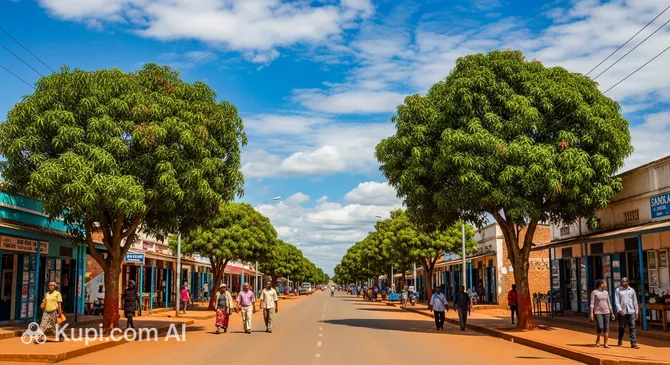
Mansa. Source: Kupi.Binoculars

Visitors are often drawn to the area's natural beauty. One of the highlights nearby is the spectacular Mumbuluma Falls, a two-step waterfall cascading over rock formations, perfect for a refreshing dip or a scenic picnic. Additionally, the city serves as a convenient jumping-off point for trips to the white sandy beaches of Samfya on the shores of Lake Bangweulu, offering a seaside feel in the heart of the continent.

Whether you are passing through on business or seeking an adventure in the northern wetlands, Mansa provides a warm welcome and a comfortable base. We invite you to experience the local hospitality and discover the hidden gems of Luapula.

Weather Overview

Mansa enjoys a tropical climate with clear distinctions between the rainy and dry seasons, offering warm temperatures for most of the year. Travelers planning a trip should consult the detailed weather in Mansa guide to pack accordingly for the specific month of their visit.

The hottest time of the year typically occurs in October, where temperatures can climb to a maximum of 31.5°C, while the coolest months are June and July, with average lows dipping to around 13°C. Rainfall is most frequent from November through April, with January seeing rain on nearly every day. Conversely, the dry season from May to September is characterized by clear skies and zero wet days, providing stable conditions for exploration.

Interesting Facts

Beyond its role as a commercial center, Mansa holds several fascinating secrets that reveal its unique character and history. Here are some intriguing details about this provincial capital that are well worth knowing.

  • A Name from the Past: The city was not always known as Mansa. Until the country's independence, it appeared on maps as Fort Rosebery, named after a British statesman. It was later renamed to honor the local Chief Mansa and the river that flows through the town, reclaiming its indigenous identity.

  • The "Battery" Legacy: For many years, the city was famous across the nation for the Mansa Batteries factory. Utilizing the region's abundant manganese deposits, this industrial landmark produced dry cell batteries that powered radios and torches throughout the country, leaving a lasting mark on the local industrial heritage.

  • A Geographic Quirk: Reaching Mansa from the major Copperbelt region often involves a unique journey through the Congo Pedicle. This salient of foreign territory cuts into Zambia, meaning the shortest route to the town requires travelers to briefly cross an international border, a distinctive feature of the region's travel logistics.

  • Gateway to the "Inland Sea": Although the country is landlocked, Mansa serves as the primary gateway to the white sandy beaches of Lake Bangweulu in nearby Samfya. Locals and visitors alike flock to this area to enjoy a seaside atmosphere, complete with waves and horizons that stretch as far as the eye can see.

How to Get There

Reaching Mansa is an adventure that often involves a scenic journey through the landscapes of Northern Zambia. While the city serves as a regional hub, it relies on connections with major transport centers in nearby cities for international and long-distance domestic travel. For a comprehensive guide on the best routes and travel tips, you can read more about how to get to Mansa.

The city of Mansa does not have its own major commercial airport listed for direct international flights. Most visitors choose to fly into Simon Mwansa Kapwepwe International Airport (NLA) in the city of Ndola, which is situated approximately 202 km away. This is a significant international gateway for the region. From Ndola, the journey by taxi or bus typically takes about 5 hours and 20 minutes, often crossing the famous Congo Pedicle road which serves as a shortcut between the Copperbelt and Luapula Province.

Another option for travelers is Lubumbashi International Airport (FBM), located in Lubumbashi. Although it is geographically closer at roughly 155 km, it is situated in the Democratic Republic of the Congo. The travel time by road is estimated at around 4 hours and 15 minutes, but this route involves an international border crossing. For those preferring to stay within Zambian borders, Solwezi (SLI) airport in Solwezi is another alternative, though it is further afield at about 295 km, resulting in a transfer time of approximately 7 hours and 40 minutes.

For clarity, here is a summary of the main airports facilitating travel to the region:

Airport Name City Passenger Traffic Km from City
Simon Mwansa Kapwepwe International Airport Ndola Large 201.6
Lubumbashi International Airport Lubumbashi Large 154.7
Solwezi Solwezi Medium 294.5
Kasama Airport Kasama Small 268.1

Since there are no major railway stations in the immediate vicinity serving passenger traffic directly to Mansa, road transport remains the primary mode of final connectivity. Regular bus services and private taxis link the town to these transport hubs, ensuring that despite the distance, the "Gateway to Luapula" remains accessible to dedicated travelers.

Main Attractions

While the city itself serves primarily as a commercial hub, the surrounding region of Luapula is a treasure trove of natural wonders. Visitors to Mansa will find themselves perfectly positioned to explore cascading waterfalls and pristine lakes that define the beauty of Northern Zambia. Here are the top attractions to include in your itinerary.

Undoubtedly the most famous site in the district is Mumbuluma Falls, located approximately 33 kilometers from the town center. This national monument features two distinct waterfalls occurring in succession, creating a spectacular visual display. The lower falls cascade into a deep, clear plunge pool that is widely regarded as one of the best natural swimming spots in the country. Locals also revere the area for its spiritual significance, believed to be the sanctuary of the protective spirits Makumba and Ngosa.

For a unique "seaside" experience in a landlocked nation, a trip to Samfya Beach on the shores of Lake Bangweulu is essential. Although situated about an hour's drive from Mansa, it is the region's premier recreational spot. The name Bangweulu translates to "The Place Where the Water Meets the Sky," a fitting description for the vast blue horizon. Travelers flock here to relax on the white sandy beaches, enjoy a swim, or watch the stunning sunrises that paint the water in vibrant colors.

Traveling north from the city, you will encounter the scenic Musonda Falls. Located near the boundary with Mwense District, these falls are powered by the Luongo River as it makes its way to the Luapula River. While part of the site is utilized for hydroelectric power generation, the cascading waters remain a captivating sight for nature lovers. It serves as a perfect stopover for those exploring the northern circuit, offering a peaceful atmosphere and lush green surroundings.

Within the city limits, the Mansa Catholic Cathedral stands as a prominent architectural and spiritual landmark. Its distinct design and serene ambiance attract not only the faithful but also tourists interested in the local culture and history. As the heart of the diocese, it offers a glimpse into the community life of the province's capital, providing a quiet contrast to the bustling markets nearby.

Local Cuisine

The culinary landscape of Mansa is deeply influenced by its geography, specifically its proximity to the abundant waters of the Luapula River and Lake Bangweulu. For food lovers, this means one thing above all else: exceptional fresh fish. The region is often referred to as the "fishing basket" of the country, and the local diet reflects this bounty, offering a genuine taste of traditional Zambian flavors with a distinct riverside twist.

At the heart of nearly every meal is Nshima, a thick porridge made from maize meal, though in this province, it is frequently prepared with cassava flour or a mixture of both, giving it a unique texture and flavor profile. This staple is traditionally eaten with hands and serves as the vessel for rich relishes. The most popular accompaniment here is undoubtedly bream (known locally as Mpende), which is served fresh, fried, or dried and stewed in a savory tomato and onion gravy.

Vegetarians will appreciate the widespread popularity of Ifisashi, a comforting dish consisting of green leafy vegetables—such as pumpkin leaves or rape—simmered in a creamy groundnut (peanut) sauce. Another local specialty worth seeking out is Chikanda, often called "African Polony." Made from wild orchid tubers and peanuts, it has a firm, meat-like texture and is typically enjoyed as a savory snack rather than a main course.

To wash down a hearty meal, visitors should try Munkoyo, a traditional non-alcoholic beverage made from crushed roots and maize meal. It has a slightly cloudy appearance and a distinctive, refreshing taste that is beloved across the region. For those looking for something stronger, the local bars and restaurants widely serve Mosi, the national lager, which pairs perfectly with a sunset over the wetlands.

The food culture in Mansa is unpretentious and communal. While you will find standard menus at hotel restaurants and guesthouses, the most authentic experiences are often found at the bustling local markets. Here, street food vendors grill fresh fish and maize cobs over open fires, offering a direct connection to the daily life of the city. Dining is a relaxed affair, often characterized by warm hospitality and generous portions that ensure no traveler leaves hungry.

Travel Tips

To ensure your visit to Mansa is as smooth and enjoyable as possible, it helps to be prepared for the local rhythm of life in Luapula Province. Whether you are here for business or to explore the nearby waterfalls, these practical tips will help you navigate the city with confidence and ease.

  1. Clothing and Gear: The climate is generally warm, so pack light, breathable fabrics like cotton or linen. However, if you are visiting between May and August, bring a warm sweater or jacket, as evenings can get quite chilly. Comfortable walking shoes are essential, especially if you plan to visit the waterfalls. Don't forget a Type G power adapter (British style), which is the standard in Zambia.

  2. Transportation: Within the city, taxis are the most convenient way to get around. They generally do not have meters, so it is standard practice to negotiate and agree on the fare before starting your journey. For trips to attractions outside the town, such as the waterfalls or Samfya, hiring a private vehicle—preferably a 4x4—is recommended due to varying road conditions.

  3. Finances: The local currency is the Zambian Kwacha (ZMW). While major supermarkets and hotels in Mansa accept Visa and MasterCard, cash is king in local markets, small shops, and for transport. ATMs from major banks like Absa, Stanbic, and Zanaco are available in the town center, so it is wise to withdraw enough cash for your daily needs.

  4. Health and Safety: Mansa is located in a malaria-prone region, so carrying mosquito repellent and sleeping under a treated net is crucial. Pharmacies are available in the town center for basic supplies, but carry any specific prescription medication you need. It is highly advisable to drink bottled water rather than tap water to avoid stomach issues.

  5. Communication: English is the official language and is widely spoken in business and tourism contexts. However, the local language is Bemba; learning a few phrases like "Muli shani?" (How are you?) will go a long way in connecting with locals. Mobile networks like Airtel and MTN provide good coverage in the city, and SIM cards are easy to purchase with a passport.

  6. Local Etiquette: Zambians are polite and value proper greetings. Always greet someone with a handshake and a few words of exchange before asking a question or starting a transaction. It is considered respectful to use titles like "Sir" or "Madam" when addressing elders or officials.

  7. What to Avoid: Strictly avoid taking photographs of government buildings, police stations, military personnel, or border posts (especially if crossing the Congo Pedicle). This is prohibited by law and can lead to serious legal trouble or confiscation of your equipment.

  8. Border Crossing Tip: If you are driving to Mansa from the Copperbelt via the Congo Pedicle road, ensure your passport is valid and you have the necessary vehicle clearance documents. Keep small denominations of cash handy for border fees and tolls to speed up the process.

With these practical insights in mind, you are well-equipped to enjoy everything Mansa has to offer. Embrace the laid-back atmosphere, interact with the friendly locals, and make the most of your adventure in this beautiful part of the country.

Entertainment & Nightlife

While Mansa is primarily known for its administrative role and daytime bustle, the city offers a welcoming and authentic experience once the sun sets. The nightlife here is less about glitzy, high-tech nightclubs and more about vibrant social hubs, local music, and a strong sense of community. Visitors will find a laid-back atmosphere where it is easy to mingle with friendly locals over a cold drink in this part of Zambia.

The heart of the evening action is typically found in specific venues that serve as the town's social anchors. For those looking to dance the night away, Ellis Nite Club is widely regarded as one of the premier spots in town, offering an energetic vibe where music pumps until the early hours. If you prefer a mix of good food and a spirited bar atmosphere, Saka's Pub & Grill is an excellent choice. It serves as a perfect starting point for the evening, where you can enjoy grilled local delicacies. Another popular venue is St. Clement Junction, known for its authentic vibe and buzzing environment, making it a great place to experience how residents unwind.

When it comes to daytime entertainment, the options are more focused on leisure and local lifestyle. The Mansa Golf Club offers a green escape for sport enthusiasts or anyone looking for a peaceful walk in well-maintained surroundings. For shopping and modern conveniences, Mansa Mall is the main commercial center, providing a comfortable space to browse or grab a bite. Additionally, the local markets provide a colorful and entertaining backdrop for a leisurely stroll, allowing you to soak in the daily rhythm of the Luapula Province.

Practical Advice for a Night Out:

  • Transport: Public buses stop running in the evening, so taxis are your best bet for getting around at night. It is advisable to get the number of a reliable taxi driver from your hotel reception. Always agree on the fare before getting into the car.
  • Safety: Mansa is generally safe, but like any town, it is wise to avoid walking alone in poorly lit areas or quiet backstreets at night. Stick to the main entertainment districts where there are people and lights.
  • Cash is King: While larger establishments like the mall may accept cards, many smaller bars and taxis operate on cash. Ensure you have enough Zambian Kwacha on hand for drinks and transport.
  • Best Time to Go: Friday and Saturday nights are when the city is most vibrant. Weeknights are significantly quieter, suitable for a relaxed drink but less likely to offer a party atmosphere.

Parks & Museums

Mansa and its surroundings offer a refreshing escape into nature, where "parks" are often defined by cascading water and lush riverbanks rather than manicured city gardens. While the town itself is a bustling commercial center, it serves as the perfect gateway to some of the province's most pristine natural monuments and a rich cultural heritage that is best experienced through its living traditions and architectural landmarks.

Mumbuluma Falls is undoubtedly the crown jewel of the area's natural spaces. Located just outside the town, this National Monument serves as a spectacular natural park where the Luapula River's tributaries tumble down in two distinct steps. It is a favorite spot for both locals and tourists to enjoy a picnic on the rocky banks or take a refreshing swim in the deep, clear pools at the bottom of the falls. The surrounding greenery provides a serene backdrop, making it an ideal location for nature lovers seeking tranquility away from the town center.

For those willing to venture slightly further for a recreational day out, the shores of Lake Bangweulu in nearby Samfya act as the region's premier "beach park." Although technically a short drive away, it is the primary leisure destination for Mansa's residents. The white sandy beaches and the vast, ocean-like expanse of the lake offer a unique setting for sunbathing, walking, and birdwatching, providing a coastal atmosphere in the heart of the continent.

Within the town limits, the Mansa Golf Club offers a rare patch of organized green space. While primarily a sports venue, its well-maintained fairways and quiet environment provide a pleasant contrast to the busy streets, serving as a green lung for the municipality where visitors can enjoy a peaceful walk or a round of golf.

When it comes to culture and history, Mansa's heritage is preserved not in vast museum halls, but in its religious sites and living traditions. The Cathedral of the Assumption of Mary stands as a significant architectural and cultural landmark in the city. Its imposing structure and serene interior reflect the deep spiritual history of the region, offering visitors a quiet place for reflection and a chance to admire the local craftsmanship and design.

While there is no large national museum in the town center, the region is the heart of the Lunda Kingdom's history. A trip to the Mwansabombwe area, north of Mansa, offers a glimpse into the traditional court of the Mwata Kazembe. This area functions as a "living museum," especially during the vibrant Mutomboko Ceremony in July, where ancient rhythms, dances, and regalia bring the history of the Luapula people to life in a way no static exhibit could.

For a more daily dose of culture, the bustling Mansa Main Market serves as an open-air gallery of local life. Here, the display of colorful Chitenge fabrics, hand-woven baskets, and fresh produce tells the story of the local economy and artistic expression. It is an authentic spot to interact with residents and observe the vibrant pulse of the provincial capital.

Insider Tip: If you are visiting Mumbuluma Falls, ask the local guides about the legends of the protective spirits, Makumba and Ngosa, which add a fascinating mythological layer to the natural beauty of the site.
Getting Around

The public transport system in Mansa is straightforward and informal, relying almost exclusively on road-based vehicles. There is no metro, tram, or trolleybus network in the city. The primary mode of transportation for locals and visitors alike is the minibus. These vans ply set routes connecting the town center, markets, and surrounding residential suburbs. They are the most authentic way to experience daily life in the area and are easily recognizable, often gathering at the main bus station or designated stops along major roads.

The payment system is entirely cash-based and very traditional. There are no travel passes, smart cards, or mobile ticketing apps available for local transit. Fares are paid directly to the conductor—or sometimes the driver—once you have boarded the vehicle. Prices are fixed for specific routes and are generally very affordable. It is highly recommended to carry the local currency in small denominations, as conductors often have difficulty providing change for large notes.

For tourists wishing to use public transport, the process is simple but requires a bit of patience. There are no ticket machines or validation requirements; you simply board a bus heading in your desired direction. It is important to know that minibuses typically do not operate on a strict timetable. Instead, they follow a "fill-up-and-go" policy, departing only when every seat is occupied. Transport is most reliable during daylight hours, starting early in the morning, but services taper off significantly after sunset, so plan your movements accordingly.

If you prefer a more direct and comfortable mode of travel, taxis are the main alternative. They are widely available and can be found at designated ranks, particularly near the central market and shopping areas. Unlike in major global cities, taxis here rarely use meters, so it is standard practice to negotiate and agree on the fare with the driver before getting into the car. While car-sharing apps and bike rentals are not standard features of the city's transport landscape, walking is a pleasant and feasible option for navigating the compact commercial center.

Accommodation

Accommodation in Mansa primarily caters to business travelers, government officials, and tourists passing through on their way to the region's natural attractions. The city does not typically feature large international luxury hotel chains. Instead, visitors will find a good selection of mid-range hotels, comfortable lodges, and budget-friendly guesthouses. These establishments generally offer clean, functional amenities, with many providing air conditioning, en-suite bathrooms, and on-site restaurants serving local and simple international meals.

For those prioritizing convenience, staying near the town center is the best option. Accommodation in this area places you within walking distance of the main commercial district, banks, and the central market, making it easy to access supplies and transport. Alternatively, travelers seeking a quieter atmosphere may prefer lodges located on the outskirts of the city or along the road leading towards Samfya. These spots often offer more spacious grounds, gardens, and a peaceful environment away from the hustle and bustle of the main streets.

Booking Tip: While finding a room is usually straightforward throughout most of the year, the city fills up quickly during July. This is when the famous Mutomboko Ceremony takes place in the nearby Mwansabombwe district. If you plan to visit Zambia and the Luapula Province during this vibrant cultural festival, it is highly recommended to book your accommodation several weeks or even months in advance to secure a spot.

In terms of pricing, options in Mansa are generally affordable compared to the capital city. Prices range from budget rates for basic guest rooms to mid-range prices for "executive" rooms in better-equipped hotels. While some of the larger establishments are listed on major online booking platforms, many local lodges still rely on direct bookings via phone or email. It is also advisable to carry cash, as smaller guesthouses may not always have functional card payment facilities.

Nearby Cities

For those looking to explore the surroundings, Mansa serves as an excellent base for day trips to several interesting nearby locations. The region connects travelers to a variety of landscapes, from bustling industrial cities to serene lakeside towns.

One of the most scenic spots nearby is Nchelenge, situated on the banks of Lake Mweru. It is renowned for its vibrant fishing culture and offers visitors the chance to experience stunning sunsets over the water. For those seeking a more urban experience, Ndola serves as the commercial capital of the Copperbelt and provides access to museums, shopping, and historical sites. Additionally, Kasama offers a mix of natural beauty and history, famous for the Chishimba Falls and ancient rock art sites.

City Population Distance (km)
Ndola 528330 201
Kitwe 504194 195
Kasama 200000 274
Kashikishi 150000 208
Nchelenge 147927 204

These nearby destinations offer a glimpse into the diverse culture and landscapes of the region.

Shopping & Souvenirs

Shopping in Mansa offers travelers a distinct mix of modern convenience and authentic local culture. As the commercial capital of the Luapula Province, the city serves as the primary trading hub for the region. Whether you are looking to restock on travel essentials or searching for colorful local fabrics, the shopping scene here reflects the town's dual identity as a developing urban center and a gateway to rural Zambia.

For a contemporary retail experience, the Mansa Mall is the undisputed focal point. Located centrally, this modern complex has transformed the shopping landscape of the city. It anchors a major supermarket chain where visitors can find familiar grocery brands, toiletries, and camping supplies. The mall also houses banking facilities, clothing stores, and fast-food outlets, providing a comfortable, air-conditioned environment perfect for escaping the midday heat while running errands.

To truly experience the pulse of the city, however, a visit to the open-air markets is essential. The Main Market (often referred to as the Town Centre Market) is a hive of activity where the vibrant spirit of Luapula comes alive. Here, stalls are piled high with fresh, organic produce sourced from nearby farms. Given the region's geography, fresh and dried fish—particularly bream and kapenta from the Luapula River and Lake Bangweulu—are staple items and are widely available.

For souvenir hunters and culture enthusiasts, the markets are the best place to find Chitenge. These colorful, patterned fabrics are an integral part of Zambian fashion and daily life. You will find rows of vendors selling these textiles in dazzling designs. Many visitors choose to buy a few meters of fabric and take them to a local tailor, who can whip up a custom-made shirt, dress, or skirt in a matter of hours, creating a unique and personal memento of the trip.

When planning a shopping trip, keep in mind that cash is king outside of the main mall. While the supermarket and larger stores accept credit and debit cards, local market vendors and smaller shops operate exclusively with the Zambian Kwacha. Bargaining is acceptable and expected in the markets, especially for crafts or clothing, but food prices are generally fixed. Most shops open around 08:00 and close by 17:00, though the markets often bustle until sunset.

Reached the end of the page?

That means the route is fully explored