Support

Solwezi

About

Welcome to Solwezi, the dynamic capital of the North-Western Province. This bustling city has evolved from a quiet administrative center into a vibrant economic hub, largely driven by the copper mining industry. Despite its industrial growth, the city retains a welcoming atmosphere and serves as a strategic gateway for travelers exploring the mineral-rich landscapes of Zambia.
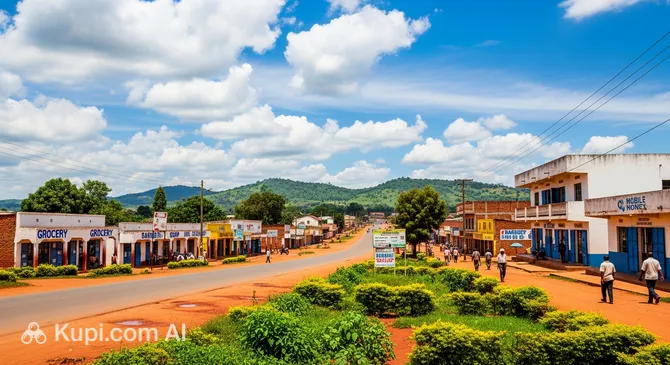
Solwezi. Source: Kupi.Binoculars

Geographically, Solwezi is situated on the Copperbelt mineral run, surrounded by undulating woodlands and savannah vegetation. With a population of approximately 90,000 residents, the city is experiencing rapid development and modernization. While it is often viewed as a commercial destination, the area possesses a unique charm, blending modern activity with the traditional culture of the local Kaonde people.

For those interested in the past, the history of Solwezi offers fascinating insights into early human settlement in the region. One of the most significant archaeological sites nearby is the Kifubwa Stream Rock Shelter, located just a few kilometers from the city center. This national monument features ancient rock engravings dating back to the Late Stone Age, providing a glimpse into the lives of prehistoric inhabitants.

Nature lovers will find plenty to appreciate as well. The scenic Mutanda Falls offer a peaceful retreat from the city's hustle, perfect for a relaxing picnic or a refreshing swim. Whether you are passing through on business or keen to explore the "New Copperbelt," Solwezi invites you to experience its unique blend of heritage, nature, and progress.

Weather Overview

Solwezi experiences a subtropical climate characterized by distinct wet and dry seasons, making it important to choose the right time for your visit. The warmest months are typically September and October, just before the rains begin, when daytime highs can reach around 30.8°C. In contrast, the coolest period occurs during June and July, where average temperatures drop to approximately 18.3°C, and nights can be brisk with lows near 11.7°C.

Rainfall patterns are a major factor to consider when planning your trip. The wet season runs roughly from November through March, with January being particularly rainy, often recording up to 29 wet days. The middle of the year, specifically from June to September, is remarkably dry with virtually zero wet days. For a detailed forecast to help you pack, you can check the current weather in Solwezi.

Interesting Facts

Beyond its reputation as a bustling industrial hub, Solwezi holds fascinating secrets that reveal its deep historical roots and unique local culture. Here are a few intriguing facts about this dynamic city:

  • Ancient Copper Roots: While often called the "New Copperbelt," mining in Solwezi is far from a modern invention. The Kansanshi Mine is considered one of the oldest in Africa, with archaeological evidence suggesting that early Iron Age people were extracting and smelting copper here as early as the 4th century.

  • A Name with History: The city is named after a prominent local headman, Solwezi, who led a village in the area before the colonial era. The settlement gradually expanded around his original homestead, eventually evolving into the provincial capital we see today.

  • The Land of Giant Mushrooms: During the rainy season, the region becomes famous for its "Chiyowa," or giant wild mushrooms. These massive fungi, which are a prized local delicacy, grow to impressive sizes and are frequently sold by locals along the roads leading into the city.

  • Scientific Significance: The rock engravings at the nearby Kifubwa Stream are unique in the archaeological world. Unlike many exposed sites, these engravings were found buried under layers of sediment, allowing scientists to use carbon dating to confirm that humans inhabited the area over 6,000 years ago.

How to Get There

Reaching this bustling provincial capital is becoming increasingly convenient as its economic importance grows. While many visitors choose to drive from the Copperbelt, air travel is often the fastest option. You can find all ways to reach the city and detailed travel advice in our dedicated guide.

The most direct entry point is the Solwezi airport (IATA: SLI), located just 1.8 km from the city center. It is a regional hub that primarily handles domestic connections. Due to its close proximity, a transfer by taxi or bus into town is a very short drive, typically taking just 5 to 10 minutes. Although it handles a smaller volume of passengers compared to major international hubs, it is the most efficient choice for travelers heading directly to the mines or the city center.

For those arriving from further afield, the Simon Mwansa Kapwepwe International Airport (IATA: NLA) in Ndola is a significant alternative. Located about 264 km away, it is a large international gateway with more frequent flight options. Travelers should be prepared for an overland transfer, as the journey by road to Solwezi generally takes approximately 3 to 4 hours. Another option is the Lubumbashi International Airport (IATA: FBM) in Lubumbashi, Democratic Republic of the Congo. While it is geographically closer at approximately 140 km, the transfer requires crossing an international border, which can add significant time to the trip.

For clarity, here is a summary of the main airports:

Airport Name City Passenger Traffic Km from City
Simon Mwansa Kapwepwe International Airport Ndola High 264.4
Lubumbashi International Airport Lubumbashi High 140.2
Solwezi Solwezi Regional 1.8

Main Attractions

While Solwezi is primarily known as a business and mining hub, it offers several captivating attractions for visitors who wish to explore the region's natural beauty and history. The city serves as a convenient base for discovering the unique landscapes of the North-Western Province, ranging from ancient archaeological sites to scenic waterfalls.

One of the most significant historical landmarks is the Kifubwa Stream Rock Shelter, located just a few kilometers from the city center. This National Monument is famous for its prehistoric rock engravings, which date back to the Late Stone Age. What makes this site particularly special is the unique combination of painted and engraved motifs, a rare find in Zambian archaeology. Visitors can walk along the well-maintained trails to view these ancient inscriptions, which offer a fascinating glimpse into the lives of the early human inhabitants of the region.

For a refreshing escape into nature, Mutanda Falls is a favorite destination for both locals and tourists. Situated approximately 30 kilometers from the town, the falls are formed by the Mutanda River cascading over rocky tiers, creating a picturesque setting perfect for photography and relaxation. The area is ideal for picnics and swimming in the cool, clear pools. Nearby lodges provide comfortable amenities, allowing visitors to spend a full day enjoying the serene atmosphere and the lush woodland surroundings.

Travelers looking for leisure and sport should visit the Kansanshi Golf Estate. This 18-hole championship golf course is widely considered one of the best in Zambia, offering a beautifully maintained green oasis amidst the mining landscape. It is not uncommon to spot small antelopes, such as impalas, roaming freely across the fairways while you play. The estate also features a modern clubhouse with a restaurant and swimming pool, making it a vibrant social hub where visitors can unwind and enjoy excellent hospitality.

Local Cuisine

The culinary landscape of Solwezi is a delightful reflection of the North-Western Province's reputation as the "honey capital" of Zambia, blended with the rich agricultural traditions of the local Kaonde people. While the staple food, Nshima, is central to every meal here as it is across the country, the version served in Solwezi often features a unique twist. It is frequently prepared using a mixture of maize and cassava flour, giving it a distinctively elastic texture and a slightly earthier flavor that pairs perfectly with the region's rich stews.

One of the most sought-after seasonal delicacies in Solwezi is Chiyowa, or giant wild mushrooms. These massive, meaty fungi appear during the rainy season and are a true gastronomic treasure. Locals prepare them with care, often stewing them in a rich tomato and onion gravy or frying them to bring out their natural umami flavor, which is often compared to high-quality steak. Another must-try dish is Ifisashi, a comforting stew made from leafy greens like pumpkin leaves (Chibwabwa) or sweet potato leaves, simmered in a creamy, savory peanut sauce. For a unique snack, look for Chikanda, often called "African Polony," which is a firm, sausage-like cake made from wild orchid tubers and peanuts.

To wash down these hearty meals, you must try Munkoyo, a traditional beverage that is deeply rooted in the local culture. Made from the roots of the Munkoyo tree and maize meal, this drink can be found in both non-alcoholic and mildly fermented versions. It has a distinctive, slightly sour taste that is incredibly refreshing on a hot day. For something more commercial but still locally loved, Maheu is a popular non-alcoholic maize drink available in various flavors like banana or chocolate, widely consumed for a quick energy boost.

The dining scene in Solwezi offers a contrast between modern comfort and traditional vibrancy. For an authentic experience, a visit to the bustling Kyawama Market is essential. Here, you can sample fresh street food, such as roasted maize or cassava, and buy the famous local organic honey directly from producers. On the other hand, the city's growing mining industry has led to the establishment of modern lodges and hotels where you can enjoy international cuisine alongside local favorites in a more formal setting. Whether you are dining at a "Matebeto" (a communal meal with a variety of dishes) or a hotel restaurant, the hospitality in Solwezi is always warm and welcoming.

Travel Tips

Preparing for a trip to Solwezi ensures you can focus on business or adventure without minor hassles. Here is a collection of practical advice to help you navigate the provincial capital with confidence and ease.

  1. Clothing and Gear: The climate is generally mild, but layers are essential. Pack light, breathable clothing for the hot days, but definitely bring a warm sweater or fleece for the evenings, especially if visiting between May and July when night temperatures drop significantly. Comfortable, closed-toe shoes are a must for exploring the rocky terrain around the waterfalls or mining areas.
  2. Transportation: Public transport is limited to minibuses, which are cheap but can be crowded and confusing for first-time visitors. The most convenient option is to hire a private taxi. Be aware that most taxis do not have meters, so it is standard practice to negotiate and agree on the fare with the driver before getting in.
  3. Finances: The official currency is the Kwacha (ZMW). While modern malls and hotels in Solwezi accept international cards like Visa, cash is king in local markets and smaller establishments. ATMs are reliable and can be found at the Solwezi City Mall and along the main Independence Avenue.
  4. Health and Safety: Solwezi is located in a malaria-risk area, so taking prophylaxis and using insect repellent is highly advisable. Pharmacies are available in town for basic supplies, but always drink bottled water to avoid stomach upsets. The town is generally safe, but exercise common sense and avoid walking alone in unlit areas at night.
  5. Communication: English is the official language and is widely understood, making communication easy. However, the local people, primarily the Kaonde, appreciate it if you learn a few basic phrases. A simple "Mwane" (used for both hello and thank you) is a polite way to show respect. SIM cards from major networks like MTN or Airtel are easy to purchase and load with data.
  6. Local Etiquette: Locals are polite and conservative. Always greet people before asking a question or starting a conversation; skipping the greeting is considered rude. When shaking hands, it is respectful to support your right wrist with your left hand, especially when interacting with elders.
  7. What to Avoid: Strictly avoid wearing any form of camouflage clothing, as it is illegal for civilians in Zambia and can lead to confiscation or fines. Additionally, do not take photographs of government buildings, police stations, or military personnel without permission.
  8. Local Specialty: The North-Western Province is known as the "Honey Capital" of the country. Don't leave without buying a jar of locally produced organic honey, often sold by vendors along the roadsides or in the markets—it is widely considered some of the purest and most flavorful in the region.

With these tips in hand, you are ready to explore the unique character of Solwezi. Enjoy the warm hospitality and the vibrant atmosphere of this growing city!

Entertainment & Nightlife

As the sun sets over the copper-rich hills, Solwezi transforms from a busy industrial hub into a lively center of social activity. The city’s nightlife has grown significantly in recent years, driven by a diverse community of locals, expatriates, and business travelers. The atmosphere is generally welcoming and unpretentious, ranging from energetic dance floors to relaxed, open-air pubs where you can enjoy the cool evening breeze.

The heartbeat of the city's entertainment scene is often found along and near Independence Avenue and its tributary roads. Here, the vibe is casual but spirited. Most venues do not enforce a strict dress code, though "smart casual" is the norm if you are visiting hotel bars or upscale lounges. Weekends are particularly vibrant, with Friday and Saturday nights drawing the largest crowds as miners and office workers unwind after a long week.

For those looking to dance the night away, Chisha Club is a standout destination. Widely regarded as one of the ultimate nightlife spots in town, it offers an electric atmosphere with DJs spinning a mix of international hits and local Zambian beats. It is the perfect place to experience the high energy of Solwezi’s party scene, often hosting themed nights that attract a fun-loving mix of residents and visitors.

If you prefer a setting that combines live entertainment with social conversation, Friends Bar Events on Chiundu Street is an excellent choice. This venue is celebrated for its outdoor seating area, allowing guests to enjoy the mild evenings under the stars. It frequently features live music performances, making it a cultural hub where you can sip on local brews and immerse yourself in the rhythms of the province.

For a more sophisticated and quieter evening, the bar at The Royal Solwezi Hotel offers a refined escape. It is ideal for travelers seeking a polished environment to enjoy a premium cocktail or a glass of wine. The setting is more intimate, making it suitable for business discussions or a romantic night out, away from the thumping bass of the larger clubs.

When planning your night out, practical logistics are key. Public transport is scarce at night, so it is highly recommended to use private taxis. Since most cabs do not have meters, you should negotiate and agree on the fare with the driver before starting your journey. While the city is relatively safe, it is wise to avoid walking alone in poorly lit areas or "compounds" after dark. Stick to the main entertainment districts and always keep an eye on your belongings and drinks.

While the nightlife is buzzing, daytime entertainment in Solwezi leans more towards nature and leisure than traditional amusement parks. The Kansanshi Golf Estate provides a fantastic recreational outlet with its well-maintained course and clubhouse facilities. For a mix of history and nature, a short trip to the Kifubwa Stream Rock Shelter offers a fascinating look at ancient engravings, while Mutanda Falls remains the premier spot for a relaxing afternoon picnic or a swim before the evening festivities begin.

Parks & Museums

While Solwezi may not be famous for grand urban parks or sprawling indoor museum complexes, the city and its surroundings offer a unique blend of open-air heritage and scenic natural beauty. Instead of traditional galleries, visitors will find that the region's history is etched into the landscape itself, and its green spaces are defined by cascading waters and lush woodlands rather than manicured city gardens.

For nature enthusiasts, Mutanda Falls serves as the area's premier natural retreat. Located a short drive from the city, this scenic spot features the Mutanda River tumbling over rocky tiers, creating crystal-clear pools that are inviting for a swim. It is a favorite weekend getaway for locals and expatriates alike, offering a peaceful environment for picnics, birdwatching, and escaping the industrial hum of the town. The surrounding vegetation remains lush throughout the year, providing a perfect backdrop for relaxation.

Another significant green space is the Kansanshi Golf Estate. Although primarily a sporting venue, it functions as one of the city's most well-maintained natural areas. The estate is unique because it doubles as a small game sanctuary; it is not arguably the only golf course where you might pause your game to let a herd of impala cross the fairway. The manicured grounds offer a stark, refreshing contrast to the surrounding mining activity, making it a pleasant spot for a walk or a quiet afternoon surrounded by nature.

In terms of cultural heritage, the Kifubwa Stream Rock Shelter acts as the region's most important historical archive. Situated just outside the city center within the Kifubwa National Monument, this site offers a window into the distant past. It features prehistoric rock engravings and paintings that date back to the Late Stone Age. Unlike a traditional museum, this open-air site allows you to stand exactly where ancient inhabitants lived thousands of years ago, viewing the enigmatic markings they left on the granite walls.

For those seeking a deeper understanding of the local way of life, the city's living culture is best experienced at the bustling markets rather than in a gallery. However, the region is rich in intangible heritage, particularly the traditions of the Kaonde people. While there are no large formal art galleries in Solwezi, local artisans often display hand-carved crafts and intricate basketry near the main markets and lodge entrances, showcasing the artistic skills passed down through generations.

Insider Tip: When visiting the Kifubwa Stream Rock Shelter, try to go in the late afternoon. The shifting angle of the sun often highlights the depth of the engravings, making them easier to see and photograph than in the harsh midday light. Additionally, always carry small denominations of cash, as entry fees for these local sites are typically paid in cash at the gate.

Getting Around

The public transport system in Solwezi is relatively simple and informal, functioning without the complex infrastructure of metros or trams found in larger capitals. The primary mode of transportation for locals is the minibus. These vehicles, often distinctively painted, operate on specific routes connecting the central business district with residential areas and the outskirts. They are an essential part of the city's rhythm, offering a high-energy and authentic travel experience.

Minibuses do not follow a strict minute-by-minute schedule. Instead, they typically depart from designated stations or stops only when they are full. This "fill-up-and-go" system means you might wait a few minutes during off-peak hours, but departures are rapid during the morning and evening rushes. To catch one along the road, simply wave your hand; if there is space, the driver will pull over.

For tourists and business travelers, private taxis are often the most convenient choice. They offer door-to-door service and are readily available at the airport, major hotels, and shopping malls. Unlike in some cities where ride-hailing apps are dominant, here you will mostly rely on traditional operators. Most taxis do not utilize meters, so the golden rule is to negotiate and agree on the fare before getting into the car. Asking a local or hotel staff member for the standard price to your destination can help you avoid overpaying.

Payment for all forms of transport is strictly cash only. There are no electronic travel cards, passes, or mobile ticket apps. You will need to pay the conductor on the bus or the taxi driver directly in the local currency. It is highly practical to carry small bills and coins, as drivers frequently do not have enough change for large banknotes. Minibus fares are generally very affordable, while private taxis command a higher price for the convenience and privacy they offer.

Transport services are most active during daylight hours, starting early in the morning to accommodate the mining workforce. Minibuses run frequently throughout the day but become scarce after sunset, usually winding down by early evening. If you are planning a night out, it is essential to have the phone number of a reliable taxi driver or arrange transport through your accommodation, as finding a ride on the street late at night can be challenging.

While walking is safe and feasible within the compact commercial center during the day, distances to attractions like the golf estate or waterfalls require a vehicle. Car rentals are an option for those who prefer self-driving, though it is advisable to rent a vehicle with higher clearance if you plan to explore unpaved roads outside the town. Cycling is not a common mode of transport for tourists, and there are no official bike-sharing schemes available.

Accommodation

As a rapidly developing mining hub, Solwezi offers an accommodation sector that is primarily tailored to business travelers, consultants, and contractors. The city has seen a surge in the construction of modern lodges and hotels to meet the high demand driven by the copper industry in Zambia. While you may not find vast international resort chains, the local hospitality scene provides comfortable, well-equipped options ranging from upscale business hotels to quieter, garden-style guesthouses.

For those seeking premium amenities, the Royal Solwezi Hotel is often the top choice. Located conveniently near the central business district, it is designed with the corporate traveler in mind, featuring conference facilities, reliable Wi-Fi, and a swimming pool for relaxation after meetings. Another prominent option is the Kansanshi Hotel. Steeped in local history, this establishment offers a unique charm with its thatched architecture and proximity to the golf estate, making it ideal for visitors who wish to combine work with leisure.

Travelers looking for a more intimate atmosphere will find numerous lodges scattered throughout the suburbs. Establishments like Floriana Lodge are popular for their personalized service and lush garden settings. These places often provide a quieter respite from the bustling town center and are known for serving hearty, home-cooked meals. They are excellent alternatives for visitors planning longer stays who prefer a "home away from home" environment.

Booking Tips: Due to the steady stream of mining-related traffic, accommodation in Solwezi can fill up quickly, especially during the week. It is highly advisable to book your room well in advance. Additionally, be aware that prices can be higher than in other provincial towns due to the corporate nature of the clientele. While most established hotels accept credit cards, smaller guesthouses may prefer cash payments.

Nearby Cities

Solwezi serves as a strategic gateway in the North-Western Province, connecting the mineral-rich hinterlands with the rest of the country. While the distances in Zambia can be vast, the city is relatively accessible to several key urban centers and unique northern outposts. Whether you are heading to the bustling Copperbelt for business or venturing further north towards the great lakes, Solwezi is a central starting point for your journey.

The following table outlines the major cities in the vicinity, including their distances and population estimates, to help you plan your itinerary:

City Population Distance (km)
Kitwe 504,194 212
Ndola 528,330 263
Nchelenge 147,927 404
Kashikishi 150,000 407
Lusaka 2,467,563 414

The closest major urban hub is Kitwe, located approximately 212 kilometers away. As one of the largest cities in the Copperbelt, it offers a wider range of shopping malls, industrial suppliers, and services that might be limited in the province. Just a bit further east lies Ndola, the commercial capital of the region. It is a vital connection point for travelers, hosting the area's main international airport and serving as a historical center with museums and colonial architecture.

For those looking to explore the northern reaches of the country, the towns of Nchelenge and Kashikishi are situated about 400 kilometers away. These twin settlements sit on the shores of Lake Mweru in the Luapula Province. They are bustling fishing centers and offer a completely different atmosphere, characterized by vibrant markets and stunning lakeside views, making them an interesting detour for adventurous travelers.

Finally, the capital city, Lusaka, is located roughly 414 kilometers to the southeast. As the political and economic heart of the nation, it is a dynamic metropolis where modern skyscrapers meet lively traditional markets. It serves as the primary hub for international diplomatic missions and major cultural institutions, making it an essential stop for anyone wanting to experience the full pulse of the country.

Shopping & Souvenirs

Shopping in Solwezi offers a distinct mix of modern convenience and traditional African commerce, reflecting the city's status as a growing provincial capital. Whether you are looking to stock up on travel essentials at a contemporary mall or immerse yourself in the vibrant atmosphere of a local market, the city provides options to suit every need. While it may not be a major retail destination compared to Lusaka, it serves as the primary commercial hub for the North-Western Province.

For a modern shopping experience, the Solwezi City Mall is the premier destination. Located centrally along Independence Avenue, this development has transformed the retail landscape of the region. It houses well-stocked supermarkets, banking halls, mobile network shops, and a variety of clothing stores. It is the best place to purchase imported goods, camping supplies, or toiletries before heading out to more remote areas. The mall also features a secure parking area and several fast-food outlets, making it a convenient one-stop spot for travelers.

To experience the authentic pulse of the city, a visit to Kyawama Market is essential. This bustling open-air market is where the majority of locals shop for their daily needs. The aisles are filled with colorful pyramids of fresh tomatoes, leafy greens, and seasonal fruits. It is also a great place to find Chitenge, the brightly patterned fabric worn traditionally across Zambia. You can buy these fabrics by the meter, and they make for excellent, lightweight souvenirs or gifts. The market is also known for its "Salaula" (second-hand clothing) sections, where patient shoppers can often find high-quality items at bargain prices.

When looking for unique local products, keep an eye out for honey. The North-Western Province is widely regarded as the "Honey Capital" of the country due to its vast, unpolluted woodlands. You will find jars of pure, organic honey sold in supermarkets and by roadside vendors. It is renowned for its rich, dark color and distinct floral taste. Another local specialty found in markets is handcrafted basketry, often woven from reeds and dyed with natural pigments, showcasing the artisanal skills of the local Kaonde people.

Practical tips for shopping in Solwezi include:

  • Cash is King: While the mall and major supermarkets accept credit cards (Visa is most common), cash is absolutely necessary for local markets and roadside stalls. Ensure you have smaller denominations of Zambian Kwacha (ZMW) for easier transactions.
  • Bargaining: In formal shops and supermarkets, prices are fixed. However, at Kyawama Market or when buying from street vendors, polite bargaining is part of the culture. It is acceptable to negotiate the price, but always do so with a smile and respect.
  • Opening Hours: Most shops in the mall open around 08:00 or 09:00 and close by 19:00 or 20:00. Local markets start much earlier, often at sunrise, but many stalls may close early on Sundays.

Reached the end of the page?

That means the route is fully explored