Support

Lusaka

About

Lusaka is the vibrant capital and largest city of Zambia, serving as the nation's commercial and administrative heart. Located in the southern part of the central plateau at an elevation of approximately 1,280 meters, the city enjoys a pleasant, subtropical climate with warm summers and mild winters. This strategic location has helped it grow into one of the fastest-developing urban centers in Southern Africa.
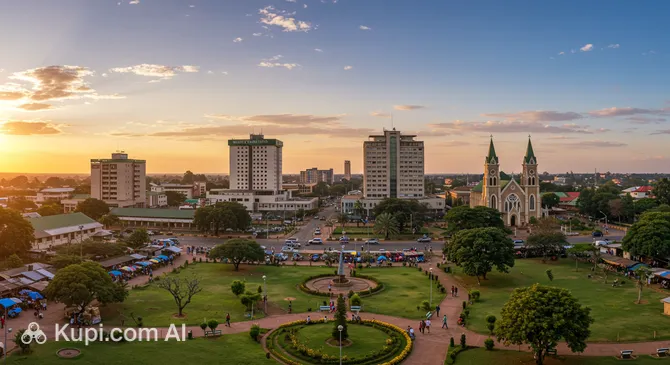
Lusaka. Source: Kupi.Binoculars

With a population of over 2.4 million people, the city is a bustling melting pot of cultures and languages. While it presents itself as a modern metropolis today, the history of Lusaka is a fascinating journey from its origins as a small village to a major economic hub. The city's atmosphere is a unique blend of traditional African markets and contemporary high-rise buildings, offering visitors a dynamic urban experience.

Travelers will find several worthwhile attractions within the city limits. The Lusaka National Museum is a must-visit for those keen on understanding the country's heritage and art. For nature enthusiasts, the Lusaka National Park offers a rare chance to spot wildlife, including the white rhino, just a short drive from the city center. Additionally, the city is known for its lively open-air markets where you can find beautiful local handicrafts and textiles.

Whether you are starting your Zambian adventure here or simply passing through, Lusaka offers a warm welcome and a genuine taste of local life. It is a city that invites exploration, promising a memorable start to any journey in the region.

Weather Overview

Lusaka enjoys a humid subtropical climate that is significantly moderated by its high altitude, resulting in generally comfortable conditions year-round. Travelers can typically expect warm summers with frequent rain and cooler, dry winters. The weather in Lusaka is defined by distinct seasonal shifts that influence the best times for outdoor activities and sightseeing.

The wet season usually runs from November through March, bringing life to the region's flora. January is typically the wettest month, with approximately 25 rainy days and average temperatures hovering around 22.1°C. Despite the rain, the days remain warm, though the humidity can be higher during this period. Conversely, the dry season from May to September sees virtually no precipitation, offering clear, sunny skies perfect for exploration.

The coolest months are June and July, where the average temperature drops to about 17°C, and nights can be quite crisp with minimums near 11°C. As the year progresses, the city warms up, reaching its peak heat in October. During this time, average temperatures climb to 25.6°C, with daily highs often exceeding 31°C, just before the cycle begins again with the arrival of the November rains.

Interesting Facts

Beyond the main attractions, Lusaka holds many fascinating secrets that reveal the depth of its history and culture. Here are a few surprising facts about the Zambian capital that often go unnoticed by casual visitors.

  • The city derives its name from a local village headman named Lusaaka, whose settlement was originally located near the site of the modern railway station. What began as a small village has transformed into a sprawling metropolis in less than a century.

  • Lusaka was designed with a specific vision in mind; in 1931, Professor S.D. Adshead planned it as a "Garden City." Although the city has grown significantly, you can still see remnants of this original concept in the spacious, tree-lined avenues of the older governmental districts.

  • It was not the original capital of the territory; Lusaka only replaced Livingstone as the capital of Northern Rhodesia in 1935. The decision was made due to its central location on the railway line and its intersection with the Great North and Great East Roads.

  • The Lusaka National Museum is known for its distinct separation of exhibits. The ground floor focuses on contemporary Zambian art and lifestyle, while the upper floor houses fascinating historical artifacts, including a notable section dedicated to traditional witchcraft and magic.

Lusaka National Museum. Source: Kupi.Binoculars

How to Get There

Reaching the Zambian capital is the first step of your adventure, and the city serves as a major transportation hub for the region. Whether you are arriving from international destinations or connecting from within Africa, you can find more about how to get to Lusaka to help plan your journey efficiently. The city is primarily accessible by air, with a major international airport serving as the main entry point for most visitors.

The most convenient way to arrive is via Kenneth Kaunda International Airport (LUN), located directly in Lusaka. It is the country's principal gateway, handling a large volume of international and domestic traffic. Situated approximately 21 km from the city center, the journey by taxi or shuttle typically takes around 50 minutes, depending on traffic conditions. As a major hub, it offers various amenities and connects the capital to key destinations across the globe.

For travelers exploring other parts of the country first, you might land at Simon Mwansa Kapwepwe International Airport (NLA). Please note that this airport is located in the city of Ndola, which is about 270 km away from Lusaka. While it is a significant airport with substantial passenger traffic, the transfer to the capital by road is quite long, taking several hours. Another smaller option for those coming from safari areas is Royal Airstrip (RYL) in the Lower Zambezi National Park, situated about 114 km from the city.

For clarity, here is a summary of the main airports:

Airport Name City Passenger Traffic Km from City
Kenneth Kaunda International Airport Lusaka High 21.0
Simon Mwansa Kapwepwe International Airport Ndola Medium 270.7
Royal Airstrip Lower Zambezi National Park Low 114.7
Jeki Lower Zambezi National Park Low 144.3

Main Attractions

Explaining the charm of the Zambian capital requires a look at its diverse mix of cultural, spiritual, and modern lifestyle spots. The city offers a range of experiences, from diving into the nation's rich history to enjoying contemporary leisure and authentic local dining.

A visit to the city would be incomplete without stopping by the Lusaka National Museum. Located in the heart of the government district, this institution serves as a cultural mirror for the nation. It is particularly interesting for tourists because it bridges the gap between the past and present; the ground floor typically showcases contemporary art that highlights modern Zambian life, while the upper galleries preserve archaeological finds and ethnographic displays. It is the perfect starting point to gain context on the local heritage.

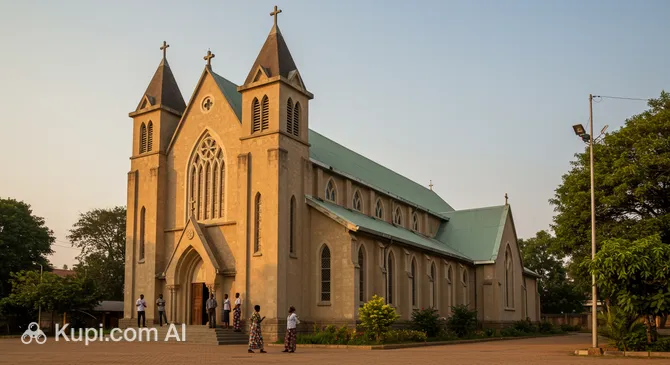
For those seeking a moment of reflection or an appreciation of religious architecture, the St. Ignatius Catholic Church is a significant landmark. Situated in the Rhodes Park area, this church is not only a place of worship but also a center for community gathering. Visitors are often drawn to its peaceful atmosphere and the vibrant, welcoming nature of the services, which offer a glimpse into the spiritual life of the local residents.

St. Ignatius Catholic Church. Source: Kupi.Binoculars

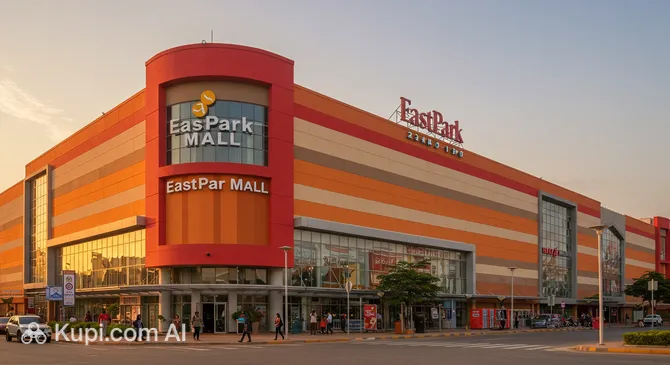
To experience the modern pulse of the city, travelers should head to EastPark Mall. This is more than just a shopping destination; it is a bustling social hub where locals and expats mingle. It is an excellent place to find high-quality souvenirs, enjoy a cup of coffee, or simply people-watch. The mall hosts a variety of international brands and local boutiques, making it a convenient stop for any traveler needing supplies or a taste of urban luxury.

Finally, no tour is complete without tasting the local cuisine, and Mpoto Yathu offers an authentic culinary journey. The name translates to "Our Pot," reflecting its commitment to traditional home-style cooking. It is a fantastic spot for tourists to try staples like nshima (a maize porridge) served with delicious relishes and stews. Dining here provides a genuine flavor of Zambian hospitality and is a delightful way to end a day of exploration.

Local Cuisine

The culinary landscape of Lusaka is a delightful reflection of Zambia's warm hospitality, blending traditional African flavors with modern international influences. At the heart of the local diet is Nshima, a thick porridge made from finely ground white maize meal. It is more than just food; it is a cultural staple served at lunch and dinner, typically eaten with hands and used to scoop up savory side dishes known as "relishes."

Travelers eager to taste authentic Zambian cuisine should look for dishes paired with Ifisashi, a rich and hearty stew made from green leafy vegetables cooked in a peanut sauce. Another local favorite is Kapenta, small sardines from Lake Kariba or Lake Tanganyika, which are often fried crispy or stewed with tomatoes and onions. For a unique snack, try Chikanda, often referred to as "African polony." It is a firm, sausage-like dish made from wild orchid tubers and peanuts, offering a distinct texture and earthy flavor.

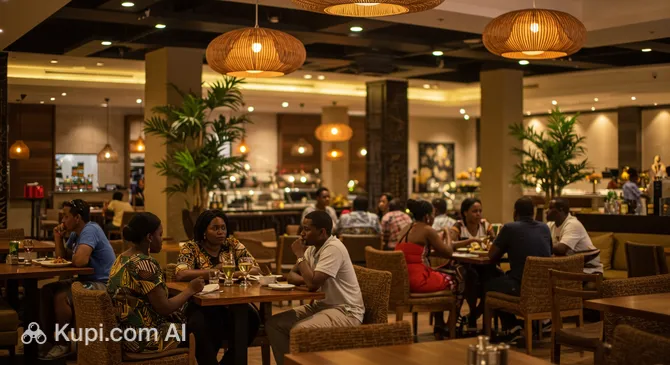
The city's dining scene ranges from bustling street markets to upscale eateries. For a comfortable dining experience where you can enjoy a variety of meals, East Park Restaurant is a popular choice among visitors. It offers a relaxed atmosphere perfect for sampling both local and continental dishes. Locals often frequent open-air markets for fresh produce and quick bites, while the city's shopping malls host a variety of restaurants catering to diverse tastes.

East Park Restaurant. Source: Kupi.Binoculars

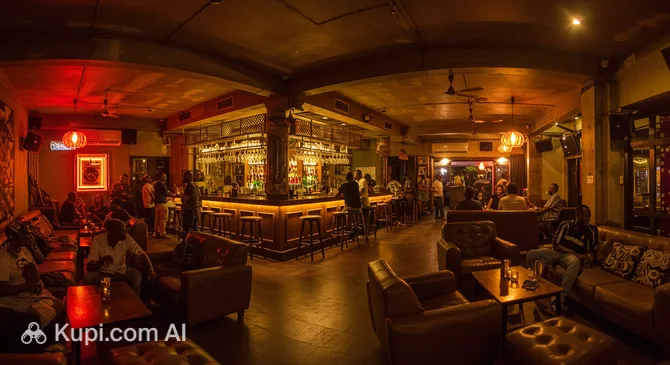
When it comes to beverages, the most iconic local drink is Mosi Lager, a refreshing beer named after the Victoria Falls (Mosi-oa-Tunya). It is widely available and beloved by residents. For a non-alcoholic option, Maheu is a traditional fermented maize drink, often sweetened and flavored, which serves as a nutritious energy booster. The city also has a vibrant social scene for evening drinks; places like Chicago's Reloaded offer a lively environment to enjoy a cocktail and experience the local nightlife pulse.

Chicago's Reloaded. Source: Kupi.Binoculars

Travel Tips

Visiting Lusaka is an exciting experience that blends urban energy with genuine Zambian hospitality. To ensure your stay in this bustling capital is as smooth and enjoyable as possible, we have compiled a list of practical tips to help you navigate the city like a pro.

  1. Clothing and Gear: Due to Lusaka's high altitude, the weather can be surprisingly mild. Pack light, breathable fabrics for the day, but always bring a warm jacket or sweater for the evenings, especially during the cool dry season (May to August). If you visit during the rainy season (November to April), a sturdy umbrella and waterproof shoes are essential. While the city is modern, dressing modestly is appreciated; avoid overly revealing attire when visiting markets or religious sites.
  2. Transportation: The most convenient way for tourists to get around is by using private taxis or ride-hailing apps like Yango or Ulendo, which offer reliable service and transparent pricing. Public transport consists mainly of blue-and-white minibuses; while they are very affordable, they can be crowded and confusing for first-time visitors. Car rental is an option, but be prepared for heavy traffic during peak hours.
  3. Finances: The local currency is the Zambian Kwacha (ZMW). Major credit cards (Visa and Mastercard) are widely accepted in shopping malls, hotels, and larger restaurants. However, it is crucial to carry cash for local markets, taxi fares, and smaller shops. ATMs are plentiful in the city center and at malls like Manda Hill and EastPark. Tipping is not mandatory but is customary and highly appreciated in restaurants (around 10%).
  4. Health and Safety: Lusaka is generally safe, but standard precautions apply. Avoid walking alone at night, particularly in the downtown area (CBD) and along Cairo Road. Pharmacies are readily available in major shopping centers, and some operate 24/7. It is advisable to drink bottled water rather than tap water. Also, ensure you have mosquito repellent, as malaria is a consideration in the region.
  5. Communication: English is the official language and is widely spoken, making communication easy for most travelers. However, learning a few words in Nyanja, the city's lingua franca, goes a long way; try saying "Muli bwanji?" (How are you?) to greet locals. You can easily purchase a local SIM card (Airtel or MTN) at the airport or any mall upon presentation of your passport.
  6. Local Etiquette: Zambians are known for their friendliness and politeness. Greetings are very important; always exchange a handshake and ask how someone is doing before asking a question or starting a transaction. When shaking hands, it is a sign of respect to support your right elbow with your left hand, especially when greeting an elder.
  7. What to Avoid: Strictly avoid wearing camouflage clothing, as it is reserved for the military and is illegal for civilians to wear. Additionally, do not take photographs of government buildings, police stations, military personnel, or the President's residence, as this is prohibited and can lead to serious legal trouble.
  8. Sunday Market Tip: If you are in the city on a weekend, visit the Sunday Crafts Market at Arcades Shopping Mall. It is the perfect place to buy authentic souvenirs, from copper crafts to chitenge fabrics, and it offers a relaxed atmosphere to interact with local artisans.

By keeping these practical tips in mind, you will be well-prepared to embrace the vibrant rhythm of Lusaka. Enjoy the warmth of the people and the unique character of the city, knowing you are ready for whatever your journey brings.

Entertainment & Nightlife

Lusaka's entertainment scene is as diverse as its population, offering a mix of lively nightlife, modern shopping experiences, and relaxed leisure spots. As the sun sets, the city sheds its administrative persona and reveals a vibrant social atmosphere that caters to both locals and visitors looking to unwind. From pulsing dance floors to sophisticated lounges, the capital provides ample opportunity to enjoy the evening.

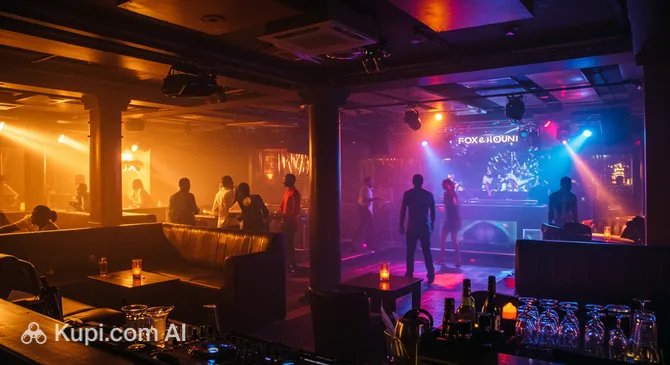
For those seeking an energetic night out, Fox & Hound is a staple in the city's nightlife circuit. Known for its lively ambiance and music, it is a favorite destination for anyone wanting to experience the local clubbing scene and mingle with residents. If you prefer a venue that combines distinct flavors with a social drink, FoodBee Indian Restaurant and Bar offers a unique setting where you can start the evening with a meal before transitioning into a night of leisure.

Fox & Hound. Source: Kupi.Binoculars

Shopping in Lusaka serves as a major form of entertainment, with modern malls acting as community hubs. Longacres Mall is one of the newer additions to the city's retail landscape, offering a polished environment for visitors. It is an excellent place to browse international brands, catch a movie, or simply enjoy a coffee while soaking in the modern urban vibe of the capital.

Longacres Mall. Source: Kupi.Binoculars

For travelers looking for a more upscale and tranquil experience, the Pamodzi Hotel provides a resort-style atmosphere right in the heart of the city. Whether you are looking to enjoy a quiet poolside drink or explore its leisure amenities, it represents the more sophisticated side of Lusaka's entertainment offerings, perfect for a relaxing break from the bustling city streets.

Parks & Museums

While Lusaka is primarily known as a bustling commercial hub, the city surprises visitors with its pockets of greenery and institutions dedicated to preserving the nation's rich heritage. For travelers looking to step away from the urban rush or dive deeper into Zambian history, the capital offers several rewarding stops.

Nature enthusiasts should definitely explore Lusaka National Park. As one of the country's newest and smallest national parks, it is unique for its proximity to the city center, allowing for a quick escape into the wild. It serves as a sanctuary for various wildlife, including the rare white rhino, zebra, and giraffe. The park is an excellent spot for a walking safari or a peaceful picnic, offering a teaser of the grander safari experiences found elsewhere in Zambia.

Another favorite green space is the Munda Wanga Environmental Park. Although technically located just outside the city in Chilanga, it is a popular weekend destination for locals and tourists alike. The park combines a botanical garden with a wildlife sanctuary, rehabilitating injured animals for release back into the wild. Its lush gardens feature hundreds of plant species, providing a cool, shaded environment perfect for leisurely strolls.

For a dose of culture, the Lusaka National Museum remains the city's premier cultural institution. Distinct from its architectural presence, the museum functions as a storyteller for the nation, chronicling Zambia's journey from ancient times through the colonial era to independence. It is an essential stop for understanding the diverse ethnic groups that make up the country, with displays ranging from traditional village life to urban evolution.

History buffs will find Chilenje House 394 particularly moving. This simple house was the residence of Kenneth Kaunda, the father of the nation, during the pivotal years of the independence struggle. Preserved as a national monument, the site includes the original furniture and personal effects of the former president, offering an intimate glimpse into the life of the man who led Zambia to freedom. It stands as a humble yet powerful symbol of the country's political history.

Insider Tip: For a different kind of outdoor experience, visit the Kalimba Reptile Park. Located in the farm lands northeast of the city, it is famous for its large population of Nile crocodiles and indigenous snakes. It offers a fascinating, albeit scaly, alternative to the traditional park experience and is especially engaging for families.

Getting Around

Navigating Lusaka is an adventure in itself, as the city does not rely on a complex network of metros, trams, or trolleybuses. Instead, the public transport system is almost entirely road-based, with the iconic minibuses serving as the primary mode of transit for the vast majority of residents. For a tourist, understanding how this system works is key to getting around authentically, though it can be a bit chaotic compared to European or North American standards.

The backbone of local transport is the fleet of privately owned minibuses, typically blue and white or simply white vans. These buses operate on set routes throughout the city and its suburbs, connecting major hubs like the central business district, markets, and shopping malls. There is no fixed timetable; instead, they operate on a "fill-up-and-go" basis. A bus will wait at a station or stop until every seat is occupied before departing, which means patience is often required.

For payment, cash is the only way to go on public transport. You will not find travel cards, passes, or validation machines here. Fares are very affordable and are collected by a conductor during the journey. It is highly advisable to carry small denominations of Zambian Kwacha, as conductors often struggle to find change for large notes. Prices are generally fixed for specific distances, so you can ask a fellow passenger or the conductor for the standard fare to avoid being overcharged.

If you prefer a more comfortable and direct alternative, taxis and ride-hailing apps are the best options for visitors. Services like Yango and Ulendo are widely used, safe, and offer transparent pricing, eliminating the need to haggle. Traditional taxis are also available, usually distinguished by their specific colors or ribbons, but you should always agree on the fare before starting your trip. Car rentals are available for those confident enough to drive in heavy traffic, while bike rentals are less common due to the busy nature of the roads.

Transport generally operates from the early hours of the morning, around 05:00, until late in the evening. However, minibuses become scarce after 21:00, so it is wise to arrange a private taxi if you plan to be out late. While the system lacks the polish of a modern metro, hopping on a minibus offers a genuine slice of local life, accompanied by the vibrant beats of Zambian music often playing on the radio.

Accommodation

Finding the perfect place to stay in Lusaka is relatively easy, as the city offers a broad spectrum of accommodation options to suit various budgets and preferences. Travelers can choose from high-end international hotel chains and charming boutique lodges to affordable guesthouses and backpacker hostels. In recent years, there has also been a rise in serviced apartments, catering to those planning longer stays or seeking a home-away-from-home experience.

When selecting a location, many tourists prefer the leafy suburbs over the busy Central Business District (CBD). Areas such as Rhodes Park, Kabulonga, and Woodlands are particularly popular; they are quieter, greener, and often host excellent restaurants and cafes. Alternatively, staying along the Great East Road corridor places you conveniently close to major shopping centers like Manda Hill and EastPark Mall, making it a strategic base for both leisure and business.

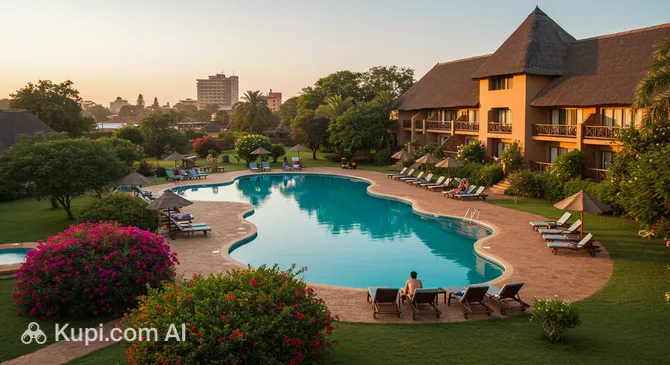
For those seeking a well-known establishment with a range of amenities, the Pamodzi Hotel is a prominent choice. As a resort-style hotel, it offers a comfortable retreat with facilities that cater to international standards, often serving as a landmark for visitors navigating the city.

Pamodzi Hotel. Source: Kupi.Binoculars

Booking Tip: While it is generally possible to find accommodation upon arrival, it is highly recommended to book in advance, especially during the peak dry season (May to October) or when major international conferences are taking place in the capital. During these times, the best rooms fill up quickly.

The price range for accommodation in Lusaka varies significantly. Budget travelers can find decent hostels or guesthouses starting from around $20 to $50 per night. Mid-range hotels typically charge between $80 and $150, while luxury stays can exceed $200 per night. Most established hotels and lodges are listed on major online booking platforms, but direct booking is also common and can sometimes yield better rates.

Nearby Cities

For those looking to explore the surroundings, Lusaka serves as an excellent base for day trips to several interesting nearby locations. While the capital offers a bustling urban experience, a short drive out of the city reveals the scenic beauty and slower pace of the Zambian countryside.

One of the most accessible destinations is Kafue, located just a short drive south of the capital. Sitting on the banks of the magnificent Kafue River, this town is a favorite getaway for anglers and nature lovers. It offers opportunities for boat cruises and fishing, providing a refreshing escape from the city heat. It also serves as a gateway to the wider river basin, where the landscape becomes lush and teeming with birdlife.

Further along the road lies Mazabuka, affectionately known as the "Sweetest Town in Zambia." This nickname comes from the vast sugar cane plantations that surround the town, creating a unique landscape of endless green fields. A trip here offers a glimpse into the country's agricultural heartland and provides a scenic backdrop for a relaxing day out, distinct from the urban environment of Lusaka.

City Population Distance (km)
Ndola 528330 271
Kitwe 504194 287
Kafue 219000 41
Mazabuka 203219 74
Chingola 147448 321

These nearby destinations offer a glimpse into the diverse culture and landscapes of the region, making them perfect for travelers wishing to see more of Zambia without venturing too far from the capital.

Shopping & Souvenirs

Shopping in Lusaka offers a fascinating contrast between the polished, modern retail experience and the vibrant, chaotic energy of traditional African markets. Visitors can spend their morning browsing international fashion brands in air-conditioned comfort and their afternoon haggling for handcrafted artifacts under the open sky. This dual nature makes the city a fantastic destination for acquiring both travel essentials and unique cultural treasures.

For a contemporary shopping experience, the city boasts several world-class malls, mostly located along the Great East Road. EastPark Mall is a favorite among locals and tourists alike for its open-air design and wide variety of shops, restaurants, and supermarkets. It is a great place to pick up supplies or enjoy a leisurely afternoon. Another key destination is Manda Hill Mall, the city's first major shopping center, which remains a bustling hub for fashion and electronics. The newer Longacres Mall adds to the modern retail landscape with its upscale atmosphere and convenient location.

EastPark Mall. Source: Kupi.Binoculars

To truly understand the local commerce, however, one must visit the markets. The Kabwata Cultural Village is the premier destination for authentic crafts. Here, you can watch artisans at work carving wood or weaving baskets, ensuring that what you buy is genuine. On weekends, the Pakati Sunday Market (held in the parking lot of Arcades Shopping Mall) transforms into a treasure trove of souvenirs, attracting vendors from all over the region selling everything from jewelry to paintings.

When looking for souvenirs to take home, Zambia's rich natural resources and artistic heritage offer plenty of choices. Copper crafts are a signature item, ranging from simple bracelets to intricate wall hangings. Chitenge fabric, with its bright, bold patterns, is another popular buy; you can purchase yards of cloth or ready-made clothing. Intricately carved wooden masks, soapstone sculptures, and hand-woven Tonga baskets are also highly sought after and make for beautiful home decorations.

Store hours in Lusaka generally run from 09:00 to 18:00 or 19:00 on weekdays, with shopping malls often staying open until 20:00 or later. Supermarkets may operate even longer hours. While major malls and supermarkets widely accept credit cards (Visa is most common), cash is absolutely essential for street markets and smaller vendors. It is advisable to carry smaller denominations of Zambian Kwacha to make transactions smoother.

Tourists visiting Zambia may be eligible for a VAT refund on certain goods purchased for export. To take advantage of this, look for retail outlets displaying "Tax Free" signage and request a tax invoice when making a purchase. You will need to present these invoices and the goods to customs officials at Kenneth Kaunda International Airport upon your departure to process the refund.

Reached the end of the page?

That means the route is fully explored