Support

Kabwe

About

Kabwe, the capital of the Central Province, is a city steeped in heritage and industrial significance. Located in the heart of Zambia, it serves as a vital transportation hub connecting the capital, Lusaka, to the northern Copperbelt region. Formerly known as Broken Hill, the city offers a glimpse into the colonial era and the early industrialization of the nation, retaining a unique atmosphere that blends its storied past with modern daily life.

With a population of approximately 117,000 residents, the city maintains a bustling yet accessible character. Its geographical position on the Great North Road makes it a convenient stop for travelers navigating the country. The local climate is generally mild and pleasant, typical of the region's high plateau geography, allowing for comfortable visits throughout most of the year.
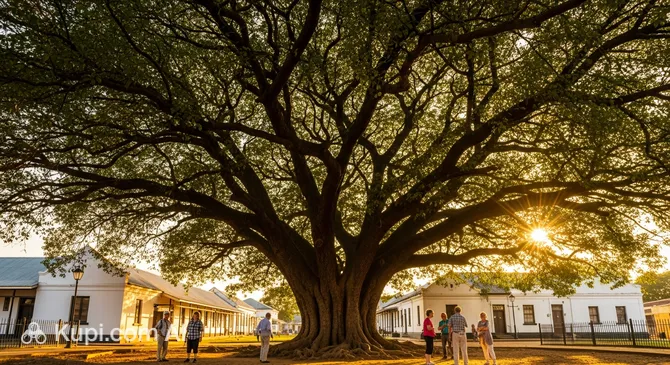
Kabwe. Source: Kupi.Binoculars

The city is globally renowned among archaeologists and historians for the discovery of the "Broken Hill Man" (Homo rhodesiensis), a significant fossil found in the local mines in 1921. Visitors interested in the past can explore the fascinating history of Kabwe, which is deeply intertwined with the development of the railway system and mining sectors. Another notable landmark is the "Big Tree," a massive fig tree located in the town center. This National Monument has served as a meeting place for generations and stands as a silent witness to the city's evolution.

Whether you are a history enthusiast or simply passing through on a wider Zambian adventure, Kabwe offers an authentic slice of local culture. Its blend of historical intrigue, including the Railway Museum, and friendly local hospitality makes it a worthwhile destination to include in your travel itinerary.

Weather Overview

Kabwe experiences a climate marked by clear seasonal shifts, making it important to pack accordingly depending on the time of year. To help plan your trip, checking the weather in Kabwe is recommended, as conditions vary significantly between the wet and dry periods.

The rainy season typically occurs between November and March, with January bringing the most frequent showers, recording up to 25 wet days. Temperatures during this period are generally pleasant, averaging around 22°C to 23°C. Conversely, the dry months from May to September see almost no precipitation. October stands out as the warmest time, with maximum temperatures climbing above 31°C, while the coolest weather arrives in June and July, when lows can dip to approximately 11°C.

Interesting Facts

Beyond the main attractions, Kabwe holds many fascinating secrets that reveal its deep connection to the country's industrial and political past. Here are some unique details that make this city truly stand out.

  • Australian Origins: Until 1966, the city was officially known as Broken Hill. It was named by an Australian prospector who noticed a striking resemblance between the local mineral deposits and the famous Broken Hill mine in New South Wales, Australia.

  • The Meaning of the Name: The current name is derived from the phrase "Kabwe-Ka Mukuba," which translates to "ore" or "smelting." This highlights the fact that local communities were mining and processing metals in the area long before the arrival of European settlers.

  • Birthplace of Independence: Just north of the city lies the Mulungushi Rock of Authority. This natural amphitheater is revered as a historic site where key political meetings were held, earning it the title of the "Birthplace of Zambian Independence."

  • The First Mine: Kabwe is home to the first commercial mine in the country, which opened in 1904. This lead and zinc mine predates the massive copper mines in the north and was the primary catalyst for the railway reaching the area so early in the 20th century.

How to Get There

Reaching Kabwe is relatively straightforward thanks to its central location along the Great North Road, which connects the country's major economic hubs. While the city itself does not host a commercial airport, it is well-served by international gateways in neighboring cities. For a detailed breakdown of routes and transport options, you can read more about how to get to Kabwe to plan your journey effectively.

The most convenient entry point for international travelers is Kenneth Kaunda International Airport (IATA: LUN), located in the capital city of Lusaka. Since Kabwe does not have its own airport, most visitors fly into Lusaka, which is approximately 100 km away. From the airport, a transfer by taxi or bus typically takes around 3 hours, offering a scenic drive through the Zambian landscape. This large international hub handles the majority of the country's air traffic and offers numerous connections.

Another viable option is Simon Mwansa Kapwepwe International Airport (IATA: NLA), situated in the city of Ndola. This airport is about 160 km north of Kabwe. It serves as a key gateway to the Copperbelt region and is a practical alternative if your itinerary starts in the north. The journey by road from Ndola to Kabwe takes approximately 4.5 hours. While slightly farther than Lusaka, it remains a significant regional hub with substantial passenger traffic.

For clarity, here is a summary of the main airports:

Airport Name City Passenger Traffic Km from City
Kenneth Kaunda International Airport Lusaka Large 99.8
Simon Mwansa Kapwepwe International Airport Ndola Medium 159.9
Royal Airstrip Lower Zambezi National Park Small 170.0
Jeki Lower Zambezi National Park Small 182.0

Main Attractions

Kabwe may be best known for its industrial roots, but the city and its surroundings offer several intriguing sites that highlight Zambia's natural beauty and political history. Visitors can explore landmarks that range from ancient national monuments to scenic recreational areas perfect for a day trip.

The Big Tree National Monument is perhaps the city's most iconic landmark, located right in the town center along Freedom Way. This massive fig tree, which features on the Zambian 50 Kwacha note, has a canopy that spans widely, providing a cool, shaded meeting spot for locals and travelers alike. Declared a national monument in 1954, it has historically served as a gathering place for early caravans and travelers, making it a living symbol of the city's enduring hospitality.

A short distance north of the city lies the Mulungushi Rock of Authority, a site of immense historical importance often referred to as the "Birthplace of Zambian Independence." This natural amphitheater is a rocky outcrop where key political meetings were held during the struggle for freedom, away from the scrutiny of colonial authorities. It remains a revered location for political conventions and offers tourists a chance to stand on the ground where the nation's modern history was shaped.

For those interested in the region's archaeological fame, the Kabwe Museum is a must-visit destination. The museum provides deep insights into the local history, including the story of the "Broken Hill Man," the first significant human fossil discovered in Africa, which was found in the local mines in 1921. Exhibits cover the mining heritage of the town as well as cultural artifacts, offering a comprehensive overview of how this settlement evolved from a mining camp into a major transport hub.

Nature lovers looking for relaxation should head to the Mulungushi Dam, located roughly 50 kilometers southeast of Kabwe. This vast man-made lake is surrounded by scenic hills and offers a tranquil escape from the urban environment. It is a popular spot for fishing, boating, and picnicking, with the Mulungushi Boat Club providing facilities for visitors who want to enjoy a peaceful weekend by the water.

Local Cuisine

Kabwe offers a culinary experience that is deeply rooted in traditional Zambian culture, providing visitors with an authentic taste of the region's staple foods. As a major transit hub, the city presents a mix of quick, hearty meals designed for travelers and slow-cooked home-style dishes cherished by locals. The food scene here is unpretentious and fulfilling, focusing on fresh, locally sourced ingredients that reflect the agricultural heritage of the Central Province.

The centerpiece of almost every meal is Nshima, a thick porridge made from maize meal that serves as the carbohydrate base for lunch and dinner. It is typically eaten with hands and served alongside a variety of "relishes." One must-try accompaniment is Ifisashi, a delicious stew made from green leafy vegetables like pumpkin leaves or rape, cooked in a rich, savory peanut sauce. For protein lovers, grilled or stewed bream and village chicken (known locally as "Road Runner") are popular choices often found in local eateries.

For a unique snack, look out for Chikanda, often referred to as "African Polony." Despite its sausage-like appearance, it is actually vegetarian, made from wild orchid tubers, peanuts, and chili, resulting in a firm, savory treat with a distinct texture. Street food vendors also frequently sell roasted maize and fresh seasonal fruits, which make for perfect snacks while exploring the town or taking a break from the road.

When it comes to beverages, the traditional drink Munkoyo is a local favorite. It is a slightly fermented, non-alcoholic beverage made from maize meal and the roots of the Munkoyo tree, offering a unique, sweet-sour taste that is very refreshing on a hot day. For those looking to unwind with something stronger, the locally brewed Mosi Lager is the national beer of choice and is widely available in bars and restaurants throughout the city.

Dining in Kabwe is often a communal and social affair. While there are standard restaurants, some of the best food can be found in the bustling markets and roadside stalls. Here, tourists can mingle with residents and enjoy freshly prepared meals in a relaxed atmosphere. It is customary to wash your hands before and after the meal, a ritual often facilitated by a water jug and basin brought to your table by the host.

Travel Tips

Visiting Kabwe offers a unique opportunity to explore the industrial heritage of the Central Province, but navigating this historic town requires a bit of local know-how. To help you make the most of your stopover or extended stay, here are some practical tips to ensure your journey is smooth, safe, and enjoyable.

  1. Dress for the Season and Occasion: Kabwe generally enjoys a mild climate, but temperatures can drop significantly at night, especially from May to July. Pack lightweight, breathable clothing for the day and a warm jacket or fleece for the evenings. While the dress code is relatively casual, Zambia is a conservative society; avoid overly revealing attire like short skirts or skimpy tops when walking in public areas or visiting markets to show respect for local norms.

  2. Getting Around Town: The city center is compact enough to explore on foot during the day, which is the best way to soak in the atmosphere. For longer distances, local blue taxis are the most convenient option. They do not usually run on meters, so it is essential to negotiate and agree on the fare before you get in. Minibuses are available for inter-town travel but can be crowded and confusing for first-time visitors.

  3. Managing Your Finances: The local currency is the Zambian Kwacha (ZMW). While major supermarkets like Shoprite and some hotels accept Visa and MasterCard, smaller shops, local eateries, and markets operate exclusively on cash. There are reliable ATMs from banks like Stanbic and Absa along Independence Avenue, so it is wise to withdraw enough cash for your daily expenses.

  4. Health and Hygiene: As with much of the region, malaria is a risk, so carry effective insect repellent and consider sleeping under a mosquito net. Specifically for Kabwe, due to its mining history, it is strictly advised to drink only bottled water and wash your hands frequently before eating. Pharmacies are available in the town center for basic medical supplies, but for serious issues, seek help in Lusaka.

  5. Staying Connected: English is the official language and is widely spoken, making communication easy for most travelers. However, learning a few words of Bemba or Nyanja, such as "Muli shani" (How are you?), goes a long way. SIM cards from networks like MTN or Airtel are cheap and easy to buy at kiosks; just remember to bring your passport for registration. Wi-Fi is standard in hotels but can be spotty elsewhere.

  6. Respect Local Etiquette: Zambians are known for their friendliness, and greetings are an important social ritual. Always take a moment to exchange pleasantries before asking a question or starting a transaction. When handing over money or a gift, use your right hand, or support your right wrist with your left hand, as using the left hand alone is considered impolite.

  7. What to Avoid: Do not take photographs of government buildings, police officers, military personnel, or infrastructure like bridges and the railway station. This is strictly prohibited and can lead to confiscation of your camera or legal trouble. Always ask for permission before taking photos of locals.

  8. Shopping Hours: Be aware that Kabwe is not a 24-hour city. Most shops and businesses close by 17:00 or 18:00, and the town quiets down significantly after dark. Plan your shopping and errands for the morning or early afternoon to avoid finding closed doors.

By keeping these practicalities in mind, you will find it easy to settle into the relaxed rhythm of Kabwe. Whether you are here to see the famous Big Tree or simply passing through on the Great North Road, a little preparation ensures that your experience is memorable for all the right reasons.

Entertainment & Nightlife

Entertainment in Kabwe is largely defined by its unpretentious and welcoming atmosphere, where the nightlife centers around socializing, local music, and cold drinks. While it may not have the high-gloss nightclubs of Lusaka, the city offers a genuine slice of Zambian social life. The evening scene is dominated by lively bars and pubs where locals unwind after work, making it easy for visitors to strike up a conversation and experience the town's friendly spirit.

The heartbeat of the city's nightlife can often be found near the town center and along the main arteries like Independence Avenue. The area around Kabwe Mall has become a popular hub, offering a mix of convenience and entertainment. Here, the atmosphere is generally relaxed but picks up significantly on Friday and Saturday nights. The dress code is casual—jeans and a smart shirt are perfectly acceptable—and the crowds are a diverse mix of residents, mine workers, and travelers passing through along the Great North Road.

For those looking to dance the night away, MM Night Club is a well-known local favorite. It is often described as the center of the action, featuring a spacious dance floor and a DJ spinning a mix of international hits and Zambian beats. It stays open until the early hours, making it the go-to spot for night owls. If you prefer a setting that balances a vibrant social vibe with a chance to sit and talk, The Tall Trees Bar is another excellent choice. Known for its outdoor seating and late opening hours, it is a "hidden gem" where you can enjoy local brews in a garden-like setting.

Another notable venue is the Mulungushi Club, located conveniently opposite Kabwe Mall. Distinct from the boat club at the dam, this town-center spot offers a community-focused atmosphere where you can enjoy live music or simply relax with a drink. It serves as a great bridge between a quiet evening out and a lively party, often hosting events that draw a friendly local crowd. Prices in these venues are generally very affordable compared to the capital, with domestic beers and spirits being the most popular choices.

When venturing out at night, safety should be a priority. While the main entertainment areas are generally safe, it is advisable to avoid walking alone in unlit areas or quiet backstreets after dark. The best way to get around is by using local taxis, which are readily available. It is recommended to ask your hotel or the venue security to call a trusted driver for you, or to agree on a fare with a "blue taxi" driver before starting your journey. Always carry enough cash in small denominations, as card machines may not be available at smaller bars.

For daytime leisure, the Kabwe Golf Club stands out as a premier recreational facility. This historic club features a challenging 18-hole course that has been a fixture of the town since the early 20th century. Even if you are not a golfer, the clubhouse is a fantastic place to relax, offering a restaurant and bar with views of the greens, serving as a social hub for the community. Additionally, sports fans should check the schedule at the Godfrey 'Ucar' Chitalu 107 Stadium. Home to the legendary "Kabwe Warriors" football team, catching a match here offers an electric atmosphere and a chance to witness the local passion for Zambia's most popular sport.

Parks & Museums

While often viewed through the lens of its industrial past, Kabwe possesses several pockets of greenery and historical institutions that offer a broader perspective on the region. Visitors exploring this central hub of Zambia will find that the city preserves its heritage not just in monuments, but in well-curated collections and maintained landscapes that invite leisurely exploration.

The Kabwe Museum is the definitive stop for those seeking to understand the area's significance. Far more than a general history exhibit, the museum houses a specialized collection that chronicles the town's dual identity as a mining center and a railway hub. Visitors can examine a replica of the world-famous "Broken Hill Man" skull, the original of which put the town on the global archaeological map. The geological section is equally impressive, displaying rare mineral specimens like hopeite and tarbuttite that were extracted from the local earth. Additionally, the museum preserves the nostalgia of the railway era with displays of vintage telegraph equipment, antique station clocks, and uniforms that date back to the early 20th century.

For a refreshing escape within the city limits, the Kabwe Golf Club offers an unexpected oasis. This 18-hole course is arguably the finest green space in town, characterized by its manicured fairways and avenues of mature indigenous trees. It functions as a de facto park for the community, providing a tranquil environment distinct from the busy streets. The grounds are perfect for a quiet walk, offering visitors a chance to enjoy the local birdlife and the cool shade before relaxing at the clubhouse, which serves as a social anchor for local residents.

In the heart of the business district stands the Big Tree National Monument. This massive fig tree is a botanical giant that has historically served as a gathering point for caravans and traders. Its sprawling canopy continues to provide a natural meeting place, standing as a living symbol of the city’s endurance.

Venturing outside the city reveals the region's major outdoor attractions. The Mulungushi Dam, located to the southeast, is a vast man-made lake surrounded by scenic hills, popular for fishing excursions and weekend picnics. To the north lies the Mulungushi Rock of Authority, a natural amphitheater formed by a rocky outcrop. While simple in appearance, this site is revered for its role in the nation's political history, offering a quiet, atmospheric setting for reflection amidst the bushland.

Getting Around

Navigating Kabwe is a relatively straightforward experience, as the public transport system is less complex than in larger global metropolises. There is no metro, tram, or light rail network within the city limits. Instead, the local transport infrastructure relies heavily on road-based options, primarily minibuses and taxis, which serve as the lifeline for daily commuters and visitors alike.

The most ubiquitous form of transport is the minibus. These vehicles are typically painted blue or white and operate on set routes that connect the city center with residential suburbs and outlying areas. There are no official timetables; instead, buses operate on a "fill-up-and-go" basis. You can catch one at designated stations or simply flag one down along the main roads. They are an authentic way to travel, often lively and bustling with local music and conversation.

For those seeking a more direct and comfortable journey, local taxis are the best alternative. Recognizable by their specific color schemes—often blue—they can be found parked at designated ranks near markets, hotels, and the main bus station. Unlike rideshare apps found in other parts of the world, these taxis do not usually operate with meters. It is standard practice to negotiate and agree on the fare with the driver before getting into the car. While car-sharing apps are not yet a staple here, the abundance of taxis makes finding a ride easy.

The payment system across all modes of public transport in the city is exclusively cash-based. There are no electronic travel cards, passes, or mobile ticketing apps for local transit. Fares are generally very affordable, usually costing just a few coins or small notes for a standard trip within town. It is highly advisable to carry small denominations of the local currency, as drivers and conductors may struggle to find change for large bills.

A unique feature of the city's transport identity is its deep connection to the railway. While not a "metro" system for getting around town, the city serves as the headquarters for the national railway network. The train station is a historic hub offering passenger services that connect to other major regions. For tourists, this adds a nostalgic element to the travel landscape, even if the trains are primarily used for intercity travel rather than short intra-city hops.

Finally, the city center is compact and flat, making walking a viable and pleasant option for short distances during the day. Many of the key shops, banks, and administrative buildings are located within a walkable radius along Independence Avenue. However, for travel after dark, relying on a trusted taxi service is recommended to ensure safety and convenience.

Accommodation

Accommodation in Kabwe is practical and welcoming, primarily designed to cater to business travelers and tourists transiting through the Central Province. The city offers a range of options, from budget-friendly guest houses to comfortable mid-range hotels. While you will not find ultra-luxury resorts here, the local hospitality sector provides clean, safe, and convenient lodging with essential amenities like air conditioning, secure parking, and on-site dining.

For travelers, the choice of location often depends on their itinerary. The most popular area to stay is along the Great North Road, which runs through the city. Hotels here are ideal for those on a road trip, offering easy access for a quick departure the next morning. Alternatively, the central business district offers proximity to supermarkets, the museum, and the railway station, making it a better choice for those without a car or those wishing to explore the town on foot.

Prices in the city are generally very reasonable, with most options falling into the budget to mid-range bracket. Booking methods vary; while the larger and more established hotels can be booked via major online platforms, many smaller lodges and family-run establishments operate on a direct-booking basis or accept walk-ins. It is worth noting that payment in smaller venues is often cash-only, so carrying local currency is recommended.

Booking Tip: Although accommodation is generally available year-round, the best rooms in top-rated hotels can fill up quickly during national holidays or local conferences. It is smart to book your stay a few days in advance, especially if you require specific amenities like a backup generator, which ensures comfort during occasional power outages.

Nearby Cities

For those looking to explore the surroundings, Kabwe serves as an excellent base for day trips to several interesting nearby locations. Situated just over 100 kilometers to the south is Lusaka, the vibrant capital city, which offers a lively urban experience with its bustling markets, National Museum, and elephant nursery. To the north lies Ndola, the gateway to the Copperbelt region, known for its industrial heritage and the historic Slave Tree. These destinations allow travelers to experience the diverse rhythms of Zambian life within a few hours' drive.

City Population Distance (km)
Lusaka 2,467,563 111
Ndola 528,330 161
Kitwe 504,194 179
Kafue 219,000 151
Mazabuka 203,219 175

These nearby destinations offer a glimpse into the diverse culture and landscapes of the region, providing ample opportunities for memorable day trips.

Shopping & Souvenirs

Shopping

Shopping in Kabwe offers a practical and authentic experience that reflects its status as a major transit hub and agricultural center. While you will not find high-end luxury boutiques or sprawling designer outlets here, the city provides a reliable mix of modern conveniences and traditional commerce. For travelers passing through Zambia, it is an excellent place to restock on essentials, purchase fresh local produce, or browse for colorful fabrics that capture the spirit of the region.

The primary commercial activity is concentrated along Independence Avenue and the Great North Road, which cuts directly through the heart of the city. This bustling strip is lined with a variety of businesses, from hardware stores and pharmacies to banks and clothing outlets. Walking along this main artery allows visitors to access most necessary services and get a feel for the local trade without venturing too far from the main transport route.

For a modern shopping experience, Kabwe Mall is the premier destination. Located centrally, this development has significantly modernized the city's retail landscape. It houses well-known South African supermarket chains like Shoprite, which are perfect for buying groceries, toiletries, and bottled water at fixed prices. The mall also features fast-food outlets, banking halls, and mobile phone shops, offering a clean and air-conditioned environment that contrasts with the heat of the open streets.

To truly understand the local rhythm of life, a visit to the Town Centre Market is essential. This vibrant marketplace is a sensory overload of sights and sounds, where vendors sell everything from mounds of fresh vegetables and dried fish to second-hand clothing (locally known as "salaula"). It is the best place to find seasonal fruits like mangoes or fresh groundnuts, which are staples of the Central Province's agricultural output.

When it comes to souvenirs, Kabwe is a great place to purchase Chitenge fabric. These colorful, patterned textiles are widely used for traditional clothing and wraps. You can find shops and market stalls dedicated to these fabrics, offering a dazzling array of designs that make for lightweight and meaningful gifts. Additionally, due to the city's mining heritage, you may occasionally find vendors selling simple copper crafts or stone carvings, though these are less common than in tourist-heavy Livingstone.

Most shops in the city operate from around 08:00 to 17:00 on weekdays, with shorter hours on Saturdays. On Sundays, many smaller businesses close, though major supermarkets in the mall usually remain open until 13:00 or later. Payment methods vary by location; while supermarkets and larger stores in Kabwe Mall accept Visa and MasterCard, cash is essential for markets, street vendors, and smaller independent shops. ATMs are readily available in the town center for withdrawals.

Regarding tax-free shopping, Zambia does have a VAT refund scheme for foreign tourists on certain goods, but this is typically processed at international airports upon departure. It is unlikely that shops in Kabwe will have specific tax-free counters or paperwork readily available for small purchases. Therefore, it is best to view shopping here as an opportunity for immediate consumption and local cultural engagement rather than for high-value duty-free acquisitions.

Reached the end of the page?

That means the route is fully explored