Support

Lower Zambezi National Park

About

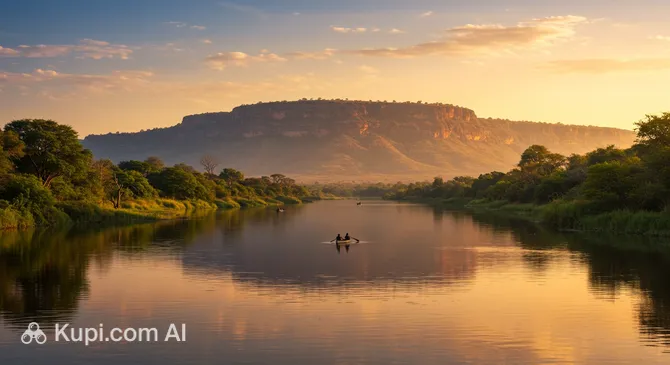
Immerse yourself in the raw beauty of the Lower Zambezi National Park, a pristine wilderness that stands as one of the most spectacular wildlife sanctuaries in Africa. Located in southeastern Zambia, this expansive park offers a unique blend of water-based and land-based safari experiences. Unlike more crowded destinations, it retains an atmosphere of remote isolation, allowing visitors to connect deeply with nature along the majestic banks of the Zambezi River.

Lower Zambezi National Park. Source: Kupi.Binoculars

Geographically, the park covers roughly 4,092 square kilometers and sits opposite Zimbabwe's Mana Pools National Park, creating a massive transfrontier conservation area. The landscape is defined by the mighty river, flanked by winterthorn forests and dramatic escarpments acting as a natural barrier. While the history of Lower Zambezi National Park is relatively young in terms of public tourism, having been a private game reserve for the country's president until 1983, this protection has ensured that the ecosystem remains largely untouched and teeming with life.

Travelers are drawn here for the exceptional canoe safaris, which offer a silent and thrilling perspective of elephants crossing the river and hippos wallowing in the shallows. The park is also renowned for its large populations of lions and leopards, as well as the exhilarating challenge of catching the ferocious tiger fish. Whether you are drifting downstream or exploring the floodplains on a game drive, the Lower Zambezi promises an unforgettable adventure for every wildlife enthusiast.

Weather Overview

The climate in this region is characterized by distinct seasonal changes that significantly influence the wildlife viewing experience. During the coolest months of June and July, the park remains exceptionally dry with zero recorded rainfall, while average temperatures hover around 18°C. Nights can be quite crisp, with lows dipping to approximately 13°C, so packing layers for morning activities is advisable.

As the dry season progresses into October, the heat intensifies, with average daily maximums reaching 32.2°C. This period is followed by the wet season, which typically spans from November to March, transforming the landscape into a lush green haven. January is usually the wettest month, featuring about 26 wet days and warm average temperatures of 23.6°C. To help plan your trip around these variations, you can consult the detailed guide to the weather in Lower Zambezi National Park.

Overall, you can expect warm to hot conditions throughout most of the year, ranging from cool, rain-free winters to humid summers with frequent tropical showers.

Interesting Facts

Beyond the main attractions, Lower Zambezi National Park holds many fascinating secrets that make it a truly unique destination in Southern Africa. From geological marvels to unusual wildlife behaviors, here are some intriguing facts about this pristine wilderness:

  • Nature’s Landscaping: The park is famous for its beautiful Winterthorn (Faidherbia albida) forests, which resemble a manicured parkland. This orderly appearance is not man-made but maintained by elephants; they love the protein-rich pods and act as natural gardeners, keeping the undergrowth clear and allowing for excellent walking safari visibility.

  • A Natural Funnel: The park's incredible wildlife density is partly due to its geography. The steep Zambezi Escarpment acts as a physical wall, funneling animals down onto the valley floor toward the river. This "pinch point" ensures that game is concentrated in a relatively narrow strip, maximizing sightings.

  • Nighttime Exclusivity: Unlike the neighboring Mana Pools National Park across the river, which generally restricts activities after dark, Lower Zambezi allows night drives. This gives visitors a rare privilege to spot elusive nocturnal species such as honey badgers, porcupines, and leopards hunting under the cover of darkness.

  • River Monsters: While rare, the Bull Shark (also known as the Zambezi Shark) has been recorded swimming hundreds of kilometers up the river. Although sightings are legendary and infrequent, the possibility of a shark sharing the water with hippos adds a layer of mystery to the river's depths.

How to Get There

Reaching this remote wilderness is an adventure in itself, offering a transition from the bustle of city life to the serene rhythms of the bush. For a comprehensive overview of travel options and routes, you can read more about how to get to Lower Zambezi National Park.

The most convenient way to access the reserve is by flying into one of the local airstrips situated directly within the park boundaries. Royal Airstrip (IATA: RYL) and Jeki (IATA: JEK) are the primary landing points for light aircraft and charter flights. These facilities are specifically designed for tourism, allowing visitors to land right in the heart of the conservation area, just a short drive from many camps and lodges.

For international arrivals, the main gateway is Kenneth Kaunda International Airport (IATA: LUN) in the city of Lusaka. It is located approximately 124 km from Lower Zambezi National Park. As a major hub with significant annual passenger traffic, it connects Zambia to the world. From Lusaka, travelers can transfer to a smaller plane for a scenic flight or embark on a road journey. A taxi or transfer by road from Lusaka typically takes about 3 hours and 25 minutes, though travel times can vary depending on road conditions and the specific destination within the park.

For clarity, here is a summary of the main airports:

Airport Name City Passenger Traffic Km from City
Kenneth Kaunda International Airport Lusaka Large 123.6
Simon Mwansa Kapwepwe International Airport Ndola Medium 275.4
Royal Airstrip Lower Zambezi National Park Small 56.4
Jeki Lower Zambezi National Park Small 35.5

There are no railway stations directly serving Lower Zambezi National Park. The region's rugged terrain and protected status mean that rail transport is not an option for reaching the park. Visitors primarily rely on air travel or 4x4 vehicle transfers from Lusaka to access the wildlife areas.

Main Attractions

The Zambezi River is the undisputed centerpiece of the park and its most significant attraction. As one of Africa's legendary waterways, it offers a safari experience quite unlike any other. Tourists flock here not just to observe the river but to be on it; the stretch flowing through the park is famous for its calm channels and islands. It provides the perfect setting for canoe safaris, allowing visitors to drift silently past pods of hippos and elephants drinking at the water's edge, offering a perspective of the wildlife that is both intimate and thrilling.

Another highlight is the Chongwe River, particularly the area where it flows into the Zambezi. This confluence is renowned for its scenic beauty and high concentration of wildlife. The river boundary is often patrolled by predators, and the massive Winterthorn trees lining the banks create a cathedral-like canopy that is visually stunning. It is a favorite spot for photographers and nature lovers seeking to capture the classic image of elephants dwarfed by giant trees against a backdrop of flowing water.

For those seeking dramatic landscapes, the Zambezi Escarpment serves as a majestic natural wall along the park's northern edge. While most safaris focus on the valley floor, the escarpment provides the rugged, mountainous backdrop that makes the park's scenery so iconic. The physical barrier of these mountains helps contain the wildlife in the rich alluvial plains below, ensuring high game density. The changing light on the escarpment at sunset turns the rock face into a canvas of deep reds and purples, a sight that defines the evenings here.

Deep within the river's network lies the Discovery Channel, a narrow waterway that cuts through the park's floodplains. Unlike the main river, which can be wide and swift, this channel is often shallow and crystal clear, making it a haven for birdlife and aquatic animals. It is widely considered one of the best spots for a peaceful boat cruise or canoe trip, as the narrower banks bring you closer to the action, from nesting bee-eaters to crocodiles basking on the sandy shores.

Local Cuisine

Dining in Lower Zambezi National Park is a unique culinary adventure that differs significantly from a typical city food scene. Since there are no independent restaurants or street food markets within the park boundaries, the gastronomic experience is exclusively crafted by the lodges and camps. However, chefs in these remote kitchens are masters at blending international gourmet standards with authentic Zambian flavors, ensuring that visitors get a genuine taste of the region while surrounded by the wilderness.

One of the most authentic dishes you are likely to encounter is Nshima, the staple food of Zambia. This thick maize porridge is the heart of nearly every local meal and is traditionally eaten with your hands. In the lodges, it is often served as part of a cultural evening, accompanied by tasty "relishes" such as Ifisashi—green vegetables like pumpkin leaves or rape simmered in a rich, creamy peanut sauce. Another highlight is fresh fish from the river, particularly the Zambezi Bream (Tilapia), which is known for its sweet, firm flesh and is often served grilled or fried with lemon butter.

When it comes to beverages, the "Sundowner" is an essential part of the safari food culture. As the sun sets over the river, it is customary to enjoy a refreshing drink, with the classic Gin and Tonic being the most popular choice among travelers. For a taste of something truly local, try a cold Mosi Lager, the national beer of Zambia, named after the Mosi-oa-Tunya (Victoria Falls). It is a crisp, light lager that pairs perfectly with the heat of the day.

The atmosphere of dining here is just as important as the food itself. Meals are often communal, served at long tables where guests share stories of the day's sightings with guides and camp managers. Bush dinners are a signature experience, where tables are set up under the stars on a sandy riverbank or beneath a giant Winterthorn tree. Eating a three-course meal illuminated only by lanterns and a campfire, with the sounds of hippos grunting in the distance, creates a magical and intimate connection to the African bush.

Travel Tips

Planning a trip to Lower Zambezi National Park requires a bit more preparation than a standard holiday, given its remote wilderness setting. To ensure your safari is safe, comfortable, and truly unforgettable, here are some essential practical tips to keep in mind before you pack your bags.

  1. Clothing and Gear: Pack lightweight clothing in neutral tones like khaki, beige, or olive green to blend into the bush. Avoid dark blue and black, as these colors attract painful tsetse flies, and steer clear of bright colors that can startle wildlife. Note that wearing military-style camouflage is strictly prohibited for civilians in Zambia. A warm fleece or jacket is essential for chilly morning game drives, and comfortable closed-toe shoes are a must for walking safaris.

  2. Transportation: Getting around within the park is almost exclusively done via open 4x4 safari vehicles or boats provided by your lodge. If you are attempting a self-drive adventure, a fully equipped 4x4 vehicle with high clearance is mandatory due to deep sand and rugged riverbeds. Be aware that road conditions can be challenging, and off-road driving is generally not permitted to protect the ecosystem.

  3. Finances: There are no ATMs or banks inside the park. While accommodation and activities are usually prepaid, you should bring sufficient cash (US Dollars or Zambian Kwacha) for tipping guides, trackers, and lodge staff, as well as for small purchases at local community craft stalls. Small denominations are particularly useful.

  4. Health and Safety: The park is located in a malaria zone, so taking prophylactic medication is highly recommended; consult your doctor before traveling. Always follow the instructions of your guide, especially during canoe safaris and bush walks. Never walk alone around your camp or lodge at night, as wild animals, including elephants and hippos, frequently pass through these unfenced areas.

  5. Communication: English is the official language and is spoken fluently by guides and hospitality staff. Mobile network coverage is extremely patchy or non-existent deep in the park. Most lodges provide Wi-Fi in the main lounge areas, but speeds can be slow. It is best to view this as a digital detox and immerse yourself in the natural surroundings.

  6. Local Etiquette: Silence is golden on a safari. Keep your voice down during sightings to avoid disturbing the animals and to allow other guests to enjoy the moment. When interacting with locals or staff, a polite greeting is important; a friendly smile and a "hello" are always appreciated before asking for assistance.

  7. What to Avoid: Do not attempt to swim in the Zambezi River or its channels. The water may look inviting, but it is inhabited by significant populations of crocodiles and hippos. Stick to the swimming pool at your lodge for a safe way to cool off.

  8. Additional Tip: Bring your own high-quality binoculars. While guides will have a pair, having your own allows you to constantly scan the riverbanks and trees. The Lower Zambezi is a birdwatcher's paradise, and seeing the intricate details of a Carmine Bee-eater or a Fish Eagle up close makes a huge difference.

By following these simple guidelines, you can focus entirely on the magic of the African bush. Whether you are silently paddling past a herd of elephants or watching a leopard descend from a tree, being well-prepared ensures you can enjoy every second of this spectacular wilderness.

Entertainment & Nightlife

Entertainment and nightlife in Lower Zambezi National Park are defined not by neon lights and thumping bass, but by the sounds of the African wilderness and the glow of a campfire. Visitors expecting urban nightclubs, discos, or bustling party streets will find something entirely different here: an exclusive, intimate, and deeply atmospheric experience. The "nightlife district" is effectively the banks of the Zambezi River, where the evening entertainment consists of star-filled skies, roaring lions in the distance, and the camaraderie of fellow travelers sharing stories of the day's adventures.

The primary venues for evening socialising are the lodge bars and open-air lounges. These are not commercial bars open to the general public, but rather exclusive gathering spots within the camps where you are staying. The atmosphere is sophisticated yet relaxed, with a dress code that usually consists of comfortable safari casual wear. The "crowd" is typically small groups of nature enthusiasts, photographers, and guides. Most evenings begin with the tradition of the "sundowner"—drinks enjoyed at a scenic spot in the bush as the sun sets—before moving back to the lodge for a communal dinner and drinks around the fire pit, often affectionately referred to as "Bush TV."

While there are no independent clubs, specific lodges are renowned for their exceptional evening ambiance. Places like the Royal Zambezi Lodge offer an award-winning bar experience where you can sip a cocktail on a deck suspended over the river, often with elephants passing beneath you. Similarly, Chiawa Camp is famous for its campfire atmosphere, where guests gather to recount sightings under the vast southern sky. Another notable mention is Sausage Tree Camp, known for its elegant dining and water-level bar area, which provides a front-row seat to the nocturnal activity of the river's hippos.

For those seeking a more active form of night entertainment, the park offers night game drives. This is the safari equivalent of a night out, offering a thrill that daytime viewing cannot match. Equipped with red-filtered spotlights, guides take guests into the bush to search for nocturnal creatures such as leopards, genets, civets, and porcupines. It is a quiet, suspenseful, and exhilarating way to spend the hours after dark.

Practical advice for enjoying evenings here revolves around the rhythm of safari life. The "party" usually starts early, right after the afternoon activity (around 18:00), and winds down by 21:00 or 22:00, as wake-up calls for morning safaris are often at dawn. Prices for drinks are typically included in the all-inclusive rates of luxury lodges, though premium spirits may cost extra. There is no need to worry about taxis or getting around; your movement at night is restricted to your lodge grounds.

Safety is paramount when the sun goes down. The park is an unfenced wilderness, and predators often move through the camps at night. You should never walk alone between the main lodge and your tent or chalet after dark. Staff members and night watchmen are always on hand to escort you safely. Always carry a torch (flashlight), listen to your guide's instructions, and never wander off the designated paths.

During the daylight hours, entertainment is centered on immersion in nature. Unlike cities with museums or amusement parks, the "attractions" here are the river and the bush. Visitors spend their days engaging in tiger fishing, canoeing through the calm channels, or embarking on walking safaris. These activities provide an adrenaline rush and a sense of connection to the environment that serves as the perfect precursor to the relaxed, reflective atmosphere of the evenings.
Parks & Museums

In the vast wilderness of the Lower Zambezi National Park, the concept of "parks" and "museums" takes on a different meaning. Here, the manicured gardens are replaced by ancient forests sculpted by elephants, and the galleries are not buildings filled with artifacts, but living communities and landscapes that tell the story of the land. Instead of strolling through city squares, visitors explore vast floodplains and river confluences that serve as nature’s own grand exhibition halls.

The Jeki Plains can be considered the "Central Park" of this protected area. Located deep within the reserve, this expansive plateau of open grasslands offers a dramatic contrast to the dense riverine vegetation found elsewhere. It is a prime location for wildlife viewing, acting as a natural stage where herds of buffalo and zebra congregate, often trailed by prides of lions. The wide horizons here provide excellent visibility, making it a favorite spot for photographers seeking to capture the scale of the African bush without the obstruction of thick bush.

Another natural masterpiece is the Winterthorn Forest (Faidherbia albida), which resembles a carefully tended botanical garden. These towering trees form a high, cathedral-like canopy with very little undergrowth, creating a park-like atmosphere that is unique to the Zambezi valley. The "gardeners" here are the elephants, who eagerly consume the nutrient-rich seed pods, keeping the forest floor clear and open. Walking safaris through these groves offer a surreal experience, where the dappled light and massive tree trunks create a serene, almost spiritual environment.

While there are no traditional brick-and-mortar museums inside the park boundaries, the Goba Villages in the surrounding Game Management Areas offer a profound "living museum" experience. Many lodges arrange cultural visits to these communities, particularly in the Chiawa area, where the Goba people of the Tonga tribe have lived for centuries. These tours allow tourists to step away from the safari vehicle and engage with local traditions, witnessing daily life, farming practices, and craftsmanship that have evolved in harmony with the wildlife-rich environment.

For those interested in the geological history of the region, the Zambezi Escarpment serves as a monumental open-air gallery. Rising steeply to the north, these mountains display the raw geological forces that shaped the Rift Valley. The changing colors of the rock face throughout the day—from dusty ochre at noon to deep violet at dusk—provide a stunning backdrop to the park. It stands as a silent witness to millions of years of natural history, offering a sense of permanence and grandeur that anchors the fleeting drama of the wildlife below.

For a truly authentic "insider" experience, ask your guide to take you to the Chongwe Falls. Located on a tributary river, this hidden gem is often overlooked by visitors focused solely on the main Zambezi channel. A hike to the falls reveals a different side of the ecosystem, characterized by rocky gorges and cascading water, offering a peaceful retreat and a chance to see different bird species that favor the rocky terrain over the riverbanks.

Getting Around

It is important to clarify that Lower Zambezi National Park is a pristine wilderness area, not a city, and therefore it does not possess a public transport system in the traditional urban sense. You will not find metros, trams, public buses, or trolleybuses operating within the reserve. The "transport network" here is exclusively comprised of safari vehicles and boats operated by lodges and tour companies, designed specifically for traversing rugged terrain and navigating the river rather than for general commuting.

The primary mode of transport for visitors is the open-sided 4x4 safari vehicle (typically modified Land Cruisers or Land Rovers). These vehicles are rugged and high-clearance, built to handle deep sand, mud, and steep riverbanks. Another major form of "transport" is water-based; motorboats and flat-bottomed aluminum boats serve as water taxis, shuttling guests between lodges or across the river, often providing a faster and more scenic route than the inland tracks.

Regarding payment, there are no travel passes, transport cards, or mobile ticketing apps. The cost of transportation within the park—whether it is a game drive vehicle or a boat transfer—is almost always included in your accommodation package or paid for as part of a specific guided activity. You do not buy tickets for individual rides; instead, all logistics are pre-arranged by your lodge. If you are transferring between camps, the cost is usually settled in advance as part of your itinerary.

For practical advice, tourists should understand that transport here operates on a strict schedule dictated by safari activities and daylight hours. Vehicles typically depart for morning activities at sunrise and for afternoon drives around 16:00. You cannot "hail" a ride; all movement must be coordinated with your camp manager. It is crucial to remain seated in the vehicles at all times unless instructed otherwise by your guide, as standing up can break the vehicle's silhouette and startle wildlife.

Alternatives to motorized transport are limited but exciting. Walking safaris are a popular way to move between different areas of the bush, always accompanied by an armed scout and a professional guide. While there are no taxis or car-sharing services, some visitors choose to self-drive. However, this is strictly for experienced off-roaders with their own fully equipped 4x4 vehicles, as there is no support infrastructure or vehicle rental stations inside the park. Unlike a city with bike rentals, cycling is generally prohibited due to the presence of dangerous predators.

A special feature of transport in this region is the use of light aircraft for short "hops" between airstrips. In some cases, moving from one end of the park to the other is best done via a 10-minute flight rather than a long, bumpy drive. Additionally, the Zambezi River itself acts as the main "highway" of the park, where boat transfers offer a unique travel experience, allowing you to view elephants and hippos while en route to your destination.

Accommodation

Accommodation in Lower Zambezi National Park is defined by exclusivity and immersion in nature rather than the standard hotel categories found in cities. You will not find high-rise hotels, hostels, or budget motels here. Instead, the region is famous for its luxury safari lodges and tented camps that blend seamlessly into the riverine environment. These options range from comfortable, rustic bush camps that offer a "back to basics" feel, to ultra-luxurious suites with private plunge pools, air conditioning, and gourmet dining.

The vast majority of accommodation is situated along the banks of the Zambezi River. This prime location ensures that guests have constant views of the water and the wildlife that frequents it, such as elephants swimming across channels or hippos basking on sandbanks. There are two main zones for staying: lodges located inside the National Park itself, which offer the most pristine and secluded experience, and those situated just outside in the Game Management Areas (GMAs) like Chiawa. The GMAs are equally scenic and often allow for a wider range of activities, such as night drives and walking safaris, while still providing easy access to the park proper.

While specific "hotels" in the traditional sense are absent, the lodges here operate as high-end boutique resorts. Examples of the style you can expect include establishments like the Royal Zambezi Lodge or Chiawa Camp, which set the standard for hospitality in the area. These venues typically feature chalets or luxury tents erected on raised timber decks under the shade of massive mahogany or winterthorn trees. The architecture focuses on open-plan designs that allow the sights and sounds of the bush to filter in, while ensuring complete comfort and safety.

Booking Tip: Due to the intimate size of these lodges—many have fewer than 10 rooms or tents—availability can be extremely limited. It is highly recommended to book your stay at least 6 to 12 months in advance, especially if you plan to visit during the peak dry season (June to October). Most bookings are all-inclusive, covering meals, drinks, park fees, and daily safari activities.

Regarding the price range, Lower Zambezi is generally considered a high-end destination. Budget options are very scarce, and self-catering camping is limited to a few specific community campsites that require you to be fully self-sufficient. The typical price bracket is mid-range to luxury, reflecting the logistical challenges of operating in a remote wilderness and the high level of personalized service provided. Booking is best done through specialized African safari tour operators who can handle the logistics of charter flights and transfers, or directly via the lodge's website if you are organizing your own itinerary.

Nearby Cities

For those looking to explore the surroundings, Lower Zambezi National Park serves as an excellent base for day trips to several interesting nearby locations:

City Population Distance (km)
Lusaka 2,467,563 143
Ndola 528,330 277
Kitwe 504,194 313
Kafue 219,000 161
Mazabuka 203,219 206

While the park itself offers a secluded wilderness experience, a trip to the capital city, Lusaka, provides a vibrant contrast. As the beating heart of the nation, it is a bustling metropolis where visitors can explore local culture at the Kabwata Cultural Village or learn about the country's heritage at the Lusaka National Museum. It is the perfect place to pick up authentic handicrafts and experience the energetic pace of modern Zambian life before returning to the quiet of the bush.

Another interesting stop is Mazabuka, affectionately known as the "Sweetest Town in Zambia." Located to the southwest, this town is the center of the country's sugar production. A visit here offers scenic views of vast, lush green sugar cane plantations that stretch as far as the eye can see. It provides a unique insight into the agricultural backbone of the region and offers a different kind of landscape compared to the riverine forests of the Zambezi.

These nearby destinations offer a glimpse into the diverse culture and landscapes of the region.

Shopping & Souvenirs

Shopping in Lower Zambezi National Park is an experience defined by scarcity and authenticity rather than commercial variety. As a protected wilderness area focused on conservation and safari activities, the park does not have a commercial center, high streets, or independent retail stores. Visitors should not expect to find supermarkets, fashion boutiques, or electronics shops here. Instead, shopping is almost exclusively limited to small gift shops located within safari lodges and community craft stalls found in the surrounding Game Management Areas.

Since there are no traditional shopping districts or streets within the park boundaries, the Lodge Curio Shops serve as the main "retail outlets" for tourists. Almost every camp and lodge has a small boutique or designated area in the main lounge where they sell a curated selection of goods. These shops typically stock safari essentials like sunscreen, hats, and insect repellent, alongside high-quality local handicrafts, branded clothing, and books about African wildlife. This is often the most convenient place to buy a memento of your trip without leaving the comfort of your accommodation.

It is important to clarify that there are no shopping malls in or near Lower Zambezi National Park. The nearest modern shopping centers are located in the capital city, Lusaka, which is a significant distance away. Travelers are strongly advised to purchase all necessary personal items, specialized medication, and camera equipment in Lusaka or their home country before departing for the park, as it is impossible to find these items once you have entered the bush.

For a more cultural shopping experience, the Community Markets in the adjacent Chiawa Game Management Area offer a chance to support the local economy. While these are not formal markets with fixed structures, you will often find roadside stalls or community centers where local artisans display their work. These interactions provide a direct link to the people who live alongside the wildlife, and the proceeds often go towards community development projects or conservation efforts.

When looking for souvenirs, the region offers beautiful, handcrafted items that reflect the local culture. The most popular buys include intricate wood carvings of animals like hippos and elephants, often made from sustainable timber. Tonga baskets, woven from palm leaves and dyed with natural pigments, are another specialty of the area, known for their durability and geometric patterns. You can also find vibrant Chitenge fabrics (colorful African wax print cloth) and handmade jewelry created from local seeds, beads, and recycled materials.

Regarding opening hours and payment, the lodge shops generally operate with flexible hours, often opening whenever a guest requests to browse, or during the main daytime hours between game drives (typically 10:00 to 15:00). In the lodges, payments can usually be made by credit card (Visa and MasterCard are widely accepted) or added to your final room bill. However, if you are purchasing from community stalls or local artisans, cash is essential. It is highly recommended to carry small denominations of US Dollars or Zambian Kwacha, as change is rarely available in remote areas.

Tax-free shopping is generally not available within the park itself. The bureaucratic infrastructure required to process VAT refunds does not exist in these remote camps. Tourists interested in tax refunds for significant purchases should inquire at the major international airports upon departure from Zambia, though this typically applies to goods bought in registered city stores rather than small bush crafts.

Nearby cities

Reached the end of the page?

That means the route is fully explored