Support

Ndola

About

Ndola is widely known as the "Friendly City," a title that perfectly captures its welcoming atmosphere and the warm hospitality of its residents. As the capital of the Copperbelt Province, it serves as a vital industrial and commercial hub in Zambia. This bustling metropolis is not only an economic powerhouse but also a city of broad, tree-lined streets and vibrant local culture, making it a pleasant stop for travelers.

Geographically, the city is strategically located near the border with the Democratic Republic of the Congo. It sits at an elevation that grants it a mild and agreeable climate throughout the year, avoiding the extreme heat often found in lower-lying areas. With a population exceeding 520,000 residents, it is one of the largest urban centers in the country, offering a lively environment that blends modern development with the lush greenery of the surrounding landscape.
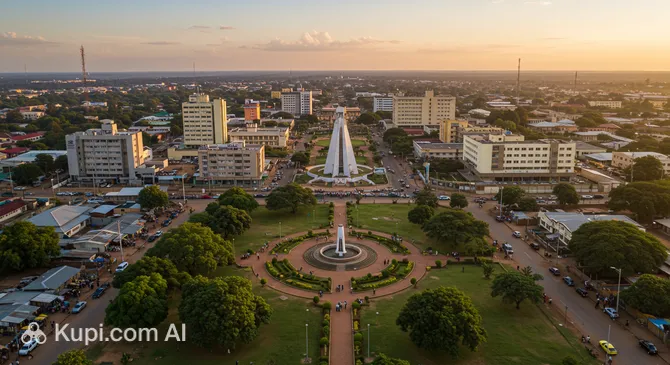
Ndola. Source: Kupi.Binoculars

Travelers interested in the past will find the history of Ndola deeply compelling. From its origins as a crossroads for trade to its rapid expansion during the copper mining boom of the 20th century, the city has played a pivotal role in the nation's development. Visitors can explore various landmarks that tell the story of its colonial architecture and its evolution into a modern city.

Among the top attractions is the Dag Hammarskjöld Crash Site Memorial, a significant historical landmark located just outside the city, dedicated to the former UN Secretary-General. Within the city, the Copperbelt Museum offers fascinating insights into the minerals and gemstones that shaped the region's economy. Additionally, the ancient Mukuyu Tree, a symbol of the city's heritage, provides a unique glimpse into local lore and tradition.

Ndola provides a perfect blend of history, commerce, and relaxation. Whether you are passing through on business or exploring the wonders of the Copperbelt region, this charming city invites you to experience its unique character and discover why it remains a beloved destination in the heart of the country.
Weather Overview

The climate in this region is generally mild and agreeable, characterized by distinct wet and dry seasons. For those planning a trip, understanding the weather in Ndola is key to packing the right gear. The city sits at an elevation that keeps extreme heat at bay for most of the year, making it a comfortable destination for travelers.

The rainy season typically spans from November to March. During this period, the landscape becomes lush and green, but visitors should be prepared for frequent showers, particularly in January which can have up to 28 wet days. Temperatures during these humid months average around 22°C, providing a warm but not stifling atmosphere.

From May to September, the city experiences its dry season, where rainfall is virtually non-existent. The coolest months are June and July, with average temperatures dropping to roughly 18°C and nights becoming crisp with lows around 12°C. As the dry season concludes in October, the heat builds up, with daytime highs reaching nearly 32°C. Expect warm, wet summers with regular rainfall and cool, dry winters perfect for outdoor activities.

Interesting Facts

Beyond the main attractions, Ndola holds many fascinating secrets that reveal its depth as a city of legends and commerce. From mysterious natural wonders to its status as a historic industrial pioneer, there is much more to this destination than meets the eye.

  • Just outside the city limits lies the mysterious Lake Chilengwa, often referred to as the "Sunken Lake." Geologists describe it as a collapsed limestone sinkhole, but local legends claim it is bottomless and inhabited by ancestral spirits. Interestingly, the lake has no visible inlet or outlet, yet its water levels remain relatively constant, fueling myths about its connection to underground rivers.

  • Ndola holds the distinction of being the only city in the country to host the Zambia International Trade Fair. Every year, usually in late June or early July, the city transforms into a bustling international marketplace, welcoming exhibitors and visitors from all over the world to celebrate the nation's industrial and commercial achievements.

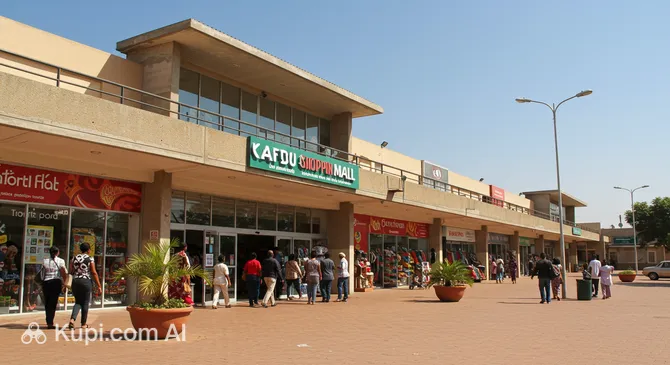
  • The city is strategically built along the banks of the Kafubu River, a vital waterway that sustains the region's lush greenery. This river is so central to local identity that it lends its name to key modern landmarks, such as the popular Kafubu Shopping Mall, which serves as a contemporary social hub for residents.

  • History buffs might be surprised to learn that the famous Slave Tree, a large Mukuyu tree where slave traders once met, is not just a physical landmark but also a heraldic symbol. It is prominently featured on the city's official coat of arms, serving as a permanent reminder of the area's historical significance and resilience.

Kafubu Shopping Mall. Source: Kupi.Binoculars

How to Get There

Reaching the heart of the Copperbelt Province is relatively straightforward, thanks to its well-connected transport infrastructure. Whether you are arriving from overseas or traveling within the region, there are convenient options to suit your itinerary. You can read more about how to get to Ndola to plan your journey effectively.

The most direct way to arrive is by flying into Simon Mwansa Kapwepwe International Airport (IATA: NLA), which is conveniently located within the city itself. As a key international gateway for the region, it handles a significant volume of passengers and serves as a primary hub for business and leisure travelers alike. Since the airport is situated just 1.8 km from the city center, the transfer is exceptionally quick; a taxi or shuttle ride typically takes just a few minutes, making it a hassle-free entry point.

Alternatively, many international visitors choose to fly into Kenneth Kaunda International Airport (IATA: LUN) in the capital city of Lusaka. This is the country's largest airport and offers a wider range of global connections. Although it is located about 260 km from Ndola, it is a common transit point. From Lusaka, travelers can take a connecting domestic flight or opt for a ground transfer. A journey by road from Lusaka takes several hours, offering a chance to see the Zambian countryside along the way.

For clarity, here is a summary of the main airports serving the region:

Airport Name City Passenger Traffic Km from City
Kenneth Kaunda International Airport Lusaka High 259.8
Simon Mwansa Kapwepwe International Airport Ndola High 1.8
Lubumbashi International Airport Lubumbashi Medium 196.9
Solwezi Solwezi Small 262.0

Main Attractions

While Ndola is steeped in history and industrial significance, it also offers a vibrant modern lifestyle that appeals to visitors looking for leisure, shopping, and dining experiences. The city's growth has given rise to contemporary spaces where locals and tourists alike gather to relax, shop for international and local goods, and enjoy the urban atmosphere.

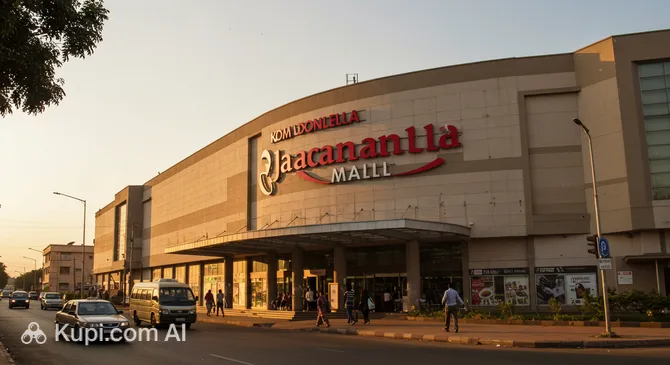
One of the premier destinations for retail therapy is the Jacaranda Mall. This modern complex is more than just a place to shop; it is a bustling social center featuring a wide array of stores, from fashion boutiques to essential services. Visitors can enjoy a comfortable environment to browse for souvenirs, catch a movie at the cinema, or simply escape the midday heat while exploring the various outlets available.

Jacaranda Mall. Source: Kupi.Binoculars

Another favorite spot for both residents and travelers is the Kafubu Shopping Mall. Strategically located and well-integrated into the city's layout, this mall offers a relaxed shopping experience with a variety of supermarkets, banks, and specialty shops. Its proximity to the river adds a pleasant backdrop, making it a convenient stop for stocking up on supplies or enjoying a casual stroll through the commercial heart of the Copperbelt.

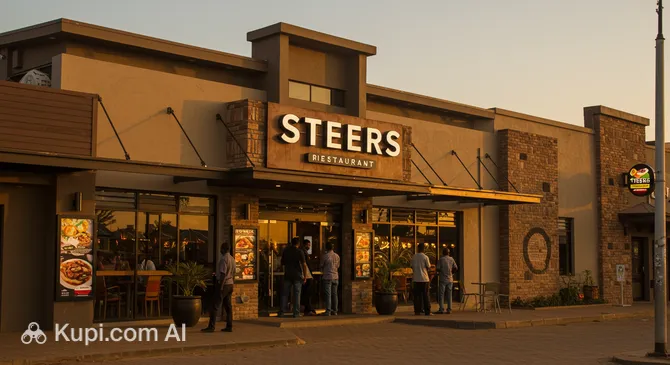
For those seeking a taste of popular local dining, Steers is a well-known establishment in the city. Famous for its flame-grilled burgers and hearty meals, this spot is a reliable choice for tourists wanting a quick and satisfying bite. It represents the growing food scene in the city, offering a familiar and friendly environment where visitors can refuel after a day of sightseeing.

Steers. Source: Kupi.Binoculars

Local Cuisine

The culinary landscape of Ndola offers a delightful journey through traditional Zambian flavors and an expanding selection of international tastes. At the heart of the local diet is the beloved staple known as Nshima, a thick porridge made from white maize meal. It is typically eaten with hands and serves as the canvas for a variety of rich and savory side dishes, locally referred to as "relish," which define the character of the meal.

Vegetarians and meat lovers alike will appreciate the depth of flavor in Ifisashi, a signature dish consisting of pumpkin leaves, spinach, or other greens stewed in a creamy groundnut sauce. Given the region's geography, fresh fish is also a culinary highlight, with grilled or fried Bream being a popular choice among residents. For a unique local snack, adventurous eaters should look for Chikanda, often described as "African polony." It is a firm, savory loaf made from wild orchid tubers and peanuts, offering a taste that is truly distinct to the region.

To wash down these hearty meals, locals often turn to Mosi Lager, the iconic national beer named after the Victoria Falls. It is crisp, refreshing, and widely available in bars and restaurants throughout the city. For a non-alcoholic option, Maheu is a traditional maize-based drink that is both filling and nutritious, often consumed for a quick energy boost during the day.

The dining culture in Ndola is a mix of vibrant street food stalls and modern establishments. Visitors can experience authentic home-style cooking at local markets or opt for more contemporary venues in the city center. While traditional fare is the main attraction, the city also caters to diverse palates with various international options. For travelers craving a taste of familiar comfort food, the Pizza Restaurant provides a relaxed atmosphere to enjoy a slice and unwind after a day of sightseeing.

Pizza Restaurant. Source: Kupi.Binoculars

Travel Tips

Visiting Ndola is a rewarding experience, and a few practical preparations will ensure your stay in the "Friendly City" is as smooth as it is memorable. Here are some essential tips to help you navigate local customs and logistics with ease.

  1. Clothing and Gear: The city generally enjoys a mild climate, so lightweight, breathable clothing is suitable for most of the year. However, if you are visiting during the cool dry season from May to August, be sure to pack a warm jacket or sweater, as evenings can get quite chilly. Comfortable walking shoes are essential, and while casual wear is acceptable, it is best to dress modestly when visiting religious sites or traditional communities.
  2. Transportation: For tourists, using private taxis or ride-hailing apps like Yango is often the most convenient and secure way to navigate the city. Public minibuses are ubiquitous and very cheap, but they can be crowded and their routes confusing for first-time visitors. If you choose to rent a car, drive defensively and be aware that road conditions can vary.
  3. Finances: The official currency is the Zambian Kwacha (ZMW). While major hotels, restaurants, and stores in shopping malls accept international credit cards (Visa is most common), cash is king in local markets and smaller establishments. ATMs are widely available in the city center and at malls. Tipping is customary for good service, with around 10% being a standard gesture.
  4. Health and Safety: Ndola is considered one of the safer cities in Zambia, but standard precautions apply; avoid walking alone in unlit areas at night and keep valuables secure. Malaria is present in the region, so carry effective insect repellent and consider wearing long sleeves in the evening. It is highly recommended to drink bottled water rather than tap water to avoid stomach issues.
  5. Communication: English is the official language and is widely spoken throughout the city, so you will have no trouble communicating. The primary local language in the Copperbelt Province is Bemba. Locals appreciate it if you learn a few basic phrases, such as "Muli shani?" (How are you?). reliable SIM cards from providers like Airtel or MTN can be easily purchased at the airport or local kiosks for internet access.
  6. Local Etiquette: Zambians are renowned for their politeness and hospitality. A handshake is the standard greeting, often performed with the left hand supporting the right elbow as a sign of respect, especially when greeting elders. Always ask for permission before taking photographs of local people to show respect for their privacy.
  7. What to Avoid: Strictly avoid taking photographs of government buildings, military installations, police stations, or airports. This is prohibited by law and can lead to serious legal complications. Additionally, avoid public displays of anger or shouting, as this behavior is culturally frowned upon and rarely yields positive results.
  8. Shopping Hours: Keep in mind that while the modern shopping malls stay open later, many independent shops and businesses in the city center close by 17:00 or 18:00 on weekdays and may have limited hours or be closed on Sundays. Plan your errands and souvenir shopping accordingly.

By keeping these practical tips in mind, you will be well-equipped to enjoy everything this vibrant industrial hub has to offer. Embrace the local hospitality, explore the streets with confidence, and have a wonderful journey.

Entertainment & Nightlife

When the sun sets over the Copperbelt, Ndola transforms from an industrious business hub into a city with a vibrant and welcoming nightlife scene. While it may not have the chaotic energy of a massive capital, the "Friendly City" offers a diverse range of evening entertainment, from laid-back pubs and sophisticated lounges to energetic nightclubs where the dancing continues until dawn.

The nightlife in Ndola is often concentrated around key commercial arteries and the city center. Areas near President Avenue and Maina Soko Road are particularly known for their activity after dark. Here, you will find a mix of locals and expatriates enjoying the cool evening air. The atmosphere is generally relaxed and unpretentious, though some of the more popular clubs do encourage a smart-casual dress code, especially on Friday and Saturday nights when the city truly comes alive.

For those planning a night out, it is common to start with a good meal. If you are looking for a satisfying dinner to fuel your evening, Steers is a popular choice among residents for its flame-grilled meals and consistent quality. It serves as an excellent meeting point before heading to a bar or club. Alternatively, for a more casual vibe suitable for groups or families, the Pizza Restaurant offers a comfortable setting to enjoy comfort food and conversation before the night's activities begin.

If your idea of entertainment involves thumping bass and a lively crowd, the city's nightclubs will not disappoint. Venues like East Point and Klub Vegas Cave are legendary in the local scene, often hosting local DJs and themed parties that run late into the night. For a slightly different pace, the modern shopping complexes also provide evening leisure. The Jacaranda Mall is not just for daytime shopping; it remains a safe and well-lit destination where visitors can catch a late movie at the cinema or enjoy a quiet drink in a more controlled environment.

Practical advice for enjoying Ndola at night revolves around timing and safety. The party scene typically picks up after 22:00, but bars are open earlier for "sundowners." Prices for drinks and entry fees are generally affordable by international standards. However, safety is paramount. While the city is relatively safe, you should strictly avoid walking alone at night, even for short distances. Stick to well-lit areas and always use a reliable taxi or a ride-hailing service to move between venues. It is best to arrange your transport in advance or have a trusted number saved on your phone.

Before the nightlife begins, the city offers plenty of daytime diversions to fill your itinerary. Culture enthusiasts can visit the Copperbelt Museum to learn about the region's mining heritage, while nature lovers might enjoy a peaceful afternoon at the sunken lakes nearby. Whether you are exploring historical sites under the sun or dancing the night away, Ndola offers a memorable experience for every traveler.

Parks & Museums

While Ndola is primarily celebrated as an industrial powerhouse, the city also offers a surprising wealth of green spaces and cultural institutions that provide a deeper understanding of the region's heritage. For travelers looking to step away from the bustling commercial centers, the local museums and natural landmarks offer a peaceful and educational retreat into the history and geography of the Copperbelt.

The most prominent cultural institution in the city is the Copperbelt Museum. Conveniently located in the heart of the town, this facility is an essential stop for anyone wishing to understand the economic lifeblood of the nation. As its name suggests, the museum focuses heavily on the history of copper mining, featuring geological displays of various minerals and gemstones found in the region. Beyond geology, it also houses a collection of ethnographic artifacts, including traditional crafts and tools, which offer a glimpse into the daily lives and customs of the local people before the industrial boom. It is a compact but information-rich venue that provides context to the surrounding landscape.

A short drive from the city center lies one of the most significant historical sites in international diplomacy, the Dag Hammarskjöld Crash Site Memorial. Located approximately 10 kilometers west of Ndola, this serene park marks the spot where the plane carrying the second United Nations Secretary-General crashed in 1961 during a peace mission. The site features a simple memorial obelisk and a small on-site museum that documents the tragic event and Hammarskjöld's legacy. It is a place of quiet reflection, surrounded by well-maintained gardens that are often visited by dignitaries and tourists paying their respects to a global peacemaker.

For nature enthusiasts, a trip to Lake Chilengwa offers a mix of geological wonder and local folklore. Situated about 20 kilometers east of the city near the border with the Democratic Republic of the Congo, this "Sunken Lake" is a collapsed limestone sinkhole. The water level remains remarkably constant despite having no visible inlet or outlet, a phenomenon that has given rise to numerous local legends about spirits and underground connections. It is an excellent spot for a day trip, offering a tranquil environment for picnics and a chance to see a unique natural formation distinct from the typical African savannah.

Another notable natural landmark within the city limits is the historic Mukuyu Slave Tree. While not a park in the traditional sense, this massive fig tree is a protected national monument that serves as a living museum of the region's darker past. Historically used as a meeting point for Swahili slave traders, the tree today stands as a symbol of resilience. It is easily accessible for a quick visit and provides a tangible connection to the 19th-century history of the area.

For a truly authentic experience, consider visiting the Hammarskjöld Memorial in the late afternoon. The lighting through the forest reserve is beautiful, and the site is often quieter, allowing for a more personal experience. Additionally, keep an eye out for local artisans selling handmade copper crafts near the museum entrance in the city; these make for unique souvenirs that directly reflect the city's identity.

Getting Around

The public transport system in Ndola is almost entirely road-based and informal, differing significantly from the structured networks found in many European or North American cities. There is no metro, tram, or trolleybus system here. Instead, the city relies heavily on a vast network of privately owned minibuses and taxis to move people around. For a tourist, navigating this system can be an adventure, offering a genuine glimpse into local daily life.

The most common form of transport is the minibus. These are typically blue and white vans that operate on set routes connecting the city center with various residential suburbs and outskirts. There are no official timetables; buses simply depart from the designated stations or stops once they are full. You will often see a conductor hanging out of the side door or standing nearby, shouting the destination to attract passengers. While they are an extremely affordable way to travel, they can be crowded and may make frequent stops along the way.

Regarding payment, cash is the only accepted method on minibuses. There are no travel cards, passes, or digital ticketing apps for the bus system. Passengers pay the conductor directly after boarding or during the journey. Fares are fixed for specific distances but are generally very low. It is highly recommended to carry small denominations of the local currency, as conductors may struggle to find change for large bills.

For tourists who prefer more comfort and privacy, taxis are the best alternative. Official taxis are usually identifiable by a ribbon or strip of a specific color (often orange or grey) painted on the vehicle. Unlike in some cities, street taxis here rarely use meters. You must negotiate and agree on the fare with the driver before getting into the car to avoid misunderstandings later. Hailing a taxi on the street is common, but you can also find them waiting at designated ranks near shopping malls, hotels, and the airport.

In recent years, ride-hailing apps have started to gain popularity in the region, offering a more familiar and secure option for international visitors. Services like Yango or local equivalents allow you to book a ride with a transparent price and track your journey, eliminating the need to haggle. This is often the most stress-free method for getting around, especially in the evenings when public transport becomes less frequent.

Public transport generally operates from the early hours of the morning (around 05:00 or 06:00) until the early evening (around 19:00 or 20:00). After dark, minibuses become scarce, and it is strongly advised to use a private taxi or a ride-hailing service for safety. If you are planning to drive yourself, car rental agencies are available, but be prepared for varying road conditions and a different driving style than you might be used to.

Accommodation

Where to Stay:

Finding the right place to stay in Ndola is relatively easy, as the city offers a variety of accommodation options tailored to different needs and budgets. Whether you are visiting for business, attending a conference, or simply exploring the Copperbelt, you will find everything from affordable guesthouses and comfortable lodges to full-service business hotels. The hospitality sector here is well-developed, reflecting the city's status as a commercial hub.

For most tourists and business travelers, the most convenient area to stay is within or near the City Center (CBD). Staying centrally places you within walking distance of key government offices, banks, and major shopping centers like the Kafubu Shopping Mall. If you prefer a quieter environment, the residential suburbs such as Kansenshi and Hillcrest offer excellent lodges that provide a more home-like atmosphere while still being just a short drive from the main attractions.

Booking accommodation in Ndola is generally straightforward, but timing is important. If your visit coincides with the Zambia International Trade Fair, which typically takes place in late June or early July, it is essential to book your room months in advance. During this period, hotels fill up quickly, and prices can surge due to the influx of international exhibitors and visitors.

In terms of cost, the city caters to a wide spectrum. Budget travelers can find clean and basic lodges for a modest fee, while mid-range and luxury hotels offer amenities such as swimming pools, on-site restaurants, and conference facilities at international standard rates. While major hotels are listed on popular online booking platforms, many smaller, locally-run guesthouses may require direct contact via phone or email to secure a reservation. It is also worth noting that while credit cards are accepted at larger establishments, carrying some cash is advisable for smaller lodges.

Nearby Cities

For those looking to explore the surroundings, Ndola serves as an excellent base for day trips to several interesting nearby locations:

One of the most accessible destinations is Kitwe, located just a short drive west of the city. As the second-largest city in the country and a central hub of the Copperbelt, it offers a lively atmosphere with modern shopping centers and bustling markets. For a more relaxed experience, visitors can head to the Mindolo Dam, a popular spot for boating, picnics, and escaping the urban rush.

Another rewarding option is Chingola, often cited as the most picturesque town in the region due to its lush greenery and well-planned layout. It is famous for hosting the massive Nchanga Open Pit Mine, which provides a breathtaking view of the scale of mining operations in Zambia. Nature lovers also frequent the area to visit the nearby Chimfunshi Wildlife Orphanage, a sanctuary renowned for its work in rescuing and rehabilitating chimpanzees.

City Population Distance (km)
Lusaka 2467563 271
Kitwe 504194 50
Kafue 219000 312
Mazabuka 203219 331
Chingola 147448 100

These nearby destinations offer a glimpse into the diverse culture and landscapes of the region.

Shopping & Souvenirs

Shopping in Ndola offers a practical and varied experience that reflects its status as the commercial capital of the Copperbelt. While it may not have the sheer density of retail options found in Lusaka, the city provides a balanced mix of modern conveniences and traditional African commerce. Visitors can find everything from high-end electronics and fashion in air-conditioned malls to fresh produce and vibrant textiles in the bustling open-air markets.

The heartbeat of the city's retail activity is concentrated in the City Center (CBD), particularly along President Avenue and the surrounding streets. This area is always teeming with activity, lined with banks, pharmacies, hardware stores, and independent boutiques. It is an excellent place to witness the daily rhythm of the city, where street vendors selling phone credit and snacks set up shop alongside established businesses.

For a more contemporary shopping experience, the city boasts several modern complexes that cater to international standards. The Jacaranda Mall is a premier destination for those seeking variety and comfort. It houses a cinema, a large food court, and numerous fashion outlets, making it a popular spot for both shopping and entertainment. Similarly, the Kafubu Shopping Mall offers a relaxed atmosphere near the river, featuring well-stocked supermarkets and essential service providers, perfect for travelers needing to resupply.

To truly immerse yourself in local culture, a visit to the city's markets is essential. Masala Market is one of the largest and most vibrant in the area, offering a sensory overload of sights and sounds. Here, you can find mounds of fresh vegetables, dried fish, and spices. It is also a hub for "Salaula" (second-hand clothes), where patient shoppers can often find high-quality vintage items at bargain prices. These markets are the lifeblood of the local economy and offer a stark contrast to the polished floors of the shopping malls.

When looking for souvenirs to take home, remember that you are in the heart of the Copperbelt. Copper crafts, such as beaten plates, jewelry, and decorative animals, are the most iconic gifts from the region. Additionally, keep an eye out for Chitenge, the colorful waxed cotton fabric worn by many Zambian women. It can be bought by the yard and is perfect for making custom clothing or home accessories. Since the region is also rich in gemstones, you may find certified dealers selling emeralds and aquamarines, but always ensure you buy from reputable sources.

Business hours in Ndola are generally consistent. Most shops in the city center open around 08:00 and close by 17:00 on weekdays, with shorter hours on Saturdays and many closing on Sundays. However, the major shopping malls stay open later, often until 19:00 or 20:00, and operate seven days a week. In terms of payment, major supermarkets and mall stores accept credit cards (Visa is widely preferred), but cash is absolutely necessary for street markets and smaller vendors. ATMs are plentiful in the city and safe to use.

Regarding taxes, Zambia includes Value Added Tax (VAT) in the shelf price of goods. While a tax refund scheme exists for international visitors on substantial purchases made at registered retailers, the process can be bureaucratic. It typically involves presenting tax invoices and the goods at the airport upon departure. For casual souvenir shopping, it is usually not worth the administrative effort, but it is an option for those making significant investments in jewelry or art.

Reached the end of the page?

That means the route is fully explored