Support

Lubumbashi

About

Lubumbashi is the second-largest city in the Democratic Republic of the Congo and serves as the economic heart of the southeastern region. Known locally as "Lubum," this vibrant metropolis is the capital of the Haut-Katanga province and plays a pivotal role in the nation's mining industry. With a population of approximately 1.8 million, it offers a distinct atmosphere that blends industrial energy with a surprisingly relaxed pace compared to the bustling capital, Kinshasa.

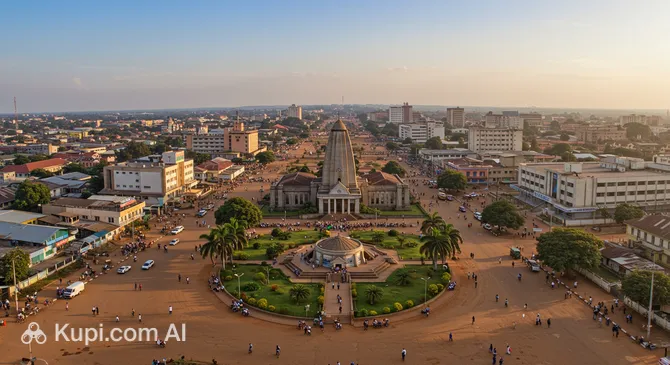
Lubumbashi. Source: Kupi.Binoculars

Located on a high plateau near the border with Zambia, the city enjoys a humid subtropical climate, which generally results in pleasant and moderate weather year-round. Delving into the history of Lubumbashi reveals its origins as a settlement founded in 1910, originally named Elisabethville, which grew rapidly due to the rich copper deposits in the region. Today, the city is characterized by its wide boulevards and a mix of colonial-era and modern architecture.

Travelers will find several noteworthy attractions that highlight the city's culture and heritage. The Cathedral of Saints Peter and Paul is a major landmark, distinguished by its beautiful red-brick Romanesque design and copper ceiling. Additionally, the National Museum of Lubumbashi offers fascinating insights into the area's ethnographic and archaeological past, while the botanical gardens and the local zoo provide green escapes within the urban environment.

Whether you are visiting for business or exploration, Lubumbashi serves as a welcoming gateway to the mineral-rich Katanga region. Its unique character, significant status, and friendly locals make it an essential stop for anyone looking to gain a comprehensive understanding of this diverse country.

Weather Overview

Lubumbashi experiences a humid subtropical climate defined by two main seasons, ensuring that the city remains distinct from the more tropical heat found elsewhere in the country. For a more detailed breakdown of what to pack, you can check the current weather in Lubumbashi before your trip. Generally, the city enjoys a temperate atmosphere due to its high elevation, making it comfortable for visitation year-round.

The rainy season runs typically from November through April, characterized by frequent rainfall and consistent warmth. During these months, particularly in January and March, travelers should be prepared for wet conditions, with precipitation occurring on up to 29 days per month. Average temperatures during this period hover steadily around 21°C to 22°C, with daily highs reaching approximately 26°C.

In contrast, the dry season from May to September brings clear skies and virtually no rainfall. This is often considered the best time for outdoor activities, although it is also the coolest time of the year. In June and July, the average temperature drops to around 19°C, and nights can be crisp with lows dipping to 12°C. As the dry season concludes, temperatures rise sharply, with October being the warmest month, seeing highs of over 31°C before the rains return.

Interesting Facts

Beyond its industrial reputation, Lubumbashi holds several fascinating secrets and unique features that often surprise visitors. From towering landmarks to distinctive local crafts, the city offers much more than just its mining heritage.

  • The Big Chimney: One of the city's most recognizable symbols is "La Grande Cheminée," a massive smokestack standing over 130 meters tall. Built in the early 20th century to vent fumes from the local copper smelter, it was once one of the tallest structures in Africa and remains an iconic silhouette on the skyline.

  • A Man-Made Mountain: The city is home to a giant slag heap, known locally as the "Terril," created by decades of mineral extraction. This artificial hill is so rich in residual minerals that it is technically a reserve in itself, and at night, it historically created a glowing spectacle when molten slag was poured onto it.

  • The Capital of Malachite: Lubumbashi is widely regarded as the center for malachite art in the region. The vivid green stone is so abundant in the surrounding province that local artisans use it to craft everything from delicate jewelry to heavy furniture, making it the city's signature artistic medium.

  • A City of Art: Despite its industrial roots, the city has a surprisingly deep connection to the arts. It is the birthplace of the unique "copper art" movement, where artists create intricate hammered reliefs on copper sheets, a style that originated here and reflects the area's geological wealth.

How to Get There

Reaching this bustling economic hub in the Democratic Republic of the Congo is primarily done by air, serving as the most convenient entry point for international and regional travelers. For a detailed overview of routes and tips, you can read more about how to get to Lubumbashi, covering various transport options. The city is well-connected to major African capitals, making it relatively accessible.

The most direct method of arrival is via Lubumbashi International Airport (FBM), which is situated within the city limits, approximately 11 km from the center. It is a key transport node for the province, handling a steady flow of visitors. A taxi or shuttle from the airport to the downtown area typically takes about 37 minutes, depending on traffic conditions. This airport is the best choice for those wishing to avoid long overland journeys.

Alternatively, some travelers may choose to fly into airports in neighboring Zambia and travel by road across the border. Simon Mwansa Kapwepwe International Airport (NLA) is a significant regional hub located in the city of Ndola, about 192 km away. The ground transfer from there is substantial, taking approximately 5 hours. Another option is Solwezi Airport (SLI) in the city of Solwezi, roughly 134 km from Lubumbashi. The drive from Solwezi takes around 3 hours and 40 minutes. Travelers choosing these routes should be mindful of border crossing procedures.

For clarity, here is a summary of the main airports:

Airport Name City Passenger Traffic Km from City
Simon Mwansa Kapwepwe International Airport Ndola Medium 192.4
Lubumbashi International Airport Lubumbashi Medium 11.1
Solwezi Solwezi Small 133.7

Regarding rail travel, while the region has historical railway infrastructure, it is not currently the primary method of arrival for most international tourists. Visitors generally rely on air travel or road networks when navigating the area. It is advisable to check for the most current local transport schedules if you are considering an overland journey.

Main Attractions

Lubumbashi offers a compelling mix of history, culture, and nature, reflecting its status as a major cultural hub in the region. While the city is known for its industrial roots, its points of interest provide a fascinating glimpse into the artistic and natural heritage of Haut-Katanga. Here are some of the top places to explore during your visit.

One of the most significant cultural institutions in the country, the National Museum of Lubumbashi offers a comprehensive look at the region's heritage. Founded in the mid-20th century, the museum houses extensive collections ranging from archaeological findings to ethnographic objects like traditional masks, musical instruments, and tools. It is particularly renowned for its displays related to the mineral wealth of Katanga and its impressive entomological collection. For tourists, this is the best place to gain a deeper understanding of the local history and the diverse ethnic groups that call this area home.

A defining landmark of the city skyline, the Cathedral of Saints Peter and Paul is a masterpiece of colonial-era architecture. Built in the Romanesque style with distinctive red bricks, the church is located centrally and is hard to miss. The interior is notable for its use of copper, reflecting the primary industry of the province. Visitors are drawn here not only for spiritual reflection but to admire the craftsmanship and the historical significance of the building, which has stood witness to the city's growth for over a century.

For a relaxing day out, the Lubumbashi Zoo provides a welcome green escape within the urban landscape. While it serves as a sanctuary for various animal species, including lions, crocodiles, and monkeys, it functions equally well as a botanical park. The zoo is a favorite spot for families and nature enthusiasts who enjoy strolling under the shade of mature trees. It offers a unique opportunity to observe wildlife while enjoying a picnic in a tranquil setting, making it a lively yet peaceful stop on your itinerary.

Travelers seeking a more curated nature experience should visit Muyambo Park. This privately owned park is beautifully maintained, featuring lush gardens, walking trails, and recreational facilities. It is an excellent location for bird watching or simply unwinding away from the city noise. The park's blend of natural beauty and comfortable amenities makes it a popular choice for visitors looking to experience the flora of the Haut-Katanga province in a safe and serene environment.

Local Cuisine

Lubumbashi’s culinary scene is a flavorful reflection of the Katanga region's rich resources and cultural diversity. As a bustling economic hub, the city offers a gastronomic experience that ranges from hearty traditional Congolese staples to international flavors introduced by its mining history. Food here is often fresh, locally sourced, and served with a generous dose of hospitality, making dining a central part of social life.

The foundation of most meals is fufu, a thick porridge made from cassava or maize flour, or chikwangue, a dense cassava bread wrapped in banana leaves. These starchy staples are the perfect accompaniment to the region's savory stews. A must-try dish is poulet à la moambé, savory chicken slow-cooked in a rich, creamy sauce made from palm nut pulp, often considered the national dish. Another local favorite is sombe, a nutritious side dish made from pounded cassava leaves cooked with onions, spices, and sometimes smoked fish.

For those who enjoy grilled flavors, the street food culture in Lubumbashi is vibrant and inviting. Ntaba, or grilled goat meat, is a beloved delicacy found at roadside stalls and local eateries known as ngandas. It is typically seasoned with local spices and served with onions and spicy pili-pili pepper sauce. Being near significant water bodies, the city also offers excellent freshwater fish, such as capitaine (Nile perch) and tilapia, often grilled or fried to perfection.

To wash down a hearty meal, locals often turn to the country's legendary beers. Lubumbashi is the home of the famous Simba and Tembo beers, brewed locally and regarded as some of the best in the region. These large bottles are a staple at social gatherings. For non-alcoholic options, fresh ginger juice, known locally as tangawisi, provides a refreshing and spicy kick, while locally sourced fruit juices are widely available in the markets.

The dining atmosphere in Lubumbashi is generally relaxed and informal. While there are upscale restaurants catering to the expatriate community with Belgian and French-inspired cuisine, the true heart of the city's food culture lies in its open-air terraces and bustling markets. Sharing a meal is a communal activity here, and visitors are encouraged to dive in and eat with their hands when appropriate, embracing the authentic local lifestyle.

Travel Tips

Visiting Lubumbashi offers a unique opportunity to experience the friendly heart of the Katanga region, but like any major city in the Democratic Republic of the Congo, it requires a bit of local know-how to navigate smoothly. These practical tips are designed to help you settle in quickly and enjoy the city's distinct rhythm without unnecessary hassles.

  1. Clothing and Gear: Unlike the tropical heat of the capital, Lubumbashi sits on a high plateau, meaning evenings can get surprisingly crisp, especially during the dry season (May to September). Pack breathable layers and a light jacket or sweater. Practical, closed-toe shoes are essential for walking, as sidewalks can be uneven. While the dress code is generally casual, it is best to dress modestly and neatly to show respect; avoid overly revealing clothing when visiting markets or religious sites.
  2. Transportation: Public transport, consisting mainly of minibuses and shared taxis known as "taxis-bus," can be chaotic and confusing for first-time visitors. The safest and most convenient option is to hire a private driver or use taxis recommended by your hotel. If you choose to rent a car, it is highly advisable to book one that comes with a local driver who knows the roads and traffic rules well.
  3. Finances: The local currency is the Congolese Franc (CDF), but the US Dollar is widely accepted and often preferred for larger purchases. It is critical that your dollar bills are printed after 2013 and are in pristine condition—no tears, ink marks, or wrinkles—as vendors will reject damaged notes. Credit cards are accepted only at major hotels and supermarkets, so always carry sufficient cash. ATMs are available but can occasionally be out of service.
  4. Health and Safety: Malaria is a risk year-round, so bringing prophylaxis and using insect repellent is a must. Stick strictly to bottled water for drinking and brushing your teeth. In terms of safety, Lubumbashi is generally calmer than other large Congolese cities, but you should avoid walking alone at night and keep valuables out of sight in crowded areas like the city center.
  5. Communication: French is the official language of administration, but Swahili is the language of the street and daily life. English is not widely spoken outside of high-end business circles, so learning a few basic phrases in French or Swahili (like "Jambo" for hello) will be greatly appreciated by locals. Buying a local SIM card (Vodacom or Airtel) is easy and recommended for reliable data access.
  6. Local Etiquette: Greetings are taken seriously here; it is polite to greet people properly before asking a question or starting a transaction. A handshake is the standard greeting, often accompanied by touching the left hand to the right elbow as a sign of respect. Patience is key—service may be slower than you are used to, so embrace the "pole pole" (slowly, slowly) pace of life.
  7. What to Avoid: Be extremely cautious with photography. Never take photos of government buildings, police officers, military personnel, the airport, or official convoys, as this is strictly prohibited and can lead to serious legal trouble or confiscation of your equipment. Always ask for clear permission before photographing locals or their property.
  8. Power Supply: Power outages can occur, so it is a smart "life hack" to carry a high-capacity power bank and a small flashlight. Many hotels and restaurants have generators, but having your own backup ensures you stay connected while exploring the city.

By keeping these tips in mind, you will be well-prepared to look past the logistics and focus on the warmth and vibrancy of Lubumbashi. The city rewards those who come with an open mind and a respectful attitude with genuine hospitality and unforgettable experiences.

Entertainment & Nightlife

As the sun sets over the copper capital, Lubumbashi transforms from a bustling industrial hub into a vibrant center of music and social life. The city's nightlife is renowned for its energy, driven by the rhythmic beats of Congolese Rumba and Ndombolo. Unlike the overwhelming chaos of some larger metropolises, evenings here offer a blend of lively celebration and relaxed conviviality, where locals and visitors mingle freely over large bottles of cold Simba beer.

The heart of the action can often be found in the city center (Centre-Ville) and the upmarket Golf district. These areas are home to a variety of venues ranging from open-air bars, locally known as "terrasses," to sophisticated nightclubs. The atmosphere is generally welcoming and unpretentious, though some of the hotel bars and clubs in the Golf area may require a "smart casual" dress code—long trousers and closed shoes for men are standard. Nightlife typically kicks off late, with bars filling up around 9:00 PM and clubs peaking well after midnight, especially on weekends.

For those looking to experience the authentic pulse of the city, La Kalebasse is a legendary spot. It is widely celebrated for hosting live bands that play classic and contemporary Congolese hits, offering a true taste of the local culture in a spirited setting. If you prefer a more modern clubbing experience, Montechristo is a popular destination where DJs spin a mix of international and African tracks until the early hours. For a more relaxed evening with a view, the bar at the Riverside Hotel provides a serene environment to enjoy a cocktail by the river, attracting a mix of expatriates and local business professionals.

Safety is a primary consideration when enjoying a night out in Lubumbashi. While the designated nightlife zones are generally secure, walking between venues at night is strongly discouraged. The streets can be poorly lit, and petty crime is a risk. The best advice is to arrange transport in advance. Use a trusted private driver or ask your hotel or the venue to call a reputable taxi for you. Prices for drinks and entry fees are reasonable compared to international standards, but it is wise to carry small denominations of cash, as card machines can be unreliable.

Beyond the nocturnal excitement, Lubumbashi offers pleasant daytime entertainment options. The Lubumbashi Golf Club is a historic institution where visitors can enjoy a round of golf or simply relax in the clubhouse, which serves as a social hub on weekends. Cultural enthusiasts can visit the Cercle Wallon, a sports and recreation center that occasionally hosts theater performances and community events. Whether day or night, the city provides ample opportunities to unwind and connect with its friendly residents.

Parks & Museums

Lubumbashi is often described as a garden city, balancing its industrial prowess with surprising pockets of greenery and a deeply rooted artistic soul. For travelers, the city offers a refreshing mix of natural escapes and cultural institutions that go beyond the standard tourist trail, revealing the creative and ecological diversity of the Haut-Katanga province.

For a true immersion in nature, the Mikembo Sanctuary is an outstanding destination located just outside the city limits. Spanning over a large area of preserved forest, this sanctuary offers a stark contrast to the urban environment. It is a haven for local flora and fauna, where visitors can spot giraffes, zebras, and antelopes roaming freely. The sanctuary is well-regarded for its walking trails and educational approach to conservation, making it a perfect day trip for families and nature enthusiasts seeking tranquility and fresh air.

Within the city itself, the Lubumbashi Zoo serves as the primary green lung. While it houses various animals, its value as a botanical garden is equally significant. The grounds are filled with century-old trees and diverse plant species that provide cool shade and a peaceful atmosphere. It is a popular spot for locals to jog or relax on weekends, offering a glimpse into the everyday leisure life of the city's residents amidst a lush setting.

Culturally, Lubumbashi is a powerhouse of artistic expression. The Picha Art Centre stands out as a dynamic hub for contemporary art. Founded by a collective of local artists, it plays a crucial role in promoting photography and video art in the region. The center is also the driving force behind the Lubumbashi Biennale, a major event that attracts international attention. A visit here offers a modern perspective on Congolese society through the lens of its most innovative creators.

Another key cultural venue is the Academy of Fine Arts. Lubumbashi has a long tradition of visual arts, particularly painting and sculpture. The academy is not just a school but a living gallery where visitors can often see students and masters at work. It is an excellent place to discover the roots of the "Lubumbashi School" of art and perhaps purchase authentic local works directly from the creators.

Architecturally, the city center functions as an open-air museum of colonial and modern history. The Palace of Justice is a notable building with imposing architecture that reflects the administrative history of the region. Walking through the downtown area, you will also encounter the historic Lubumbashi Train Station, a symbol of the railway era that connected the copper belt to the rest of the continent. These structures provide a tangible connection to the city's past development.

For a unique insider experience, seek out the small Malachite Workshops scattered around the city. While not formal museums, these ateliers allow you to watch artisans carve and polish the region's signature green stone into intricate shapes. It is a mesmerizing process that highlights the local craftsmanship and offers a chance to engage with the artisans personally.

Getting Around

Navigating Lubumbashi requires an understanding that the city does not rely on a formal, scheduled public transport network like a metro, tram, or extensive municipal bus system. Instead, the backbone of urban mobility consists of an informal yet highly organized web of privately operated vehicles. For the visitor, this system can initially appear chaotic, but it follows a specific logic based on fixed routes and known stops.

The most common form of transport is the taxi-bus. These are typically brightly painted minivans (often Toyota Hiaces) that ply specific routes along the city's main arteries. They are the most affordable way to get around, but they are frequently overcrowded and may not be comfortable for travelers carrying luggage. Alongside these are shared taxis, standard sedan cars that operate similarly to buses, picking up and dropping off passengers along a set path until the vehicle is full. To catch either, you simply flag them down from the roadside or head to a designated terminus.

Payment in this informal sector is exclusively in cash. There are no travel cards, passes, or mobile ticketing apps for public transit. Fares are generally low and fixed for specific distances, but you must have small denominations of the local currency ready. You pay the conductor (often hanging out the side door of the minibus) or the driver directly upon boarding or exiting. It is advisable to carry plenty of small bills, as drivers often struggle to make change for larger notes.

For a tourist, relying on the minibus system can be challenging due to the language barrier and lack of signage. A more practical and safer alternative is to use private taxis (often called "taxi express"). Unlike shared transport, these take you directly to your destination. However, few taxis have working meters. You must negotiate and agree on the fare with the driver before getting into the car. It is highly recommended to ask your hotel reception or a local contact for a fair price estimate beforehand to avoid being overcharged.

Another ubiquitous sight on the streets is the moto-taxi, locally known as a "wewa." These motorcycle taxis are the fastest way to cut through traffic and reach areas less accessible by car. While they are popular and cheap, they are generally not recommended for tourists due to safety concerns; helmets are rarely provided for passengers, and driving can be erratic. If you must use one for a short hop, insist on a driver who appears cautious and has a helmet available.

Operating hours for public transport are not official, but vehicles generally run from early morning (around 5:00 AM) until late evening. However, availability drops significantly after dark, and safety risks increase. Visitors are strongly advised to avoid public transport at night and instead rely on pre-arranged transfers or private drivers hired through a reputable hotel or agency. Car rentals are available but typically come with a driver, which is the most stress-free way to explore the city.

Accommodation

As the commercial hub of the region, Lubumbashi offers a diverse range of accommodation options that cater primarily to business travelers, expatriates, and an increasing number of tourists. The city’s hospitality sector has seen significant development, meaning visitors can find everything from high-end luxury resorts with international standards to modest, budget-friendly guesthouses. Because the city attracts many international professionals, the standard of service in top-tier establishments is generally high, often featuring amenities like swimming pools, reliable Wi-Fi, and on-site restaurants.

When choosing where to stay, location is a key factor. The City Center (Centre-Ville) is the most convenient area for those who want to be in the thick of the action, close to banks, administrative offices, and the vibrant nightlife. It is ideal for short stays or for travelers who want easy access to shops and restaurants. Alternatively, the Golf District (Quartier Golf) is the city's upscale residential neighborhood. It offers a much quieter, greener environment with tree-lined streets and is home to several boutique hotels and modern apartment rentals, making it perfect for those seeking tranquility.

For travelers seeking luxury and extensive facilities, the city boasts a few landmark hotels that are well-known institutions. The Grand Karavia Hotel, located just outside the main city bustle near Lake Kipopo, is arguably the most famous. It is a sprawling resort-style property often used for conferences and by high-level delegations, offering a resort feel with golf and lakeside views. Another popular choice is the Riverside Hotel, situated in a scenic spot that balances accessibility with a relaxed atmosphere, often favored for its dining terrace and comfortable rooms.

Regarding costs and booking, prices in Lubumbashi can be surprisingly high compared to other destinations in the region, particularly for secure, high-quality accommodation. A night in a top-tier hotel can range from mid-to-high international rates. Mid-range options are available but vary in quality, so reading recent reviews is essential. It is highly recommended to book your accommodation in advance, especially during major business conferences or mining summits when rooms can sell out quickly. While major hotels accept credit cards and can be booked via international online platforms, smaller guesthouses often prefer direct contact and cash payments.

Nearby Cities

As the capital of the Haut-Katanga province, Lubumbashi serves as a strategic base for exploring the southeastern region of the Democratic Republic of the Congo. The city is surrounded by several key industrial towns and mining centers that drive the nation's economy, as well as destinations that offer a glimpse into the diverse geography of the area.

The most accessible neighbor is Kipushi, located just 29 km away directly on the border with Zambia. Known for its significant zinc and copper deposits, it is a quick and easy trip from the city center. Heading northwest along the main transport corridor, you will find Likasi, approximately 114 km away. Historically nicknamed the "City of Lights," it remains a vital hub for mineral processing and transport within the region.

Further along the same route lies Kolwezi, situated about 242 km from Lubumbashi. This bustling city is world-renowned for its massive copper and cobalt reserves, attracting business travelers and those interested in the industrial scale of the Copperbelt. For the more adventurous traveler willing to cover significant distances, Kalemie offers a completely different experience on the shores of Lake Tanganyika, though it requires a long journey to the northeast.

Below is a list of nearby cities and their distances from Lubumbashi:

City Distance (km) Population
Kipushi 29 132,861
Likasi 114 495,000
Kolwezi 242 572,942
Kalemie 665 206,257
Mwene-Ditu 682 195,622

Shopping & Souvenirs

Shopping in Lubumbashi offers a fascinating contrast between the modern and the traditional, reflecting the city's status as a growing economic hub. Visitors can choose between browsing air-conditioned shopping centers stocked with imported goods and navigating the vibrant, bustling atmosphere of local open-air markets. While the city is not a global fashion destination, it excels in offering unique local craftsmanship, particularly items that showcase the region's mineral wealth.

The primary commercial activity is concentrated in the City Center (Centre-Ville). Here, the streets are lined with a mix of small boutiques, electronics stores, and banks. Avenue Kasa-Vubu and the surrounding thoroughfares form the commercial spine where you can find essential supplies, clothing, and pharmacies. This area is walkable and provides a good introduction to the local retail pace, with vendors often setting up stalls on the sidewalks.

For a more modern retail experience, La Plage is a popular destination. This complex combines shopping with leisure, featuring a variety of clothing stores, restaurants, and sometimes entertainment facilities. Another key player in the city's retail scene is the Lubumbashi Shopping Mall (often associated with the Hyper Psaro group). It offers a supermarket-style experience where you can buy groceries, household items, and international brands in a secure and comfortable environment. These malls are the best places to find fixed prices and Western-style conveniences.

To truly understand the local culture, a visit to the markets is essential. The Marché de la Kenya is the city's largest and most famous market. It is a sprawling, energetic labyrinth where you can find absolutely everything, from fresh produce and colorful fabrics (pagne) to bicycle parts. It is an intense sensory experience and can be crowded, so it is advisable to visit with a local guide who can help you navigate and bargain. For a slightly calmer experience, the central market near the city center offers fresh food and daily necessities.

When it comes to souvenirs, Lubumbashi is arguably the best place in the country to buy mineral-based art. The city is known as the "Capital of Malachite," and you will find an abundance of items carved from this striking green stone, ranging from jewelry and chess sets to animal figurines. Copper art is another local specialty, with artisans creating intricate hammered relief paintings that depict African scenes. Wooden masks and statues are also widely available, but be sure to ask about the wood type and origin.

Standard store opening hours are generally from 8:00 AM to 5:00 PM or 6:00 PM, Monday through Saturday. Sunday is a quiet day, with most shops and markets closed or operating on reduced hours. Supermarkets and malls may stay open later, sometimes until 8:00 PM.

Regarding payment, cash is king in Lubumbashi. While upscale supermarkets, hotels, and some modern shops in malls accept Visa and Mastercard, the vast majority of vendors, especially in markets, only deal in cash. The US Dollar is widely used alongside the Congolese Franc. Ensure you carry small denominations of dollars in excellent condition, as notes with tears or ink marks are often rejected.

Tax-free shopping or VAT refund schemes for tourists are not currently a standard feature in the Democratic Republic of the Congo. Visitors should expect to pay the shelf price, which includes all applicable taxes, and should not rely on claiming refunds at the airport upon departure.
Nearby cities

Reached the end of the page?

That means the route is fully explored