Support

Iringa

About

Perched on a cliff overlooking the Little Ruaha River, Iringa is a captivating destination in the Southern Highlands that offers a refreshing retreat from the tropical heat of the coast. As a key administrative center and a hub for agriculture, this city blends a bustling market atmosphere with a laid-back, friendly vibe. It is an essential stop for travelers exploring the southern circuit of Tanzania, providing a unique mix of scenic beauty, colonial architecture, and vibrant local culture.

Geographically, the city is situated at an altitude of approximately 1,550 meters, which blesses it with a cool and pleasant climate throughout the year. With a population of around 150,000 residents, it is large enough to offer modern amenities while retaining a strong sense of community. The history of Iringa is rich and storied, dating back to the era of German colonization and the fierce resistance of the Hehe people led by Chief Mkwawa, whose legacy is still celebrated in the region today.
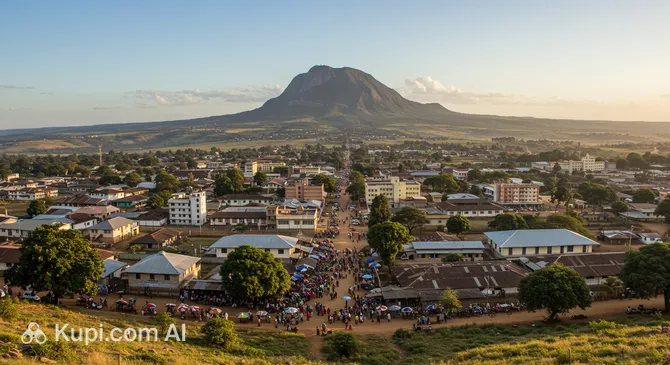
Iringa. Source: Kupi.Binoculars

Travelers are drawn to Iringa for its fascinating nearby attractions. The Isimila Stone Age Site, located just a short drive away, is renowned for its dramatic sandstone pillars and archaeological significance. Within the town, Gangilonga Rock offers a legendary vantage point with panoramic views of the sprawling streets and surrounding hills. Additionally, the city serves as a convenient gateway to the vast wilderness of Ruaha National Park, one of the country's largest and most spectacular game reserves.

Whether you are interested in exploring ancient geological formations, shopping for high-quality local handicrafts at places like the Neema Crafts Centre, or simply enjoying the crisp highland air, Iringa is a delightful place to visit. Its welcoming spirit and strategic location make it a highlight of any journey through the southern regions.

Weather Overview

Due to its high altitude in the Southern Highlands, the city enjoys a temperate climate that is noticeably milder than the tropical heat found along the Tanzanian coast. The weather in Iringa is characterized by distinct wet and dry seasons, offering comfortable conditions for visitors throughout most of the year.

The warmest period typically occurs in October and November, where average temperatures hover around 22°C, with daytime highs occasionally reaching nearly 28°C. In contrast, the months of June and July are the coolest, with average temperatures dropping to approximately 18°C and nights becoming quite chilly, sometimes dipping as low as 12°C.

Rainfall patterns are well-defined, with a long rainy season extending from November to April; January and March are often the wettest months, seeing precipitation on up to 25 days. The dry season, which runs from May to October, brings clear skies and crisp air, with virtually no rainfall recorded between June and September.

Interesting Facts

Beyond the main attractions, Iringa holds many fascinating secrets that peel back the layers of its diverse history. From acoustic legends to unexpected cultural influences, the city offers unique stories for those who look closer.
  • The "Talking Stone" Legend: The famous Gangilonga Rock gets its name from the Hehe phrase for "stone that speaks." According to local oral tradition, the rock possesses unique acoustic properties that allowed Chief Mkwawa to overhear the conversations and movements of German troops in the valley below, giving him a strategic advantage during the resistance.

  • A Historic Greek Community: In the mid-20th century, Iringa became an unexpected hub for Greek immigrants who arrived to cultivate tobacco. Their influence significantly shaped the local economy and social scene, and legacies of this era remain, including the historic Greek Club which still stands in the town today.

  • The Boma's Original Purpose: The Iringa Boma, which now houses a regional museum, is one of the city's oldest surviving structures. Built by the Germans around 1900, it was originally constructed to serve as a military hospital for the colonial garrison before later being converted into an administrative headquarters.

  • A Density of Ancient Tools: While the Isimila Stone Age Site is visually famous for its eroded pillars, it is archaeologically renowned for its tools. The site contains one of the highest densities of Acheulean hand axes found anywhere in the world, providing evidence of early human habitation dating back hundreds of thousands of years.

How to Get There

Reaching the Southern Highlands is an adventure in itself, and you can find more about how to get to Iringa to plan your specific route. International travelers typically connect through major hubs like Dar es Salaam before taking a domestic flight to the region. The most direct entry point is Nduli Airport (IRI), situated within the Iringa municipality. This small regional airport handles domestic traffic and is located just 13.2 km from the city center. A taxi or shuttle ride from the terminal to the town center usually takes about 40 minutes.

If direct flights to Iringa are unavailable, you can fly into neighboring cities and complete the journey by road. Dodoma Airport (DOD) is located in the capital, Dodoma, approximately 177 km away. The drive from there to Iringa takes around 4 hours and 45 minutes. Another alternative is Mbeya Airport (MBI) in Mbeya, which sees slightly more passenger traffic. However, it is located about 276 km from Iringa, requiring a longer transfer time of roughly 7 hours and 15 minutes.

For clarity, here is a summary of the main airports:

Airport Name City Passenger Traffic Km from City
Mbeya Airport Mbeya Medium 276.0
Dodoma Airport Dodoma Small 176.9
Nduli Airport Iringa Small 13.2

Main Attractions

One of the most significant historical landmarks in the region is the Isimila Stone Age Site, located roughly 20 kilometers from the city center. This archaeological gem is famous for its dramatic landscape of eroded sandstone pillars, which stand like natural sentinels in a dry riverbed. Beyond its geological beauty, Isimila is globally renowned for the discovery of Acheulean tools, including hand axes that date back hundreds of thousands of years. A walk through the canyons here offers a tangible connection to early human history and provides spectacular photo opportunities.

For those interested in local culture and history, the Iringa Boma Regional Museum is a must-visit. Housed in one of the oldest surviving buildings in the city, originally constructed by the German colonial administration around 1900, the museum has been beautifully restored. Inside, visitors can explore exhibits that detail the history of the Iringa region, the Hehe people, and the colonial era. It serves as a cultural hub, often hosting events and providing deep insights into the traditions that shape the area today.

A vibrant and heartwarming stop in the center of town is the Neema Crafts Centre. This facility is more than just a place to shop; it is a social enterprise that provides training and employment for people with disabilities in the region. Tourists flock here to browse high-quality handmade crafts, including textiles, jewelry, and paper products, or to relax in the popular cafe which is known for its excellent coffee and food. It is a perfect place to pick up unique souvenirs while supporting a meaningful cause.

While located a bit further out, Ruaha National Park is inextricably linked to Iringa, which serves as the main gateway to this vast wilderness. As one of Tanzania's largest national parks, Ruaha offers a wilder and more secluded safari experience compared to the northern circuit. It is renowned for its massive elephant population, large prides of lions, and the stunning scenery of the Great Ruaha River. Many visitors base themselves in Iringa before embarking on a safari adventure to witness the raw beauty of the Tanzanian bush.

Another accessible highlight is Gangilonga Rock, a legendary granite formation that looms over the town. Its name translates to "the talking stone," rooted in local folklore about its acoustic properties used during tribal wars. A hike to the top is relatively easy and rewards travelers with sweeping panoramic views of Iringa and the surrounding hills, making it an ideal spot for sunset viewing and getting a perspective on the city's layout.

Local Cuisine

Situated in the fertile Southern Highlands, Iringa is often referred to as a key agricultural hub for the country, a status that deeply influences its culinary scene. The local food is defined by the abundance of fresh produce cultivated in the surrounding valleys. Visitors can expect meals prepared with high-quality ingredients, including freshly harvested tomatoes, onions, potatoes, and leafy greens, giving even simple dishes a rich and wholesome flavor.

One distinctive feature of the region's gastronomy is the popularity of pork, known locally as Kitimoto. Unlike the coastal areas where seafood and beef are more common, this region is famous for its barbecue culture, where seasoned pork is fried or roasted to perfection. It is a social meal, typically served on large platters to be shared among friends and accompanied by Kachumbari, a refreshing salad of diced tomatoes, onions, and chili that balances the richness of the meat.

For staple meals, Ugali (a stiff maize porridge) is the traditional foundation of most dinners, serving as a vessel for savory stews and beans. Rice, or Wali, is also widely enjoyed, often spiced with aromatic cloves or cardamom. Street food enthusiasts should look for Chipsi Mayai, a beloved Tanzanian comfort food that combines french fries with an omelet, widely available at roadside stalls throughout the city.

Given the cool climate of the highlands, warm beverages are an essential part of daily life. Chai (tea) is a favorite way to start the morning or warm up in the chilly evenings, often brewed with milk, ginger, and plenty of sugar. The area also produces excellent coffee, and travelers can enjoy locally sourced brews. For a quick snack to pair with these drinks, Mandazi—slightly sweet, fluffy fried dough triangles—are a popular choice found in almost every bakery and cafe.

Travel Tips

Visiting Iringa offers a unique highland experience that is quite distinct from the coastal regions of Tanzania, requiring a slightly different approach to packing and planning. To help you navigate the hilly streets and cool evenings of this charming city with ease, here are some practical tips to ensure a smooth journey.

  1. Dress in Layers. Due to Iringa's high altitude, the weather can be surprisingly changeable. While days are generally warm and pleasant, nights can get quite chilly, so bring a warm sweater or fleece jacket. Comfortable walking shoes are also essential, as the city is hilly and pavements can be uneven, especially if you plan to hike up to Gangilonga Rock.
  2. Navigate with Bajajis. The most convenient and popular way to get around the city center is by bajaji (auto-rickshaw). They are affordable, plentiful, and can navigate the narrow streets better than larger vehicles. Taxis are available but less common on the street; always agree on the fare with the driver before starting your journey, as meters are rarely used.
  3. Carry Cash for Daily Expenses. While major hotels and tourist spots like Neema Crafts accept credit cards, cash is king for almost everything else. You will need Tanzanian Shillings (TZS) for local markets, transport, and small restaurants. There are several reliable ATMs in the town center, particularly along the main road, compatible with international Visa and Mastercards.
  4. Prioritize Health and Hydration. Although the climate is cooler, the sun at this altitude is strong, so wear sunscreen and a hat. Malaria is still a risk in Tanzania, so sleep under a treated net and use insect repellent, especially in the evenings. Pharmacies are available in the town center for basic supplies, but for serious medical issues, the regional hospital is the main facility.
  5. Learn Basic Swahili. English is spoken in tourism establishments, but learning a few local phrases will go a long way in the markets and streets. A simple "Habari" (Hello) or "Asante" (Thank you) is deeply appreciated by the friendly locals. For mobile data, you can easily purchase a SIM card from providers like Vodacom or Airtel at registered kiosks in town; you will need your passport for registration.
  6. Respect Local Etiquette. Greetings are an important social ritual here; it is polite to exchange pleasantries before asking a question or starting a transaction. When handing over money or items, always use your right hand, as using the left is considered rude. Modest clothing is recommended in public areas—covering shoulders and knees is a sign of respect.
  7. Ask Before Photographing. Avoid taking photos of strangers without their explicit permission, as this can be seen as intrusive. It is also strictly forbidden to photograph government buildings, police stations, or military personnel, so keep your camera packed away near these locations to avoid trouble.
  8. Shop for Authentic Souvenirs. Iringa is famous for its woven baskets, known simply as "Iringa baskets." These are durable, beautiful, and widely available at the central market or local cooperative shops. Buying them here is much cheaper than in Dar es Salaam or Arusha and directly supports the local weavers.

With these tips in hand, you are well-prepared to enjoy the relaxed pace and welcoming atmosphere of the Southern Highlands. Iringa is a safe and friendly city where a little cultural awareness and preparation will open many doors to authentic local experiences.

Entertainment & Nightlife

Nightlife in Iringa is distinct from the high-energy coastal cities, defined instead by a relaxed and welcoming atmosphere where the cool highland air sets the mood for cozy evenings. While you will not find an endless row of neon-lit superclubs, the city offers a genuine slice of local culture through its lively pubs, garden bars, and social lounges. The vibe here is centered around conversation, Bongo Flava music, and enjoying good company, making it easy for visitors to mingle with the friendly local community and resident expats.

The heart of the evening action is concentrated within the town center, particularly along the main thoroughfares and the Uhindini area. As the sun sets, the streets bustle with activity near popular eateries and watering holes. The dress code is generally casual—jeans and a warm jacket are standard due to the chilly nights. On weekends, the energy ramps up, with venues hosting DJs or live bands playing a mix of Tanzanian hits and international Afrobeats, drawing a crowd that loves to dance until the early hours.

For a classic night out, Shooters Pub is a staple of the Iringa social scene. It is well-known for its vibrant atmosphere, pool tables, and music that keeps the dance floor busy on Friday and Saturday nights. Another popular spot is Club Laly's, located within the Laly's Complex, which offers a more club-like environment with modern lighting and a well-stocked bar. For those seeking a more laid-back evening, the Sunset Hotel provides a lovely setting to enjoy a drink with a view, perfect for winding down after a day of safari or hiking.

Navigating the nightlife is best done using bajajis (auto-rickshaws), which are readily available and affordable; a short trip within town typically costs between 1,000 and 3,000 TZS. It is advisable to have a trusted driver's number if you plan to stay out very late. While Iringa is considered one of the safer cities in Tanzania, it is wise to avoid walking alone in poorly lit areas at night. Stick to the main streets or take transport directly from door to door.

Before the sun goes down, the city offers modest but engaging entertainment options suitable for a relaxing day. Culture enthusiasts can revisit the regional history at the museum or spend hours exploring the bustling Soko Kuu (Main Market), a sensory maze of fresh produce and colorful textiles. For a quiet afternoon, many visitors head to the cafe at the Neema Crafts Centre to enjoy board games, browse books, and soak in the creative environment before the evening chill sets in.

Parks & Museums

While Iringa is often viewed as a gateway to the wild, the city itself possesses a collection of serene green spaces and cultural institutions that merit a closer look. The cool highland climate supports lush gardens and historically significant sites, offering travelers a chance to delve deeper into the region's heritage while enjoying the outdoors.

One of the most tranquil spots within the municipality is the Commonwealth War Graves Cemetery. Immaculately maintained, this site serves as a garden of remembrance for soldiers who fell during the First and Second World Wars. The manicured lawns and rows of white headstones create a peaceful atmosphere for reflection, contrasting with the bustling town streets nearby. It is a poignant reminder of the global history that touched this remote part of East Africa.

For a more rugged natural experience, Gangilonga Rock remains a favorite local escape. Although it is a prominent geological feature, the area surrounding the rock functions as an informal park where visitors can hike and enjoy picnics. The climb to the summit takes you through scattered boulders and shrubland, rewarding the effort with commanding views of the town and the distant highlands, particularly enchanting during the golden hours of sunrise or sunset.

The cultural anchor of the city is the Iringa Boma Regional Museum. Housed in a fortified building constructed by the German colonial administration in the early 20th century, the structure itself is a primary exhibit. Inside, the museum offers a comprehensive narrative of the region, featuring artifacts from the Hehe tribe, colonial records, and displays on traditional medicine. It provides crucial context for understanding the fierce resistance led by Chief Mkwawa against European occupation.

A short journey from the city center leads to the Kalenga Historical Museum, a site of immense importance to the Hehe people. This small but significant museum is located at the former capital of Chief Mkwawa. The highlight for many history enthusiasts is the display regarding Mkwawa’s skull, which was returned from Germany decades after his death. The site also includes his tomb, offering a somber and authentic connection to the area's pre-colonial past.

For an insider experience, consider a walk along the banks of the Little Ruaha River which winds its way past the town. While not a formal park, the riverbanks offer a glimpse of local life and agriculture, with small garden plots and towering trees providing shade. It is a quiet, scenic way to observe the daily rhythm of Iringa away from the main tourist trail.

Getting Around

The public transport system in Iringa is informal, road-based, and heavily reliant on small vehicles suited to the city's hilly terrain. There is no metro, tram, or train service for intra-city travel. Instead, the backbone of local transit consists of daladalas, which are minibuses that operate on fixed routes connecting the city center with suburbs and outlying villages. Supplementing these are bajajis (auto-rickshaws) and bodabodas (motorcycle taxis), which provide flexible, door-to-door service and are particularly useful for navigating the steep, narrow streets that larger vehicles cannot access.

Payment for all forms of transport is exclusively in cash using the local currency. There are no electronic travel cards, passes, or mobile apps for ticketing. For daladalas, fares are fixed and very affordable, typically ranging from 400 to 600 shillings depending on the distance; you pay the conductor shortly after boarding. For bajajis and bodabodas, prices are not fixed and must be negotiated with the driver before the journey begins. A short trip within the town center usually costs between 1,000 and 3,000 shillings, while longer trips will cost more.

For tourists, using daladalas requires a bit of local knowledge, as route maps are nonexistent. The destination is usually painted on the front or side of the bus, and conductors will shout the route name at stops. To disembark, simply say "Shuka" (get off) to the conductor. These buses generally operate from early morning, around 5:30 AM, until roughly 9:00 PM. If you are traveling later at night or carrying luggage, a bajaji is a much more convenient and safer option than waiting for a bus that may not arrive.

Standard taxis are available but are less common on the streets compared to the ubiquitous auto-rickshaws. They are typically white cars found parked at designated stands near major hotels, the bus station, or the market. Taxis are significantly more expensive than other options and do not use meters, so agreeing on a fare beforehand is essential. Car rentals are rare within the city itself; most visitors seeking private transport hire a car with a driver for the day through their hotel or a tour operator.

A unique feature of navigating Iringa is the heavy reliance on bajajis due to the city's topography. Unlike flat cities where walking is effortless, Iringa's elevation changes make these three-wheeled vehicles an essential part of daily life rather than just a novelty. They are allowed to access almost all parts of the town center, making them the most efficient way to travel between attractions, restaurants, and your accommodation without getting exhausted by the hills.

Accommodation

Accommodation in Iringa caters to a variety of travelers, ranging from backpackers heading to the national parks to business travelers and families. The city offers a solid selection of budget-friendly guesthouses, comfortable mid-range hotels, and scenic lodges perched on the hillsides. While you will not find ultra-luxury international chains here, the local hospitality is warm, and many establishments offer unique character, often set in restored colonial buildings or modern structures with sweeping views.

For those who prioritize convenience, staying in the city center is ideal. This area places you within walking distance of the main market, bus terminals, and restaurants, making it easy to navigate without a vehicle. However, travelers seeking tranquility and scenery often prefer the Gangilonga area or the outskirts. These locations take advantage of Iringa's elevation, offering cooler air and stunning panoramas of the valley below, making for a peaceful retreat after a day of exploring.

Several establishments are well-regarded by visitors for their service and atmosphere. Places like the Iringa Sunset Hotel are famous for their location, offering exactly what the name suggests—breathtaking views of the sunset over the town. For a more unique experience, the guesthouse at the Neema Crafts Centre is a favorite, providing cozy, distinctively decorated rooms while supporting a great local cause. Other modern options in the area provide reliable amenities like Wi-Fi and secure parking, catering to the needs of international tourists.

The general price range in Iringa is quite reasonable compared to Tanzania's major tourist hubs. Budget rooms can be found for very affordable rates, while mid-range options offer excellent value for money. It is advisable to book in advance if you are visiting during the peak safari season (June to October), as the best rooms fill up quickly with travelers in transit to Ruaha National Park. Most reputable hotels are listed on major online booking platforms, but smaller local guesthouses may still rely on direct phone or email reservations.

Nearby Cities

For those looking to explore the surroundings, Iringa serves as an excellent base for day trips to several interesting nearby locations:

City Population Distance (km)
Dodoma 213,636 176
Morogoro 207,000 241
Mbeya 467,000 276
Tukuyu 127,570 278
Songea 99,961 318

While some of the major urban centers listed require a longer journey, Dodoma is the most accessible city for a full day trip or a short overnight visit. As the official capital of Tanzania, it offers a unique glimpse into the nation's political heart, featuring impressive government architecture and the famous Nyerere Square. The region is also the center of the country's wine industry, allowing visitors to tour local vineyards and taste distinct dry wines produced in the semi-arid climate.

For a destination much closer to town, the historical village of Kalenga is a must-visit for culture enthusiasts. Located just a short drive from Iringa, it was the former stronghold of Chief Mkwawa and the Hehe people. A small but significant museum here displays artifacts related to the 19th-century resistance against colonial forces, offering a profound insight into the local heritage and the legacy of the Hehe leadership.

Nature lovers often prioritize a trip to Ruaha National Park. Although it is a vast wilderness, the proximity of the park's main gate allows for an exciting day excursion. Travelers can set out early to enjoy a game drive, witnessing large herds of elephants and the majestic Great Ruaha River, before returning to the comfort of the city by sunset.

These nearby destinations offer a glimpse into the diverse culture and landscapes of the region.

Shopping & Souvenirs

Shopping in Iringa offers a refreshing break from generic retail experiences, focusing instead on authentic local craftsmanship and agricultural abundance. The city is not a destination for high-end luxury brands or sprawling department stores; rather, it is celebrated for its unique hand-woven goods and vibrant market culture. Visitors will find that the shopping scene here is intimate and community-focused, providing a wonderful opportunity to purchase items directly from the artisans and farmers who produce them.

The primary commercial activity is concentrated along the central Uhuru Road and within the bustling Uhindini district. These areas serve as the city's open-air shopping corridors, lined with small independent storefronts selling everything from colorful textiles and hardware to household goods. Walking these streets allows tourists to mingle with locals and explore a variety of shops that are conveniently located within a walkable radius of the town center.

Travelers should manage their expectations regarding modern retail infrastructure, as Iringa does not feature large, Western-style shopping malls. The retail landscape is defined by smaller commercial arcades and standalone shops. Buildings like the Laly’s Complex offer a collection of stores, pharmacies, and essential services under one roof, but the experience is functional and local rather than recreational.

For a deep dive into the local atmosphere, a visit to Soko Kuu (Main Market) is essential. This lively, covered market is the beating heart of the city's commerce. While it is primarily known for its impressive array of fresh produce—showcasing the region's agricultural fertility with stacks of tomatoes, potatoes, and leafy greens—it is also a great place to find kitenge and kanga fabrics. The market is vibrant and noisy, offering a genuine slice of daily life in the Southern Highlands.

When searching for souvenirs, the item at the top of every list should be the famous Iringa basket. Woven from indigenous milulu grass, these baskets are renowned across Tanzania for their durability, tight weave, and intricate natural patterns. Another unmissable stop is the Neema Crafts Centre. This award-winning social enterprise sells high-quality handmade products, including recycled paper journals, beadwork, homeware, and woven textiles, all created by local artisans with disabilities. Additionally, bags of local highland tea and coffee make for excellent, lightweight gifts to take home.

Business hours typically run from 8:30 AM to 5:30 PM on weekdays. Many shops close for a lunch break between 1:00 PM and 2:00 PM, and hours are often reduced on Saturdays, with most places closing on Sundays. Cash is the absolute standard for transactions in Iringa. While Neema Crafts and a few tourist-oriented lodges accept credit cards, you will need Tanzanian Shillings for the markets, street vendors, and most town shops. Mobile money is also a very common payment method locally.

Visitors should note that tax-free shopping or VAT refund services are generally not available in Iringa’s local markets and independent shops. Prices are typically final, although friendly bargaining is expected and welcomed in the markets and with street vendors.

Nearby cities

Reached the end of the page?

That means the route is fully explored