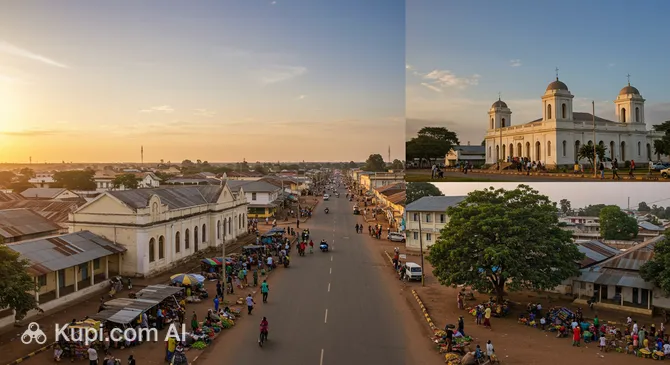
The public transport system in Tabora differs significantly from what you might find in large European or North American metropolises. There is no metro, tram, or extensive public bus network in the conventional sense. Instead, the city relies on a decentralized and informal network of road-based transport that is both affordable and efficient for the local context. For visitors, navigating this system offers an authentic glimpse into daily life, though it requires a bit of adaptation.
The primary form of mass transit is the Daladala. These are minibuses that operate on specific routes, connecting the city center with outlying neighborhoods and nearby villages. They are easily recognizable, often painted with colorful designs or slogans. While they do not have strict timetables, they leave the terminal (known locally as the "standi") once they are full. They are the cheapest way to get around, though they can be crowded and may make frequent stops to pick up or drop off passengers along the way.
For more direct and flexible travel, Bajajis (auto-rickshaws) are the most popular option for tourists. These three-wheeled vehicles are ubiquitous, nimble enough to navigate narrow streets, and offer a roof over your head, protecting you from the sun or rain. They are generally safer and more comfortable than motorcycles. You will find them parked at designated corners or cruising the streets looking for passengers.
The fastest way to get around is via Boda-bodas, or motorcycle taxis. They are capable of reaching areas that cars cannot and are perfect for short, quick trips. However, safety standards can vary. If you choose this mode of transport, it is highly advisable to request a helmet and ensure the driver does not speed. While convenient, they are best suited for solo travelers with little luggage.
Payment System
The payment system across all forms of transport in the city is exclusively cash-based. There are no travel cards, electronic passes, or mobile apps for ticketing. When taking a Daladala, you pay the conductor (who usually hangs out the side door) during the journey. The fares are fixed and very low. For Bajajis and Boda-bodas, there are no meters. You must negotiate and agree on the fare with the driver before you start your journey. It is essential to carry small denominations of the local currency, as drivers often struggle to find change for large bills.
Taxis and Alternatives
Standard car taxis are available but are less common than the smaller alternatives. They do not typically roam the streets searching for fares; instead, they are stationed at specific locations, such as the railway station, the airport, or outside major hotels. They are significantly more expensive than Bajajis but offer more comfort and security, especially at night. Ride-sharing apps and car-sharing services are not currently active or reliable in the city, so you will need to rely on hailing vehicles in person or asking your hotel reception to call a trusted driver for you.
Practical Advice for Tourists
Public transport operates primarily during daylight hours. Daladalas become scarce after sunset, and while you can find Bajajis at night, their numbers decrease, and prices tend to rise. If you plan to be out late, it is wise to arrange your return transport in advance. Additionally, because the city center is relatively compact and flat, walking is a viable and pleasant alternative. Strolling down the famous mango-lined avenues is not only free but also allows you to appreciate the unique atmosphere of the town at your own pace.