Support

Kigoma

About

Nestled on the eastern shores of the magnificent Lake Tanganyika, Kigoma is a bustling port city that serves as the most important gateway to western Tanzania. With its vibrant atmosphere and scenic backdrop of rugged hills, this regional capital offers a unique blend of busy commercial activity and laid-back lakeside charm. It stands as the terminus of the Central Line railway, making it a crucial hub connecting the coast to the interior of the continent.
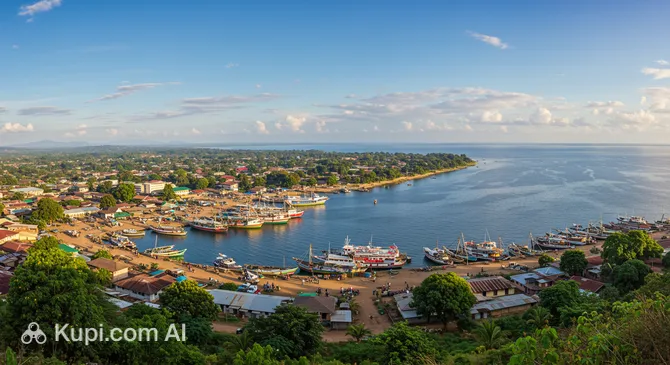
Kigoma. Source: Kupi.Binoculars

Geographically, Kigoma is defined by its proximity to the world's second-deepest lake, which provides both a stunning visual setting and a vital economic resource for the approximately 135,000 residents. The climate is generally warm and tropical, creating a lush environment where mango trees line the streets. While the city itself is a hive of activity, the surrounding region is renowned for its natural beauty and biodiversity.

The area holds significant importance in the annals of exploration. Just a few kilometers away lies the historic town of Ujiji, the site of the famous meeting between Henry Morton Stanley and Dr. David Livingstone. You can learn more about these fascinating events and the region's past by exploring the history of Kigoma. This rich heritage adds a layer of cultural depth to any visit.

For modern travelers, Kigoma is best known as the jumping-off point for two of the country's premier wildlife destinations: Gombe Stream National Park and Mahale Mountains National Park. These parks are famous globally for their chimpanzee populations and offer unparalleled trekking experiences. Even if you stay within the city, watching the sunset over the vast waters of Lake Tanganyika is an unforgettable experience.

Whether you are waiting to board the historic MV Liemba ferry, preparing for a chimpanzee trekking adventure, or simply soaking in the local culture at the markets, Kigoma is a captivating destination. It invites visitors to slow down and appreciate the stunning landscapes of western Tanzania.

Weather Overview

Kigoma experiences a warm, tropical climate year-round, making it a pleasant destination for travelers at almost any time. The weather in Kigoma is characterized by remarkable stability, with average temperatures hovering steadily between 24°C and 26°C. September is typically the warmest month, seeing daily highs reach approximately 28.3°C, while the coolest minimum temperatures, around 22.2°C, occur in December.

The year is divided into distinct wet and dry periods. The dry season runs from June to September, a time when rainfall is virtually non-existent, and the skies are generally clear. In contrast, the wet season spans from November to May, peaking in December and January when rain is recorded on nearly every day of the month. Expect warm, humid conditions with frequent showers during the wet season, while the middle of the year offers dry, sunny days perfect for exploring the lake.

Interesting Facts

Beyond its scenic waterfront and role as a transit hub, Kigoma holds fascinating stories that range from naval history to unique biological wonders. Here are a few intriguing facts that add depth to this lakeside city.

  • The Unsinkable Warship: The famous MV Liemba ferry, which docks in Kigoma, has an incredible secret history. It began its life as the German warship Graf von Götzen during World War I. To prevent it from falling into British hands, the German captain famously greased the ship's engines to preserve them and scuttled the vessel in 1916. It was raised from the lakebed years later, refurbished, and returned to service, making it one of the oldest operating passenger ferries in the world and the inspiration for the gunboat in the novel The African Queen.

  • An Evolutionary Laboratory: The waters of Lake Tanganyika off the shores of Kigoma are home to a biological phenomenon. The lake boasts over 250 species of cichlid fish, and remarkably, 98% of them are endemic, meaning they are found nowhere else on Earth. This massive diversity has made the lake a focal point for evolutionary biologists, comparable to the Galapagos Islands in terms of scientific importance.

  • The Mango Tree Monument: While the meeting between Stanley and Livingstone in nearby Ujiji is well-known, the specific marker of the event has changed over time. The historic handshake originally took place under a large mango tree. Although the original tree eventually succumbed to rot in the 1920s, a stone monument was erected in its place to preserve the exact location for future generations of visitors to Tanzania.

How to Get There

Reaching this lakeside city is an adventure that connects you to the heart of East Africa. Whether you are arriving for a chimpanzee trek or to soak up the history of Lake Tanganyika, planning your journey is essential. You can find more about how to get to Kigoma and the various transport options available on our detailed page.

While most visitors fly directly into the local domestic airstrip from major Tanzanian hubs, there are other airports in the wider region. Bujumbura International Airport (IATA: BJM) is a significant facility located in the city of Bujumbura, Burundi. It is situated approximately 176 km from Kigoma. Travelers considering this route should note that it involves crossing the international border between Burundi and Tanzania. The travel time by road is roughly 4 to 5 hours, depending on border procedures.

Another regional option is Kalemie Airport (IATA: FMI), located in Kalemie in the Democratic Republic of the Congo. It is about 119 km from Kigoma. However, it is important to remember that Kalemie lies across Lake Tanganyika. Consequently, this airport is primarily relevant for those who intend to cross the lake by boat, rather than for a direct road transfer.

For clarity, here is a summary of the main airports:

Airport Name City Passenger Traffic Km from City
Bujumbura International Airport Bujumbura Medium 176.5
Kalemie Airport Kalemie Small 118.9

Kigoma is also the historic terminus of Tanzania's Central Line railway. The train station is located centrally within the city, welcoming travelers who choose the legendary rail journey from Dar es Salaam. This trip, which can take two days or more, offers a unique window into the country's diverse landscapes. Additionally, long-distance buses connect Kigoma to other major Tanzanian cities like Mwanza and Tabora, though the road journey is long and best suited for those with plenty of time.

Main Attractions

While Kigoma is often viewed as a transit hub, the city and its immediate surroundings offer several compelling sites that blend natural beauty with profound historical significance. Visitors can easily spend a few days exploring these landmarks, which range from relaxing lakeside retreats to monuments marking pivotal moments in African exploration.

Gombe Stream National Park is undoubtedly the region's most famous draw. Located just a short boat ride north of the city, this narrow strip of chimpanzee habitat gained global fame through the pioneering work of Dr. Jane Goodall. It is one of the few places in Africa where you can trek to see chimpanzees in the wild. Beyond the primates, the park offers lush forests, waterfalls, and the chance to swim in the crystal-clear waters of the lake, making it a perfect day trip or overnight excursion from Kigoma.

For a dose of history, a visit to the Dr. Livingstone Memorial Museum in nearby Ujiji is essential. Located just a few kilometers south of Kigoma's city center, this site marks the exact spot where journalist Henry Morton Stanley found the ailing explorer David Livingstone in 1871, uttering the famous words, "Dr. Livingstone, I presume?" The museum houses artifacts and displays detailing the slave trade era and the expeditions of 19th-century missionaries, while a monument stands at the site of the original mango tree where the meeting took place.

Travelers looking to unwind should head to Jacobsen's Beach. Situated a bit further out from the town center, this tranquil spot is renowned for its pristine white sand and calm blue waters, perfect for swimming and snorkeling. It is a peaceful escape from the bustle of the port, and visitors are often delighted to find zebras wandering freely around the grounds, adding a unique wildlife touch to a relaxing beach day.

In the heart of the city stands the Kigoma Railway Station, a striking piece of colonial architecture. Built by the Germans in the early 20th century, it serves as the grand terminus of the Central Line that stretches all the way from Dar es Salaam. The station remains a hub of activity and a photogenic landmark that symbolizes the city's enduring role as a critical link between the African interior and the coast.

Local Cuisine

The culinary landscape of Kigoma is inextricably linked to the deep blue waters of Lake Tanganyika. Unlike the coastal cuisine which relies heavily on coconut milk, the food culture here is defined by fresh freshwater fish and the abundant use of locally produced red palm oil. For visitors, dining in this region offers a chance to taste authentic flavors that are distinct from other parts of Tanzania.

The undisputed star of the local menu is Migebuka, a species of sleeper perch found in the lake. It is widely regarded as the tastiest fish in the region and is a "must-try" for any traveler. It is typically served grilled, deep-fried, or stewed in a rich sauce. Another delicacy is Dagaa, small sardine-like fish caught at night under the light of pressure lamps. Kigoma’s dagaa are known for their high quality and are often cooked with tomatoes, onions, and spices to create a savory relish.

A unique feature of cooking in Kigoma is the widespread use of mawese (red palm oil). Extracted from the palms that grow lushly in the region, this oil gives local stews a vibrant orange-red hue and a distinctive, earthy flavor. It is commonly used to prepare maharage (beans) or vegetable dishes, which are served alongside the staple starch, Ugali. This stiff maize porridge is the traditional accompaniment for soaking up the flavorful sauces of fish or meat dishes.

For a lighter snack or breakfast, the influence of Swahili culture is evident in items like Mandazi (fried dough) and Chapati (flatbread). The region is also celebrated for its sweet, juicy mangoes, which are plentiful during the harvest season. Whether you are eating at a hotel restaurant or a small local eatery, the food in Kigoma is hearty, fresh, and deeply connected to the land.

Travel Tips

Planning a trip to Kigoma requires a bit of preparation to fully enjoy its laid-back lakeside vibe and rugged surroundings. Here are some practical tips to help you navigate the city comfortably and respect local customs while exploring this western gem of Tanzania.

  1. Clothing and Gear: The climate is generally warm and humid, so pack lightweight, breathable fabrics like cotton or linen. However, modesty is highly valued here; avoid short skirts or skimpy tops when walking in town or visiting the historic Ujiji area. If you plan to trek in Gombe or Mahale, sturdy hiking boots and long trousers are essential to protect against insects and thorny vegetation.

  2. Getting Around: Within the city, the most convenient and affordable mode of transport is the Bajaji (auto-rickshaw). They are abundant and can navigate the hilly streets easily. Motorcycle taxis, known as boda-bodas, are faster options for solo travelers but can be riskier; always ensure you are comfortable with the driver's speed. For airport transfers, standard taxis are available but should be booked in advance through your hotel.

  3. Money Matters: The local currency is the Tanzanian Shilling (TZS). While some high-end hotels might accept US dollars (notes must be printed after 2009 and in pristine condition), cash is king for daily transactions at restaurants and markets. ATMs are available in the town center near the railway station (look for CRDB or NMB banks), but they can occasionally be out of service, so carrying a backup reserve of cash is wise.

  4. Health and Safety: Malaria is a risk in this tropical region, so bring strong insect repellent and sleep under a mosquito net. Always drink bottled or filtered water, never tap water. Pharmacies (Duka la Dawa) can be found in the town center for basic supplies, but their opening hours may not be 24/7. The city is generally safe, but as a precaution, avoid walking alone in unlit areas or along the beach at night.

  5. Communication: Swahili is the primary language of daily life. While staff at tourist lodges and the airport speak English, it is less widely spoken by the general public compared to major hubs like Dar es Salaam. Learning a few phrases like Habari (Hello) and Asante (Thank you) will be warmly received. SIM cards from major networks like Vodacom or Airtel are easy to purchase and offer decent 4G coverage in town.

  6. Local Etiquette: Greetings are a crucial social ritual in Kigoma; always take a moment to exchange pleasantries before asking a question or starting a transaction. Additionally, always use your right hand for eating, shaking hands, or passing items to others, as using the left hand is considered culturally inappropriate.

  7. What to Avoid: Do not take photographs of local people without asking for their explicit permission first, as many value their privacy. Furthermore, strictly avoid photographing government buildings, police stations, or military personnel, as this is prohibited by law and can lead to serious misunderstandings.

  8. Power Supply: Electricity supply can sometimes be inconsistent in the region. It is a smart move to pack a portable power bank and a universal travel adapter (British Type G is standard) to ensure your camera and phone remain charged, especially if you are planning long days out on the lake.

By keeping these practical tips in mind, you will be well-equipped to experience the warmth and beauty of Kigoma without a hitch. Embrace the slower pace of life on Lake Tanganyika, and enjoy your adventure in this fascinating corner of East Africa.

Entertainment & Nightlife

Nightlife in Kigoma is surprisingly vibrant for a regional town, characterized by a laid-back, friendly atmosphere rather than the high-energy pulse of a metropolis. The scene here is inextricably linked to the stunning Tanzania landscape, with many of the best spots capitalizing on breathtaking views of Lake Tanganyika. As the sun sets, the city shifts from a busy trading hub to a place where locals and travelers gather to unwind, share stories, and enjoy the cool lakeside breeze.

The heart of the evening entertainment often beats strongest in the Mwanga district and along the lakefront. While you won't find massive multi-story nightclubs, you will discover lively open-air bars, hotel lounges, and beach clubs that stay open late, especially on weekends. The crowd is typically a mix of local residents, business people, and tourists, creating an inclusive and authentic social environment. The dress code is generally casual, though it is respectful to dress modestly when moving between venues in the town center.

For a quintessential Kigoma experience, head to Bangwe Beach on a Friday or Saturday night. This area transforms into a festive hub where music pumps from the speakers and people dance on the sand. The Bangwe Beach Bar is a popular venue here, famous for its "beach dance parties" and serving as a perfect spot to watch the golden sunset before the night heats up. Another excellent choice is Ze Breeze, a well-regarded lakeside bar and restaurant known for its live music events, delicious grilled food, and relaxed ambiance that captures the spirit of the city.

If you are looking for a more local "pub" vibe, the Sinza Bar in the town center is often cited as a hidden gem. It offers a genuine taste of Tanzanian nightlife with cold local beers, upbeat music, and a welcoming crowd. For those seeking a quieter evening, the lounges at major hotels like the Kigoma Hilltop Hotel offer sophisticated settings to enjoy a cocktail or a glass of wine while overlooking the dark, shimmering waters of the lake.

When planning a night out, safety and logistics are important. While Kigoma is generally safe, it is advisable to avoid walking alone in unlit areas or on the beach late at night. The best way to get around after dark is by hiring a taxi; you can ask your hotel or the bar staff to call a trusted driver for you. Bajajis (auto-rickshaws) are common during the day but may be harder to find or less safe late at night. Prices are reasonable, with beers and drinks costing significantly less than in larger cities like Dar es Salaam, but remember to carry cash as credit cards are rarely accepted at smaller venues.

During the daylight hours, entertainment in Kigoma takes on a different flavor. Visitors can explore the bustling Kigoma Central Market to see the vibrant trade in local produce and textiles, or take a short trip to the historic town of Ujiji to visit the Dr. Livingstone Memorial Museum. For nature lovers, spending the day snorkeling in the crystal-clear waters at Jakobsen’s Beach or organizing a boat trip offers a refreshing contrast to the evening's social activities.

Parks & Museums

Beyond the famous national parks that surround the region, Kigoma itself hosts several serene spots and cultural landmarks that offer a deeper understanding of local life and history. While the major tourist draws are well-known, these lesser-visited sites provide perfect opportunities for half-day excursions or relaxing afternoons within the city limits.

For those who enjoy hiking and panoramic vistas, the Kitwe Forest Reserve is an unmissable gem. Situated on a prominent headland overlooking the city, this protected area offers a refreshing escape from the urban bustle. The climb rewards visitors with sweeping views of Lake Tanganyika's vast blue expanse and the busy port below. It is an ideal spot for a sunset walk, where you can watch the fishing dhows heading out for the night and, on clear days, catch a glimpse of the mountain ranges in the Congo across the water.

Architectural and history enthusiasts will appreciate the Cathedral of Our Lady of Victory. Dominating the skyline with its distinct design, this imposing structure stands as a testament to the long history of missionary work in the region. Its peaceful interior offers a quiet space for reflection, while the building's exterior serves as one of the city's most recognizable landmarks, reflecting the colonial and religious heritage that has shaped modern Kigoma.

To witness the authentic daily rhythm of the lakeside, a visit to the Katonga Fishing Village is highly recommended. Unlike the more polished tourist areas, this is a working beach where the local economy comes alive. Late afternoons are particularly vibrant as fishermen prepare their nets and lamps for the nightly expedition to catch dagaa. It offers a raw, colorful, and photographic insight into the industry that sustains much of the town's population.

In addition to these unique spots, the city preserves several other important sites. If you have not yet visited them as part of a general tour, they are worth a quick stop to complete your picture of the region:

  • Dr. Livingstone Memorial Museum: Located in nearby Ujiji, this site preserves the history of the 19th-century explorers and the slave trade era.

  • Jacobsen’s Beach and Nature Reserve: A private reserve where visitors can enjoy walking trails among indigenous vegetation and spot zebras grazing near the shore.

  • Kigoma Railway Station: An impressive example of early 20th-century German engineering that still serves as the bustling terminus of the Central Line.

Getting Around

Public transport in Kigoma is relatively informal compared to major global metropolises, reflecting the town's laid-back atmosphere on the shores of Lake Tanganyika. Travelers should not expect to find complex metro systems, trams, or large municipal buses here. Instead, the city relies on a network of minibuses, three-wheelers, and motorcycles that effectively connect the town center, the railway station, and the surrounding suburbs.

The most common form of mass transit is the dala-dala. These are minibuses that operate on specific routes, often starting or ending at the main bus stand. They are the most affordable way to get around, costing very little per trip. While they do not have a printed schedule, they run frequently throughout the day, departing once they are full. Destinations are usually displayed on the front windshield or shouted by the conductor, who hangs out the side door to attract passengers.

For more direct and flexible travel, Bajajis (auto-rickshaws or tuk-tuks) are a popular choice. They are ideal for short to medium distances and offer more comfort than a motorcycle while being cheaper than a private taxi. They can navigate the town's streets easily and can be hired for a specific trip or even for a few hours of sightseeing. Boda-bodas (motorcycle taxis) are ubiquitous and the fastest way to cut through traffic or reach areas with rougher terrain. However, passengers should always request a helmet and exercise caution when using them.

Regular taxis are available, typically found waiting near the Kigoma railway station, the airport, and major hotels. Unlike in some capital cities, taxis here rarely use meters. It is standard practice to negotiate the fare with the driver before getting into the car. Prices are generally reasonable, but it helps to ask a local or hotel staff for an estimate of the standard rate to avoid being overcharged.

Given Kigoma's location on the lake, water transport is also a vital part of the local infrastructure, though primarily for reaching nearby villages or national parks like Gombe Stream rather than intra-city commuting. Small taxi boats operate from the beaches, and the historic MV Liemba ferry is a legendary vessel connecting various ports along the lake, serving as a unique travel experience in itself.

Regarding payment, the entire local transport system operates on cash. There are no travel cards, apps, or electronic passes. You will need to pay the conductor or driver in Tanzanian Shillings. It is highly advisable to carry small denominations (coins and small notes), as drivers often struggle to find change for large bills. For dala-dalas, you pay the conductor during the journey; for taxis, bajajis, and boda-bodas, you pay the driver at the end of the trip, having agreed on the price beforehand.

Transport generally operates from early morning until late evening. Dala-dalas may become scarce after dark, so if you are planning a late dinner, it is safer and more reliable to arrange a taxi or bajaji in advance. Tanzania is known for its friendly people, so do not hesitate to ask locals for directions or help identifying the right bus; they are usually very willing to assist visitors.

Accommodation

Accommodation in Kigoma generally caters to a mix of business travelers, researchers, and tourists heading to the nearby national parks. While you will not find the sprawling international luxury chains present in larger African capitals, the town offers a decent selection of lodgings. The range spans from basic, affordable guesthouses in the town center to more comfortable, mid-range hotels and resorts situated along the scenic shores of Lake Tanganyika.

For leisure travelers, the most popular area to stay is undoubtedly along the lakefront. Hotels located near Bangwe Beach or on the hills overlooking the water provide stunning sunset views and a cooling breeze, which is a welcome relief from the region's humidity. Staying here offers a more relaxed, holiday atmosphere. Conversely, if you are transiting by train or bus and need a quick overnight stop, the accommodations in the commercial center of town offer convenience and proximity to transport hubs, though they may be busier and less scenic.

Price points in Kigoma are generally reasonable compared to the major tourist circuits in Tanzania. Budget options are plentiful and very affordable, often providing just the essentials. Mid-range properties usually offer amenities like air conditioning, Wi-Fi, and on-site restaurants serving fresh fish from the lake. When it comes to booking, major online platforms list the top-tier hotels, but many smaller local establishments may still rely on direct phone bookings or walk-ins.

A helpful tip for visitors is to book in advance, especially if you are visiting during the dry season (June to October), as the best lake-view rooms tend to fill up with travelers heading to Gombe or Mahale Mountains. Additionally, it is wise to confirm payment methods before arrival; while larger hotels often accept credit cards, smaller guesthouses may strictly require cash in local currency.

Nearby Cities

For those looking to explore the surroundings, Kigoma serves as an excellent base for day trips to several interesting nearby locations. The region offers a mix of historical significance and vibrant local culture that can be experienced within a short distance of the town center.

One of the most historically significant sites nearby is Ujiji, located just a few kilometers south of Kigoma. It is widely known as the place where the explorer Henry Morton Stanley met Dr. David Livingstone in 1871. Visitors can see the Livingstone Memorial and a small museum dedicated to this famous encounter. As one of the oldest market towns in western Tanzania, Ujiji also offers a fascinating glimpse into the Swahili coastal influence that reached deep into the interior during the 19th century.

Heading inland, the town of Kasulu provides a different perspective on the region. Situated in the highlands, the drive to Kasulu offers scenic views of the lush, rolling landscapes. It is a busy agricultural center with a cooler climate than the lakeside, making it an interesting spot to observe the daily trade and bustling markets that support the local economy.

City Population Distance (km)
Kasulu 234452 60
Tabora 160608 351
Sumbawanga 147483 402
Shinyanga 107362 439
Geita 99795 361

These nearby destinations offer a glimpse into the diverse culture and landscapes of the region.

Shopping & Souvenirs

Shopping in Kigoma offers a distinctively local experience that contrasts sharply with the glitzy retail therapy found in major global cities. Rather than high-end boutiques and sprawling luxury malls, the city presents a vibrant tapestry of street commerce and bustling marketplaces. Visitors will find that shopping here is less about acquiring international brands and more about immersing themselves in the daily life of the region, discovering unique local products, and interacting with friendly traders.

The primary shopping activity is concentrated in the town center, particularly along the main roads leading towards the railway station and the port. This area serves as the commercial heart of the city, lined with small shops, pharmacies, and general stores selling everything from electronics to household goods. Walking down these streets provides a good overview of what is available, and it is the best place to find essential travel supplies or top up on groceries.

Travelers looking for large, Western-style shopping malls will not find them in Kigoma. The retail landscape is dominated by individual shopfronts and small plazas rather than multi-story complexes. There are a few well-stocked supermarkets where you can buy packaged foods and toiletries, but for the most part, the shopping experience is traditional and street-based.

The true highlight of shopping in the city is visiting the local markets, with the Mwanga Market being the largest and most energetic. This is the pulse of the town, where locals come to buy fresh produce, grains, and clothing. It is an excellent place to see the agricultural bounty of the region, including vibrant piles of fruits and vegetables. You will also see plenty of dagaa, the small, sardine-like fish caught in Lake Tanganyika, which are a staple of the local economy and diet. The market is loud, colorful, and offers a fantastic photo opportunity for those who ask politely.

For souvenirs, the best items to look for are colorful East African fabrics known as Kitenge and Kanga. These are widely available in the textile shops near the market and make for beautiful, lightweight gifts that are easy to pack. While Kigoma is not as famous for wood carvings as Arusha or Zanzibar, you may find some local handicrafts. Additionally, high-quality palm oil soap, produced locally due to the abundance of palm trees in the region, is a unique and practical memento to take home.

Stores generally open around 8:00 AM or 9:00 AM and close by 6:00 PM, though some supermarkets and smaller kiosks may stay open later into the evening. Cash is the absolute standard for almost all transactions. While a few larger hotels might accept credit cards, market vendors and shopkeepers deal exclusively in Tanzanian Shillings. It is advisable to carry small bills, as change can sometimes be scarce.

Tax-free shopping or VAT refund schemes are generally not available or applicable for the types of goods tourists purchase in Kigoma's local markets and small shops. Prices are usually fixed in supermarkets, but bargaining is expected and welcomed in the open-air markets and with street vendors.

Reached the end of the page?

That means the route is fully explored